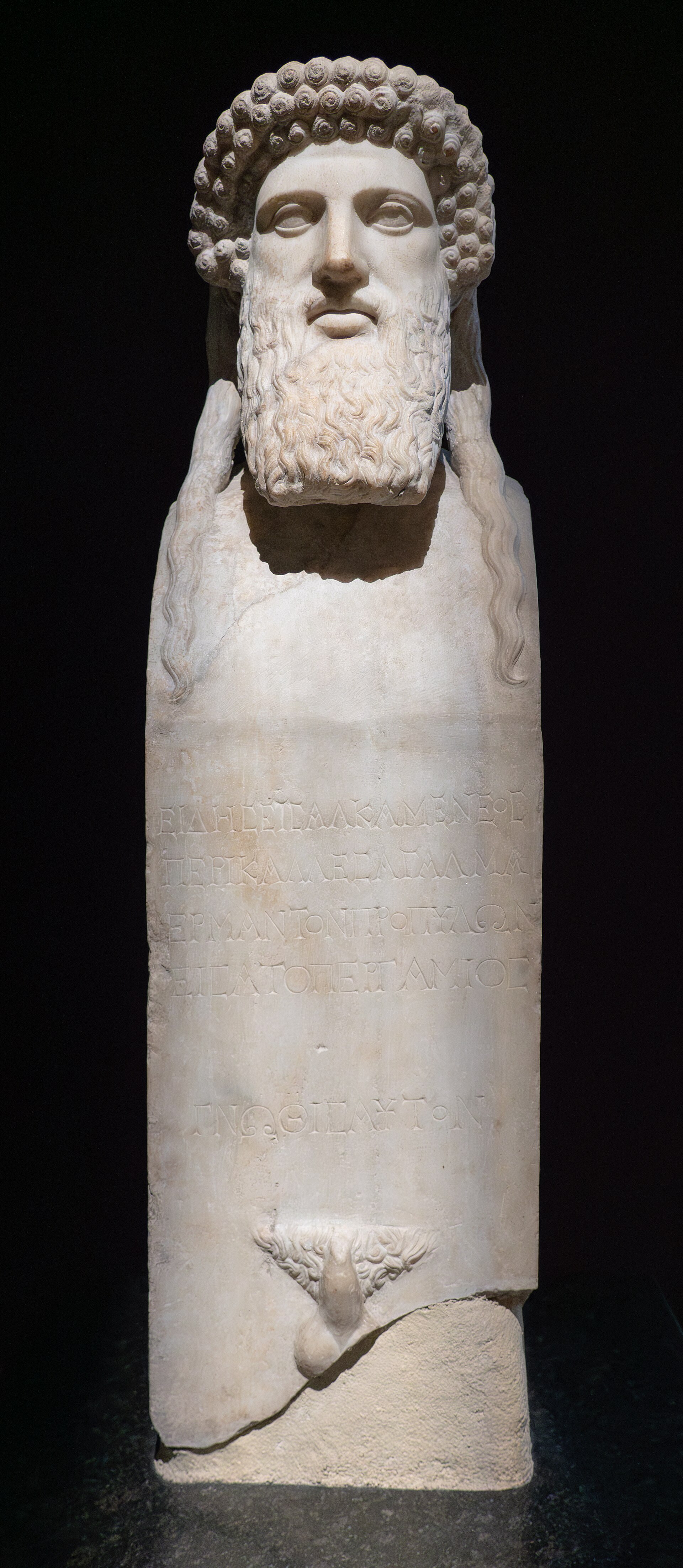
This museum complex holds over one million artifacts and somehow remains one of the most undervisited major museums in the world. Founded in 1891 by Osman Hamdi Bey — a painter, archaeologist, and cultural visionary who almost single-handedly stopped the Ottoman Empire from selling off its antiquities to European collectors — the Istanbul Archaeological Museums span three buildings and several thousand years of human history.
The star attraction is the Alexander Sarcophagus, a late 4th-century BC marble masterpiece discovered in the royal necropolis near Sidon, Lebanon, in 1887. Carved from high-quality Pentelic marble, it depicts Alexander the Great in battle and hunting scenes with astonishing detail — the original paint traces suggest it was once vibrantly colored. Despite its name, it was not Alexander's tomb but belonged to Abdalonymus, a king Alexander installed in Sidon. What makes it truly remarkable is that it contains one of the only known depictions of Alexander created during or near his lifetime.
Osman Hamdi Bey's legacy extends beyond the museum's collection. Before his intervention, Ottoman law allowed foreign archaeologists to take whatever they found. Hamdi Bey personally excavated the Sidon sarcophagi and then rewrote Ottoman antiquities law to ensure that major finds stayed in the empire. Every artifact in this museum is, in a sense, a monument to one man's stubbornness.
The museum complex also includes the Ancient Orient Museum — home to one of the oldest surviving peace treaties in history, the Treaty of Kadesh (1259 BC) between the Egyptians and Hittites — and the Tiled Kiosk, a 15th-century Ottoman pavilion decorated with gorgeous İznik tilework. Together, they represent a sweep of civilization that makes most European museums look like latecomers.
Verified Facts
The museum was founded in 1891 by Osman Hamdi Bey, who rewrote Ottoman antiquities law to prevent foreign archaeologists from taking discoveries out of the country.
The Alexander Sarcophagus, the museum's centerpiece, was carved in the late 4th century BC and contains one of the only depictions of Alexander the Great made near his lifetime.
The complex houses over one million artifacts across three buildings, including the Ancient Orient Museum which holds the Treaty of Kadesh (1259 BC).
The Alexander Sarcophagus was not actually Alexander's tomb — it belonged to Abdalonymus, a king Alexander appointed in Sidon.
Get walking directions
Cankurtaran, Fatih, Türkiye