Mimar Sinan called the Süleymaniye his "journeyman work" — not his masterpiece, just his proof of competence. Coming from the man widely considered the greatest architect in Ottoman history, that is either extreme modesty or extreme arrogance, and knowing Sinan, it was probably both. He built it between 1550 and 1557 for Suleiman the Magnificent, and it has survived 89 earthquakes in the 470 years since, including 15 over magnitude 5.5.
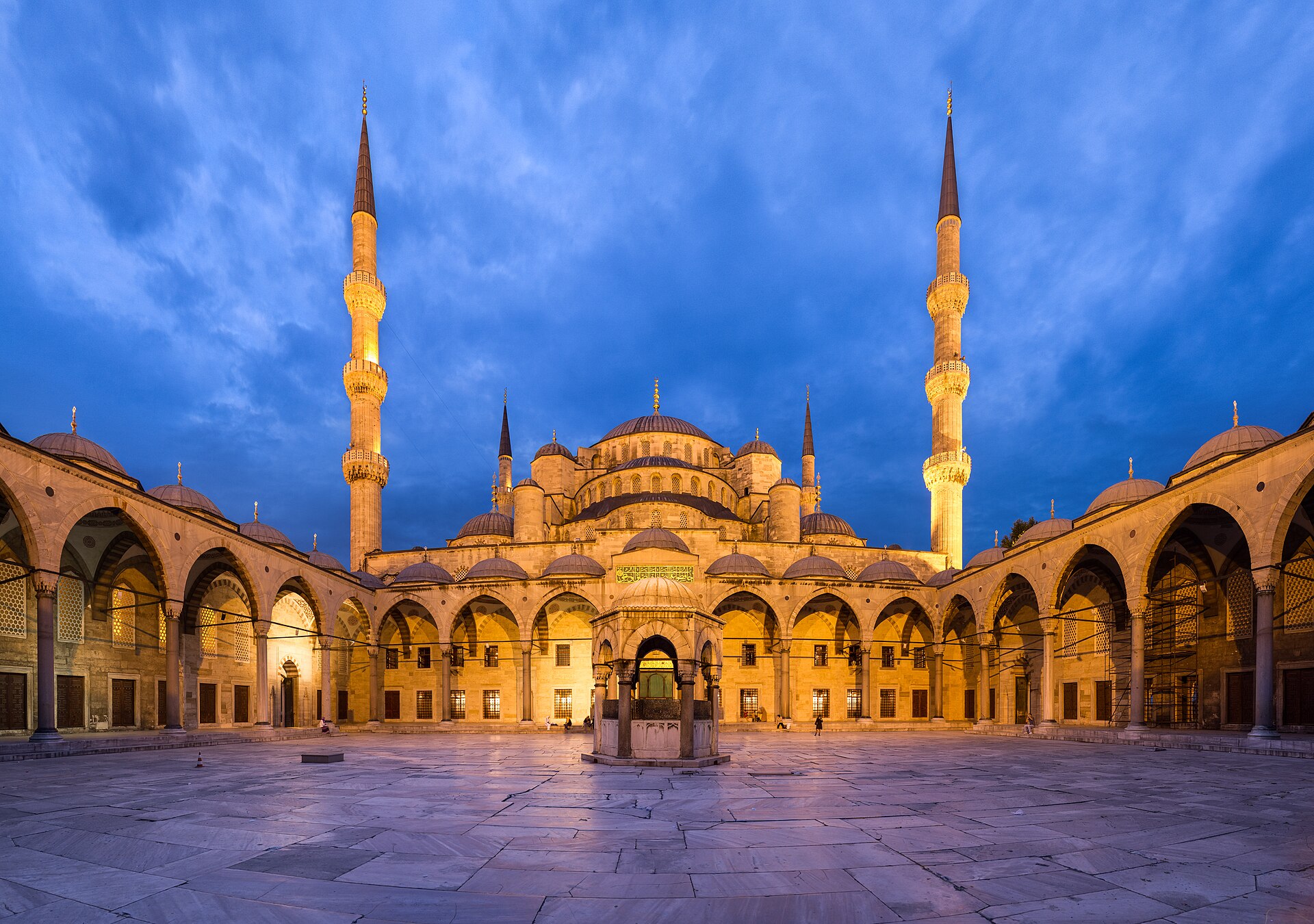
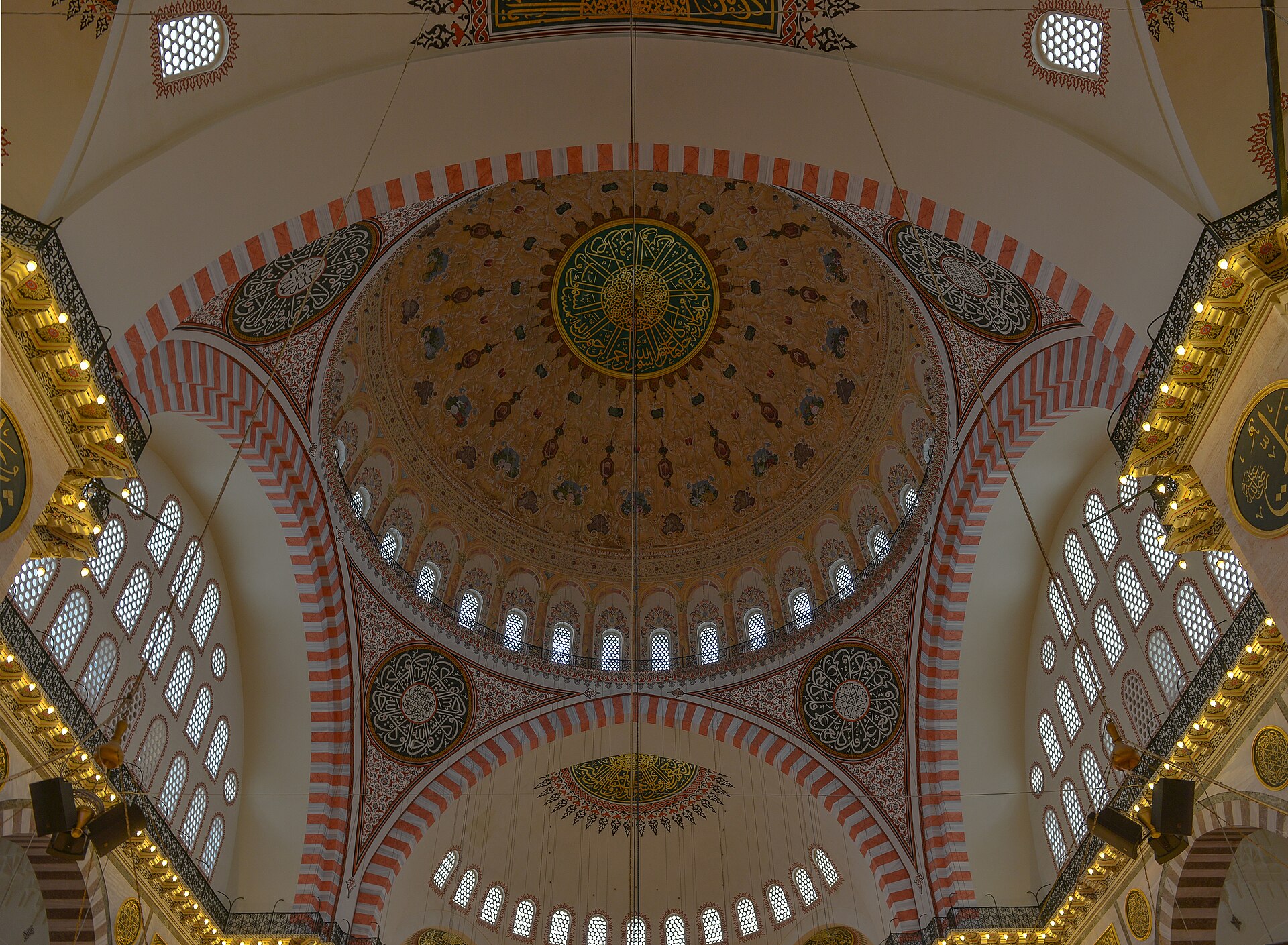
The secret is in the engineering. Sinan incorporated a rail system throughout the structure that allows the building to flex up to five degrees on each side during seismic activity. The dome sits 53 meters above the floor with a diameter of 26.5 meters — exactly half its height — a mathematical harmony that gives the interior a sense of balanced perfection. Four minarets at the corners have a combined ten balconies, said to represent Suleiman's status as the tenth Ottoman sultan.
The mosque complex was more than a place of worship — it was a welfare state in miniature. The original compound included a hospital, medical school, four madrasas, a public kitchen (imaret) that fed 1,000 people daily, a bathhouse, shops, and a caravanserai. Many of these structures still stand. The public kitchen has been converted into a restaurant that serves Ottoman-era recipes, which feels appropriately circular.
Sinan and Suleiman are both buried in the complex — Sinan in a modest tomb he designed himself at the corner of the grounds, Suleiman in an elaborate mausoleum behind the mosque decorated with İznik tiles. The contrast says everything about the relationship between the builder and the ruler: one demanded attention even in death, the other quietly chose the best spot to watch over his work forever.
Verified Facts
The mosque has survived 89 earthquakes over nearly 500 years, including 15 above magnitude 5.5, thanks to Sinan's earthquake-resistant engineering.
The dome is 53 meters high with a diameter of 26.5 meters, and the four minarets have ten balconies representing Suleiman as the tenth Ottoman sultan.
Architect Mimar Sinan referred to the Süleymaniye as his "journeyman work" (kalfalık eseri), considering the later Selimiye Mosque his masterpiece.
The original complex included a hospital, four madrasas, a public kitchen feeding 1,000 people daily, a bathhouse, and a caravanserai.
Get walking directions
1 Profesor Siddik Sami Onar Cd., Tahtakale, Fatih, 34116, Türkiye