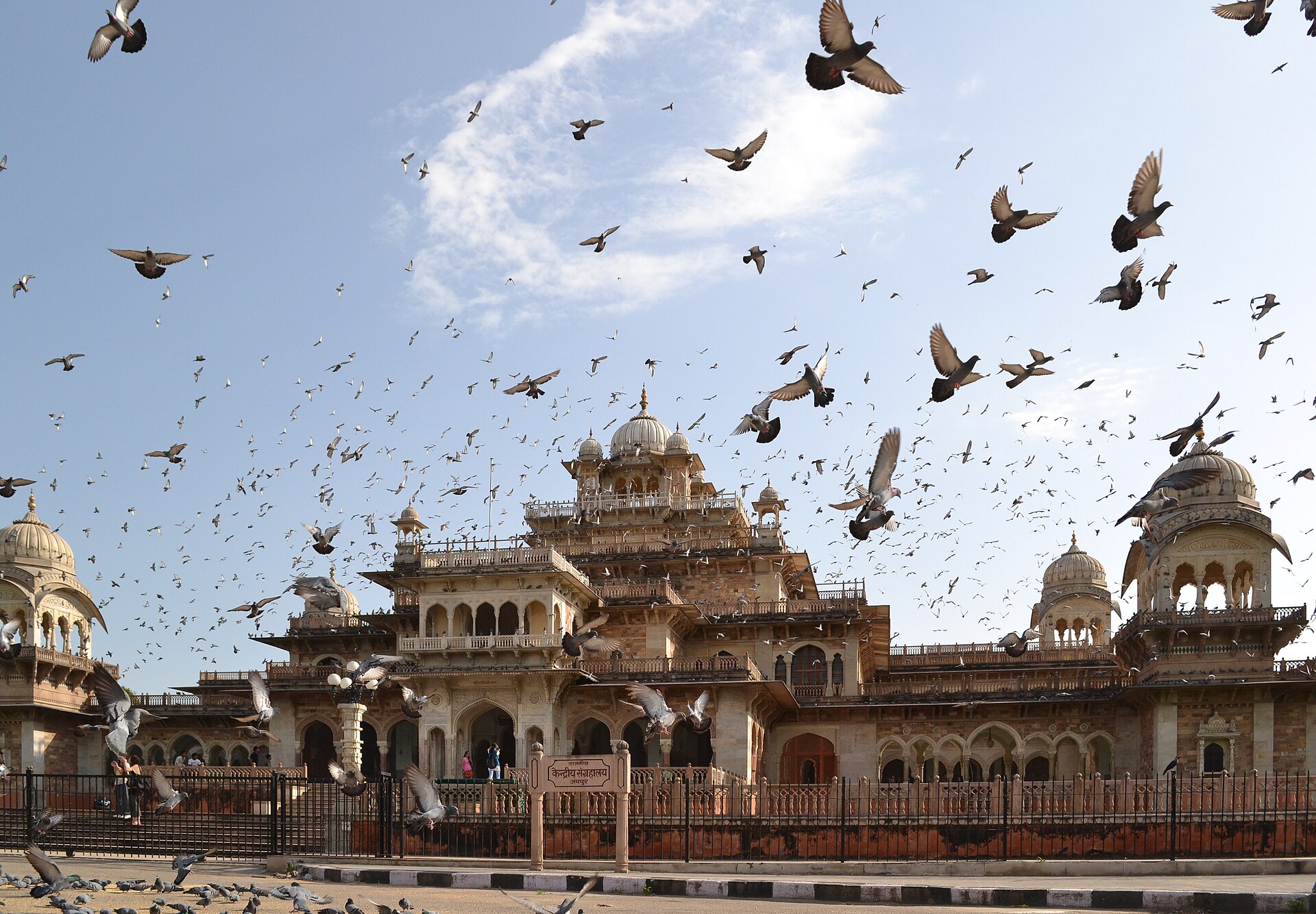
The Albert Hall Museum is Rajasthan's oldest museum — a stunning Indo-Saracenic building in the Ram Niwas Garden completed in 1887 and named after King Edward VII (Albert Edward) who laid the foundation stone during his visit to Jaipur. The building, designed by Sir Samuel Swinton Jacob (who combined Mughal, Hindu, and European architectural elements in what became the defining style of British India), is as much a reason to visit as the collection it houses.
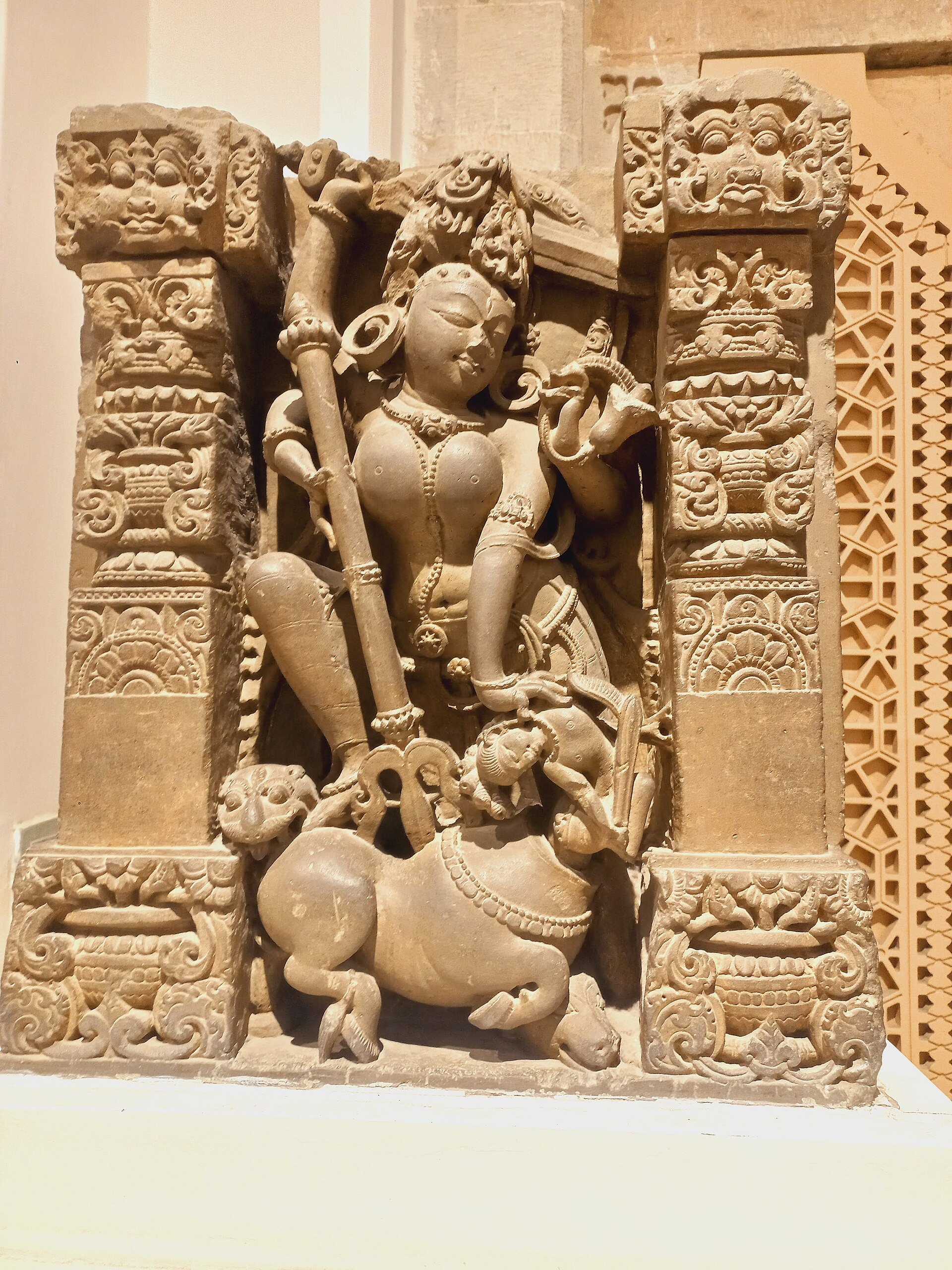
The collection includes Mughal miniature paintings, Rajasthani textiles, arms and armour, musical instruments, and the Egyptian mummy (acquired in the 19th century) that is the museum's most popular exhibit with Indian schoolchildren. The carpet gallery contains one of the oldest Persian garden carpets in existence (a 16th-century carpet considered one of the finest examples in the world), and the metalwork and pottery collections demonstrate the craft traditions that Rajasthan has maintained for centuries.
The museum's nighttime illumination (added in recent years) transforms the Indo-Saracenic facade into a golden spectacle that is Jaipur's most impressive after-dark sight — the domes, arches, and decorative detailing glow against the night sky in a display that turns a Victorian-era museum into a palace of light.
Verified Facts
The museum was completed in 1887 and is Rajasthan's oldest
Designed by Sir Samuel Swinton Jacob in Indo-Saracenic style
Named after King Edward VII who laid the foundation stone
The collection includes one of the oldest Persian garden carpets in the world
Get walking directions
Ram Niwas Garden, Jaipur