Walking Tours in Jaipur
30 Landmarks in Jaipur
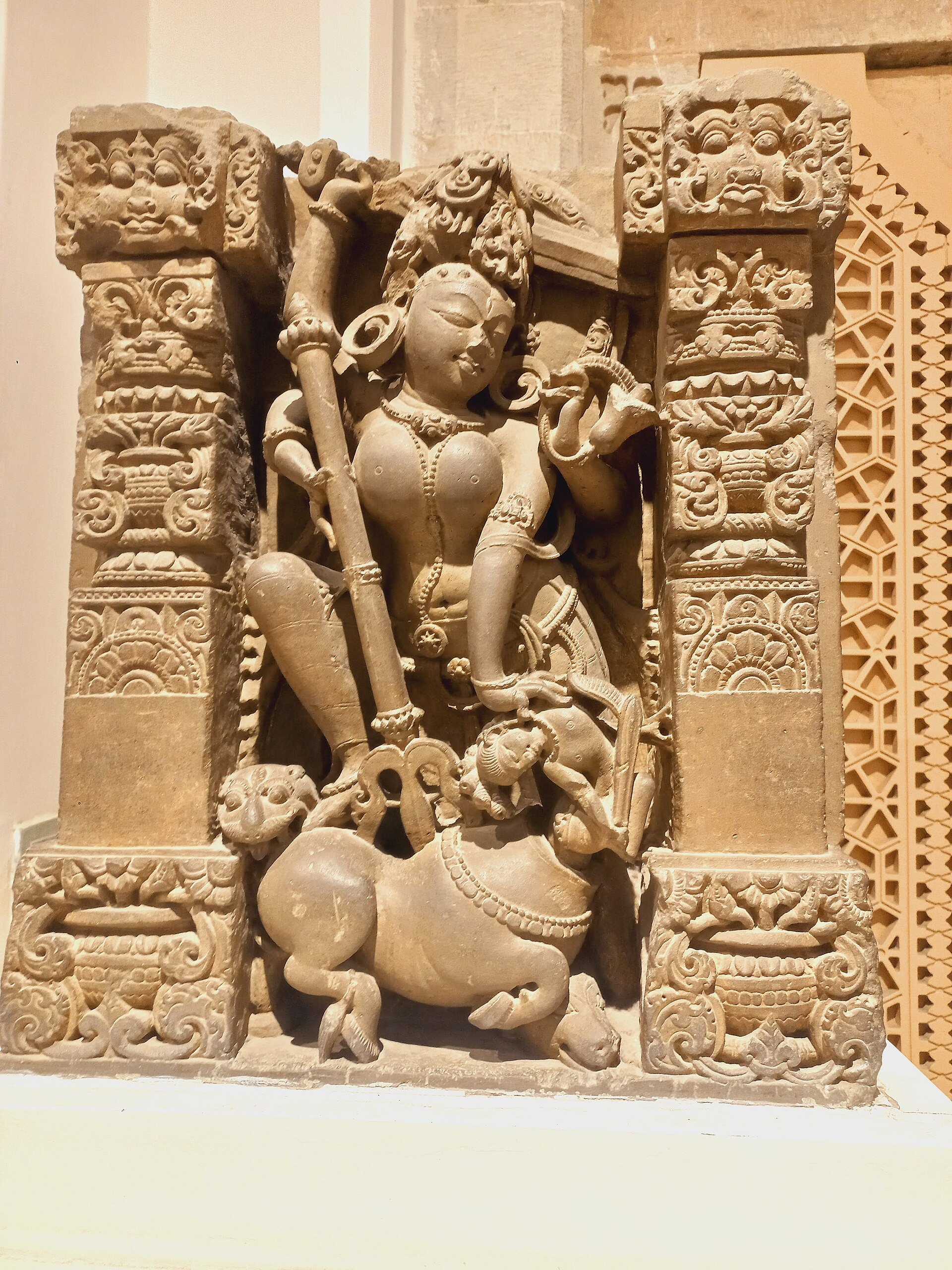
Abhaneri Chand Baori (Day Trip)
Abhaneri, Dausa District, Rajasthan
Chand Baori at Abhaneri is the deepest and most geometrically spectacular stepwell in India — a 9th-century well with 3,500 narrow steps arranged in a perfect double-flight pattern down 13 storeys to the water at the bottom. The stepwell is 95 kilometres east of Jaipur on the road to Agra and makes a good stop on a Jaipur-to-Agra road trip or as a long day trip from Jaipur. The architectural logic — the stepped geometry allowed villagers to reach the receding water table during Rajasthan's long dry seasons, while the depth kept the water cool even in the summer heat — has attracted filmmakers (the stepwell appeared in 'The Fall' and 'The Dark Knight Rises') and architects who consider it one of the finest pieces of pre-modern engineering. The neighbouring Harshat Mata Temple, contemporary with the stepwell, has excellent 9th-century carving.
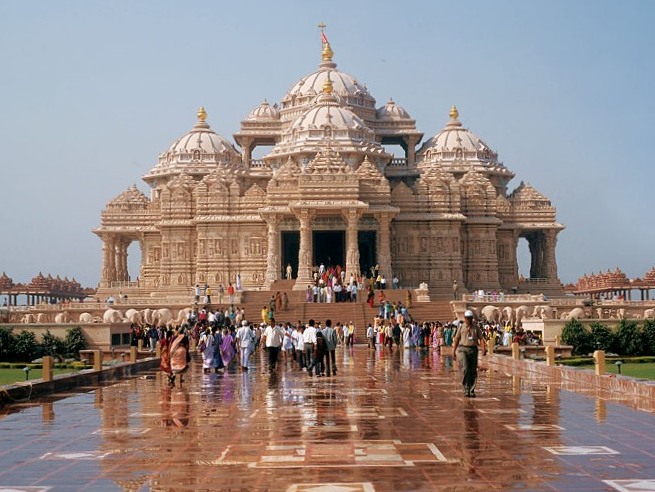
Akshardham Temple
Chitrakoot Nagar, Jaipur, 302021, India
The Akshardham Temple in Jaipur is one of the chain of modern Hindu temples built by the BAPS Swaminarayan Sanstha — a gleaming white sandstone and marble complex inaugurated in 2001 that is a smaller but architecturally significant cousin of the famous Akshardham temples in Delhi and Gandhinagar. The main shrine houses a 11-foot gilded idol of Bhagwan Swaminarayan, and the mandir's intricate stone carving — all hand-cut in traditional Hindu temple style with no steel reinforcement — was completed by over 500 artisans. The temple is set in manicured gardens with fountains and cultural installations, and the evening light-and-sound shows explain Swaminarayan's life and teachings. The temple has strict security and dress codes (no leather, no shorts, no electronics beyond phones checked at the gate), but the serenity of the grounds and the architectural quality make it worth the bureaucratic entry process.
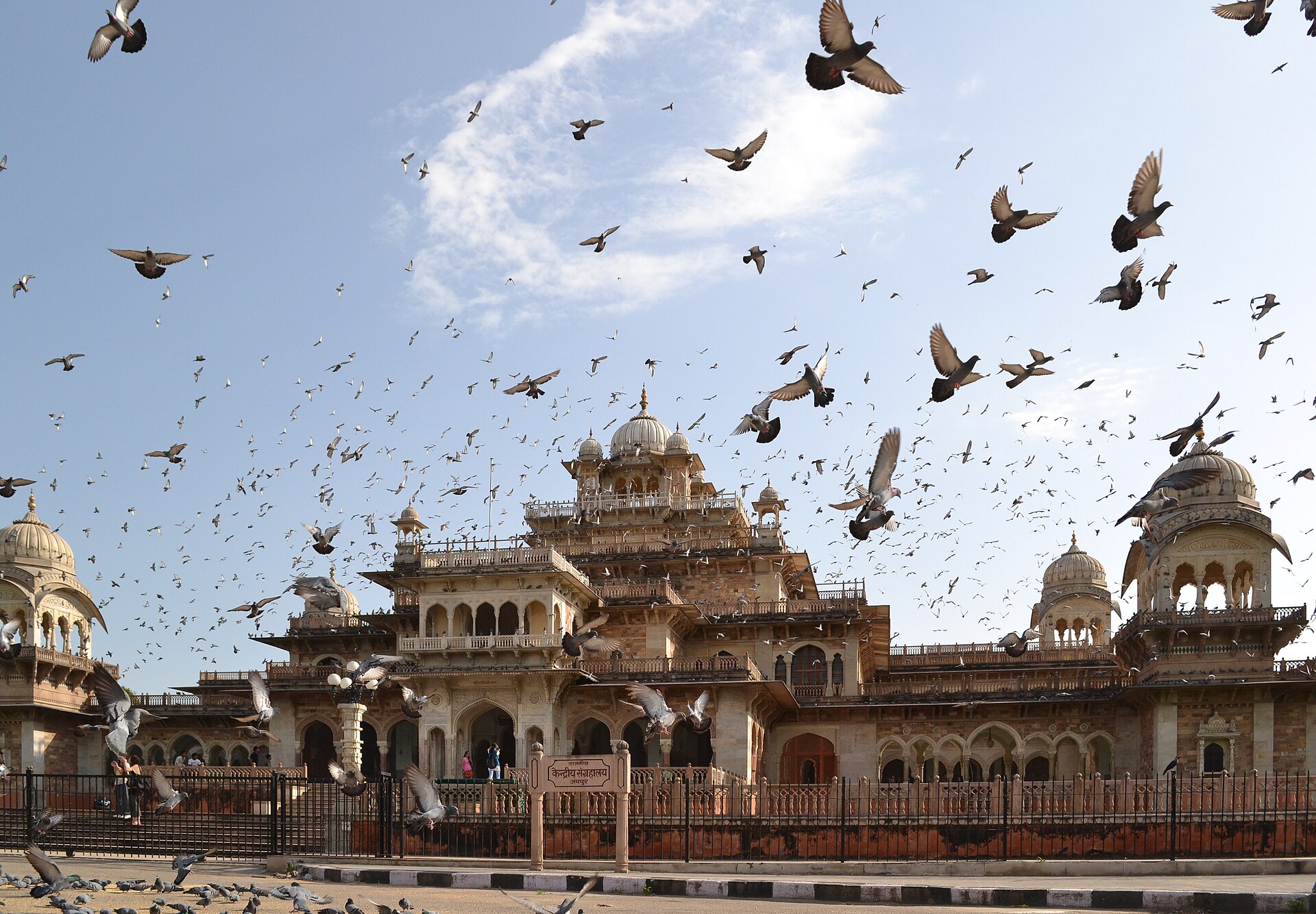
Albert Hall Museum
Ram Niwas Garden, Jaipur
The Albert Hall Museum is Rajasthan's oldest museum — a stunning Indo-Saracenic building in the Ram Niwas Garden completed in 1887 and named after King Edward VII (Albert Edward) who laid the foundation stone during his visit to Jaipur. The building, designed by Sir Samuel Swinton Jacob (who combined Mughal, Hindu, and European architectural elements in what became the defining style of British India), is as much a reason to visit as the collection it houses. The collection includes Mughal miniature paintings, Rajasthani textiles, arms and armour, musical instruments, and the Egyptian mummy (acquired in the 19th century) that is the museum's most popular exhibit with Indian schoolchildren. The carpet gallery contains one of the oldest Persian garden carpets in existence (a 16th-century carpet considered one of the finest examples in the world), and the metalwork and pottery collections demonstrate the craft traditions that Rajasthan has maintained for centuries. The museum's nighttime illumination (added in recent years) transforms the Indo-Saracenic facade into a golden spectacle that is Jaipur's most impressive after-dark sight — the domes, arches, and decorative detailing glow against the night sky in a display that turns a Victorian-era museum into a palace of light.
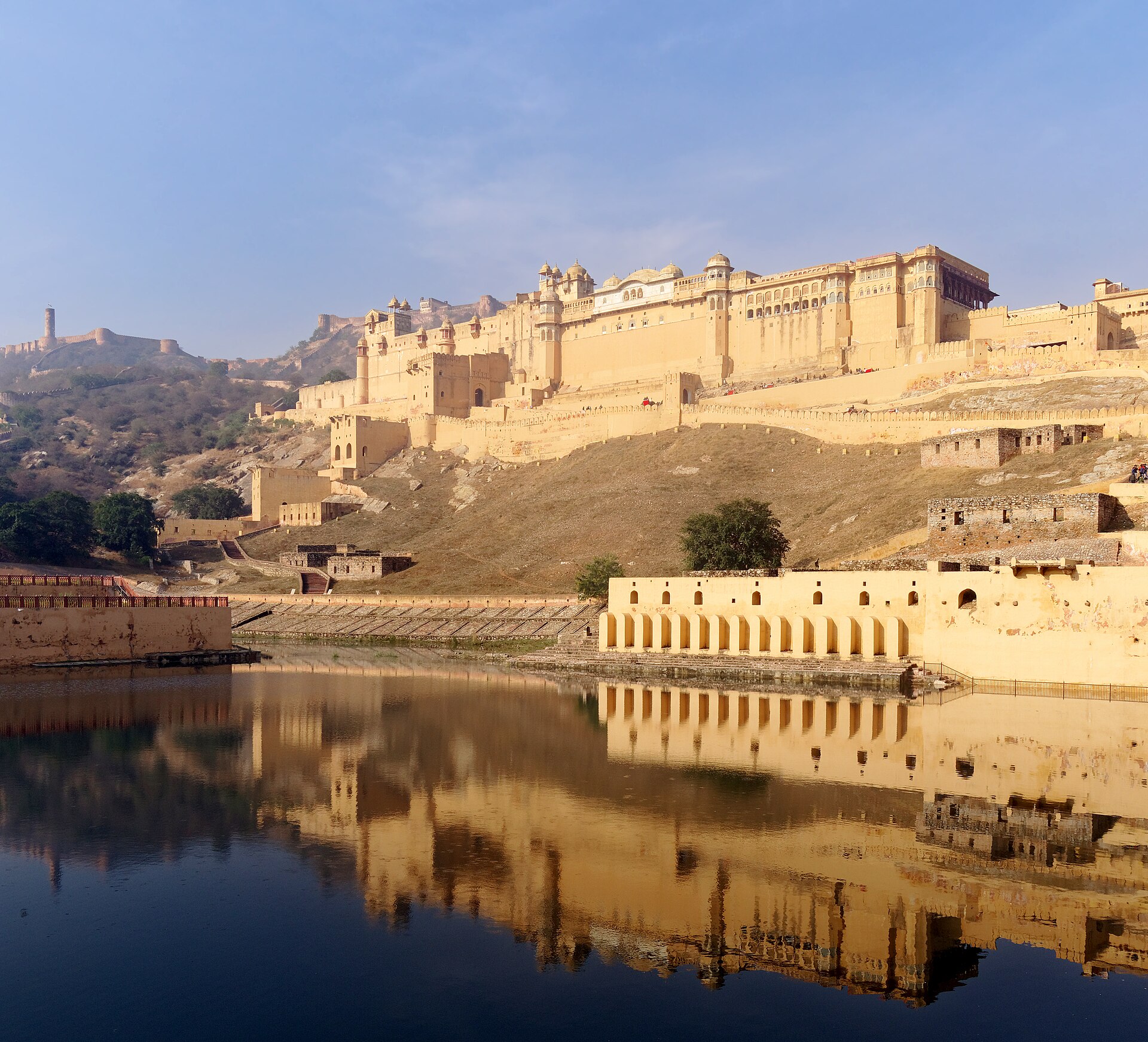
Amber Fort (Amer Fort)
Devisinghpura, Amer, Jaipur
Amber Fort is the most magnificent fortress-palace in Rajasthan — a massive 16th-century complex of red sandstone and white marble on a hilltop 11 kilometres north of Jaipur that was the capital of the Kachwaha Rajput rulers before Jai Singh II founded Jaipur in 1727. The fort combines Hindu Rajput military architecture (high walls, defensive gates, watchtowers) with Mughal decorative refinement (mirror work, carved marble, painted ceilings) in a fusion that reflects the political alliance between the Rajput kings and the Mughal emperors. The Sheesh Mahal (Mirror Palace) is Amber's most celebrated room — a chamber whose walls and ceiling are inlaid with thousands of convex mirror fragments and coloured glass that, when illuminated by a single candle, create a shimmering constellation of reflected light. The Diwan-i-Aam (Hall of Public Audience) and the Diwan-i-Khas (Hall of Private Audience) demonstrate the ceremonial architecture of Rajput court life, and the Sukh Niwas (Hall of Pleasure) features a door of sandalwood and ivory and a cooling system that channelled water through the walls. The approach to Amber Fort — either on foot up the steep cobblestone path, by Jeep, or (controversially) by elephant — provides views of the surrounding Aravalli hills and the Maota Lake below. The fort walls extending up the hillside to the Jaigarh Fort above create a defensive complex that was never successfully besieged.

Anokhi Museum of Hand Printing
Khori, Jaipur, 303012, India
The Anokhi Museum is a small, beautifully curated museum in a restored 17th-century haveli near Amber Fort dedicated to the traditional craft of block printing — the hand-carved wooden blocks, natural dyes, and multi-step printing techniques that have made Jaipur and the surrounding region Rajasthan the capital of Indian textile printing for 400 years. The museum explains the full process: block carving, mordanting, indigo dyeing, fermentation, washing, and sun-drying, with live demonstrations by visiting craftsmen on weekday afternoons. The building itself is a masterpiece of vernacular architecture restored to win a UNESCO Asia Pacific Heritage Award in 2000, and the café in the courtyard serves simple Rajasthani food with views across the village. The museum shop sells Anokhi's contemporary interpretations of block printing — the brand was co-founded by an English woman, Faith Singh, in the 1970s and has become an ambassador for the craft worldwide.
Birla Mandir (Laxmi Narayan Temple)
Jawahar Lal Nehru Marg, Tilak Nagar, Jaipur
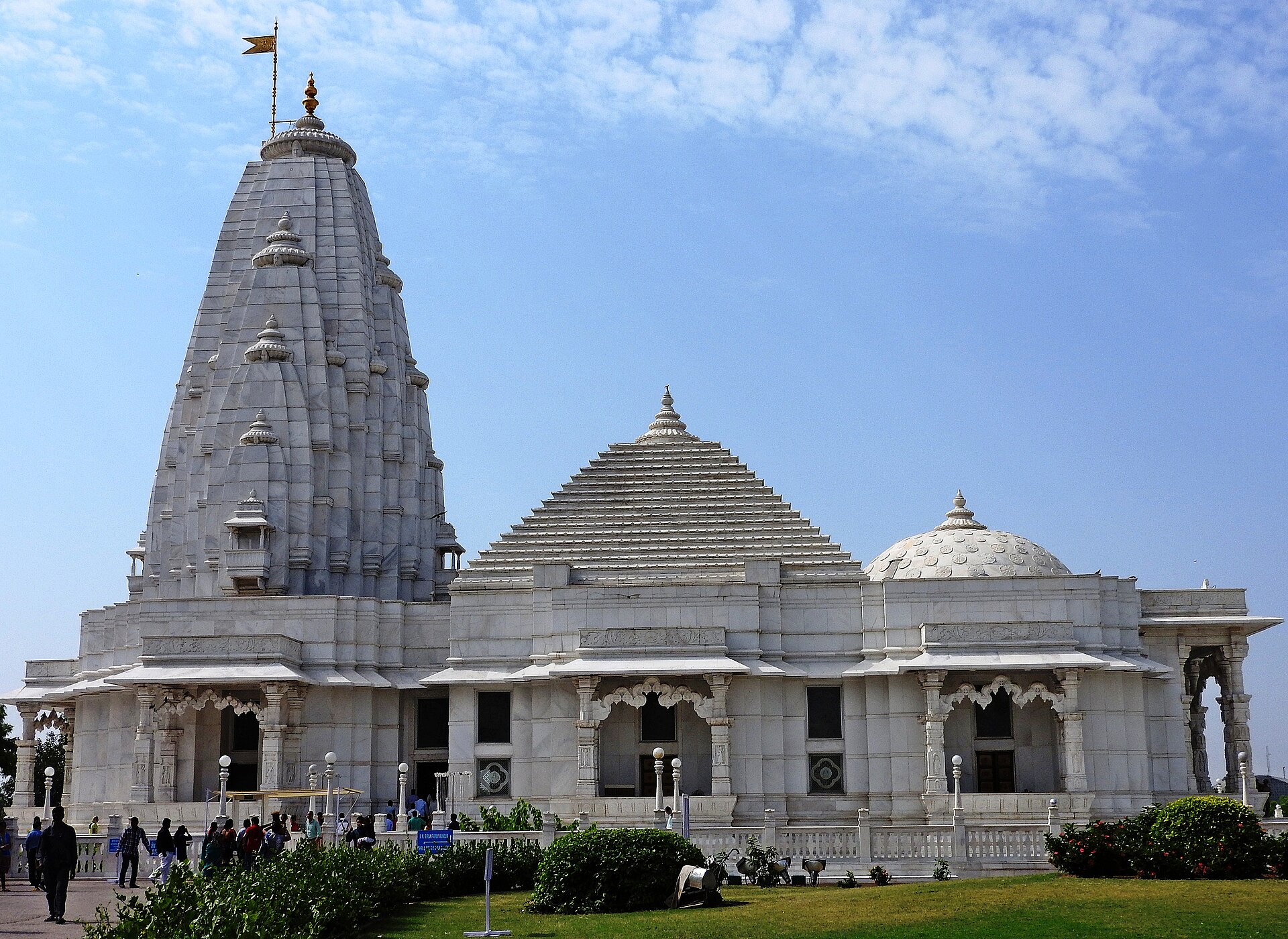
Birla Mandir is a modern Hindu temple built entirely of white marble — a luminous building on the Moti Dungri hill dedicated to Vishnu (Narayan) and Lakshmi that was completed in 1988 by the Birla family (one of India's wealthiest industrial dynasties, who have built Birla temples in cities across the country). The temple's white marble catches the sunlight and the evening illumination in a way that makes it visible from much of the city. The temple's architecture is a modern interpretation of Hindu temple design — the shikhara (tower) above the sanctum is traditional, but the overall proportions and the clean lines of the white marble give it a contemporary elegance that contrasts with the ornate excesses of historical Rajasthani temple architecture. The stained glass windows depicting Hindu mythological scenes, the carved marble panels on the exterior, and the bronze statues of Hindu deities in the surrounding garden are all executed with the quality that industrial money can command. Birla Mandir is open to all faiths (unlike some traditional Hindu temples that restrict entry to non-Hindus), and the evening aarti (prayer ceremony) — with the priests performing the fire ritual, the bells ringing, and the marble interior lit by oil lamps — provides an accessible encounter with Hindu devotional practice.
Central Park
Prithviraj Road, Ashok Nagar, Jaipur, 302001, India
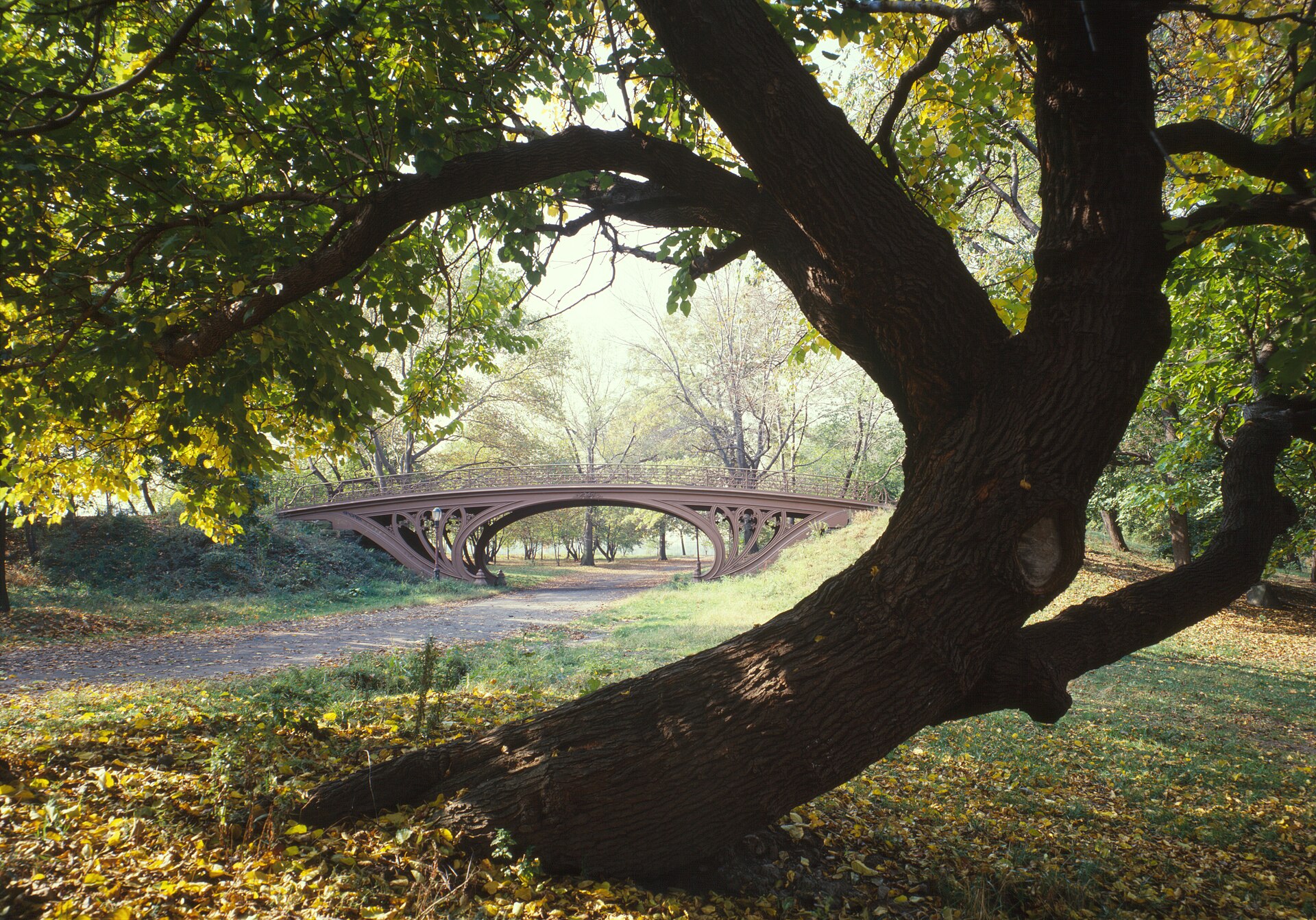
Central Park is Jaipur's largest urban park — a 60-hectare green space in the C-Scheme neighbourhood laid out after 1995 around the Rambagh Polo Ground and Statue Circle, with jogging paths, lawns, a musical fountain, and the world's highest tricolour Indian flag (a 206-foot flagpole erected in 2017 that dominates the skyline). The park is where Jaipur's middle class walks, jogs, and picnics, and on winter afternoons it fills with families flying kites — Rajasthani kite culture is centred on the Makar Sankranti festival in January. The Polo Ground is still used for matches during the winter polo season (November-February), and the Rambagh Polo Club (India's oldest polo club, founded 1900) has kept the sport central to Jaipur's elite identity since the 19th century when the Maharaja's team routinely defeated British Army and Mumbai clubs.
Chandpole Bazaar
Chandpole Bazaar, Pink City, Jaipur
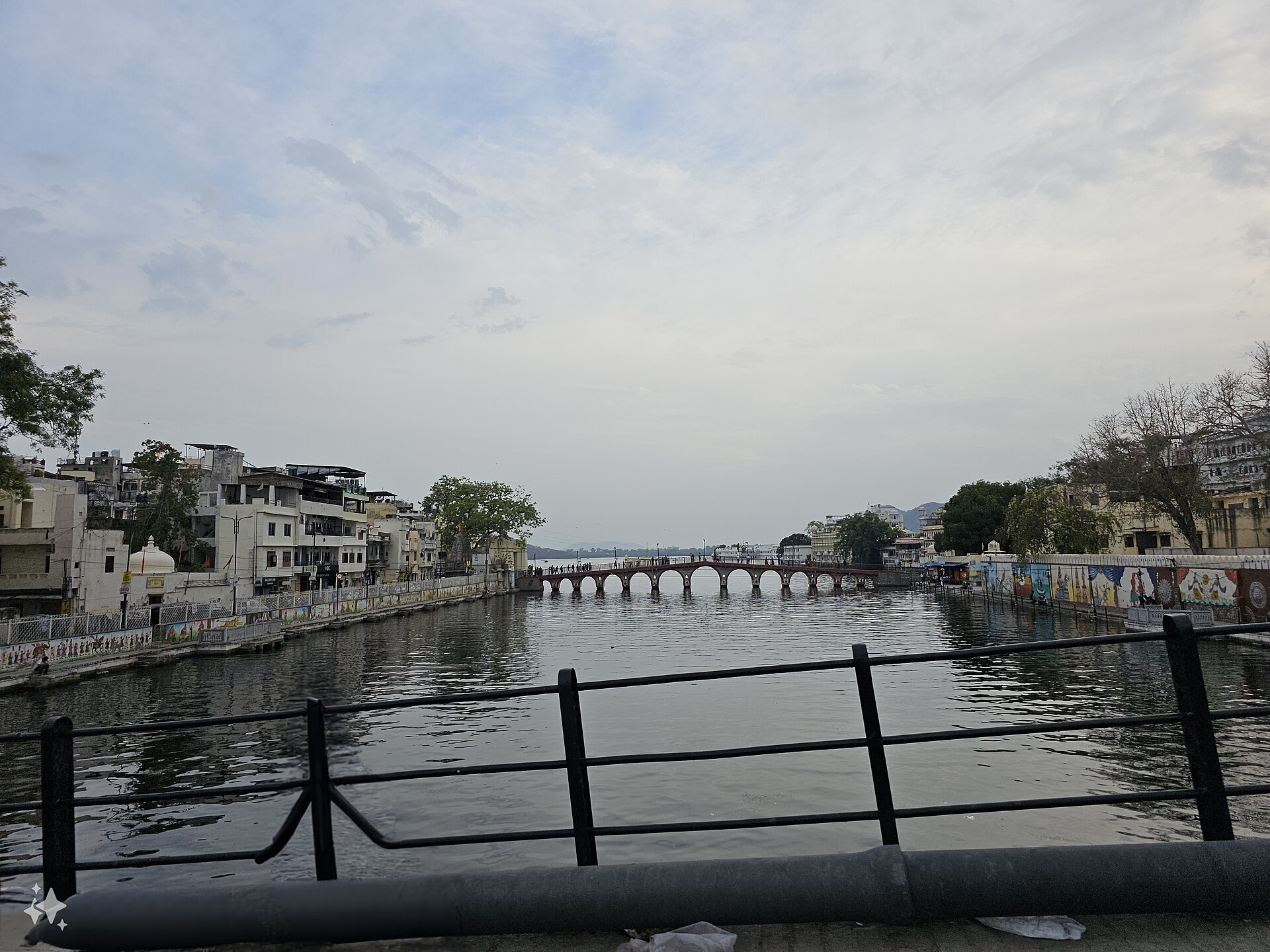
Chandpole Bazaar is the western of the four original planned markets of Jaipur — a long bazaar street running from the City Palace to the Chandpole Gate (literally 'Moon Gate' in Hindi) that specialises in hardware, wholesale goods, handicrafts, and marble carving. Compared to the tourist-heavy Johri and Bapu bazaars further south, Chandpole feels more functional — this is where Jaipur's artisans and tradespeople actually buy supplies. The marble carving section is particularly worth seeking out — small workshops still produce statues, panels, and architectural details for temples across India using techniques developed for the Jain and Hindu temples of Rajasthan. The ornate pink gate at the bazaar's western end is one of Jaipur's eight original city gates, and the view through the arch at sunset — with the bazaar stretching east and camel carts or tuk-tuks silhouetted against the light — is a classic old Jaipur image.
Chokhi Dhani (Cultural Village)
Tonk Road, Muktanand Nagar, Jaipur, 302018, India
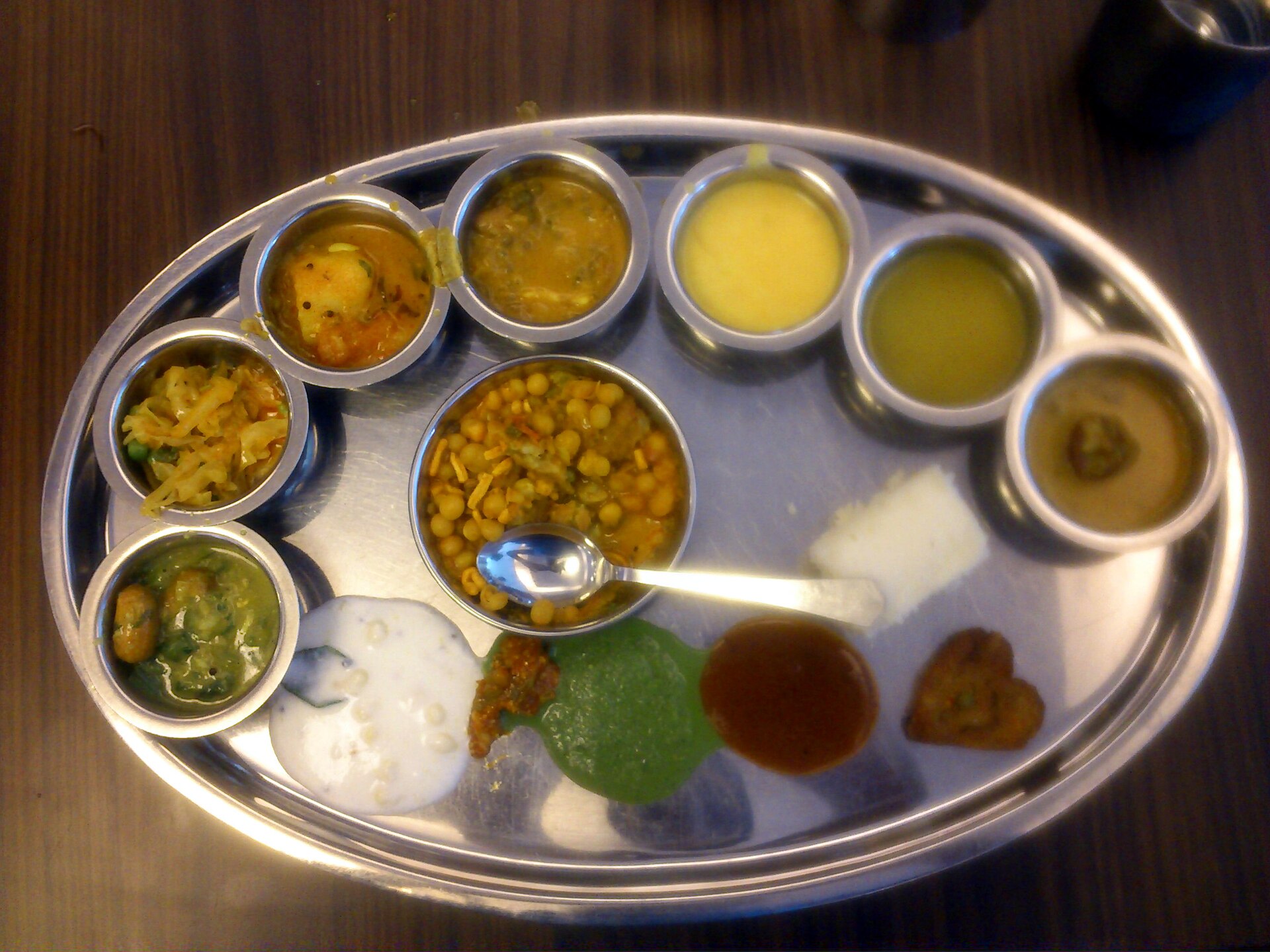
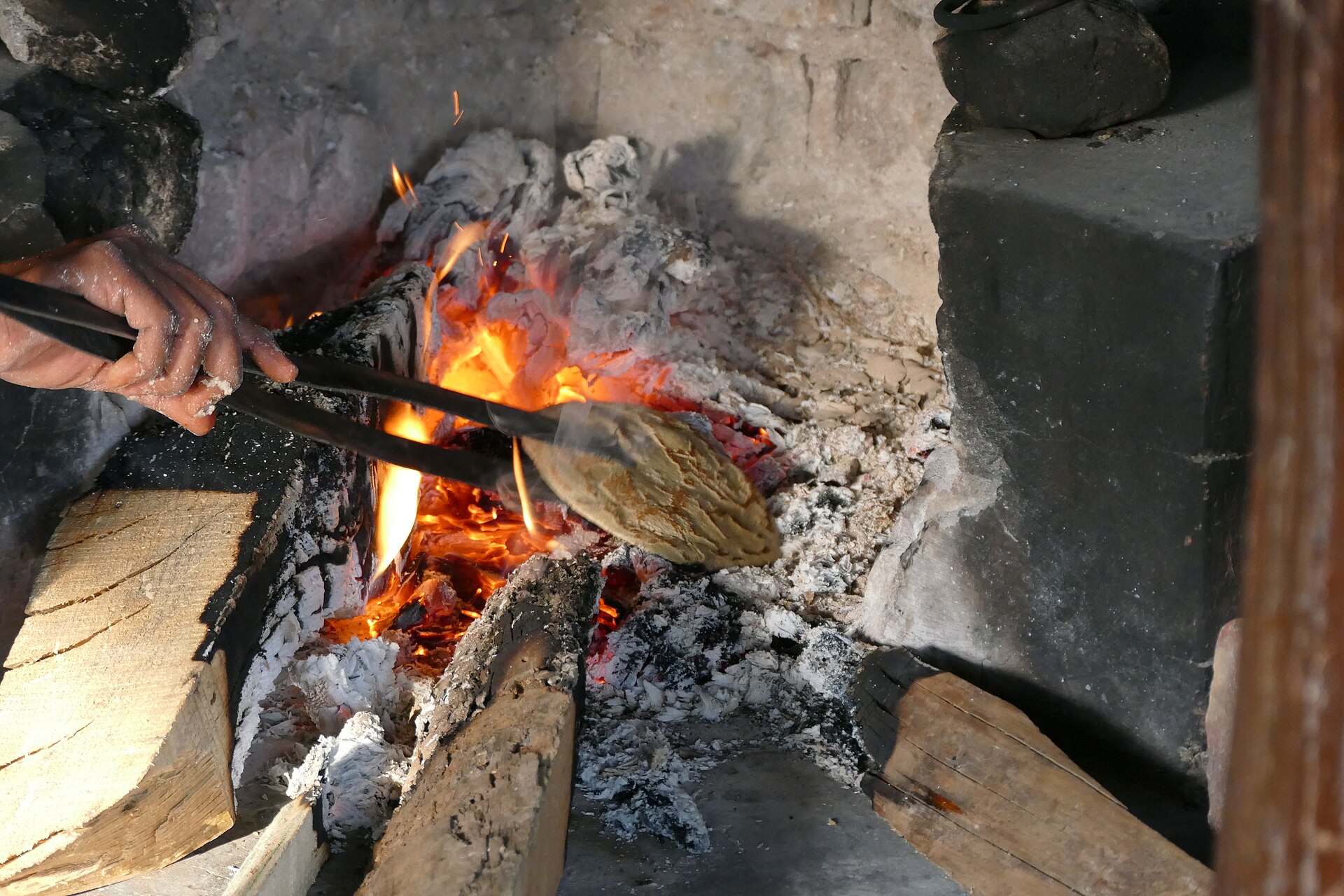
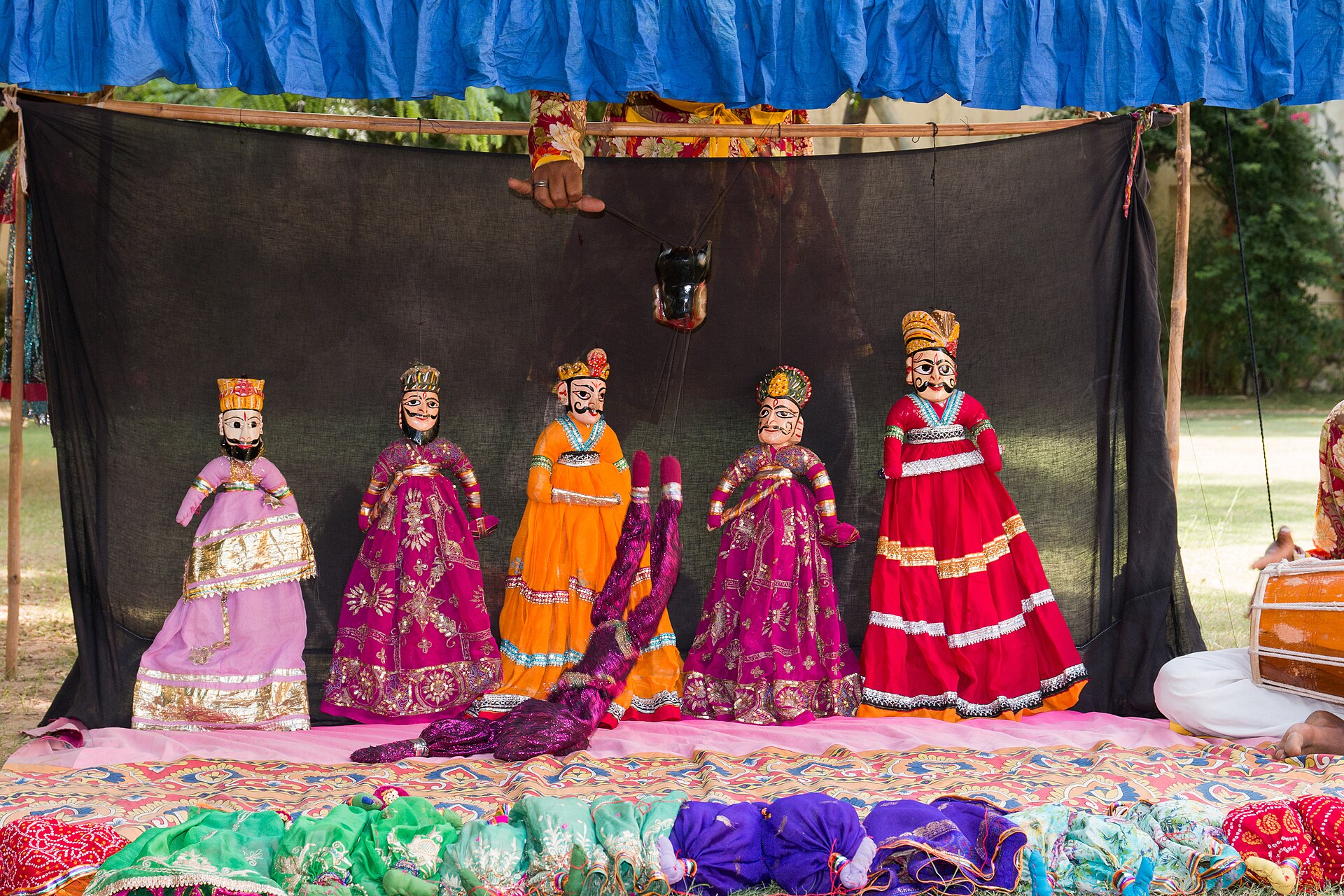
Chokhi Dhani is a recreated Rajasthani village and cultural experience 20 kilometres south of Jaipur — an evening entertainment complex where visitors eat a traditional Rajasthani thali (served on banana leaves while seated on the floor), watch folk dance and puppet performances, ride camels and bullock carts, and experience the rural Rajasthani traditions that the city's modernisation has displaced. The complex is unashamedly tourist-oriented (it was built in 1989 specifically as a cultural tourism destination), but the quality of the food (the thali includes 25+ dishes), the skill of the performers (Kalbelia dancers, puppet shows, fire dancers), and the atmosphere (rural-village aesthetic, lit by oil lamps and firelight) create an evening that is entertaining, informative, and — for visitors who won't see rural Rajasthan — the most accessible introduction to the folk traditions that define the region's cultural identity. The Rajasthani thali at Chokhi Dhani is an exercise in abundance — dal bati churma, gatte ki sabzi, ker sangri, papad, multiple chutneys, three types of bread, two types of rice, sweet dishes, and the buttermilk (chaas) that Rajasthani cuisine uses as a digestive — all served by turbaned waiters who insist on refilling every bowl until you physically prevent them.
Choki Dhani Village Dinner
Tonk Road, Muktanand Nagar, Jaipur, 302018, India
Chokhi Dhani is a Rajasthani village-themed ethnic resort 20 kilometres south of Jaipur where visitors experience traditional Rajasthani culture — folk dances (ghoomar, kalbeliya), camel rides, puppet shows, fortune-telling parrots, and an 8-course thali dinner served on the floor in the traditional manner — in a curated but genuinely entertaining format. The complex was created in 1989 and has grown into one of the most popular tourist destinations in Jaipur, attracting an estimated 1 million visitors per year. The thali dinner is the centrepiece — unlimited servings of dal baati churma (Rajasthan's iconic lentil-and-wheat-ball dish), gatte ki sabzi (spiced chickpea dumplings in yogurt curry), ker sangri (desert berries and beans), and a dozen other regional specialities served on a plantain leaf. Book ahead on weekends; evening entertainment runs until 11 PM.
City Palace
Tulsi Marg, Adarsh Nagar, Jaipur, 302004, India
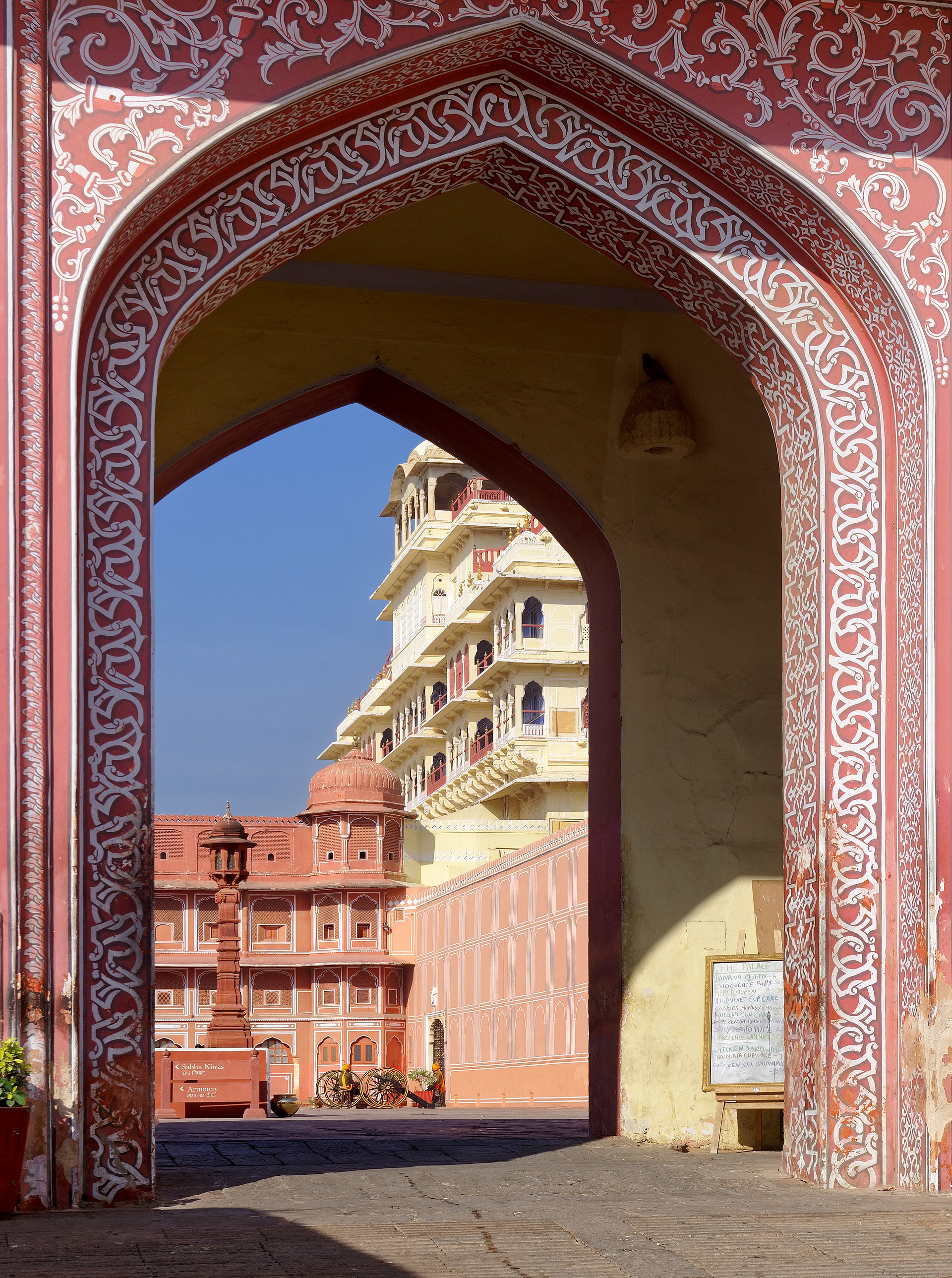
The City Palace is Jaipur's most important architectural complex — a walled compound of courtyards, gardens, and buildings at the centre of the Pink City that has been the seat of the Jaipur royal family since the city was founded in 1727 and where the current maharaja still lives in a section of the palace. The complex blends Rajasthani and Mughal architecture in a series of courtyards that progress from public to private, each more ornate than the last. The Pritam Niwas Chowk (Peacock Courtyard) contains four painted gates representing the four seasons — the Peacock Gate (autumn), the Lotus Gate (summer), the Green Gate (spring), and the Rose Gate (winter) — each painted in the vivid colours and detailed patterns that make Rajasthani decorative art one of the most visually intense traditions in the world. The Mubarak Mahal (a blend of Islamic, Rajput, and European architecture built to receive foreign dignitaries) now houses the Textile and Costume Museum. The palace's most famous objects are the two giant silver vessels (Gangajalis) in the Diwan-i-Khas — each 1.6 metres tall and holding 4,091 litres, they are the largest silver objects in the world and were used by Maharaja Madho Singh II to carry Ganges water to London for Edward VII's coronation in 1902.
Galtaji (Monkey Temple)
Sri Galta Ji, Jaipur
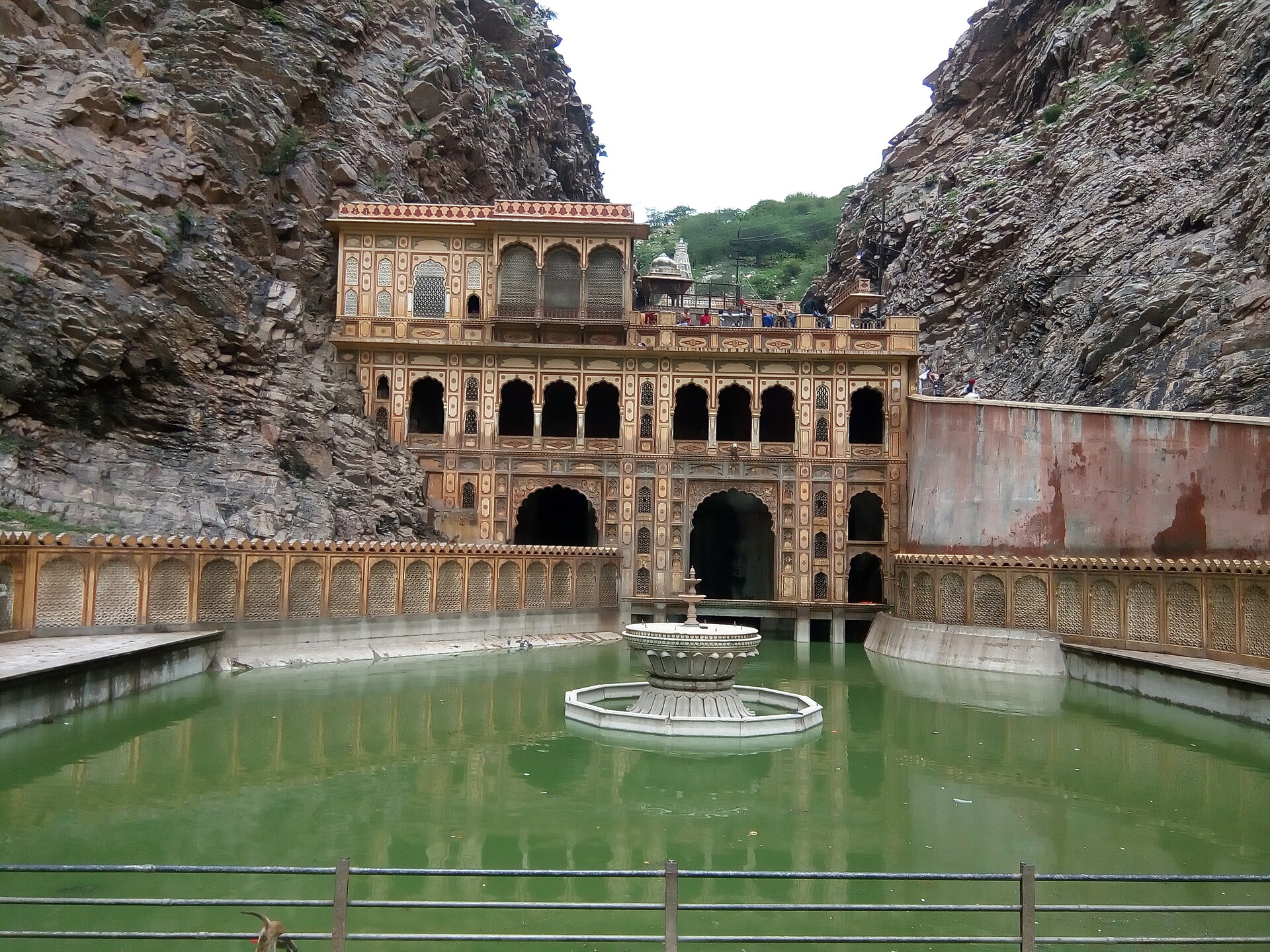
Galtaji is a 10th-century Hindu pilgrimage site in a mountain pass east of Jaipur — a complex of temples, natural springs, and sacred kunds (pools) built into a narrow gorge that is inhabited by hundreds of macaque monkeys who have made the temple their territory. The monkeys (rhesus macaques) are the temple's most famous residents and the reason for its tourist nickname — they congregate around the water tanks, climb the temple walls, and interact with visitors with the confidence of animals who know they are protected by religious tradition. The temple complex includes the Galta Kund (a natural spring-fed pool where pilgrims bathe), the Surya Temple (dedicated to the sun god, perched on the ridge above with panoramic views of the city), and several smaller temples decorated with the painted frescoes and carved stonework that Rajasthani temple architecture produces at every scale. The climb to the Surya Temple provides one of the best views in Jaipur — looking back across the city to the forts and the Aravalli hills. Galtaji is less visited than Jaipur's major forts and palaces, which gives it a more authentic atmosphere — the pilgrims who come to bathe in the sacred springs and the sadhus (holy men) who live in the temple complex provide a glimpse of living Hindu religious practice that the tourist-oriented monuments can't offer.
Govind Dev Ji Temple
City Palace Complex, Jaipur
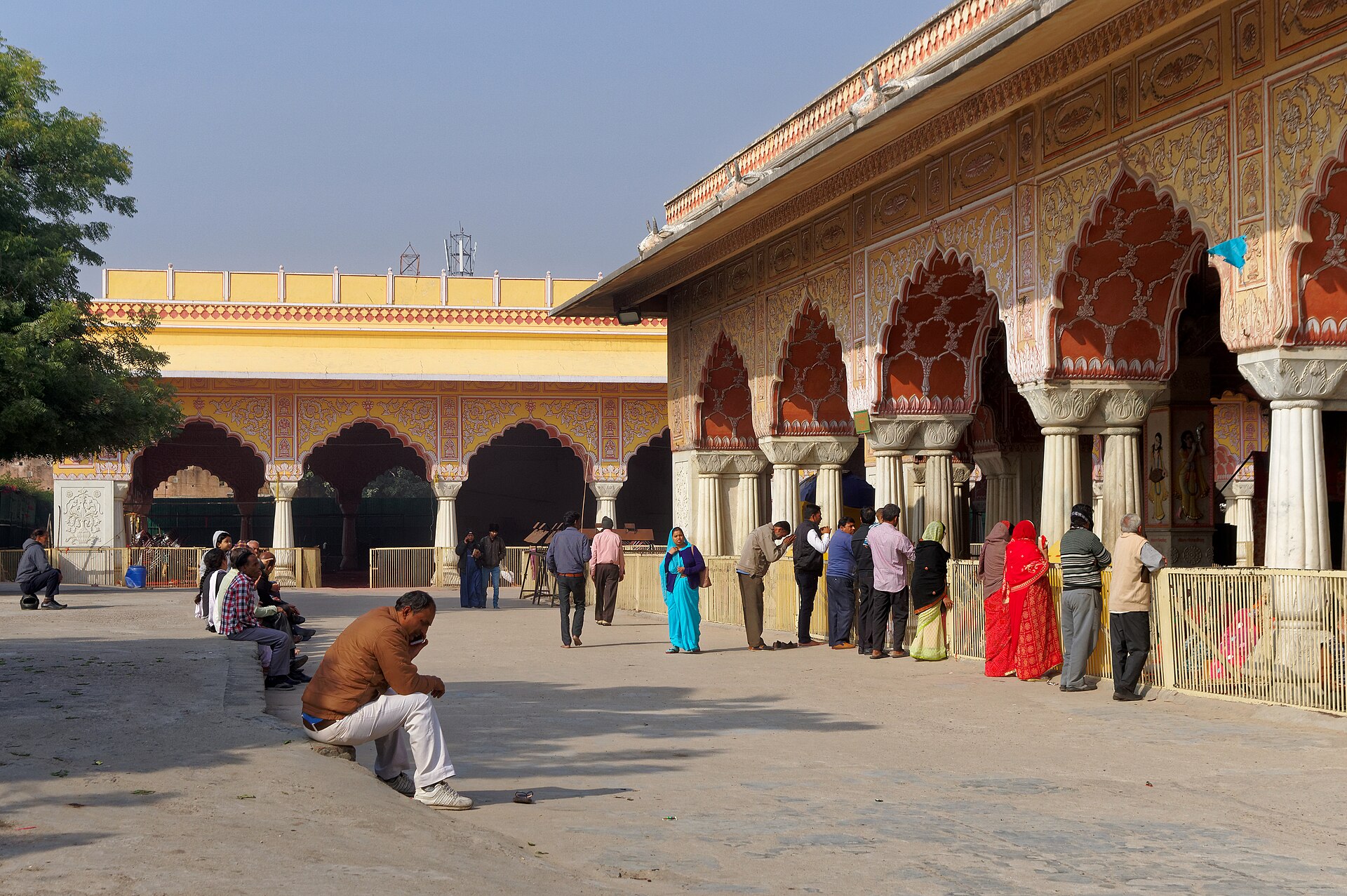
The Govind Dev Ji Temple is Jaipur's most revered Krishna temple — a 18th-century shrine within the City Palace complex whose deity (a black-stone idol of Krishna as a child) is believed to have been carved by Krishna's great-grandson Vajra more than 5,000 years ago and brought to Jaipur from Vrindavan in the 18th century to save it from the iconoclastic campaigns of Aurangzeb. The Maharaja of Jaipur considers himself the dewan (prime minister) of Govind Dev Ji, with the deity treated as the actual ruler of the state. Seven aarti (worship) ceremonies are performed daily, with the Sringar Aarti around 8 AM and the evening Sandhya Aarti drawing the largest crowds and featuring kirtan (devotional singing) and traditional Rajasthani music. The temple is an unusual example of a Hindu deity given royal protocol — the deity is 'awakened', 'bathed', 'dressed', and 'put to bed' daily by a team of priests following strict Vaishnava traditions.
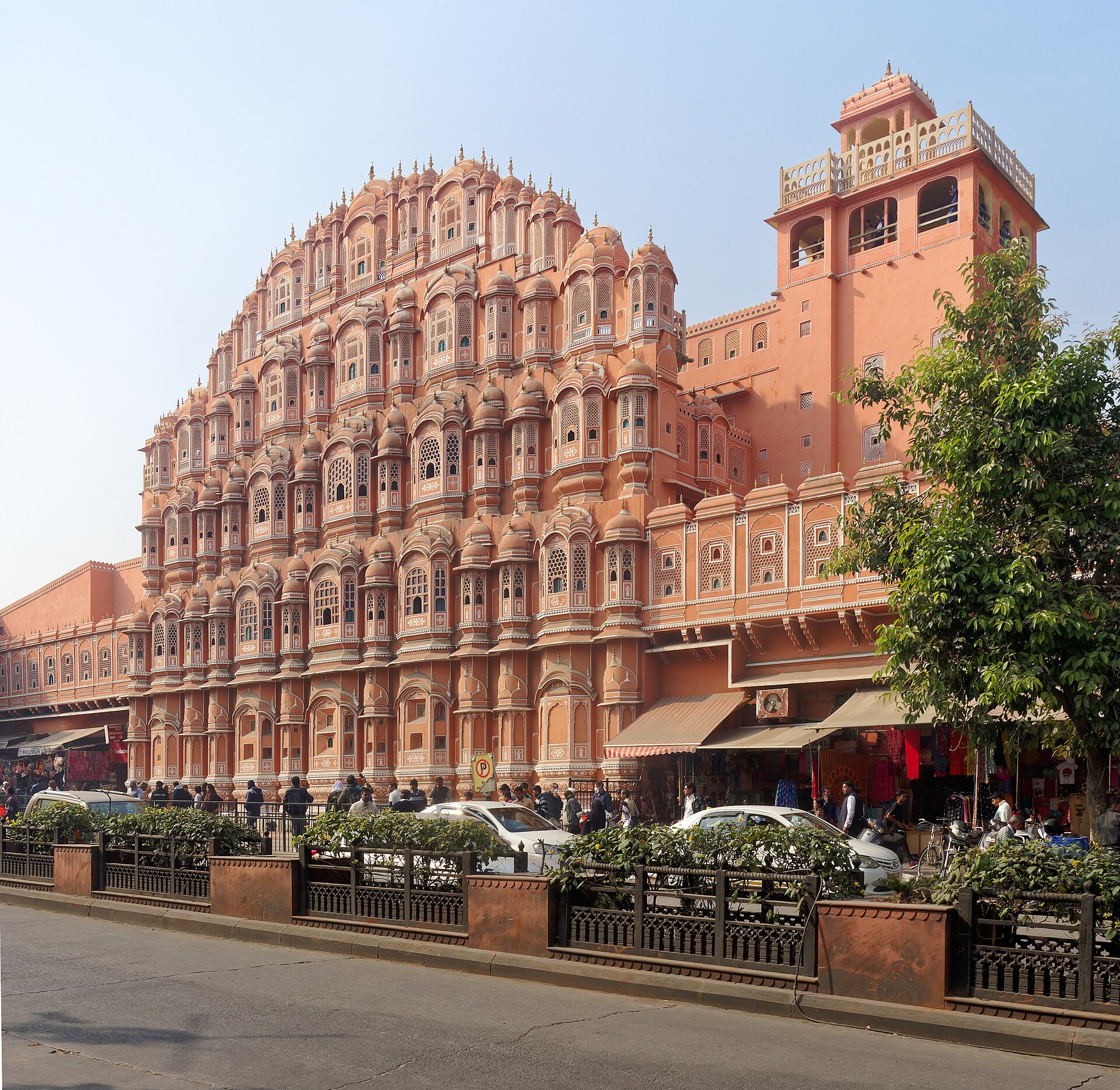
Hawa Mahal (Palace of Winds)
Hawa Mahal Road, Badi Choupad, Pink City, Jaipur
Hawa Mahal is Jaipur's most recognisable building — a five-storey pink sandstone facade of 953 small windows (jharokhas) that was built in 1799 by Maharaja Sawai Pratap Singh so that the women of the royal household could observe street life and festivals without being seen. The building is essentially a screen — the facade is only one room deep in most places, with the windows creating a honeycomb pattern that catches the breeze (hawa means wind) and provided natural ventilation before air conditioning existed. The facade, best viewed from the street below, is an exercise in architectural theatricality — the curved windows, projecting balconies, and the pyramid-like form create a building that looks like a pink beehive made of lace. The sandstone is the same pink that gives Jaipur its nickname (the 'Pink City'), painted salmon-pink in 1876 to welcome the Prince of Wales and maintained in that colour ever since. The interior, accessible from the back (the entrance is on a side street behind the facade), is less impressive than the exterior but provides the perspective that the royal women would have had — looking down through the small windows at the bazaar below, seeing without being seen.
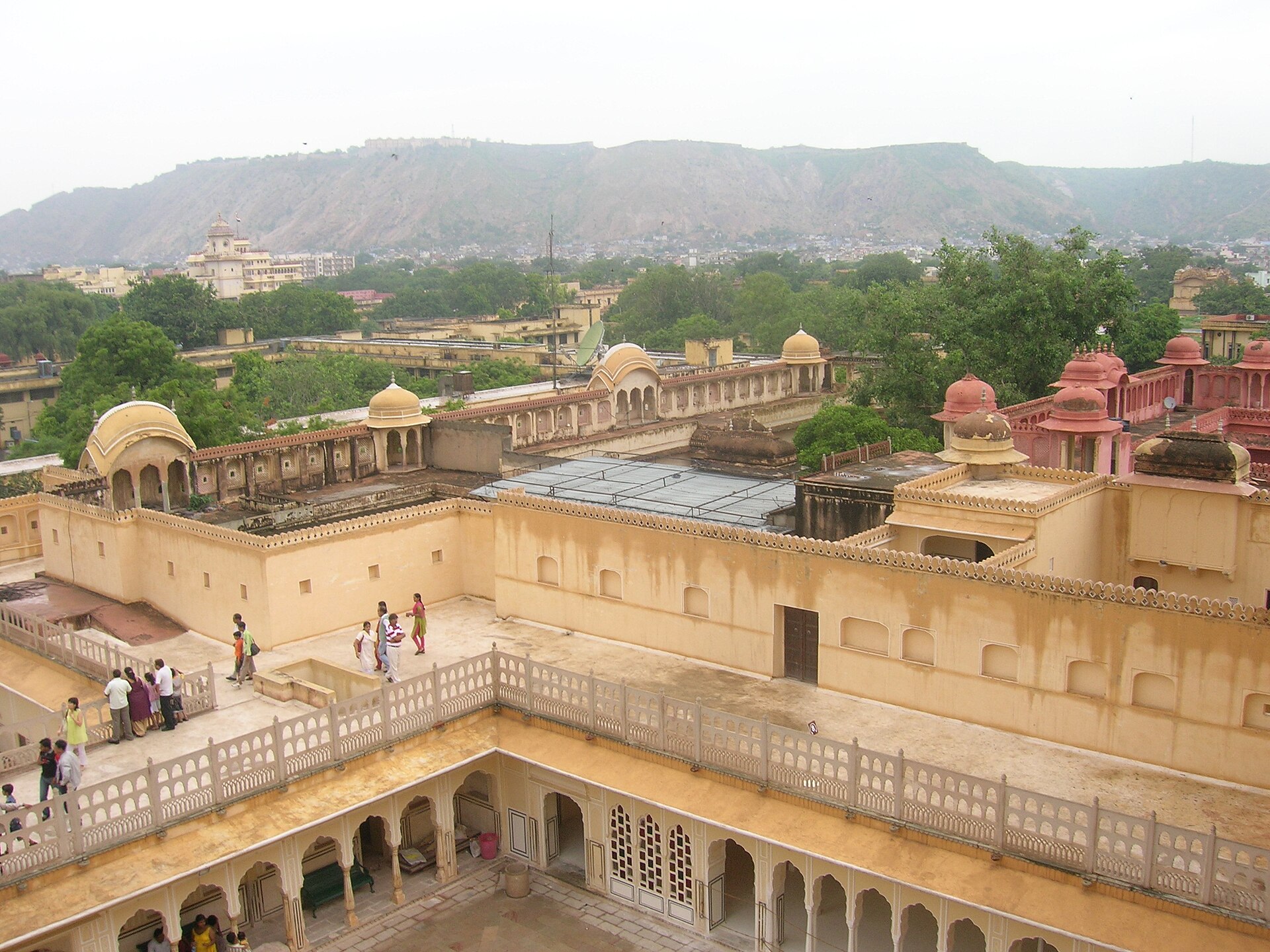
Hawa Mahal Rooftop Cafés
Johri Bazaar opposite Hawa Mahal, Jaipur
The buildings facing Hawa Mahal across the street have capitalised on their position with rooftop cafés that offer the best photograph of Jaipur's iconic pink façade — the 953-window honeycomb wall is best captured from a slightly elevated position across the street, and a number of cafés in these buildings (Tattoo Café & Lounge, Wind View Café) serve Indian and Continental food on their terraces with the Hawa Mahal filling the frame. The best time for the photograph is early morning (before 9 AM) when the sun strikes the pink sandstone directly and the streets below are still quiet. The cafés serve full meals and reasonable coffee — the prices are tourist-tier but the view justifies the premium. Most are accessed via narrow staircases from the jewellery shops on the ground floor.
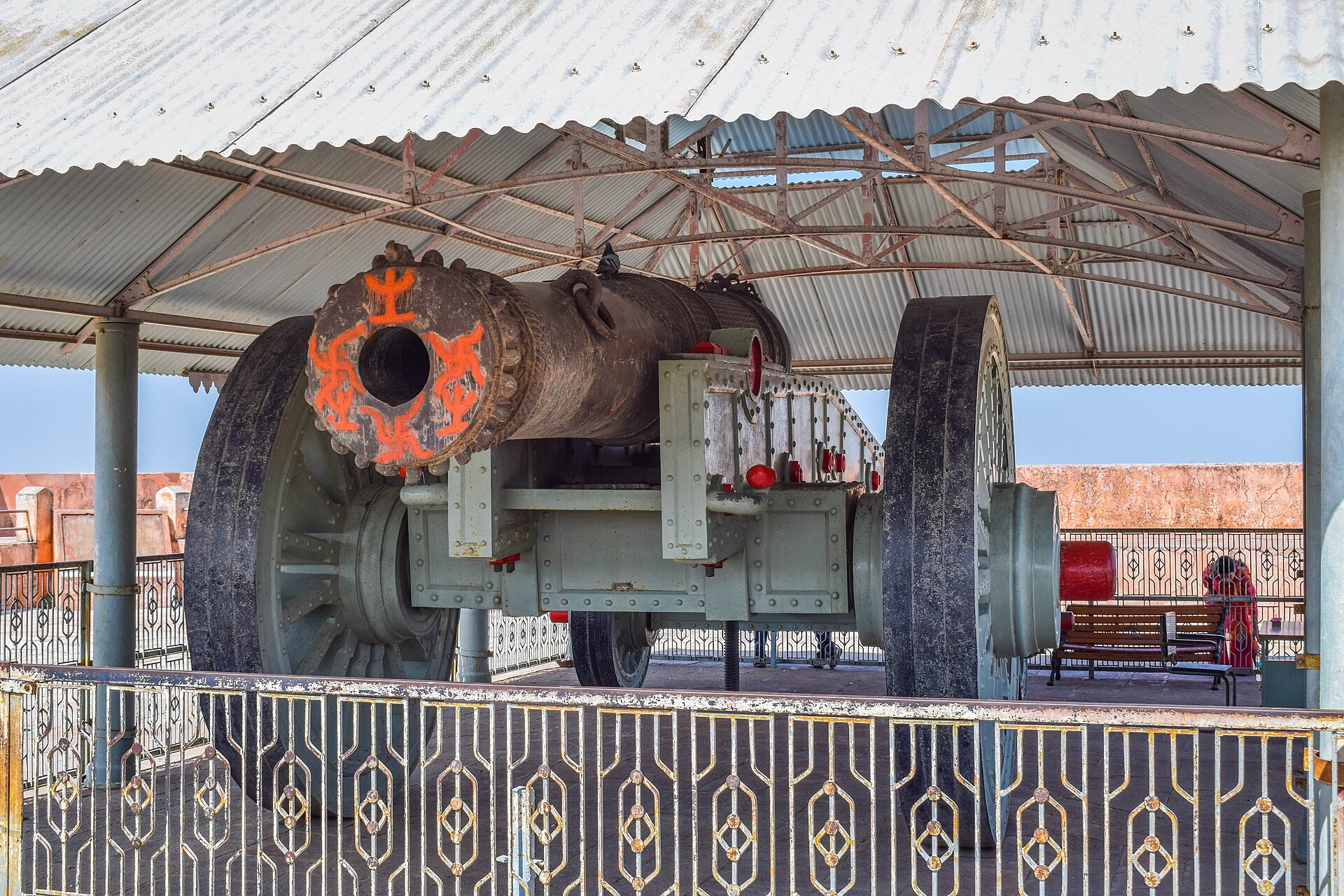
Jaigarh Fort & World's Largest Cannon
Jaigarh Fort, Amer, Jaipur
Jaigarh Fort sits on the Cheel ka Teela (Hill of Eagles) above Amber Fort — a military fortress built in 1726 that houses the Jaivana cannon, the largest wheeled cannon ever made. The cannon, cast in the Jaigarh foundry in 1720, weighs 50 tonnes and could fire a cannonball 35 kilometres — a range that meant it could theoretically hit any target in the Jaipur valley from its hilltop position. The cannon was fired once (as a test) and the sound reportedly broke windows across the valley. Jaigarh's primary function was military — the massive walls, watchtowers, and the underground tunnels connecting it to Amber Fort below formed the defensive infrastructure that protected the Jaipur kingdom's treasury (which was stored in Jaigarh's underground vaults). When Indira Gandhi's government searched the vaults in 1976 (acting on rumours that the Jaipur royal family had hidden billions in treasure there), the search reportedly found the vaults empty — whether the treasure was moved before the search or was never there remains one of Rajasthan's most entertaining mysteries. The fort provides panoramic views of Amber Fort below, the Jaipur city in the distance, and the Aravalli hills extending in every direction. The walk along the fort walls — which extend for several kilometres along the ridge — is one of the most rewarding in Jaipur, and the elevation (higher than Nahargarh) provides the most expansive perspective available.
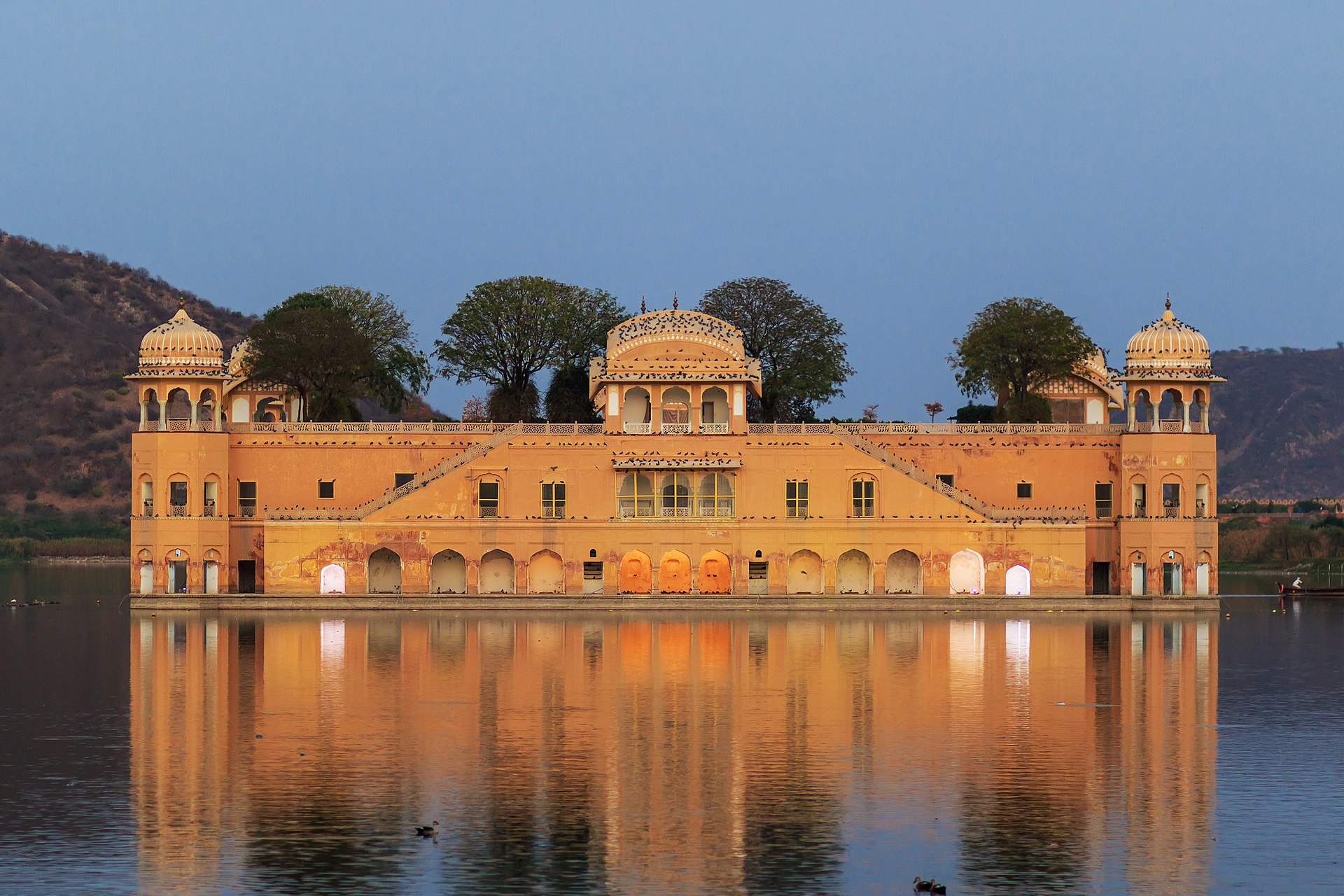
Jal Mahal (Water Palace)
Amer Road, Parasrampuri, Jaipur, 302002, India
Jal Mahal is a five-storey palace sitting in the middle of Man Sagar Lake — with four storeys submerged and only the top floor visible above the water surface, creating the illusion of a palace floating on the lake. The building, renovated in the 18th century by Maharaja Madho Singh I, combines Rajput and Mughal architectural elements and is best viewed from the road between Jaipur and Amber Fort, where its silhouette against the Aravalli hills behind — particularly at sunset when the sandstone turns gold — is one of the most photographed scenes in Rajasthan. The palace is not currently open to visitors (restoration work has been ongoing for years), but the view from the shore — the palace appearing to float on the water, with the hills and Nahargarh Fort visible behind — is the image that appears on every Jaipur postcard. The lake itself is a man-made reservoir created by damming a river to supply water to the city, and when the monsoon rains fill it, the palace becomes an island. The ecological restoration of Man Sagar Lake (which was severely polluted by urban runoff) is one of Jaipur's environmental success stories — the wetland now supports over 150 bird species, and the rehabilitated lake, with the palace at its centre, provides a scenic counterpoint to the city's dusty, busy streets.
Jantar Mantar Observatory
Pink City, Jaipur, 302003, India
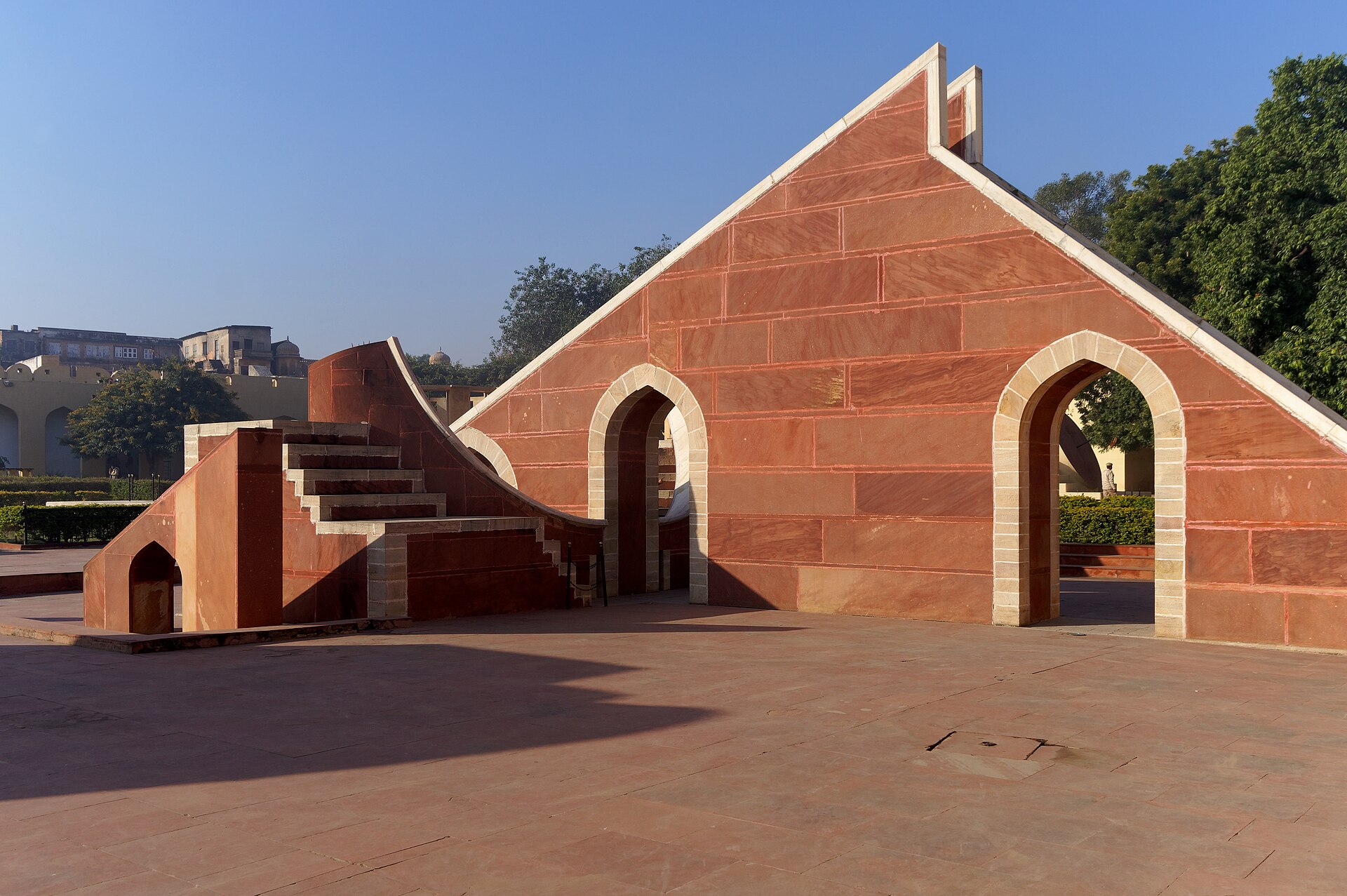
Jantar Mantar is a UNESCO World Heritage astronomical observatory — a collection of 19 stone instruments built between 1727 and 1734 by Maharaja Jai Singh II that are the largest and best-preserved pre-telescopic astronomical observation instruments in the world. The instruments, built from stone and marble at architectural scale, measure time, track celestial bodies, and predict eclipses with a precision that impressed the British astronomers who verified their accuracy in the 19th century. The Samrat Yantra (Supreme Instrument) is the largest sundial in the world — a 27-metre-high right-angled triangle whose shadow moves at 1mm per second, allowing time to be read to an accuracy of 2 seconds. The Jai Prakash Yantra, a hemispherical bowl inset in the ground with a map of the celestial sphere inscribed on its concave surface, allows an observer to plot the position of any celestial body by standing inside the instrument and reading their own shadow against the markings. Jai Singh II built five observatories across India (in Jaipur, Delhi, Ujjain, Varanasi, and Mathura), but the Jaipur Jantar Mantar is the largest and best-preserved. The instruments are functional — time can still be read from the sundials, and the astronomical measurements remain accurate — which is the most compelling argument for the sophistication of 18th-century Indian scientific knowledge.
Jawahar Kala Kendra
Jawahar Lal Nehru Marg, Forestry Training Institute Campus, Jaipur, 302004, India
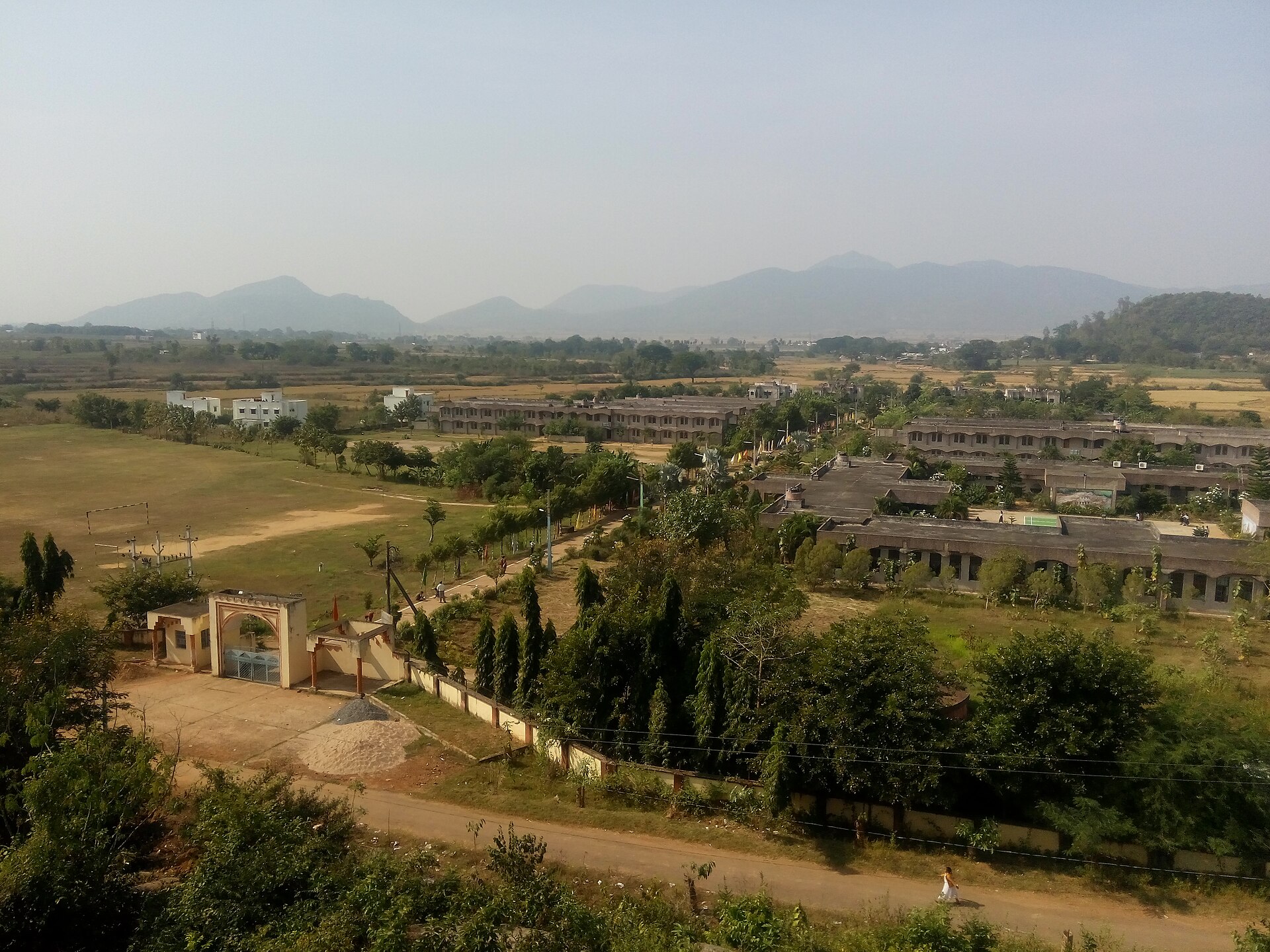
Jawahar Kala Kendra is Jaipur's multi-arts centre — a remarkable 1986-92 building designed by Charles Correa, one of India's greatest modern architects, as a postmodern reinterpretation of the nine-square mandala plan of the old Pink City (which Correa considered India's most important piece of urban design). The building is laid out as a 9-square grid with each square dedicated to a different arts discipline — theatre, dance, visual art, music, library, museum, administration, café, and central courtyard — in a literal homage to Jaipur's own urban DNA. The centre hosts theatre performances, art exhibitions, music recitals, and craft fairs, and the museum inside has a collection of Rajasthani folk arts and Jaipur miniature paintings. The building is worth visiting for the architecture alone — Correa's use of red sandstone, geometric cutouts that create shadow patterns in the sun, and the ascending central courtyard create a building that feels simultaneously ancient and modern.

Johri Bazaar
304 Jauhari Bazar Road, Choura Rasta, Jaipur, 302003, India
Johri Bazaar is Jaipur's jewellery heart — a long, crowded market street in the Pink City where gem merchants, silversmiths, goldsmiths, and meenakari enamel workers have clustered since the 18th century, making Jaipur one of the world's most important gemstone trading centres (the city imports rough gems from across the globe and cuts an estimated 90% of the world's emeralds). The pink-painted arcades and narrow alleys branching off the main street hide hundreds of workshops where stones are still cut, polished, and set by hand using techniques passed down over generations. The bazaar also houses LMB (Laxmi Mishthan Bhandar), Jaipur's most famous sweet shop and restaurant since 1954, where the ghevar (honeycomb-shaped disc of fried batter soaked in syrup) and pyaaz kachori (spiced onion pastry) are the definitive Rajasthani street snacks. Bargain hard for jewellery, and buy loose gems only from shops with verified certifications.
Moti Doongri Ganesh Temple
Jawaharlal Nehru Marg, Tilak Nagar, Jaipur, 302004, India
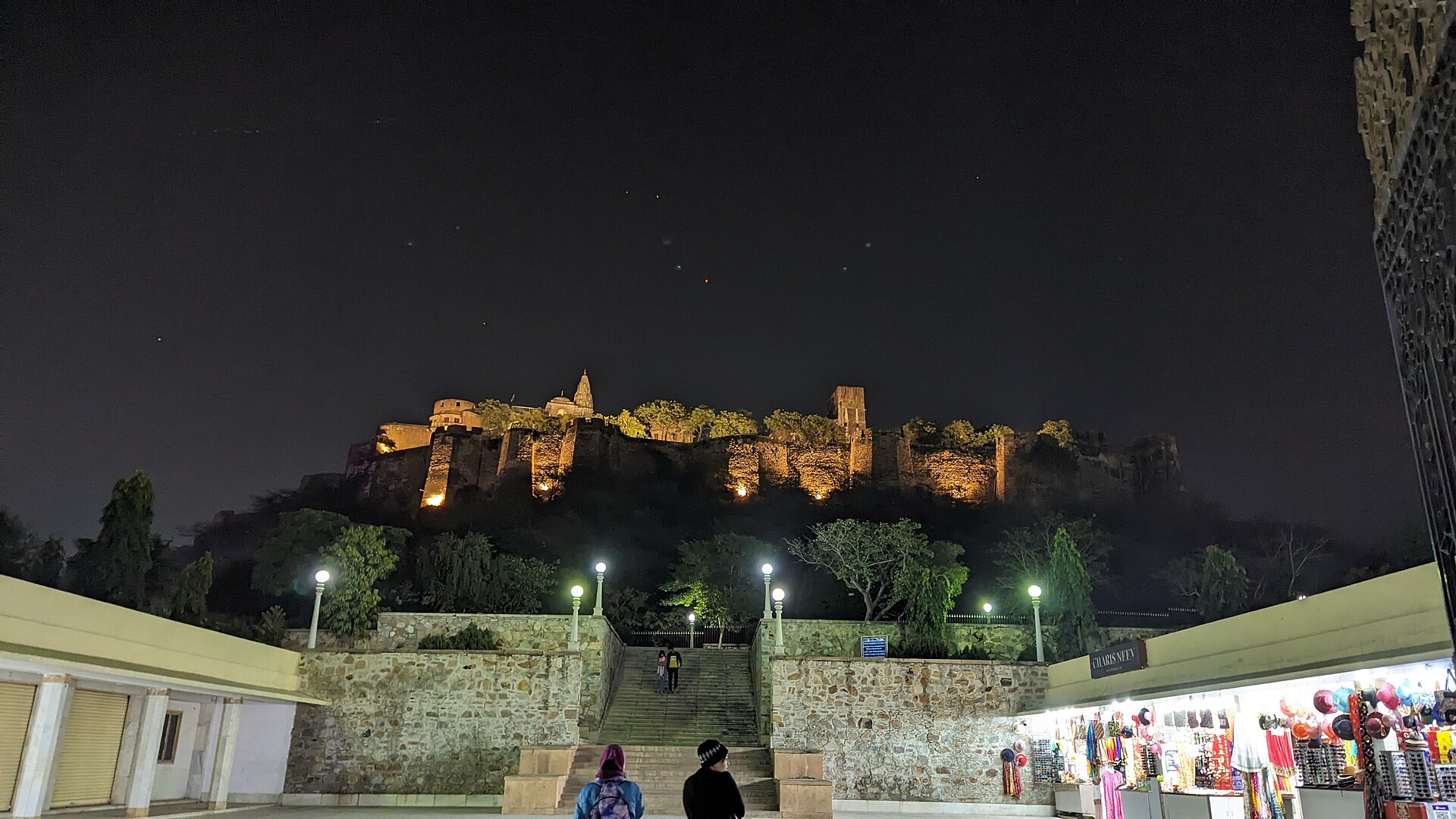
The Moti Doongri Ganesh Temple is Jaipur's most popular Hindu temple — a white marble shrine built in 1761 atop a small hill (moti doongri means 'pearl hill') beside the Moti Doongri Palace in the modern city. The temple houses a 400-year-old Ganesh idol brought from a village near Jodhpur by Maharaja Madho Singh I, and it draws thousands of devotees daily, especially on Wednesdays (Ganesh's day) when the queue can stretch for several hundred metres down the hill. The complex is small and the rituals are intimate — a quick darshan takes 10-15 minutes including climb and descent — and the elevated position provides good views back over the modern city. The adjoining Moti Doongri Palace (a 19th-century hilltop palace in a Scottish castle style) is not open to the public but is visible from the temple.
Nahargarh Fort
Krishna Nagar, Jaipur, 302016, India
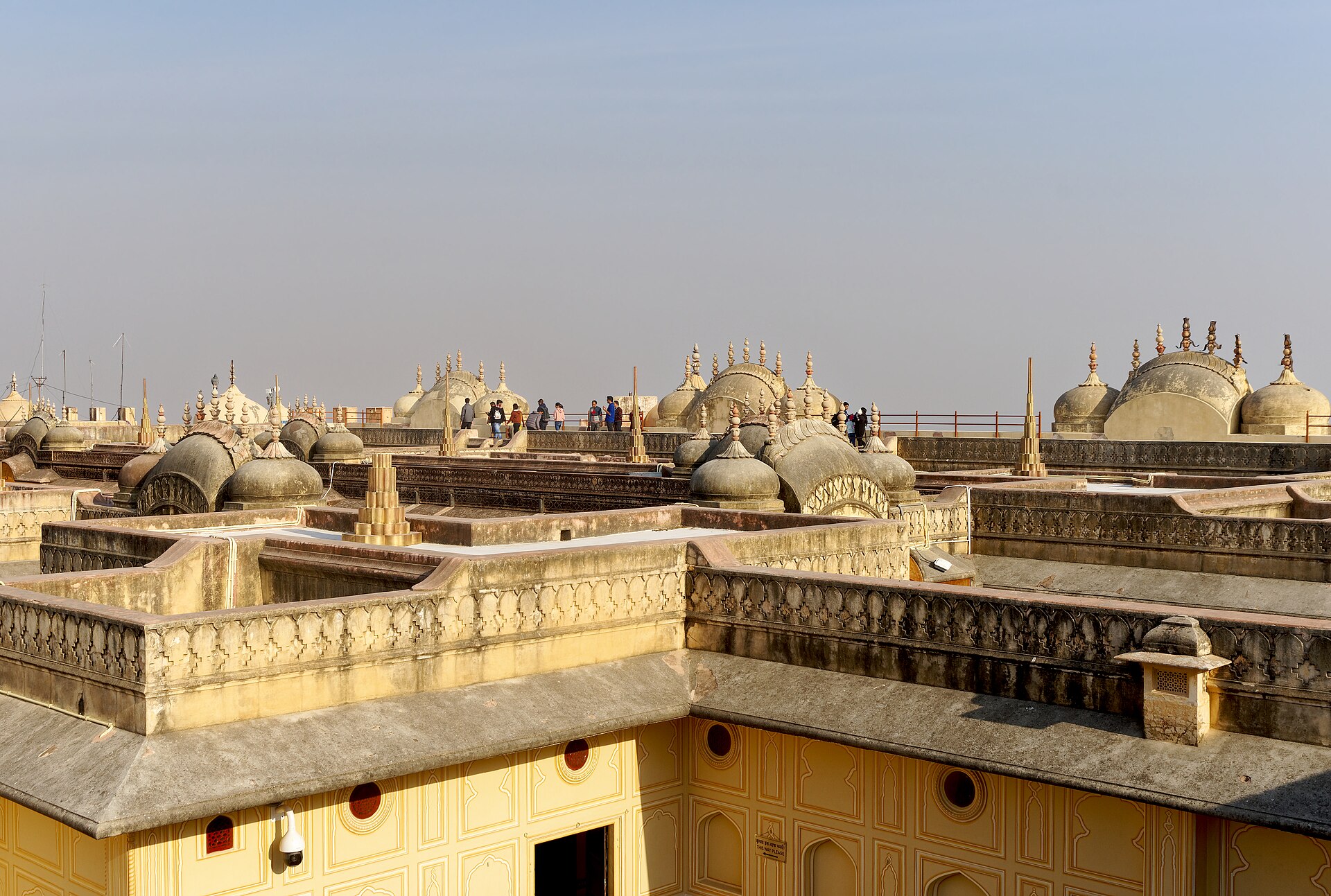
Nahargarh Fort crowns the Aravalli hills above Jaipur — a defensive fortress built in 1734 that forms part of the city's ring of hilltop fortifications (along with Jaigarh and Amber) and provides the best panoramic view of the Pink City. The view from the ramparts at sunset — the entire city laid out below in a pink grid, with the Hawa Mahal, City Palace, and Jantar Mantar visible, and the Aravalli hills extending to the horizon — is Jaipur's most spectacular. The fort was built by Jai Singh II as a retreat and defensive position overlooking his new capital, and the Madhavendra Bhawan (added in the 19th century) contains a suite of identical rooms arranged around a courtyard — one for each of the nine queens of Maharaja Ram Singh, designed so that the king could visit each wife without the others knowing. The corridors connecting the rooms are arranged so that no queen's room looks into another's, which is either architectural diplomacy or architectural paranoia, depending on your perspective. The drive up to Nahargarh from the city — winding through the hills with progressively expanding views — is part of the experience, and the café at the fort (Padao restaurant, operated on the ramparts) serves drinks with the sunset view that makes Nahargarh the most popular evening destination in Jaipur.
Panna Meena Ka Kund (Stepwell)
Amer, Jaipur, 302028, India
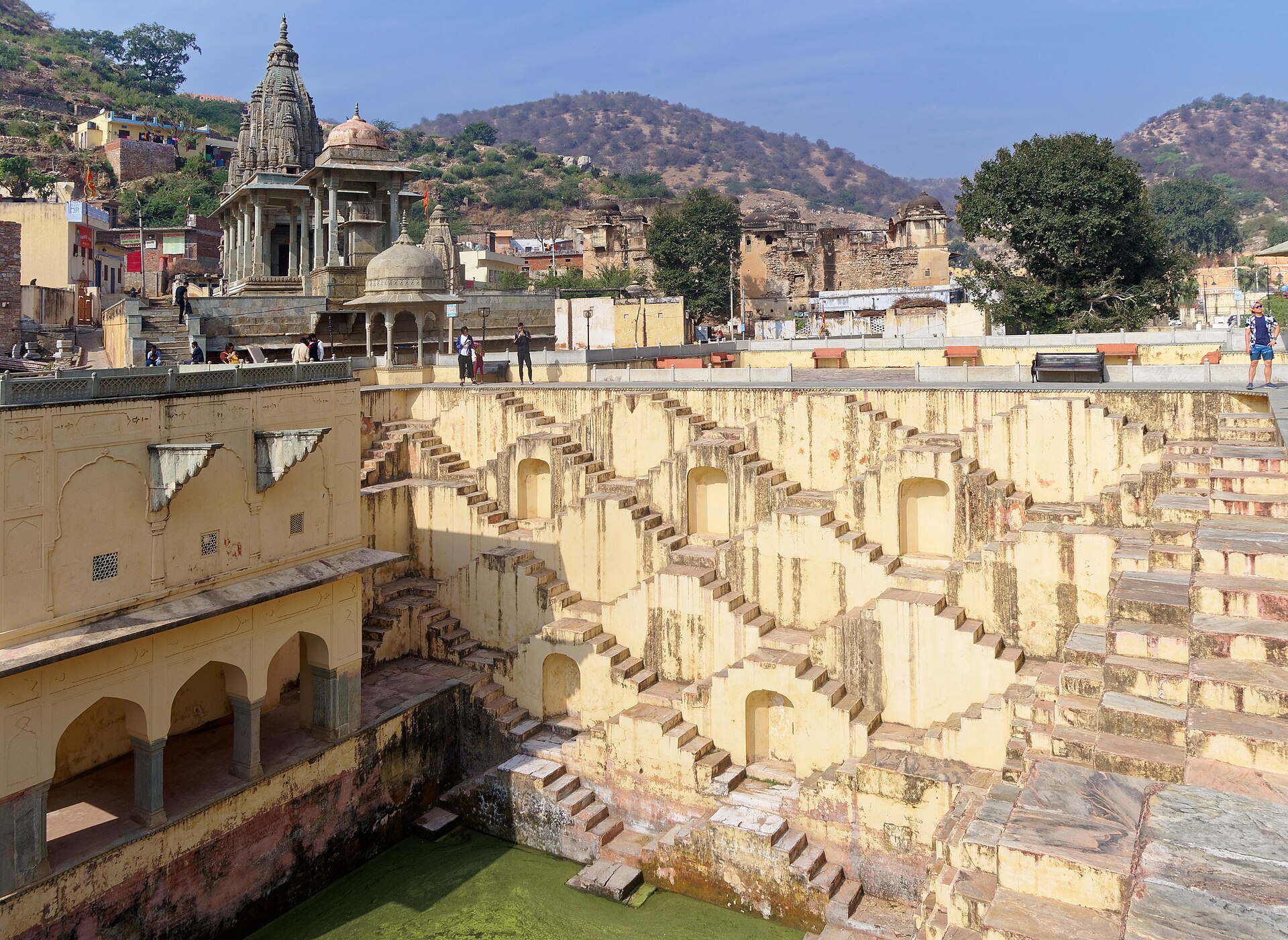
Panna Meena Ka Kund is a 16th-century stepwell (baori) near Amber Fort — a geometric descent of zigzagging staircases into a deep well that creates one of the most visually striking architectural patterns in Rajasthan. The crisscrossing stairways (designed so that people descending on one side wouldn't cross paths with those ascending on the other — a purdah consideration) form a diamond pattern when viewed from above that has made the stepwell one of Jaipur's most photographed hidden gems. Stepwells are unique to the Indian subcontinent — architectural solutions to the problem of accessing groundwater in a region where the water table drops dramatically between the monsoon and dry seasons. The stairs descend to the water level (which varies by several metres between seasons), and the wells served both practical (water collection) and social (gathering, cooling) functions. Rajasthan has hundreds of stepwells, but Panna Meena's geometric perfection makes it the most architecturally striking. The stepwell is a 5-minute walk from Amber Fort and is free to visit — the combination of the fort and the stepwell provides a morning's worth of architecture that covers the full range of Rajasthani building ambition, from the massive fortress above to the mathematical precision of the well below.
Pink City Markets & Bazaars
Pink City, Jaipur, 302003, India
Jaipur's bazaars are among the most colourful and commercially vibrant in India — a network of wide streets lined with pink-painted shops that sell jewellery (Johari Bazaar, the jewellers' market, where Jaipur's renowned gem-cutting industry is visible in workshop after workshop), textiles (Bapu Bazaar, for block-printed fabrics and the tie-dye bandhani that Rajasthan is famous for), and the lac bangles, blue pottery, and leather jootis (embroidered shoes) that define Rajasthani craft. The bazaars occupy the grid of streets that Jai Singh II laid out when he founded the city in 1727 — one of the earliest examples of planned urban design in India, with streets arranged in a grid pattern following principles from the ancient Indian architectural text, the Shilpa Shastra. The pink colour of the buildings (originally yellow, repainted pink in 1876) gives the commercial streets a visual consistency that is unique among Indian cities. The food in the bazaars is Rajasthani street food at its most abundant — dal bati churma (the quintessential Rajasthani dish of lentils, baked wheat balls, and sweetened crushed wheat), ghewar (a honeycomb-shaped sweet), pyaaz kachori (onion-filled fried pastry), and the lassi that Jaipur's dairy culture produces in quantities and richness that make the lassi elsewhere in India taste thin.
Rajasthani Food Culture
Various locations, Jaipur
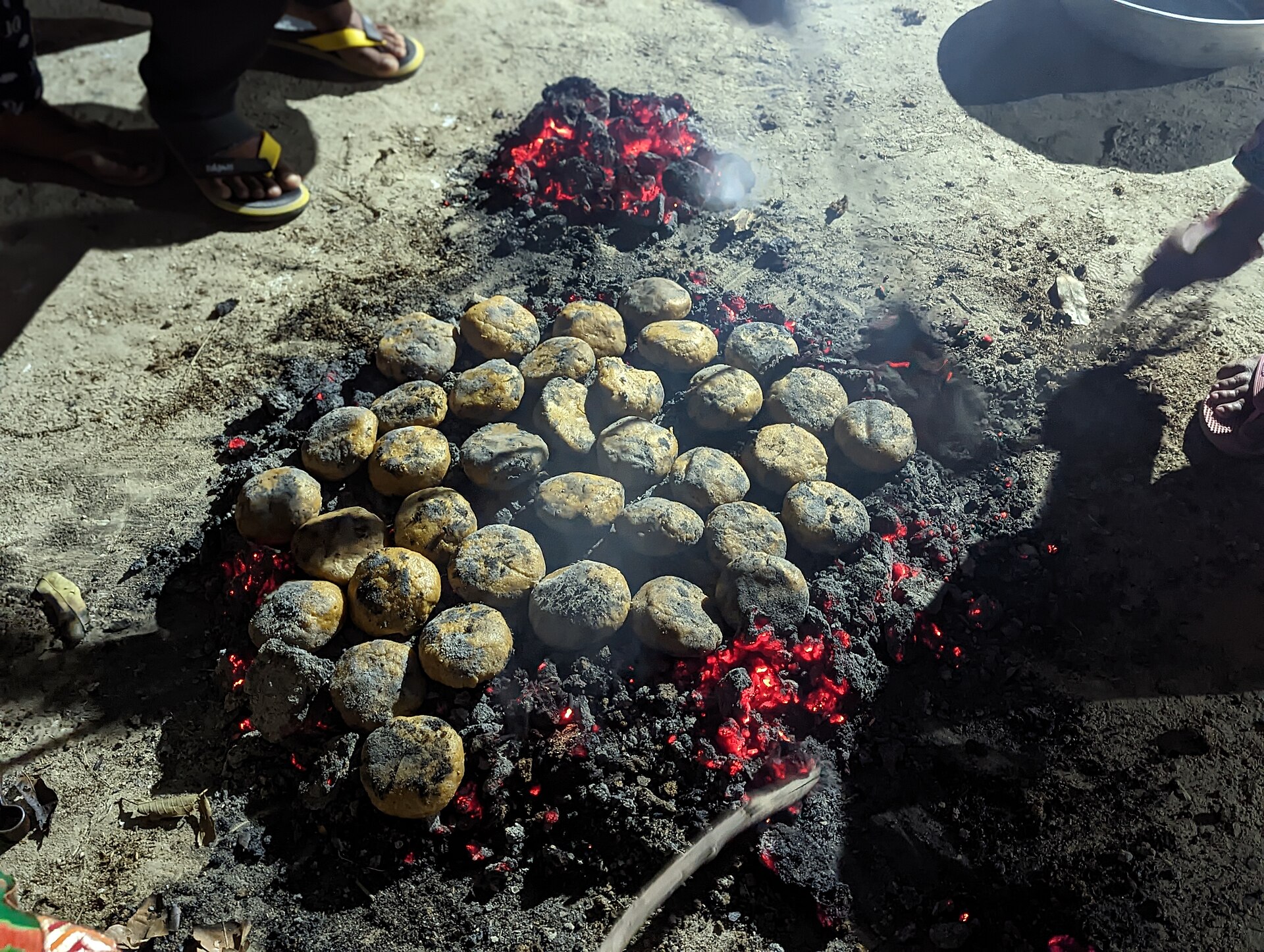
Rajasthani cuisine is one of the most distinctive regional food traditions in India — a vegetarian-dominant cooking style developed by communities living in a desert environment with limited water and agricultural resources, who created a repertoire of dishes using dried lentils, preserved vegetables, dairy, and the ingenuity that scarcity demands. The thali (a steel plate with small bowls of different dishes) is the standard format, and a Rajasthani thali at a restaurant like Chokhi Dhani (a cultural village resort on the Jaipur outskirts) or 1135 AD (inside Amber Fort) can include 15-20 dishes. The signature dishes include dal bati churma (lentils with baked wheat balls and sweetened crumble), laal maas (the exception to the vegetarian rule — a fiery red mutton curry that is Rajasthan's most famous non-vegetarian dish), gatte ki sabzi (chickpea-flour dumplings in yoghurt curry), ker sangri (dried desert berries and beans), and the pyaaz kachori (onion-stuffed fried pastry) that is Jaipur's most popular street snack. The lassi shops of Jaipur are legendary — the thick, creamy yoghurt drink served in clay cups (kulhad) at shops like Lassiwala on MI Road (operating since 1944, one flavour only — sweet lassi — served from massive steel vats) is the daily ritual that unites Jaipur across class, age, and occasion.
Rajasthani Textile & Block Printing
Sanganer, Jaipur, 302029, India
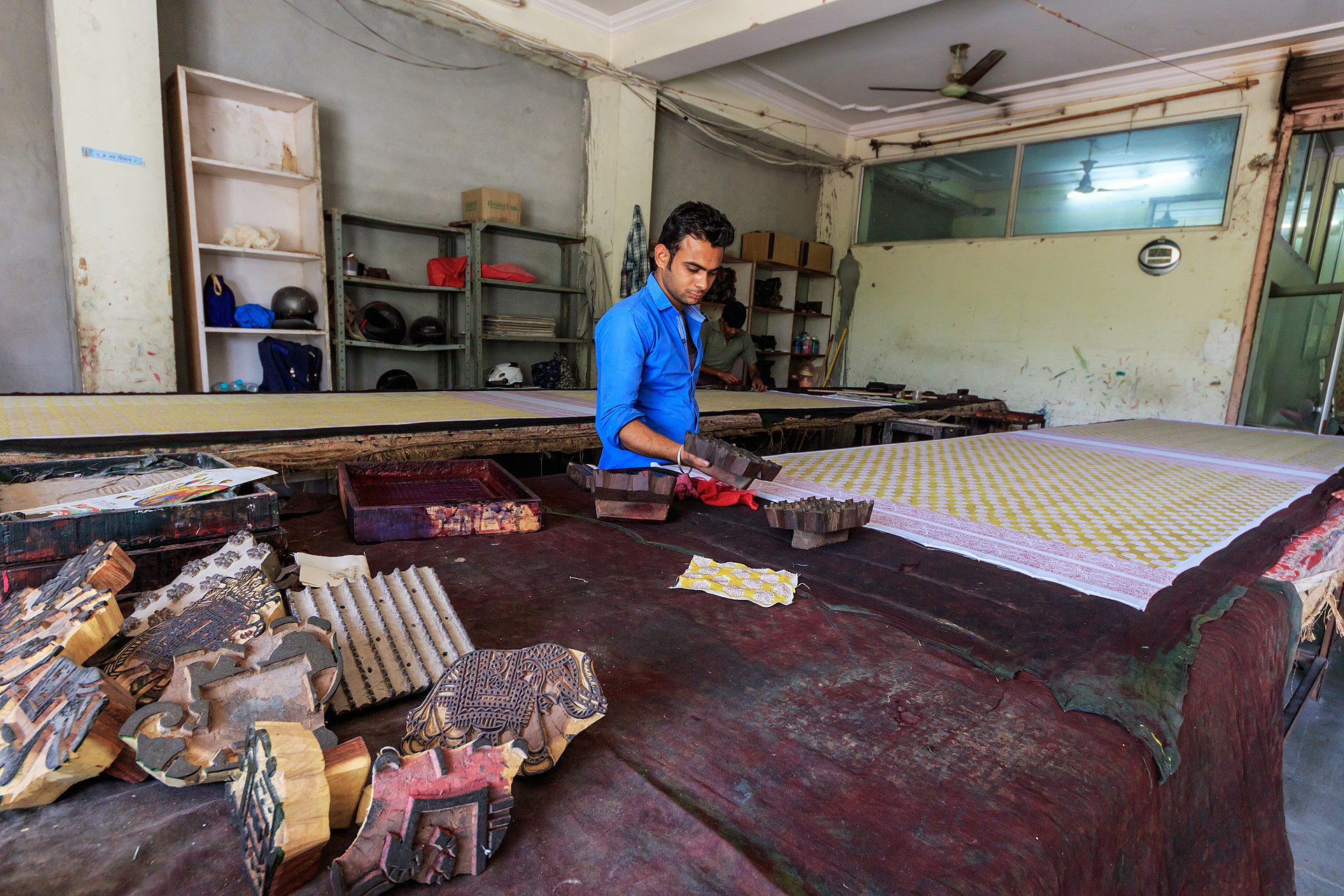
Jaipur is the centre of India's block-printing tradition — a textile craft that has been practised in the surrounding villages (Sanganer and Bagru) for over 500 years, producing the hand-printed fabrics that have been exported from Rajasthan to the world since the Mughal era. The process involves carving wooden blocks with intricate patterns, dipping them in natural dyes (indigo, pomegranate, madder root), and stamping them onto cotton in precise, repetitive patterns that a skilled printer can reproduce without variation for hours. Anokhi Museum of Hand Printing in Amber (housed in a restored haveli near Amber Fort) is the best introduction — a museum and working demonstration centre that explains the craft's history, shows the printing process, and sells finished textiles in a setting that connects the historical tradition to the contemporary design market. The Sanganer village itself, 16 kilometres south of Jaipur, is where the largest concentration of printing workshops is found — the riverbanks where printers wash and dry their fabrics in the sun create one of the most photogenic craft landscapes in India. The textile tradition extends beyond block printing — Jaipur is also a centre for bandhani (tie-dye), leheriya (wave-pattern dyeing), and the mirror-work embroidery that Rajasthani women produce for domestic use and commercial sale. The combination of textile workshops, bazaar shopping, and the Anokhi Museum provides a day-long immersion in a craft tradition that is both ancient and commercially thriving.
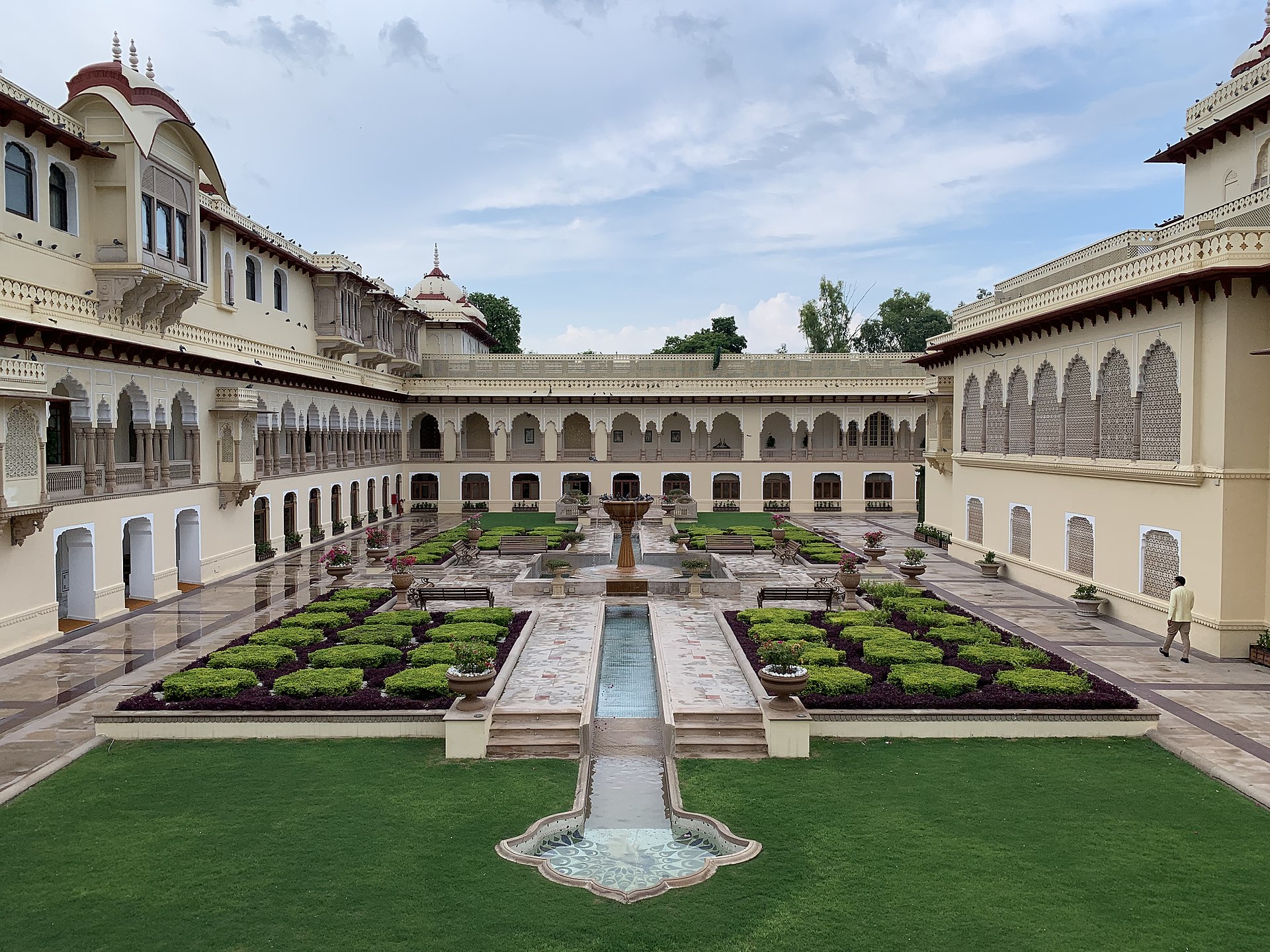
Rambagh Palace Hotel
Bhawani Singh Road, Rajasthan Polo Club, Jaipur, 302005, India
The Rambagh Palace is one of India's most famous luxury hotels — a 47-acre palace complex that was built in 1835 as a garden house for the royal wet nurse, expanded in 1887 into a hunting lodge for Maharaja Sawai Madho Singh, and converted in 1931 into the palace home of Maharaja Sawai Man Singh II and his wife Maharani Gayatri Devi (one of the most glamorous royal couples of 20th-century India). The palace became a hotel in 1957 and has been operated by the Taj Group since 1972, hosting royalty, presidents, and celebrities from Jacqueline Kennedy to Prince Charles. Non-guests can visit the palace by booking afternoon tea or a drink at the Polo Bar (decorated with photographs, silver trophies, and memorabilia from the Rambagh Polo Club). The gardens — designed by a British landscape architect in the 1920s with peacocks, fountains, and Mughal charbagh layouts — are one of Jaipur's quieter green spaces and provide the atmosphere of an almost-lost India.
Samode Palace (Day Trip)
Samod Road, Chomu, Jaipur, 303702, India
Samode Palace is a 16th-century Rajput palace-fort 42 kilometres north of Jaipur that has been converted into one of India's most atmospheric heritage hotels — but which also allows day visitors to tour the palace's public areas, including the astonishing Sheesh Mahal (Hall of Mirrors) and the Durbar Hall whose walls and ceiling are covered in mirror-mosaic and floral frescoes that rival anything in Jaipur's royal palaces. The palace climbs up a hillside in three terraces, and the views from the top across the village of Samode to the Aravalli foothills are a highlight. The visit can be combined with a walk up the 372 steps to the hilltop Samode Fort (abandoned, atmospheric, with wider views over the valley), and with a traditional Rajasthani lunch at the hotel itself. Samode is a good half-day escape from Jaipur and provides a more intimate palace experience than the larger, more crowded City Palace and Amber Fort.
Sisodia Rani Garden
Agra Road, New Khandelwal Nagar, Jaipur, 302031, India
The Sisodia Rani Garden is a Mughal-style pleasure garden 8 kilometres east of Jaipur built in 1728 by Maharaja Sawai Jai Singh II for his Sisodia Rajput queen — a love monument in the form of a multi-terraced garden with fountains, pavilions, and murals depicting scenes from the Radha-Krishna legend that was meant to console the queen who was homesick for her natal Udaipur. The garden is modelled on Mughal charbagh principles — four symmetrical quadrants with water channels — but adapted to a steep hillside site with seven terraces connected by staircases. The upper terrace has a double-storey pavilion painted with miniature-style murals (some restored, some original), and the views down over the water channels and out to the Aravalli hills provide a peaceful escape from the chaos of the Pink City. The garden is rarely crowded and is a good pairing with a morning visit to Galtaji (2 km further up the same road).
Tripolia Bazaar
Tripolia Bazaar, Pink City, Jaipur
Tripolia Bazaar is one of the four original planned markets of Jaipur — a broad street running east from the City Palace's Tripolia Gate (which gives the bazaar its name, Tripolia meaning 'three gates') that was laid out in 1727 as part of Maharaja Jai Singh II's revolutionary grid plan for his new capital. The bazaar specialises in brass, copper, lac bangles (glass bangles embedded in coloured lac resin, a Jaipur speciality), and ironware. The Isarlat (also called Sargasuli), a 40-metre minaret at the eastern end of the bazaar, was built in 1749 by Maharaja Ishwari Singh to commemorate a military victory — and is one of the few tall structures in the Pink City, with views over the uniform rooftops of the old town when open (access hours are limited). Tripolia Gate itself, which opens into the City Palace courtyard, is still reserved for the royal family and is not open to the public.