15 Stunning Architecture Landmarks in Jaipur
15 landmarks with verified facts and stories
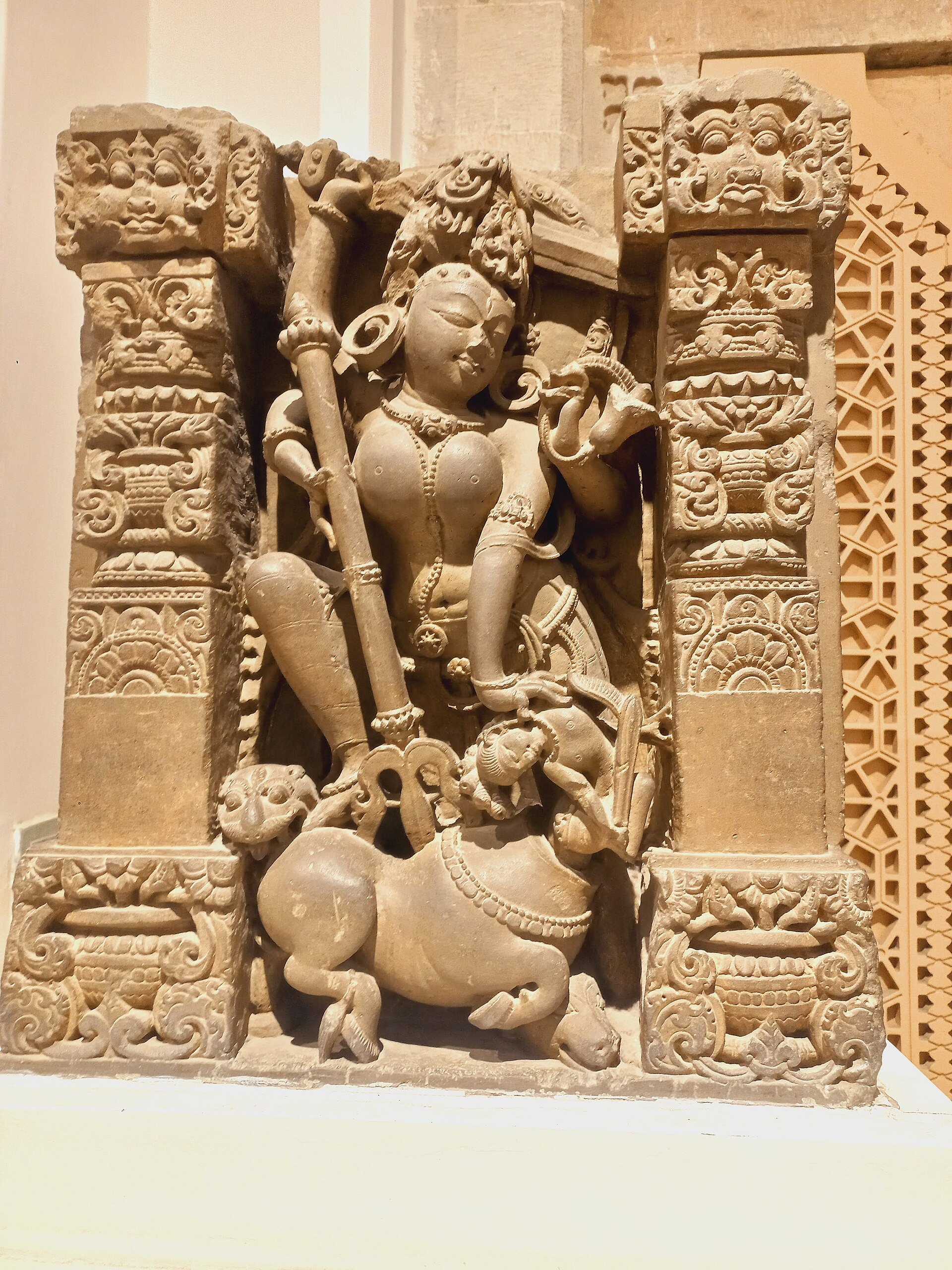
Abhaneri Chand Baori (Day Trip)
Abhaneri, Dausa District, Rajasthan
Chand Baori at Abhaneri is the deepest and most geometrically spectacular stepwell in India — a 9th-century well with 3,500 narrow steps arranged in a perfect double-flight pattern down 13 storeys to the water at the bottom.
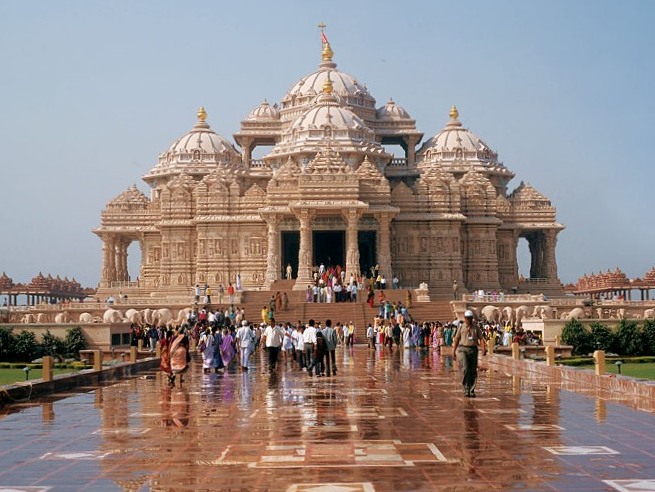
Akshardham Temple
Chitrakoot Nagar, Jaipur, 302021, India
The Akshardham Temple in Jaipur is one of the chain of modern Hindu temples built by the BAPS Swaminarayan Sanstha — a gleaming white sandstone and marble complex inaugurated in 2001 that is a smaller but architecturally significant cousin of the famous Akshardham temples in Delhi and Gandhinagar.
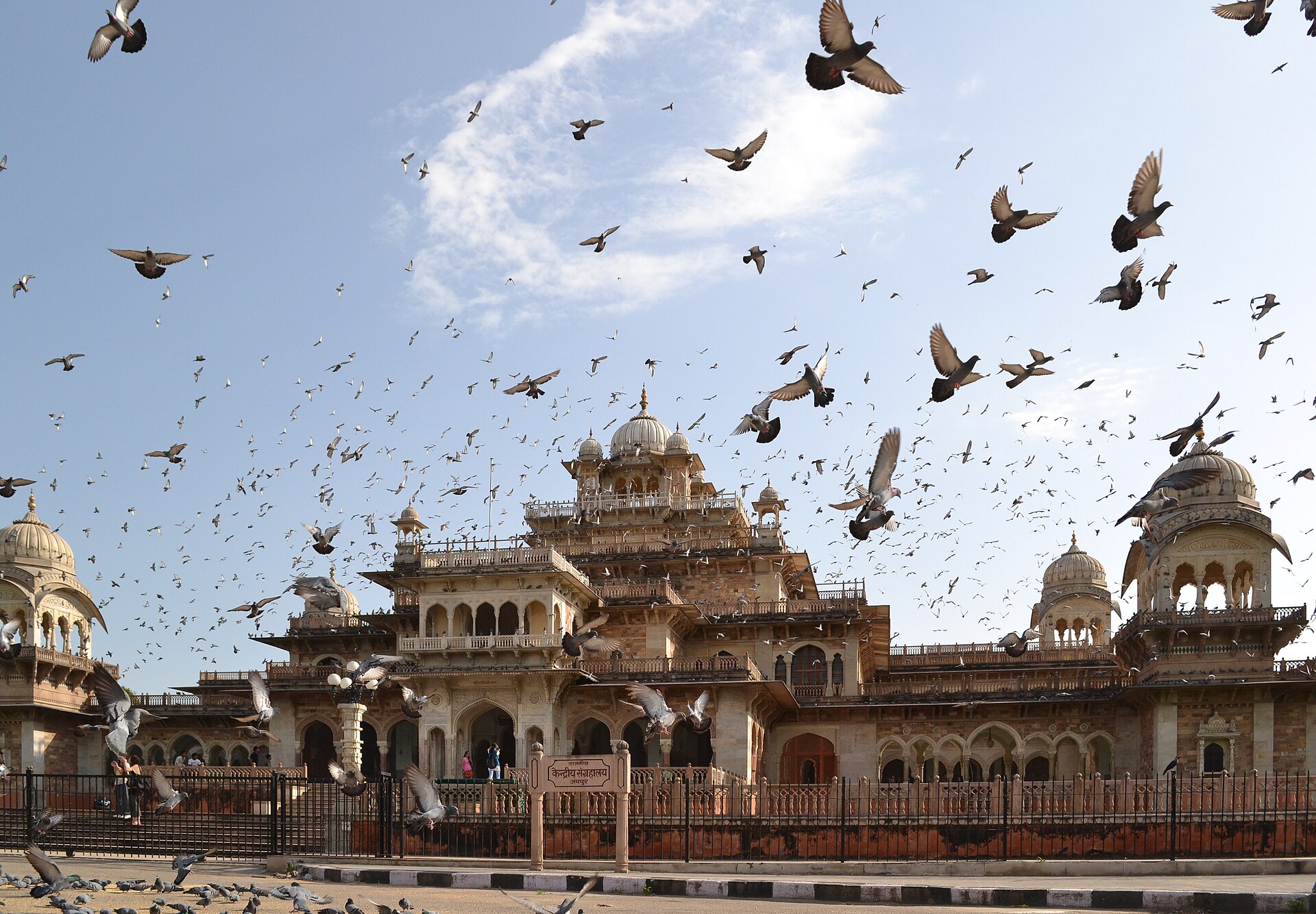
Albert Hall Museum
Ram Niwas Garden, Jaipur
The Albert Hall Museum is Rajasthan's oldest museum — a stunning Indo-Saracenic building in the Ram Niwas Garden completed in 1887 and named after King Edward VII (Albert Edward) who laid the foundation stone during his visit to Jaipur.
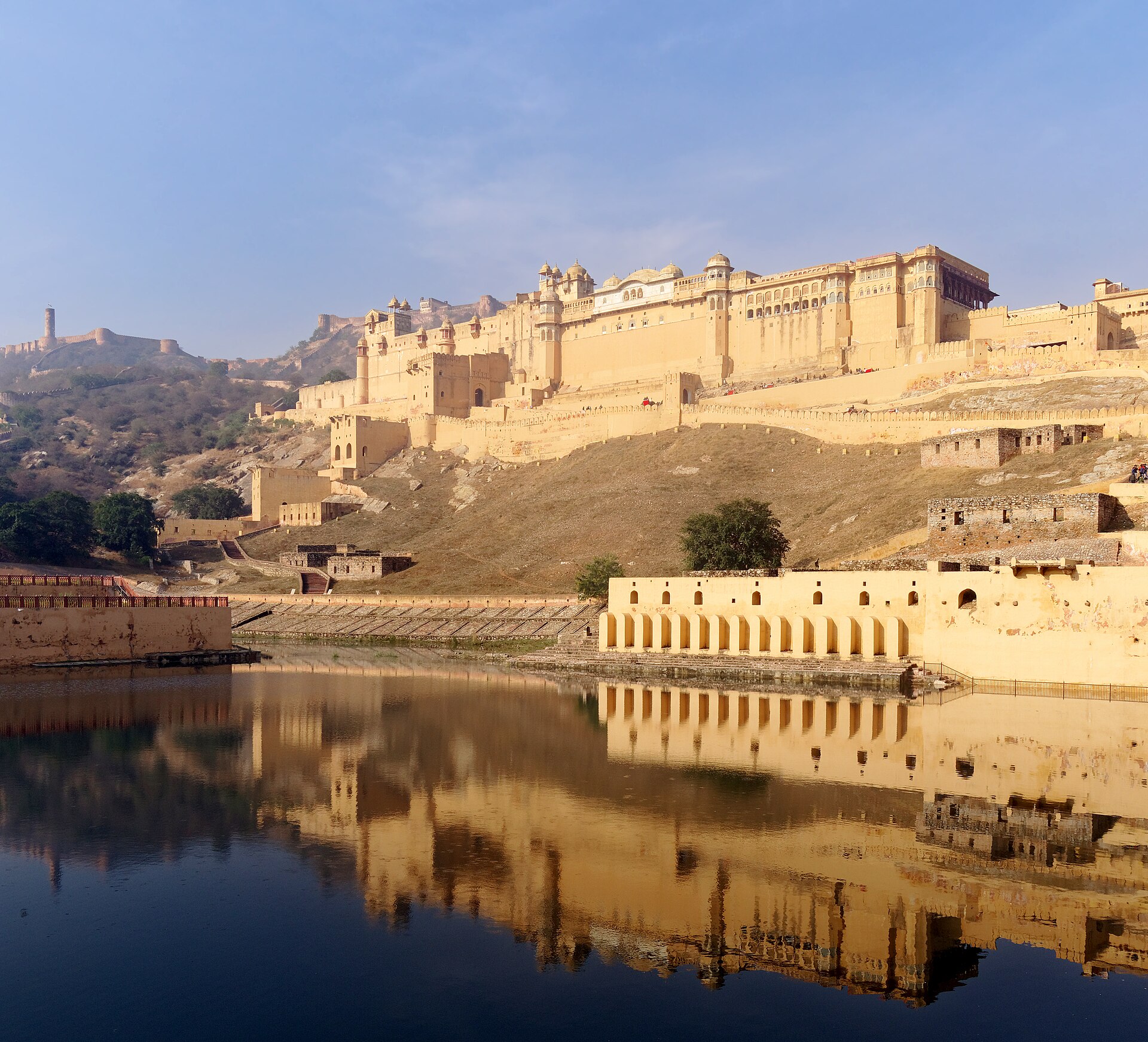
Amber Fort (Amer Fort)
Devisinghpura, Amer, Jaipur
Amber Fort is the most magnificent fortress-palace in Rajasthan — a massive 16th-century complex of red sandstone and white marble on a hilltop 11 kilometres north of Jaipur that was the capital of the Kachwaha Rajput rulers before Jai Singh II founded Jaipur in 1727.
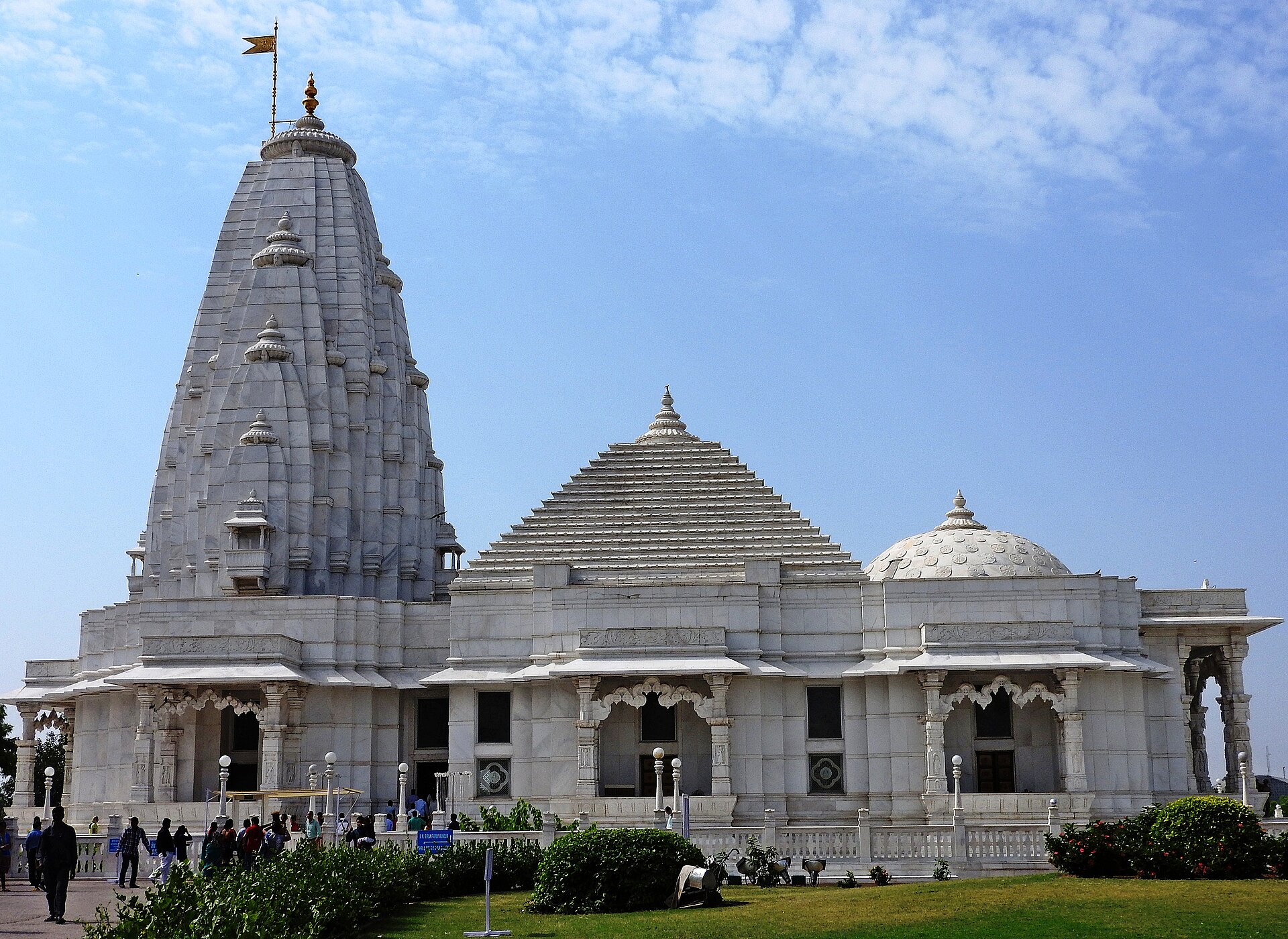
Birla Mandir (Laxmi Narayan Temple)
Jawahar Lal Nehru Marg, Tilak Nagar, Jaipur
Birla Mandir is a modern Hindu temple built entirely of white marble — a luminous building on the Moti Dungri hill dedicated to Vishnu (Narayan) and Lakshmi that was completed in 1988 by the Birla family (one of India's wealthiest industrial dynasties, who have built Birla temples in cities across the country).
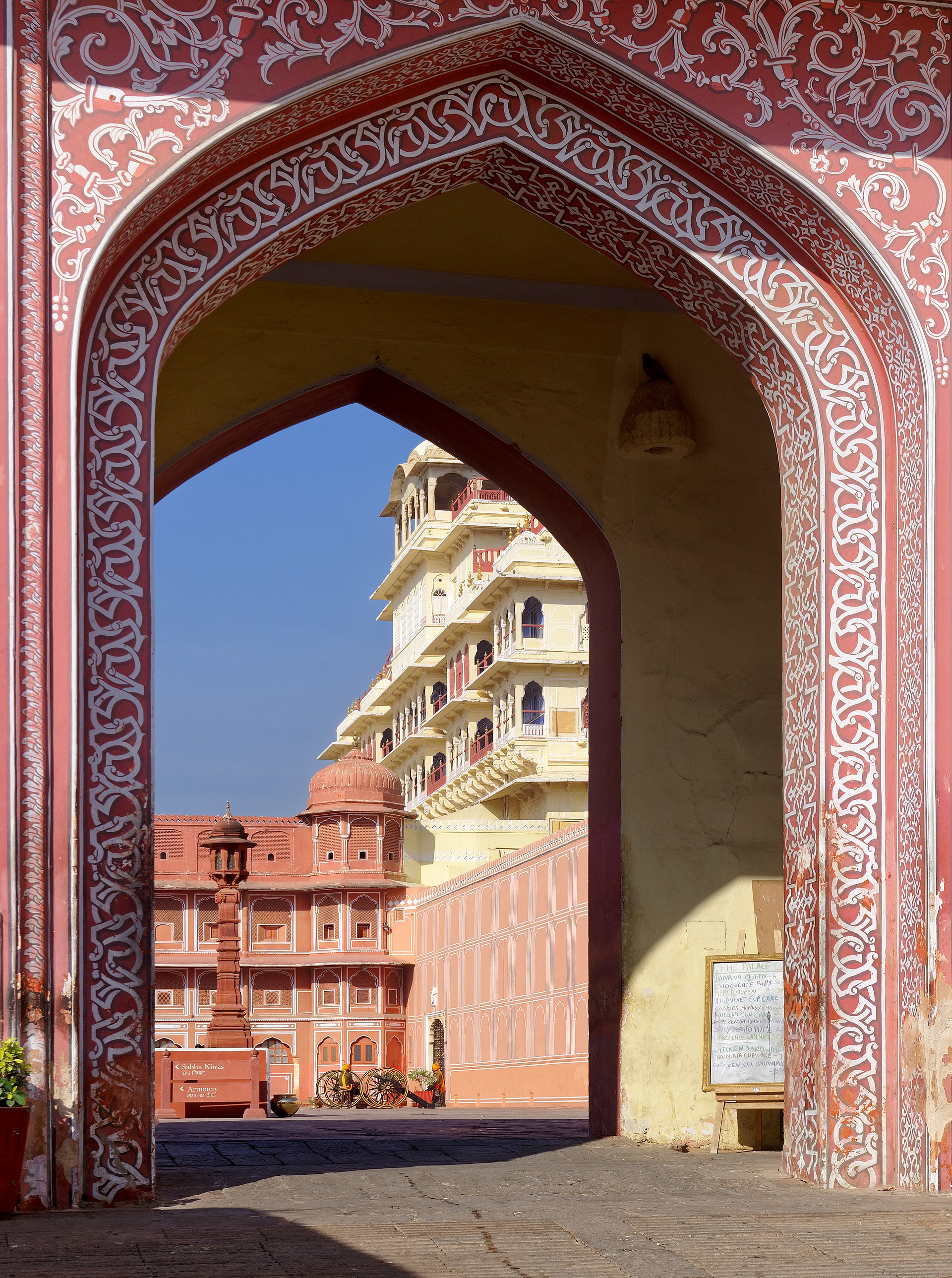
City Palace
Tulsi Marg, Adarsh Nagar, Jaipur, 302004, India
The City Palace is Jaipur's most important architectural complex — a walled compound of courtyards, gardens, and buildings at the centre of the Pink City that has been the seat of the Jaipur royal family since the city was founded in 1727 and where the current maharaja still lives in a section of the palace.
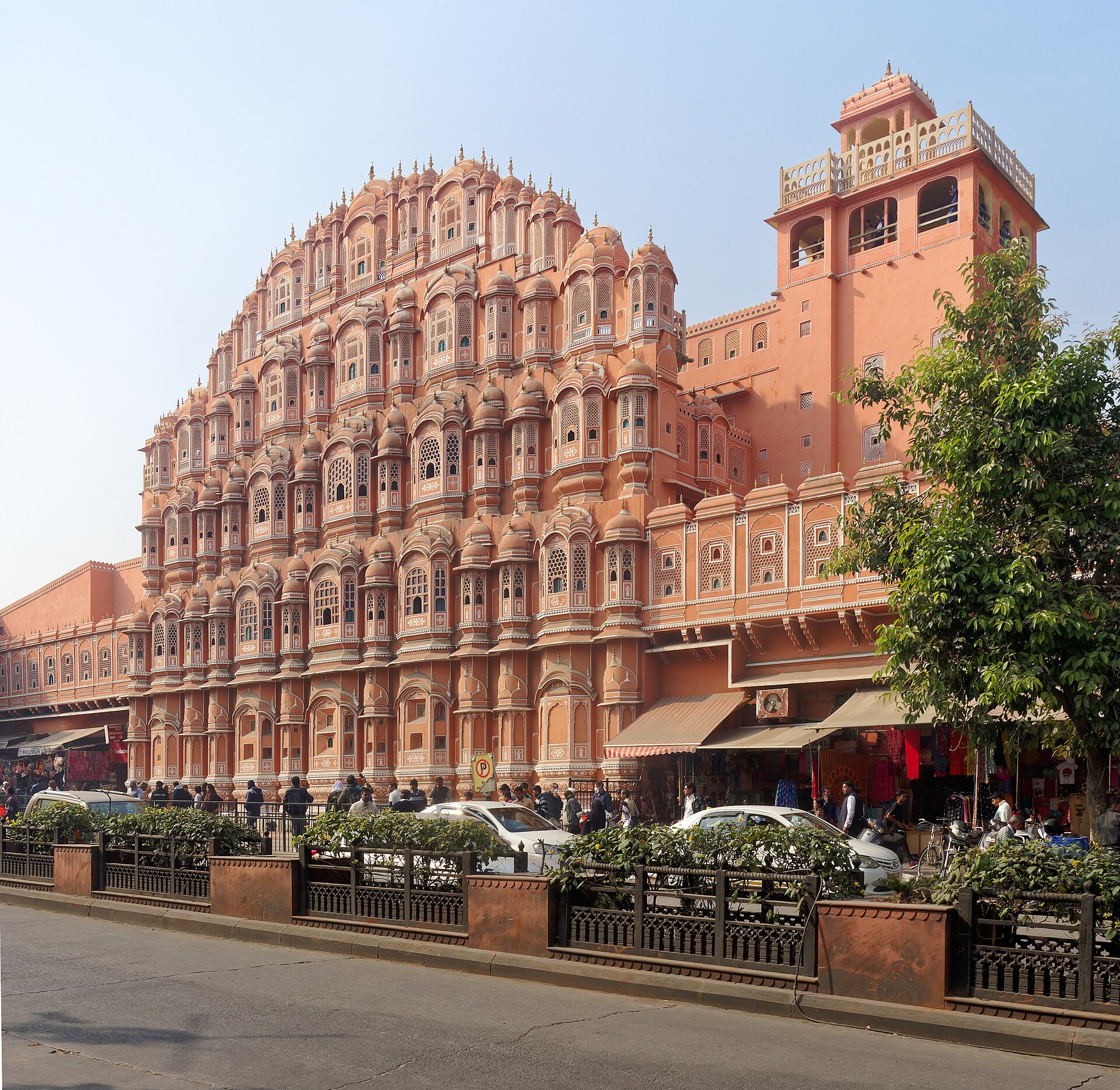
Hawa Mahal (Palace of Winds)
Hawa Mahal Road, Badi Choupad, Pink City, Jaipur
Hawa Mahal is Jaipur's most recognisable building — a five-storey pink sandstone facade of 953 small windows (jharokhas) that was built in 1799 by Maharaja Sawai Pratap Singh so that the women of the royal household could observe street life and festivals without being seen.
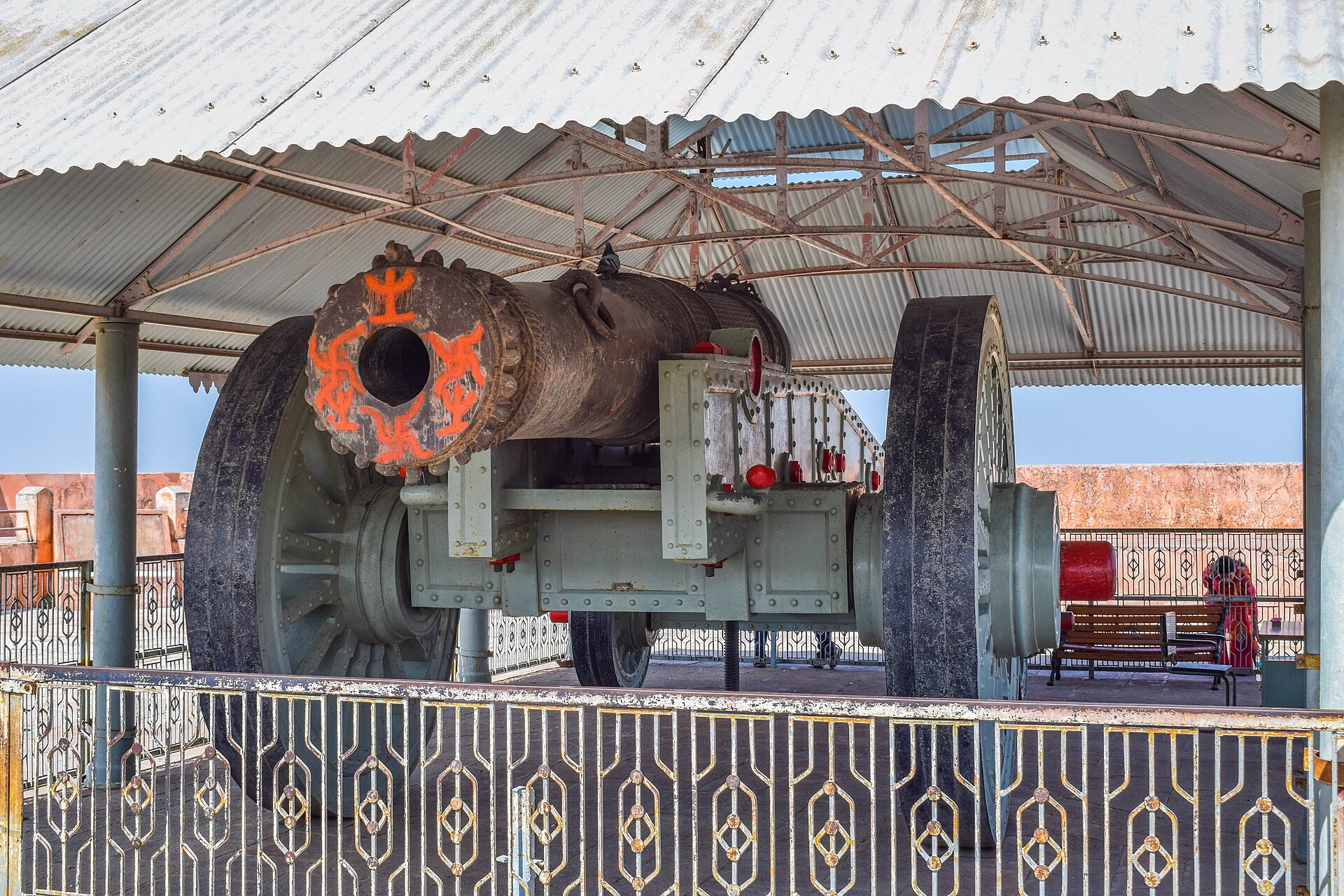
Jaigarh Fort & World's Largest Cannon
Jaigarh Fort, Amer, Jaipur
Jaigarh Fort sits on the Cheel ka Teela (Hill of Eagles) above Amber Fort — a military fortress built in 1726 that houses the Jaivana cannon, the largest wheeled cannon ever made.
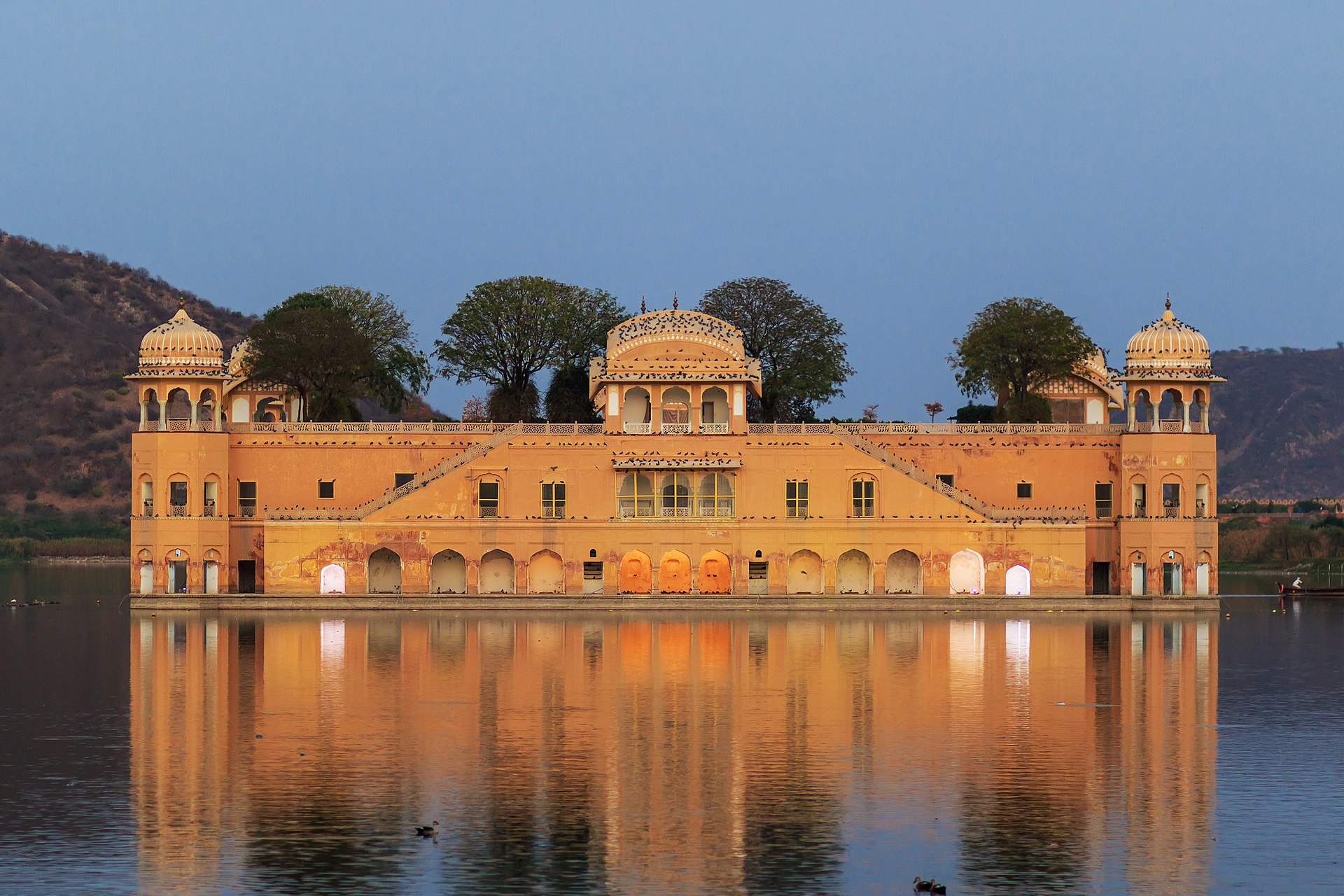
Jal Mahal (Water Palace)
Amer Road, Parasrampuri, Jaipur, 302002, India
Jal Mahal is a five-storey palace sitting in the middle of Man Sagar Lake — with four storeys submerged and only the top floor visible above the water surface, creating the illusion of a palace floating on the lake.
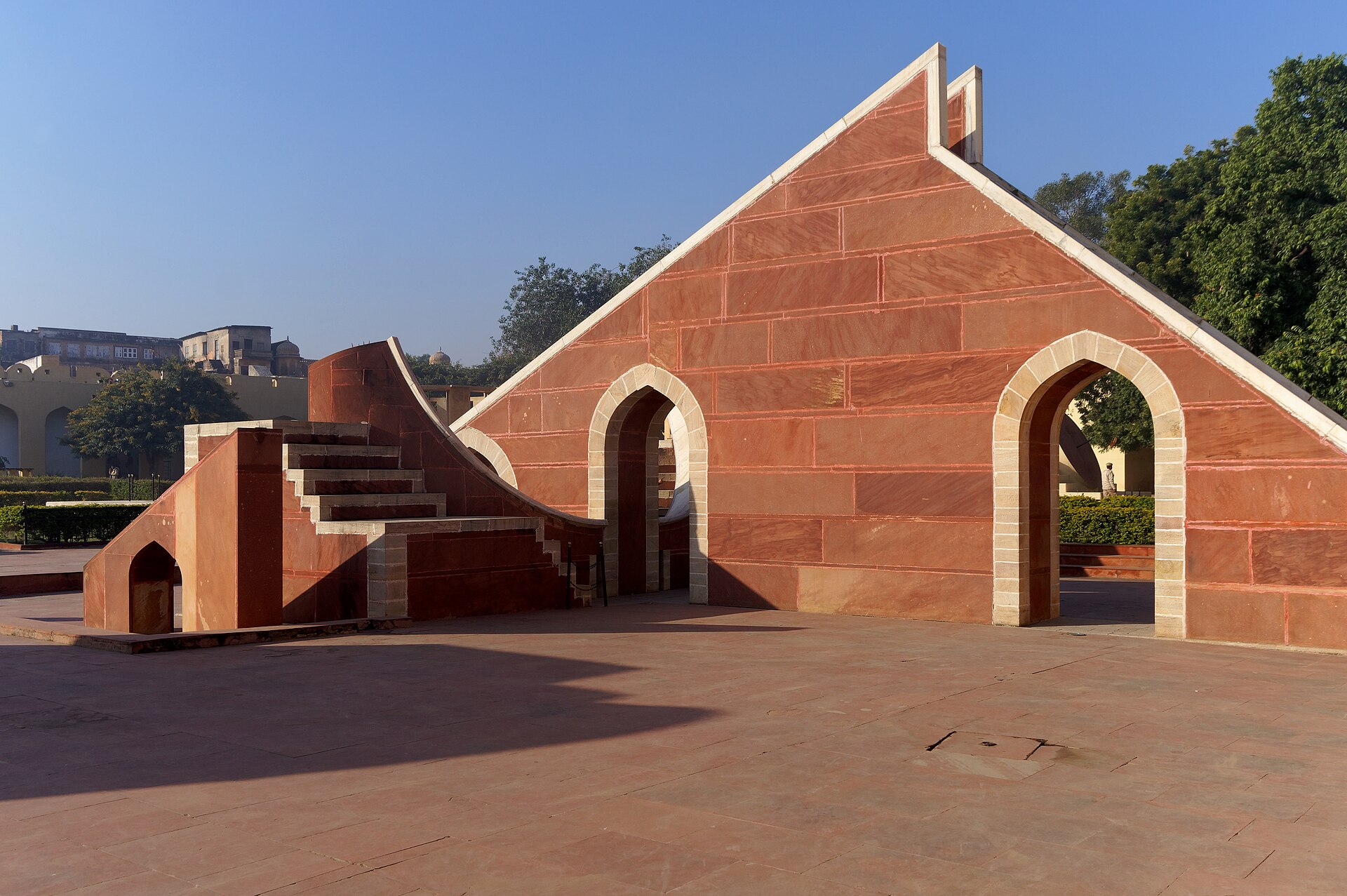
Jantar Mantar Observatory
Pink City, Jaipur, 302003, India
Jantar Mantar is a UNESCO World Heritage astronomical observatory — a collection of 19 stone instruments built between 1727 and 1734 by Maharaja Jai Singh II that are the largest and best-preserved pre-telescopic astronomical observation instruments in the world.
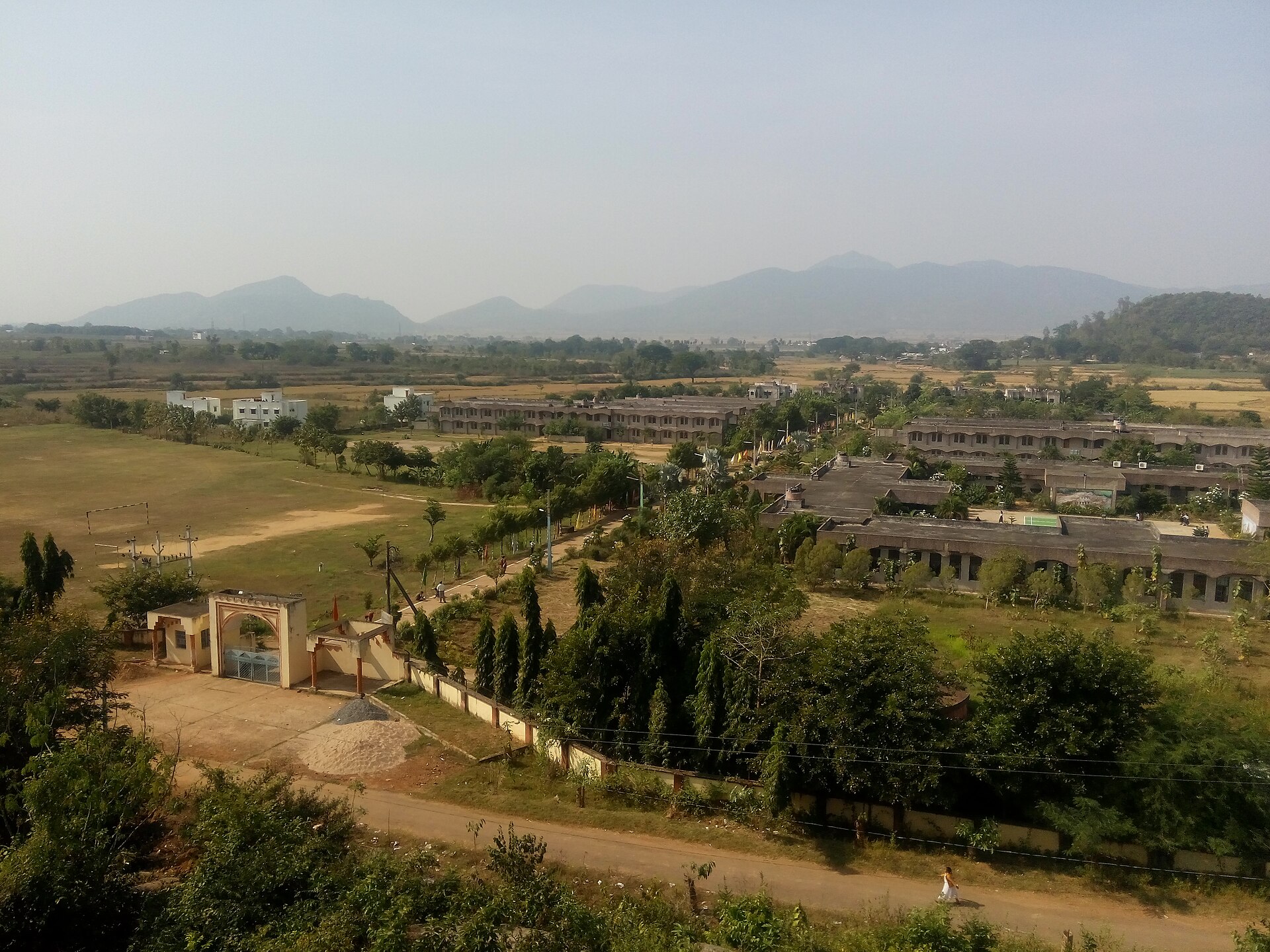
Jawahar Kala Kendra
Jawahar Lal Nehru Marg, Forestry Training Institute Campus, Jaipur, 302004, India
Jawahar Kala Kendra is Jaipur's multi-arts centre — a remarkable 1986-92 building designed by Charles Correa, one of India's greatest modern architects, as a postmodern reinterpretation of the nine-square mandala plan of the old Pink City (which Correa considered India's most important piece of urban design).
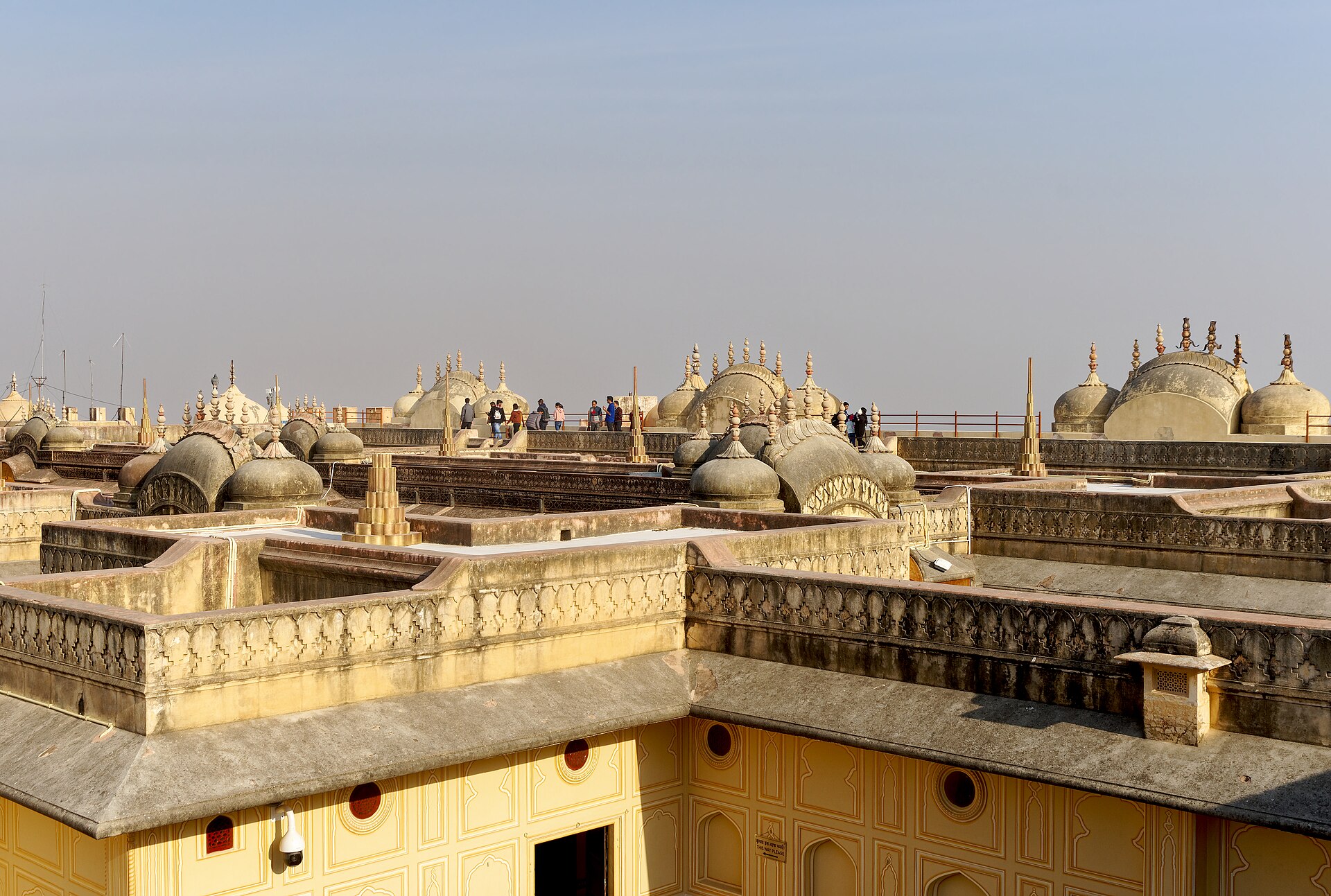
Nahargarh Fort
Krishna Nagar, Jaipur, 302016, India
Nahargarh Fort crowns the Aravalli hills above Jaipur — a defensive fortress built in 1734 that forms part of the city's ring of hilltop fortifications (along with Jaigarh and Amber) and provides the best panoramic view of the Pink City.
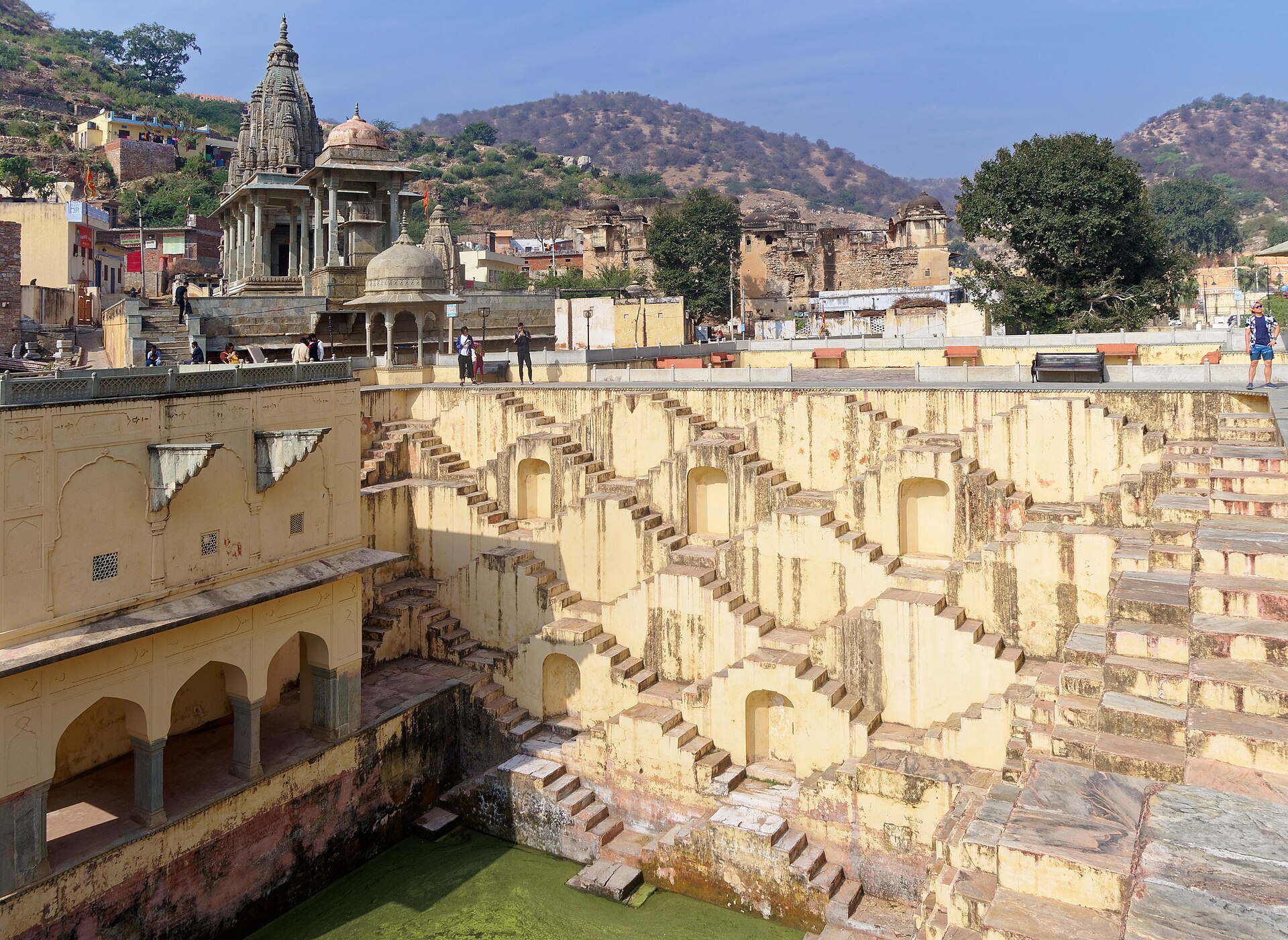
Panna Meena Ka Kund (Stepwell)
Amer, Jaipur, 302028, India
Panna Meena Ka Kund is a 16th-century stepwell (baori) near Amber Fort — a geometric descent of zigzagging staircases into a deep well that creates one of the most visually striking architectural patterns in Rajasthan.
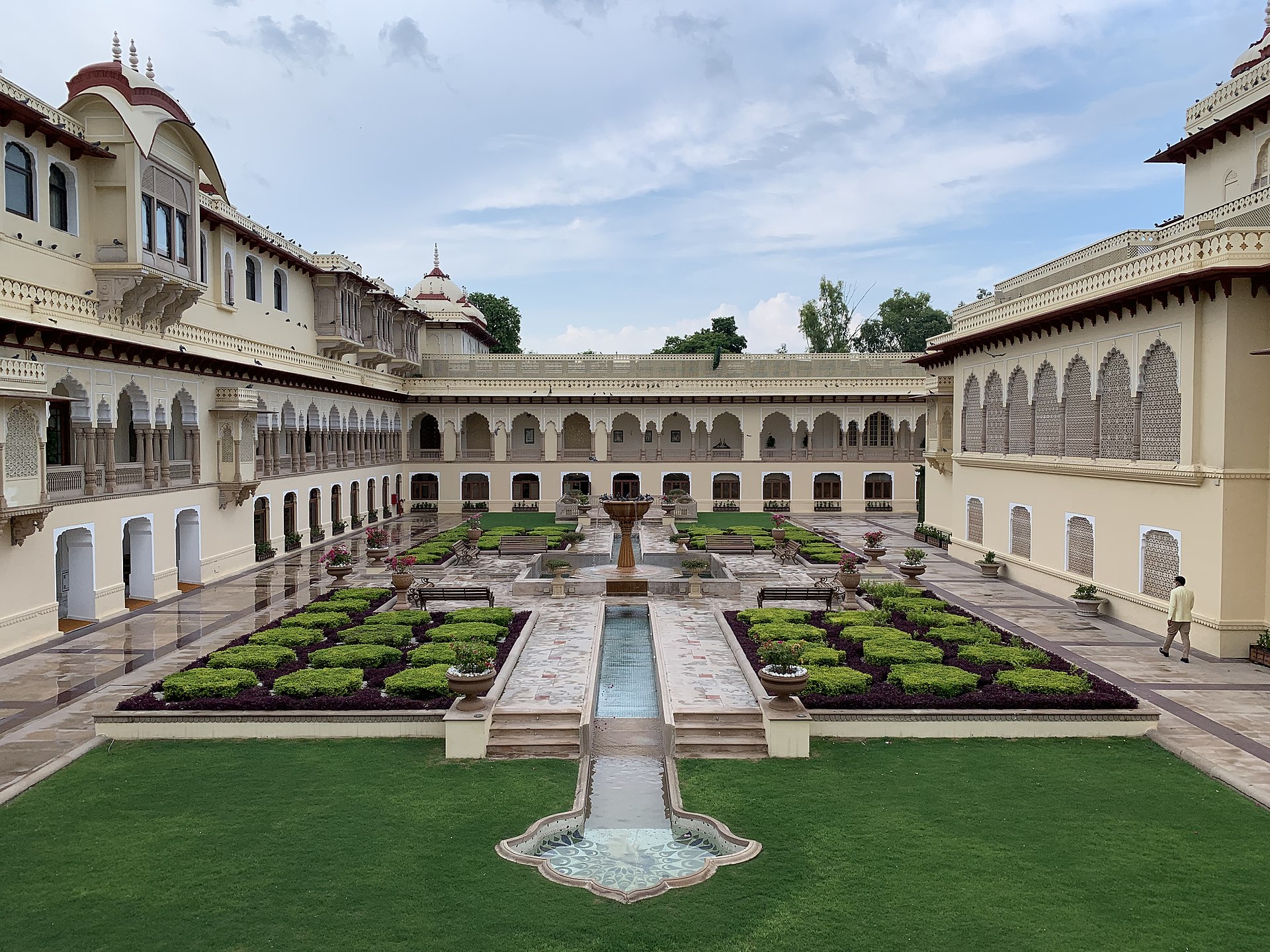
Rambagh Palace Hotel
Bhawani Singh Road, Rajasthan Polo Club, Jaipur, 302005, India
The Rambagh Palace is one of India's most famous luxury hotels — a 47-acre palace complex that was built in 1835 as a garden house for the royal wet nurse, expanded in 1887 into a hunting lodge for Maharaja Sawai Madho Singh, and converted in 1931 into the palace home of Maharaja Sawai Man Singh II and his wife Maharani Gayatri Devi (one of the most glamorous royal couples of 20th-century India).
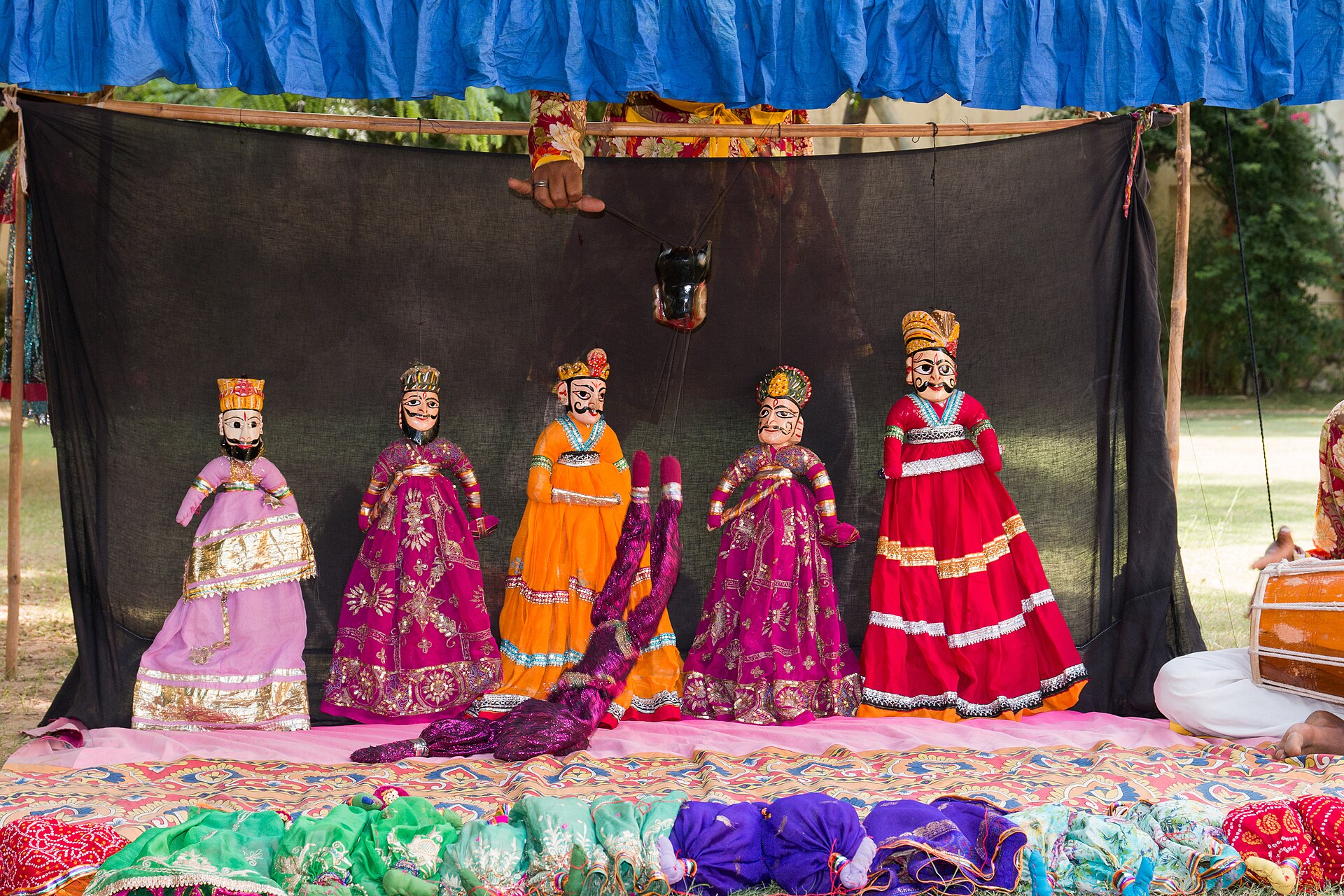
Samode Palace (Day Trip)
Samod Road, Chomu, Jaipur, 303702, India
Samode Palace is a 16th-century Rajput palace-fort 42 kilometres north of Jaipur that has been converted into one of India's most atmospheric heritage hotels — but which also allows day visitors to tour the palace's public areas, including the astonishing Sheesh Mahal (Hall of Mirrors) and the Durbar Hall whose walls and ceiling are covered in mirror-mosaic and floral frescoes that rival anything in Jaipur's royal palaces.
Explore architecture in Jaipur
GPS-guided narration at every landmark. Tap a spot on the map, hear the story. Every fact verified.