Beneath Wawel Castle, a limestone cave plunges 15 metres through the rock to emerge at the riverbank — and this, according to legend, is where the Wawel Dragon lived. The story goes that a terrible dragon terrorised medieval Kraków, devouring livestock and the occasional maiden, until a clever cobbler named Skuba fed it a sheep stuffed with sulphur. The dragon drank so much Vistula water to cool the burning in its belly that it exploded.
The cave is genuinely old — geological evidence suggests it's been a natural formation for millions of years, and archaeological finds indicate human habitation dating back 50,000 years. It was used as an inn, a brothel, and a storage space before being turned into a tourist attraction. The descent through the cave takes about 10 minutes via 135 spiral steps cut into the rock, and the chambers — while not vast — are atmospheric enough to make the dragon story feel plausible.
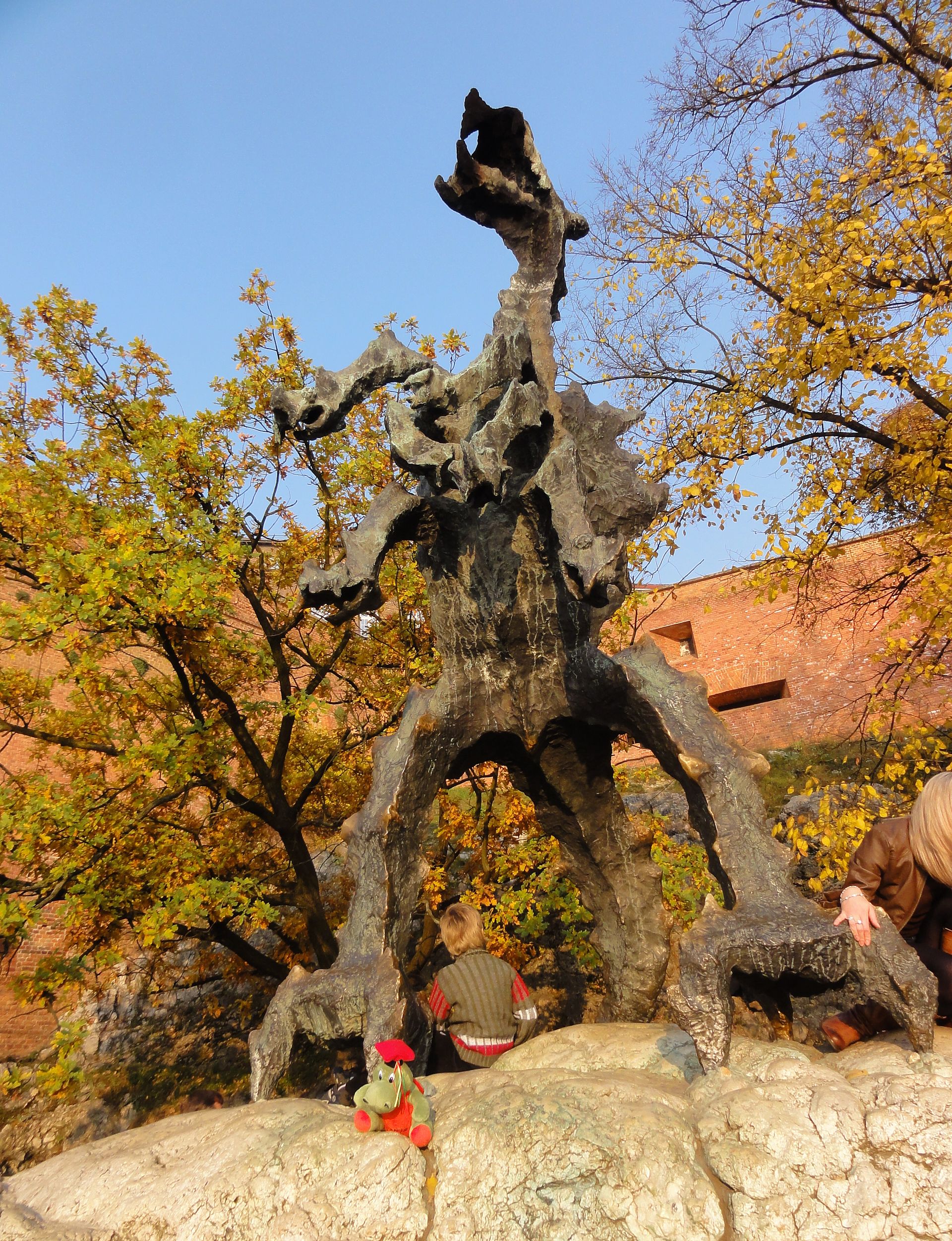
You emerge blinking into sunlight on the Vistula riverbank, where a bronze dragon sculpture by Bronisław Chromy breathes real fire every few minutes (fuelled by natural gas). Children love it. Adults take photos. The fire is triggered by sending a text message to a specific number, which is the most 21st-century detail in a story that dates to the 12th century. The cave is only open in summer and costs a few złoty — enter from Wawel Hill and exit at the river.
Verified Facts
The cave descends 15 metres through limestone beneath Wawel Castle
Archaeological evidence suggests human habitation dating back 50,000 years
The bronze dragon sculpture was created by Bronisław Chromy
The dragon sculpture breathes real fire fuelled by natural gas
There are 135 steps descending through the cave
Get walking directions
Wawel 5, Kraków