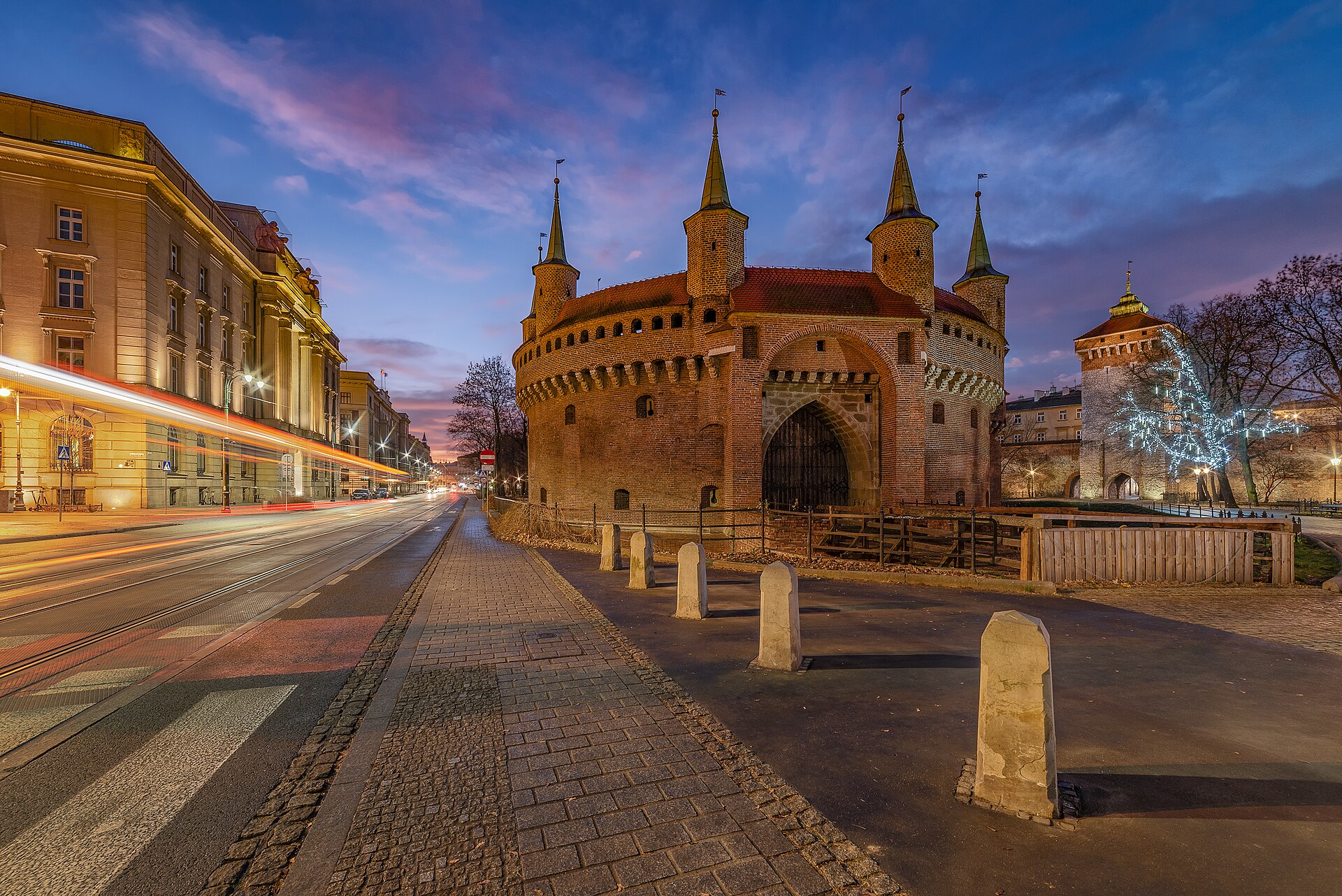
Barbican
Basztowa, Kraków
The Barbican is a circular brick fortress that once guarded the main gate into medieval Kraków, and it's the best-preserved example of its kind in Europe.
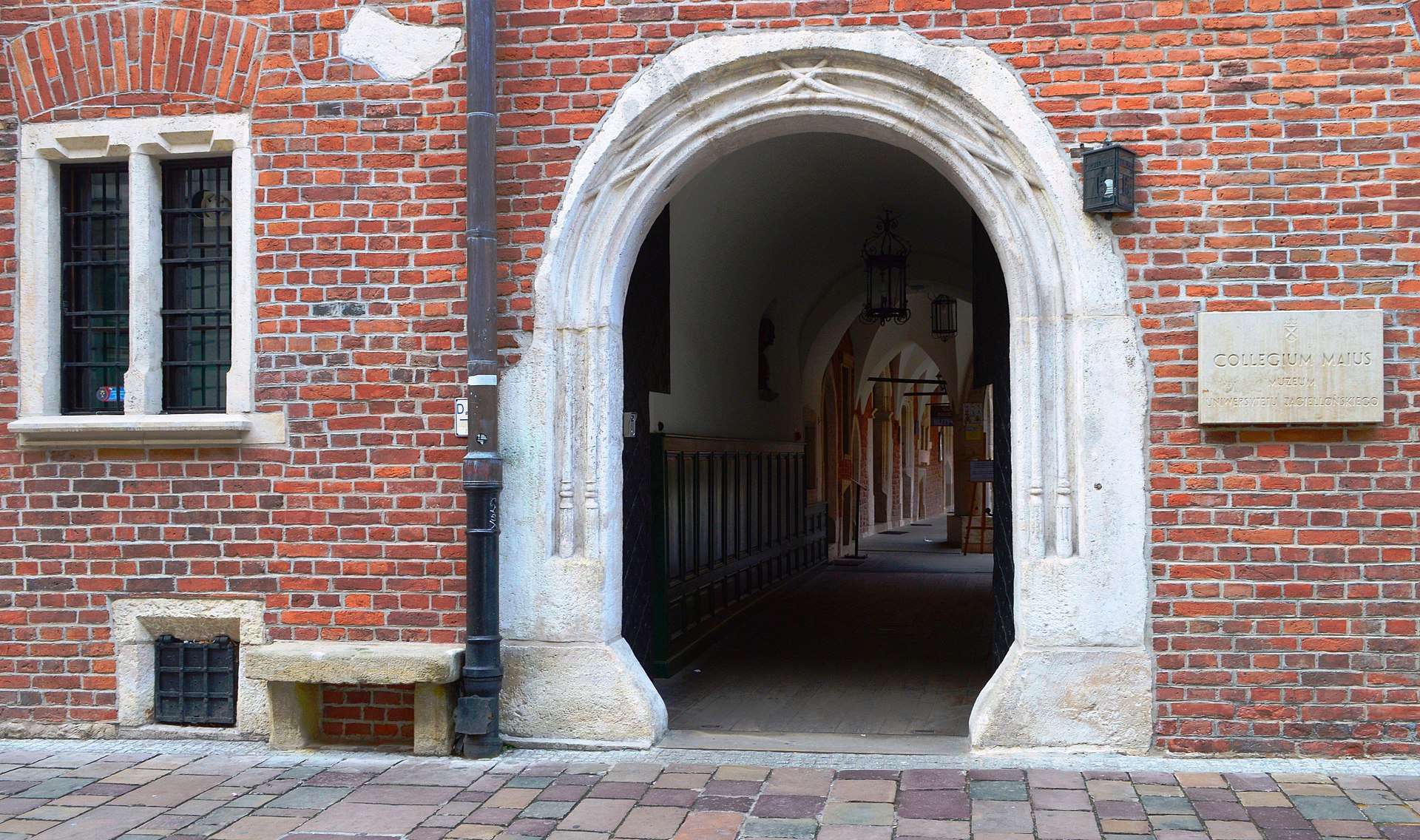
Collegium Maius (Jagiellonian University)
Jagiellońska 15, Kraków
Collegium Maius is the oldest university building in Poland and one of the oldest in Europe, built in the 15th century for the Jagiellonian University — which itself was founded in 1364, making it the second-oldest university in Central Europe after Prague.
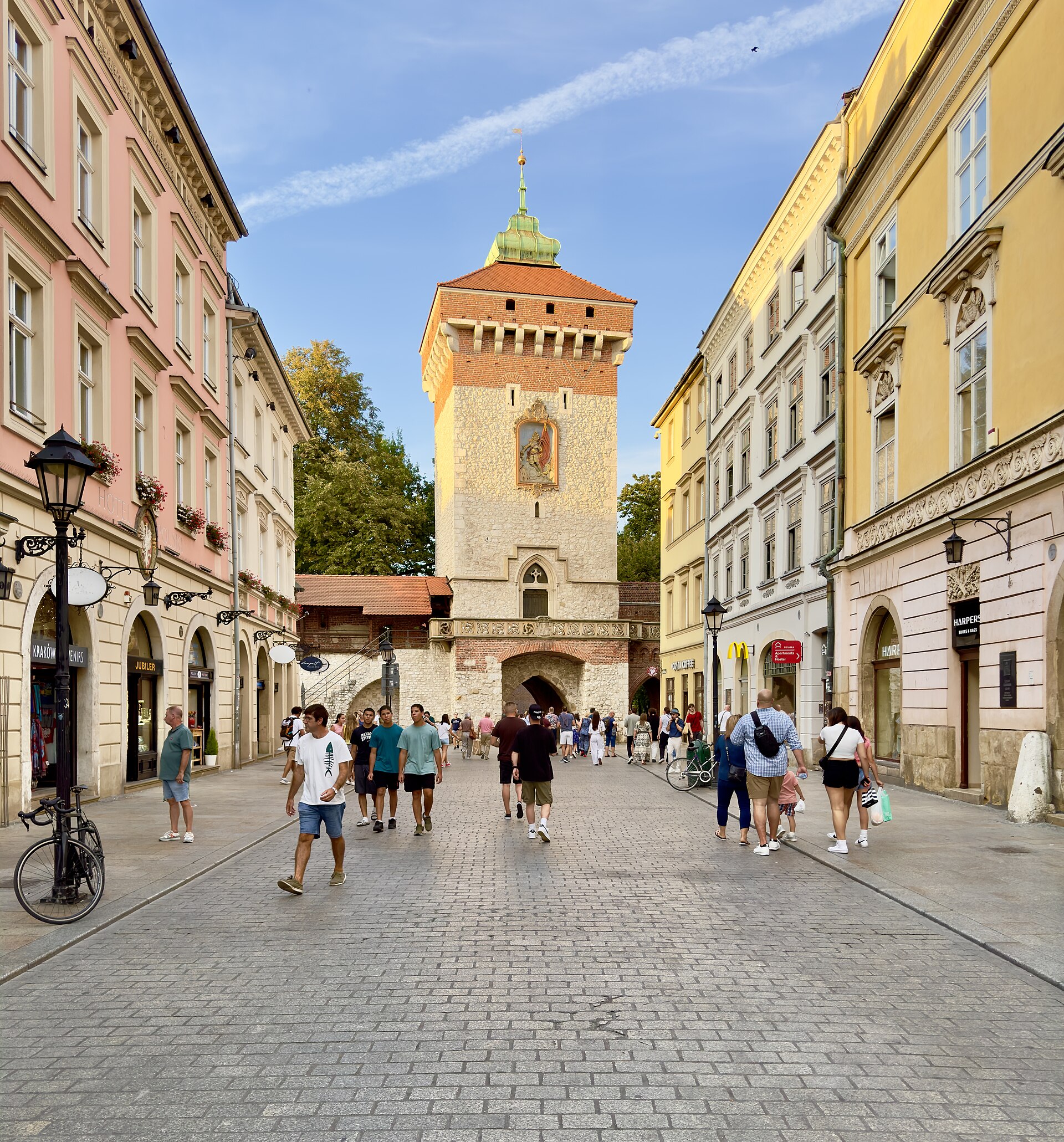
Floriańska Gate & Street
Floriańska, Kraków
Floriańska Gate is the only surviving gate of Kraków's original medieval fortifications, and the street bearing its name that runs from the gate to the Main Square is the most historic walk in the city — a straight 335-metre line from the city walls to the heart of town that every Polish king, invading army, and tourist has walked for 700 years.
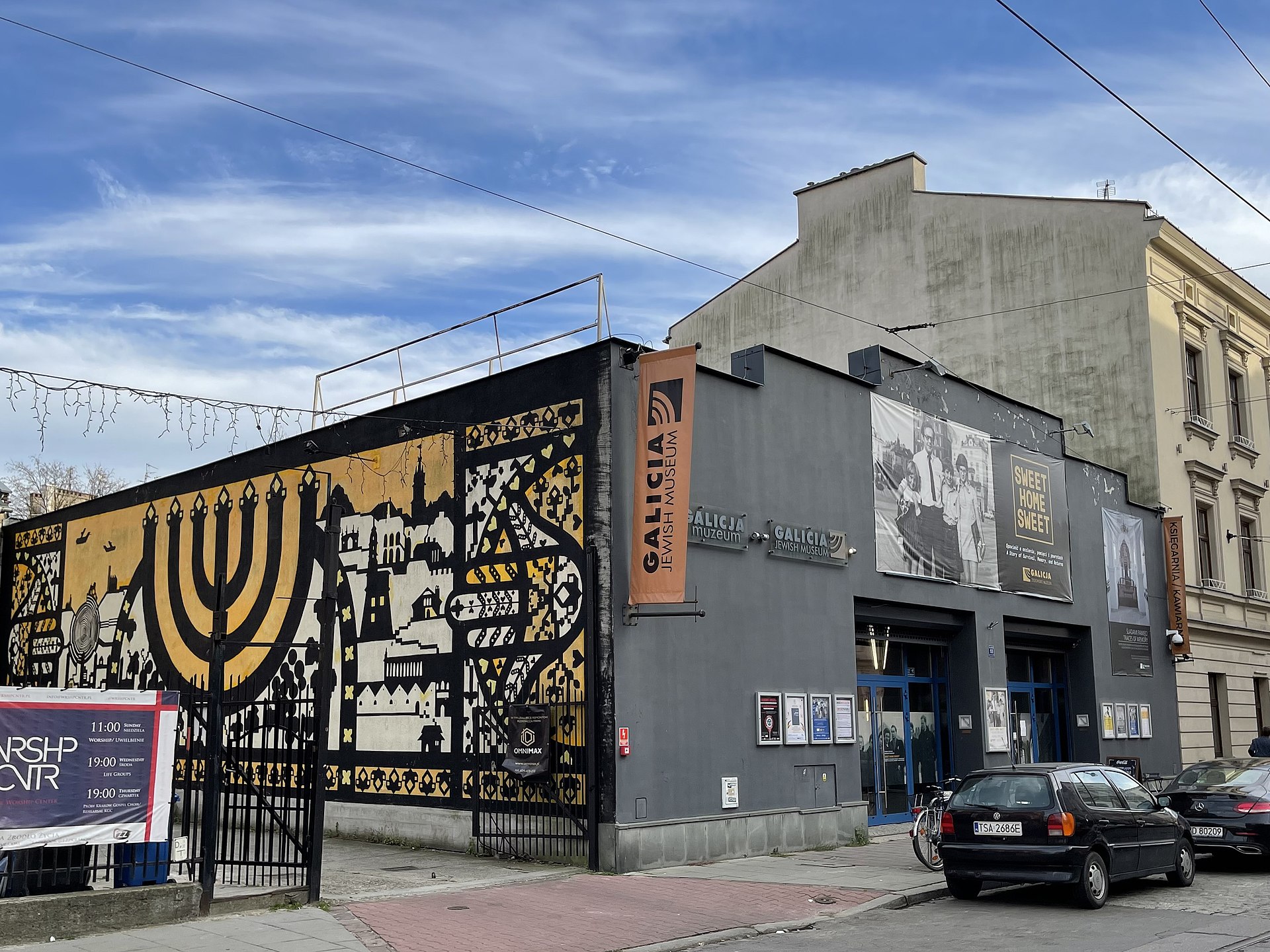
Galicia Jewish Museum
Dajwór 18, Kraków
The Galicia Jewish Museum does something most Holocaust museums don't — it looks forward as well as back.
Grodzka Street
Grodzka, Kraków
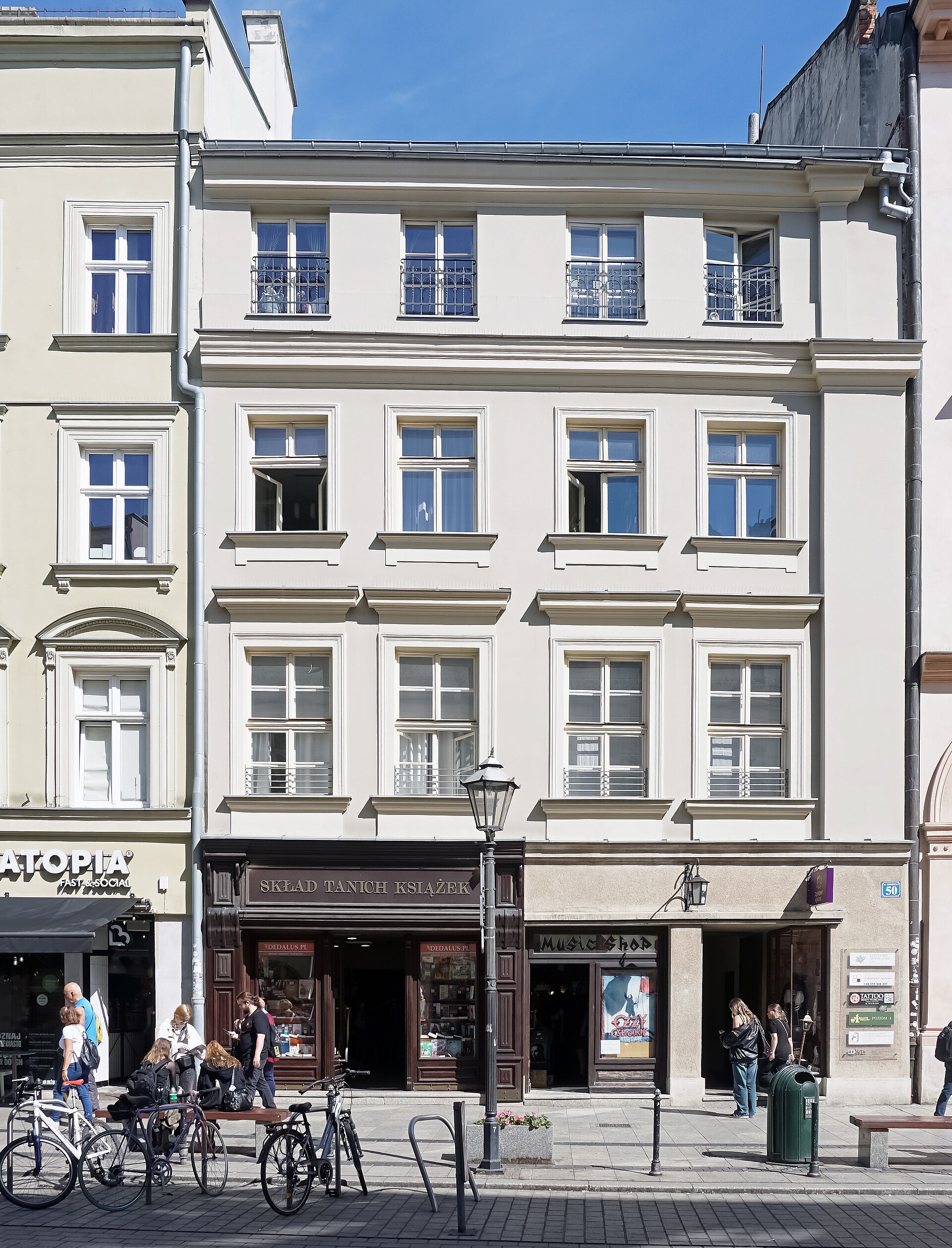
Grodzka is the oldest street in Kraków — part of the ancient trade route that connected the Baltic Sea to the Mediterranean — and walking its 500-metre length from the Main Square to Wawel Castle is essentially a stroll through a thousand years of Polish architecture.
Kazimierz (Jewish Quarter)
Kazimierz, Kraków
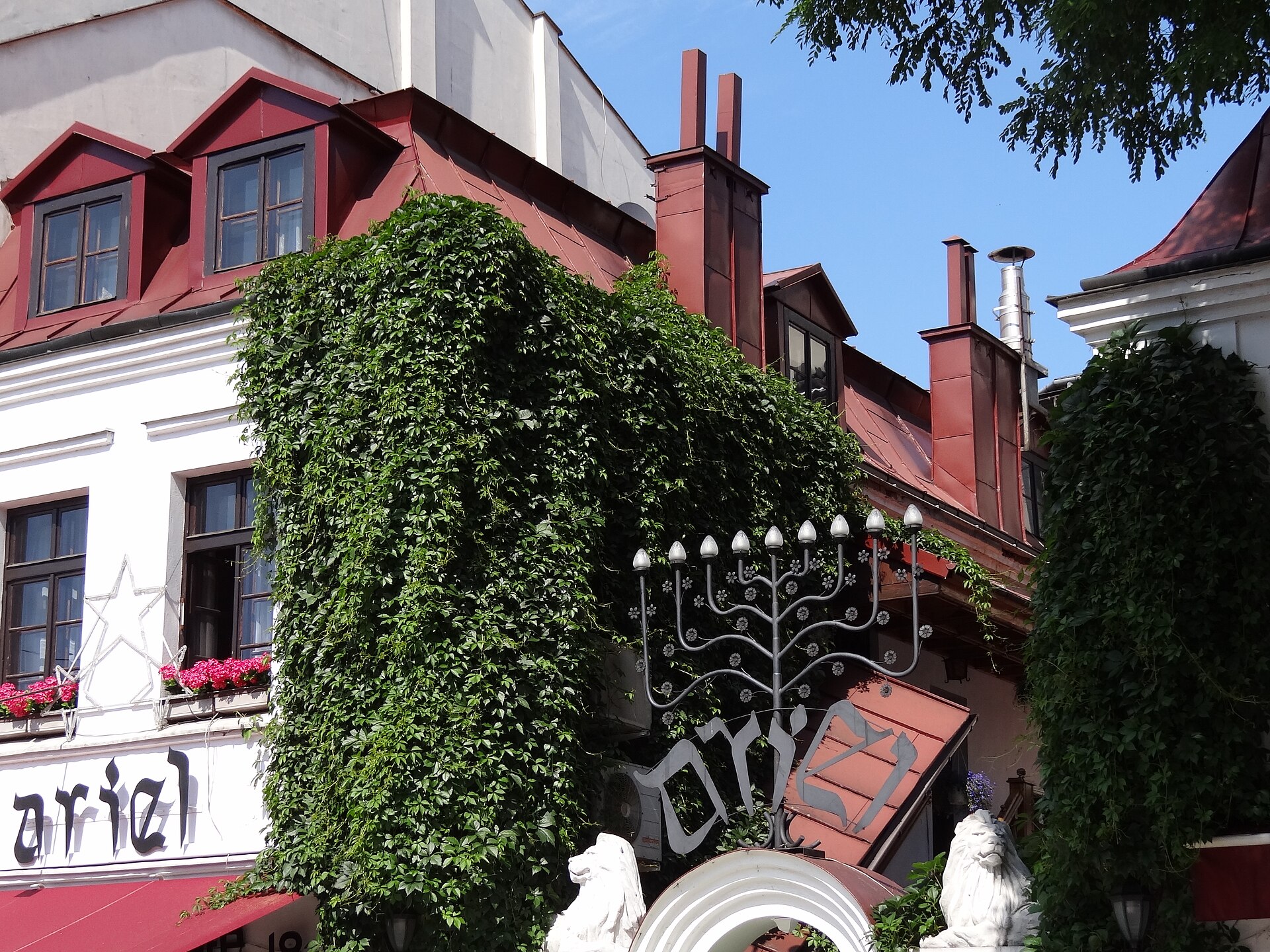
Kazimierz was once a separate town — founded in 1335 by King Casimir the Great — that became the centre of Jewish life in Kraków for over 500 years.
Kościuszko Mound
Aleja Waszyngtona 1, Kraków
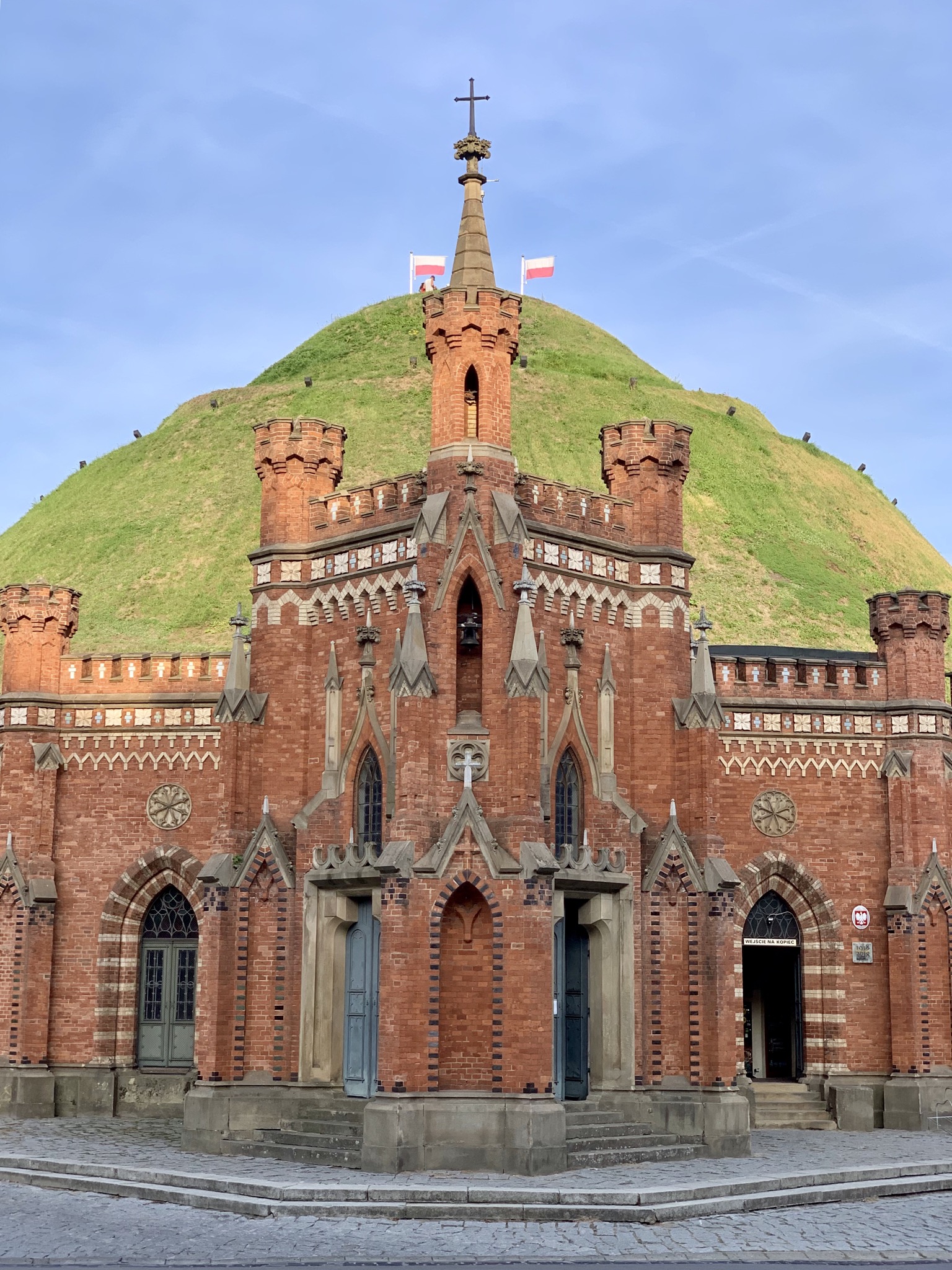
Kościuszko Mound is an artificial hill built between 1820 and 1823 by the citizens of Kraków as a memorial to Tadeusz Kościuszko — the Polish-Lithuanian military engineer who fought in both the American Revolution and the Polish uprising against Russia.
National Museum (Main Building)
3 Maja 1, Kraków
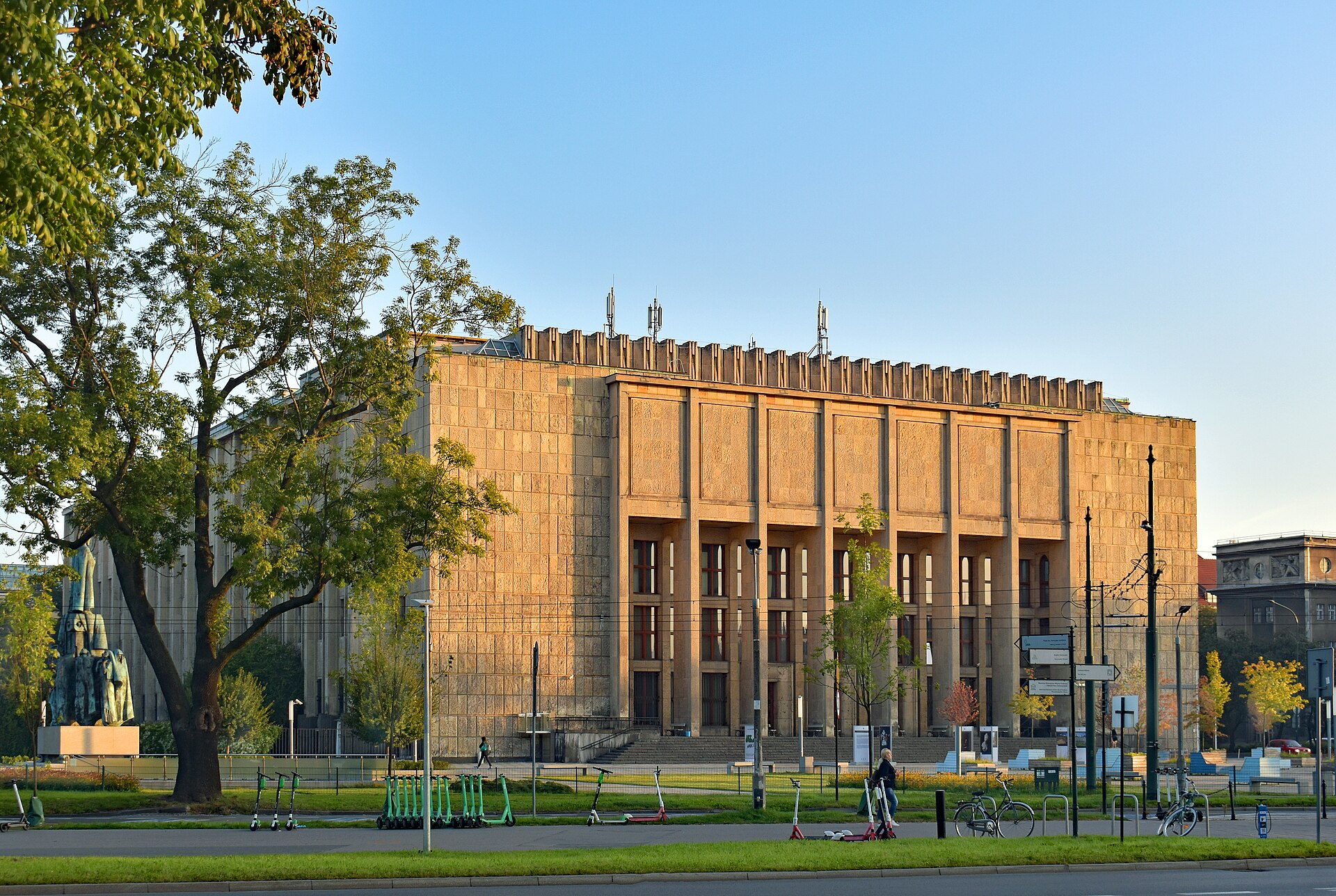
The National Museum's main building is a 1930s modernist block that holds the most comprehensive collection of Polish art in the country — and, somewhat improbably, Leonardo da Vinci's 'Lady with an Ermine,' one of only four surviving Leonardo portraits and arguably the most valuable painting in Poland.
Nowa Huta
Nowa Huta, Kraków
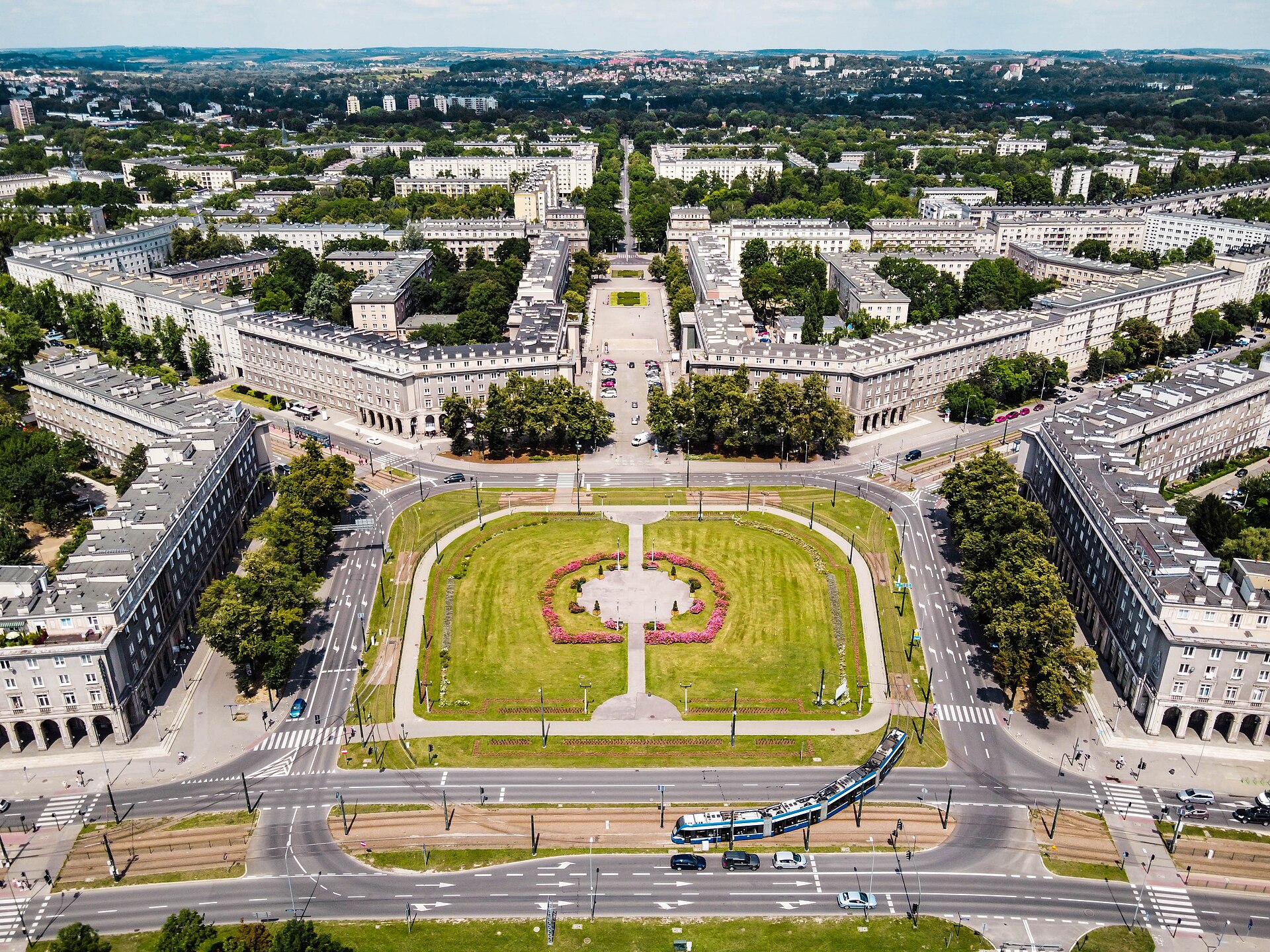
Nowa Huta is the neighbourhood that Stalin built to show Kraków what the future looked like.
Old Synagogue (Stara Synagoga)
Szeroka 24, Kraków
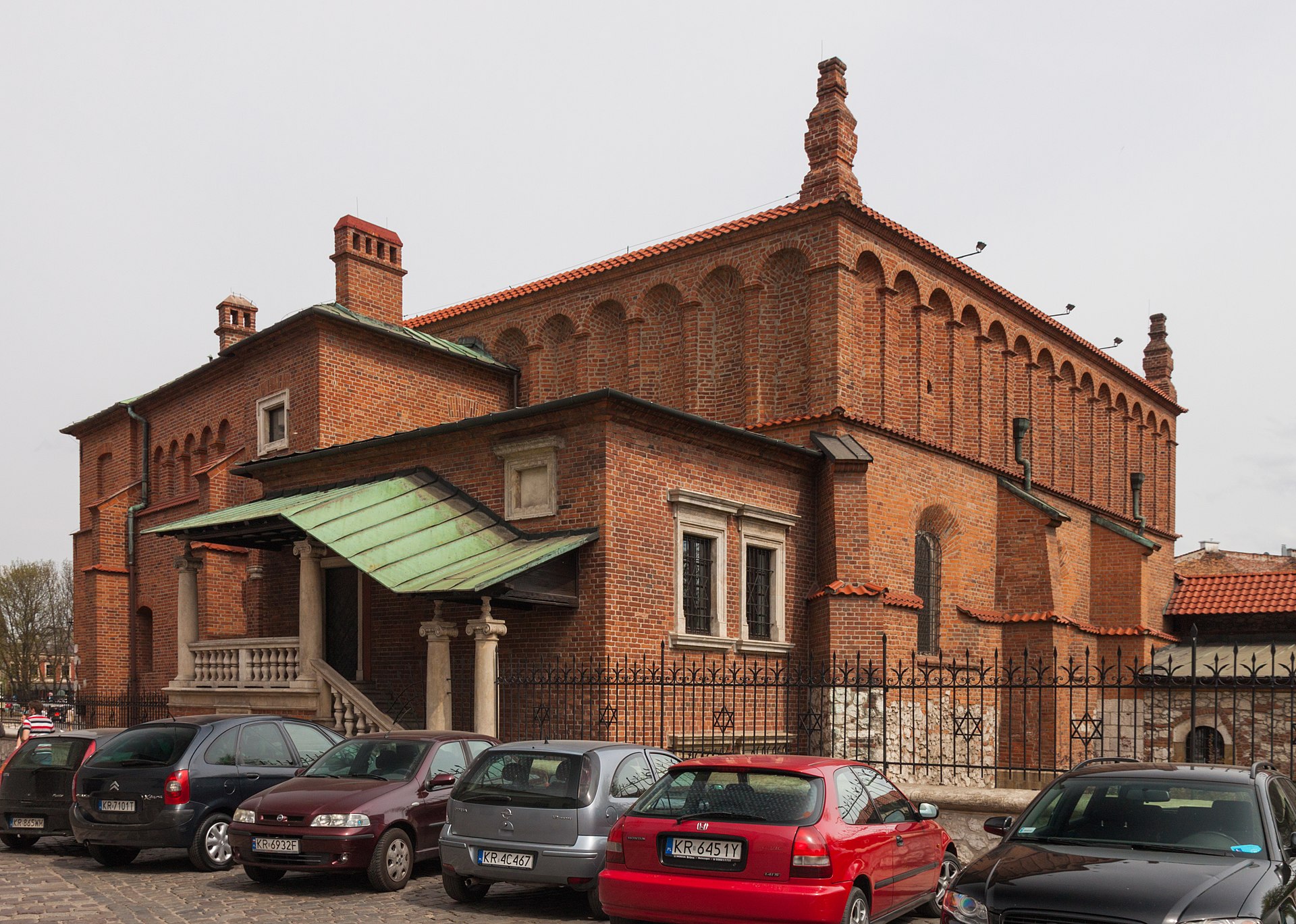
The Old Synagogue on Szeroka Street is the oldest surviving synagogue in Poland — a fortress-like building dating to the 15th century that was the spiritual and administrative centre of Kraków's Jewish community for 500 years.
Planty Park
Planty, Kraków
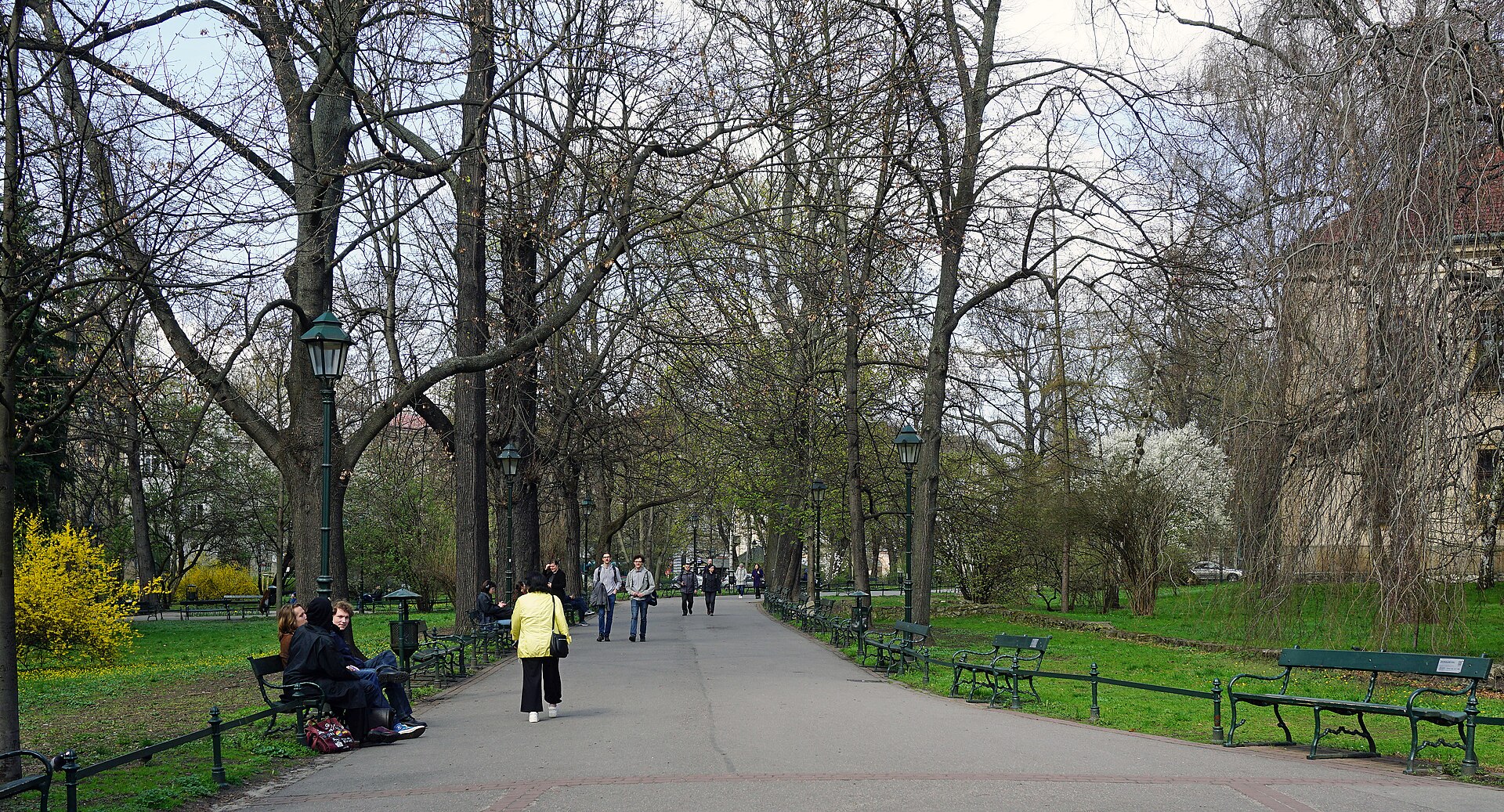
Planty is a ring of green that circles Kraków's Old Town in place of the medieval city walls that were demolished in the early 19th century.
Podgórze & Ghetto Heroes Square
Plac Bohaterów Getta, Kraków
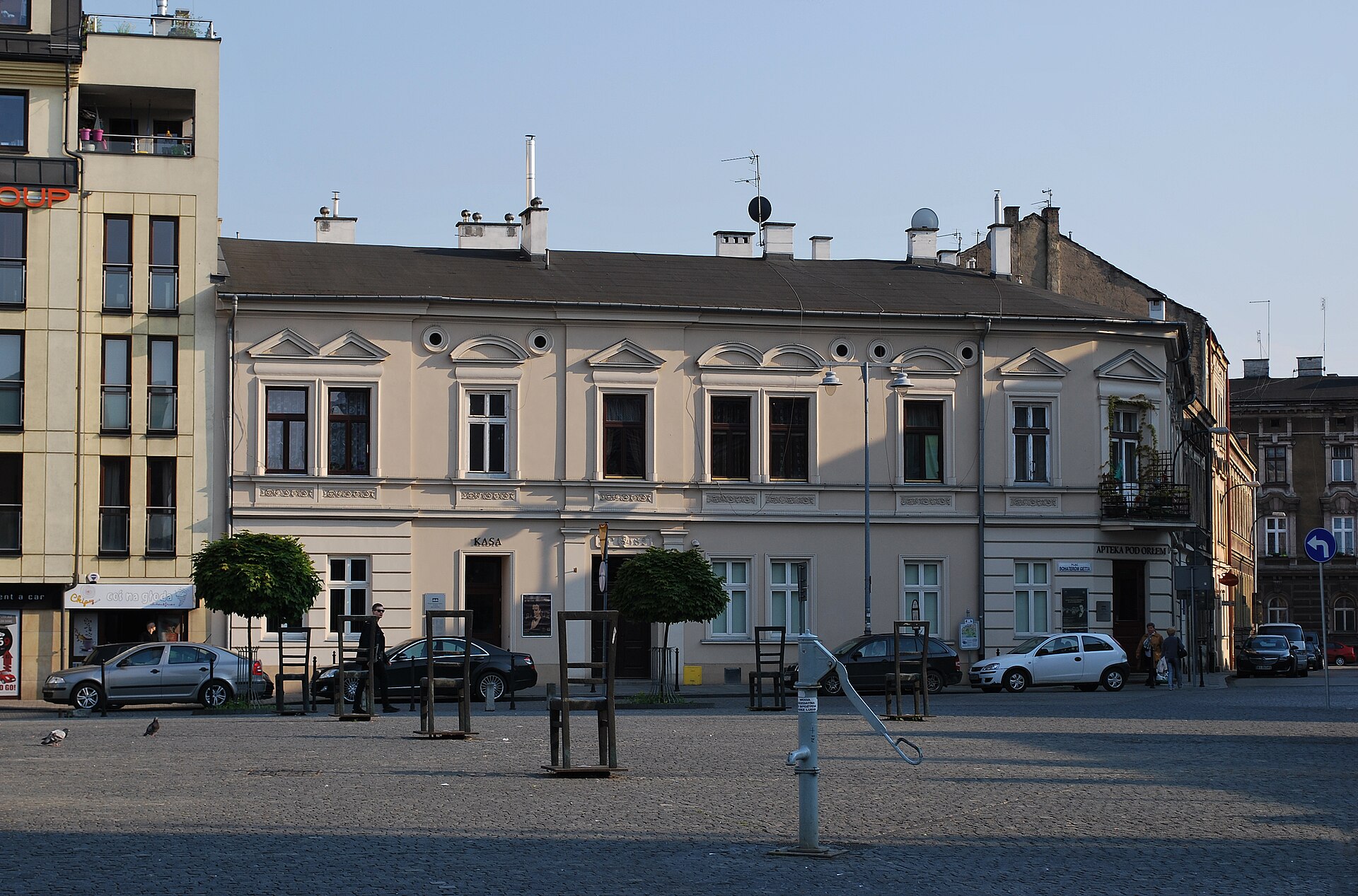
Ghetto Heroes Square is where Kraków confronts its darkest chapter with stark, unforgettable public art.
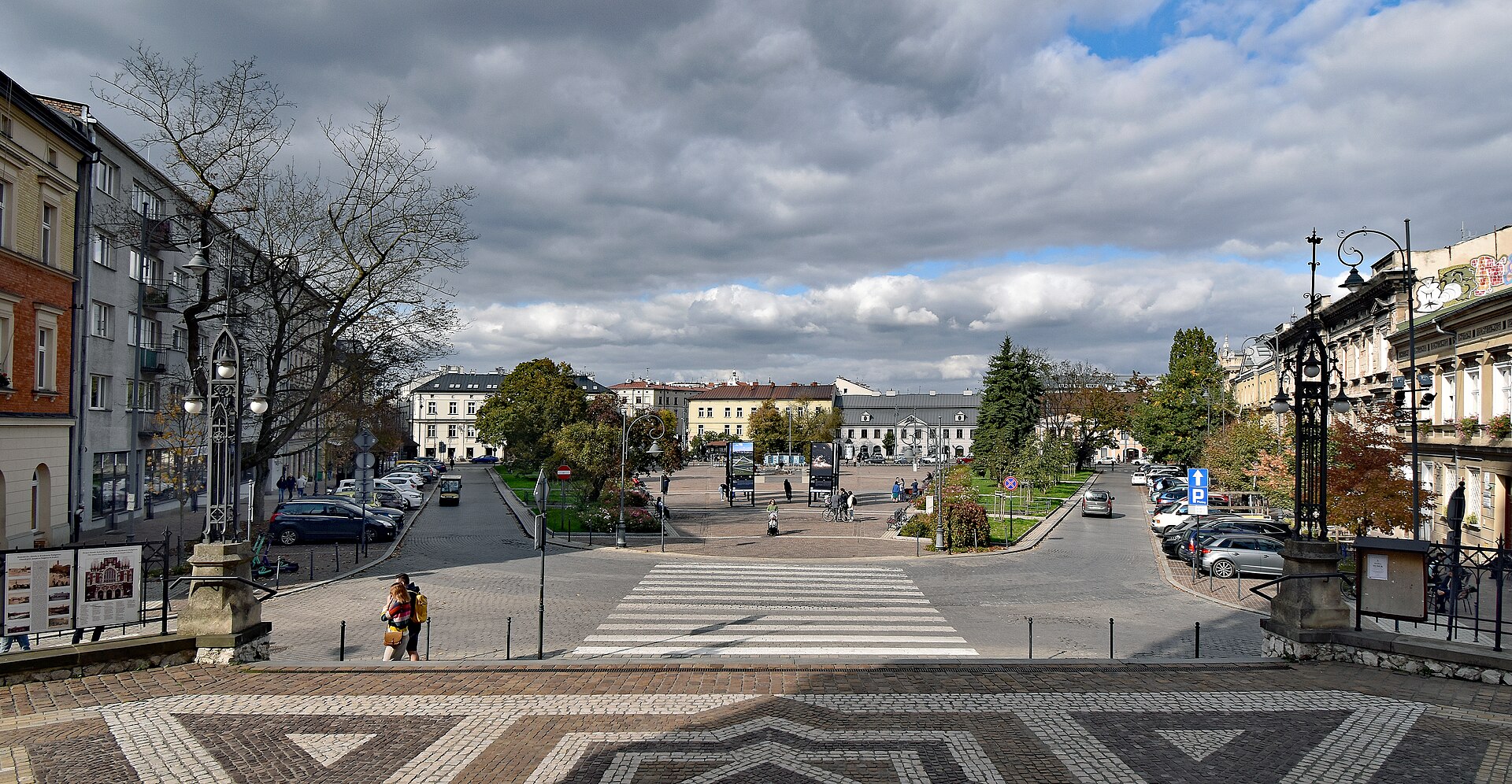
Podgórze Market Square
Rynek Podgórski, Kraków
Podgórze's market square is the anti-Rynek Główny — a modest triangular plaza south of the river that most tourists cross without stopping on their way to Schindler's factory.
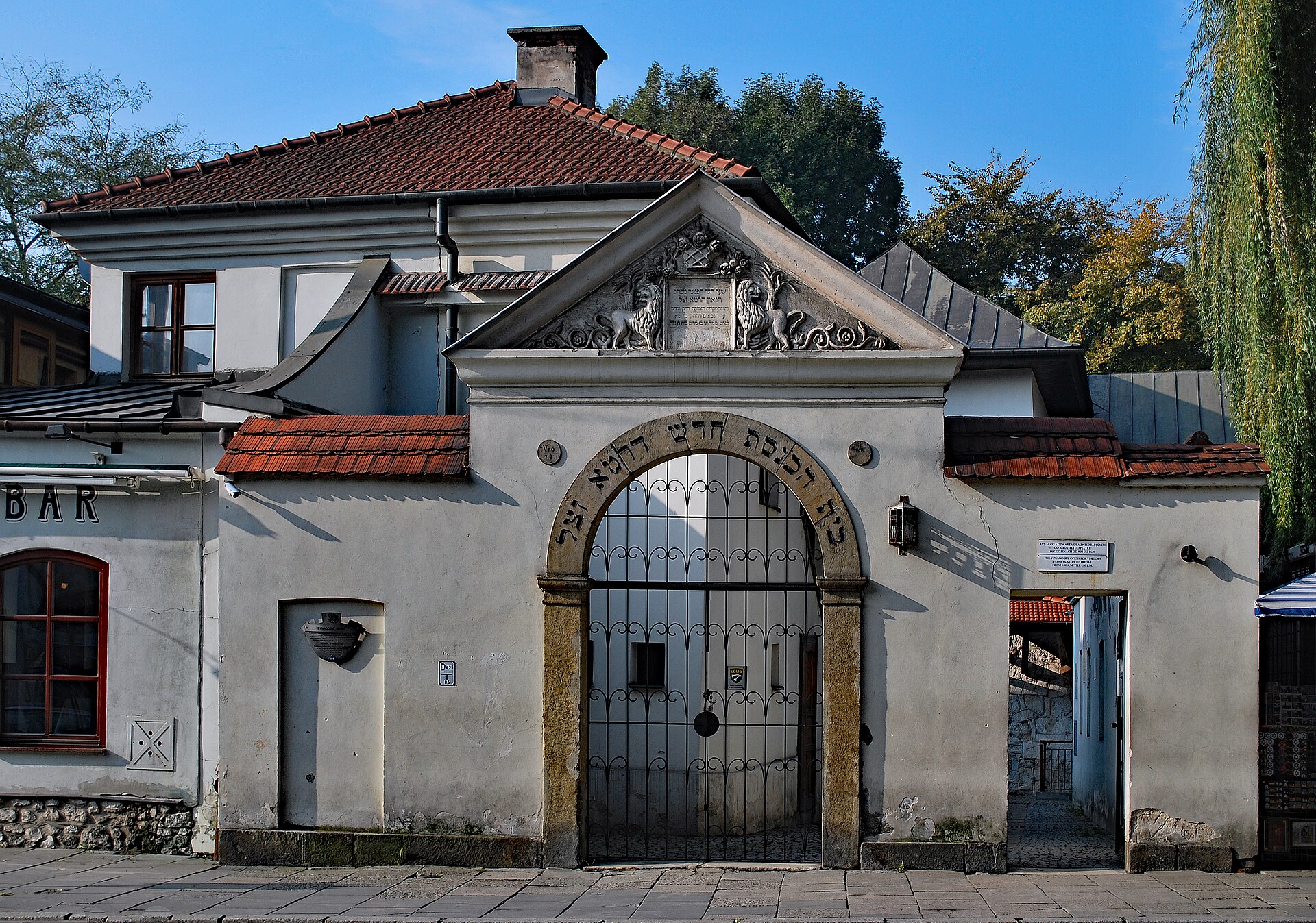
Remuh Synagogue & Cemetery
Szeroka 40, Kraków
The Remuh Synagogue is the smallest active synagogue in Kraków and one of only two in Kazimierz still holding regular services — a quiet, resilient fact given that this neighbourhood was once home to one of the largest Jewish communities in Europe.
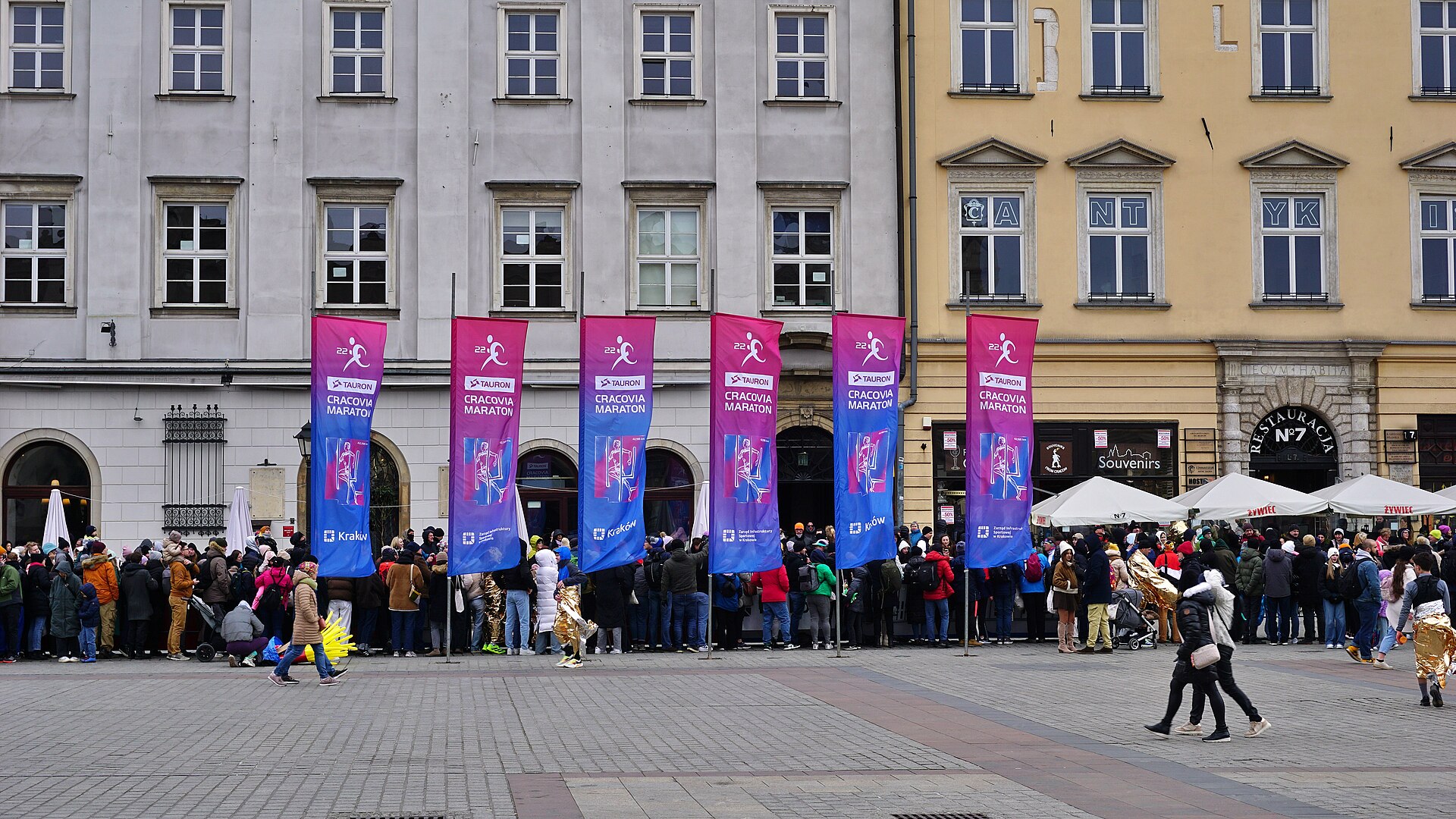
Rynek Główny (Main Market Square)
Rynek Główny, Kraków
Rynek Główny is the largest medieval town square in Europe — 40,000 square metres of open space ringed by townhouses, churches, and pavement cafés that has been the beating heart of Kraków since the city was laid out on a grid in 1257.
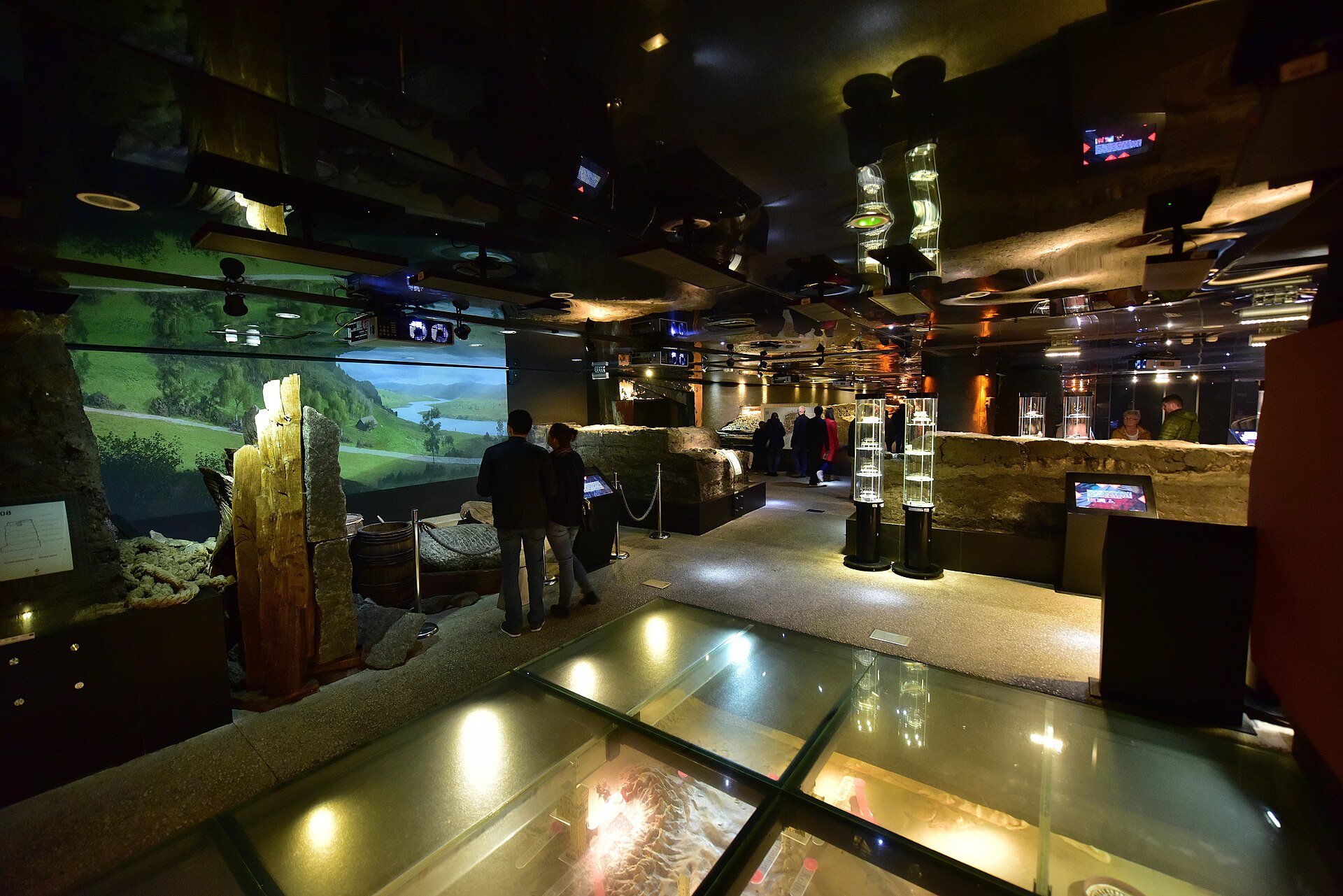
Rynek Underground Museum
Rynek Główny 1, Kraków
Four metres beneath the Main Market Square lies a medieval city that was accidentally rediscovered in 2005 during renovation work.
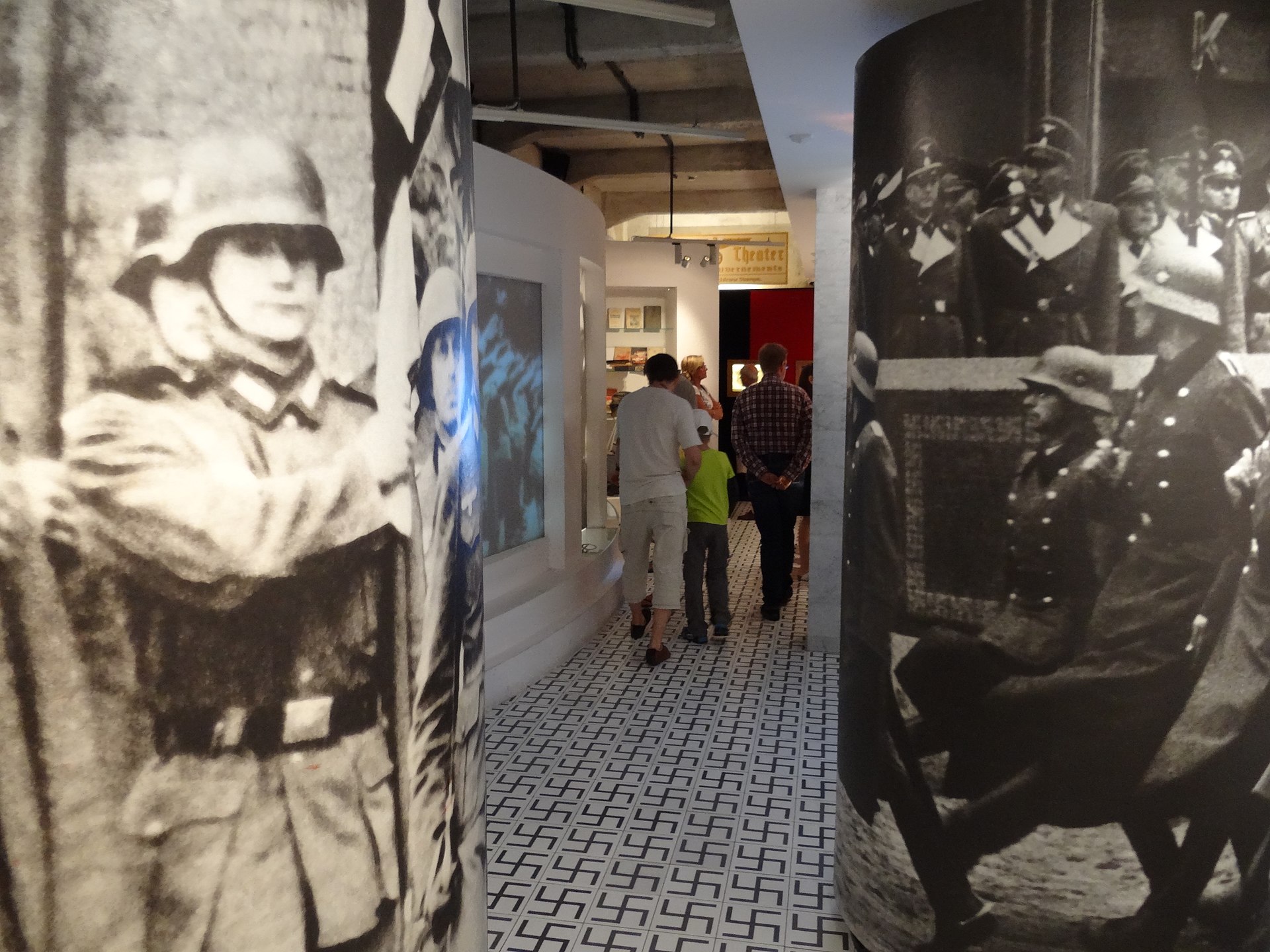
Schindler's Factory Museum
Lipowa 4, Kraków
Oskar Schindler's enamelware factory is now one of the most powerful museums in Europe — not because of Schindler himself, but because of the way it tells the story of Kraków under Nazi occupation through the details of ordinary life.
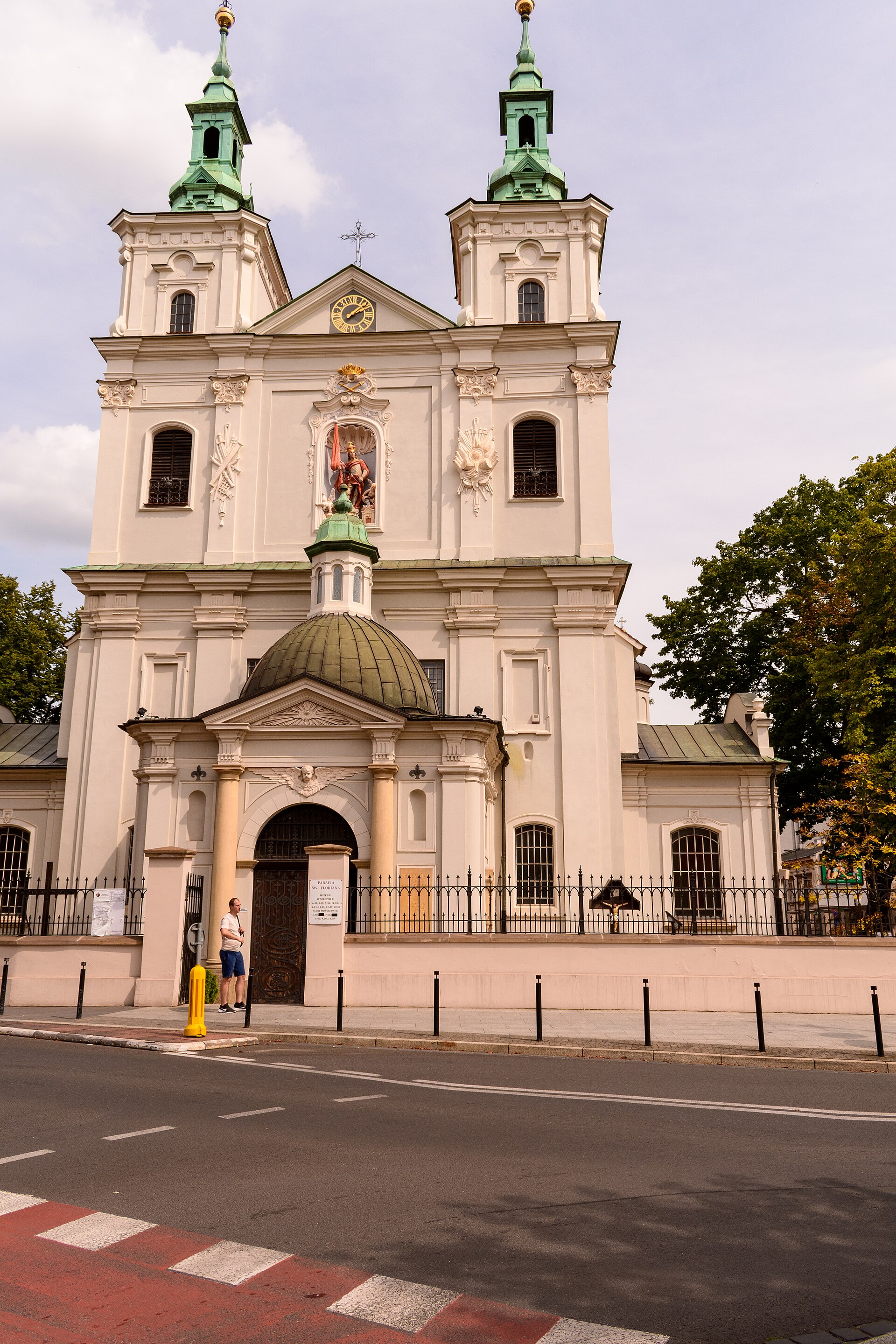
St Florian's Church
Warszawska 1B, Kraków
St Florian's Church sits just outside the Old Town walls at the start of the Royal Road — the ceremonial route along which kings processed from the city gate to Wawel Castle for their coronation.
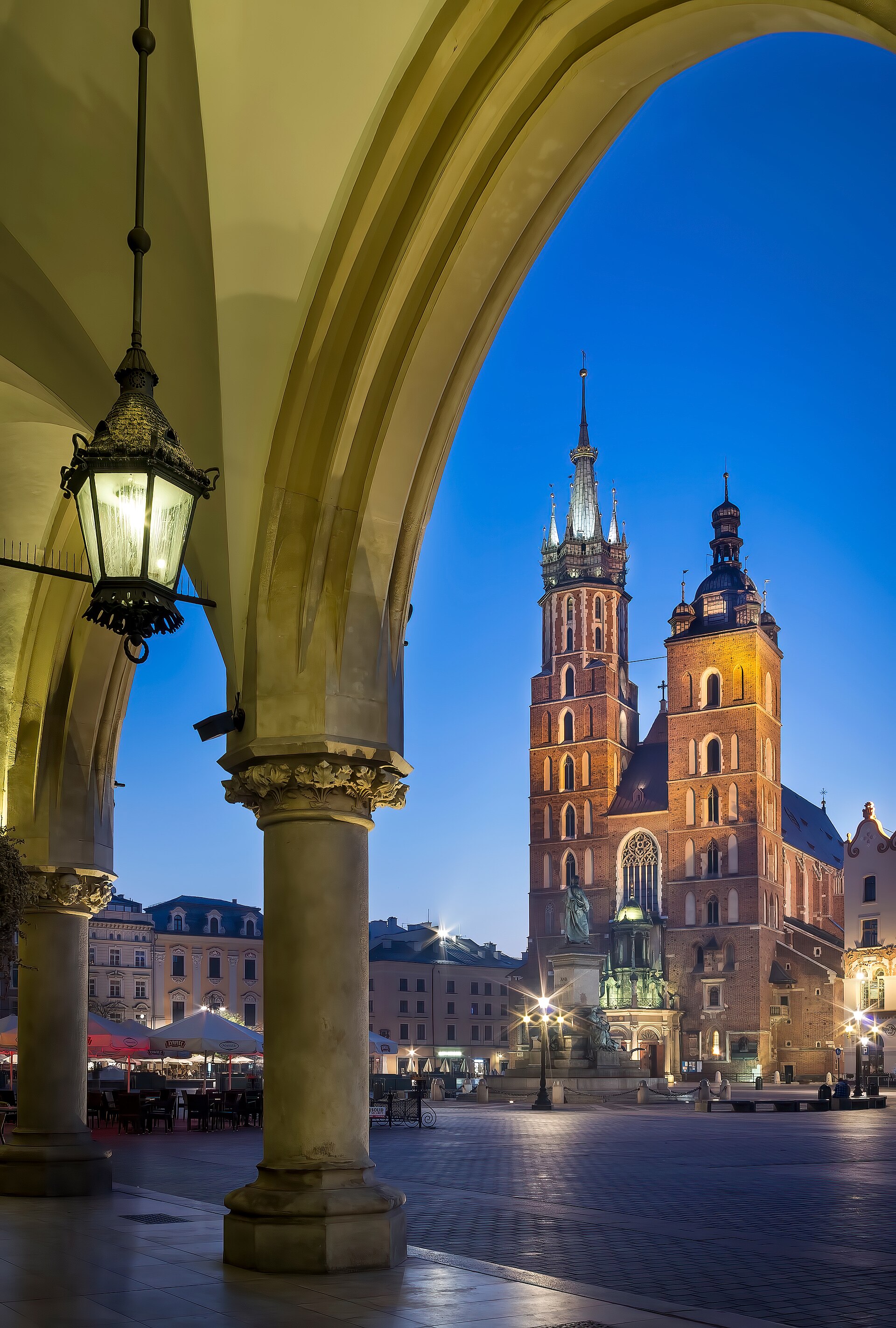
St Mary's Basilica
Plac Mariacki 5, Kraków
St Mary's Basilica dominates the Main Square with two mismatched towers — one 81 metres tall, the other 69 — which, according to legend, were built by two brothers in competition.
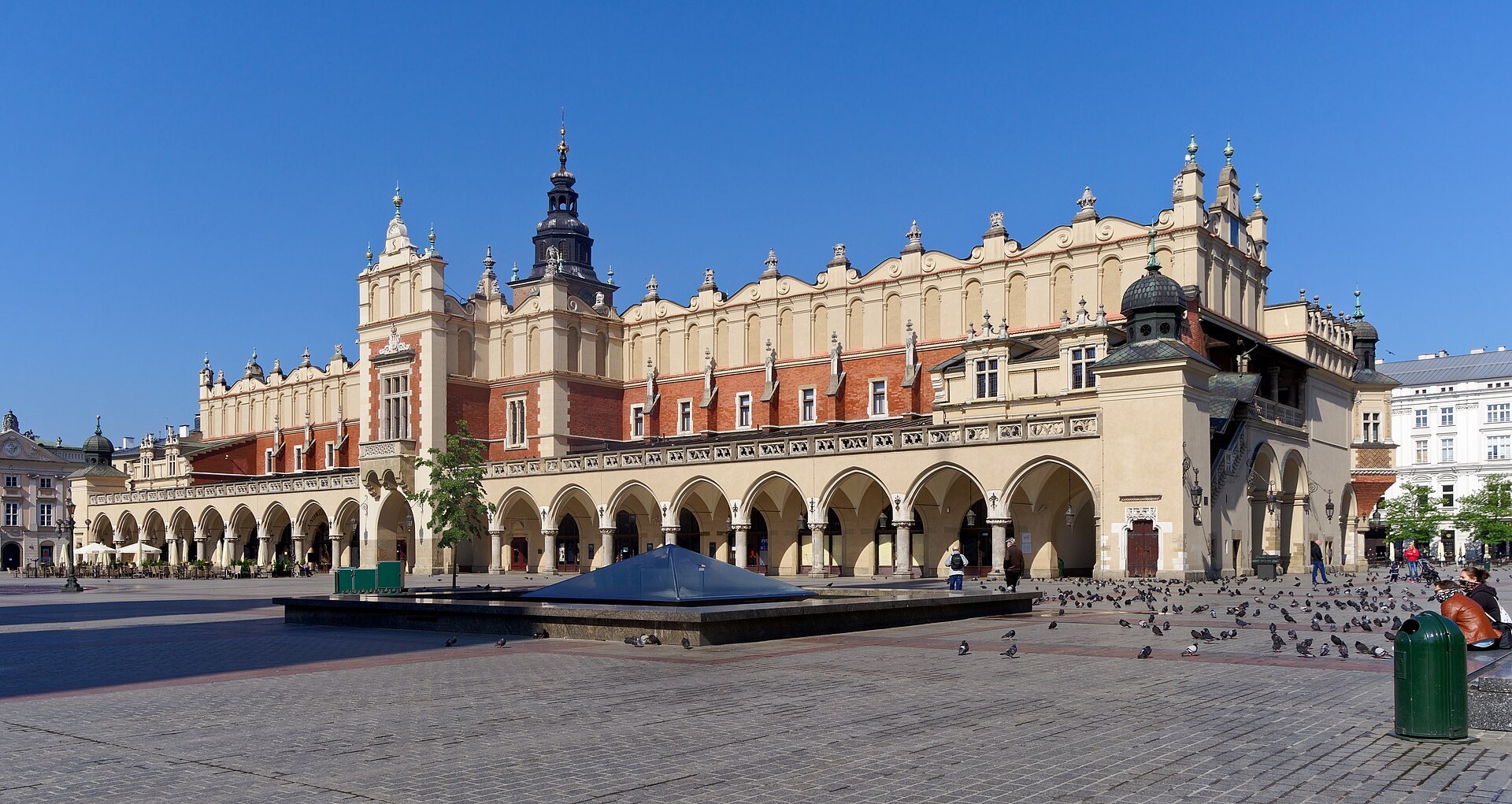
Sukiennice (Cloth Hall)
Rynek Główny 1/3, Kraków
The Cloth Hall is a Renaissance arcade sitting in the dead centre of Europe's largest medieval square, and it's been operating as a marketplace since the 14th century — which arguably makes it the world's oldest shopping mall, though the comparison does it a disservice.
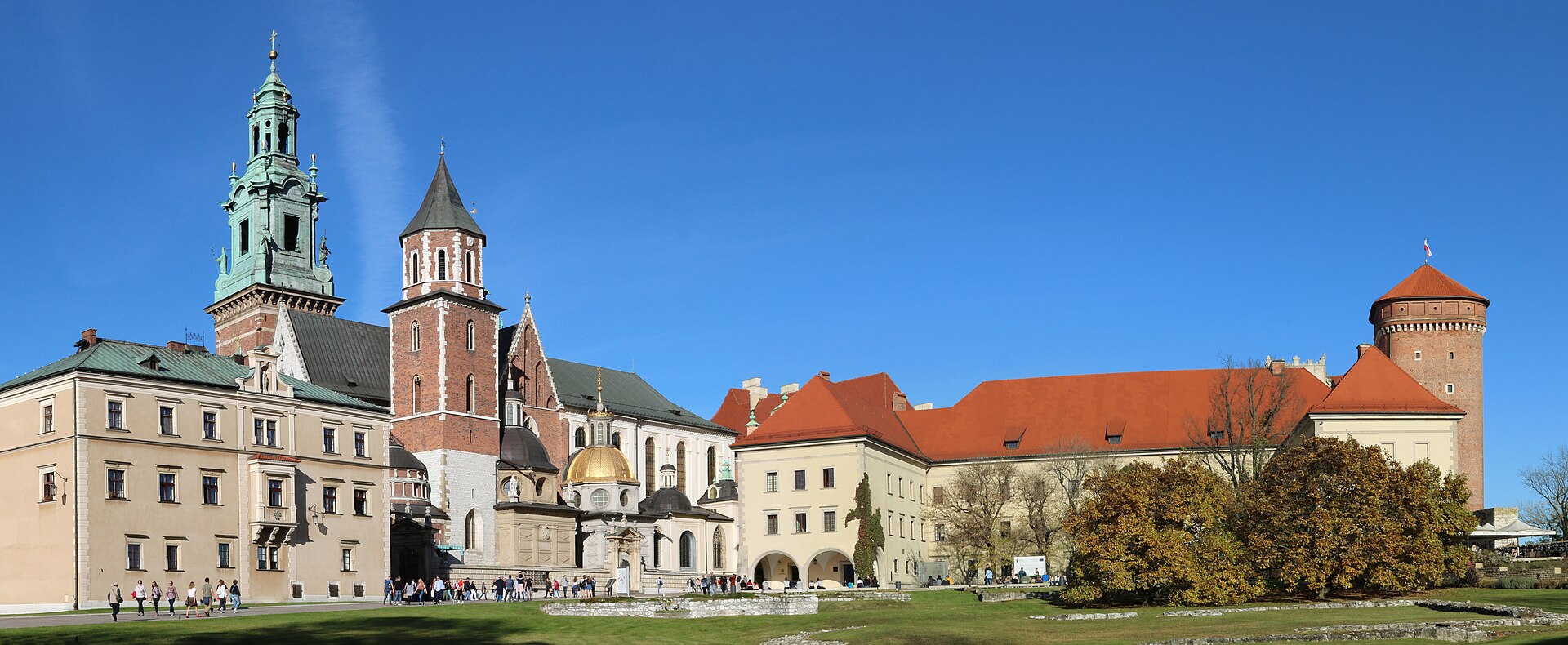
Wawel Cathedral
Wawel 3, Kraków
Wawel Cathedral is where Poland crowns its kings and buries its heroes — and the list of people interred here reads like a complete history of the nation.
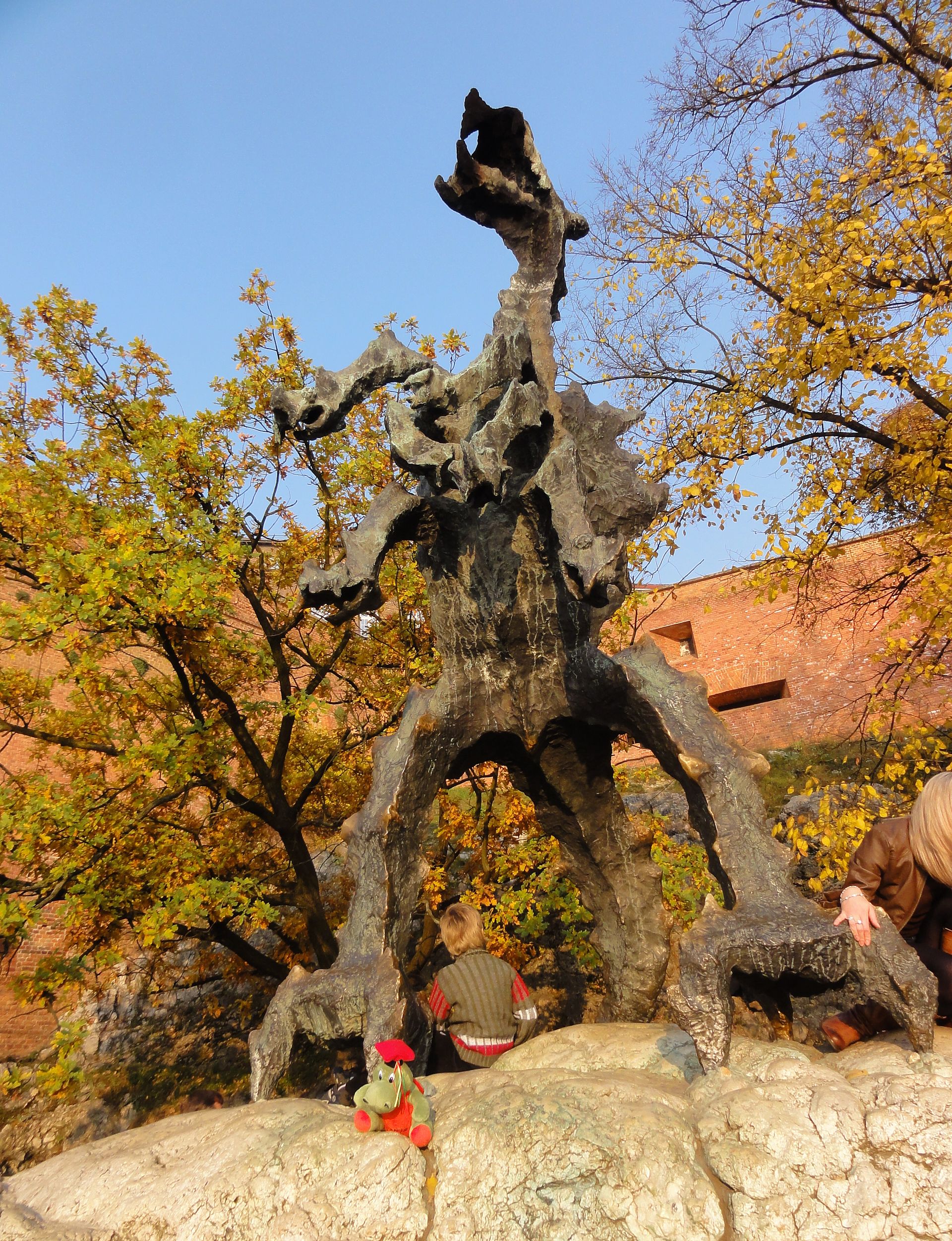
Wawel Dragon's Den
Wawel 5, Kraków
Beneath Wawel Castle, a limestone cave plunges 15 metres through the rock to emerge at the riverbank — and this, according to legend, is where the Wawel Dragon lived.
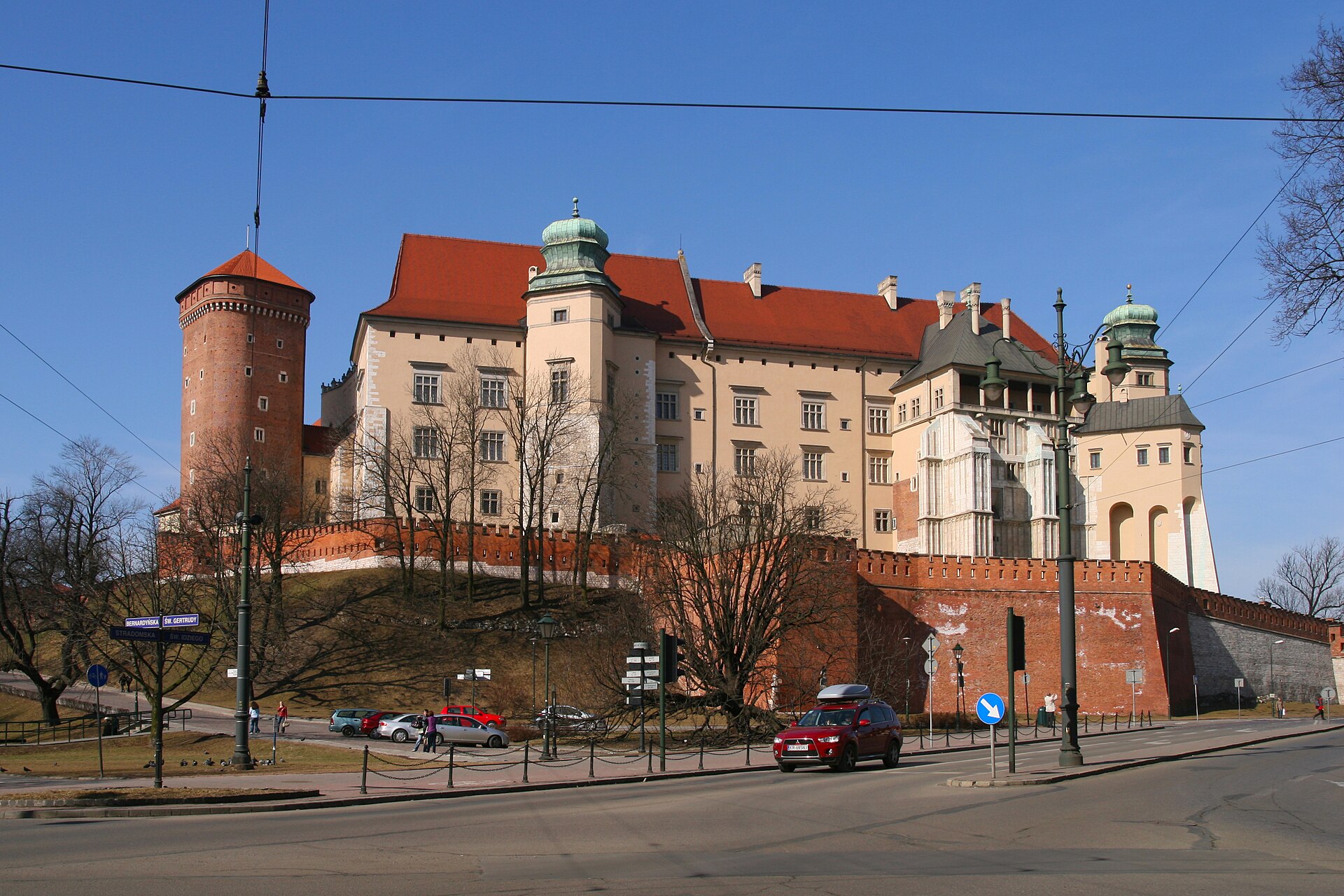
Wawel Royal Castle
Wawel 5, Kraków
Wawel Castle sits on a limestone hill above the Vistula River and has been the seat of Polish power since the 11th century.
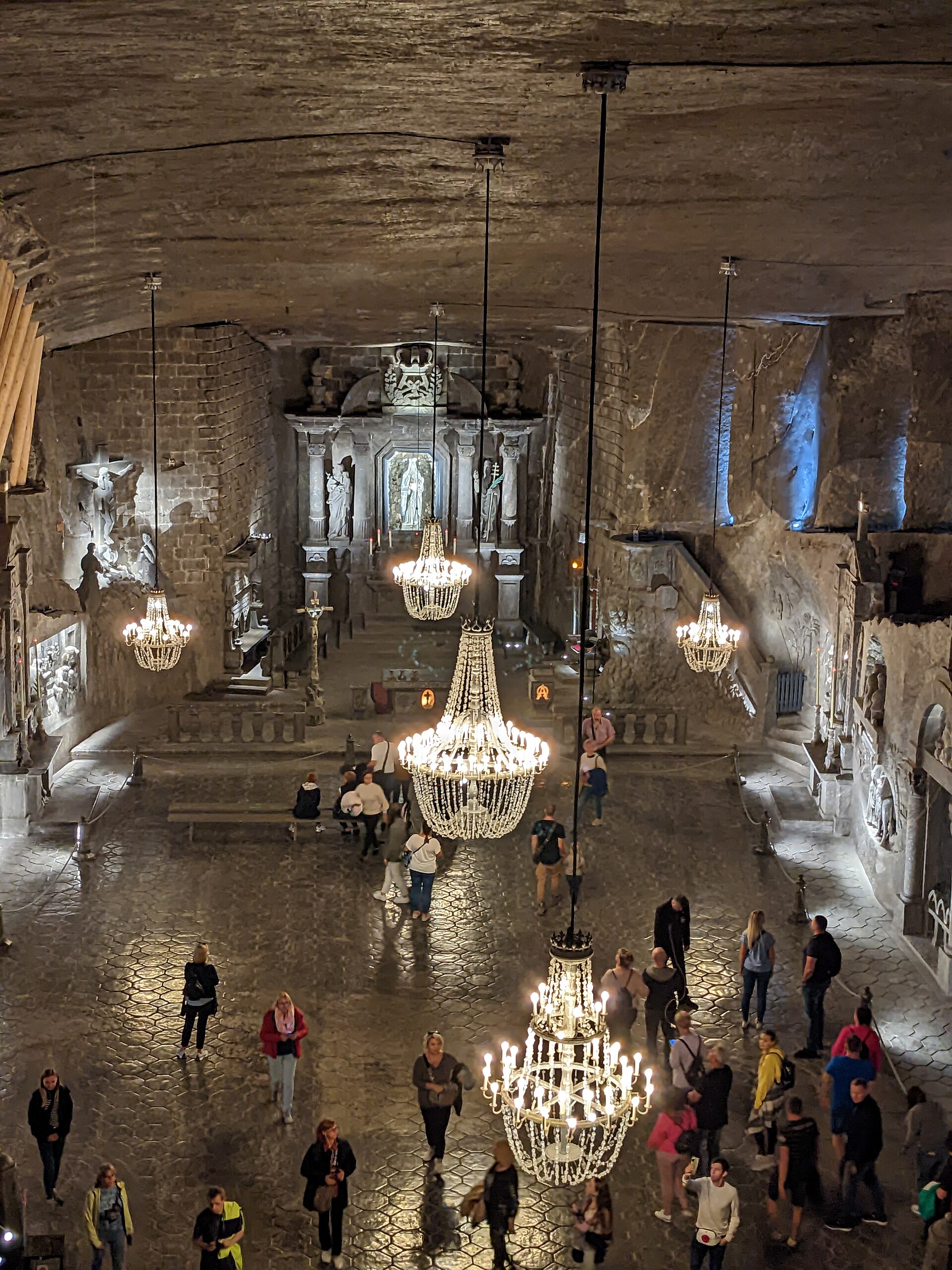
Wieliczka Salt Mine
Daniłowicza 10, Wieliczka
Wieliczka is what happens when miners spend 700 years underground and get bored.
Explore history in Kraków
GPS-guided narration at every landmark. Tap a spot on the map, hear the story. Every fact verified.