Museu do Fado
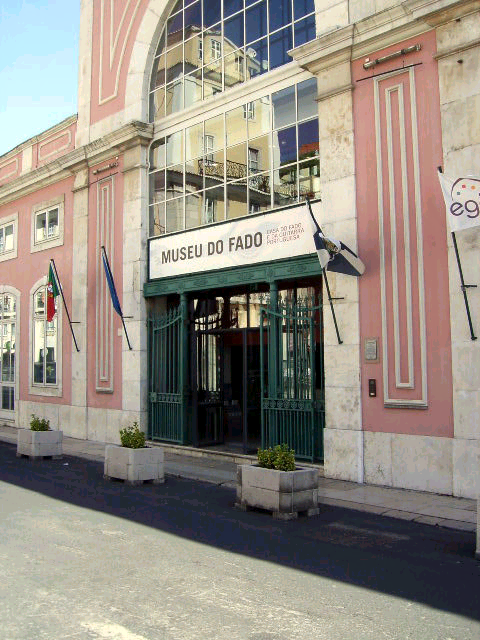
Fado is Portugal's answer to the blues — a music of longing, loss, and that untranslatable Portuguese word "saudade," which roughly means the bittersweet ache of missing something you once had, or might never have had at all. The Museu do Fado, tucked into a renovated pumping station at the edge of Alfama, tells the story of this art form from its murky origins in the early 19th century to its UNESCO recognition as Intangible Cultural Heritage in 2011. The museum insists on one crucial point: fado was not born in the salons of the wealthy. It was born in the taverns, brothels, and sailor dives of Alfama and Mouraria, sung by the poor, the marginalized, and the lovesick.
The earliest fado was associated with Maria Severa, a legendary 19th-century singer and prostitute who had a passionate affair with the Count of Vimioso — a liaison that scandalized Lisbon society and became the origin myth of the genre. Whether Severa was actually the first fadista or simply the first one famous enough to be remembered is debatable, but her story established the template: fado as the music of doomed love and social transgression. The museum traces this arc through recordings, instruments, costumes, and interactive stations where you can listen to rare performances by Amália Rodrigues, Carlos do Carmo, and newer artists like Mariza and Ana Moura.
The building itself — a 19th-century Moorish-revival water cistern — is an atmospheric venue, all arched brick ceilings and soft lighting. The museum regularly hosts live performances in its small auditorium, and hearing fado in this context, rather than in a tourist-oriented fado house, is a different experience entirely. The gift shop sells hard-to-find fado recordings, and the staff are genuine enthusiasts who can recommend which fado houses are authentic and which are tourist traps — a distinction that matters enormously in Alfama, where the line between art and performance has been blurring since Maria Severa's day.
Verified Facts
Fado was recognized by UNESCO as Intangible Cultural Heritage of Humanity in 2011.
Maria Severa, a 19th-century singer and prostitute whose affair with the Count of Vimioso scandalized Lisbon, is considered the genre's founding figure.
The museum is housed in a renovated 19th-century Moorish-revival pumping station in Alfama.
Fado originated in the taverns, brothels, and sailor dives of Alfama and Mouraria in the early 19th century.
Get walking directions
Largo do Chafariz de Dentro, Santa Maria Maior, Lisboa, 1100-288, Portugal