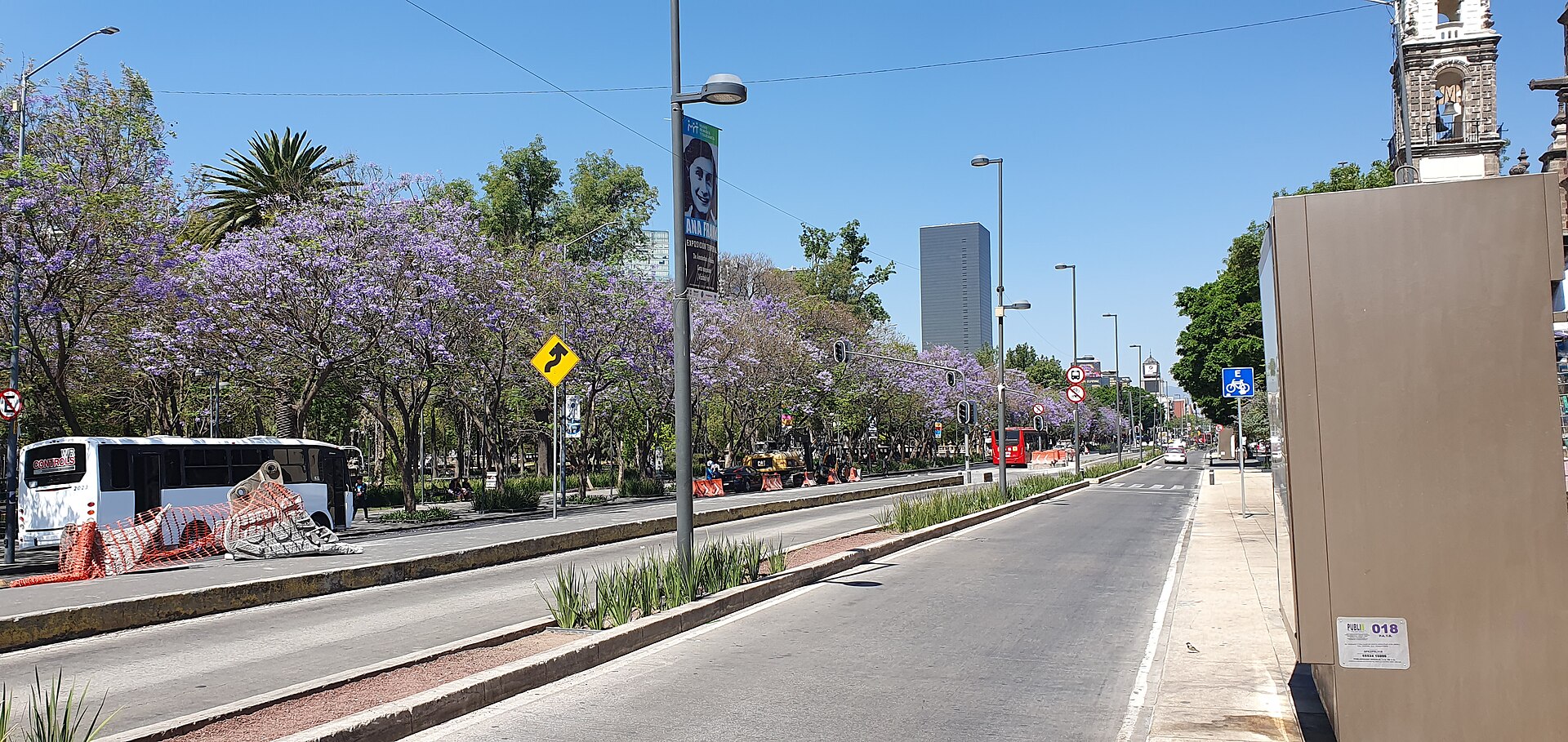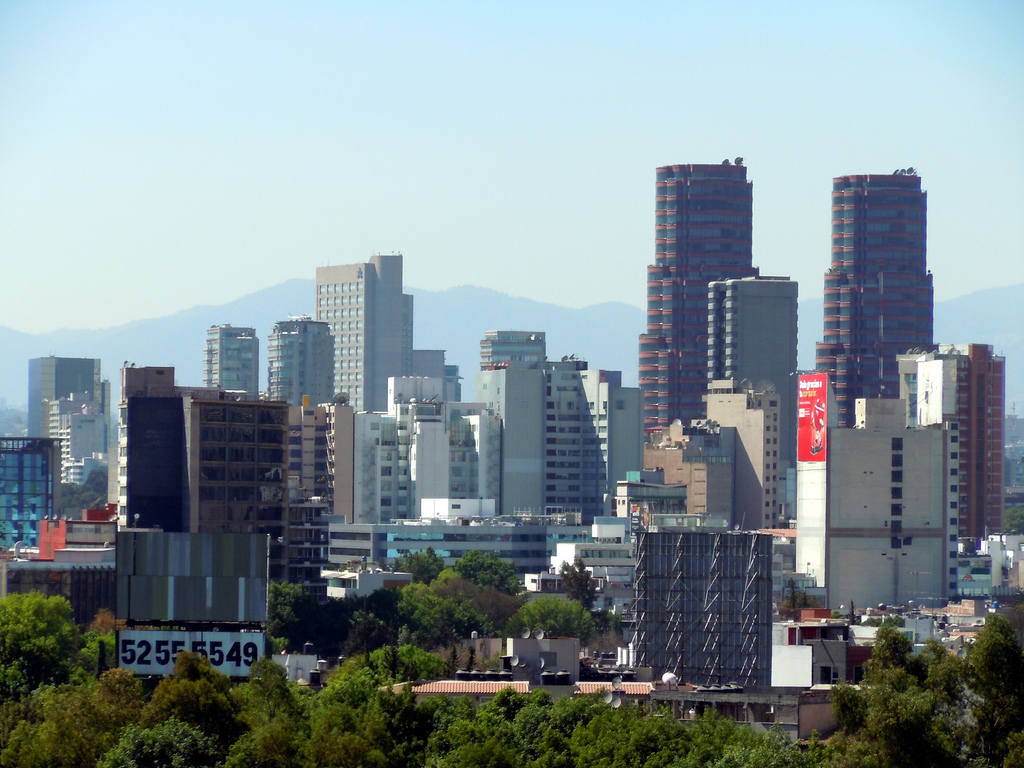
Polanco is Mexico City's wealthiest neighbourhood — a grid of tree-lined streets between Chapultepec Park and the Museo Soumaya that contains the city's highest concentration of high-end restaurants, designer boutiques, and the kind of quiet, manicured urbanism that feels like a different country from the chaos of the Centro Histórico a few kilometres east.
Avenida Presidente Masaryk is Polanco's spine — a boulevard of luxury brands, international restaurants, and the diplomatic residences that give the neighbourhood its cosmopolitan character. But the real Polanco is on the side streets, where neighbourhood restaurants serve some of the best food in the city at prices that would be considered reasonable in New York but are splurge-level by Mexican standards. Quintonil, Pujol (since relocated but born here), and dozens of excellent taquerías and fondas share the same streets.
The neighbourhood was developed in the 1930s and 1940s and was originally home to the city's Jewish community (the Polanco Synagogue and several Jewish cultural institutions remain). The architecture is mid-century residential — two and three-storey houses with gardens that have been gradually replaced by apartment buildings and commercial developments, though enough of the original fabric survives to give Polanco a residential feel that the high-end commercial strips might suggest otherwise. Lincoln Park, a small green square at the neighbourhood's centre, is a good place to sit with a coffee and watch the intersection of Mexico City's wealthiest residents with the international diplomats and tourists who share the neighbourhood.
Verified Facts
Polanco was developed in the 1930s-1940s
The neighbourhood was originally home to Mexico City's Jewish community
Avenida Presidente Masaryk is the main commercial boulevard
Polanco is adjacent to Chapultepec Park
Get walking directions
Av. Presidente Masaryk, Polanco, Mexico City