15 Stunning Architecture Landmarks in Mexico City
15 landmarks with verified facts and stories
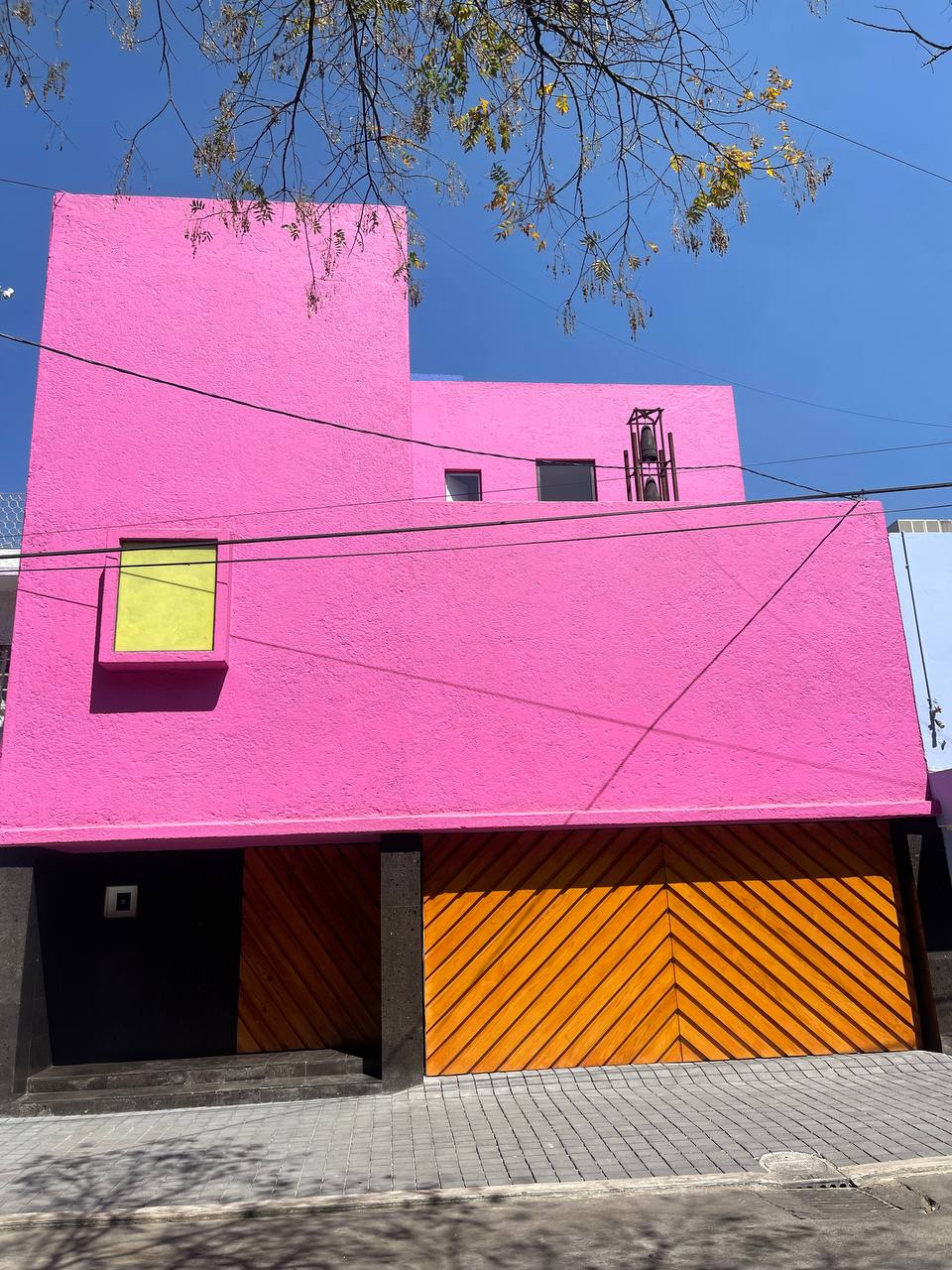
Casa Luis Barragán
12 Calle General Francisco Ramírez, Daniel Garza, Miguel Hidalgo, 11840, Mexico
Casa Luis Barragán is a UNESCO World Heritage Site and the private residence of Mexico's most important architect — a masterpiece of emotional architecture where light, colour, water, and silence are used as building materials alongside concrete and wood.
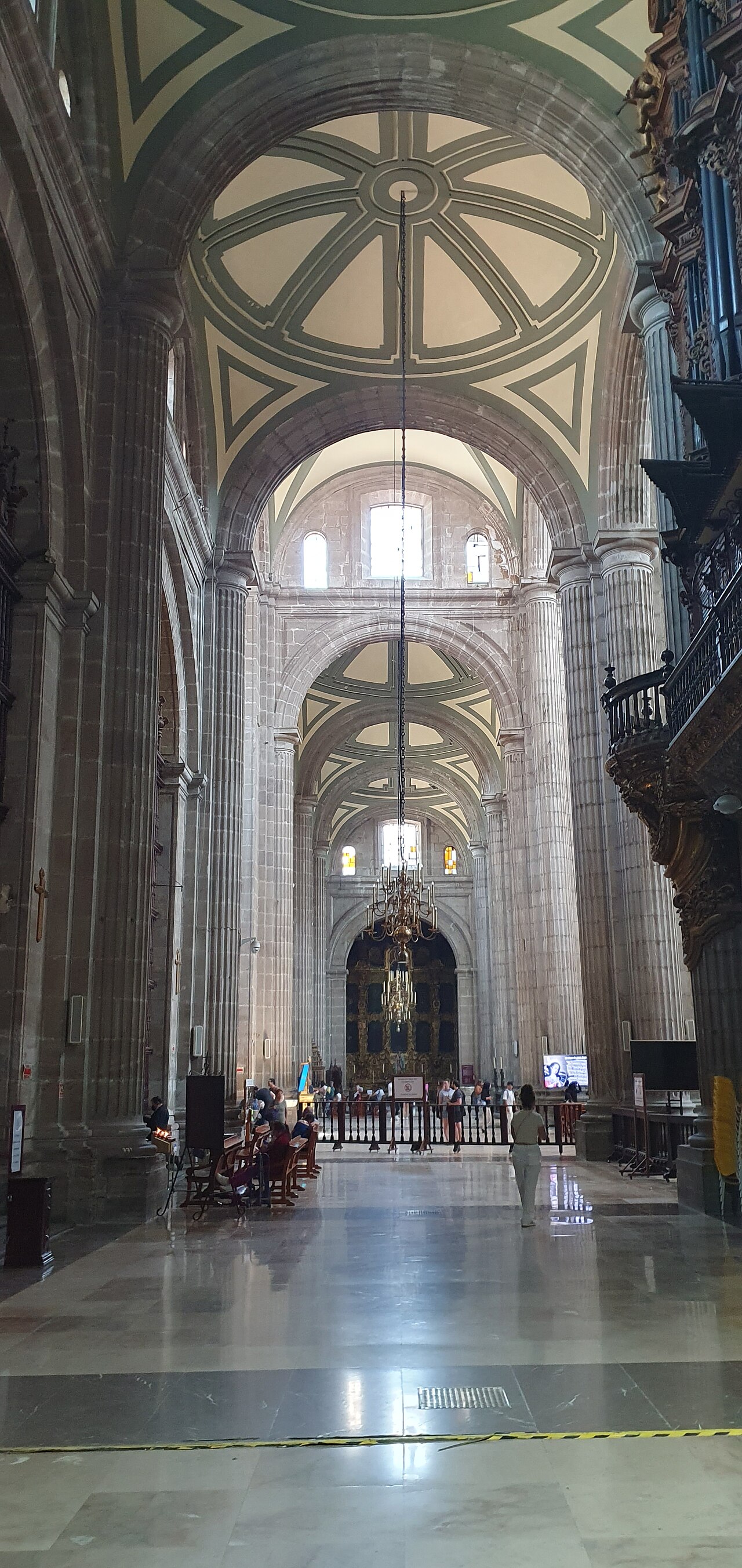
Metropolitan Cathedral
Plaza de La Constitución, Tlalpan Centro, Tlalpan, 14000, Mexico
The Metropolitan Cathedral is the largest and oldest cathedral in Latin America — a massive structure built on the ruins of an Aztec temple over a period of 250 years (1573-1813), which means it contains every architectural style that swept through Mexico during those centuries: Renaissance, Baroque, Neoclassical, and Churrigueresque all live under one roof, and the result is less a coherent building than a timeline of Mexican religious architecture.
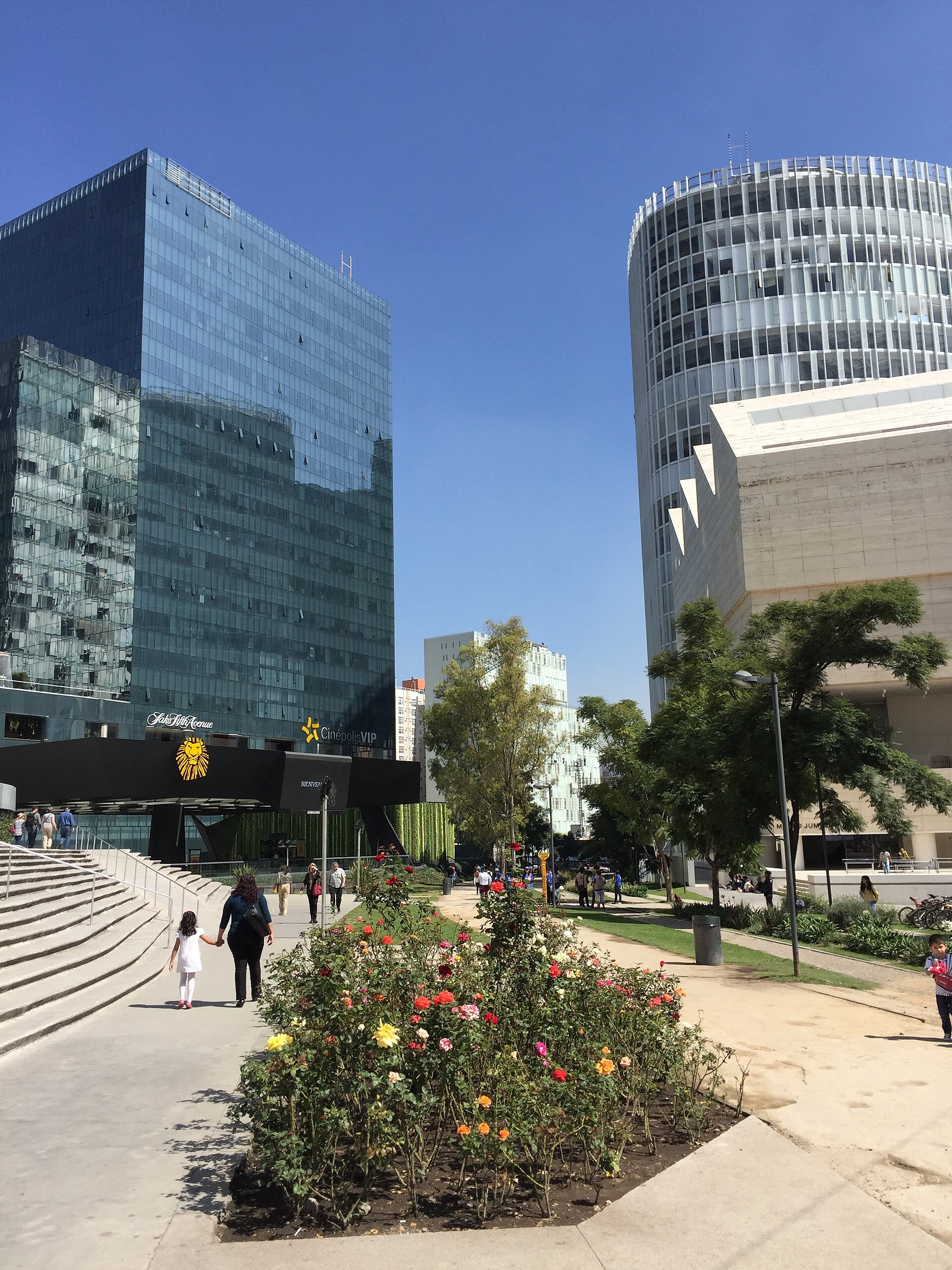
Museo Jumex
Blvd. Miguel de Cervantes Saavedra 303, Polanco, Mexico City
Museo Jumex is Mexico's most important contemporary art museum — a sawtooth-roofed building designed by British architect David Chipperfield that sits next to the Museo Soumaya in Polanco and houses the collection of Eugenio López Alonso, heir to the Jumex juice fortune and Latin America's most significant contemporary art collector.
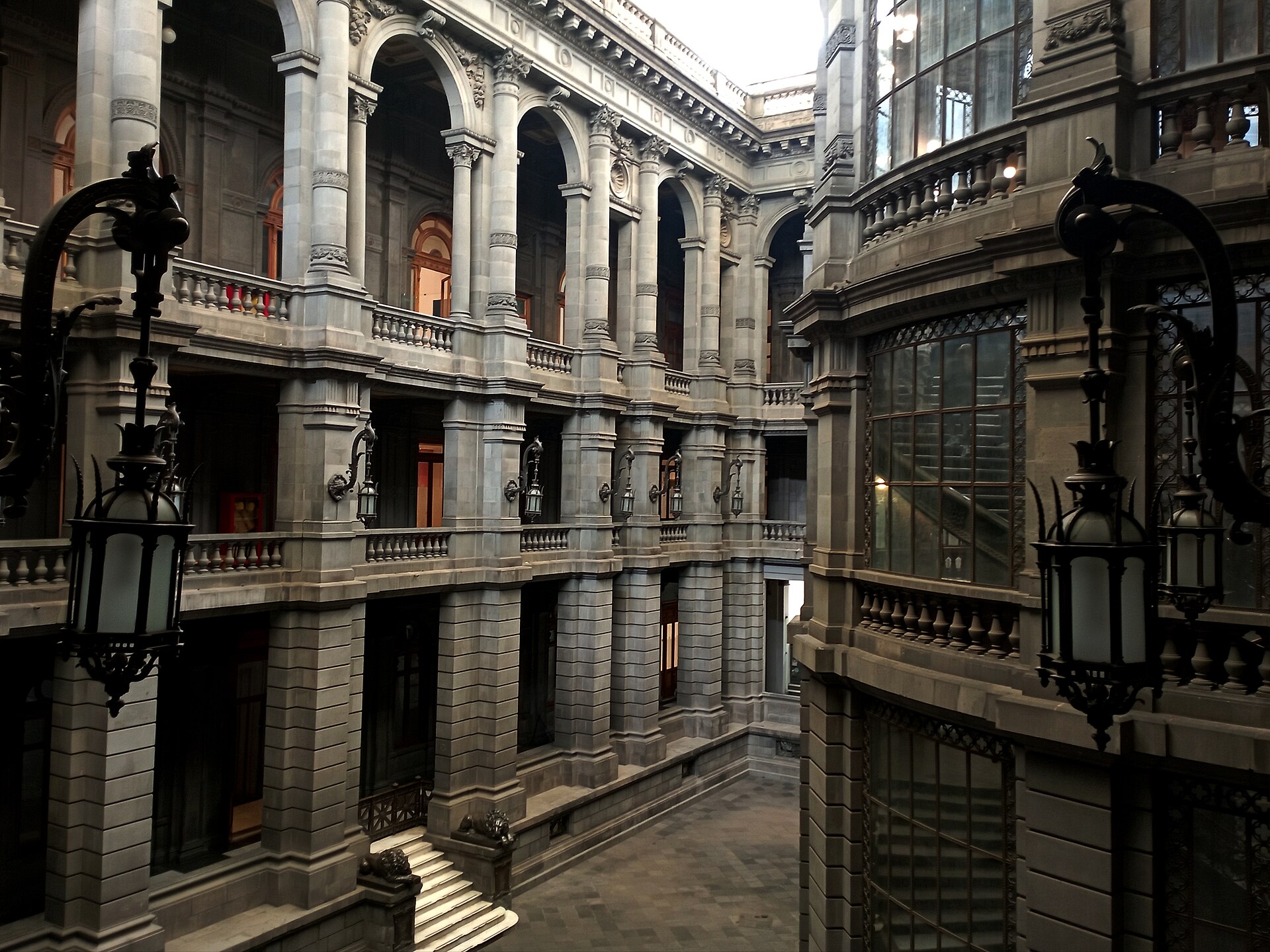
Museo Nacional de Arte (MUNAL)
Tacuba 8, Centro Histórico, Mexico City
MUNAL (Museo Nacional de Arte) is Mexico's national art museum — housed in a sumptuous neoclassical building designed by Italian architect Silvio Contri and completed in 1911, with a collection spanning 500 years of Mexican art from the colonial period to the mid-20th century.
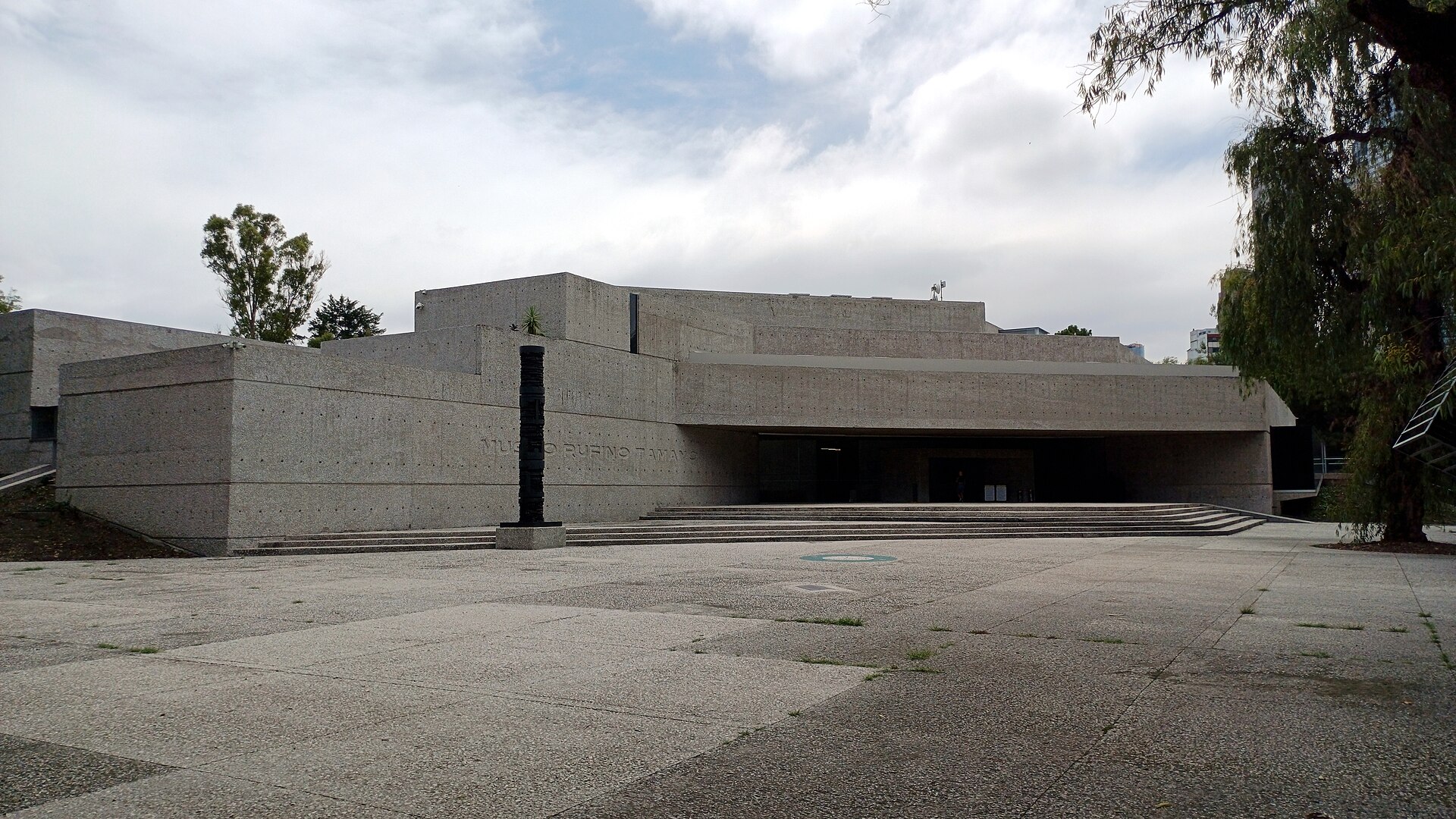
Museo Rufino Tamayo
51 Paseo de La Reforma, Bosque de Chapultepec I, Miguel Hidalgo, 11580, Mexico
The Rufino Tamayo Museum is one of the finest contemporary art museums in Latin America — a brutalist concrete building set among the trees of Chapultepec Park that houses the personal collection of Oaxacan painter Rufino Tamayo alongside rotating exhibitions of international contemporary art.
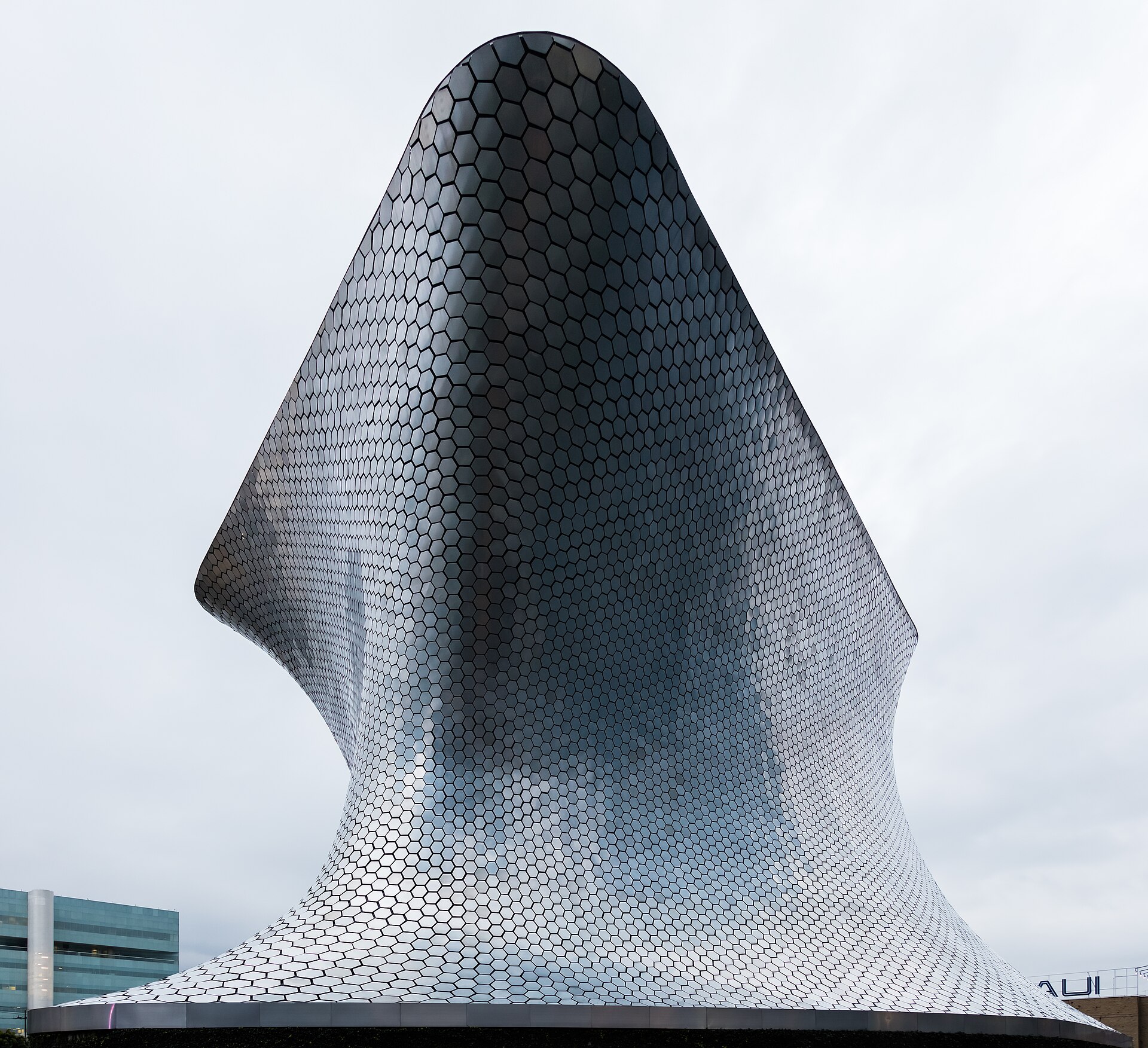
Museo Soumaya
303 Boulevard Miguel Cervantes Saavedra, Granada, Miguel Hidalgo, 11520, Mexico
The Museo Soumaya is Carlos Slim's gift to Mexico City — a 46-metre-tall museum shaped like a warped silver anvil, covered in 16,000 hexagonal aluminium tiles, and housing the billionaire's private art collection of over 66,000 works.
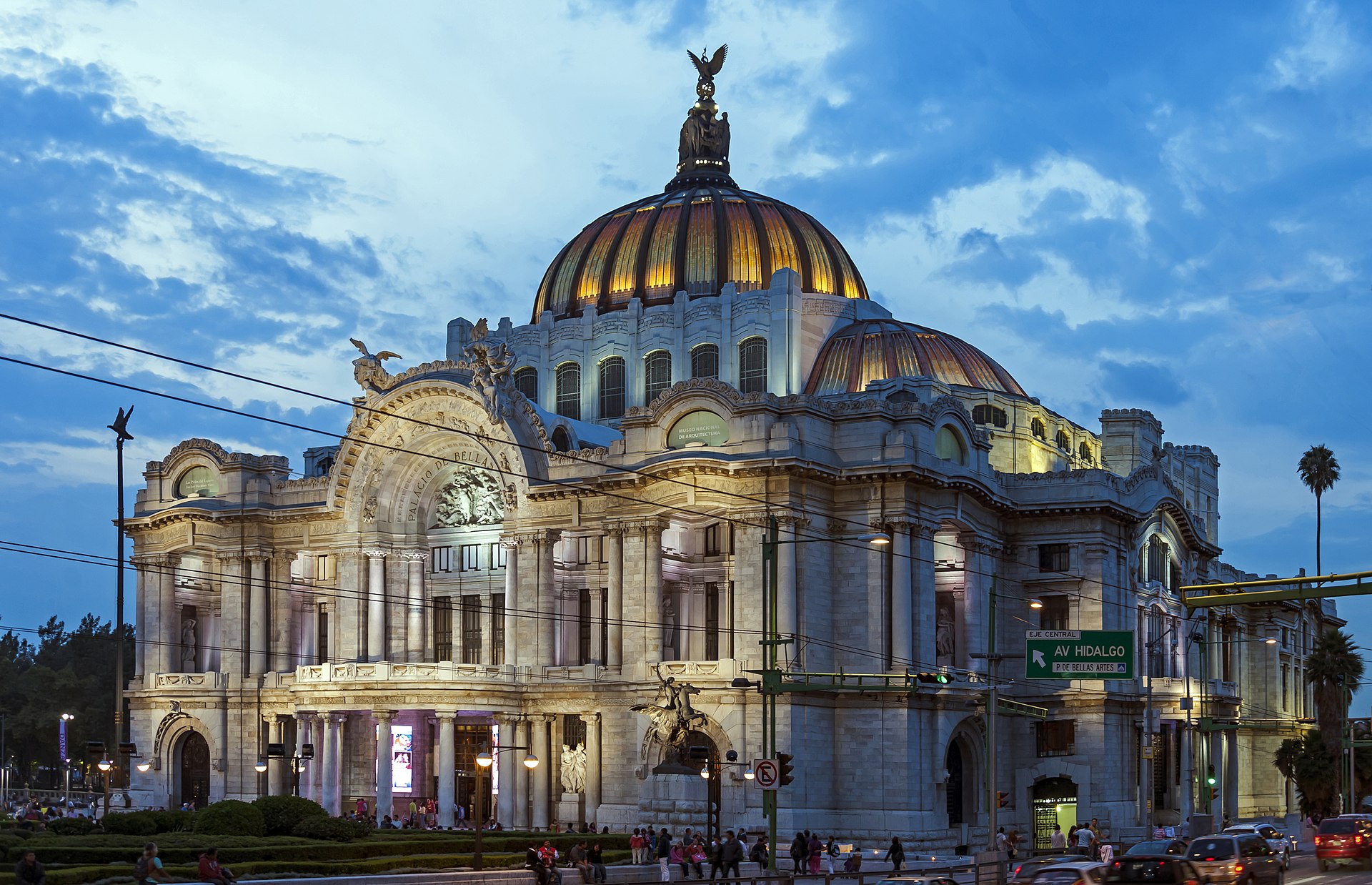
Palacio de Bellas Artes
Plaza Juárez, Atlampa, Cuauhtémoc, 06450, Mexico
The Palacio de Bellas Artes is the most important cultural building in Mexico — an Art Nouveau and Art Deco masterpiece of white Carrara marble that took 30 years to build (1904-1934), sank over a metre into the soft lake bed during construction, and houses some of the most significant murals in the Western Hemisphere.
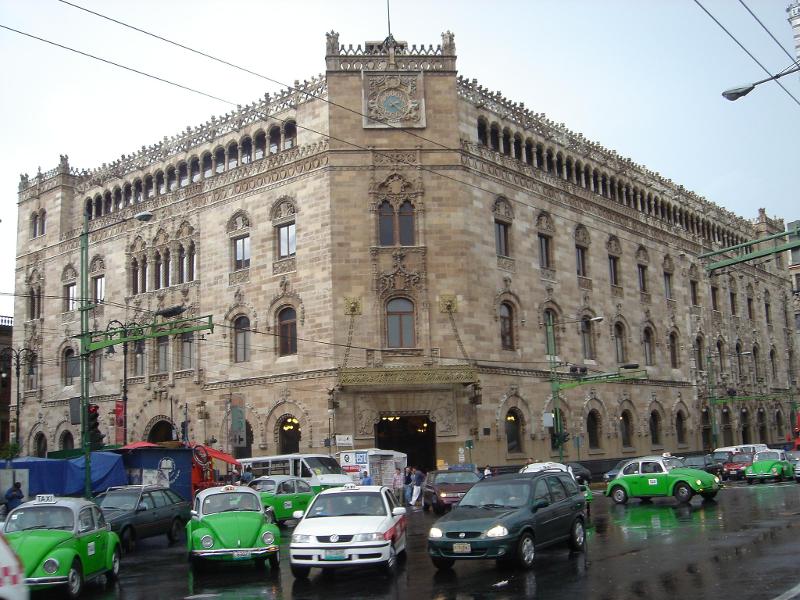
Palacio Postal (Correo Mayor)
Tacuba 1, Centro Histórico, Mexico City
The Palacio Postal is the most beautiful post office in the world — a Venetian Gothic and Spanish Renaissance palace completed in 1907 that was designed to make the act of buying stamps feel like visiting a cathedral.
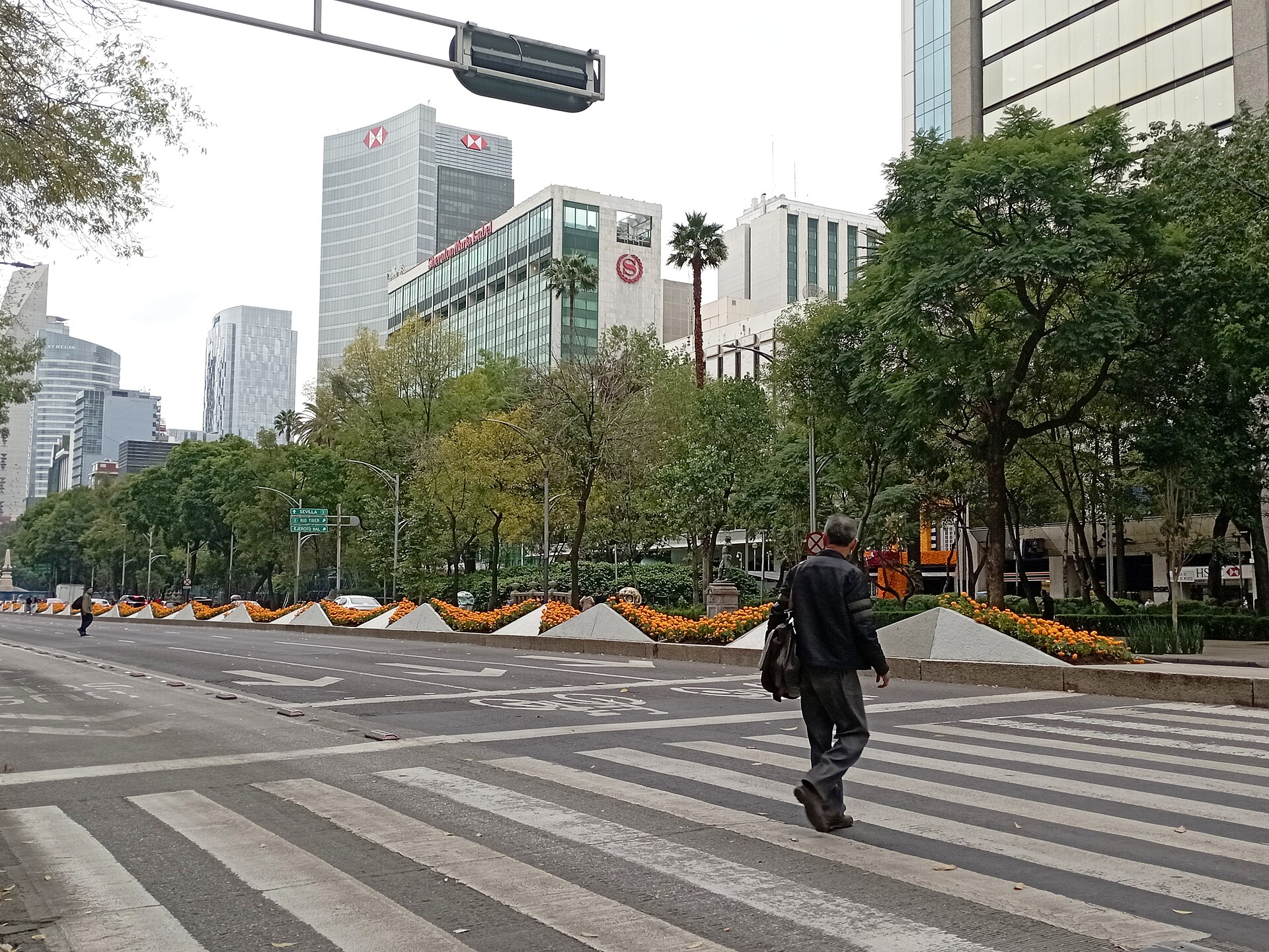
Paseo de la Reforma
Paseo de la Reforma, Mexico City
Paseo de la Reforma is Mexico City's grand boulevard — a 15-kilometre avenue modelled on the Champs-Élysées that runs from Chapultepec Park through the financial district to the Zócalo area, passing monuments, skyscrapers, and roundabouts anchored by some of the most important public sculptures in Mexico.
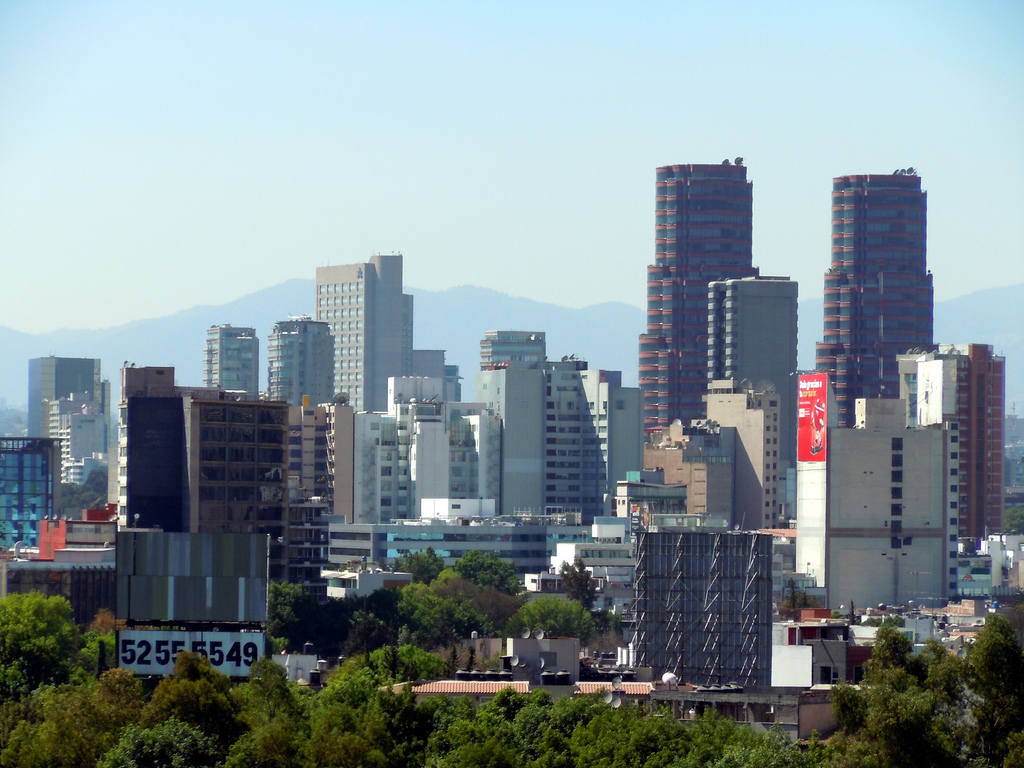
Polanco
Av. Presidente Masaryk, Polanco, Mexico City
Polanco is Mexico City's wealthiest neighbourhood — a grid of tree-lined streets between Chapultepec Park and the Museo Soumaya that contains the city's highest concentration of high-end restaurants, designer boutiques, and the kind of quiet, manicured urbanism that feels like a different country from the chaos of the Centro Histórico a few kilometres east.
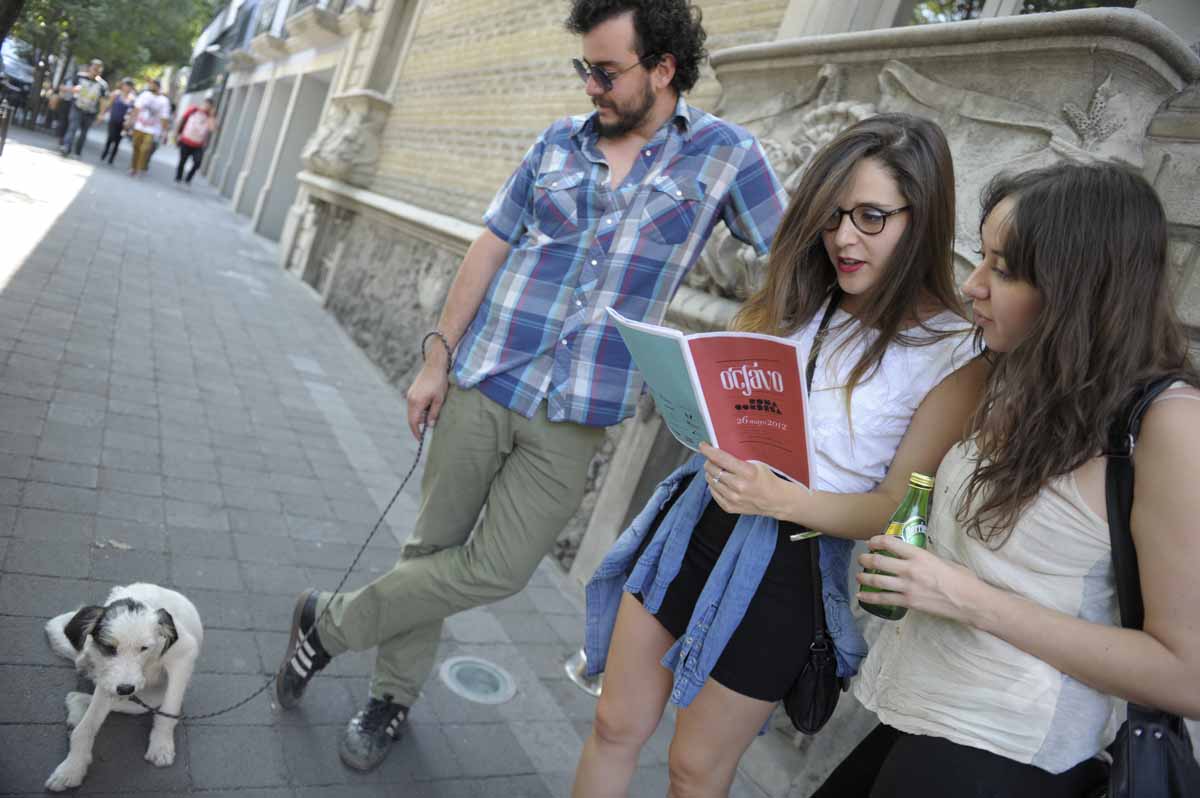
Roma & Condesa
131 Calle de Mérida, Roma Norte, Cuauhtémoc, 06700, Mexico
Roma and Condesa are Mexico City's twin neighbourhood stars — adjacent colonias (districts) that together form the city's centre of gravity for dining, nightlife, and the kind of tree-lined, walkable urbanism that makes Mexico City one of the most liveable megacities in the world.
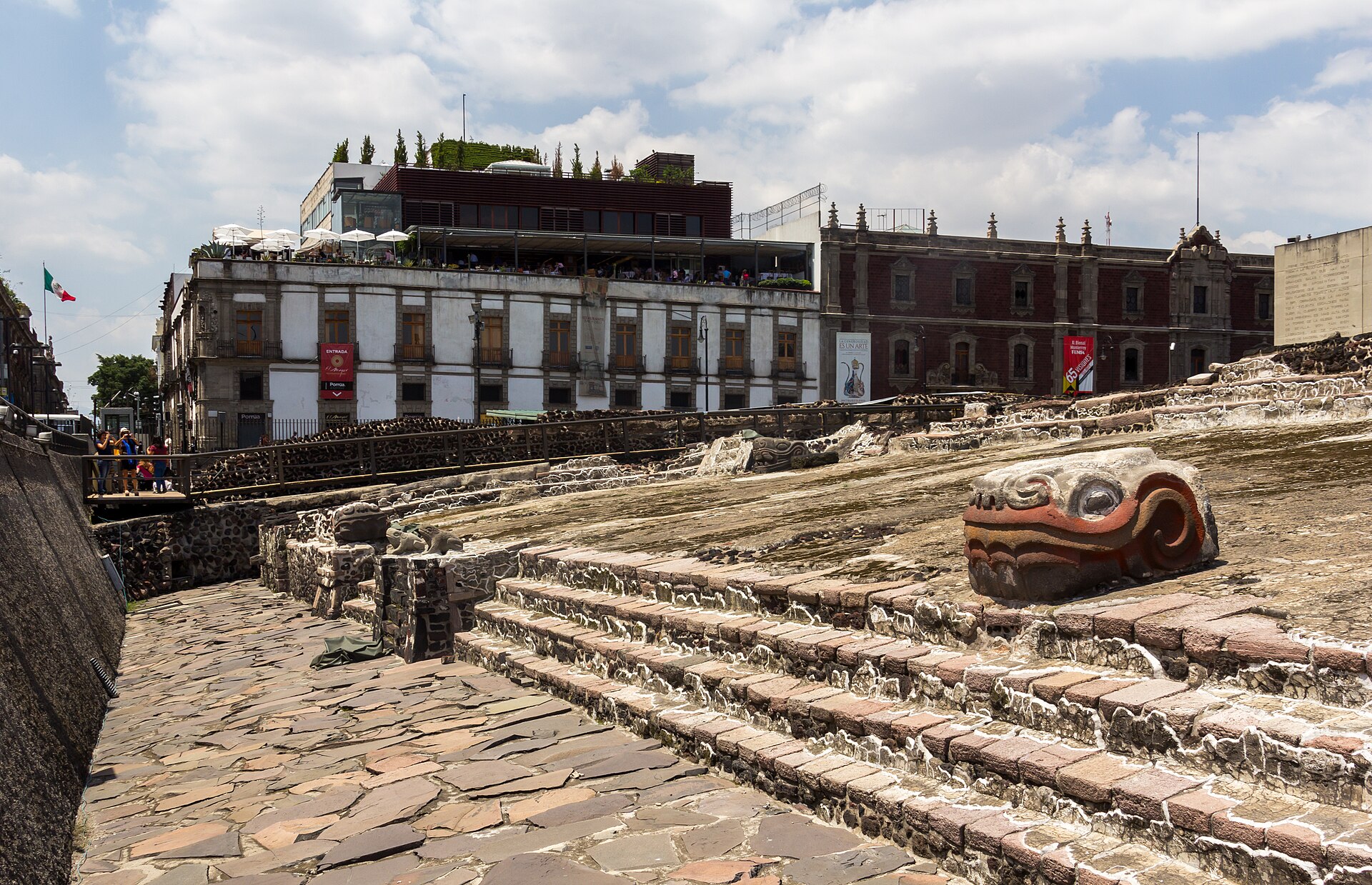
Templo Mayor
Seminario 8, Centro Histórico, Mexico City
Templo Mayor is the excavated remains of the main temple of the Aztec capital Tenochtitlan — the pyramid that stood at the centre of the empire and was the site of human sacrifices, astronomical observations, and the political ceremonies that held the Aztec world together.
Teotihuacán
Calle Teotihuacán, Hipódromo, Cuauhtémoc, 06100, Mexico
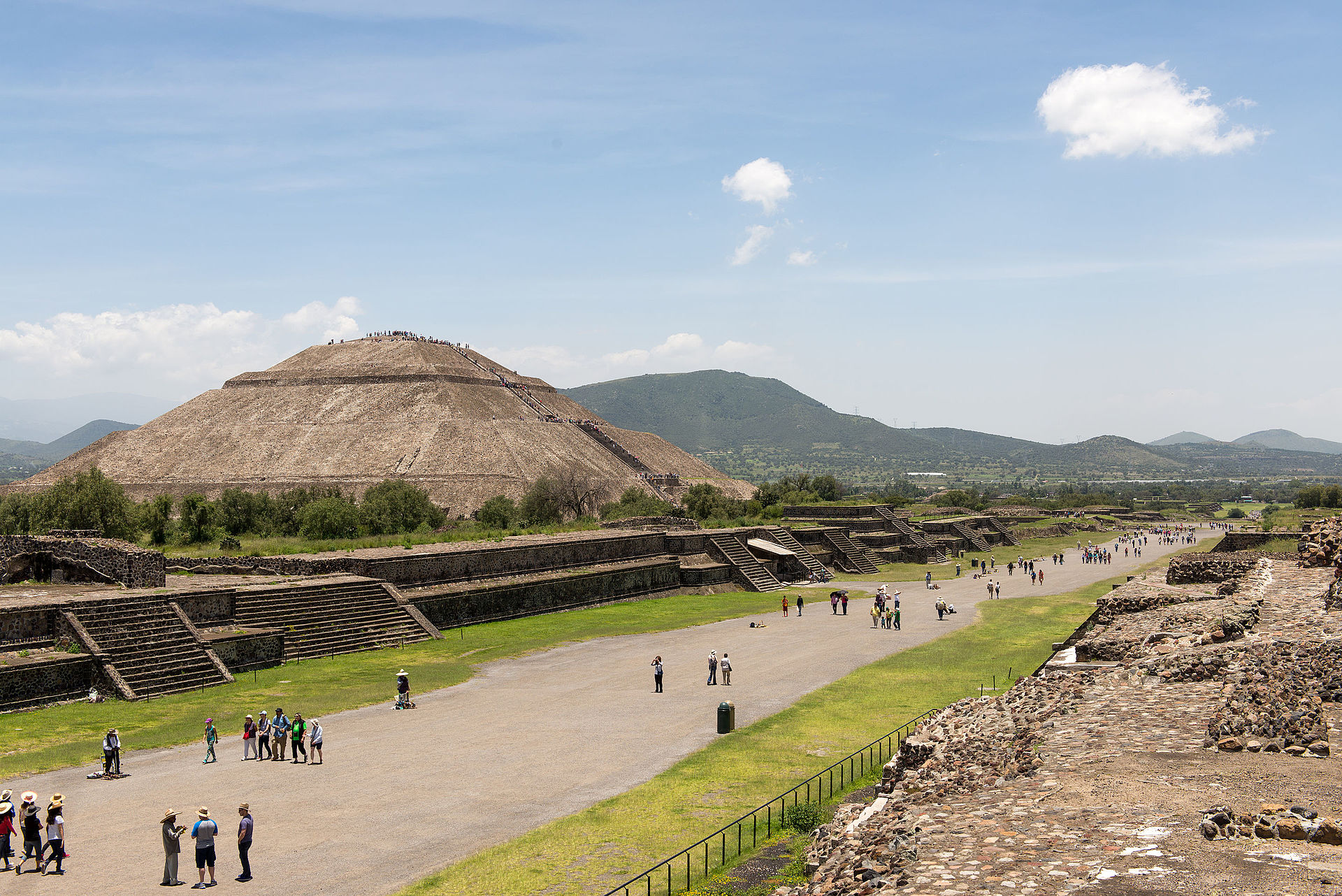
Teotihuacán is the largest and most impressive pre-Hispanic archaeological site in the Americas — a ruined city of pyramids, temples, and avenues that was home to over 100,000 people at its peak around 450 AD, making it one of the largest cities in the world at the time.
Torre Latinoamericana
Calle Torre Latinoamericana, Palmitas, Iztapalapa, 09700, Mexico
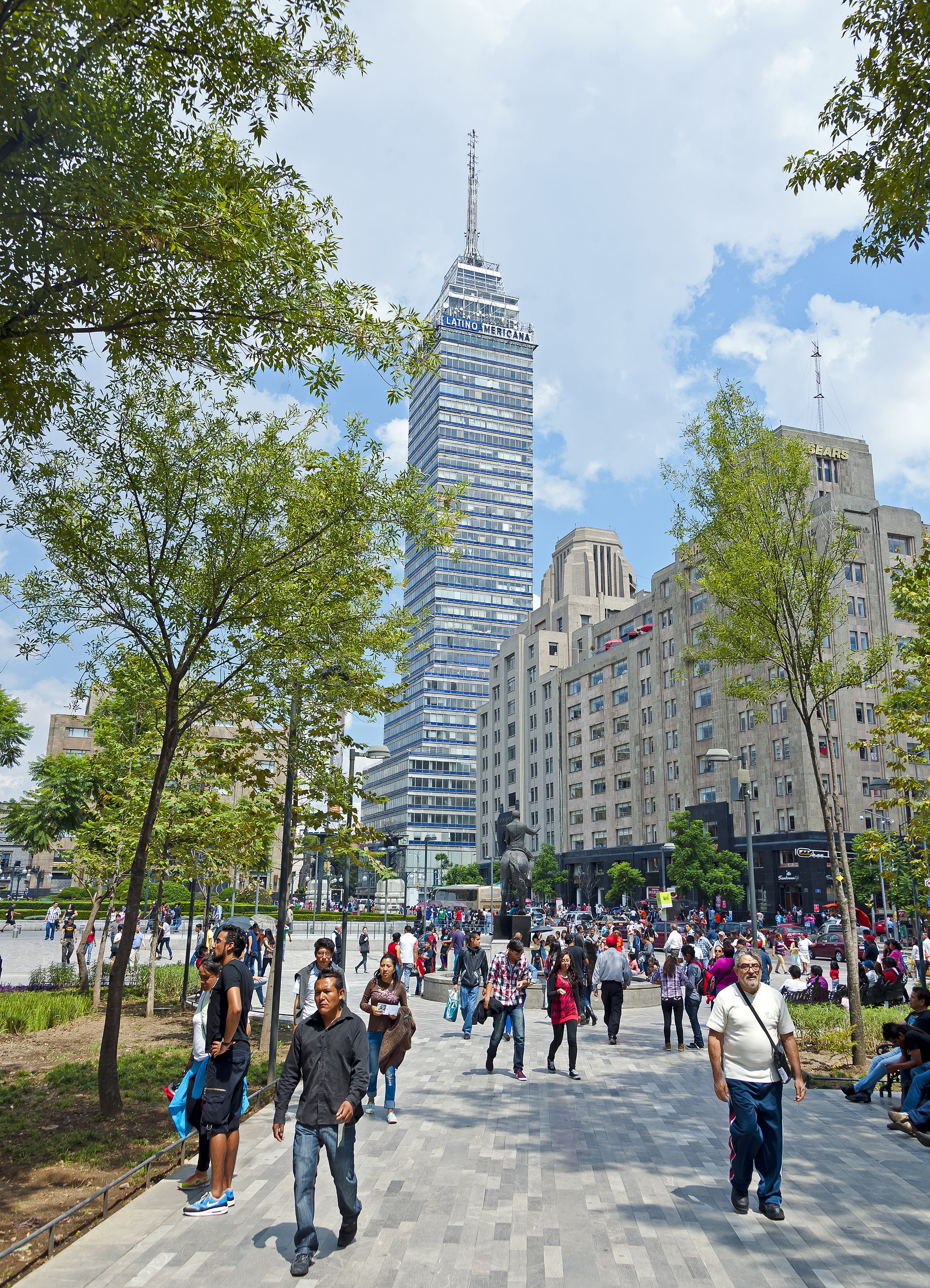
The Torre Latinoamericana was the tallest building in Latin America when it was completed in 1956, and while it's long since been surpassed in height, its observation deck on the 44th floor remains the best place to understand Mexico City's geography — the volcanic valley, the ring of mountains, the endless urban sprawl, and the historic centre laid out directly below like a map of the last 500 years.
UNAM Campus (Ciudad Universitaria)
Ciudad Universitaria, Coyoacán, Mexico
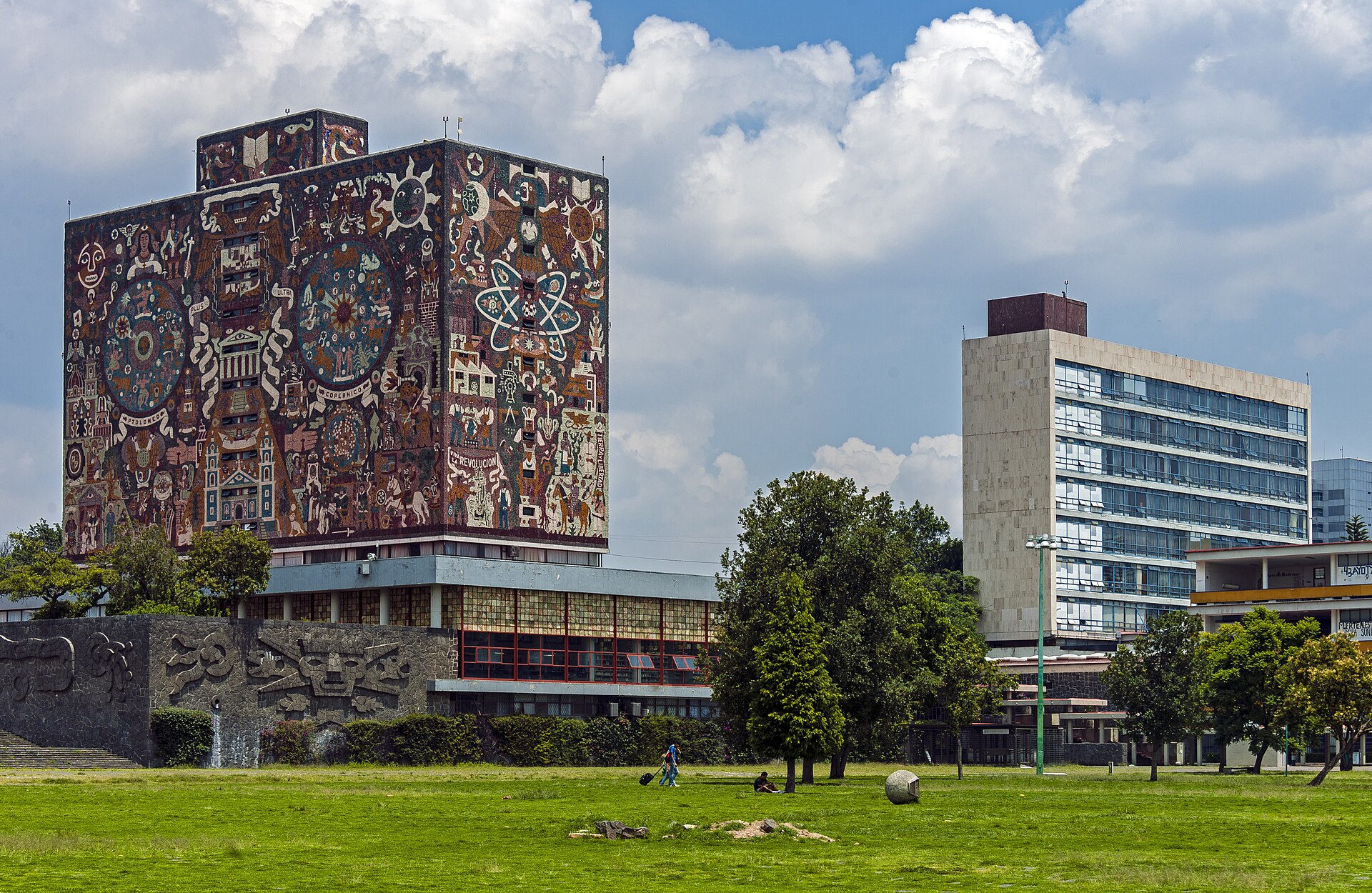
The UNAM campus (Ciudad Universitaria) is a UNESCO World Heritage Site and one of the most important examples of 20th-century architecture in the Americas — a planned university city built in the early 1950s that integrated modernist architecture with Mexican muralism in a way that no other campus has matched.
Explore architecture in Mexico City
GPS-guided narration at every landmark. Tap a spot on the map, hear the story. Every fact verified.