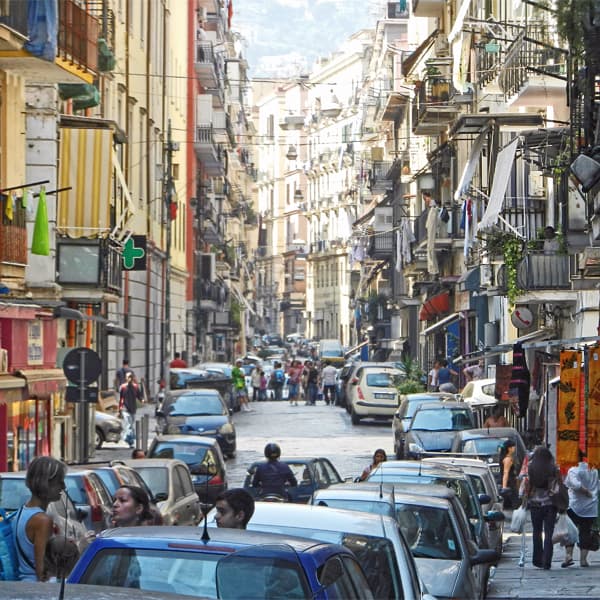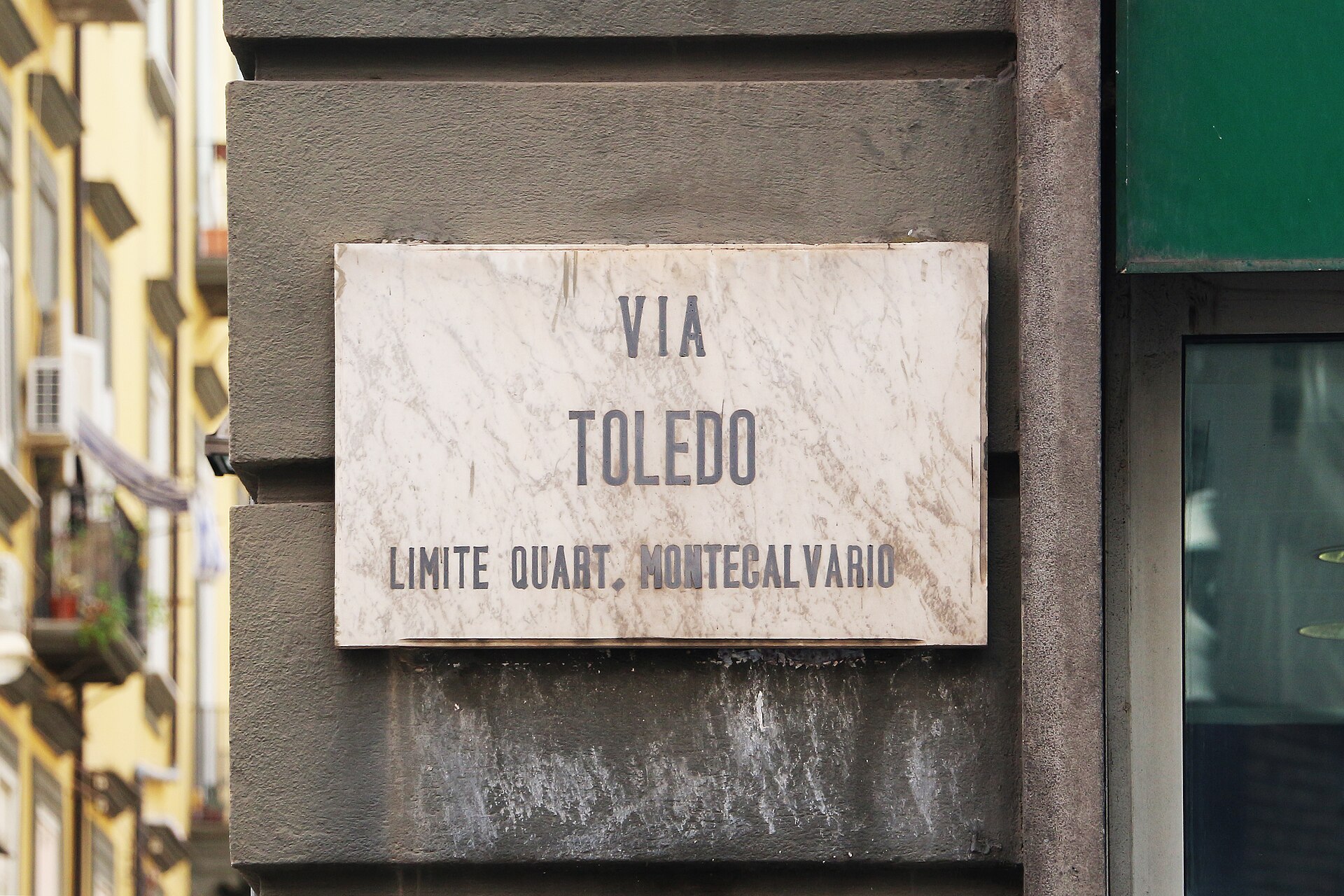
Stendhal called this the most populated and gayest street in the world, and while 19th-century French novelists had a tendency toward hyperbole, he wasn't entirely wrong. Via Toledo has been Naples' main commercial artery since the Spanish viceroy Pedro de Toledo laid it out in 1536, connecting the Royal Palace to the northern reaches of the city in a straight shot that carved through the existing medieval street plan like a surgical incision.
The street runs for about 1.2 kilometers and acts as a border: to the east lies the tangled historic center, to the west the steep grid of the Quartieri Spagnoli. Walking its length, you pass palazzi from every century since the 16th, shop windows ranging from high fashion to cut-price electronics, and an unbroken stream of Neapolitan humanity that makes it feel like the entire city has decided to take a walk at the same time.
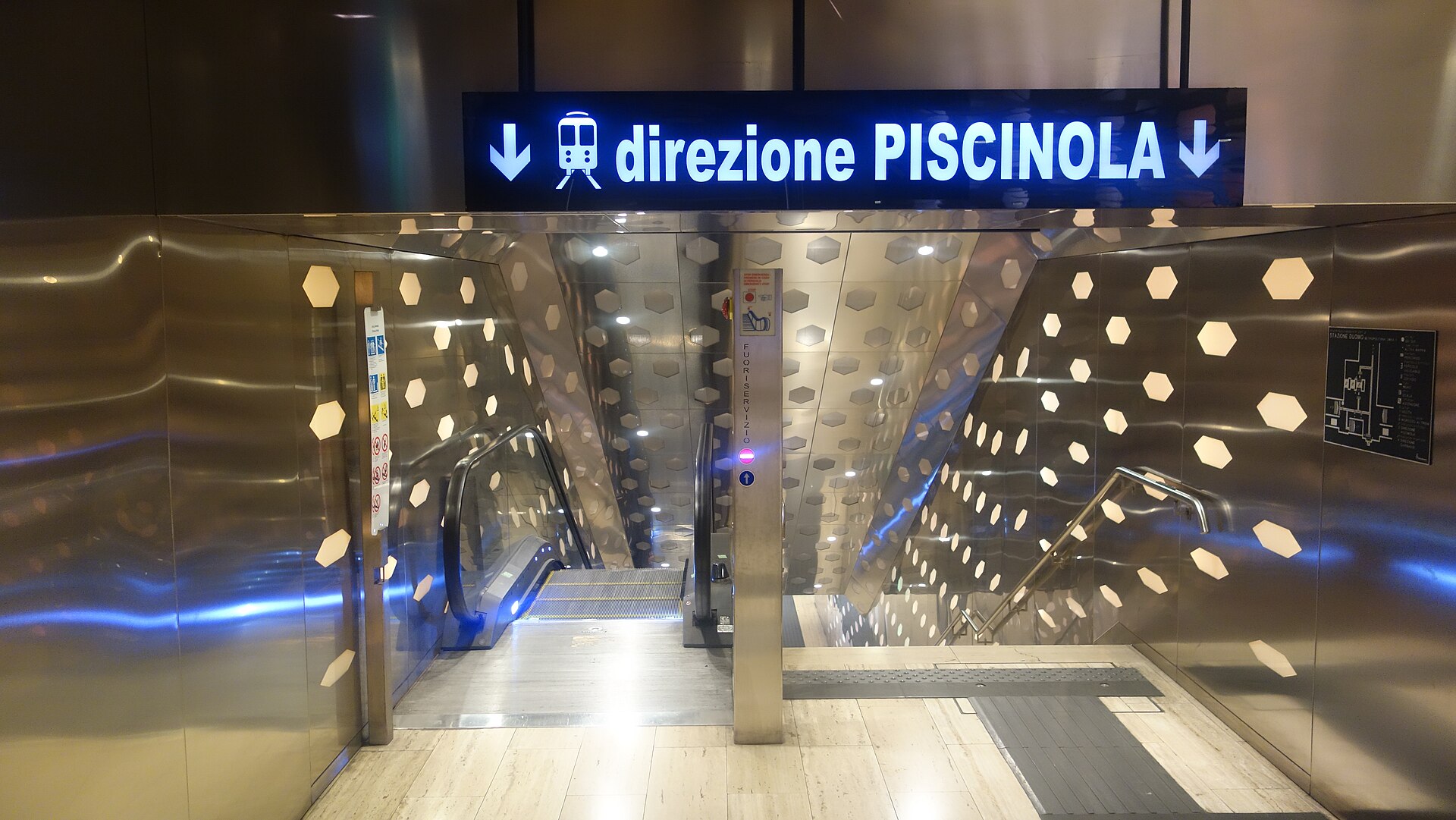
Beneath your feet is what many consider the most beautiful metro station in the world. The Toledo Metro station, designed by Oscar Tusquets Blanca and opened in 2012, is a subterranean cathedral of blue and white mosaics that simulate descending through water to the ocean floor. It won the LEAF Award for Public Building of the Year and has been featured in design publications worldwide. Descending the escalator feels like diving into the Mediterranean.
The street is pedestrianized on weekends and holidays, when it becomes an open-air theater of street performers, lottery ticket sellers, and families eating gelato in the evening passeggiata — that Italian ritual of strolling and being seen that reaches its maximum expression here. Via Toledo is not Naples' prettiest street, but it might be its most essential.
Verified Facts
The street was laid out in 1536 by Spanish viceroy Pedro de Toledo
Stendhal described it as "the most populated and gayest street in the world"
The Toledo Metro station, designed by Oscar Tusquets Blanca and opened in 2012, won the LEAF Award for Public Building of the Year
Get walking directions
Via Toledo, 80134 Naples