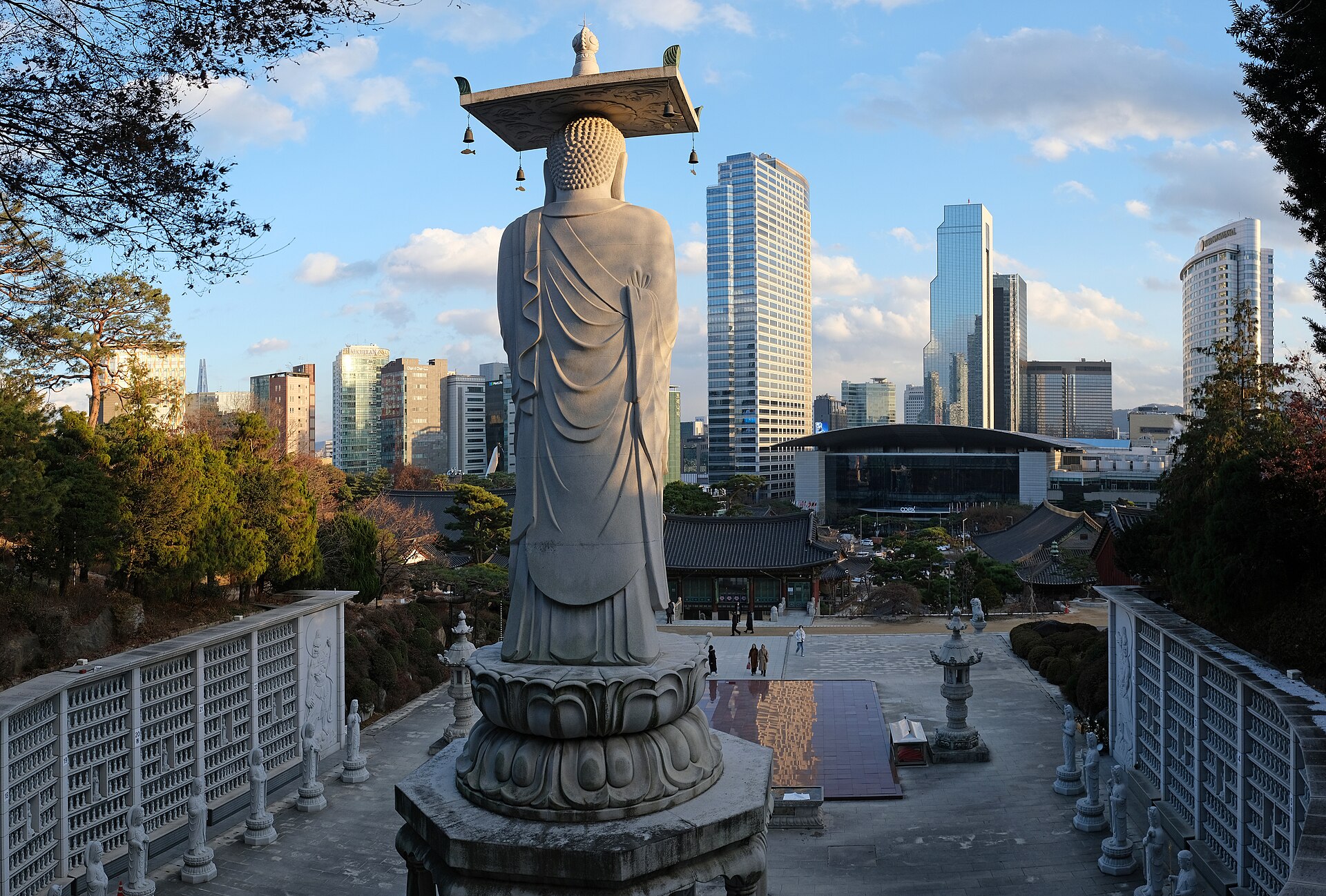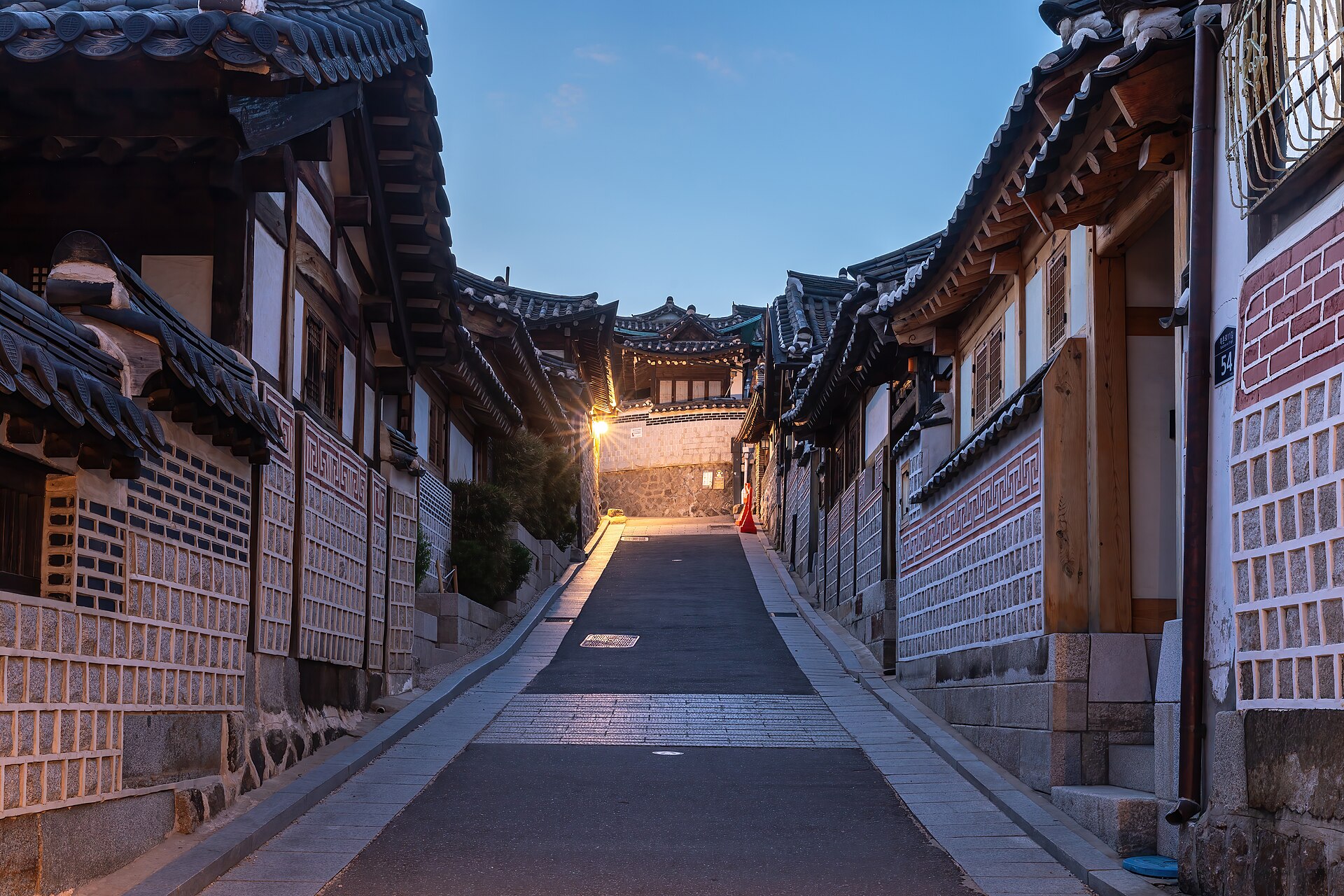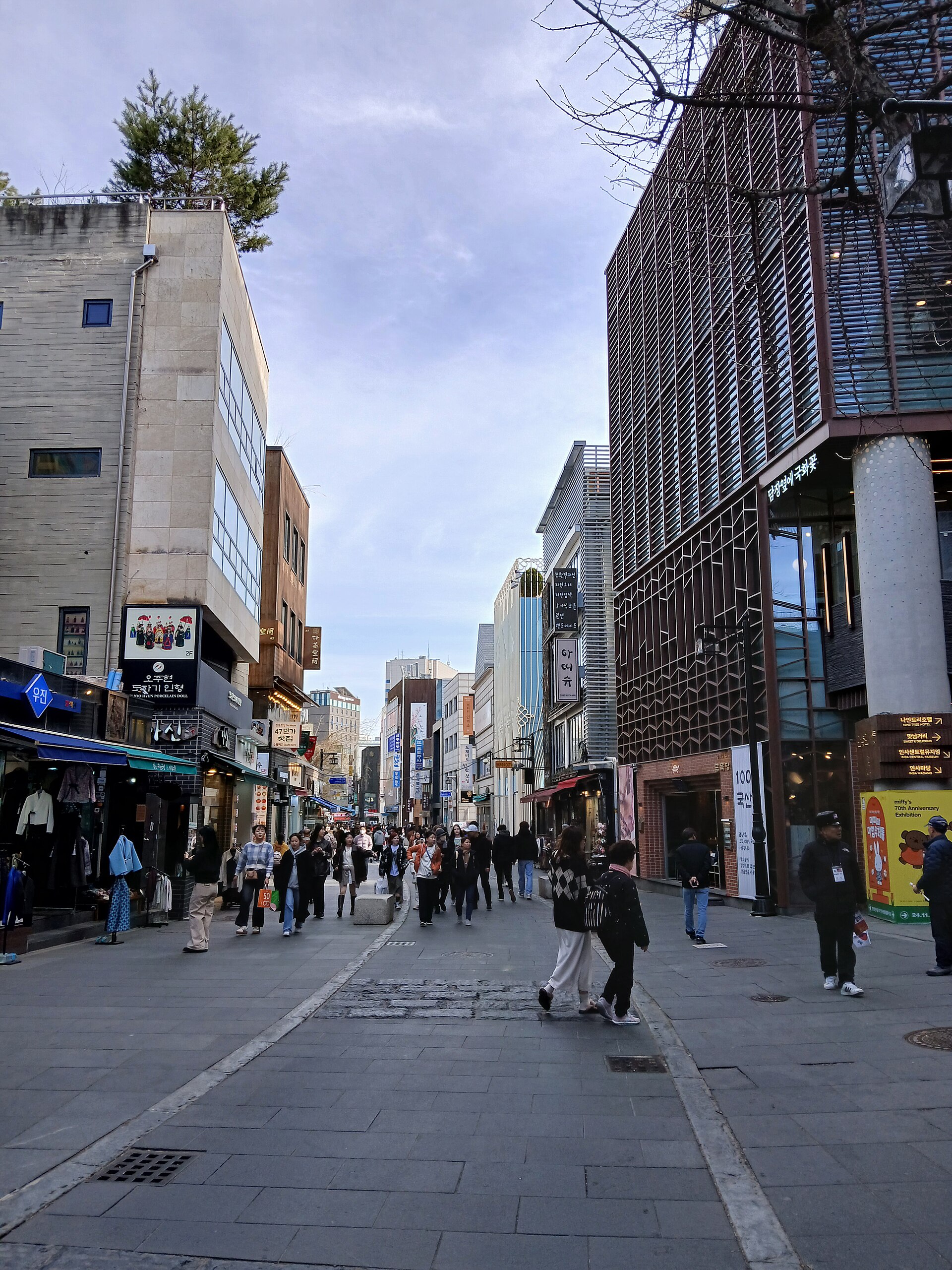
Insadong is Seoul's traditional culture street — a pedestrianised corridor of art galleries, tea houses, antique shops, and craft stores that has been the centre of Korean artistic commerce since the Joseon dynasty, when the neighbourhood was home to the artists and calligraphers who served the royal court. The street runs from Anguk Station south to Jongno, and walking its length is like moving through a compressed history of Korean decorative arts.
The galleries along Insadong-gil range from serious art dealers selling antique celadon, calligraphy scrolls, and contemporary Korean art to tourist shops selling mass-produced souvenirs, and the trick is knowing which is which. The tea houses are consistently excellent — traditional Korean tea culture involves green tea, barley tea, jujube tea, and a range of medicinal herb infusions served in ceramic cups in rooms that haven't changed their aesthetic since the 1970s. Ssamziegil, a multi-level shopping complex designed as a spiral walkway, concentrates independent craft vendors and small workshops in a building that's worth visiting for the architecture alone.
Sunday is the best day to visit — the street is pedestrianised (cars are restricted), and traditional performances, calligraphy demonstrations, and craft workshops set up along the route. The side alleys branching off Insadong-gil contain smaller galleries and studios that are often more interesting than the main-street shops, and the neighbourhood connects directly to Bukchon Hanok Village to the north and Jogyesa Temple to the west, making it the natural starting point for a traditional culture walk through northern Seoul.
Verified Facts
Insadong was home to court artists and calligraphers during the Joseon dynasty
Insadong-gil is pedestrianised on Sundays
Ssamziegil is a spiral shopping complex on Insadong-gil
The neighbourhood is known for traditional Korean tea houses and art galleries
Get walking directions
Insadong-gil, Jongno-gu, Seoul