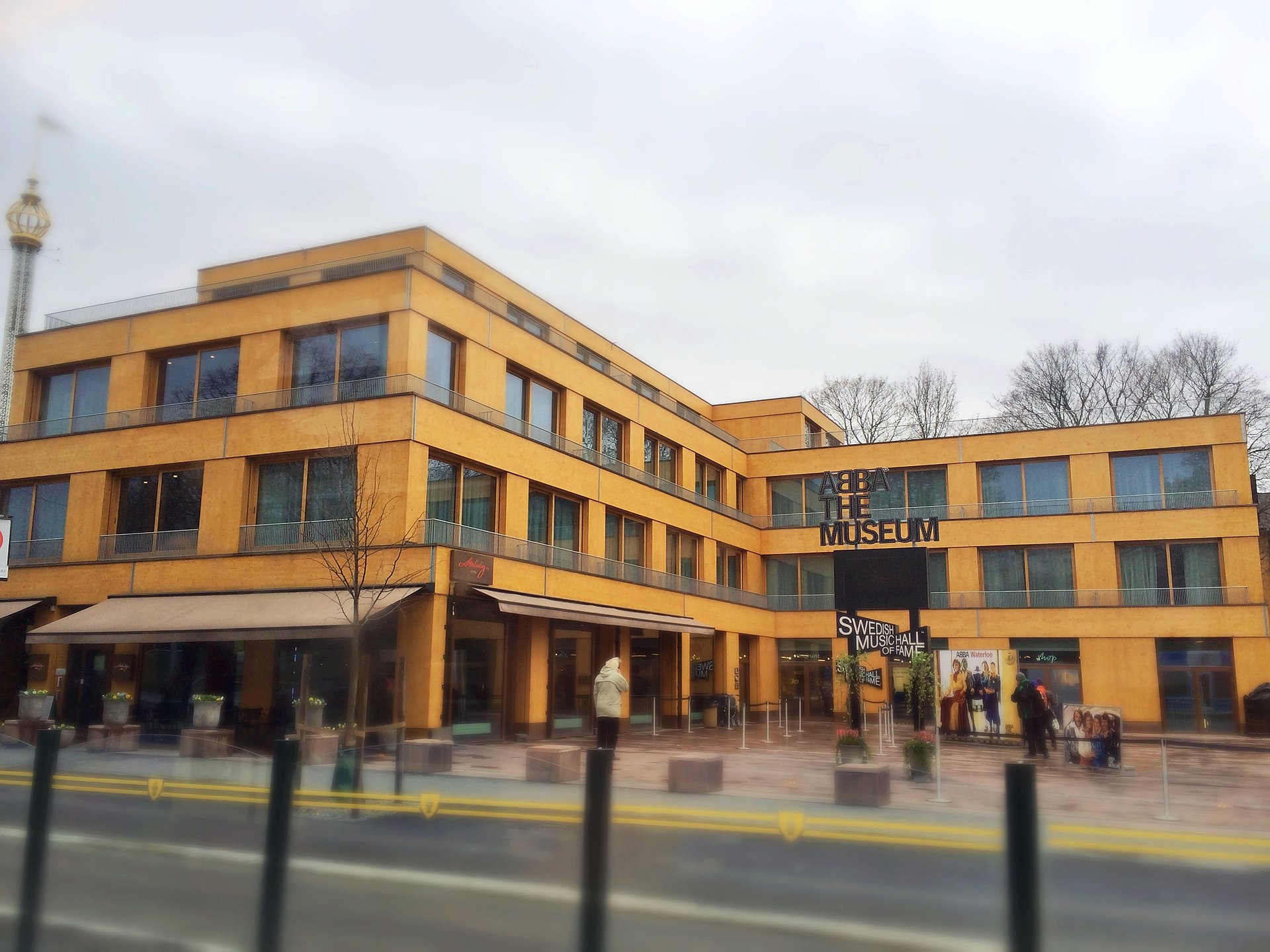
Djurgården is Stockholm's museum island and its most beautiful green space — a former royal hunting ground that sits in the eastern harbour and contains the Vasa Museum, Skansen, ABBA, the Nordiska Museet, Gröna Lund amusement park, and the kind of oak woodland and waterside walking paths that make it the favourite escape of Stockholmers who need nature without leaving the city.
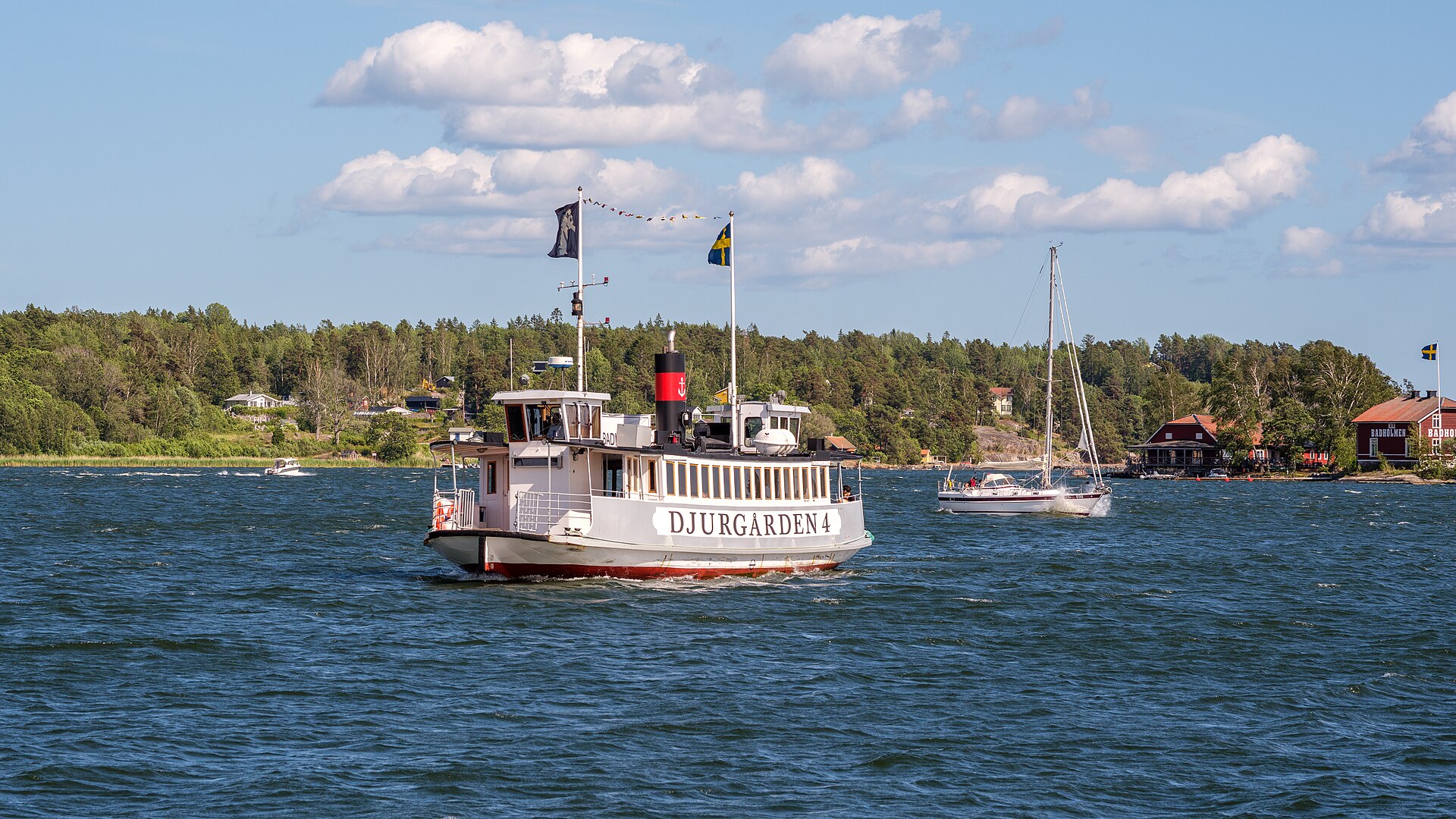
The island is accessible by ferry from Slussen (the most scenic approach, passing Gamla Stan and the waterfront), by tram from the city centre, or on foot across the Djurgårdsbron bridge. The walk around the island's perimeter — through Rosendal's gardens (a biodynamic market garden that serves the city's best cinnamon buns in a greenhouse café), past the canal where houseboats are moored, and along the Oakhill waterfront where old oaks shade the path — takes about 2 hours and provides the most peaceful walking experience in central Stockholm.
The museums alone could fill three days — the Vasa Museum (the preserved 17th-century warship), the Nordiska Museet (a palatial building housing Swedish cultural history), the Biological Museum (a Victorian-era natural history diorama that is charmingly dated), and the Prins Eugens Waldemarsudde (the art collection and waterside garden of a painter prince) are all on the island. But Djurgården's real value is as a park — the combination of water, trees, and the views back toward the city skyline make it the essential Stockholm outdoor experience.
Verified Facts
Djurgården was a former royal hunting ground
The island houses the Vasa Museum, Skansen, and ABBA Museum
Rosendal's garden is a biodynamic market garden with a café
The island is accessible by ferry, tram, or on foot
Get walking directions
Djurgården, Stockholm, Sweden