Walking Tours in Stockholm
30 Landmarks in Stockholm
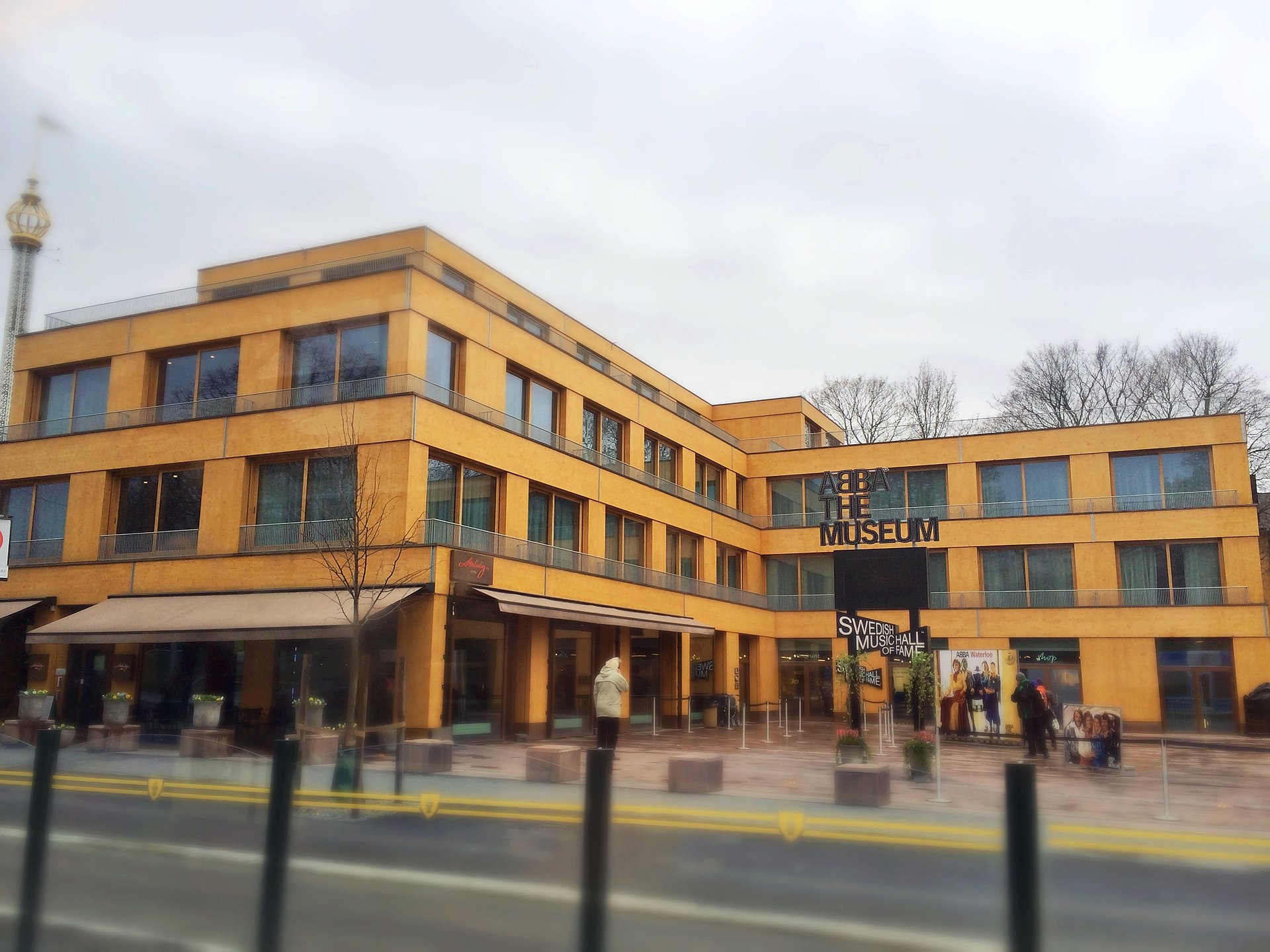
ABBA The Museum
68 Djurgårdsvägen, Konsthallen, Stockholm, 115 21, Sweden
ABBA The Museum is the interactive shrine to Sweden's most successful cultural export — a museum on Djurgården that combines costumes, memorabilia, and personal artifacts from the band's career with interactive experiences that let visitors sing, dance, and record with virtual versions of Agnetha, Björn, Benny, and Frida. The museum opened in 2013 and has been one of Stockholm's most visited attractions ever since, drawing both devoted fans and visitors who discover that ABBA's music is more enjoyable than they'd previously admitted. The interactive elements are the museum's strength — a holographic stage where you perform as the fifth member of ABBA, a recording studio where you can sing and mix ABBA tracks, and the Polar Studio recreation (where the band recorded their albums) that plays back unreleased recordings and lets visitors explore the creative process. The costumes — including the iconic white and blue outfits from the 1974 Eurovision performance of 'Waterloo' — are displayed with the reverence that fashion museums reserve for haute couture. The museum sits within the Swedish Music Hall of Fame (which covers Swedish music more broadly) on Djurgården, the island that also houses the Vasa Museum, Skansen, and the Nordiska Museet. The walk along Djurgårdsvägen from the city centre across the bridge to the museum passes through some of Stockholm's most pleasant waterfront scenery, and combining ABBA with the Vasa Museum creates a day that covers Sweden's most famous shipwreck and its most famous pop group.
Djurgården Island
Djurgården, Stockholm, Sweden
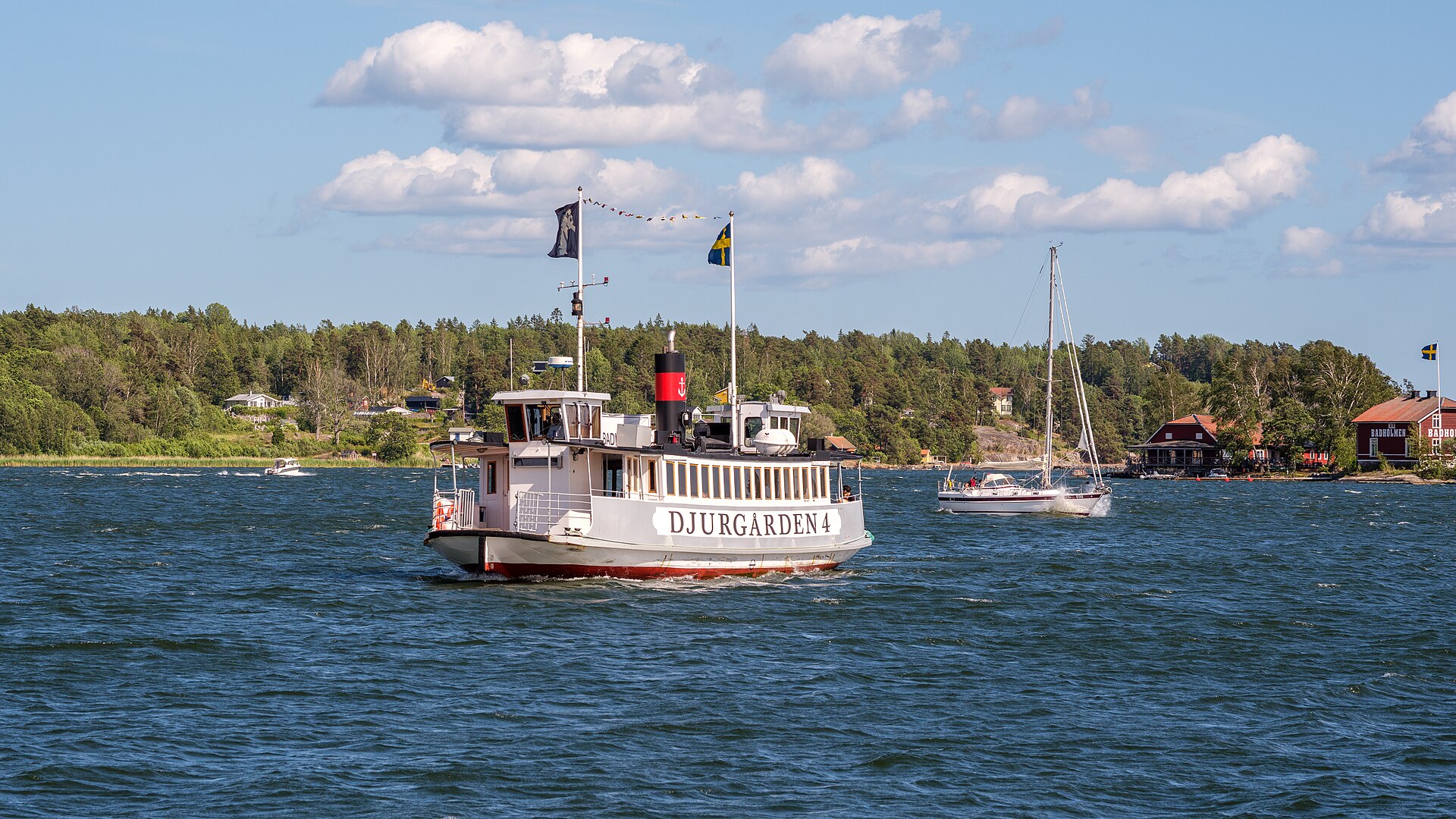
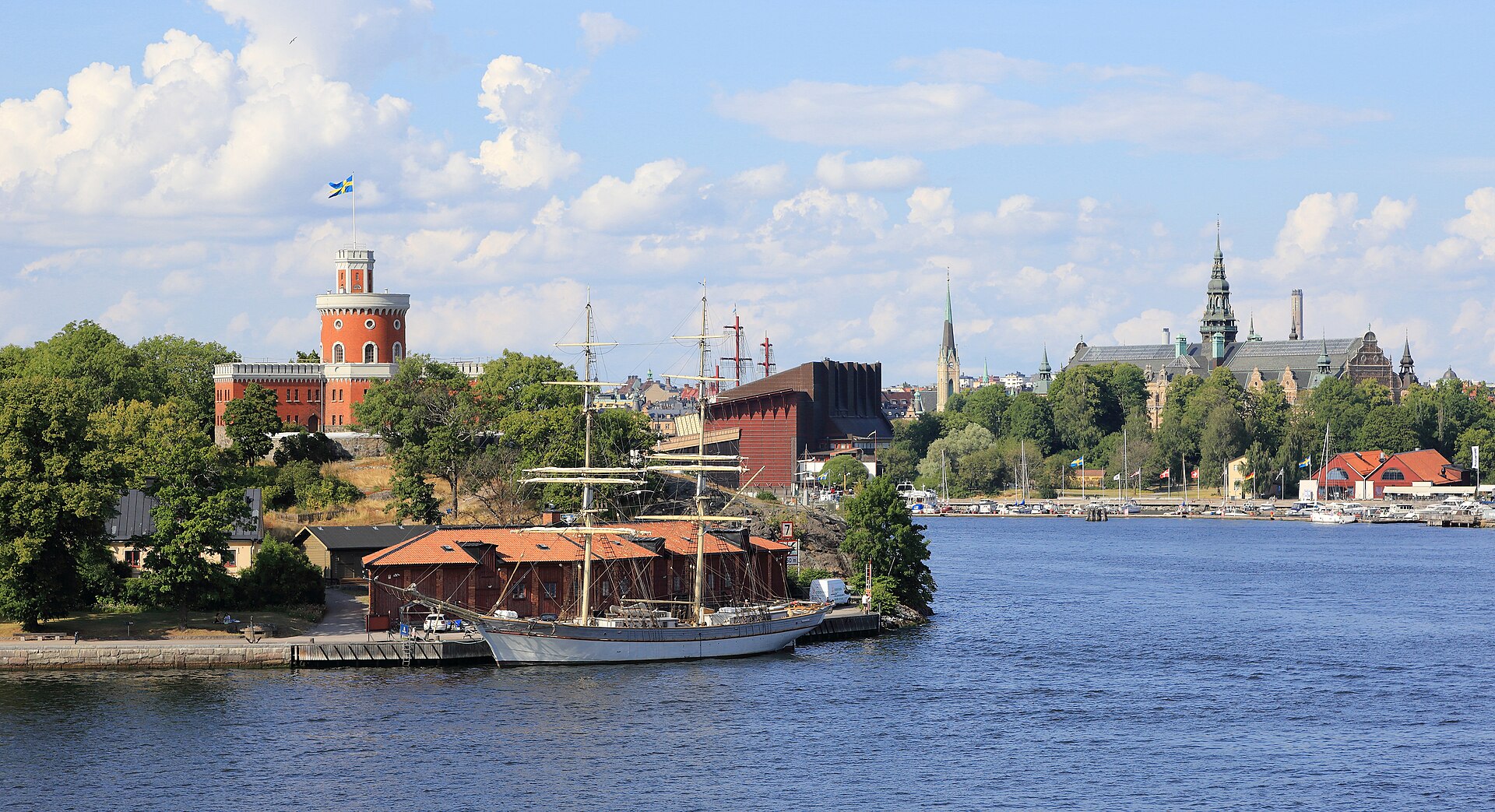
Djurgården is Stockholm's museum island and its most beautiful green space — a former royal hunting ground that sits in the eastern harbour and contains the Vasa Museum, Skansen, ABBA, the Nordiska Museet, Gröna Lund amusement park, and the kind of oak woodland and waterside walking paths that make it the favourite escape of Stockholmers who need nature without leaving the city. The island is accessible by ferry from Slussen (the most scenic approach, passing Gamla Stan and the waterfront), by tram from the city centre, or on foot across the Djurgårdsbron bridge. The walk around the island's perimeter — through Rosendal's gardens (a biodynamic market garden that serves the city's best cinnamon buns in a greenhouse café), past the canal where houseboats are moored, and along the Oakhill waterfront where old oaks shade the path — takes about 2 hours and provides the most peaceful walking experience in central Stockholm. The museums alone could fill three days — the Vasa Museum (the preserved 17th-century warship), the Nordiska Museet (a palatial building housing Swedish cultural history), the Biological Museum (a Victorian-era natural history diorama that is charmingly dated), and the Prins Eugens Waldemarsudde (the art collection and waterside garden of a painter prince) are all on the island. But Djurgården's real value is as a park — the combination of water, trees, and the views back toward the city skyline make it the essential Stockholm outdoor experience.
Fotografiska
Södermalm, Stockholm, Sweden
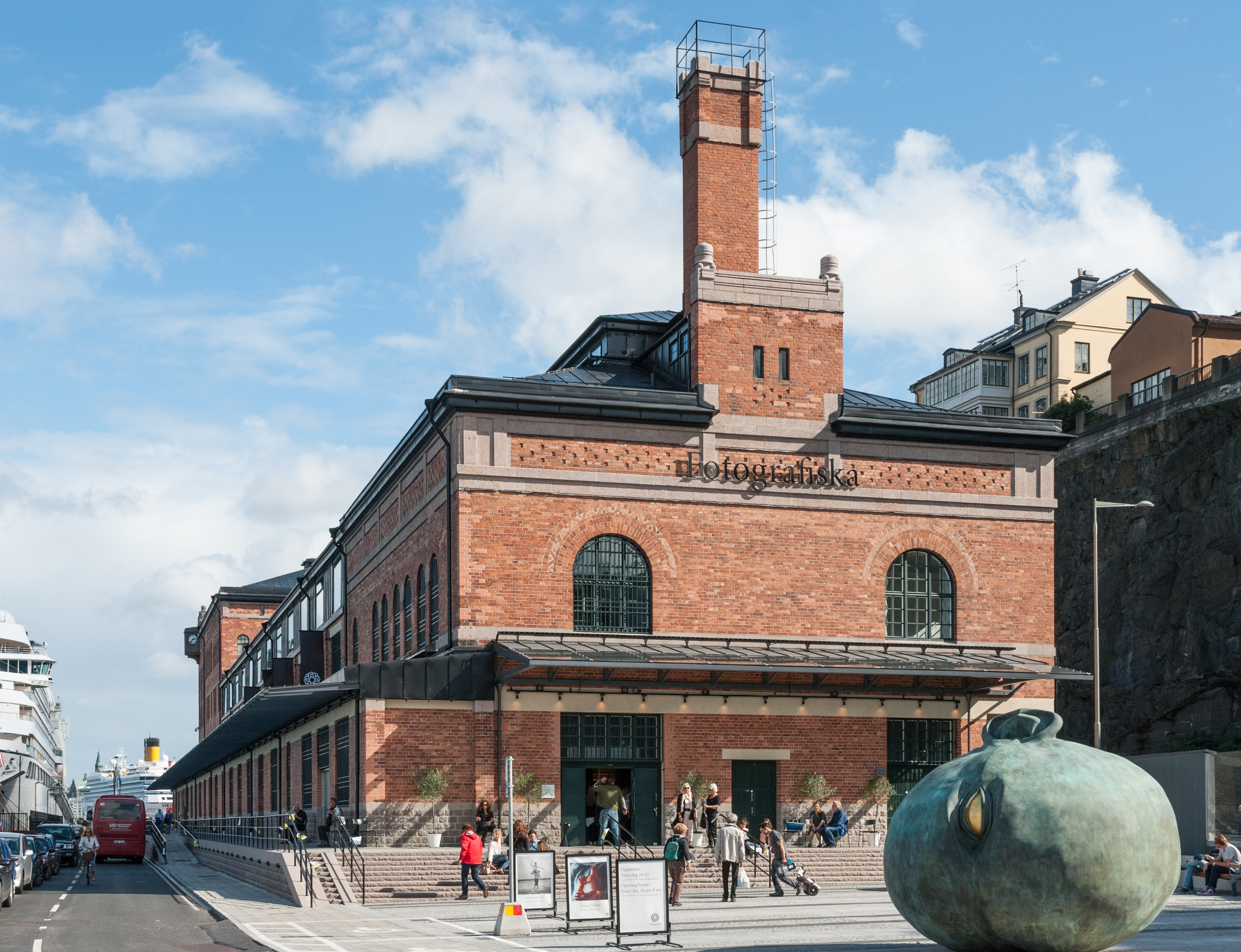
The building you are looking at was not designed for art. It was designed for suspicion. This is the former Stora Tullhuset, Stockholm's Large Customs House, built between nineteen oh six and nineteen ten by architect Ferdinand Boberg in the Art Nouveau style. For decades, customs officers stood behind those arched windows, inspecting every crate, barrel, and shipment that came through Stockholm's harbour. Goods were weighed, taxed, and occasionally seized right where you are standing. Then the shipping industry moved elsewhere and the building sat empty, slowly gathering dust on one of the city's best waterfront locations. In twenty ten, two brothers named Jan and Per Broman saw the potential. They turned this customs warehouse into one of the most influential photography museums in the world, running fifteen to twenty exhibitions a year. The original load-bearing wooden framework and that distinctive brick facade with its rhythmic arched windows were carefully preserved during the renovation. You can still feel the industrial bones beneath the gallery lighting. The Bromans did not stop at Stockholm. Fotografiska now has locations in Tallinn, Berlin, and Shanghai, making a former Swedish customs house the template for a global art empire spanning four countries. What makes it work is the mix. You will find Annie Leibovitz next to emerging artists nobody has heard of yet. There is no permanent collection, so every visit is different. The top-floor restaurant has a panoramic view across Stockholm harbour that alone would justify the visit, but the photography is the thing. The irony of a building designed to inspect and control goods becoming a space for creative freedom is not lost on anyone who walks through those doors.
Gamla Stan (Old Town)
Södermalm, Stockholm, Sweden
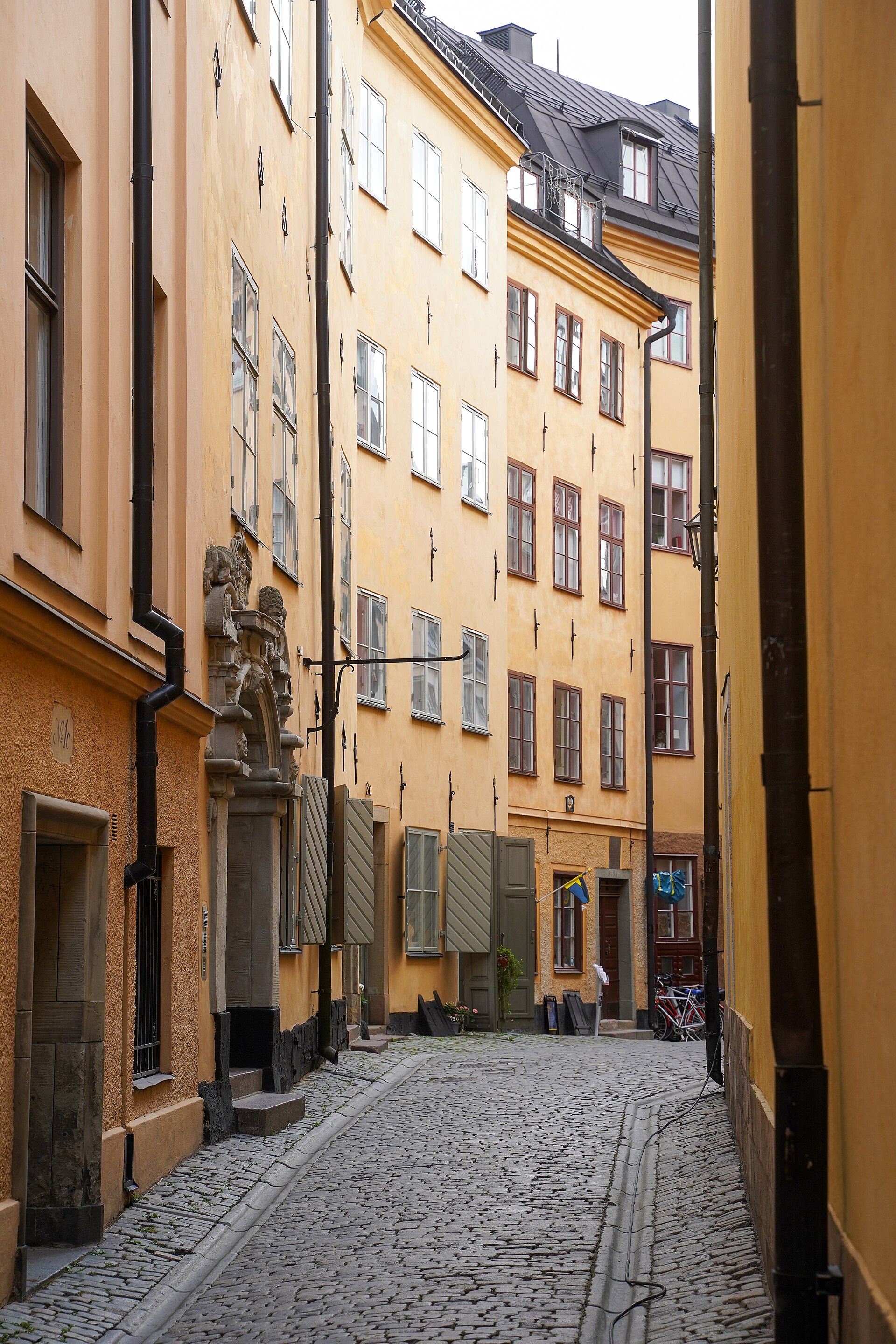
Gamla Stan is one of the best-preserved medieval old towns in Europe — a compact island of narrow cobblestone alleys, ochre and rust-coloured buildings, and the royal palace that has been the political and spiritual centre of Sweden since the 13th century. The district sits on the island of Stadsholmen between the modern city to the north and Södermalm to the south, and walking its streets feels like walking through a scale model of a medieval Scandinavian trading town. The architecture spans seven centuries — from the 13th-century cathedral (Storkyrkan) and the medieval merchant houses on Österlånggatan through the Baroque Royal Palace (one of the largest in Europe, with 1,430 rooms) to the Nobel Prize Museum on Stortorget, the small square where the Stockholm Bloodbath of 1520 saw Danish king Christian II execute 80 Swedish nobles. The buildings are painted in the warm yellows, oranges, and reds that distinguish Scandinavian old towns from the grey stone of northern European medieval centres. Gamla Stan is touristy (unavoidably — it's the single most visited area in Stockholm) but rewards exploration beyond the main streets. The alleys south of Stortorget narrow to less than a metre wide (Mårten Trotzigs Gränd, already in the collection, is the narrowest), and the courtyards behind the street facades hide cafés, galleries, and the quiet residential life that persists despite the tourist traffic. The evening, when the day-trippers have left and the cobblestones are lit by the warm glow from restaurant windows, is when Gamla Stan is most atmospheric.
Hallwyl Museum
4 Hamngatan, Skravelberget Mindre, Stockholm, 111 47, Sweden
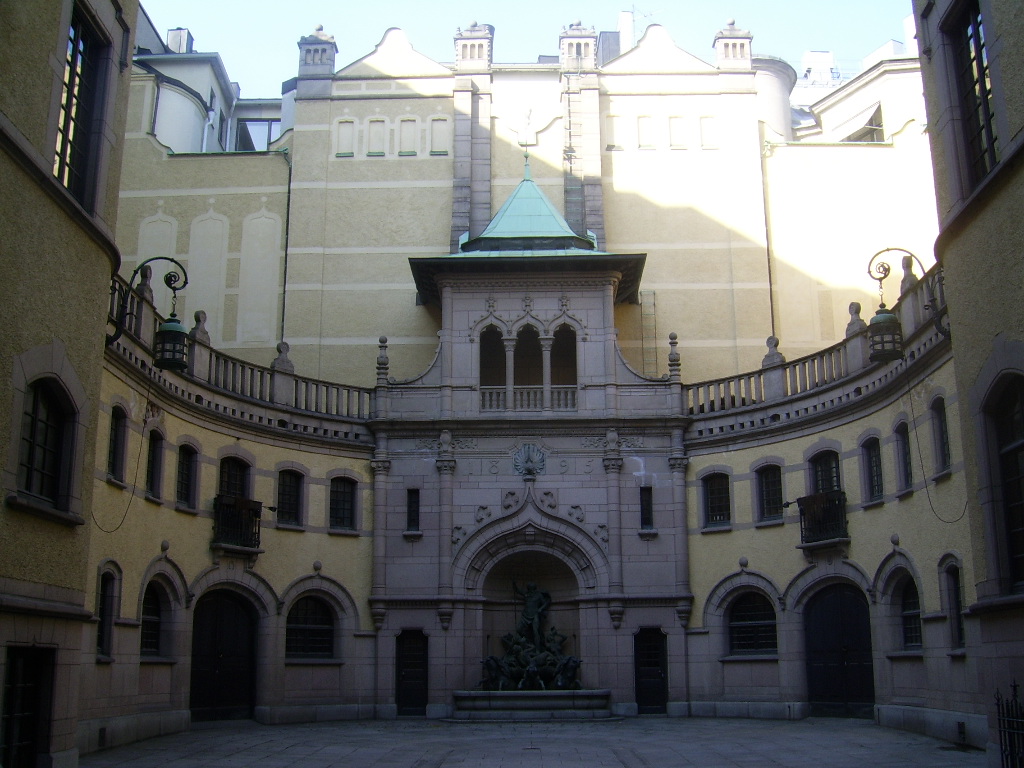
Behind this unassuming facade on one of Stockholm's busiest shopping streets is a palace containing roughly fifty thousand objects, collected by one woman over one lifetime. Countess Wilhelmina von Hallwyl was not a hoarder. She was something far more interesting. She was a methodical, obsessive collector who spent decades filling this house with paintings, Chinese pottery, silverware, sculptures, textiles, kitchen utensils, weapons, and, yes, her own children's baby teeth. Everything was catalogued. Everything had its place. She was not losing control. She was building a museum, and she knew it from the start. The house itself was built between eighteen ninety-three and eighteen ninety-eight, and for its time it was astonishingly modern. Electric lighting, central heating, a telephone system, and indoor bathrooms, all at a time when most of Stockholm did not have running water. The Hallwyls lived in a vision of the future while their neighbours were still using candles and chamber pots. In nineteen twenty, Wilhelmina donated the entire palace and its complete collection to the Swedish state. She lived another ten years, knowing her life's work was secured. The museum opened in nineteen thirty-eight with over forty rooms, and walking through it is genuinely strange. You see the kitchen, the bedrooms, the drawing rooms, all preserved exactly as they were. But you also see display cases she installed herself, arranged by her own curatorial logic. It is simultaneously a home and a museum, a private life turned inside out for public viewing. And somewhere in a cabinet, those baby teeth are still there.
Jarnpojken (Iron Boy)
2B-C Slottsbacken, Södermalm, Stockholm, 111 30, Sweden
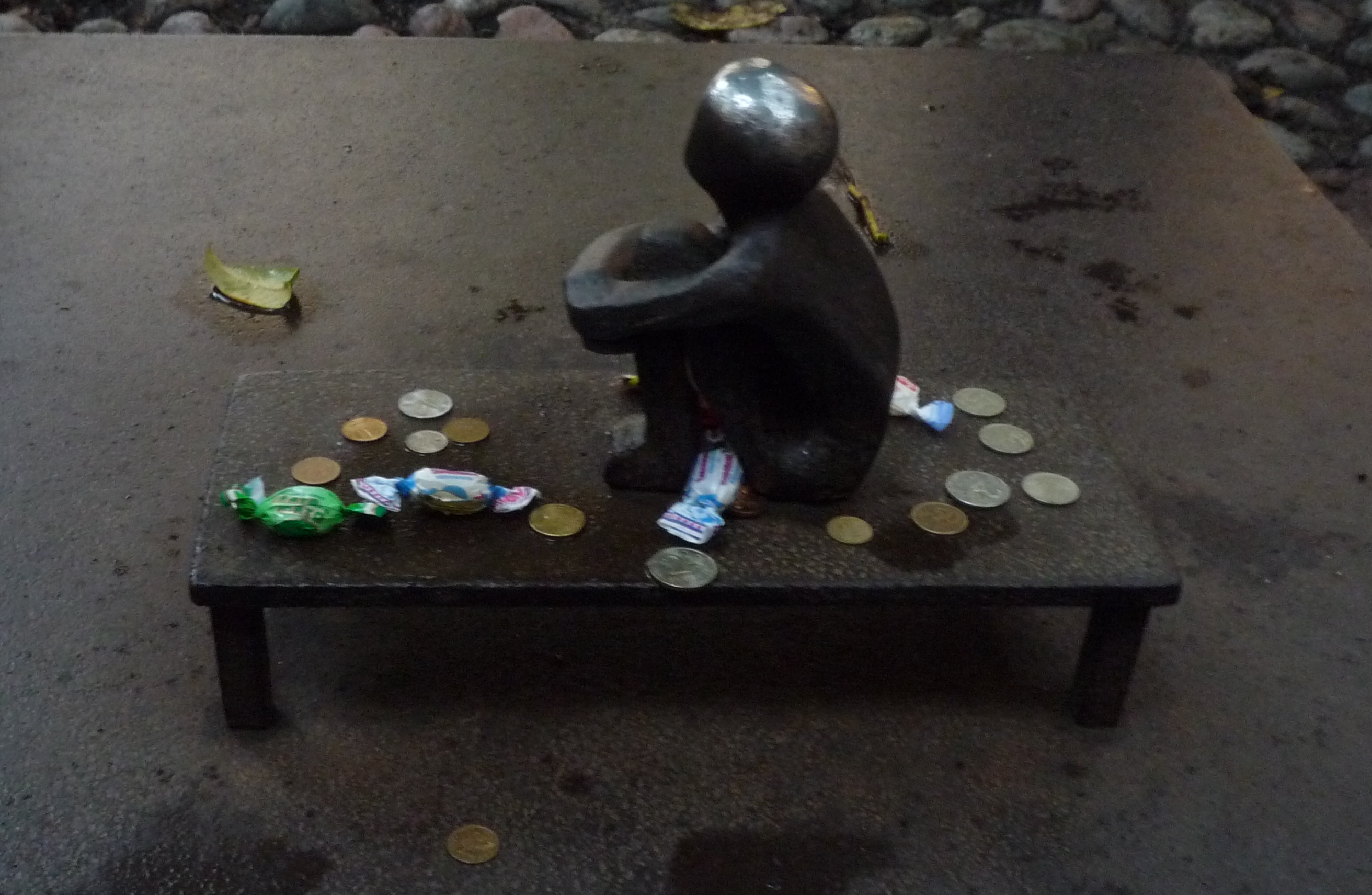
You are going to have to look carefully for this one, because Stockholm's most beloved resident is only fifteen centimetres tall. Tucked into a tiny courtyard behind the Finnish Church, sitting on a stone plinth with his knees pulled up to his chest, is Jarnpojken, the Iron Boy. His real name is actually Pojke som tittar pa manen, which means Boy Looking at the Moon. The sculptor, Liss Eriksson, created him in nineteen fifty-four, inspired by his own childhood memories of sitting on his bed during sleepless nights, staring up at the moon through his window. The statue was not installed until nineteen sixty-seven. Since then, something beautiful has happened. Stockholmers have adopted him. In winter, locals knit tiny scarves and hats and dress him up against the cold. In summer, someone might leave a tiny parasol. Nobody organises this. It just happens. Visitors rub his head for good luck, which is why the top of his skull is polished smooth and shiny while the rest of him is dark with patina. People leave coins at his feet like offerings to a very small god. Here is the lovely part. The Finnish Church next door collects all those coins and donates them to a fund for needy children in Finland. So this fifteen-centimetre statue, sitting alone in a courtyard, quietly raises money for kids. He has been doing it for decades. If you leave a coin, it actually goes somewhere good. He might be tiny, but he is probably the most generous thing in Gamla Stan. If you visit in winter, do not be surprised if he is wearing a little red scarf and a knitted cap. Someone out there is always looking after him.
K.A. Almgren Silk Factory and Museum
15A Repslagargatan, Södermalm, Stockholm, 118 46, Sweden
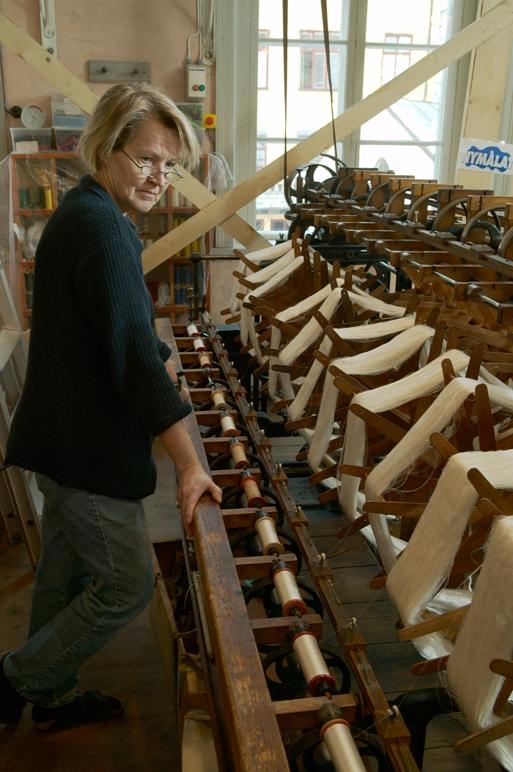
In eighteen thirty-three, a man named Knut August Almgren had a problem. He wanted to build a silk weaving factory in Stockholm, but the best weaving technology in the world, the Jacquard mechanism, was under French export restrictions. France did not want its textile secrets leaving the country. Almgren's solution was spectacular. He smuggled Jacquard weaving mechanisms out of France hidden in a shipment of prunes. Prunes. The French customs officers presumably opened the crates, saw dried fruit, and waved them through. Inside were the components that would launch Scandinavia's silk industry. Nearly two hundred years later, this is the only working silk weaving factory left in the entire Nordic region. The original nineteenth-century looms from the eighteen sixties are still here, still running, still producing silk in their original factory environment. When you step inside, you hear the rhythmic clatter of machinery that has been making the same sound for over one hundred and fifty years. At its peak in the eighteen seventies, over two hundred and eighty people worked here, the majority of them women. They produced fabric for Queen Sofia's coronation gown in eighteen seventy-two, and supplied wall coverings for Stockholm Palace and Drottningholm Palace. Royal walls, dressed in smuggled technology. The museum lets you see the looms in action and watch silk being woven in real time. The threads are impossibly thin, the patterns dizzyingly complex. Almgren built an entire industry on the back of an audacious con involving dried fruit and French export law. When you touch the silk produced here and realise it traces back to smuggled machinery hidden under prunes, it makes the whole thing feel even more extraordinary. Nearly two centuries of continuous production, all from one brilliant act of deception.
Katarinahissen (Katarina Elevator)
3 Katarinavägen, Södermalm, Stockholm, 116 45, Sweden
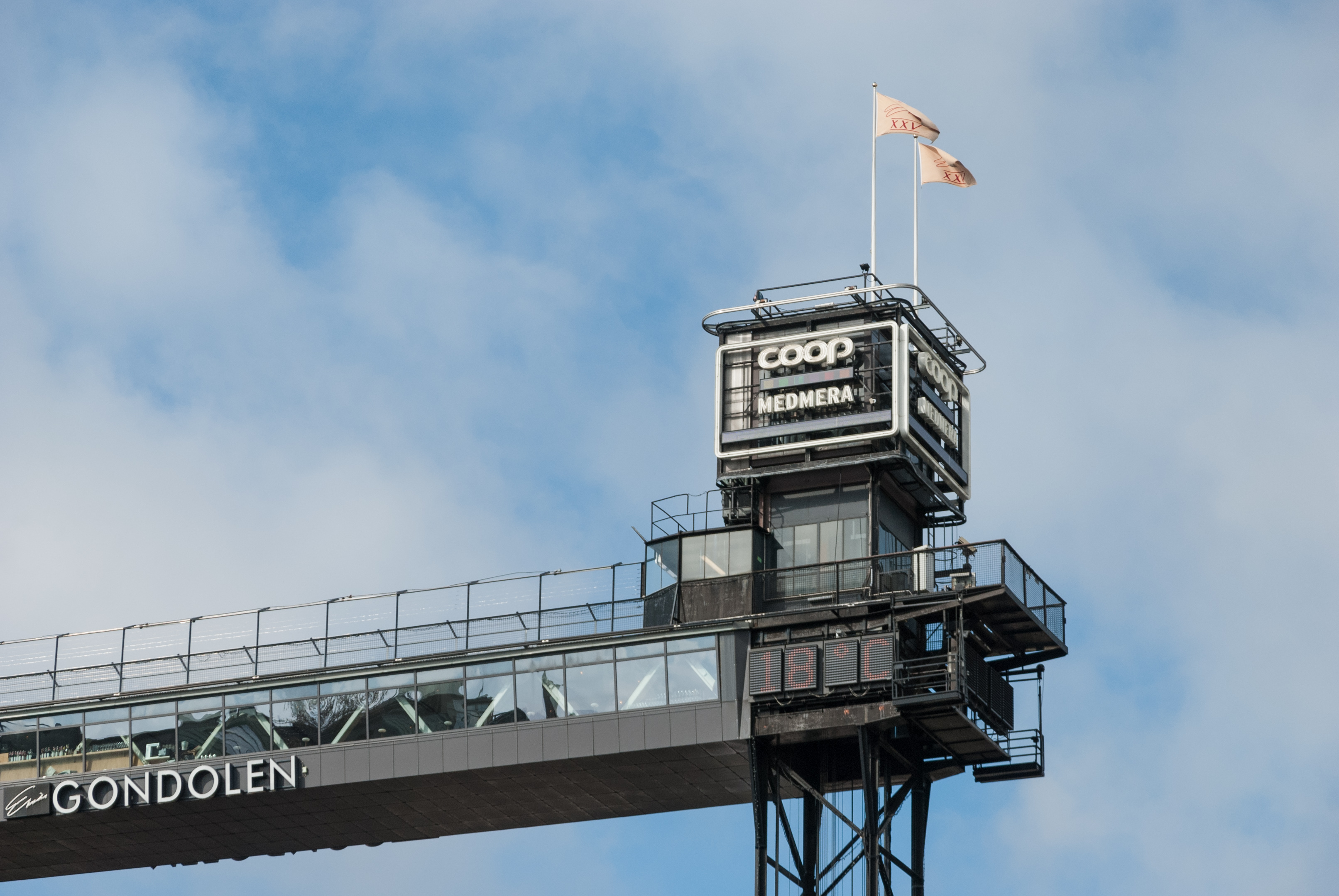
Look up. That structure connecting the waterfront to the top of the Sodermalm cliffs is a public elevator, and it has been carrying people thirty-eight metres straight up since eighteen eighty-three. When it first opened, it was powered by steam and had a beautifully absurd pricing system. It cost five ore to ride up and three ore to ride down. Gravity, apparently, came at a discount. It was electrified in nineteen fifteen, which must have been a relief for whoever was shovelling coal at the bottom. For over a century, this was one of Stockholm's most practical pieces of infrastructure. Sodermalm sits on cliffs high above the water, and if you lived up top and worked down below, you had two choices. Walk the steep, winding streets. Or take the elevator. Tens of thousands of daily commuters chose the elevator. Then in twenty ten, the entire Slussen area at the base of the elevator began a massive, years-long redevelopment, and Katarinahissen was shut down. For thirteen years. Thirteen years without the elevator. An entire generation of Sodermalm residents grew up without it. When it finally reopened on October nineteenth, twenty twenty-three, the celebration was genuine. Locals showed up like a favourite relative had come home from a very long trip. The view from the top is spectacular, looking out over Gamla Stan and the harbour, but the elevator itself is the story. A hundred-and-forty-year-old vertical commuter line, steam-powered, then electric, then dormant, then reborn. Stockholm does not give up on its infrastructure. It just takes its time.
Kungstradgarden Metro Station
Stockholm, Sweden
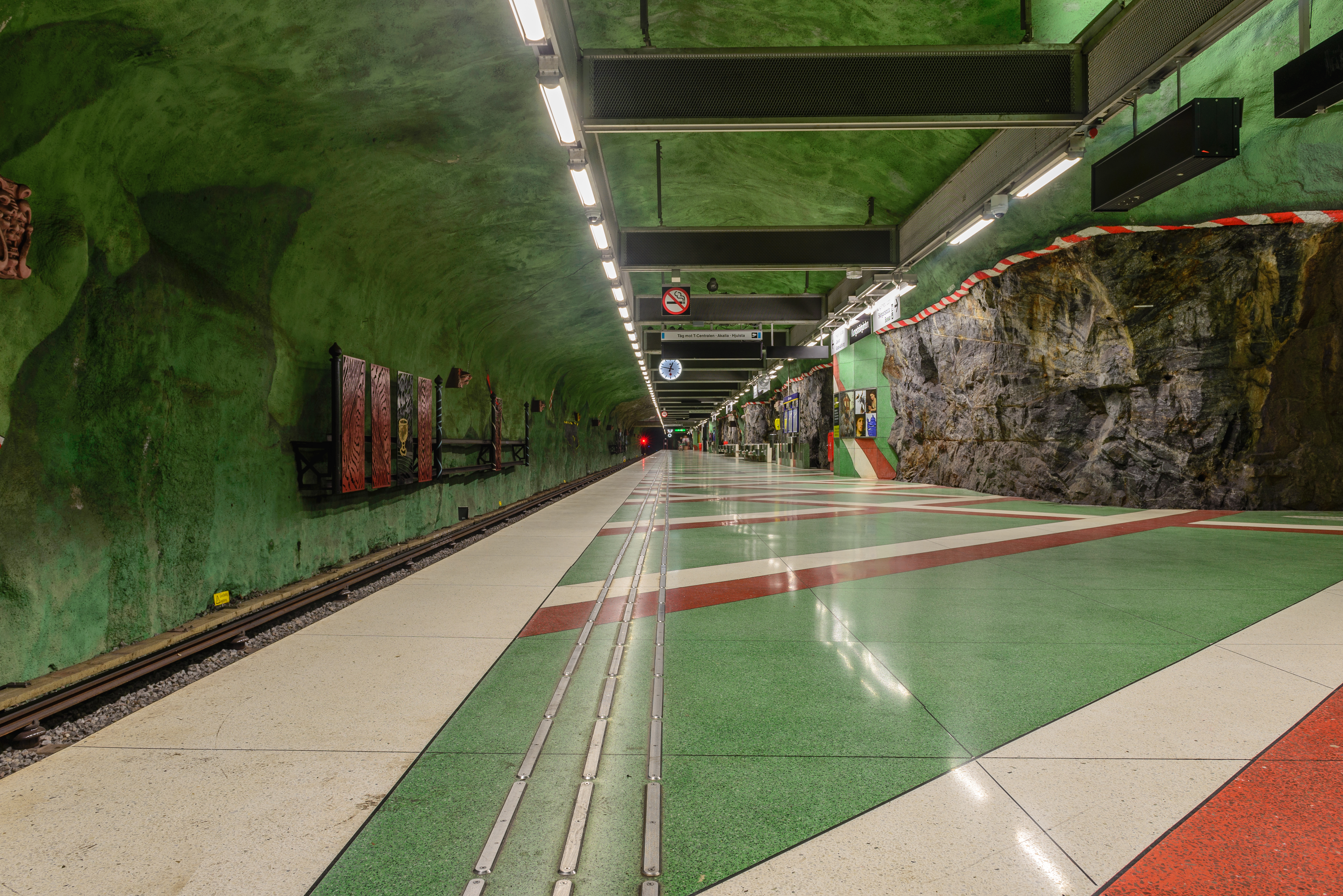
You are about to descend into what looks like an archaeological excavation that someone forgot to finish. The walls are rough-hewn rock, exposed and unpolished, as if the tunnellers broke through and the artists said stop, leave it exactly like that. Vines and vegetation have been painted creeping across the stone. And scattered throughout the station are nearly fifty masks and sculptures that look ancient but have a very specific origin. They were salvaged from the Makalos Palace, once the most extravagant Baroque mansion in Sweden, which burned down in eighteen twenty-five. When the station was designed in the nineteen seventies, artist Ulrik Samuelson decided to turn the whole thing into an underground fantasy, part cave, part ruin, part archaeological site frozen in mid-discovery. It is deeply weird and absolutely beautiful. But here is the bigger picture. Stockholm's metro system is called the world's longest art gallery, and that is not marketing fluff. Over one hundred and fifty artists have decorated more than ninety of the system's one hundred stations since the nineteen fifties. That is over one hundred and ten kilometres of art. Some stations look like rainbow caves. Others have murals depicting Swedish mythology. One looks like a Mediterranean grotto. This is public transit treated as public art on an industrial scale. You could spend an entire day just riding the metro and looking at walls. Kungstradgarden is the showpiece, the station people come specifically to photograph. But it is not the only extraordinary one. It is just the one that happens to have a demolished palace hidden inside it.
Marten Trotzigs Grand
81 Västerlånggatan, Södermalm, Stockholm, 111 29, Sweden
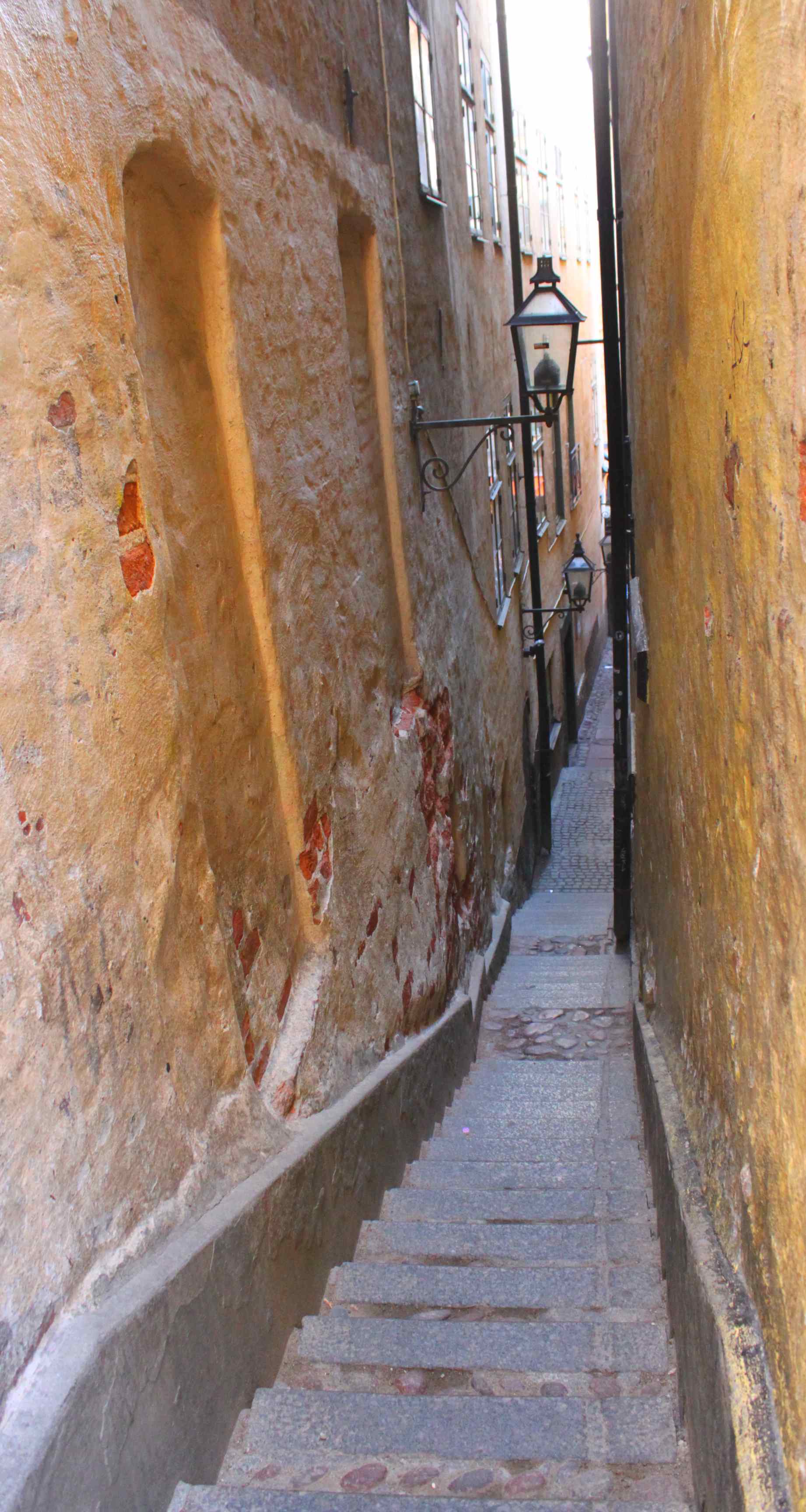
You are about to walk through Stockholm's narrowest street, and honestly, if you are claustrophobic, maybe just have a look from the entrance. At its tightest point, this alley is ninety centimetres wide. That is about the width of a standard doorway, except the walls are three storeys of medieval stone pressing in on both sides and the ceiling is open sky. Thirty-six stone steps lead from Vasterlangatan up to Prastgatan, and somewhere in the middle you will find yourself turning sideways to let someone pass the other way. It is named after a German merchant called Marten Trotzig, who was born in Wittenberg in fifteen fifty-nine and immigrated to Stockholm in fifteen eighty-one. He bought properties in this alley in fifteen ninety-seven and fifteen ninety-nine and set up shop here. Trotzig made his fortune trading in iron and copper, which was a very good business in a country that had enormous amounts of both. He died in sixteen seventeen and his name stuck to the alley, though it was not made official until the nineteen forties, three hundred and twenty-odd years after his death. For centuries this passage was just an unnamed gap between buildings that people squeezed through. What makes it fascinating beyond the tight squeeze is how it reveals the medieval street plan of Gamla Stan. These alleys were not designed for carriages or commerce. They were shortcuts between the main streets, rat runs for people who knew the neighbourhood. In the thirteen hundreds, Gamla Stan was considered a slum, and these narrow passages were everywhere. Most were filled in or demolished. This one survived, and now tourists queue up to photograph it.
Moderna Museet
Exercisplan 4, Skeppsholmen, Stockholm
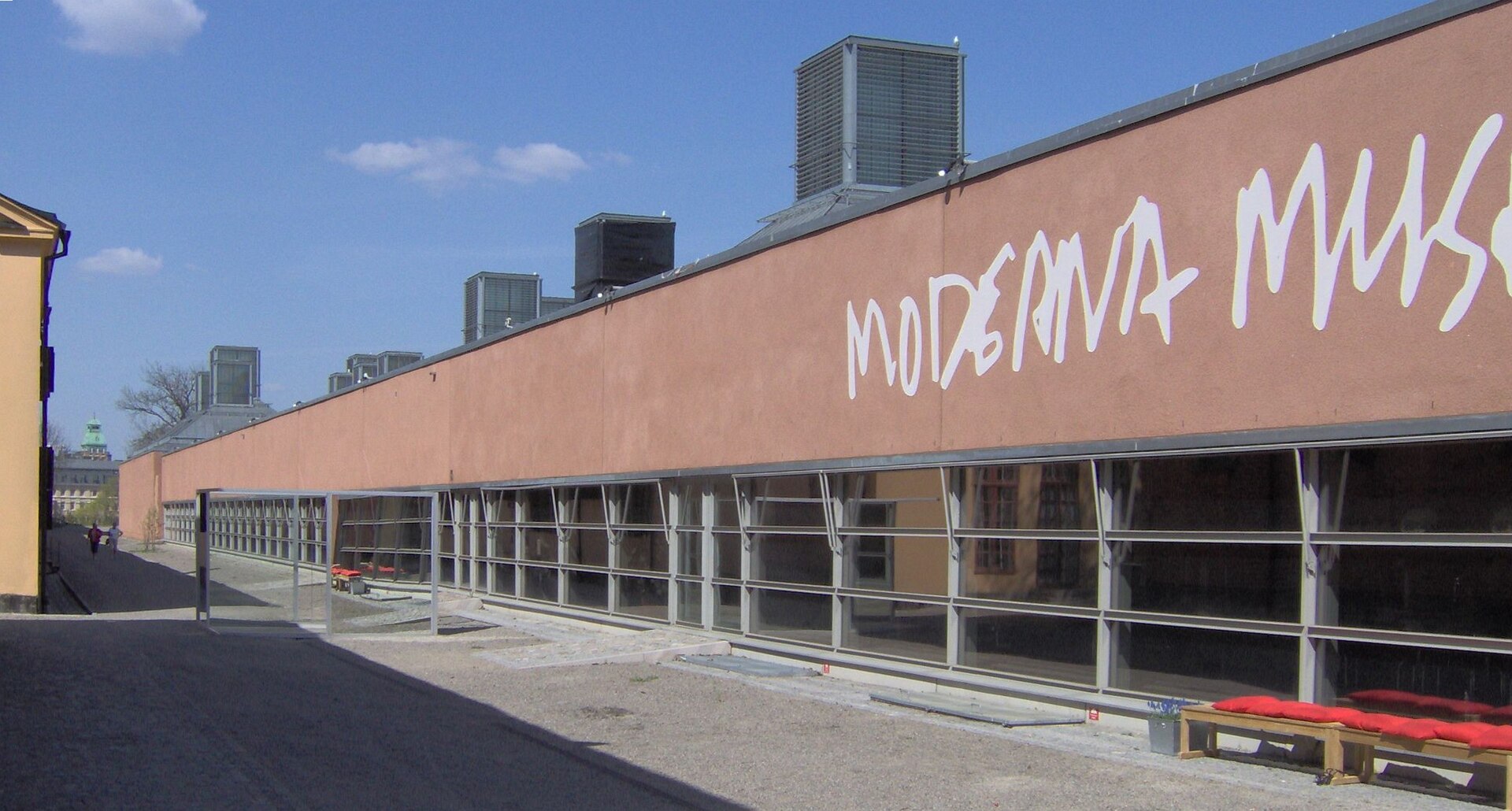
Moderna Museet is Sweden's national museum of modern and contemporary art — a Rafael Moneo-designed building on the island of Skeppsholmen that houses one of the finest collections of 20th and 21st-century art in Europe. The collection includes works by Picasso, Dalí, Matisse, Rauschenberg, and Warhol alongside major Swedish artists (Hilma af Klint, whose abstract paintings predated Kandinsky by several years and are now recognised as among the earliest abstract works in Western art). The museum's island location — connected to the city by a small bridge, surrounded by water on three sides, with views of Gamla Stan and Djurgården — gives it a setting that few museums can match. Skeppsholmen itself is a peaceful island of museums and maritime buildings that contrasts sharply with the commercial energy of the city centre a five-minute walk across the bridge. The permanent collection is free (temporary exhibitions charge admission), which makes Moderna Museet one of the most generous major art museums in Europe. The Hilma af Klint works — enormous abstract canvases painted between 1906 and 1915 that were kept secret during the artist's lifetime and only exhibited publicly from the 1980s — have become the museum's most celebrated holdings since a major retrospective at the Guggenheim brought af Klint to international attention.
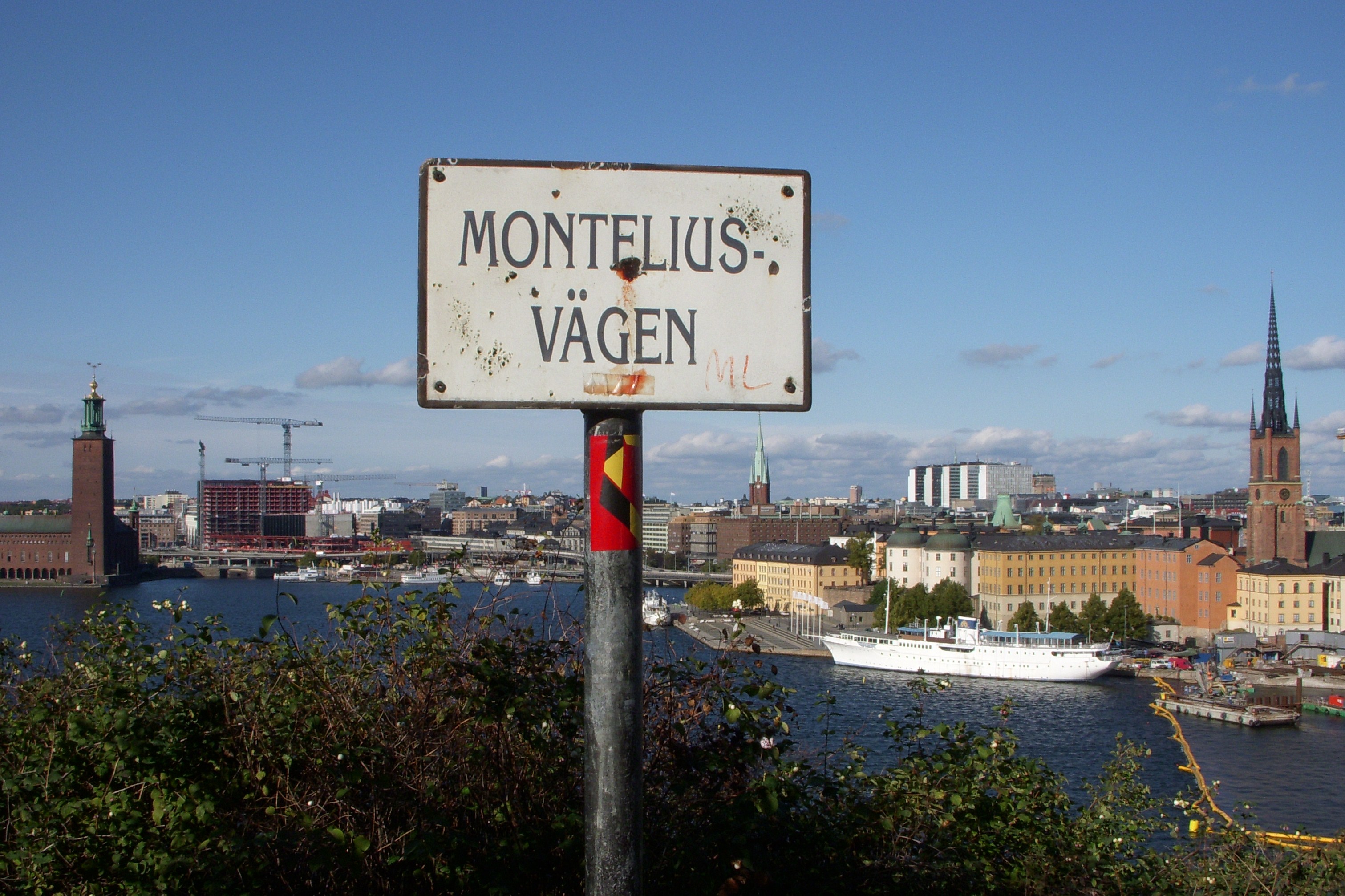
Monteliusvagen
Monteliusvägen, Södermalm, Stockholm, 118 24, Sweden
This four-hundred-metre walking path runs along the northern cliffs of Sodermalm, and it offers what many Stockholmers quietly consider the finest view in the city. To your left, a sheer drop. Ahead, City Hall rising from the water, Gamla Stan's church spires, Lake Malaren stretching west. On a summer evening with the light going gold, it is genuinely hard to beat. The path is named after Oscar Montelius, a professor who lived from eighteen forty-three to nineteen twenty-one. He was a Swedish archaeologist who pioneered something called the typological method, a way of dating ancient objects by comparing their shapes and styles rather than where they were found. It sounds dry, but it revolutionised how archaeologists work and it is still used today. A man who spent his career studying the past now has his name attached to one of the most romantic sunset walks in northern Europe. There is a catch, though. The city does not maintain this path in winter. Between December and March, the cliffs get extremely slippery with ice, and the drop off the edge is not theoretical. There are no guardrails along much of the route. Stockholmers know this and either avoid it or approach with studded shoes and a healthy respect for gravity. It is one of those places where the beauty and the danger sit right next to each other, which, if you think about it, describes quite a lot of Stockholm. Walk it in summer and you will understand why people who live here never want to leave. Walk it in January and you will understand why Swedish vocabulary has fourteen words for different kinds of ice.
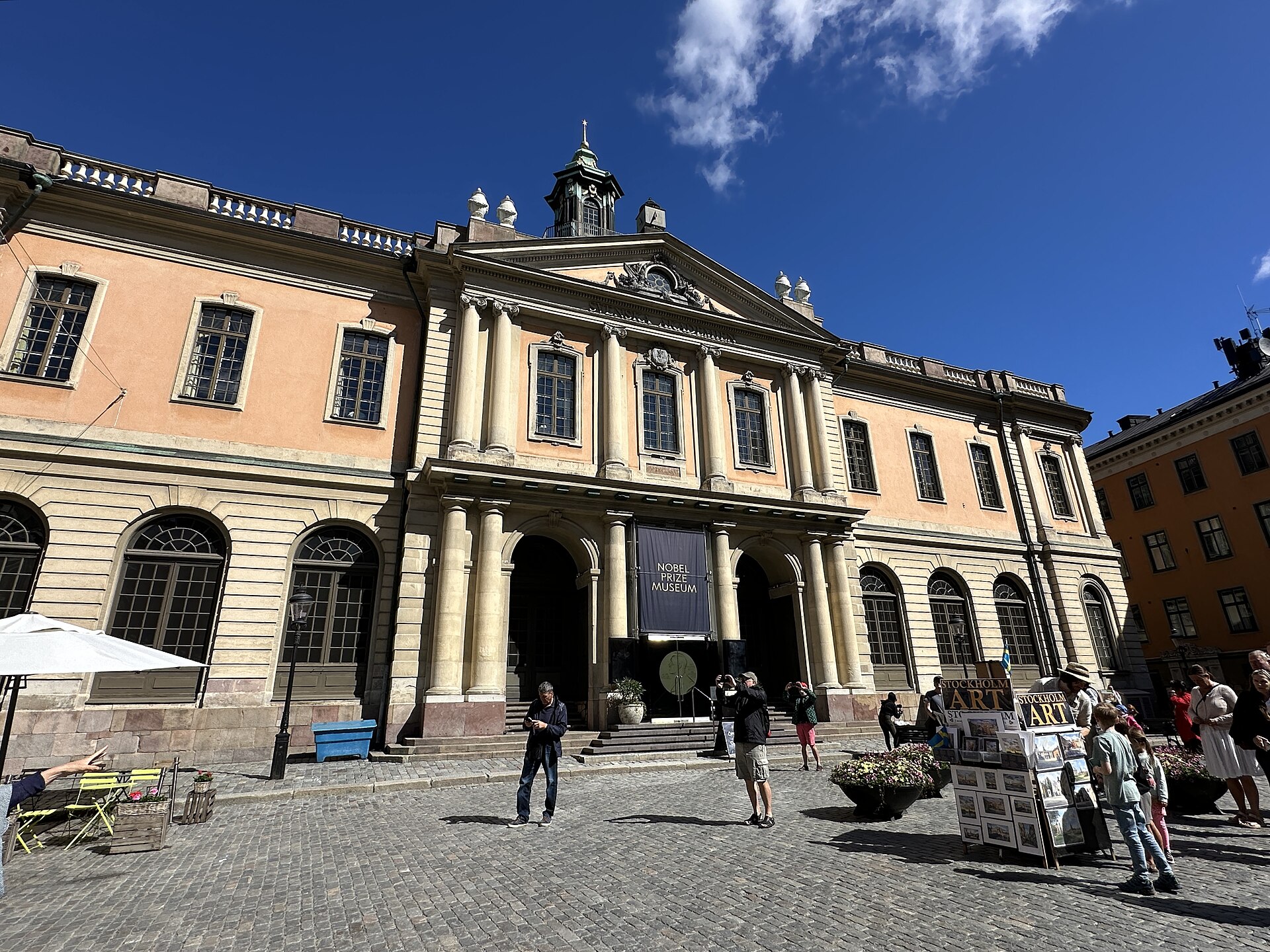
Nobel Prize Museum
Stortorget 2, Gamla Stan, Stockholm
The Nobel Prize Museum occupies the former stock exchange building on Stortorget in Gamla Stan — the small square that is the oldest in Stockholm and the site where Alfred Nobel's legacy of honouring achievement in physics, chemistry, medicine, literature, and peace has been celebrated since the first prizes were awarded in 1901. The museum tells the story of the prize, its laureates, and the ideas that changed the world through interactive exhibits, personal artifacts, and the 'culture cable' — a moving rail system that transports portraits and artifacts of every laureate through the ceiling above visitors' heads. Alfred Nobel, the Swedish chemist who invented dynamite and held 355 patents, established the prizes in his will in 1895, directing that the interest from his fortune (approximately SEK 31 million, the equivalent of about $250 million today) be divided annually among the five prizes. The museum's exhibits on Nobel himself — his laboratory work, his explosive invention, and the moral complexity of a man who became wealthy from weapons but wanted to be remembered for peace — provide context that the prize ceremony's grandeur tends to obscure. The museum's café has a tradition worth knowing: the underside of every chair bears the signature of a Nobel laureate who has visited. The chairs are periodically turned over during events for the signatures to be added, creating a collection of autographs that is one of the more unusual artifacts in any museum. The Nobel Banquet, held annually on December 10 (the anniversary of Nobel's death) at Stockholm City Hall, is the ceremonial climax of the Nobel season.
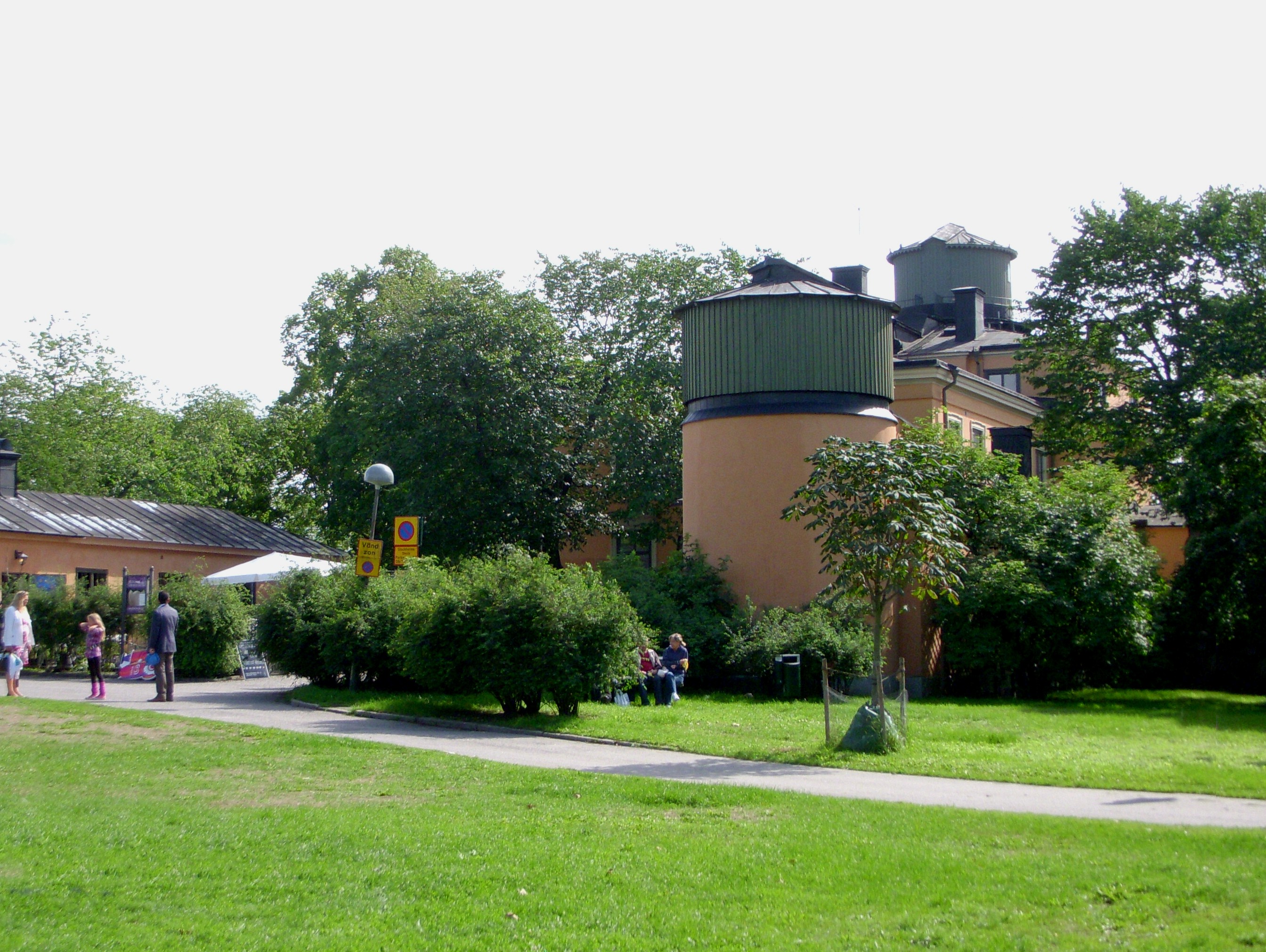
Observatorielunden and the Old Observatory
120 Drottninggatan, Vasastan, Stockholm, 113 60, Sweden
There is a small, elegant building sitting on top of this hill, and it holds a world record that no other place on Earth can claim. Weather has been recorded here three times a day, every single day, since seventeen fifty-six. That is over two hundred and seventy years of unbroken meteorological observation. No other location on the planet has such a long continuous weather record. Every temperature reading, every rainfall measurement, every barometric pressure notation, all from this one spot. The Old Stockholm Observatory was built in seventeen fifty-three by architect Carl Harleman for the Royal Swedish Academy of Sciences. When they started taking weather readings three years later, they probably did not imagine anyone would still be doing it centuries later. But here we are. That dataset is now one of the most valuable climate records in existence, used by scientists worldwide to understand how weather patterns have shifted over centuries. The hill itself is interesting for a different reason. You are standing on one of the last remaining sections of Brunkebergsasen, a glacial ridge, called an esker, that was formed during the last ice age and once stretched right across Norrmalm. As Stockholm grew, developers needed flat ground, so they systematically levelled the ridge. Most of it is gone. This hilltop is one of the few surviving fragments. So you are standing on ten-thousand-year-old glacial geology that was nearly destroyed by real estate development, topped by an eighteenth-century building that holds the longest continuous weather record in human history. Not bad for a park that most tourists walk straight past.
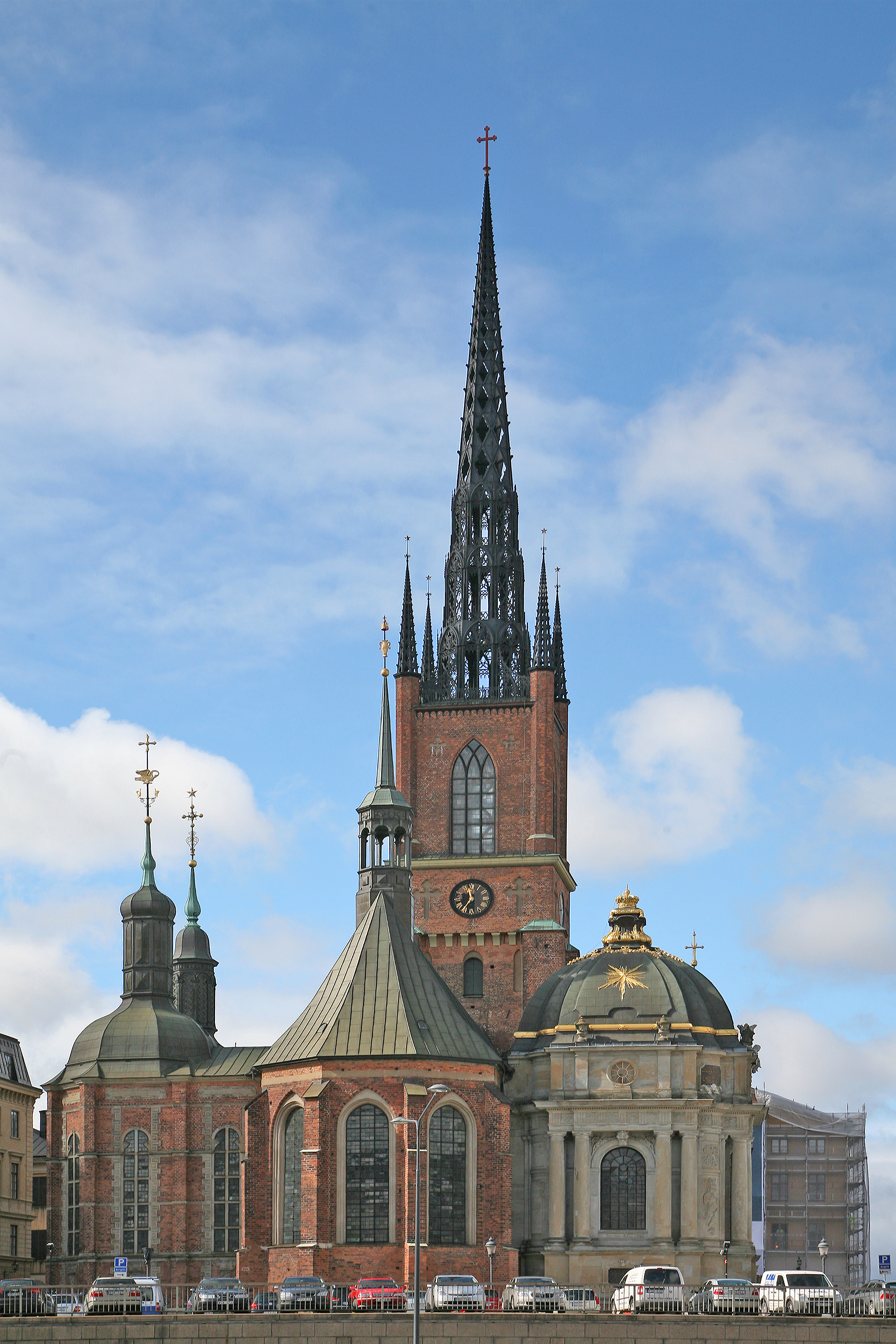
Riddarholmen Church
2 Birger Jarls torg, Södermalm, Stockholm, 111 28, Sweden
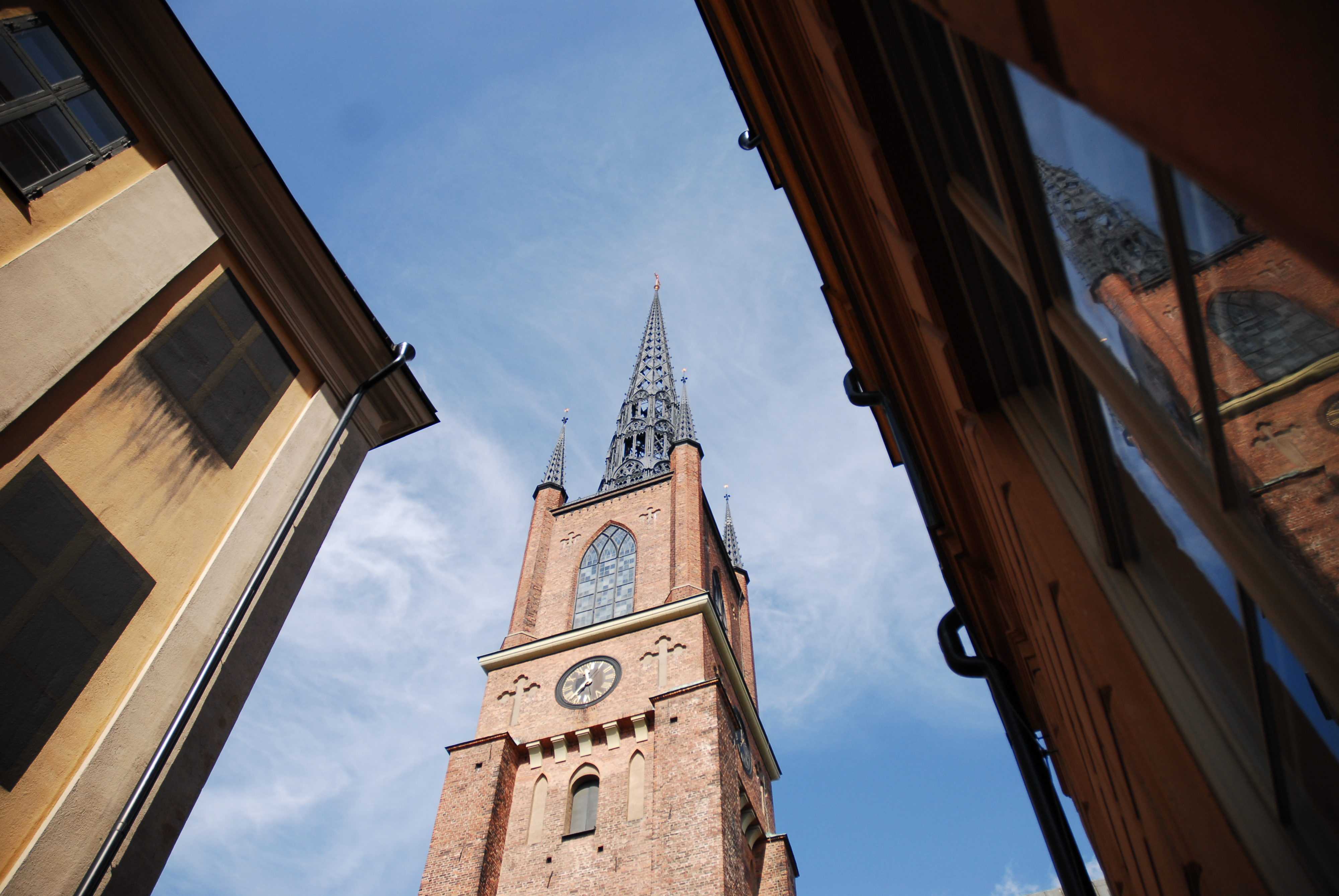
This is where Swedish kings come to rest, and it has been that way for nearly four hundred years. Founded in twelve seventy as a Franciscan monastery, Riddarholmen Church is one of the oldest buildings in Stockholm. Every Swedish monarch from Gustavus Adolphus, who died in sixteen thirty-two, to Gustaf the Fifth, who died in nineteen fifty, is entombed somewhere inside or beneath this building. That is fifteen monarchs in total. But there is one spectacular exception. Queen Christina, who inherited the throne at age six and grew up to be one of the most fascinating rulers in European history, is not here. She converted to Catholicism in a fiercely Protestant country, abdicated the throne in sixteen fifty-four, moved to Rome, and demanded to be buried in Saint Peter's Basilica in the Vatican. She got her wish. She is one of only three women ever interred there. So every Swedish king for three centuries is buried in this church on an island in Stockholm, except one queen who told the whole country she was done with them and went to live in Italy. Now look up at that iron spire. That is not the original. In eighteen thirty-five, lightning struck the church tower and started a fire that burned for three days. The old spire was destroyed. When they rebuilt, they chose cast iron instead of wood, which gives the church its distinctive dark, pointed silhouette against the Stockholm skyline. It is one of the most recognisable shapes in the city, and it only exists because of a lightning strike nearly two hundred years ago.
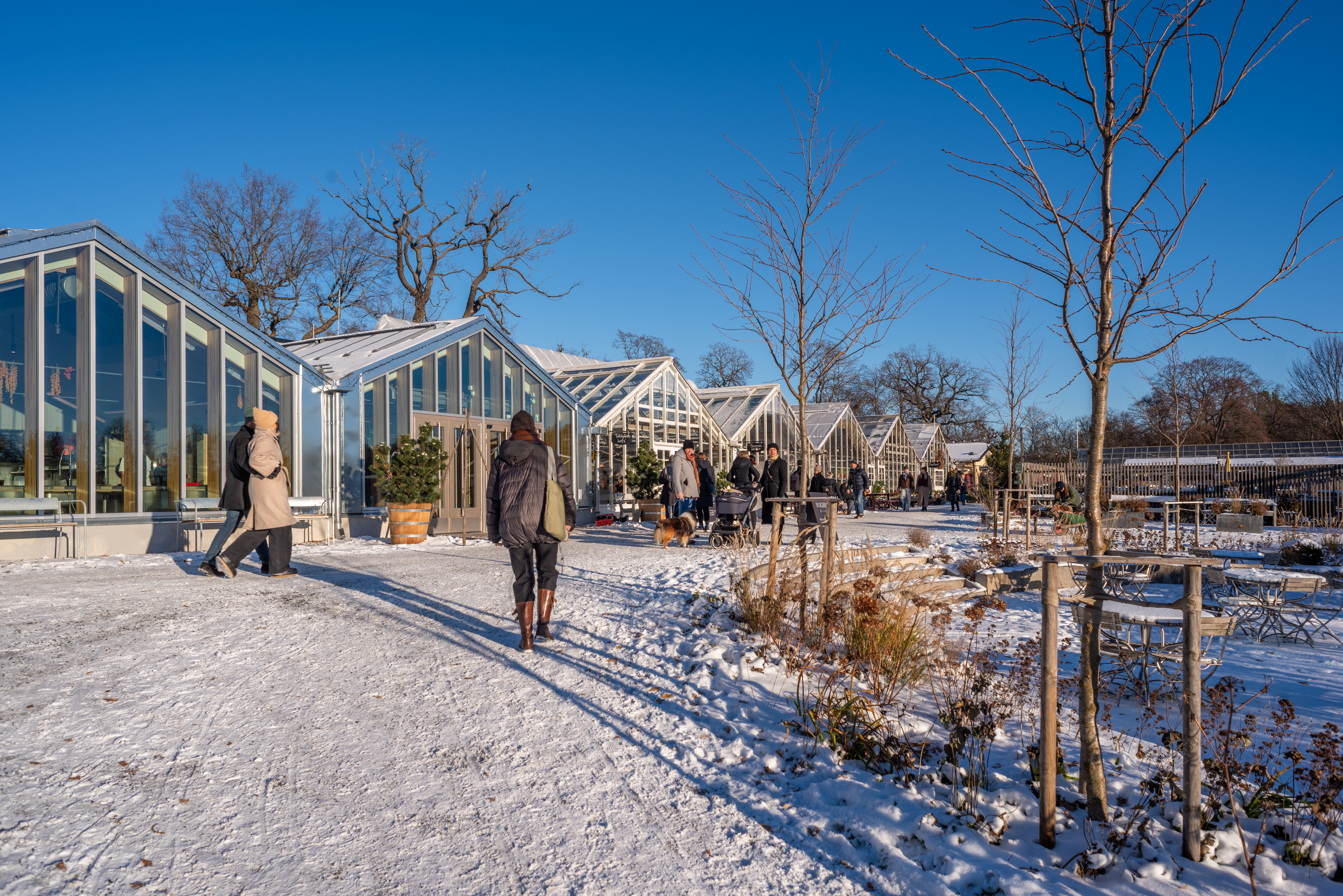
Rosendals Tradgard
12 Rosendalsterrassen, Djurgården, Stockholm, 115 21, Sweden
The story of this garden starts with one of the stranger career pivots in European history. In eighteen seventeen, this land was sold to Jean Baptiste Bernadotte, a French military marshal who had somehow become King of Sweden. He was not Swedish. He did not speak Swedish. He was a French soldier who impressed the Swedes so much during the Napoleonic Wars that they offered him the throne. He accepted, changed his name to Karl the Fourteenth Johan, and turned this spot into a royal garden. The name means the Rose Valley. Between eighteen sixty-one and nineteen eleven, a gardening academy operated here in collaboration with Queen Josephine, training seven hundred professional gardeners. By eighteen seventy-eight, the garden had over twenty-three thousand potted plants, one thousand varieties of flowers, two hundred and thirty-five thousand saplings, and four hundred fruit trees. Those are absurd numbers for a single property. Since nineteen eighty-two, the site has been run as a trust, operating as a commercial biodynamic garden with vegetable fields, greenhouses, an orchard, a bakery, and a cafe. Biodynamic means they follow an agricultural philosophy that treats the farm as a self-sustaining organism. No synthetic fertilisers, no pesticides, everything composted and recycled. The greenhouse cafe is where half of Stockholm goes on weekends and pretends they discovered it. You can eat lunch where the ingredients were growing fifty metres from your table that morning. The bread comes from the on-site bakery. The apple juice comes from the orchard you walked through to get here. It is farm-to-table with a zero-metre supply chain.
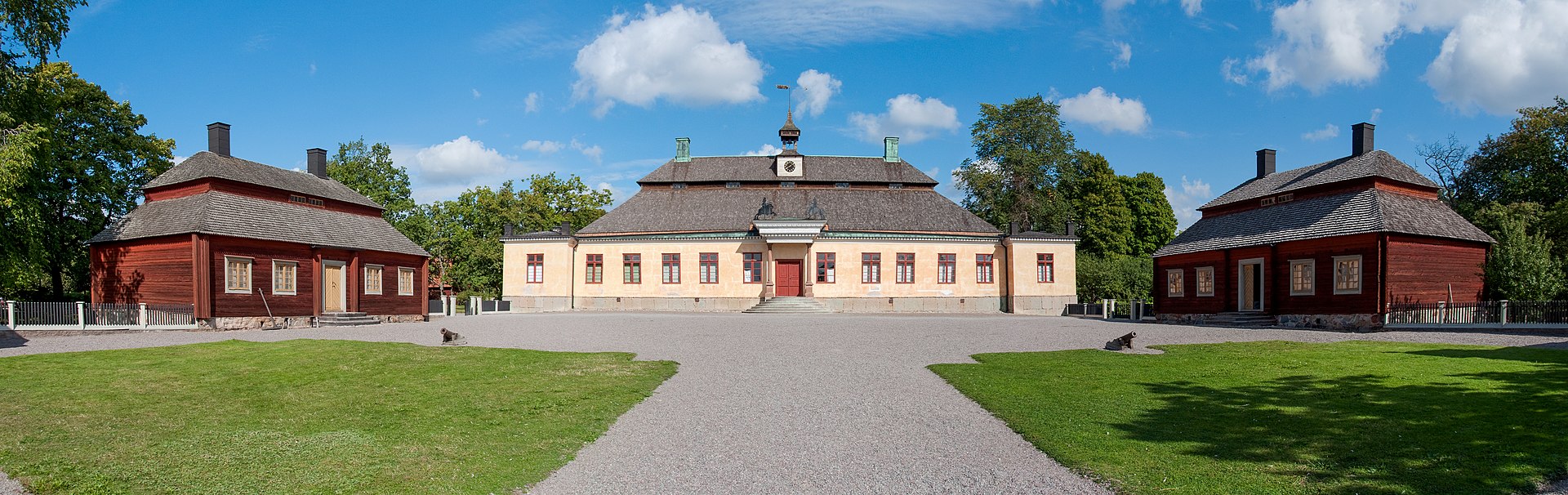
Skansen Open-Air Museum
49-51 Djurgårdsvägen, Djurgården, Stockholm, 115 21, Sweden
Skansen is the world's oldest open-air museum — founded in 1891 by Artur Hazelius to preserve traditional Swedish rural culture at a time when industrialisation was rapidly destroying it. The 75-acre hilltop site on Djurgården contains over 150 historical buildings relocated from across Sweden — farmhouses, workshops, a church, a schoolhouse, manor houses, and Sami dwellings — staffed by costumed interpreters who demonstrate traditional crafts and explain how Swedes lived before the modern era. The buildings span five centuries and represent every region and social class — a wealthy merchant's house from Gothenburg sits near a poor crofter's cottage from the north, and the comparison between them tells the story of Swedish social stratification more effectively than any textbook. The glassblower's workshop, the printing press, and the bakery produce goods using historical methods, and the seasonal festivals (Midsummer, Christmas, Walpurgis Night) bring thousands of Stockholmers to Skansen to celebrate traditions that might otherwise exist only in memory. Skansen also functions as a zoo — featuring Nordic animals (moose, bears, wolves, wolverines, seals, and the Arctic fox) in enclosures that simulate Scandinavian habitats. The combination of cultural history and Nordic wildlife makes Skansen the single most comprehensive introduction to Swedish culture available in one visit, and the hilltop location provides views across Stockholm's waterways that are among the finest in the city.
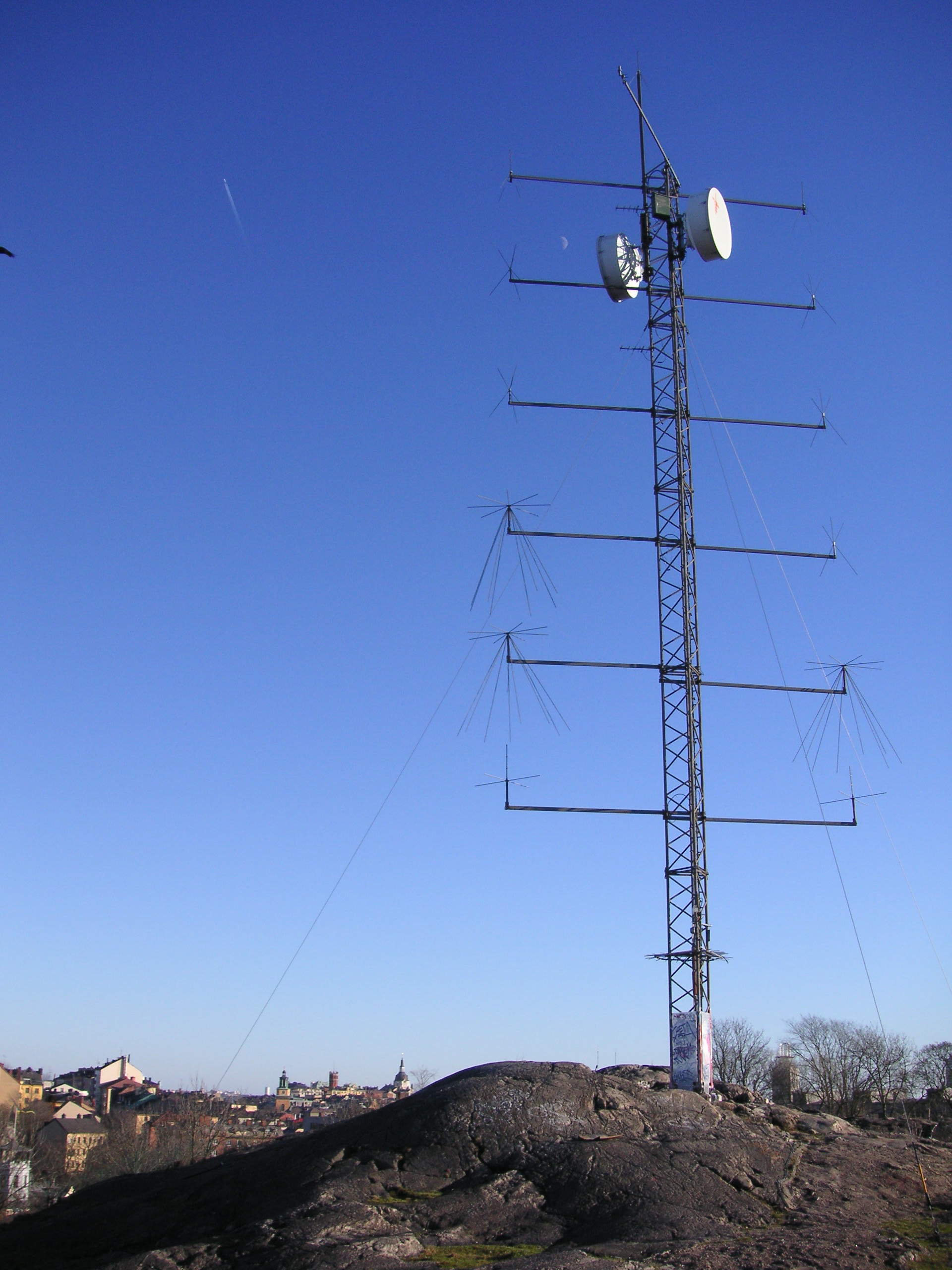
Skinnarviksberget
9B Yttersta Tvärgränd, Södermalm, Stockholm, 118 23, Sweden
The highest natural point in central Stockholm is not a tower, not an observation deck, and definitely not somewhere you will find a ticket booth. It is an unmarked rocky hill on Sodermalm, fifty-three metres above sea level, and there is nothing here except bare granite rock, a few scraggly trees, and one of the best views in Scandinavia. On a clear evening, you can see City Hall's tower rising from the water, the spires of Gamla Stan, the waterways threading between the fourteen islands that make up Stockholm, and the distant green silhouette of Djurgarden. The name translates roughly to Tanner's Hill, because in the seventeenth century this area was home to the skinnare, the tanners who processed animal hides. Tanning was a foul, smelly business that nobody wanted near their home, so the tanners were pushed to the edges of the neighbourhood. Their hill survived long after they left, and nobody built on it because the rock was too difficult to develop. What makes Skinnarviksberget special is what it does not have. No fences, no signs, no manicured paths, no entrance fee. Stockholmers just show up with blankets, wine, and picnic food. On warm summer evenings, dozens of groups spread across the rocks and sit watching the sun go down over Lake Malaren. Sometimes someone brings a guitar. Nobody organises it. It is completely informal, and locals are fiercely protective of its lack of development. The city has occasionally proposed adding railings or a proper viewing platform, and every time the residents of Sodermalm have pushed back hard. They want their hilltop exactly as it is, unfinished and free. It is possibly the most Stockholm thing in Stockholm.
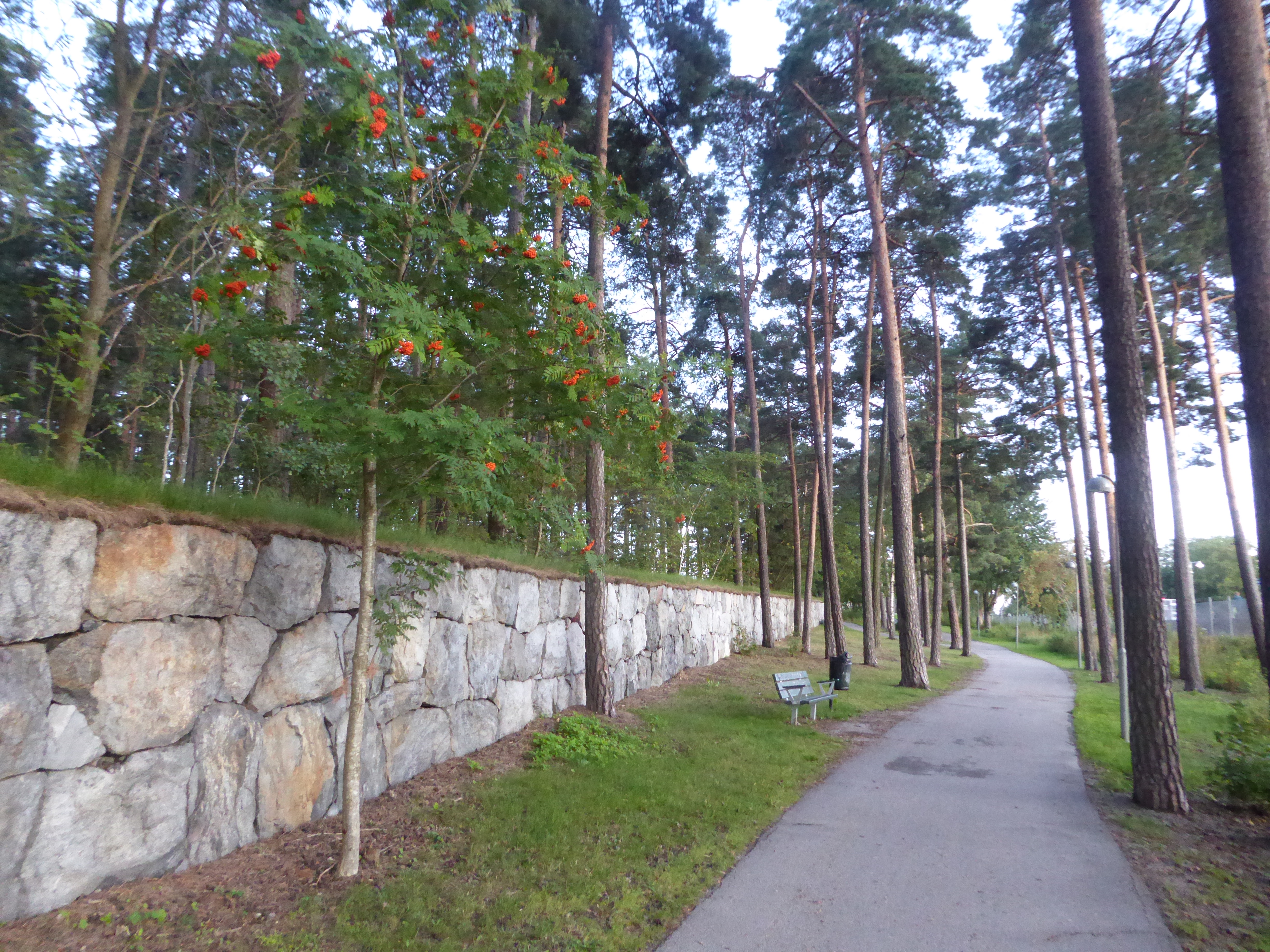
Skogskyrkogarden (Woodland Cemetery)
122 Sockenvägen, Boo, Saltsjö-Boo, 132 46, Sweden
You are standing in the only working cemetery in the world that is also a UNESCO World Heritage Site. People are still buried here. Funerals happen regularly. And UNESCO says the place is so architecturally and culturally significant that it belongs to all of humanity. That combination does not exist anywhere else on the planet. It was designed between nineteen seventeen and nineteen twenty by two architects who were barely in their twenties, Gunnar Asplund and Sigurd Lewerentz. The brief was simple. Stockholm needed a new cemetery. The site was a set of abandoned gravel pits overgrown with pine trees in the southern suburb of Enskede. Most architects would have cleared the trees and imposed a formal layout. Asplund and Lewerentz did the opposite. They worked with the landscape, letting the pine forest set the mood, tucking chapels into clearings, and using the natural topography to create a sense of moving between this world and something else. The result changed cemetery design worldwide. Before Skogskyrkogarden, cemeteries were rigid grids. After it, landscape and nature became central to how we think about burial spaces. The property covers one hundred and eight hectares and includes the Woodland Chapel, the Chapel of Resurrection, and a four-kilometre granite wall. Greta Garbo is buried here. She wanted to go home, and home was Sweden. Gunnar Asplund, the man who designed the place, is buried here too. He created his own final resting place, which is either poetic or slightly eerie depending on your mood. If you visit in autumn, when the pine needles carpet the ground and the light comes through the trees at a low angle, you will understand why UNESCO called it a masterpiece. It does not feel like a cemetery. It feels like a forest that happens to contain the dead.
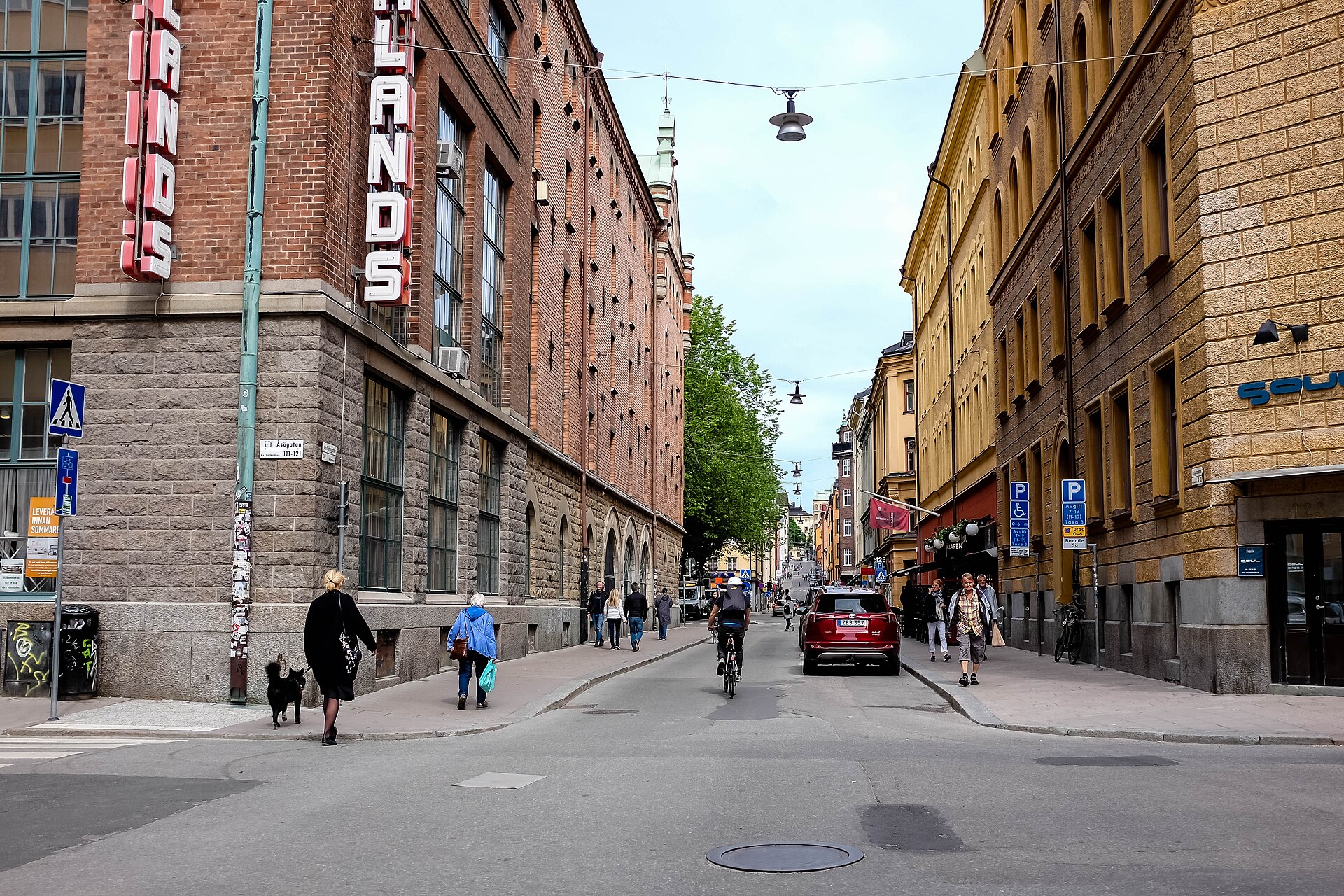
SoFo (Södermalm)
Nytorgsgatan, Södermalm, Stockholm, 116 22, Sweden
SoFo (South of Folkungagatan) is Stockholm's most characterful neighbourhood — a hilly district on the northern edge of Södermalm where independent shops, vintage stores, specialty coffee roasters, and the kind of neighbourhood restaurants that Stockholmers actually eat at have created a local scene that is the antithesis of the tourist-oriented Gamla Stan. Nytorgsgatan, the neighbourhood's main street, concentrates the food scene — from morning fika (the Swedish coffee-and-pastry ritual that is less a break and more a social institution) at Johan & Nyström (one of Stockholm's pioneer specialty coffee roasters) through lunch at Nytorget Urban Deli to evening cocktails at the bars that line the square. The vintage and design shops along Bondegatan and Skånegatan sell the kind of curated secondhand clothing, Scandinavian design objects, and independent fashion that Södermalm's creative residents demand. Södermalm as a whole is Stockholm's largest and most diverse island-neighbourhood — home to the city's creative class, its LGBTQ+ community, and the immigrant populations whose restaurants (Ethiopian, Turkish, Thai, Japanese) give the area a culinary diversity that the rest of Stockholm's relatively homogeneous dining scene can't match. The views from Södermalm's northern cliffs — looking across the water to Gamla Stan and the city centre — are among the finest in Stockholm, and the combination of elevated viewpoints, neighbourhood culture, and the general Söder attitude (relaxed, creative, slightly countercultural) makes it the most rewarding area for walking in the city.
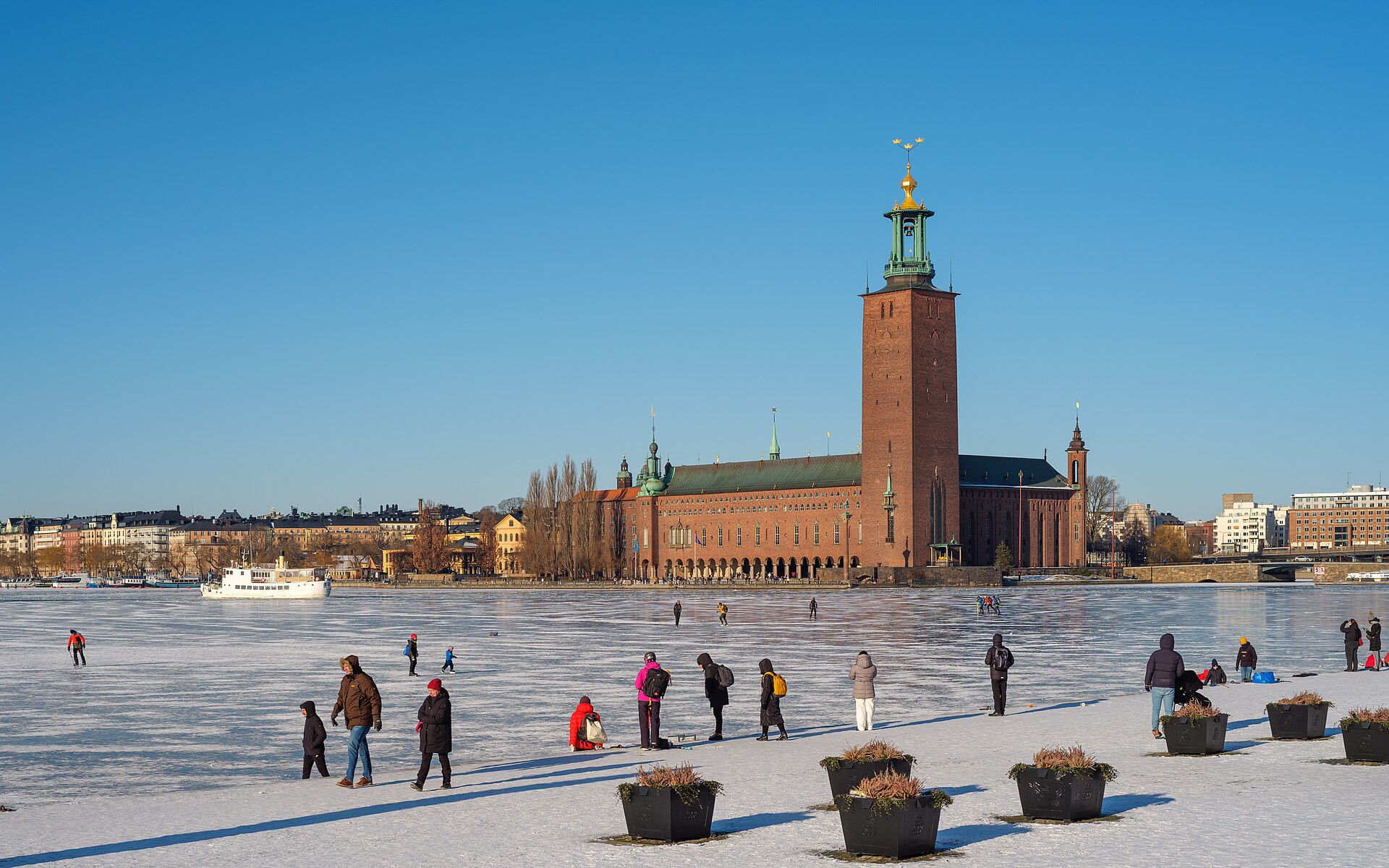
Stockholm City Hall
1 Hantverkargatan, Kungsholmen, Stockholm, 112 21, Sweden
Every December, thirteen hundred of the world's most distinguished scientists, writers, and diplomats sit down for dinner in this building. It is the Nobel Banquet, and the logistics are borderline insane. Four hundred and seventy metres of tablecloth. Six thousand seven hundred and thirty pieces of porcelain. Five thousand three hundred and eighty-four glasses. Nine thousand four hundred and twenty-two pieces of cutlery. Thirty people wearing white gloves spend an entire day laying it all out. The room where this happens is called the Blue Hall. It is not blue. Architect Ragnar Ostberg spent twelve years building this place, from nineteen eleven to nineteen twenty-three, using more than eight million hand-made red bricks. He originally planned to paint the walls of the banquet hall blue, but when the brickwork was finished, he loved the warm red colour so much he left it bare. The name Blue Hall had already stuck, and nobody bothered to change it. Upstairs is the Golden Hall, and this one lives up to its name. Eighteen million mosaic tiles cover the walls, depicting scenes from Swedish history. But here is the thing. Only about ten kilograms of actual gold were used. The gold leaf was hammered so impossibly thin that the entire room's worth of gold would fit in your backpack. Now here is a detail most visitors miss. There is a restaurant in the basement called Stadshuskallaren, and it is the only restaurant in the world that serves past Nobel Banquet menus on the official Nobel dinnerware. You can eat what the laureates ate, off the same plates. Not a bad Tuesday night.
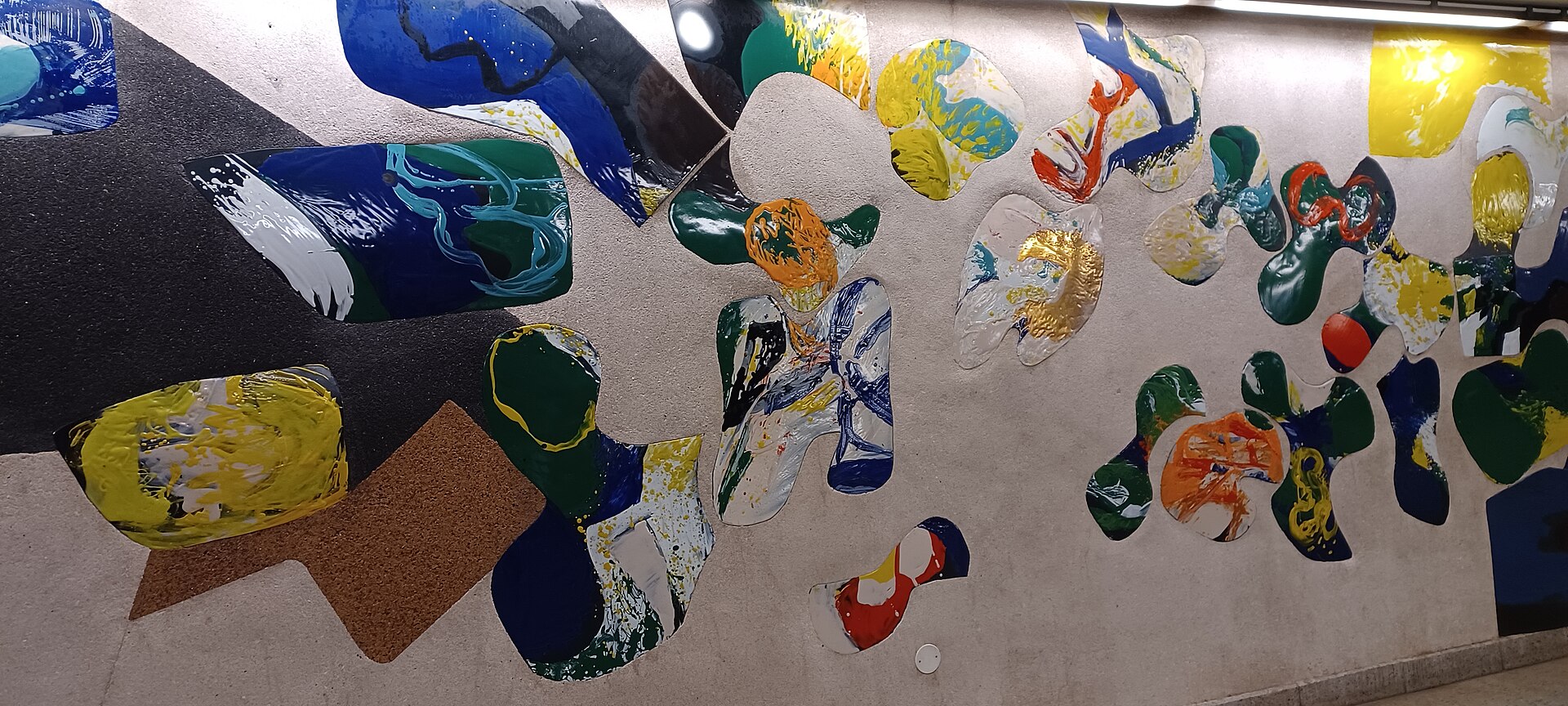
Stockholm Metro Art
Stockholm, Sweden
The Stockholm Metro is called 'the world's longest art gallery' — over 90 of the system's 100 stations are decorated with paintings, mosaics, sculptures, and installations by over 150 artists, creating a public art collection that you experience every time you ride the subway. The art programme began in the 1950s when the metro was being built, and the decision to commission artists to decorate every station has created an underground gallery that is arguably Stockholm's most democratic cultural institution. T-Centralen (the central hub station, Blue Line platforms) is the most dramatic — the cave-like rock walls are painted in blue and white with vine and leaf motifs by Per Olof Ultvedt, creating an environment that feels like a subterranean garden. Kungsträdgården station (at the end of the Blue Line) features exposed bedrock, archaeological fragments, and sculptures in a cavernous space that was controversial when built (it required demolishing part of a beloved park). Solna Centrum station (Red Line) has a massive ceiling painting in red and green depicting a rural Swedish landscape. The stations are public infrastructure — free to photograph, free to experience (with a valid ticket), and used daily by a million commuters who pass through the art with the unconscious familiarity that turns extraordinary into ordinary. A dedicated metro art tour (visiting 5-7 of the most spectacular stations) takes about 2 hours and provides one of the best free art experiences in any European city.
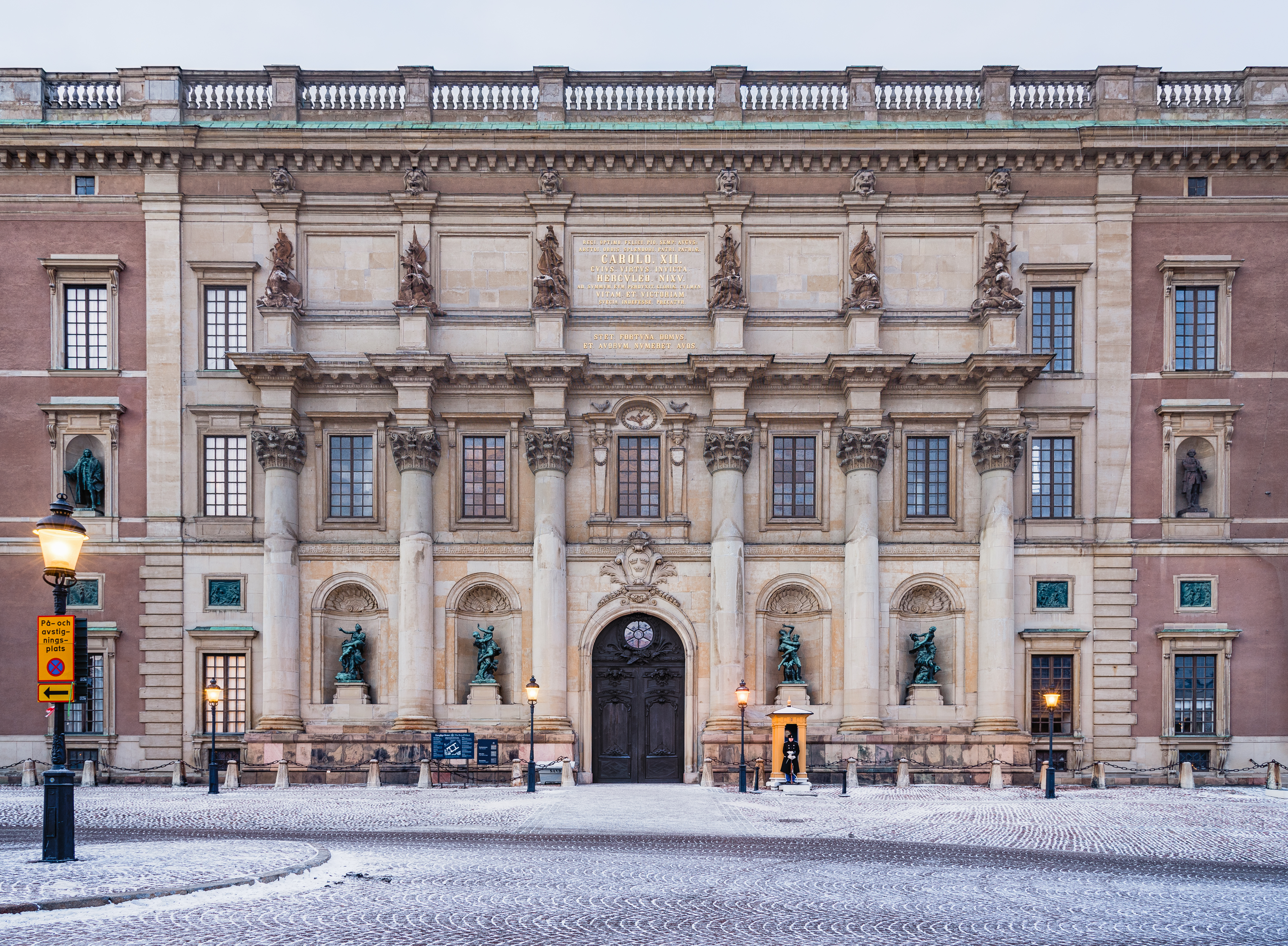
Stockholm Royal Palace
1 Slottsbacken, Södermalm, Stockholm, 111 30, Sweden
You are looking at one of the largest palaces in Europe. Over six hundred rooms across eleven floors. Two hundred and thirty metres long. And the royal family does not live here. They are out at Drottningholm Palace, about ten kilometres away, which makes this essentially a six-hundred-room office with a very long commute. But here is the story that matters. Before this palace existed, a medieval castle called Tre Kronor, meaning Three Crowns, stood on this spot. On the seventh of May, sixteen ninety-seven, it burned down. The fire was devastating, destroying most of the building and a significant portion of the royal art collection. Now, the palace architect, Nicodemus Tessin the Younger, had complete drawings for a brand new Baroque palace ready to present just six weeks after the fire. Six weeks. For a building this enormous. That is suspiciously fast, and historians have long noted that Tessin had likely been waiting for exactly this opportunity. He may even have welcomed the fire. Tessin planned a six-year build. It took nearly sixty years. The money kept running out. Sweden was fighting wars, losing wars, going bankrupt. The palace was not completed until seventeen sixty. That is sixty-three years of construction. The changing of the guard ceremony you might catch here draws roughly eight hundred thousand spectators every year. They have been doing it since the fifteenth century in some form. It is not just ceremonial, either. The Royal Guards actually protect the palace. There are real soldiers in those fancy uniforms, which makes this one of the few royal guard changes in Europe that is not purely for show.
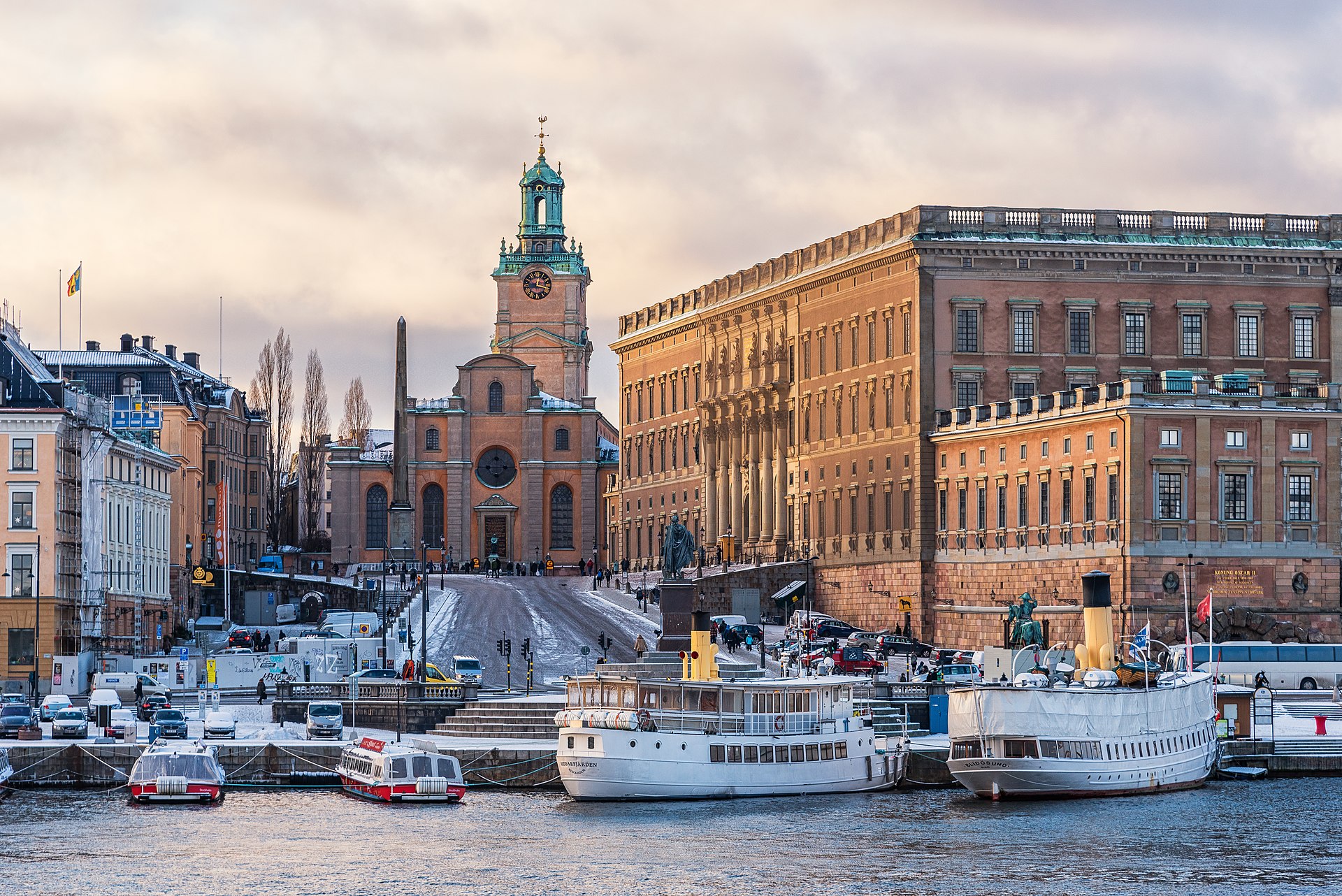
Storkyrkan (Stockholm Cathedral)
1 Trångsund, Södermalm, Stockholm, 111 29, Sweden
Stockholm's oldest church has been standing here since at least twelve seventy-nine, when it first appears in the records, and it was consecrated to Saint Nicholas in thirteen oh six. But the real reason you need to step inside is a massive wooden sculpture that is one of the most extraordinary pieces of medieval propaganda you will ever see. It is called Saint George and the Dragon, carved from oak in fourteen eighty-nine by a German master craftsman named Bernt Notke of Lubeck. The dragon is enormous. Saint George sits astride his horse, driving his lance into the beast. A princess watches from nearby. It is painted, partly gilded, and jaw-droppingly detailed for something over five hundred years old. But it is not really about a saint fighting a mythical creature. The dragon represents Denmark. The sculpture was commissioned to celebrate the Swedish victory over the Danes at the Battle of Brunkeberg in fourteen seventy-one. Saint George is Sweden. The princess is Stockholm, rescued from the Danish monster. So this glorious artwork in a house of God is actually a political flex, a permanent reminder that Sweden beat Denmark in a fight. And honestly, if you know anything about the Scandinavian rivalry, that tracks perfectly. Beyond the sculpture, this church holds another distinction. After the Reformation in fifteen twenty-seven, Storkyrkan became the first church in Sweden to hold services in Swedish instead of Latin. Think about that. For centuries, every Swede sat through services in a language they did not speak. This is where that changed. Royal weddings and coronations still happen here.
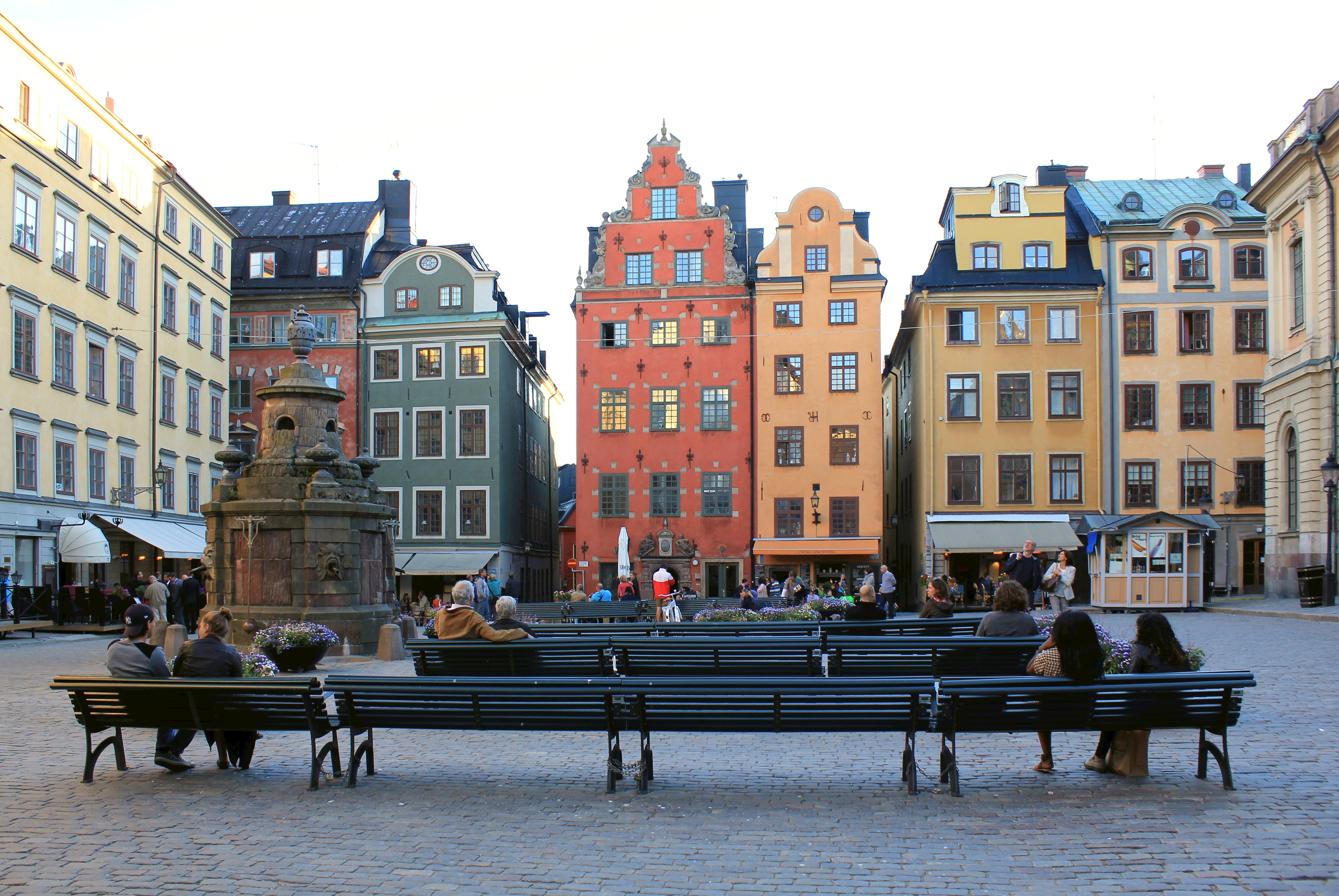
Stortorget
Stortorget, Södermalm, Stockholm, 111 29, Sweden
You are standing in the oldest square in Stockholm, and it looks absolutely gorgeous. Candy-coloured buildings, cobblestones, a little well in the middle. Postcard material. But on November eighth, fifteen twenty, this square was ankle-deep in blood. Danish King Christian the Second had just been crowned ruler of Sweden, and to celebrate, he threw a lavish three-day coronation feast. Eighty-two Swedish nobles, clergy, and prominent citizens attended. They had been explicitly promised amnesty. On the second day, the doors were locked and soldiers dragged them out here. Every last one was beheaded or hanged, right where you are standing. The chief executioner, a man named Jurgen Homut, kept a careful count. The bodies were left in the square for two days before being carted off and burned on the outskirts of the city. Christian earned himself the nickname Kristian the Tyrant, which is fair. But here is where it gets wild. The massacre was supposed to crush Swedish resistance forever. Instead, it triggered a furious rebellion led by a young nobleman named Gustav Vasa, who within three years overthrew the Danes entirely and created an independent Sweden. A coronation party turned into a mass execution that accidentally birthed an entire nation. The one hundred and fifty year Kalmar Union between Denmark and Sweden died right here on these cobblestones. Now look at the famous red building on the square, Schantzska Huset, number twenty. See the white stones dotted across its facade? Local legend says each one represents a victim's severed head. That is almost certainly not true, but Stockholmers have been telling that story for five hundred years, and nobody wants to stop.
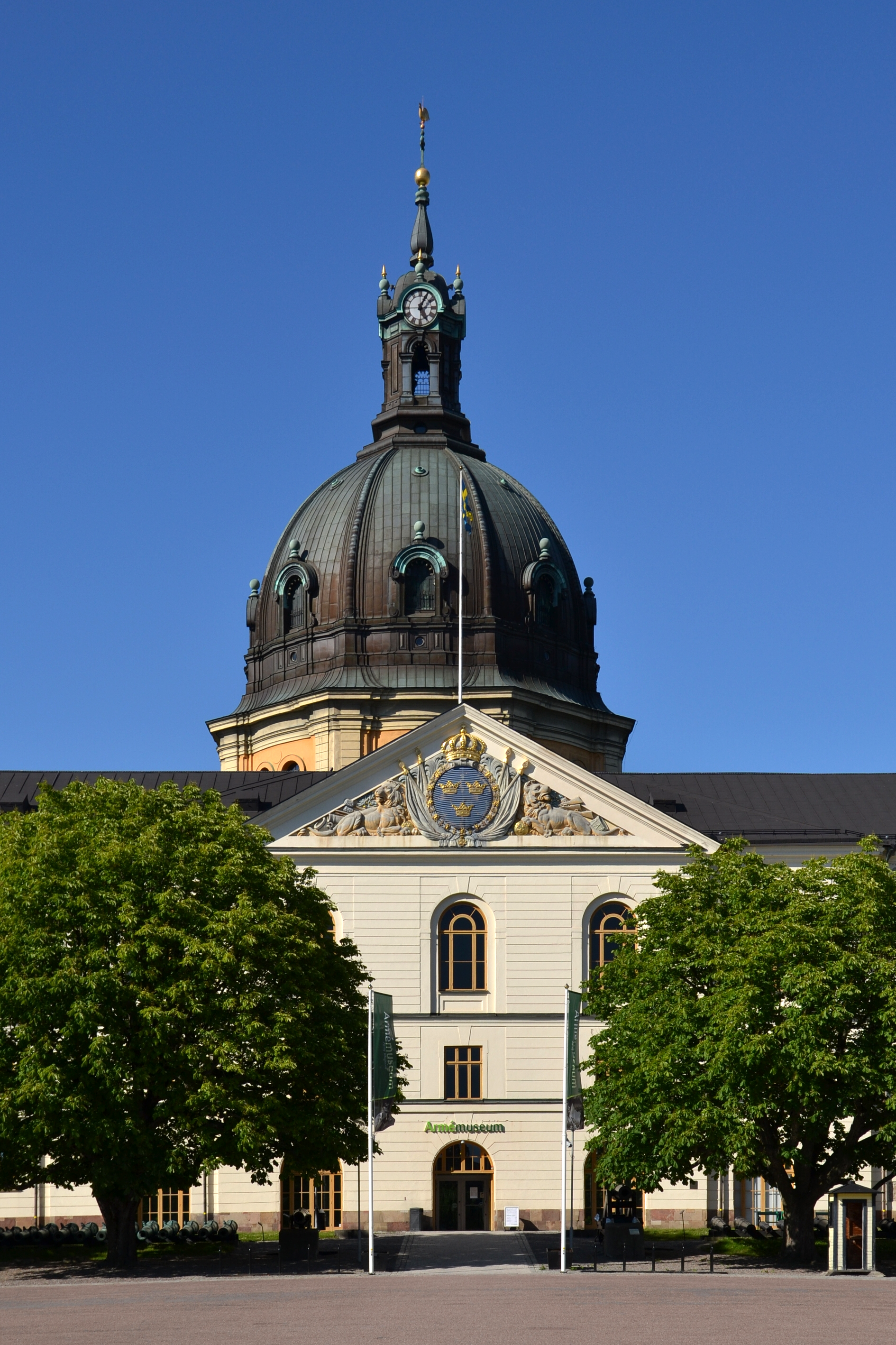
Swedish Army Museum
13 Riddargatan, Läderkanonen, Stockholm, 114 51, Sweden
Here is a fact that surprises almost everyone. Between fifteen hundred and eighteen hundred, Sweden was one of the most aggressively militaristic nations on the planet. Three hundred years of nearly continuous warfare. Swedish armies fought across Europe, from Poland to Germany to Russia. They were feared. The Swedish Empire at its peak controlled Finland, the Baltic states, and chunks of northern Germany. And then they just stopped. Sweden has not fought in any war, excluding peacekeeping missions, since the Napoleonic era in the early eighteen hundreds. That is over two hundred years of unbroken peace. No other major European power comes close to that record. This museum, housed in a seventeenth-century arsenal originally built in the sixteen thirties, tells the story of one of history's most dramatic personality changes. The building itself has been used for military purposes since the mid sixteen hundreds, with the artillery's main depot located here for nearly three hundred years. Inside, the exhibits cover everything from the Vikings through the Swedish Empire's rise and fall to the Cold War. You can see King Gustav the Second Adolf's Thirty Years War military attire. And then, in a room dedicated to the Cold War, you will find something genuinely unsettling: gas mask suits designed for toddlers, from the nineteen seventies. Tiny rubber suits with face covers, made for children who could barely walk, because Sweden took the threat of nuclear attack seriously enough to prepare even its smallest citizens. Named best museum in Stockholm in two thousand and five, this place earns it. It is the museum of a country that went from being Europe's most dangerous military power to its most peaceful, and the exhibits never flinch from either chapter.
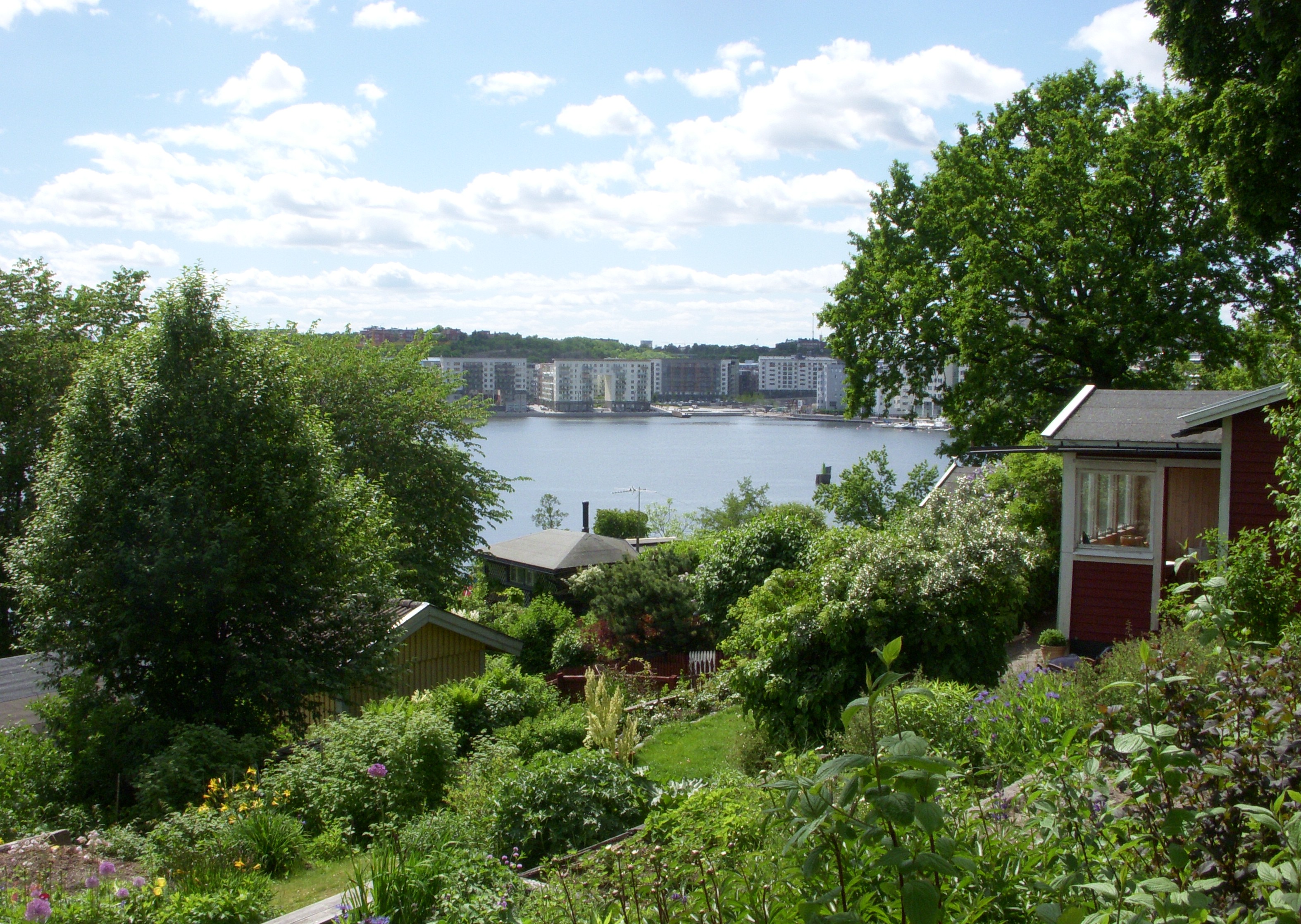
Tantolunden Allotment Gardens
24 Ringvägen, Södermalm, Stockholm, 118 67, Sweden
These tiny painted cottages scattered across the Sodermalm hillside exist because Stockholmers were starving. During World War One, food shortages hit Sweden hard, and in nineteen fifteen the city started giving working-class families small plots of land to grow potatoes and vegetables. It was a survival measure, not a lifestyle choice. Dig or go hungry. The idea was not even originally Swedish. A politician named Anna Lindhagen had established Stockholm's first allotment society in nineteen oh six after being inspired by a visit to Copenhagen's allotment gardens. She saw Danish workers growing food on borrowed land and thought, we need this. By the time the war came, the infrastructure was ready to scale. What started as emergency food production became something Stockholmers refused to give up. By the nineteen twenties, the Allotment Society was enforcing strict design rules. Cottages had to be painted red, white, yellow, or dark green, and had to follow approved models. No wild colours, no eccentric designs. These rules were not relaxed until the nineteen sixties. Over a century later, the allotments are still here, still tended, and the waiting list is years long. Tantolunden is among the oldest of roughly one hundred and fifty allotment garden areas across Stockholm, and one of Sweden's largest colony garden areas. The cottages look like a miniature village from a children's book. Each one is barely bigger than a garden shed, but they are maintained with obsessive care. In summer, the gardens explode with flowers and vegetables. The irony is sharp. What began as a desperate wartime measure is now prime real estate that people queue for years to access.
Tyska Kyrkan (German Church)
16 Svartmangatan, Södermalm, Stockholm, 111 29, Sweden
The tallest building in Gamla Stan is not Swedish. That ninety-six-metre tower looming over the medieval rooftops belongs to the German Church, and it tells you something surprising about who really ran Stockholm for much of its history. German merchants dominated trade in medieval Stockholm to such an extent that by the fourteenth century, roughly a quarter of the city's population was German. They controlled the Hanseatic trade routes that made Stockholm wealthy. In fifteen seventy-one, King John the Third granted the German merchant community the right to form their own ecclesiastical parish, the first German church parish established outside of Germany. They were not guests. They were a power base. The current tower was built in eighteen seventy-eight after the previous one was destroyed by fire. At ninety-six metres, it is the tallest structure in all of Gamla Stan, which means the most prominent feature of Stockholm's medieval skyline belongs to a foreign community. Inside, the church is lavishly decorated, and the standout piece is the Kungalaktaren, the King's Gallery. It was designed by Nicodemus Tessin the Elder for Queen Hedvig Eleonora, who was herself of German descent. Tessin is better known as the architect of Drottningholm Palace. The gallery is an ornate private viewing box where the queen could attend services without mingling with the congregation below. So a German queen, in a German church, in a Swedish city, watched over by architecture designed by the man who built Sweden's most famous palace. Stockholm's identity has always been more international than people assume.
Uppland Runic Inscription 53
Kåkbrinken, Södermalm, Stockholm, 111 27, Sweden
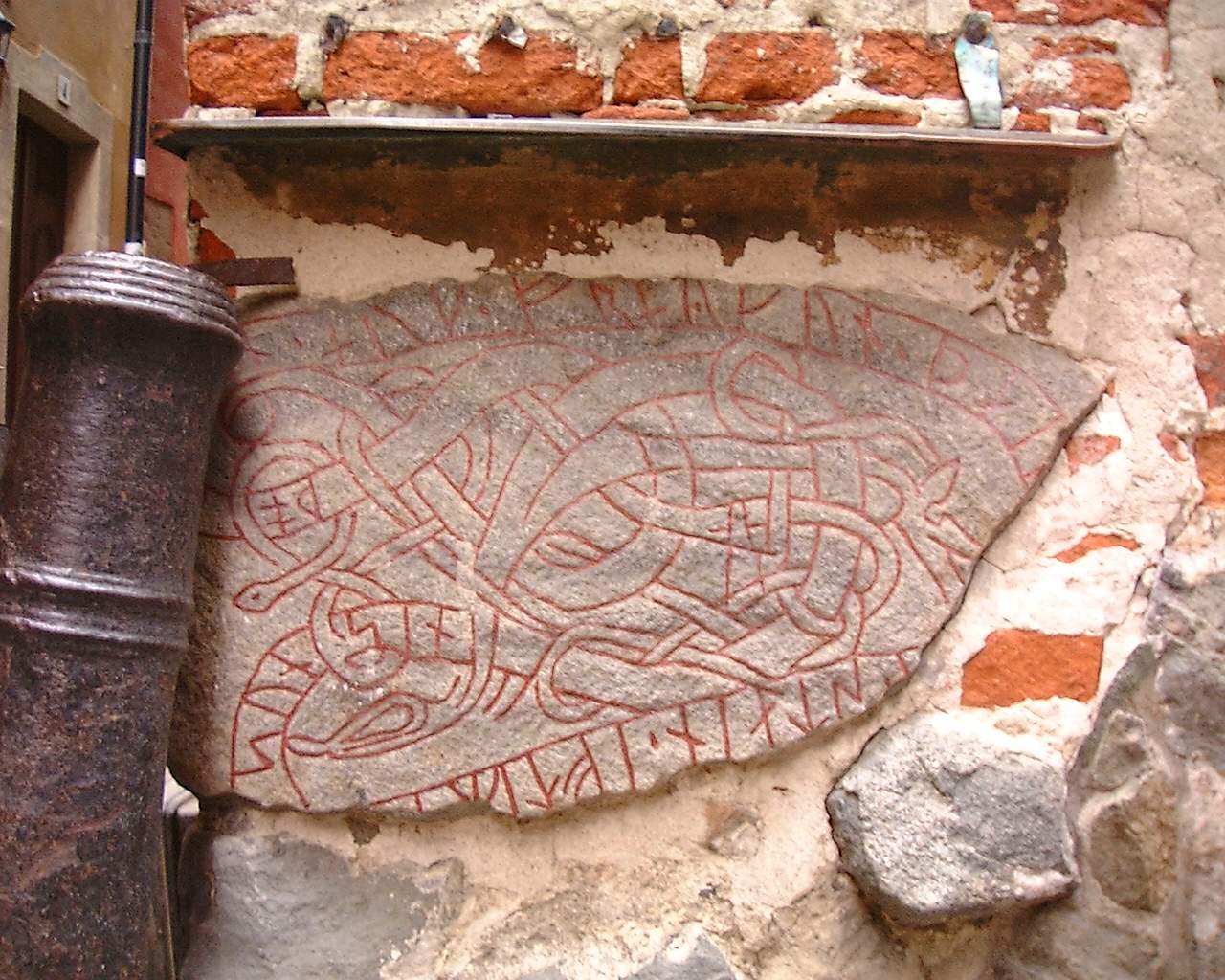
Look at the corner of the building where Prastgatan meets Kakbrinken. About halfway up the wall, embedded in the stone like it has always been there, is a slab of rock covered in looping, intertwined carvings. That is a Viking runestone, and it is roughly a thousand years old. Let that sink in. It is two hundred years older than Stockholm itself. The inscription reads Torsten and Frogunn had the stone erected after their son. That is it. A memorial for a dead child, carved around the year one thousand, probably somewhere out in the Swedish countryside. The female name Frogunn is a pagan name, which helps date the stone to the pre-Christian era, before Sweden converted. So how did a Viking memorial end up in the wall of a building in central Stockholm? Nobody knows for sure. At some point, someone needed a flat piece of stone for construction and grabbed the nearest one. Runestones were repurposed as building material all across Scandinavia. It is the Viking equivalent of using a Roman column as a doorstep. A two thousand and two laser scan revealed that two different carvers worked on the stone, likely a master and an apprentice, based on variations in the depth and angle of the strokes. The first historical record of this stone comes from the seventeenth century, when a man called Johannes Bureus documented it. It is one of three runestones found in Gamla Stan. Most people walk past it every day without looking up. You are standing in front of a thousand-year-old Viking gravestone that someone just used as a brick.
Vasa Museum
14 Galärvarvsvägen, Djurgården, Stockholm, 115 21, Sweden
So here is the story. It is sixteen twenty-eight, and the Swedish Empire has just built the most expensive, most heavily armed warship in the world. Sixty-four bronze cannons. Seven hundred carved sculptures. Gold leaf everywhere. King Gustav the Second Adolf personally approved the design, and nobody was going to tell the king his ship was wrong. Except the ship was catastrophically wrong. Before launch, they ran a stability test. Thirty sailors ran back and forth across the deck and the ship rolled so violently they had to stop after three passes or it would have capsized right there at the dock. The officer in charge looked at the results, looked at the king's expectations, and said nothing. On August tenth, the Vasa set sail on her maiden voyage in front of cheering crowds. She made it about thirteen hundred metres. A gust of wind hit, the ship heeled over, water poured through the open gun ports, and she went straight to the bottom. Thirty people died, including women and children who had been invited aboard for the celebration. The whole thing took about twenty minutes. Here is the incredible part. She sat on the seabed for three hundred and thirty-three years, and when they pulled her up in nineteen sixty-one, over ninety-five percent of the original wood was intact. The cold, brackish Baltic water lacked the shipworms that would have eaten her in any other ocean. It took seventeen years of spraying with a special wax called polyethylene glycol to preserve her. Over forty-five million people have visited since. You are looking at the world's most spectacular failure, perfectly preserved.