The name of this garden is a political message. Korakuen translates roughly to 'enjoy after' — and it comes from a Chinese proverb meaning that a ruler should only enjoy pleasure after achieving happiness for his people. A Confucian scholar named Zhu Zhiyu suggested the name to Tokugawa Mitsukuni, who completed the garden in the mid-seventeenth century. It was a not-so-subtle reminder to the shogun's family about their responsibilities. Imagine naming your government's garden 'Remember the People.'
The garden was started in sixteen twenty-nine by Tokugawa Yorifusa, the eleventh son of the legendary Tokugawa Ieyasu. It is one of the two oldest surviving gardens in Tokyo, and it carries a dual designation as both a Special National Historic Site and a Special Place of Scenic Beauty — one of only a handful of sites in all of Japan to hold both titles simultaneously.
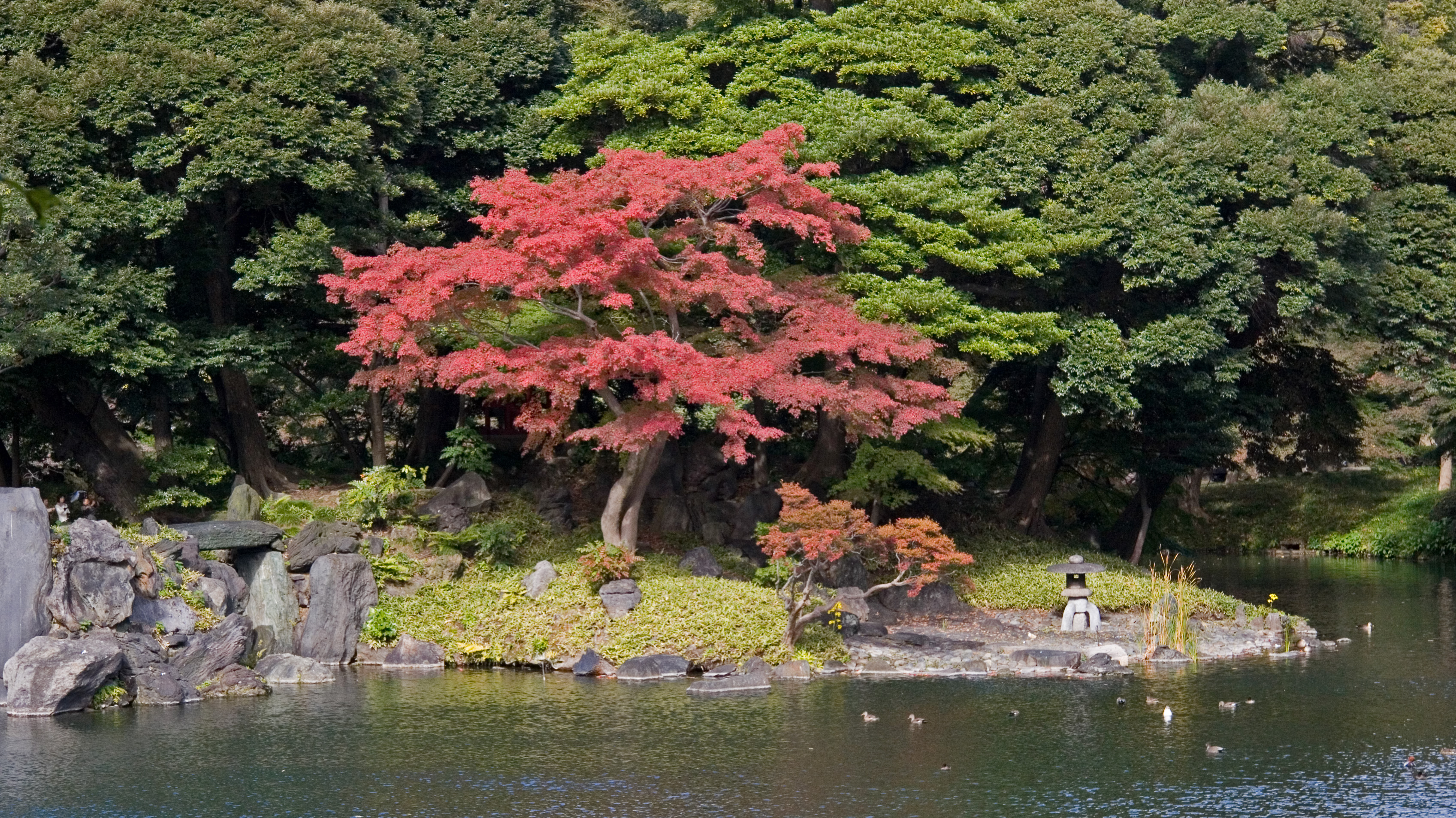
Scattered throughout the seventy thousand square metres of grounds are miniature replicas of famous landscapes from both Japan and China. You will find a tiny version of the Togetsu Bridge from Kyoto's Arashiyama, a recreation of China's West Lake, and a representation of the Lushan mountains. The garden was designed as a greatest-hits tour of East Asian scenery, compressed into a single Tokyo park.
Today, Koishikawa Korakuen sits right next to Tokyo Dome, the massive baseball stadium. The juxtaposition is characteristically Tokyo — a four-hundred-year-old garden of Confucian philosophy sharing a fence with a venue that hosts baseball games and rock concerts. You can hear the crowd from inside the garden on game days. The shoguns probably did not anticipate that.
Verified Facts
Started in 1629 by Tokugawa Yorifusa (11th son of Ieyasu), one of Tokyo's two oldest gardens
Named 'Korakuen' by Confucian scholar Zhu Zhiyu: 'a ruler should enjoy only after his people are happy'
Dual designation: Special National Historic Site and Special Place of Scenic Beauty since 1952
70,000+ sqm grounds with miniature replicas of famous Japanese and Chinese landscapes
Get walking directions
Koraku 1-Chōme, Koraku, Bunkyo, Japan