You are walking through a forest that should not exist. Every single one of these trees was planted by hand. When this shrine was built in nineteen twenty to honour Emperor Meiji and Empress Shoken, the designers brought in one hundred thousand trees from every region of Japan and created an entirely artificial forest on what had been open land. Over a century later, the forest has matured into a self-sustaining ecosystem covering a hundred and seventy-five acres right in the middle of Tokyo. It genuinely feels like ancient woodland. It is not.
Now, as you approach the shrine buildings, look for the rows of barrels along the path. You will spot traditional sake barrels, which makes sense at a Shinto shrine. But on the opposite side, you will see something bizarre — rows of French Burgundy wine barrels. Those are there because Emperor Meiji was a devoted wine lover who embraced Western culture during Japan's rapid modernisation. French wineries from Burgundy donate roughly a hundred and eighty bottles annually, and the donations have sometimes included Romanee-Conti, one of the most expensive wines on the planet. As for the sake barrels, here is a fun detail — they are empty. When two thousand breweries started donating more sake than the shrine could handle, the tradition shifted to symbolic empty barrels to prevent waste.
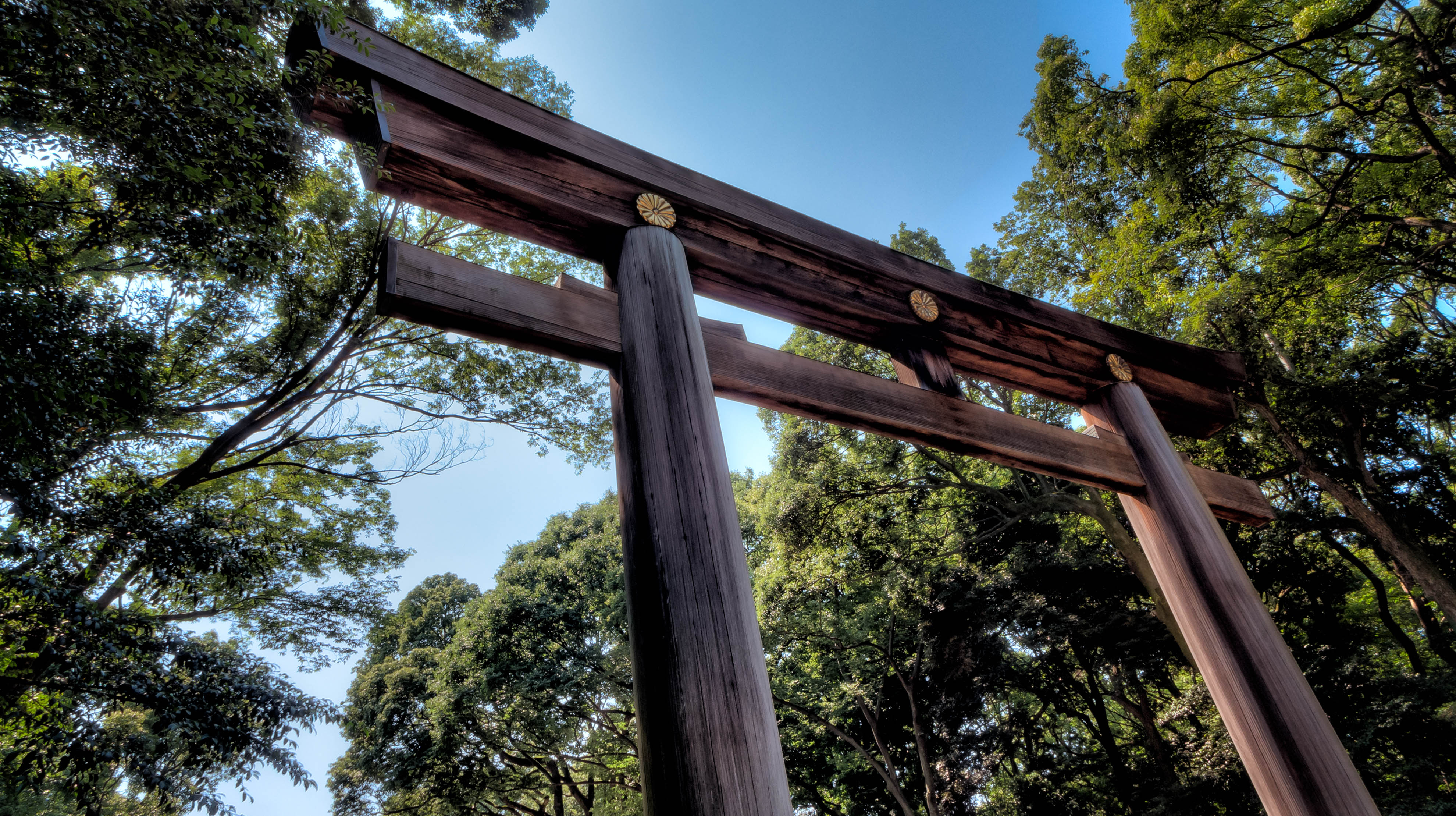
Meiji Shrine is the most visited shrine in Japan during hatsumode, the first shrine visit of the New Year, when over three million people come in just three days. The shrine was destroyed in the nineteen forty-five air raids and rebuilt in nineteen fifty-eight. The massive torii gate at the entrance is made from a single seventeen-hundred-year-old cypress tree sourced from Taiwan. The original gate was also cypress, felled by lightning in nineteen sixty-six.
Verified Facts
175-acre forest is entirely man-made, 100,000 trees planted in 1920
Burgundy wine barrels displayed because Emperor Meiji loved wine
Sake barrels are ceremonially empty to prevent waste
Over 3 million visitors during New Year hatsumode
Destroyed in 1945 air raids, rebuilt 1958
Get walking directions
Shibuya, 151-0053, Japan