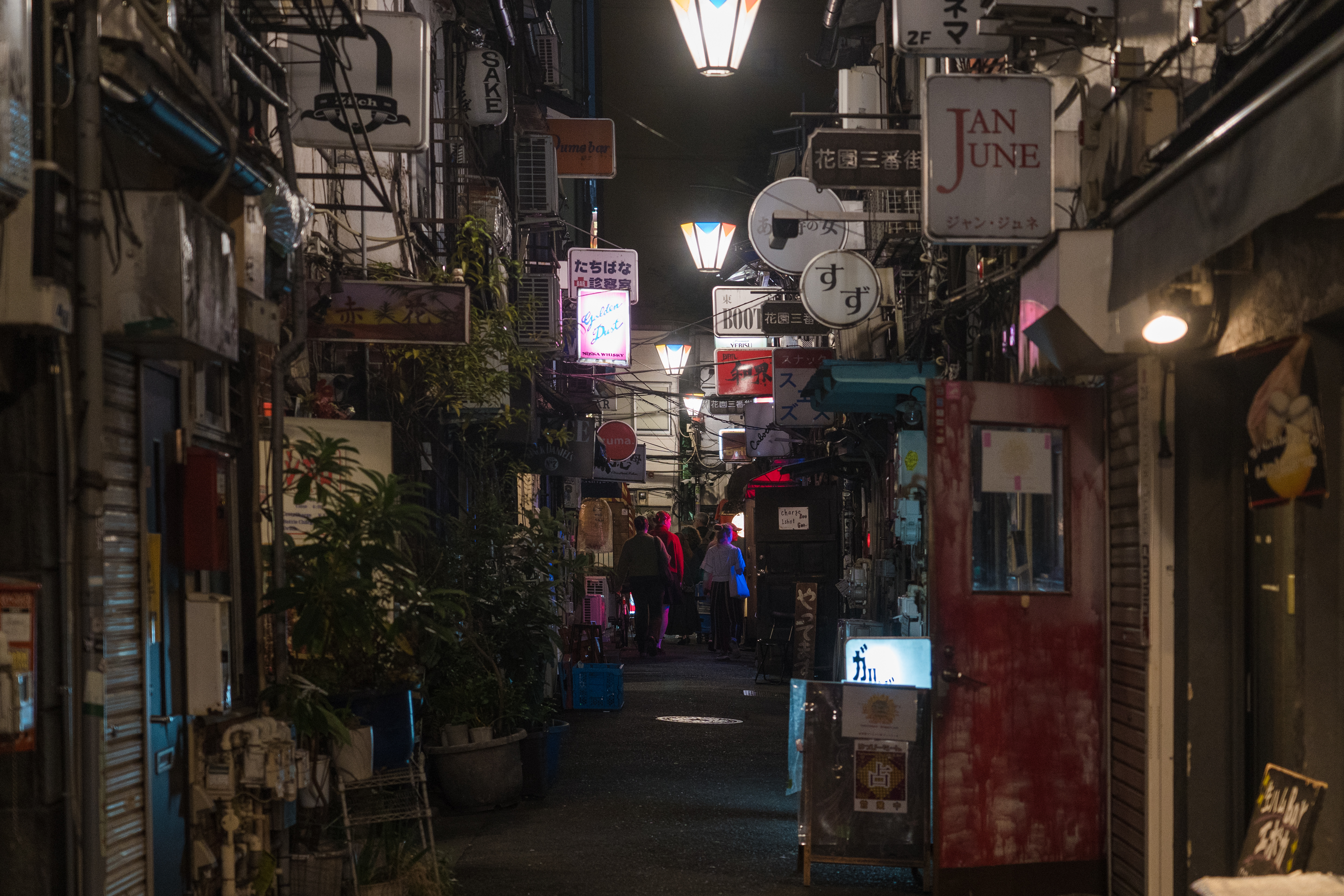
Notice how narrow the streets are here. That is not a quirky design choice — it is a consequence of never being bombed. Shimokitazawa escaped the Second World War air raids entirely, which means its street layout is essentially unchanged from before automobiles existed. The lanes twist and dead-end in ways that make no sense for modern traffic because they were never redesigned for it. You are walking through a medieval street plan in a twenty-first-century city.
The neighbourhood's story is a sequence of lucky accidents. After the nineteen twenty-three Great Kanto Earthquake devastated central Tokyo, residents from the inner city fled here to escape future disasters, kickstarting its growth as a residential area. After the war, Shimokitazawa became one of Tokyo's most important black markets — a place where you could buy anything the authorities would rather you could not. By the nineteen sixties and seventies, the black market energy had transformed into counterculture energy. Musicians, poets, and fringe theatre groups moved in because the rents were cheap and nobody was watching.
In nineteen eighty-one, Honda Kazuo opened the Suzunari Theater here, followed by the Honda Theater in nineteen eighty-two. These small venues anchored what became Japan's 'third-generation small-scale theater' movement — experimental performances in spaces so tiny the actors could touch the audience. That theatrical tradition continues today, with over a dozen small theatres scattered through the neighbourhood.
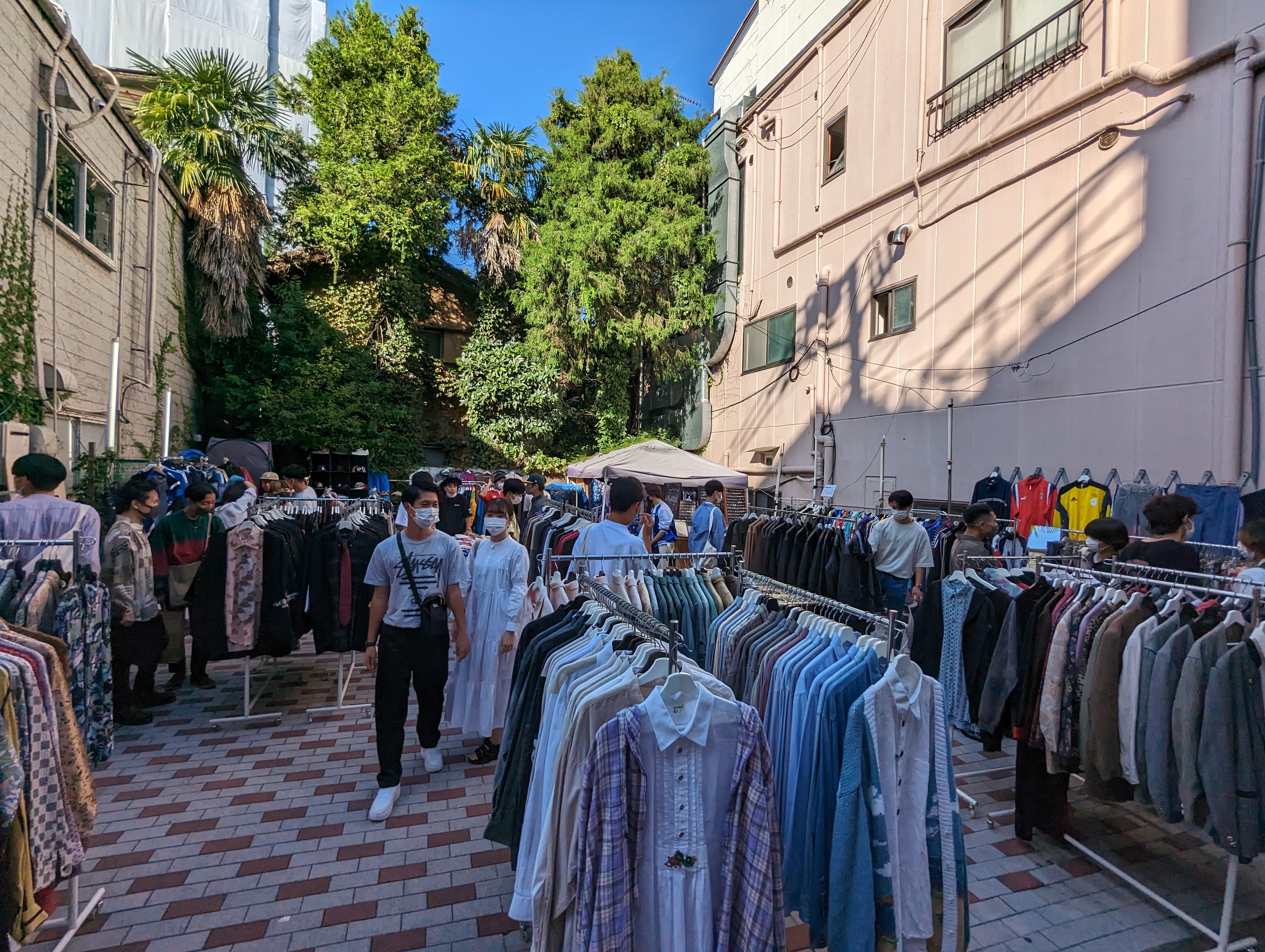
Shimokitazawa is now synonymous with vintage clothing, independent record shops, and hole-in-the-wall cafes. But it almost did not survive into the modern era. For years, city planners wanted to demolish the narrow streets and rebuild with wide modern roads. Residents fought back, and the compromise preserved the winding lanes while adding new development alongside. The chaos is the point.
Verified Facts
Escaped WWII bombing entirely, streets retain pre-automobile width
1923 earthquake refugees from central Tokyo kickstarted the area's growth
Honda Kazuo opened Suzunari Theater 1981 and Honda Theater 1982
Was a major postwar black market before becoming counterculture hub in 1960s-70s
Get walking directions
Kitazawa, Kitazawa, Setagaya, Japan