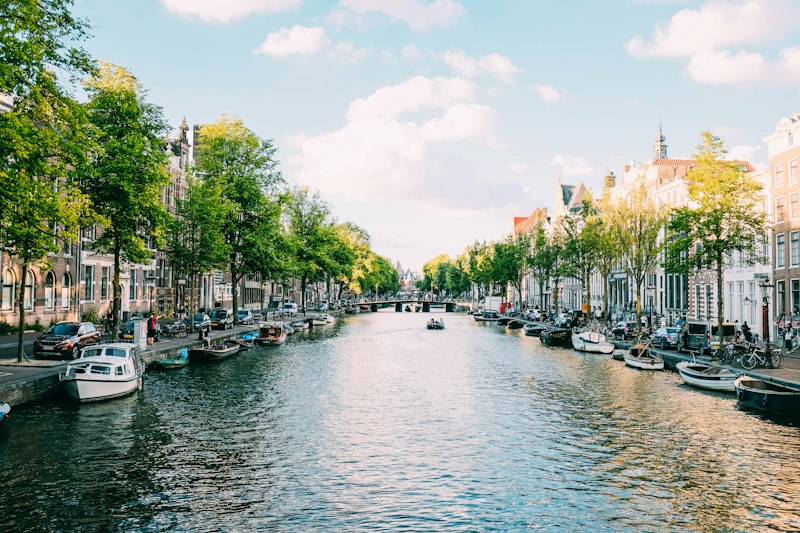
Walking Tours in Amsterdam
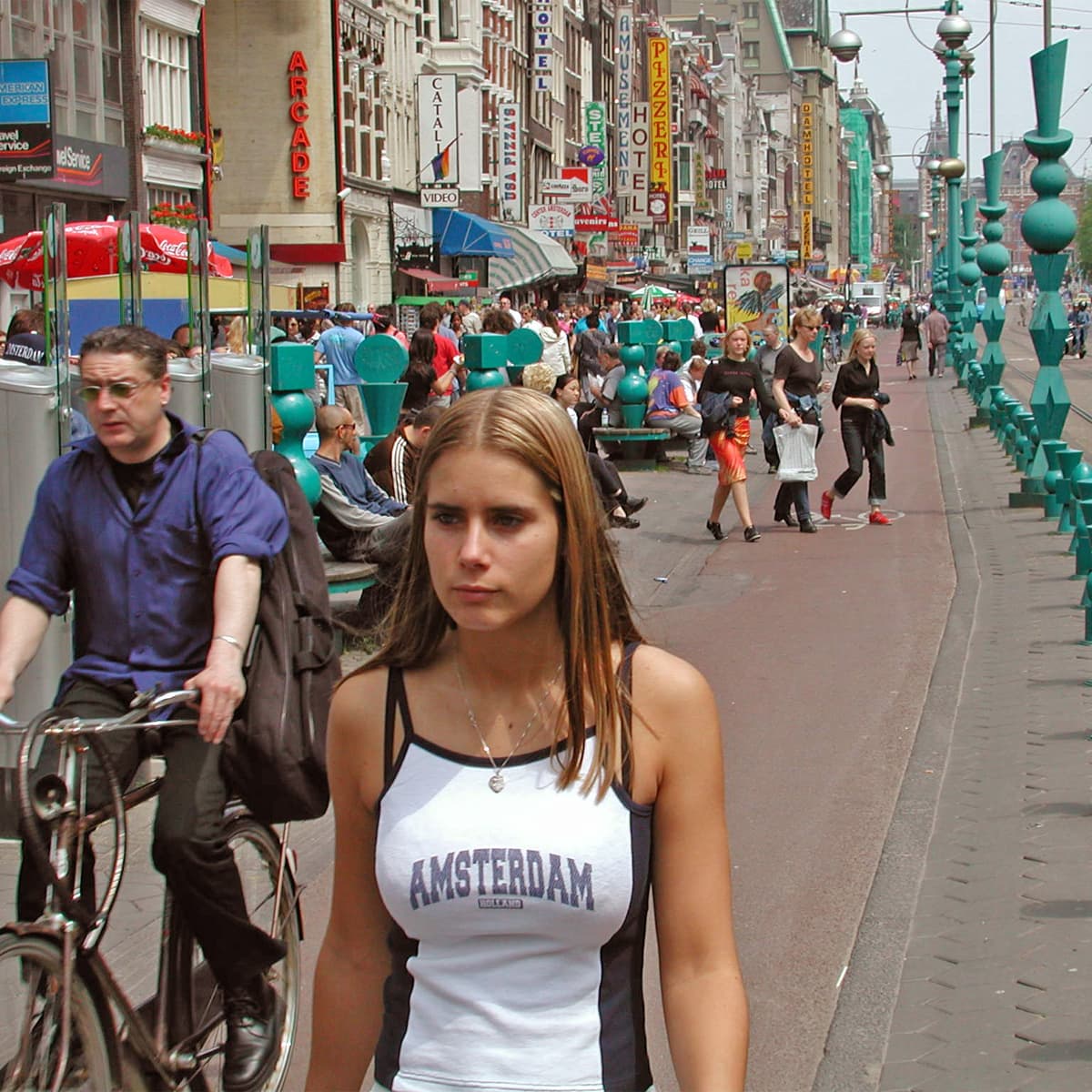
Amsterdam City Walk
A 3 km GPS-guided walk through the heart of Netherlands. Visit Amsterdam City Walk, Damrak: Station to Stock Exchange, Damrak: Stock Exchange to Dam Square, and Dam Square — with narrated stories at every stop.
Amsterdam: De Pijp — The Latin Quarter
Amsterdam's gritty multicultural south — fresh stroopwafels at Europe's largest street market, craft beer in a converted nunnery, and streets named for every Dutch Golden Age painter.
Amsterdam: Golden Age Canals & the Old Centre
Walk from the train station through the Dam, along the Golden Age canal ring to the Anne Frank House, through the Jordaan's narrow lanes, past brown cafes and bicycle chaos, to the Rijksmuseum and the Vondelpark — tracing four centuries of Dutch tolerance, trade, and art.
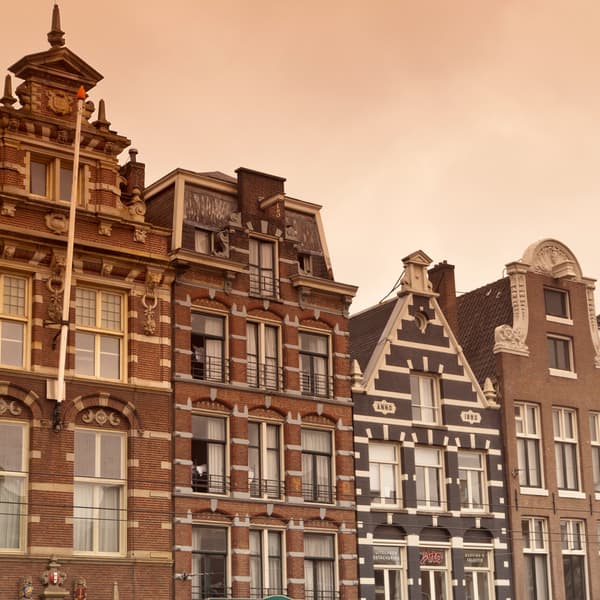
Amsterdam: Jordaan Walk
A 14-stop walking tour through the heart of Netherlands. Visit Amsterdam's Jordaan Walk, Molsteeg, Torensluis Bridge, and Oude Leliestraat — with narrated stories at every stop.
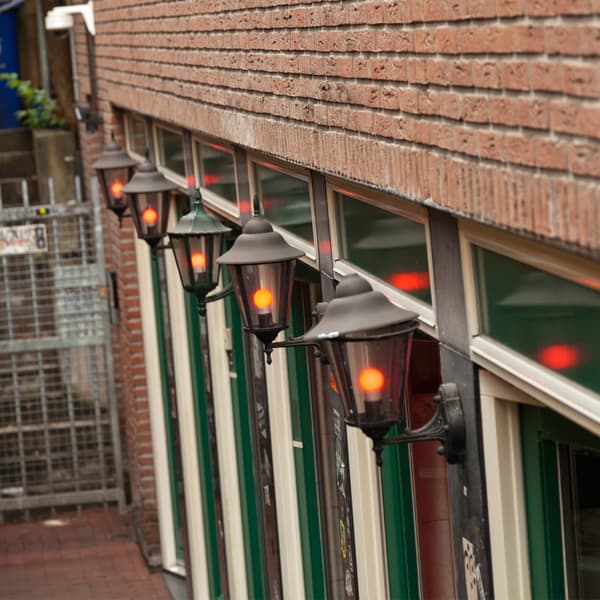
Amsterdam: Red Light District Walk
A 13-stop walking tour through the heart of Netherlands. Visit Amsterdam’s Red Light District, Old Church (Oude Kerk), Bulldog Coffeeshop, and Prostitutes in Narrow Alleyways — with narrated stories at every stop.
Amsterdam: Southern Canal Ring & Golden Bend
The UNESCO canal belt Rick Steves skips — Mata Hari's wedding venue, a cat museum for a ginger tomcat, a 350-year-old temporary church, and Amsterdam's most romantic bridge lit by 1,200 bulbs.
30 Landmarks in Amsterdam
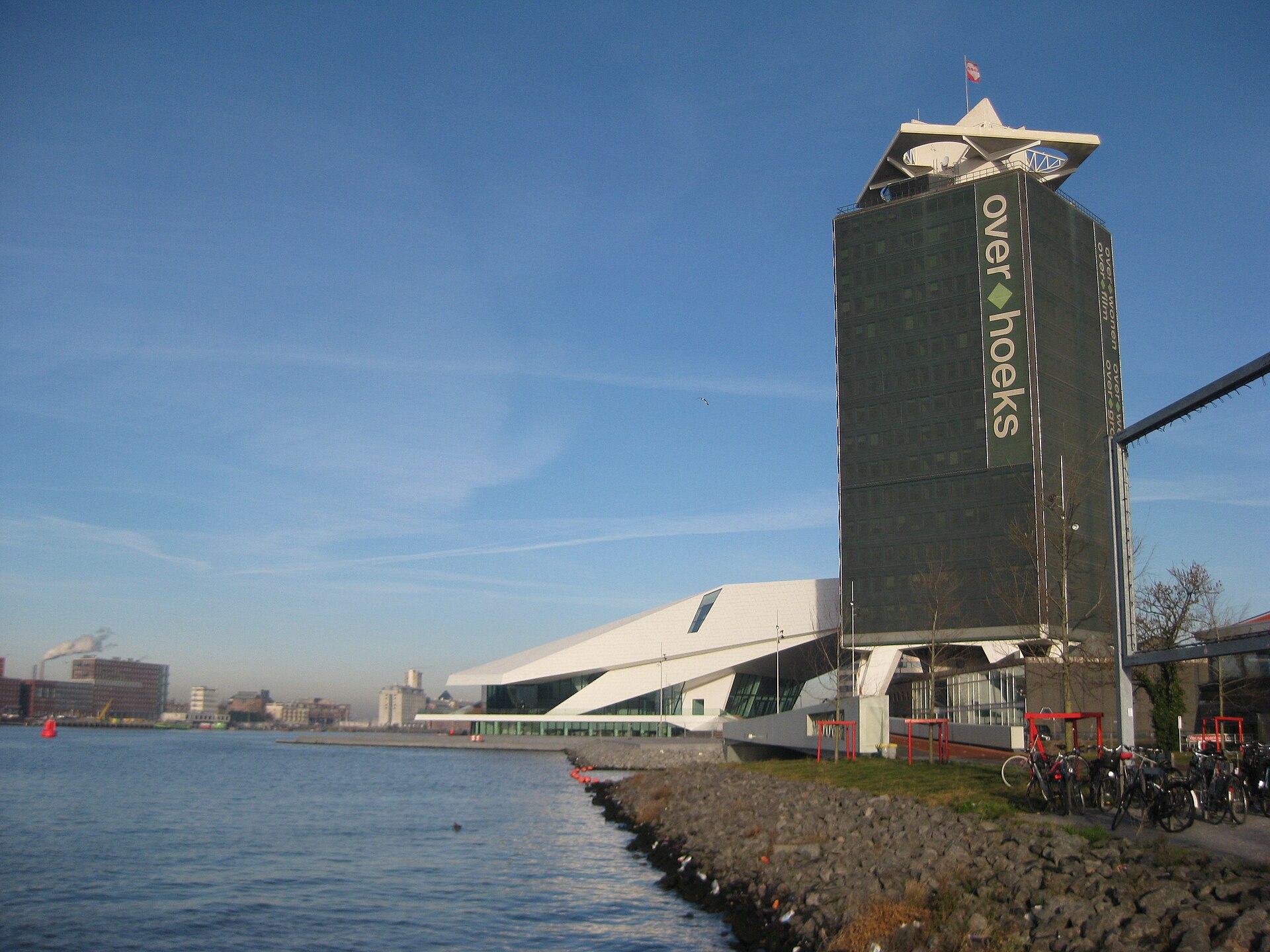
A'DAM Lookout
5 Overhoeksplein, Northern IJ Banks West, Amsterdam, 1031 KS, Netherlands
For decades, this 22-story tower was the corporate headquarters of Royal Dutch Shell, and nobody except oil company employees ever saw the view from the top. The building opened in 1971 as the Shell Overhoeks Tower, designed by architect Arthur Staal, and it dominated the north bank of the IJ river like a concrete monument to fossil fuels. When Shell moved out in 2003, the tower sat empty, and the city spent years figuring out what to do with it. The answer was A'DAM — short for Amsterdam Dance and Music. The tower was gutted and reimagined as a creative hub: a boutique hotel, a revolving restaurant, recording studios, co-working spaces, a nightclub on the ground floor, and the observation deck on top that draws tourists by the thousands. The rooftop swing — "Over the Edge" — lets visitors swing out over the building's edge at 100 meters above the ground, which is either thrilling or terrifying depending on your relationship with heights. The panoramic view from the observation deck is arguably the best in Amsterdam. You can see the entire city laid out below: the canal belt radiating outward from Dam Square, the green rectangle of Vondelpark, the harbor, the polders stretching toward the horizon. On clear days you can see all the way to the dunes at the coast. The transformation of this side of the IJ tells Amsterdam's recent story in miniature. What was once an industrial backwater is now a booming cultural district, anchored by the A'DAM Tower and the EYE Film Museum across the plaza. Take the free ferry from behind Centraal Station — the crossing takes five minutes and gives you the best approach view of the Amsterdam skyline.
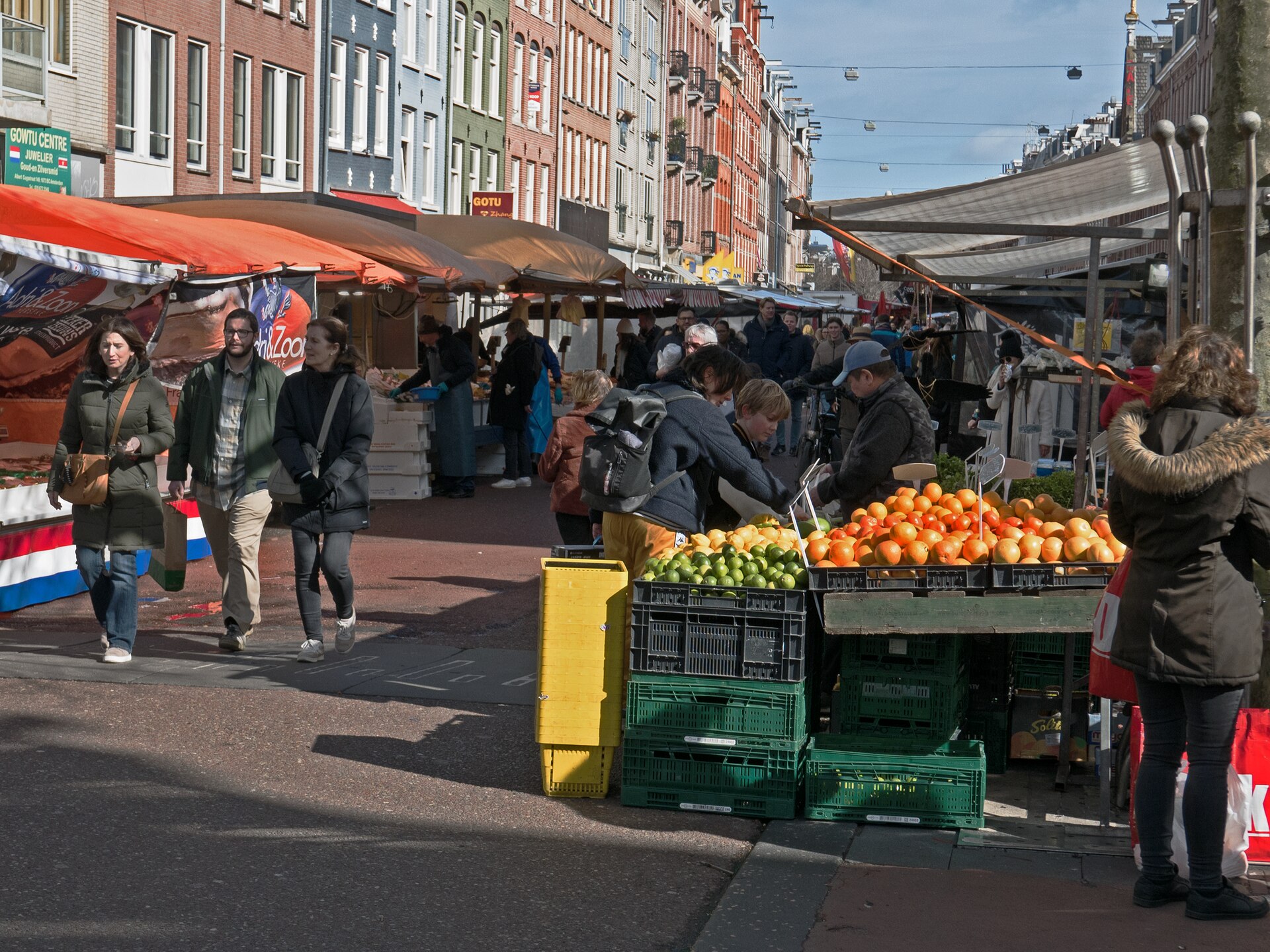
Albert Cuyp Market
Albert Cuypstraat, Oude Pijp, Amsterdam, 1073 BK, Netherlands
If you want to understand Amsterdam beyond the canals and museums, come here. The Albert Cuyp Market is the largest and most popular outdoor market in the Netherlands — 260 stands stretching down a single street in the De Pijp neighborhood, selling everything from Vietnamese spring rolls to freshly made stroopwafels to luggage and secondhand books. It runs six days a week, rain or shine, and it has since 1912. The market started in 1905 as a small Saturday evening affair. Street traders and pushcart vendors had been gathering informally along the Albert Cuypstraat for years, and the chaos eventually forced the city to officialize it. By 1912 it operated daily, and it's barely paused since. The street is named after Albert Cuyp, a 17th-century Dutch landscape painter, though nothing about the market today suggests fine art — this is commerce in its rawest, most democratic form. De Pijp itself deserves attention. Built in the late 19th century as dense worker housing, the neighborhood was originally called "the Pipe" either because the long, narrow streets resembled pipe stems or because the area was boring as a pipe. Immigration transformed it into one of Amsterdam's most multicultural quarters. Surinamese, Turkish, Moroccan, and Indonesian communities layered their flavors onto the Dutch foundation, and the market reflects that mix perfectly. The stroopwafel stalls are the essential stop. Watch the vendor press two thin waffle layers, split them apart while they're still warm, spread a caramel syrup filling between them, and hand you the result. Eat it immediately. The ones you buy in supermarkets are shadows of this.
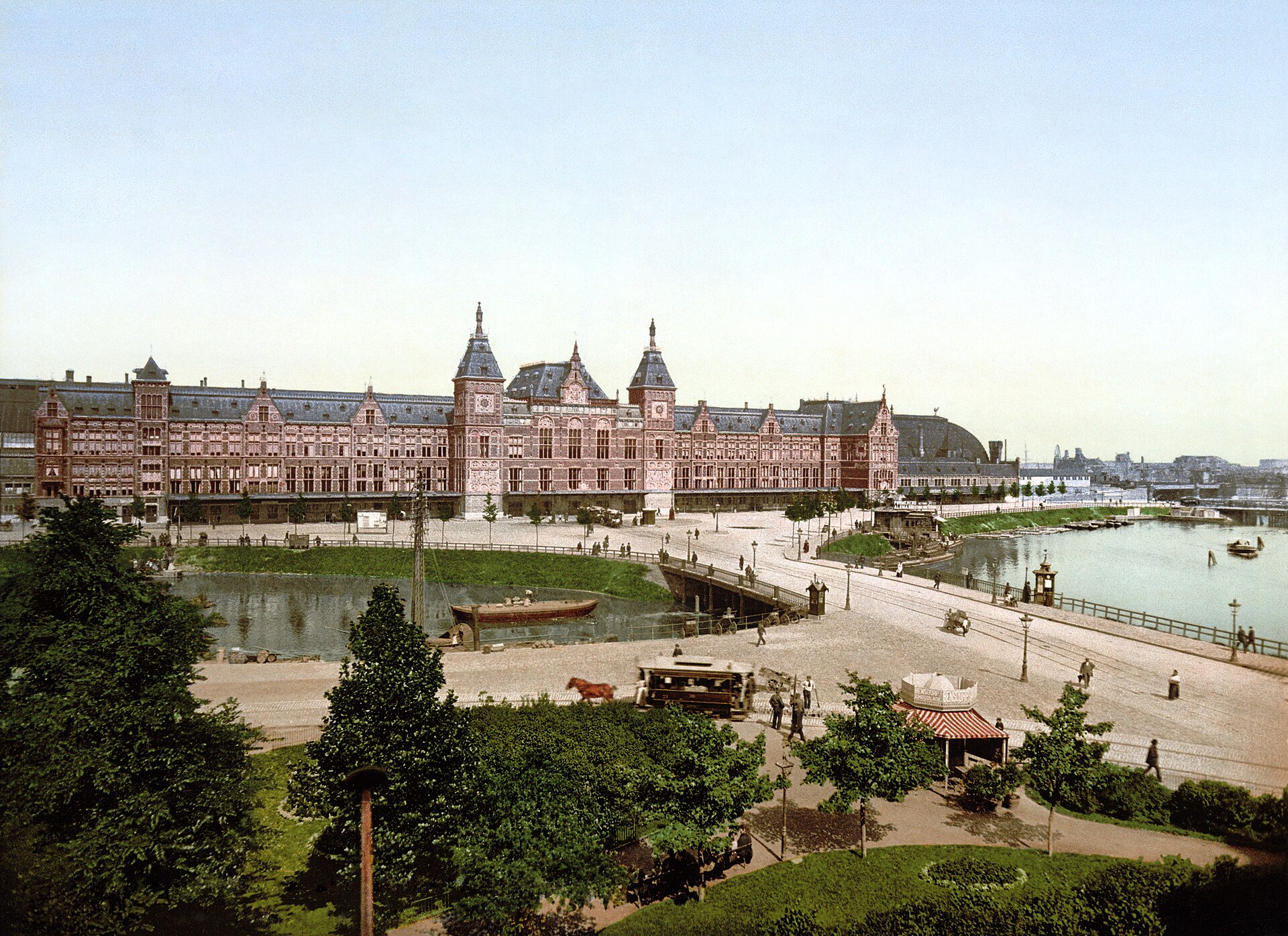
Amsterdam Centraal Station
Stationsplein, Burgwallen-Nieuwe Zijde, Amsterdam, 1012 AB, Netherlands
Pierre Cuypers designed both the Rijksmuseum and this train station, and the two buildings bookend Amsterdam like a pair of elaborate bookends. Centraal Station opened in 1889, just four years after the Rijksmuseum, and the family resemblance is obvious: Gothic arches, Renaissance details, towers, and an absurd amount of decorative brickwork. The station was controversial from day one because it was built right on the waterfront, permanently cutting the city off from the IJ lake that had been Amsterdam's connection to the sea for centuries. The engineering was as ambitious as the architecture. The station sits on three interconnected artificial islands created in the IJ, built with sand dredged from dunes near Velsen. Like everything in Amsterdam, it stands on wooden piles — 8,687 of them, driven through unstable soil. Construction was repeatedly delayed because the ground kept shifting. The front facade features Amsterdam's coat of arms flanked by those of fourteen European trading cities connected to Amsterdam by rail, which was a very Dutch way of saying "we're still the center of everything." The station has the second longest railway platform in the Netherlands at 695 meters, and it handles roughly 190,000 passengers daily. But it's more than a transport hub — it's Amsterdam's front door. Most visitors' first glimpse of the city is walking out of Centraal Station and seeing the canal-lined streets fanning out before them. Around the back, the free ferries to Amsterdam-Noord depart every few minutes, connecting the old city to the rapidly developing north bank. Cuypers never imagined that side of the building would matter, but today it's one of the busiest crossings in the city.
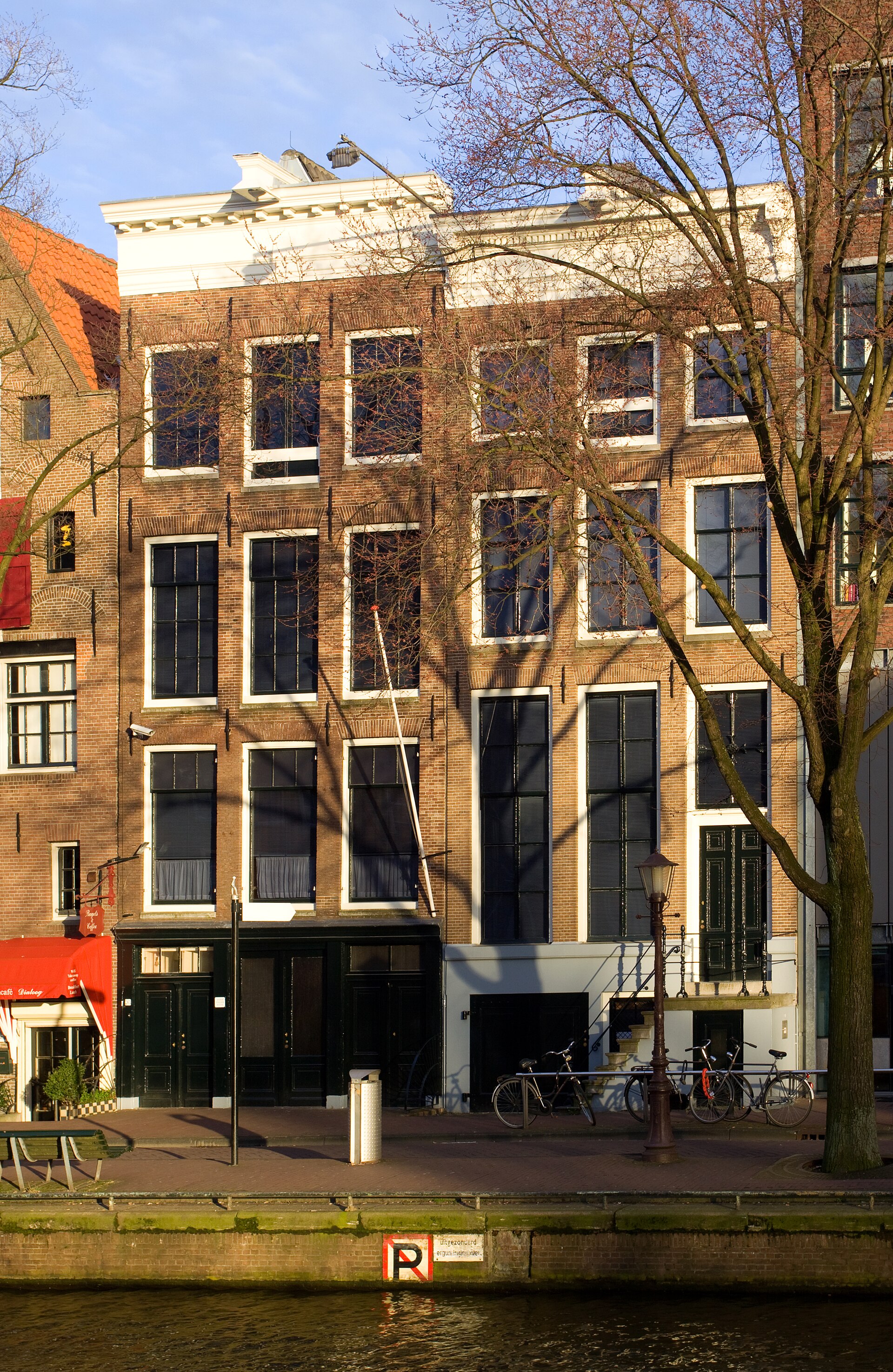
Anne Frank House
263-267 Prinsengracht, Grachtengordel-West, Amsterdam, 1016 DK, Netherlands
Prinsengracht 263 looks like any other canal house from the outside, which was exactly the point. Behind this modest 1635 facade, eight people hid from the Nazis for 761 days in a secret annex accessible only through a door concealed behind a movable bookcase. Anne Frank was thirteen when her family went into hiding on July 6, 1942, and fifteen when the Gestapo raided the building on August 4, 1944. Someone had betrayed them. Who did it remains one of the most investigated cold cases in Dutch history. Otto Frank, Anne's father, was the only one of the eight who survived the camps. When he returned to Amsterdam, his secretary Miep Gies handed him the notebooks and loose pages she'd found scattered on the annex floor after the arrest. He published his daughter's diary in 1947 under the title "Het Achterhuis" — The Secret Annex. It has since been translated into over 70 languages and sold more than 30 million copies. Anne wrote with an honesty and wit that still catches readers off guard: she wasn't writing a historical document, she was a teenager trying to figure out who she was while the world outside was trying to kill her. By the mid-1950s, the building was slated for demolition. A group of citizens and Otto Frank fought to save it, and the Anne Frank House museum opened on May 3, 1960. Over 9,000 people visited that first year. Today, more than a million visitors come annually, making it perhaps the most-visited house in Amsterdam. The annex rooms are deliberately empty — Otto Frank wanted it that way. You walk through bare spaces and have to imagine eight people living here in terrified silence, the bookcase closed behind them.
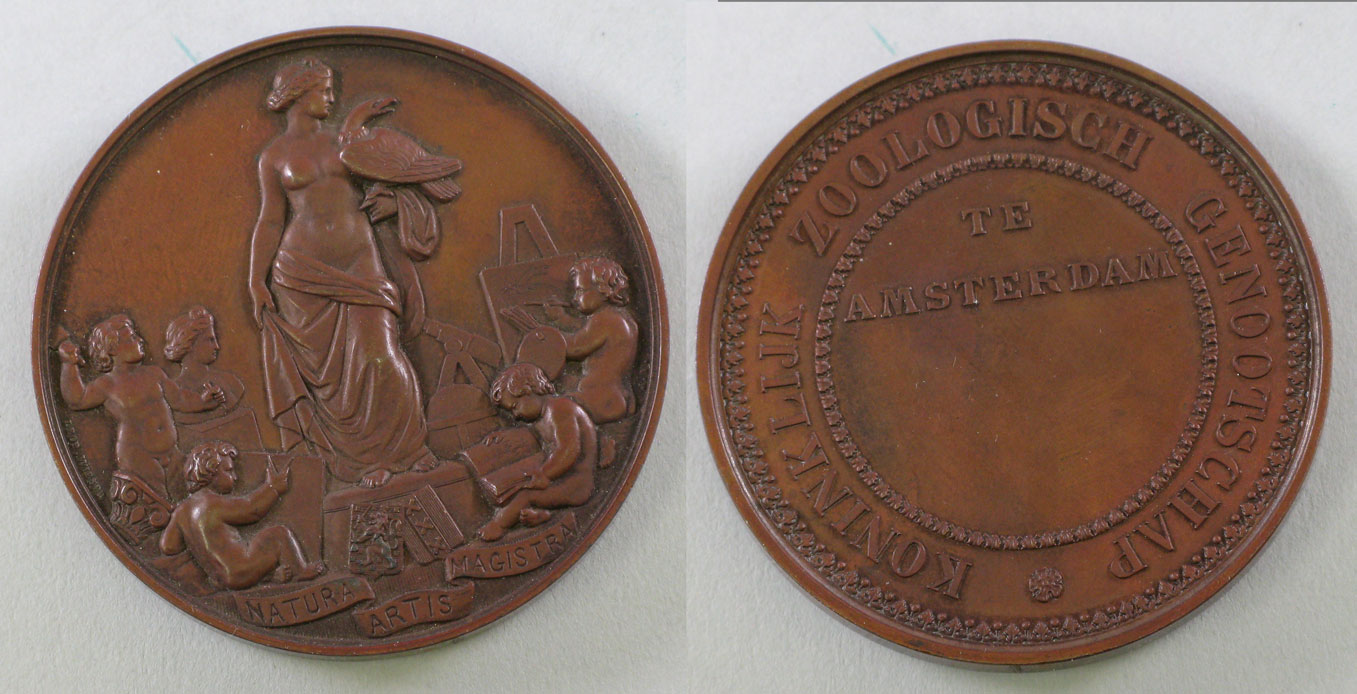
Artis Royal Zoo
38-40 Plantage Kerklaan, Weesperbuurt / Plantage, Amsterdam, 1018 CZ, Netherlands
The oldest zoo in the Netherlands has a Latin name that almost nobody uses correctly. "Natura Artis Magistra" means "Nature is the teacher of art and science" — a 19th-century mission statement that took itself very seriously. When G.F. Westerman and two colleagues founded the Zoological Society in 1838, the primary purpose was scientific education, not entertainment. For the first thirteen years, only paying members could enter. The public wasn't allowed in until 1851, by which point Amsterdam's scientific elite had already spent over a decade examining exotic animals in their own private garden. The grounds tell that story. Artis isn't just a zoo — it's a 10-hectare park in the middle of the city containing 26 listed monuments, from 19th-century animal houses to a planetarium to the Groote Museum, one of the oldest museum buildings in the Netherlands. The architecture alone would be worth visiting even if you removed every animal. The aquarium building, opened in 1882, houses one of Europe's oldest public aquariums. Then there's the quagga. The last quagga — a subspecies of zebra with stripes only on its front half — died at Artis on August 12, 1883. It was the last of its kind anywhere on Earth. The extinction happened before anyone fully understood what was being lost. Today, a small exhibit commemorates this melancholy distinction. The zoo houses roughly 5,600 animals from about 1,350 species and was officially designated a botanical garden in 2020. On a warm afternoon, Artis is one of the most pleasant spots in Amsterdam — shaded paths, historic buildings, the occasional flamingo standing one-legged by a 19th-century canal. It's the kind of place where science and beauty have been walking side by side for nearly two centuries.
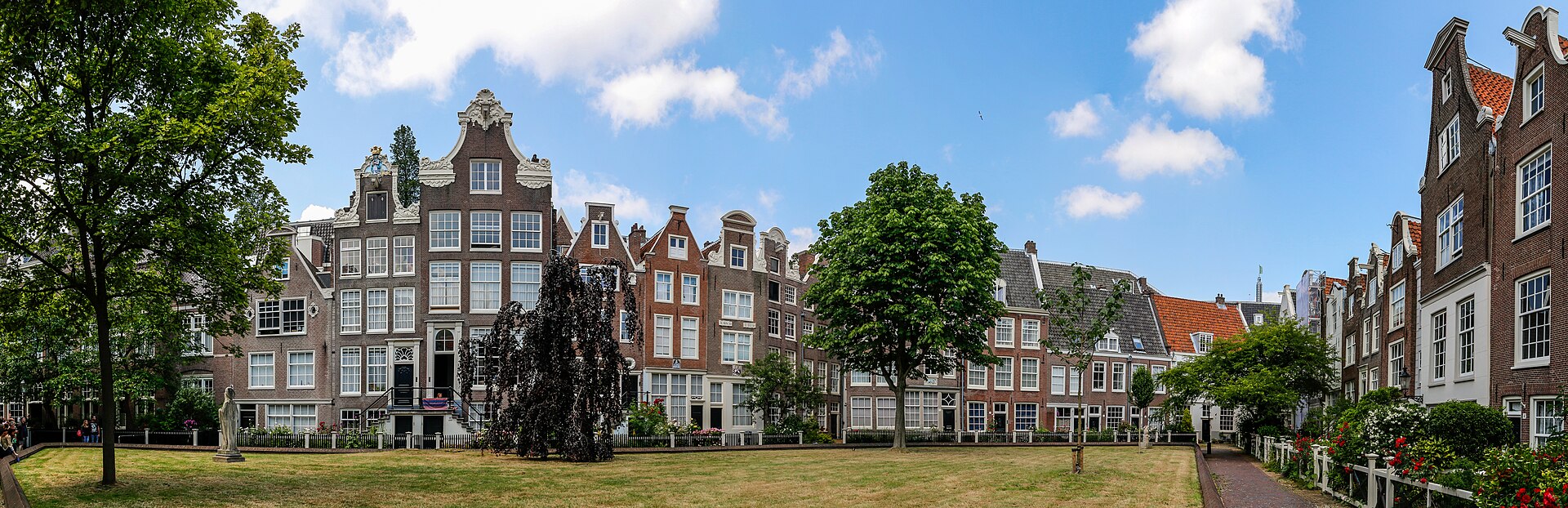
Begijnhof
1 Begijnhof, Burgwallen-Nieuwe Zijde, Amsterdam, 1012 WS, Netherlands
You could walk past the entrance a hundred times and never notice it. A modest wooden door in a wall near the Spui opens into one of Amsterdam's most extraordinary secrets: a medieval courtyard that has been home to single women for nearly seven hundred years. The Begijnhof dates to at least 1346 and was built for Beguines — devout Catholic women who lived religious lives without taking formal vows. They weren't nuns, exactly. They could own property, leave if they wanted, and they answered to no bishop. It was an unusually independent arrangement for medieval women. When Protestant Calvinists took control of Amsterdam in 1578, Catholic worship was banned. But the Begijnhof was the only Catholic institution in the entire city allowed to continue. The women kept their faith alive in a hidden chapel — a schuilkerk concealed behind ordinary house facades. That secret church is still there, still Catholic, still holding services. Across the courtyard stands a small English Reformed church, which the Calvinists assigned to the Beguines as their "official" place of worship. Both churches face each other in polite theological disagreement. The wooden house at number 34 — Het Houten Huys — dates from around 1420 and is one of only two remaining wooden houses in central Amsterdam. After a series of devastating fires, the city banned wooden construction in 1521, making this survivor almost impossibly rare. The last Beguine died in 1971, but the courtyard remains a private residence where about 100 women live today, continuing a tradition of female-only occupancy stretching back to the Middle Ages. It's silent in here, even when the city outside is roaring.
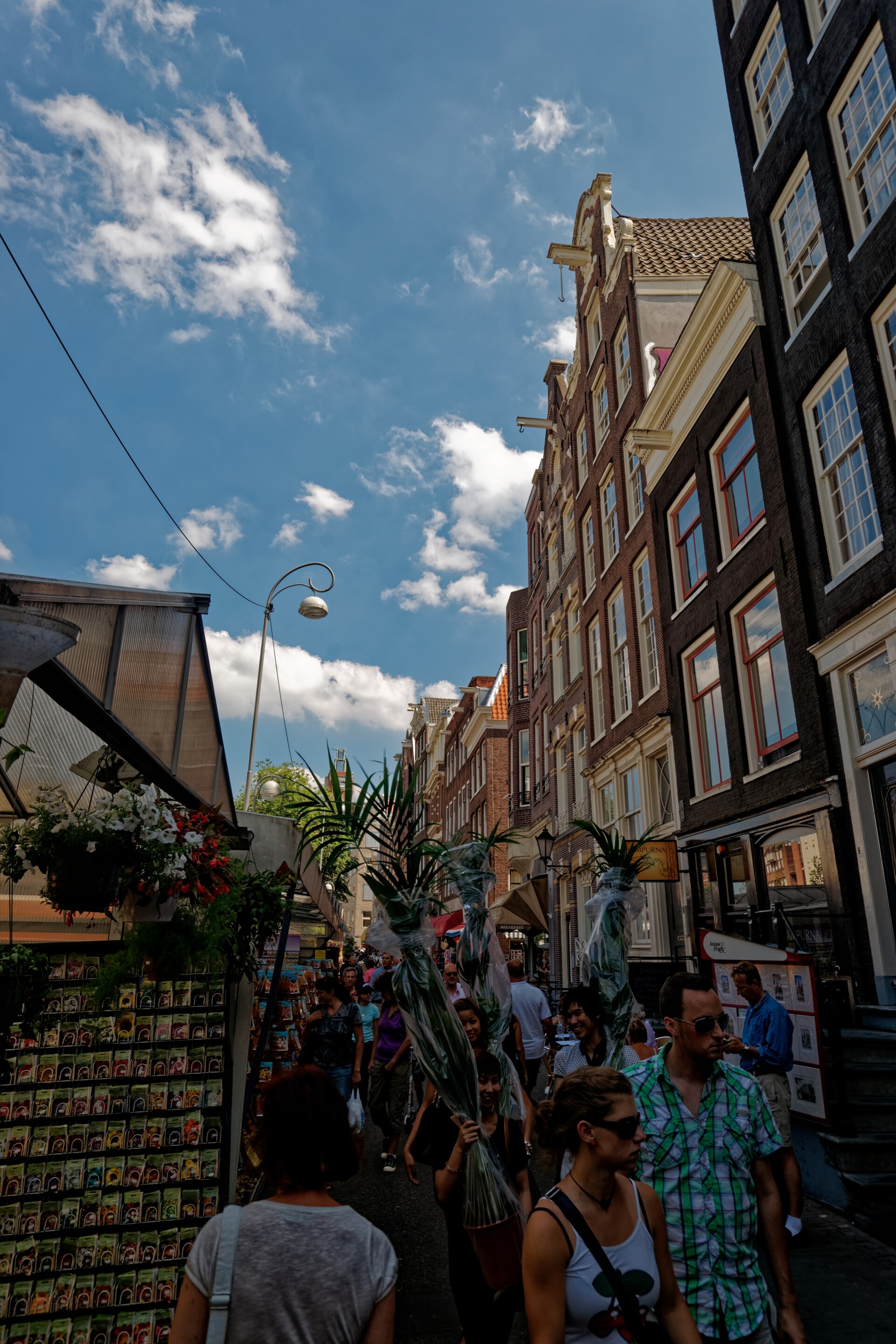
Bloemenmarkt
Singel, Burgwallen-Nieuwe Zijde, Amsterdam, 1012 WG, Netherlands
The world's only floating flower market doesn't really float anymore, but nobody wants to spoil the story. When it started in 1862, growers genuinely loaded their flowers onto barges, sailed down the Amstel and Singel canals, and sold directly from their boats to morning crowds on the quay. The canal was literally a highway for tulips. Over time, the barges became permanent — they're moored houseboats now, technically still on the water but not going anywhere — and the market shifted from wholesale flowers to tourist souvenirs. The Bloemenmarkt sits on the Singel canal between Muntplein and Koningsplein, and it played a real part in establishing Amsterdam as the self-proclaimed Flower Capital of the World. The Netherlands exports roughly 80 percent of the world's flower bulbs, and this market was once a crucial link in that supply chain. Today only a handful of the 15 stalls still sell fresh-cut flowers. The rest are crammed with tulip bulbs, fridge magnets, wooden clogs, and Delft blue pottery. But there's still something magical about it. The mix of colors under the greenhouse roofs, the smell of hyacinths in spring, the slightly absurd sight of flowers being sold on water — it taps into the same Dutch obsession with blooms that produced the tulip mania of 1637, when a single bulb could cost more than a canal house. Come in spring if you can, when the seasonal flowers are at their peak and the stalls actually look like they did a century and a half ago. Buy bulbs, not souvenirs, and you'll take home something that'll bloom in your garden next year.
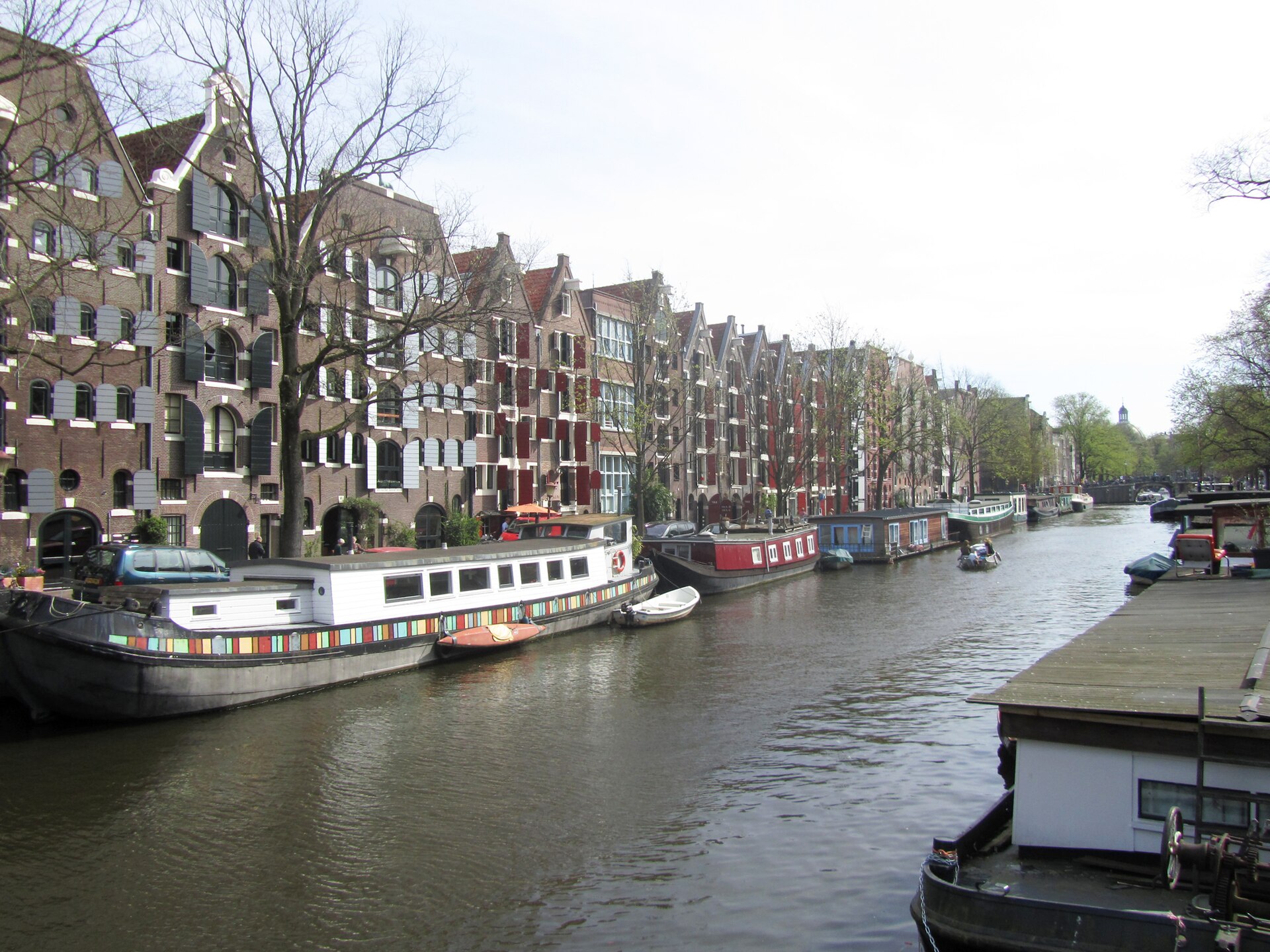
Brouwersgracht
Brouwersgracht, Grachtengordel-West, Amsterdam, 1015 GA, Netherlands
In 2007, readers of Het Parool — Amsterdam's daily newspaper — voted Brouwersgracht the most beautiful street in the city. Anyone who's walked along it on a quiet morning would struggle to argue. This canal marks the northern border of Amsterdam's UNESCO-listed canal belt, and it has the advantage of being just far enough from the tourist center to feel genuinely lived-in rather than performatively charming. The name translates to "Brewers' Canal," reflecting its planned role in Amsterdam's 17th-century brewing economy. In practice, only three of Amsterdam's 22 breweries were actually located here by 1664 — the canal was more about warehousing and transport than brewing itself. Those massive warehouses, originally used to store grain, hops, and spices from ships arriving from Asia, have been converted into some of the most coveted residential lofts in Amsterdam. The colorful wooden shutters on their facades are original, and over 100 canal houses along Brouwersgracht are listed as official national heritage sites. What makes Brouwersgracht special is proportions. The canal is narrower than the grand Herengracht or Keizersgracht, and the warehouses sit closer to the water, creating an intimacy that the wider canals lack. Houseboats line the edges. Trees arch overhead. The reflection of the gabled facades in the still water on a windless day is so photogenic it looks artificial. Walk the full length of the canal, from the intersection with Singel to where it meets the Prinsengracht. It takes about fifteen minutes, and you'll pass more beauty per square meter than almost anywhere else in a city that's already absurdly beautiful.
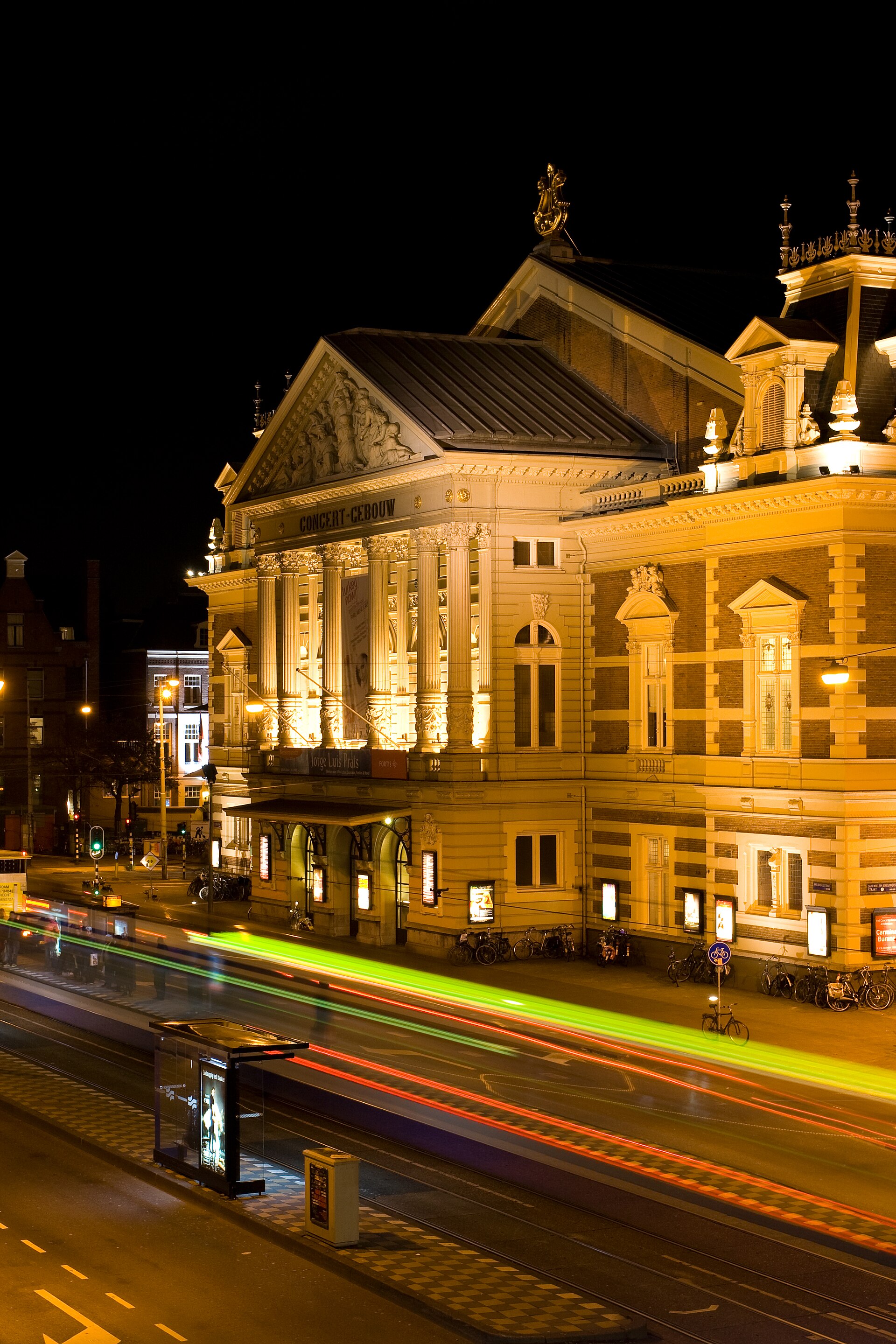
Concertgebouw
10 Concertgebouwplein, Museumkwartier, Amsterdam, 1071 LN, Netherlands
The Concertgebouw has acoustics so perfect they were an accident. When architect Adolf Leonard van Gendt designed the hall and it opened on April 11, 1888, the science of acoustics literally did not exist. The first concert hall designed using actual acoustic calculations — Boston's Symphony Hall — wouldn't open for another twelve years. Van Gendt drew inspiration from the Gewandhaus in Leipzig, made some educated guesses about proportions, and got spectacularly lucky. The reverberation time measures approximately 2.4 seconds, essentially unchanged since Leo Beranek first measured it in 1958. Today the Concertgebouw sits alongside Vienna's Musikverein, Boston's Symphony Hall, and Carnegie Hall as one of the four greatest concert halls in the world. Its resident ensemble, the Royal Concertgebouw Orchestra, gave its first performance here on November 3, 1888, and has become one of the most acclaimed orchestras on the planet. Construction started in 1883 in a pasture that was then outside Amsterdam's city limits. The inaugural concert featured 120 musicians and a chorus of 500 performing Wagner, Handel, Bach, and Beethoven. Like everything in Amsterdam, the building sits on wooden piles — 2,186 of them — driven into the city's famously unstable soil. By 1983, the building was literally sinking into the earth, with inch-wide cracks appearing in the walls. A massive restoration project saved it. Today the hall hosts roughly 900 concerts and events per year for an audience of over 700,000. In 2013, on its 125th anniversary, Queen Beatrix bestowed the royal title "Koninklijk" upon the building. Catch a free lunchtime concert on Wednesdays if you can — it's one of the best deals in European classical music.
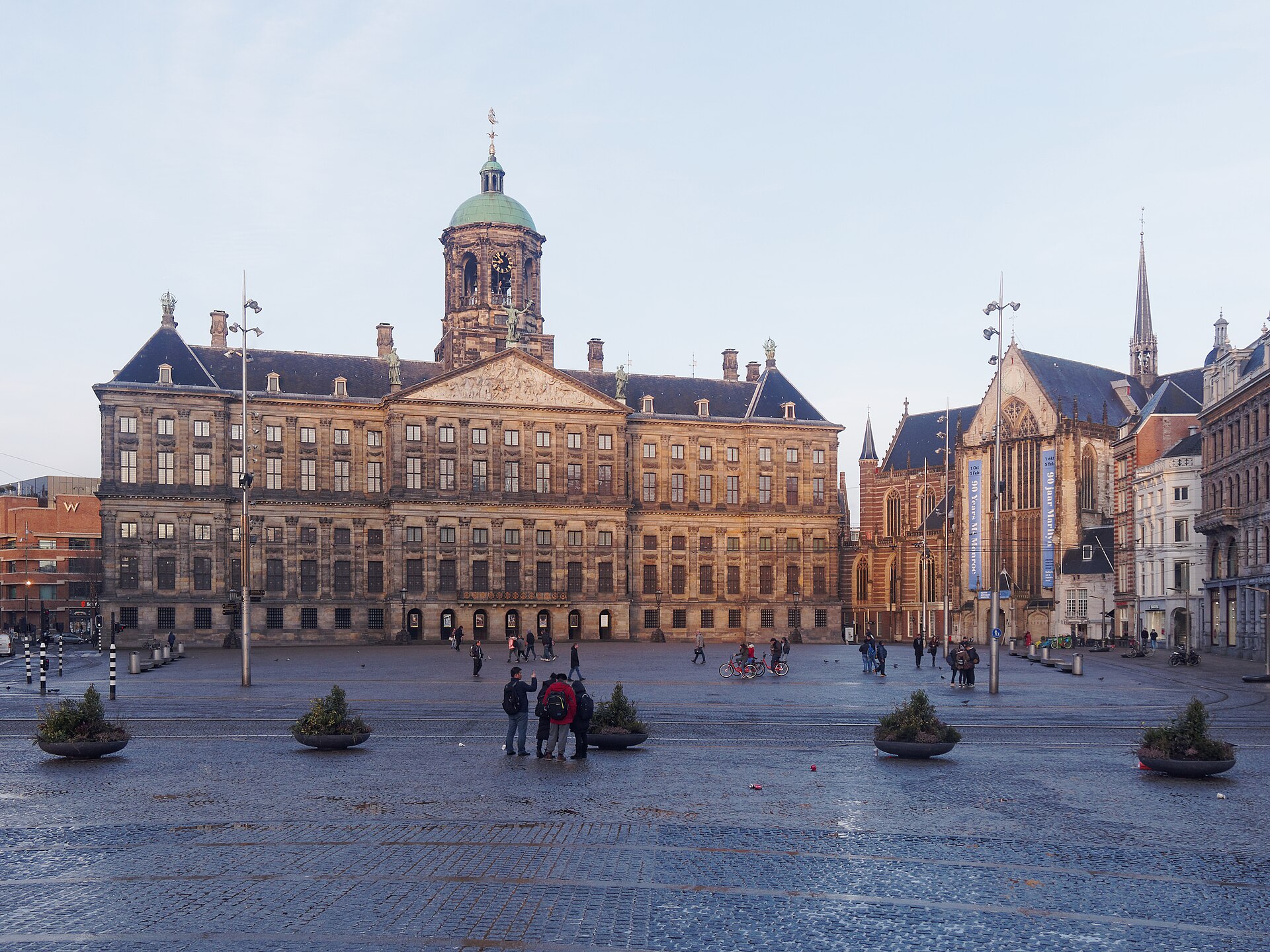
Dam Square
1012 Dam, Burgwallen-Nieuwe Zijde, Amsterdam, 1012 KB, Netherlands
The whole city exists because someone built a dam right here. Around 1270, settlers threw a dam across the Amstel River at this exact spot — Amstel-dam, get it? — and what started as a muddy fishing village became the commercial engine of an empire. The dam itself is long gone, buried under layers of cobblestone and centuries of history, but the name stuck. For over seven hundred years, this square has been the absolute center of Dutch public life: coronations, protests, celebrations, and the occasional riot. During the German occupation, Dam Square witnessed one of Amsterdam's darkest moments. On May 7, 1945, jubilant crowds gathered here to celebrate liberation, only for German soldiers in the Grote Club building to open fire on the crowd, killing 22 people and wounding over 100. The scars of that day are invisible now, but locals remember. Every May 4th, thousands gather at the National Monument — the 22-meter white stone obelisk on the eastern side — for the Remembrance of the Dead ceremony, when the entire country falls silent at 8 PM for two minutes. The square is flanked by the Royal Palace, Nieuwe Kerk, and Madame Tussauds, but it's the space itself that matters most. This is where Amsterdam's story began: a soggy dam in a river that somehow became one of the most important cities on earth. Stand in the middle and look around. Every building, every canal, every crooked house in this city radiates outward from the spot where you're standing.
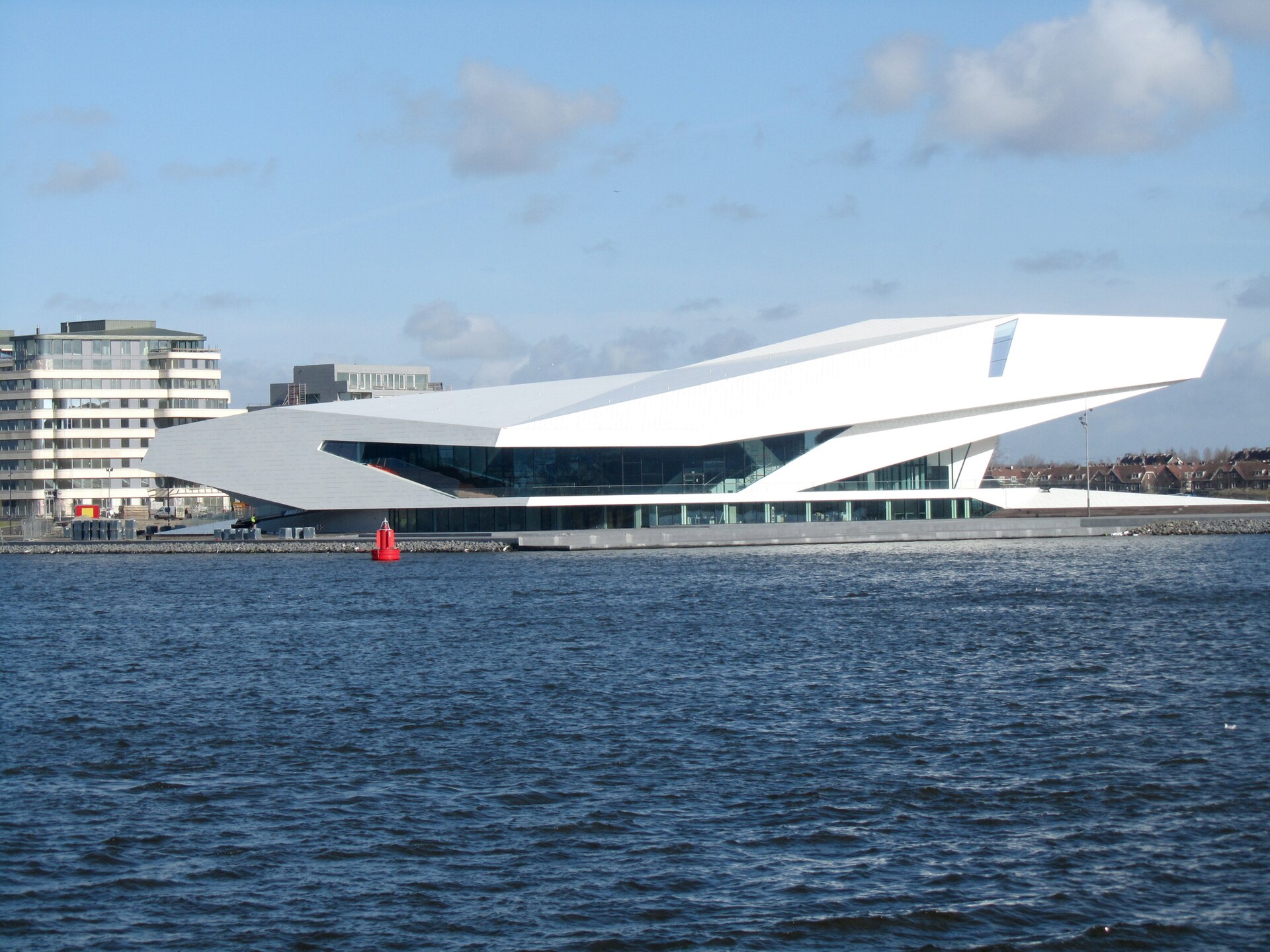
EYE Filmmuseum
1 IJpromenade, Northern IJ Banks West, Amsterdam, 1031 KT, Netherlands
The building looks like a spaceship that landed on the wrong side of the river and decided to stay. Designed by Viennese firm Delugan Meissl Associated Architects — who also created the Porsche Museum in Stuttgart — the EYE Filmmuseum is an angular white structure that seems to change shape from every angle you view it. This is deliberate: the architects designed the building as a tribute to film itself, playing with light and shadow the way a camera does. It opened on April 4, 2012, when Queen Beatrix cut the ribbon, and instantly became Amsterdam-Noord's architectural icon. What it replaced was the old Filmmuseum in the Vondelpark, which had been showing films since the 1970s but desperately needed more space. The history runs much deeper: the Dutch Historical Film Archive was founded in 1946, just a year after the war ended, by a group that included directors of Filmtheater Kriterion — itself a remarkable institution, a cinema started by former resistance fighters and still run by students today. The collection is astonishing: 210,000 cans of acetate film, 57,000 film titles, 82,000 posters, 700,000 photographs, and 1,500 pieces of pre-cinema apparatus including magic lanterns and zoetropes. The four cinemas inside range from a 300-seat main theater to an intimate 67-seat screening room. The exhibition galleries host rotating shows that explore the intersection of film, art, and technology. The cafe terrace overlooking the IJ river offers one of the best views of Amsterdam's skyline. Grab a seat outside, face south, and watch the ferries shuttle between Centraal Station and the north bank while the city's spires and rooftops stretch across the horizon.
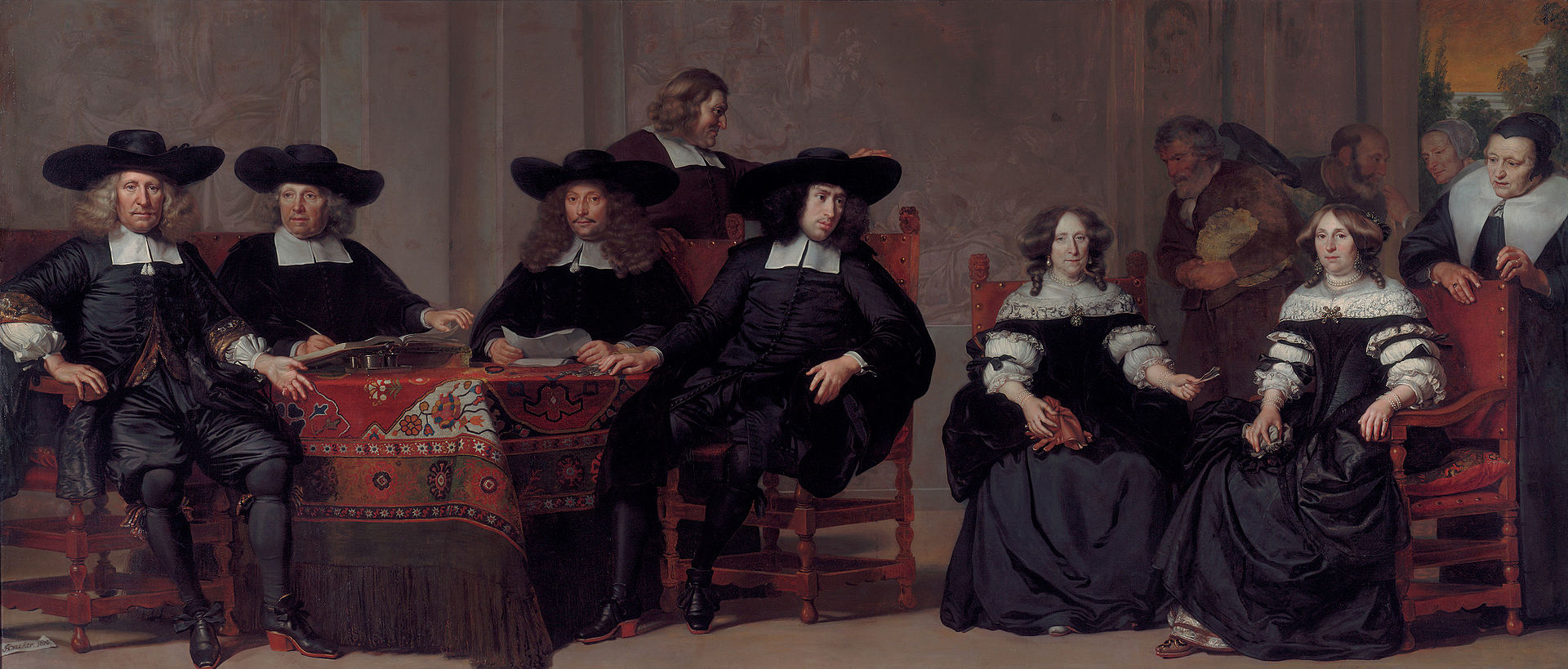
H'ART Museum
51 Amstel, Weesperbuurt / Plantage, Amsterdam, 1018 EJ, Netherlands
This museum has had more identity crises than most people. The building — a stately classical structure on the Amstel river — opened in 1682 as the Diaconie Oude Vrouwen Huys, a retirement home for elderly women funded by the Dutch Reformed Church. For over three centuries, old women lived here in quiet dignity. Then in 2009, it reinvented itself as the Hermitage Amsterdam, a satellite of the legendary Hermitage Museum in Saint Petersburg, showing rotating exhibitions of Russian imperial art and treasures. That arrangement lasted exactly thirteen years. On March 3, 2022 — one week after Russia invaded Ukraine — the museum severed all ties with Saint Petersburg. The decision was swift and absolute: every piece of Russian art went back, every contract was cancelled, and the name was scrapped. In September 2023, the museum relaunched as H'ART Museum, a deliberate play on "heart" and "art" designed to make clear that Amsterdam and Saint Petersburg were done. The pivot has been bold. H'ART now partners with the Smithsonian, Centre Pompidou, and the British Museum to curate exhibitions, assembling world-class shows with no dependence on any single foreign institution. The building itself — 300 years of quiet institutional history on the banks of the Amstel — provides a stunning backdrop for whatever collection fills its halls. The Amstelhof building is worth admiring on its own. Its classical brick facade, dating to 1681, stretches along the river with the kind of sober elegance that Amsterdam does better than anyone. The courtyard garden is a hidden gem — peaceful and green, completely invisible from the street.
Heineken Experience
78 S 100, Oude Pijp, Amsterdam, 1072 AE, Netherlands
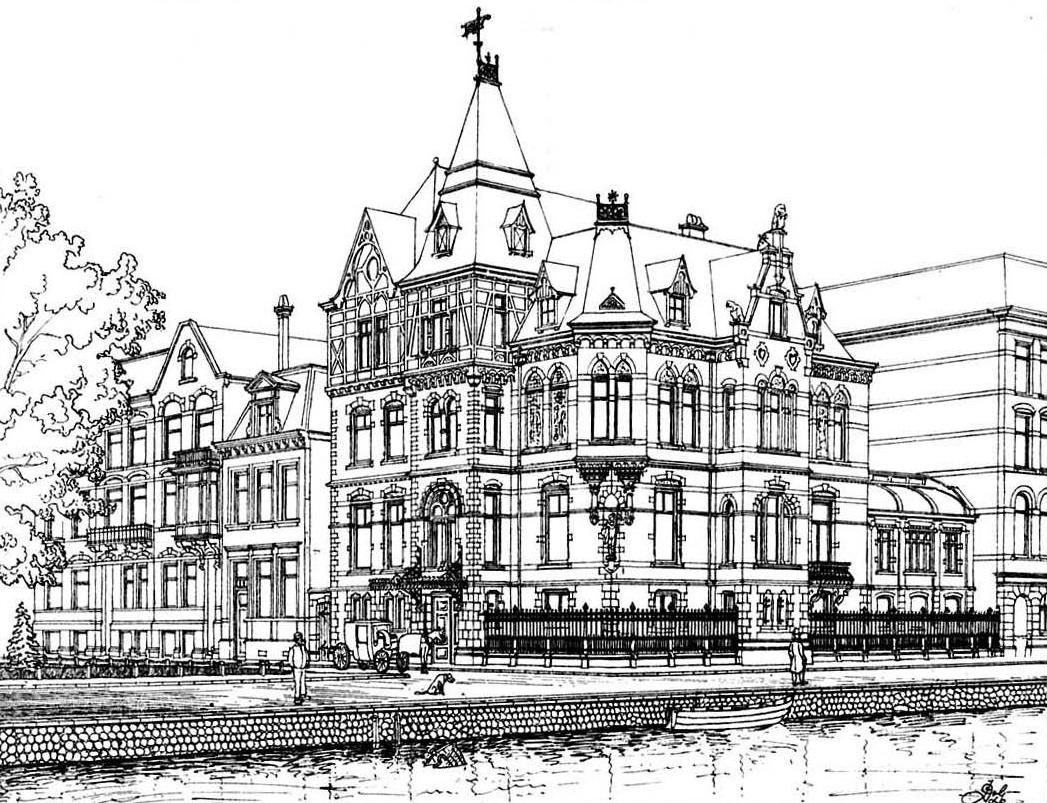
In 1864, a twenty-two-year-old named Gerard Adriaan Heineken bought a struggling brewery called De Hooiberg — "The Haystack" — and proceeded to build one of the most recognized brands on the planet. This brick building on Stadhouderskade was constructed in 1867 as his first proper brewing facility, and beer was produced here continuously for over a century until 1988, when operations moved to a larger plant outside the city. What Heineken did differently was science. In 1886, his head brewer H. Elion, a student of Louis Pasteur, isolated and cultivated a pure yeast strain called the Heineken A-yeast, which gave the beer its consistent flavor. In 1869, the brewery had already switched from top-fermenting to bottom-fermenting yeast, producing the crisp lager style that would eventually be sold in 192 countries. By the time Gerard's grandson Freddy Heineken took over in the 1960s, the company was a global powerhouse, and Freddy turned marketing into an art form. The brewery reopened as a visitor center in 1991, reinvented itself as the "Heineken Experience" in 2001, and underwent a major renovation completed in 2022. It's essentially a shrine to beer branding, with interactive exhibits, a virtual reality ride through the brewing process, and — this being Heineken — two complimentary beers at the end. The building itself is an anchor point on the European Route of Industrial Heritage, a reminder that Amsterdam's economy wasn't just tulips and spices. This was a brewing city, and the Heineken brewery was its most successful export. Love or hate the beer, the story of how one building on a canal turned into a logo recognized on every continent is genuinely impressive.
Hortus Botanicus
2 Plantage Middenlaan, Weesperbuurt / Plantage, Amsterdam, 1018 DD, Netherlands
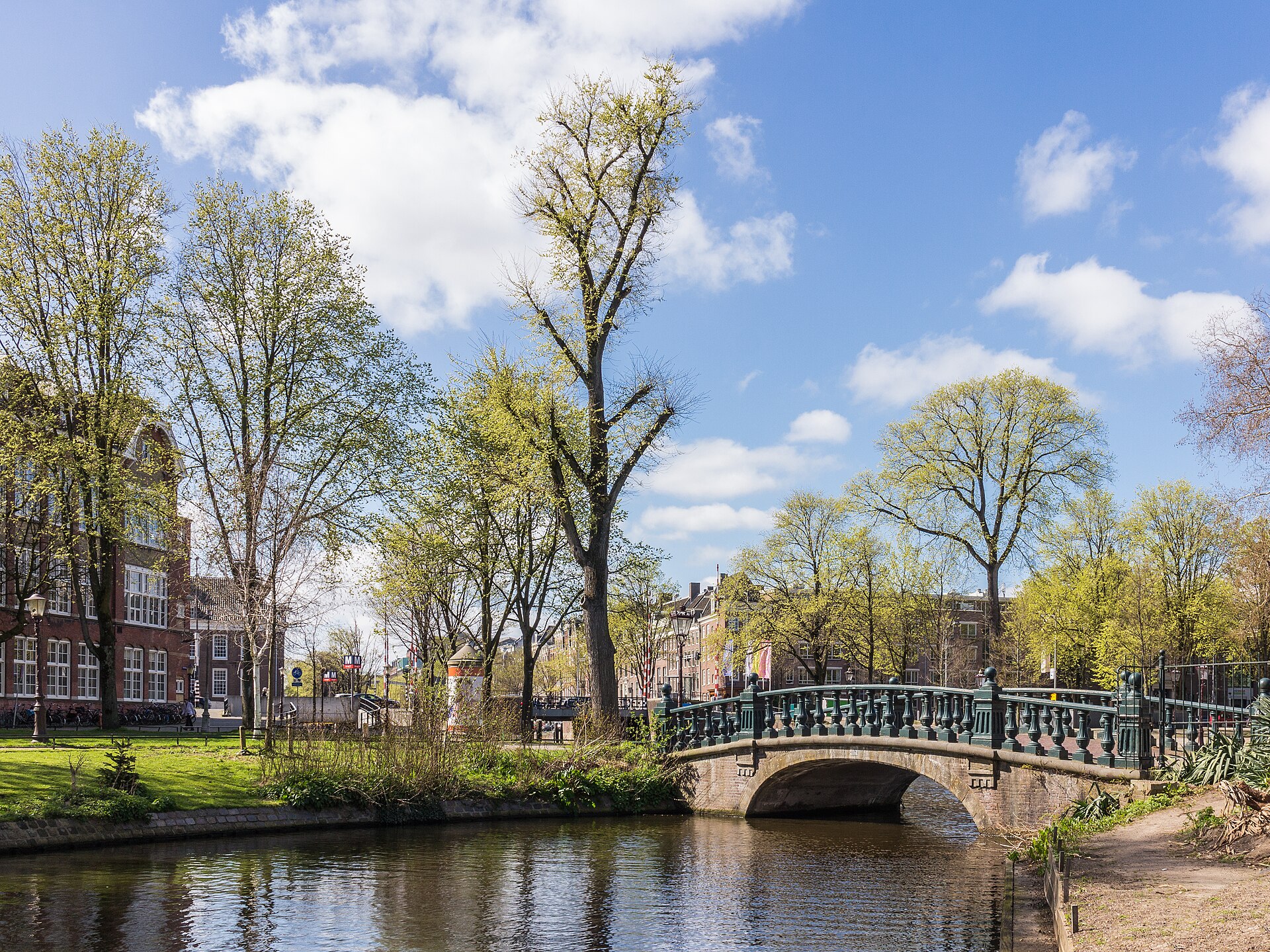
One coffee plant in this garden changed the world. In the early 18th century, the Dutch East India Company brought coffee seedlings to the Hortus Botanicus from Ethiopia and Yemen. A single plant from this collection was later sent to the colony of Suriname, and from there, descendants were distributed across Central and South America. Every cup of coffee grown in the Western Hemisphere can arguably trace its ancestry back to this garden. That's an extraordinary legacy for what started as a herb garden for apothecaries. The Amsterdam City Council founded the Hortus Botanicus in 1638 as the Hortus Medicus — a medicinal herb garden where doctors and pharmacists could train and take their exams. This was practical, not ornamental: botanical extracts were the primary treatment for illness, and physicians needed to identify plants correctly or risk killing their patients. The garden expanded dramatically in the 17th century as VOC traders returned from Asia with exotic specimens, transforming it from a local teaching tool into a repository of global botanical knowledge. The garden now contains over 6,000 species of plants and trees in just 1.2 hectares, making it one of the most densely planted botanical gardens in the world. The palm house, dating from 1912, shelters a massive cycad that has been growing here since the 1700s. The three-climate greenhouse complex replicates tropical, subtropical, and desert environments under glass. This is one of Amsterdam's quietest spots. While tourists crowd the nearby Jewish Historical Quarter and Artis zoo, the Hortus draws a gentler crowd. Sit in the orangery cafe among potted citrus trees and remember: the global coffee industry started in a garden this small.
Jordaan
Jordaan, Amsterdam, Netherlands
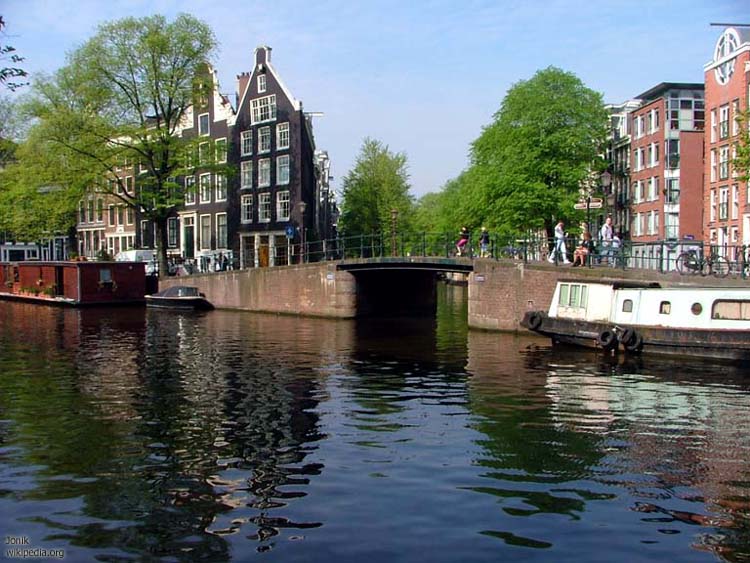
The Jordaan was never supposed to be charming. When construction began in 1612, this was cheap housing for the working class and the waves of refugees — French Huguenots, Spanish Jews, English dissenters — flooding into Amsterdam for its famous religious tolerance. The streets were narrow, the houses were tiny, and by 1900 roughly 80,000 people were crammed into what is now one of the most expensive neighborhoods in the Netherlands. The city council nearly demolished the whole district in the 1970s to build modern apartment blocks. Residents rioted in protest, and the Jordaan survived. What saved it, ultimately, was its bones. The hidden courtyards called hofjes — there are still 19 of them — were built by wealthy citizens as charitable housing for elderly women. The oldest is the Sint Andrieshofje on Egelantiersgracht. You push through an unmarked door in a canal-house wall and suddenly you're standing in a silent garden surrounded by 17th-century almshouses. These pockets of calm have existed for four hundred years, hidden in plain sight. Look for the stone tablets on house facades throughout the Jordaan. Before street numbers existed, buildings were identified by carved signs showing the owner's trade — a pig for a butcher, a loaf for a baker. Hundreds of these gevelstenen survive, turning every walk into a treasure hunt. Today the Jordaan is galleries, vintage shops, brown cafes, and Saturday morning markets. Artists, students, and young professionals moved in during the 1980s and 1990s as the old working-class families moved out. The neighborhood gentrified completely, but somehow kept its soul — that rebellious, slightly scrappy energy that made people fight to save it in the first place.
Magere Brug (Skinny Bridge)
1017 Amstel, De Weteringschans, Amsterdam, 1017 AR, Netherlands
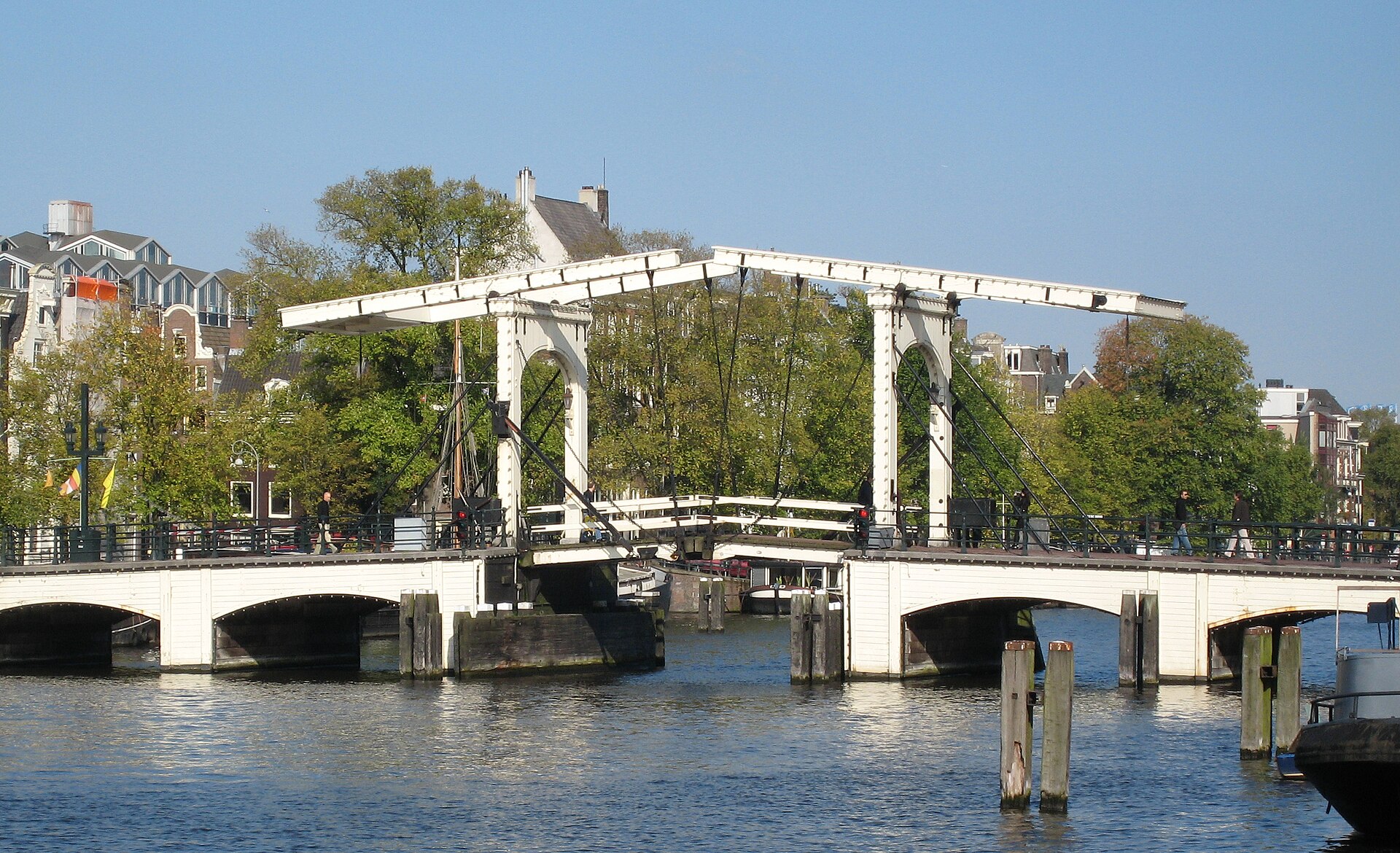
Amsterdam has 1,500 bridges, and this is the one everyone photographs. The Magere Brug — "Skinny Bridge" — spans the Amstel River in a graceful white arc that looks particularly spectacular after dark, when 1,200 light bulbs outline its wooden structure against the water. It appeared in the James Bond film Diamonds Are Forever, and locals consider it the most romantic bridge in a city absolutely stuffed with romantic bridges. The legend — which tour guides tell with great enthusiasm — is that two sisters who lived on opposite sides of the Amstel built a private bridge so they could visit each other. Being on a budget, they built it narrow, hence "skinny." The real story, uncovered in city archives, is more prosaic: a grand stone bridge was originally planned during the Golden Age, but the economic crash of 1672 forced the city to build something cheaper and simpler instead. The name stuck even after the bridge was rebuilt, repeatedly, into something far grander. The first bridge at this location was built in 1691 with thirteen arches. The current version dates to 1934, constructed in traditional Dutch drawbridge style — it still opens about every twenty minutes during the day to let river traffic through. A bridgemaster operates the mechanism from the small house at the bridge's center. Come at twilight if you can. The lights come on, the bridge reflects in the Amstel, and the Skinny Bridge becomes the most photographed structure in Amsterdam. From here you can see the Carre Theater, the Hermitage, and the long sweep of the river toward the south. It's the kind of view that makes you understand why the Dutch built their whole civilization around water.
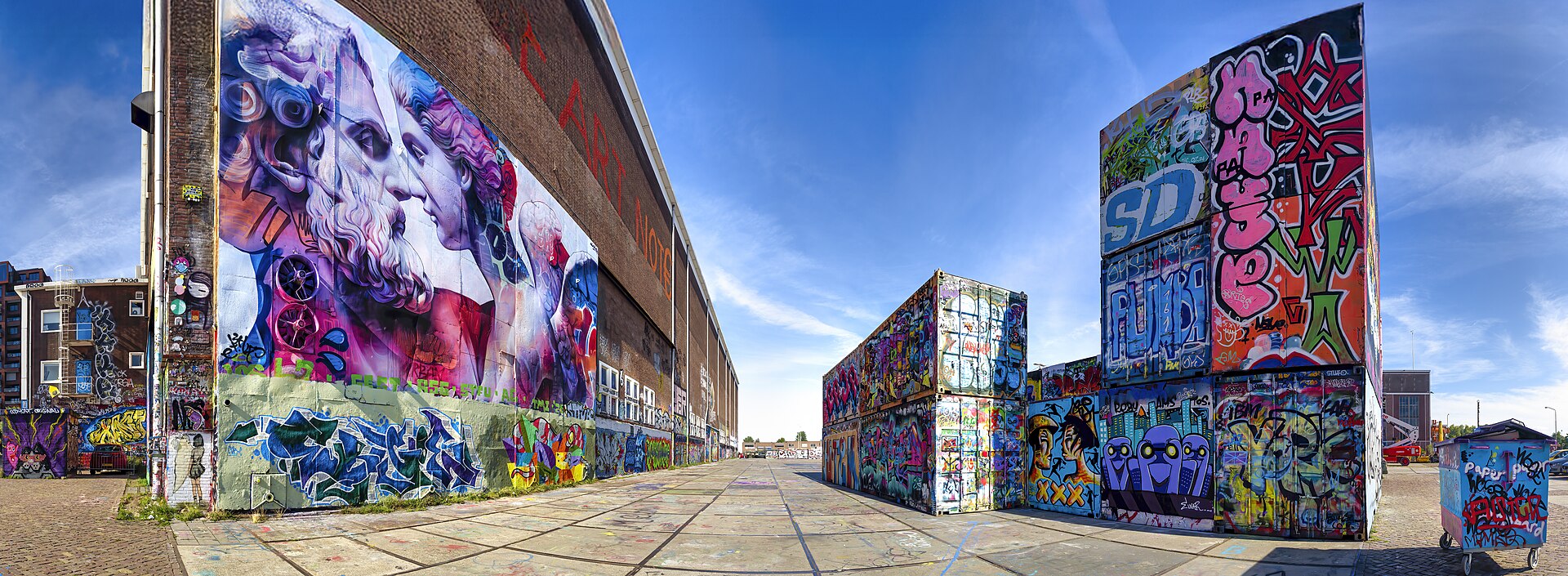
NDSM Wharf
28 Ndsm-Plein, Northern IJ Banks West, Amsterdam, 1033 WB, Netherlands
This was one of the largest shipyards in the world, and then it was nothing. The Nederlandse Dok en Scheepsbouw Maatschappij — NDSM — built ships from the 1920s through the 1980s on this 90-hectare site across the IJ river from central Amsterdam. When the shipyard went bankrupt, it left behind enormous industrial hangars, rusting cranes, and a whole lot of empty space. The city had no idea what to do with it. Artists did. Drawn by cheap rent and the raw appeal of massive abandoned warehouses, squatters and creatives started colonizing NDSM in the late 1990s. In 2001, Kinetisch Noord — an art foundation rooted in the squatting movement of the 1980s — took over management with city council support, and NDSM became one of Amsterdam's official broedplaatsen, or "breeding grounds" for creative experimentation. Today around 250 artists and craftspeople work in roughly 80 studios scattered across the site. The STRAAT Museum opened in 2020 inside one of the original shipyard hangars, exhibiting over 180 works of street art and graffiti created on-site. It's become one of Europe's premier street art destinations, drawing more than 200,000 visitors a year. The IJhallen flea market, held monthly in the same industrial sheds, is the largest flea market in Europe. Getting here is half the experience. You take a free ferry from behind Centraal Station across the IJ — a five-minute crossing that feels like leaving Amsterdam for somewhere wilder. The cranes still stand. Giant murals cover the warehouse walls. On summer weekends, the waterfront fills with food trucks and open-air bars. It's the grittiest, most creative corner of a city that prides itself on both.
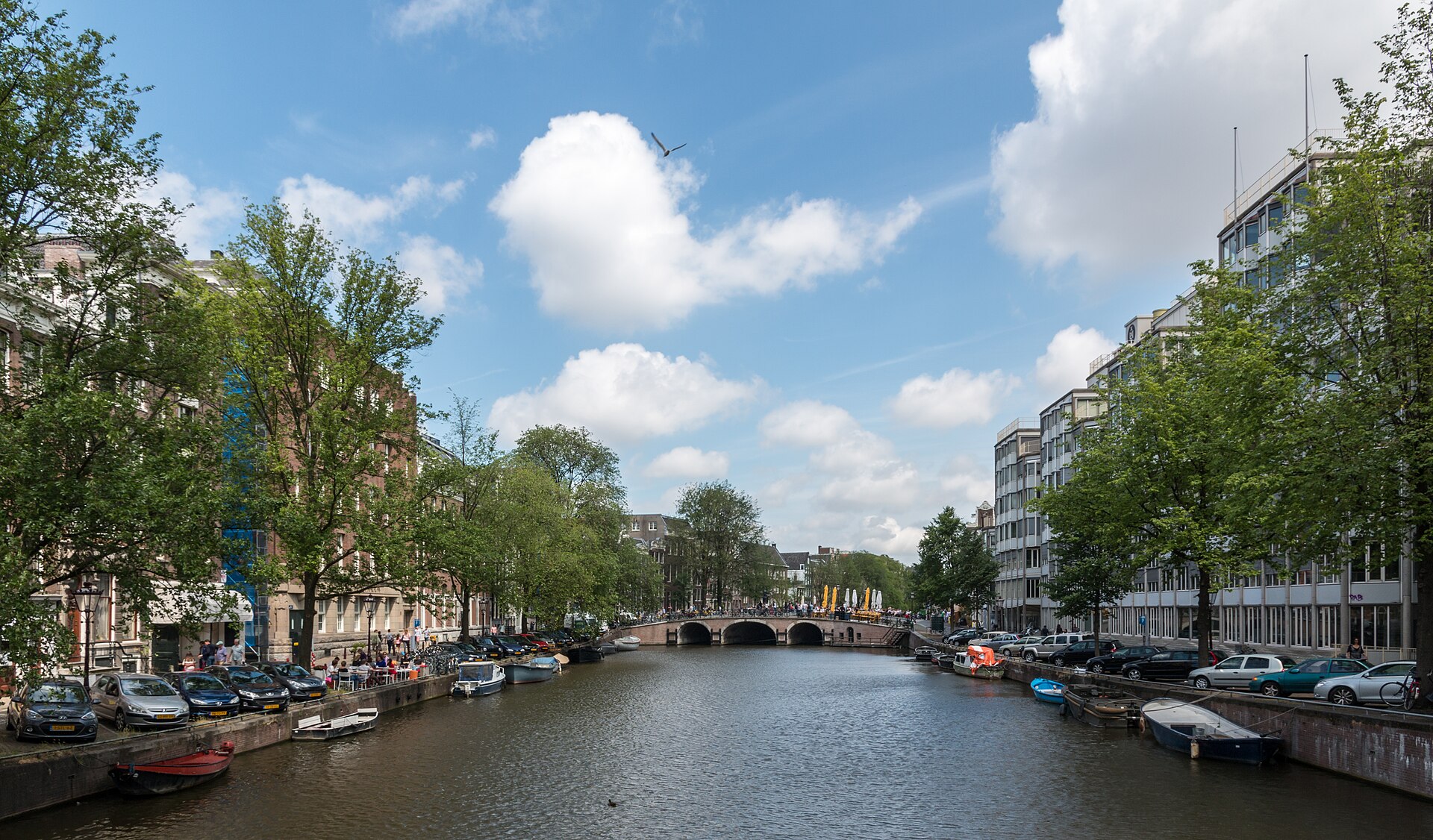
Negen Straatjes (Nine Streets)
Wolvenstraat, Grachtengordel-West, Amsterdam, 1016 EM, Netherlands
Nine tiny streets, connecting four canals, packed into a grid so small you could cross the whole thing in twenty minutes. The Negen Straatjes is Amsterdam's answer to the question: what happens when you let independent shopkeepers rather than chain stores define a neighborhood? The result is over 250 shops, cafes, and galleries crammed into an area roughly the size of a football pitch, all housed in canal-side buildings that have stood since the 17th and 18th centuries. The nine streets cross the Singel, Herengracht, Keizersgracht, and Prinsengracht — the four concentric canals that were dug starting in 1612 during Amsterdam's great expansion. Several street names give away the area's industrial past: they're named after animal hides and leather goods, because this was once the tanning district. The smell must have been tremendous. Today the tanneries are vintage boutiques and design shops, which is quite the upgrade. The Negen Straatjes didn't get its identity by accident. In 1997, a shopkeeper named Djoeke Wessing campaigned to have the area recognized as its own distinct district, and she succeeded. The branding worked — tourists and locals now treat it as a destination rather than just a shortcut between canals. There are more than 140 national and municipal monuments packed into these nine blocks. This is the Amsterdam that Instagram loves: crooked facades reflected in still canals, window boxes overflowing with flowers, tiny shops selling handmade cheese or vintage sunglasses. It's almost aggressively picturesque. But unlike many photogenic neighborhoods, people actually live and work here, and the shops are genuinely independent. No Zara, no H&M, no corporate anything.
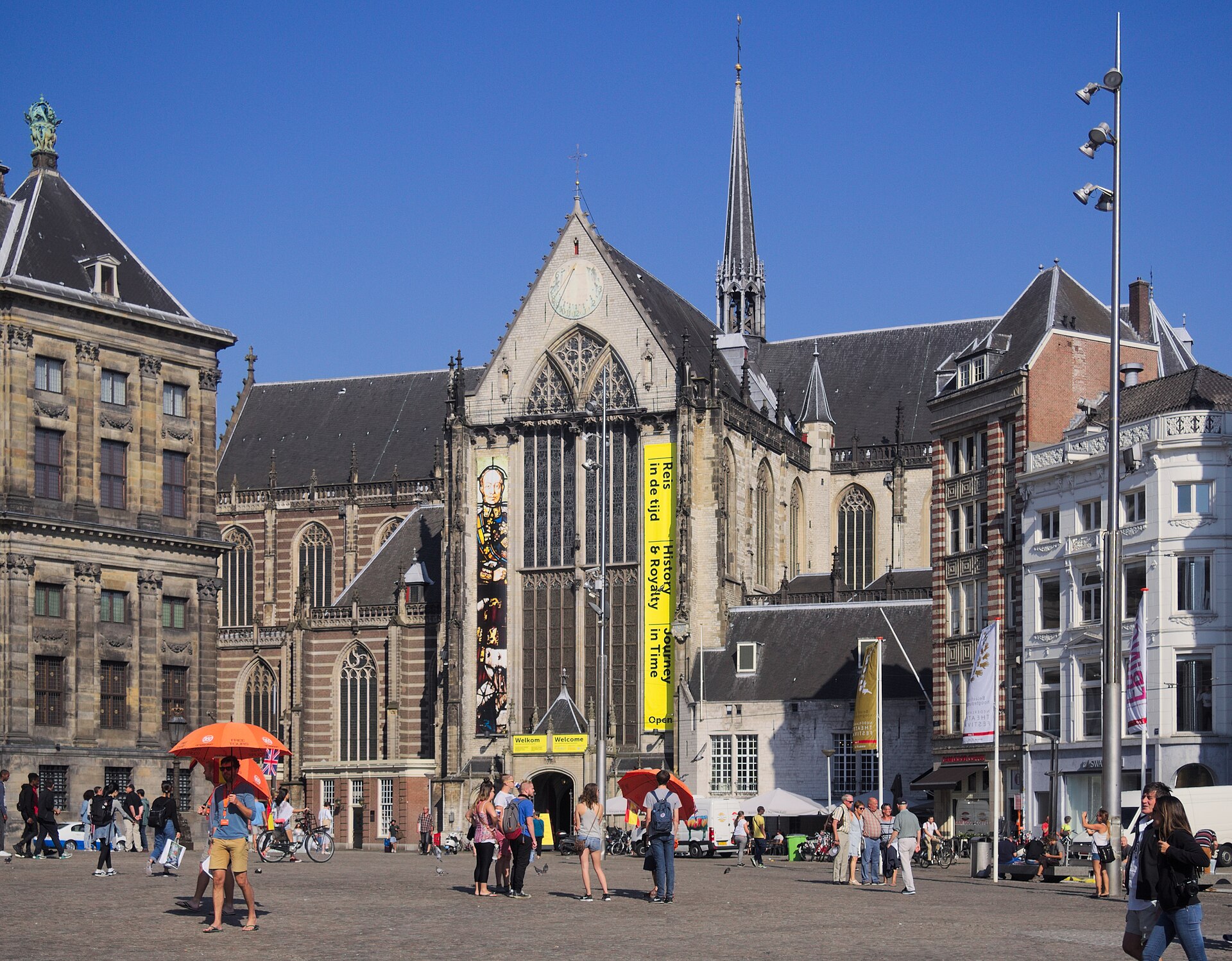
Nieuwe Kerk
Dam, Burgwallen-Nieuwe Zijde, Amsterdam, 1012 NP, Netherlands
They call it the "New Church," which is a bit rich for a building that dates to 1408. But when your neighbor is the Oude Kerk from 1306, everything is relative. The Nieuwe Kerk was built because medieval Amsterdam was booming and the old church couldn't fit everyone anymore. The bishop of Utrecht gave permission to build a second parish church in 1380, and construction finished in 1408. The church has had spectacularly bad luck with fire. City fires damaged it in 1421 and 1452, and in 1645 it burned almost entirely to the ground. Each time, Amsterdam rebuilt it grander than before, eventually settling on the late Gothic style you see today. But what survived best was the church's role in Dutch political life. Since 1814, every Dutch monarch has been inaugurated here — not crowned, mind you, because the Dutch constitution doesn't use that word. King Willem-Alexander took his oath here in 2013, and before that, his mother Beatrix in 1980. The church stopped holding regular services decades ago and transformed into one of Amsterdam's premier exhibition spaces. Today it hosts world-class art and photography shows, which means you might walk in expecting stained glass and organ pipes and find yourself staring at a contemporary installation instead. No services, no congregation, no permanent collection — just a gorgeous Gothic shell that reinvents itself with every new exhibition. The Nieuwe Kerk is Amsterdam's great shape-shifter: six centuries old and still refusing to be pinned down.
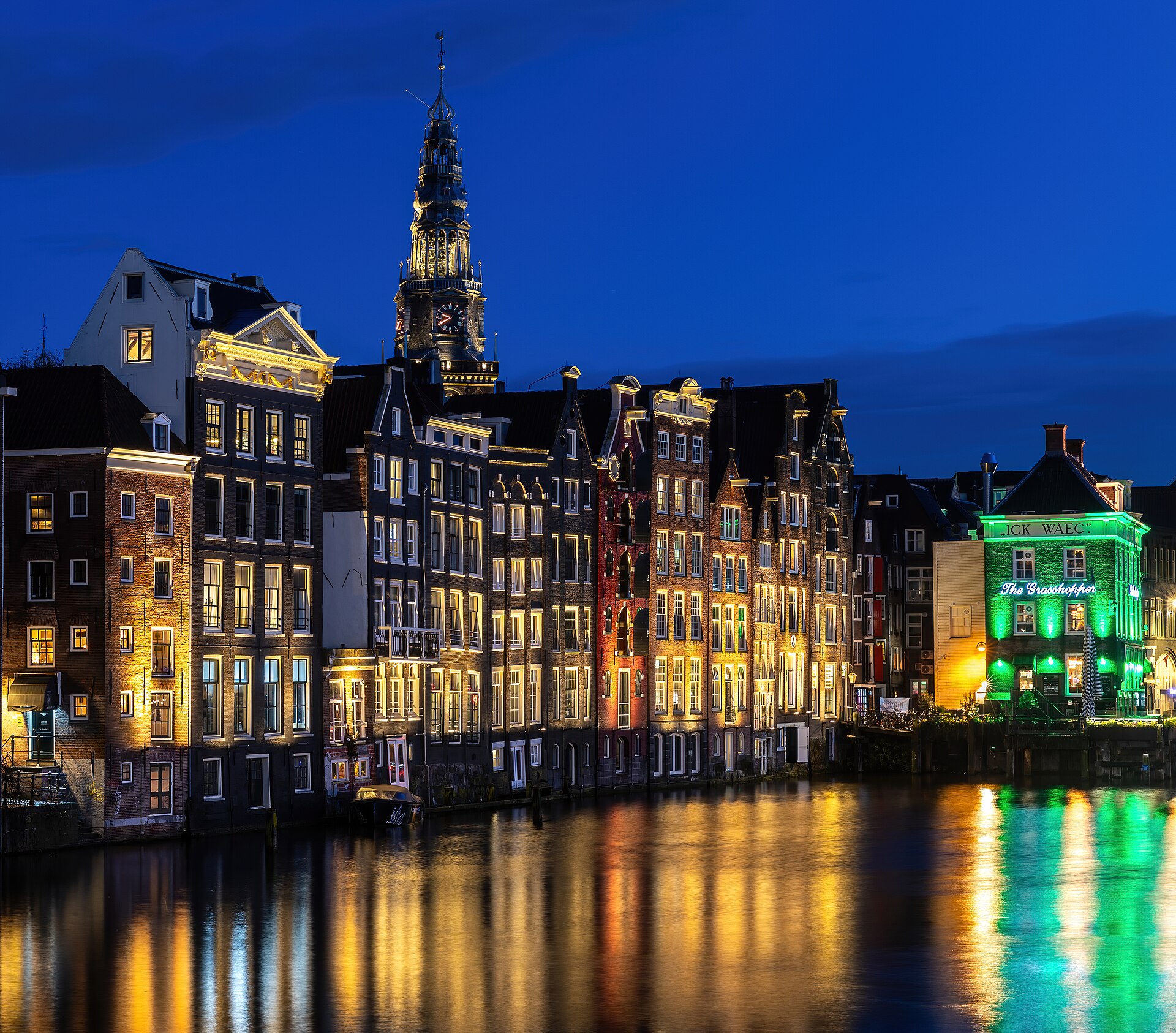
Oude Kerk
23 Oudekerksplein, Burgwallen-Oude Zijde, Amsterdam, 1012 GX, Netherlands
Amsterdam's oldest building started as a wooden chapel built by fishermen around 1213, which tells you everything about where this city came from. By 1306, the stone church that replaced it was consecrated by the bishop of Utrecht, dedicated to Saint Nicholas — patron saint of sailors, which made perfect sense for a town that was basically a collection of docks and warehouses at that point. What makes the Oude Kerk genuinely strange is that you're walking on the dead. The entire floor consists of 2,500 gravestones, beneath which approximately 60,000 Amsterdammers are buried, stacked and layered over centuries. The church was built on a cemetery, and when space ran out, they just kept burying people under the flagstones inside. Rembrandt's wife Saskia van Uylenburgh is here — she was buried in 1642, and you can visit her grave in the Holy Sepulchre chapel. Rembrandt himself was a regular, and all his children were christened in this church. Look up, because the ceiling is extraordinary. Those Estonian oak planks date to 1390 and form the largest medieval wooden vault in Europe, noted for their remarkable acoustics. Then look around at what's missing: during the Beeldenstorm of 1566, a Protestant mob smashed most of the church's Catholic art and fittings in a frenzy of iconoclastic destruction. After the Reformation in 1578, it became a Calvinist church and has stayed that way ever since. Today the Oude Kerk sits in the heart of the Red Light District, which creates one of Amsterdam's most surreal contrasts: medieval sanctity surrounded by neon-lit windows. The church embraces the irony and regularly hosts contemporary art exhibitions inside.
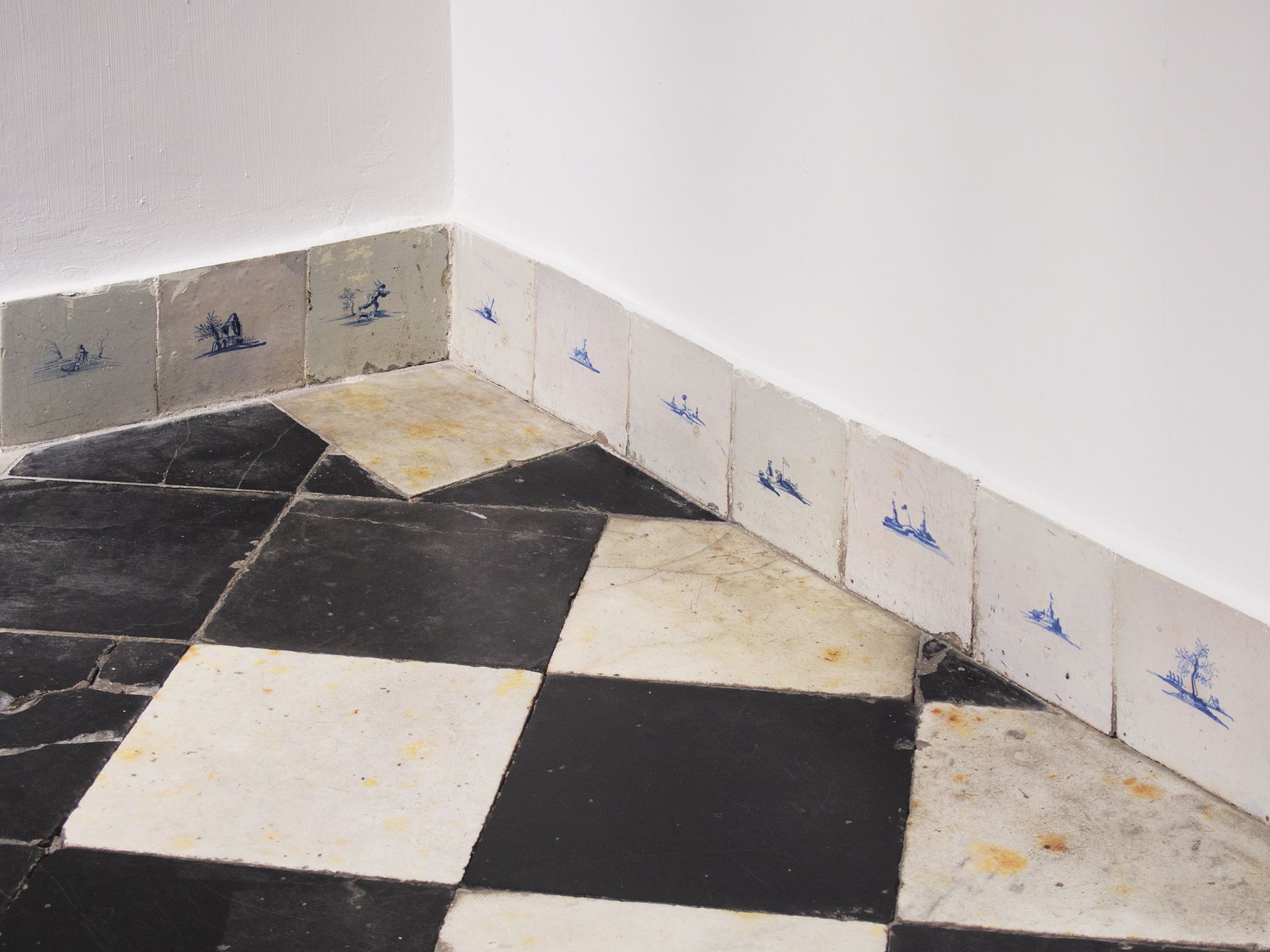
Our Lord in the Attic
Oudezijds Voorburgwal 38, 1012 GE Amsterdam
From the outside, it looks like any other 17th-century canal house. Step inside, climb the narrow stairs to the top floor, and you find a fully functioning Catholic church hidden in the attic — complete with an altar, galleries, an 18th-century pipe organ, and seating for 150 worshippers. This is one of Amsterdam's best-kept secrets: a clandestine church that operated for over two centuries right under the noses of the Protestant authorities. After the Reformation of 1578, Catholic worship was officially banned in Amsterdam. But the city's famously pragmatic approach to religion meant that Catholics could worship privately, as long as their churches weren't recognizable from the street. In 1661, a wealthy merchant named Jan Hartman bought three adjacent buildings on the Oudezijds Voorburgwal and converted the top three floors into a schuilkerk — a hidden church. Between 1661 and 1663, the attic was transformed into a surprisingly grand sacred space that served the Catholic community for over 225 years. The museum opened in 1888, making it the second-oldest museum in Amsterdam after the Rijksmuseum. About 85,000 people visit annually, but it remains wonderfully under-the-radar compared to the city's blockbuster attractions. The 17th-century living quarters below the church are preserved as a period home, showing how a prosperous Amsterdam merchant would have lived — the kitchen, the parlor, the bedrooms — creating a domestic time capsule. The pipe organ was built by Hendrik Meyer in 1794 specifically for this space and is still regularly played. Hearing it in this intimate, unexpected setting — a church disguised as a house, concealed for centuries — is one of Amsterdam's most moving experiences.
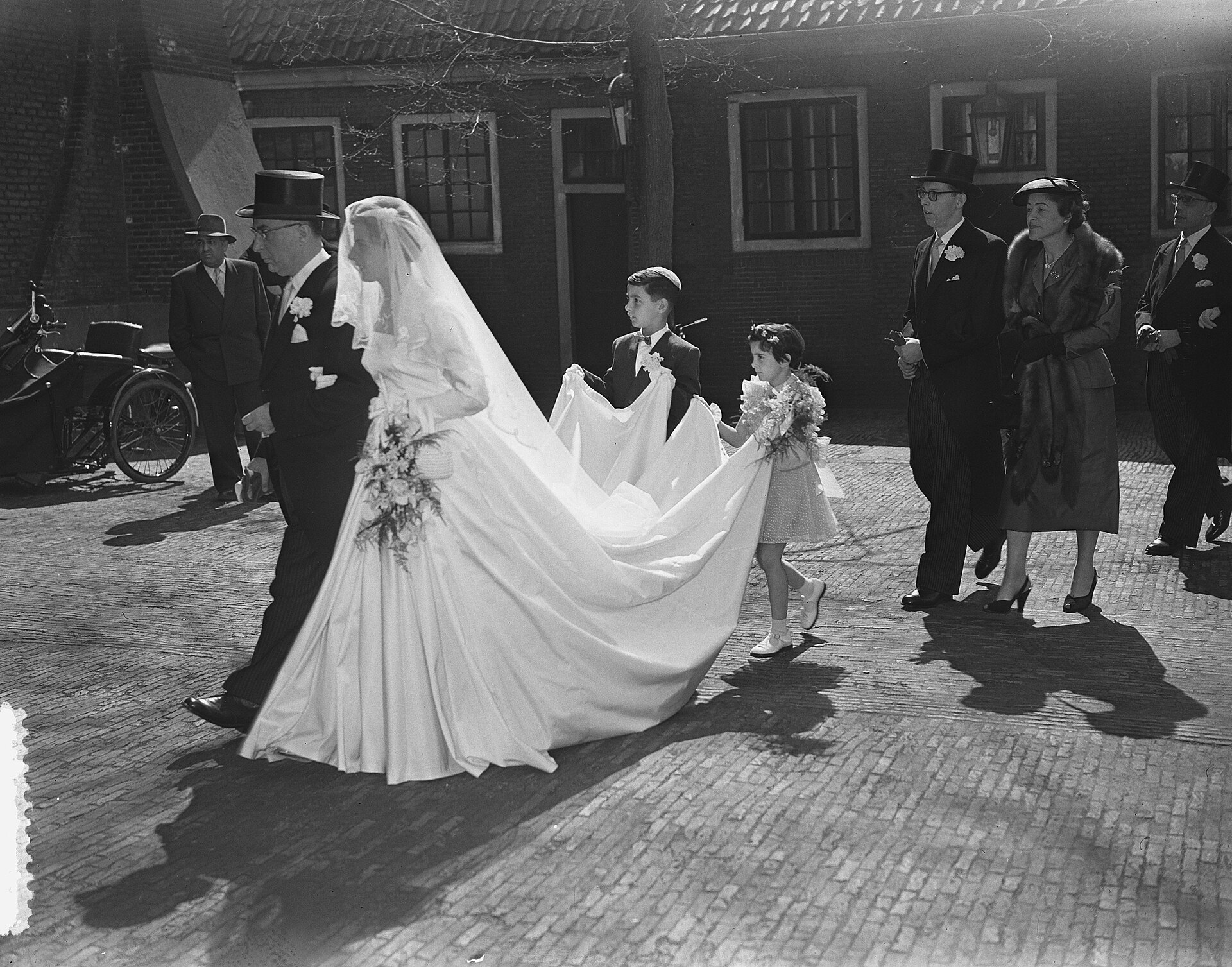
Portuguese Synagogue (Esnoga)
Mr. Visserplein 3, 1011 RD Amsterdam
When this synagogue was completed in 1675, it was the largest in the world — a deliberate statement by Amsterdam's Sephardic Jewish community that they had found a home worth celebrating. These were descendants of Jews expelled from Spain and Portugal during the Inquisition, who arrived in Amsterdam because the city offered something almost unheard of in 17th-century Europe: genuine religious tolerance. They prospered in trade and diamond cutting, and the synagogue they built reflected that wealth: 186,000 florins, an enormous sum. The architect, Elias Bouman, designed the building with the inspiration of Solomon's Temple in Jerusalem. The interior has never been fitted with electric lighting — services are still held by candlelight, using thousands of candles in massive brass chandeliers. The effect at an evening service is extraordinary: the same warm, flickering light that worshippers have seen here for three and a half centuries. During the Holocaust, the Nazis planned to use the Esnoga as a deportation center for Jews. Leo Palache and a team of volunteers managed to dissuade them, and Jewish ritual objects were hidden in the sanctuary ceiling and attic floor to protect them. On May 9, 1945, four days after liberation, services resumed. The building had survived the war physically intact, though the community that built it was devastated — roughly 75 percent of Dutch Jews were murdered in the Holocaust. The Ets Haim library upstairs, with 500 manuscripts and 30,000 printed works, was added to UNESCO's Memory of the World Register in 2003. Together with the Old-New Synagogue in Prague, this is considered one of the oldest functioning synagogues in the world.
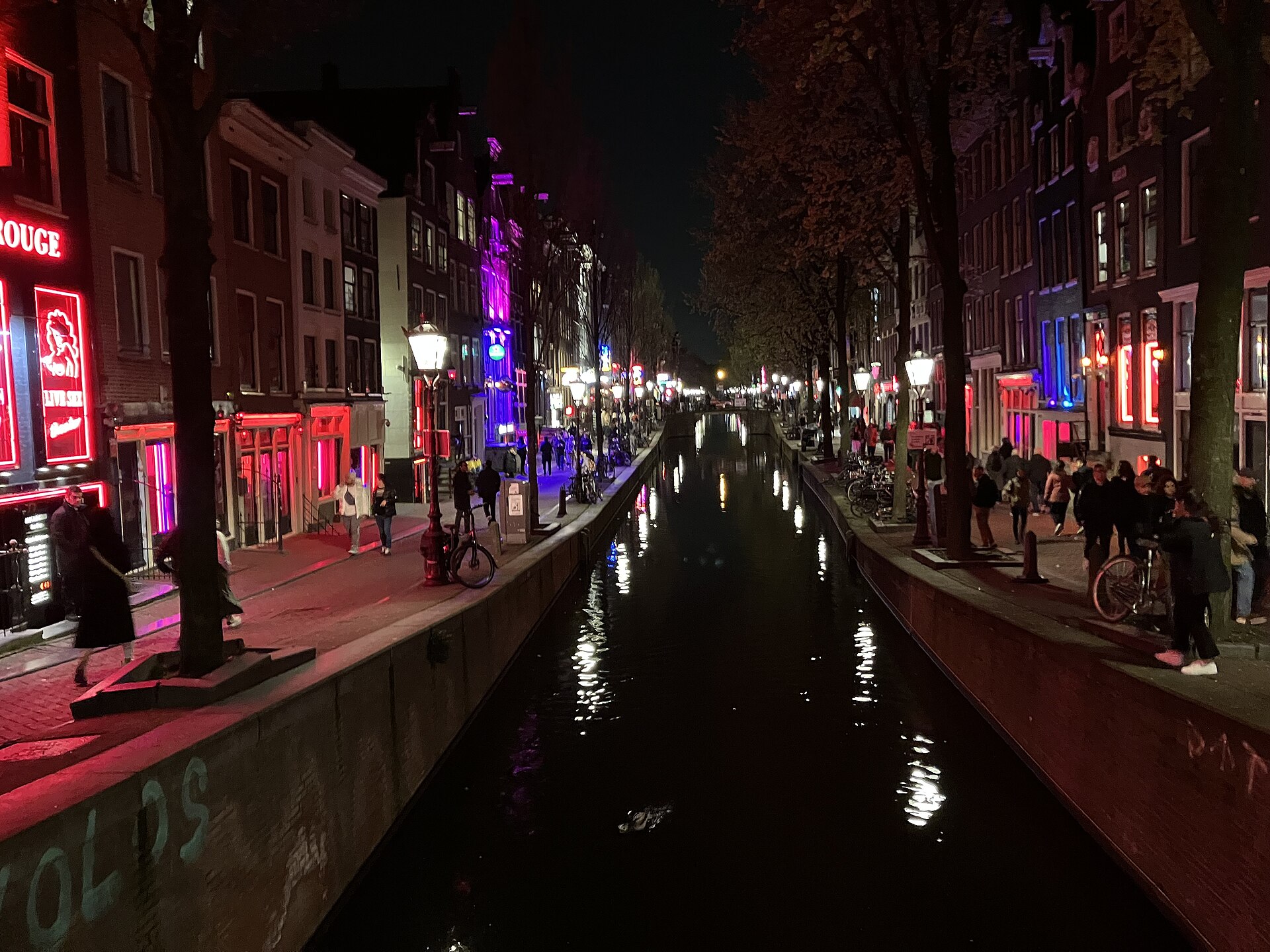
Red Light District (De Wallen)
De Wallen, 1012 Amsterdam
Amsterdam's most infamous neighborhood has been in the business of sin since the 1300s, which makes it one of the oldest continuously operating red-light districts on the planet. Locals call it De Wallen — "the walls" — after the old city walls that once ran through here. When Amsterdam was a booming port in the 14th and 15th centuries, sailors waiting for ships to depart would wander these narrow lanes looking for beer and company, and the neighborhood was happy to provide both. What surprises most visitors is how small and beautiful De Wallen actually is. These are some of Amsterdam's oldest and most picturesque canals, lined with leaning medieval buildings and crossed by tiny bridges. The famous red-lit windows occupy only a few streets within a much larger historic quarter that also contains the Oude Kerk, some of the city's best Indonesian restaurants, and a Buddhist temple tucked into an alley. The Netherlands formally legalized prostitution in 2000, and De Wallen operates under strict regulations — sex workers pay taxes, have regular health checks, and are protected by labor law. But the neighborhood has been shrinking for years. City officials have been buying up window space and converting it into fashion boutiques and art galleries through a gentrification program called Project 1012, named after the postal code. Walk through at different times of day and you get completely different cities. Morning: quiet canals, locals on bicycles, the Oude Kerk bell ringing. Evening: a river of tourists, red neon reflections on the water, and the unmistakable feeling that you're somewhere no other city would dare to build.
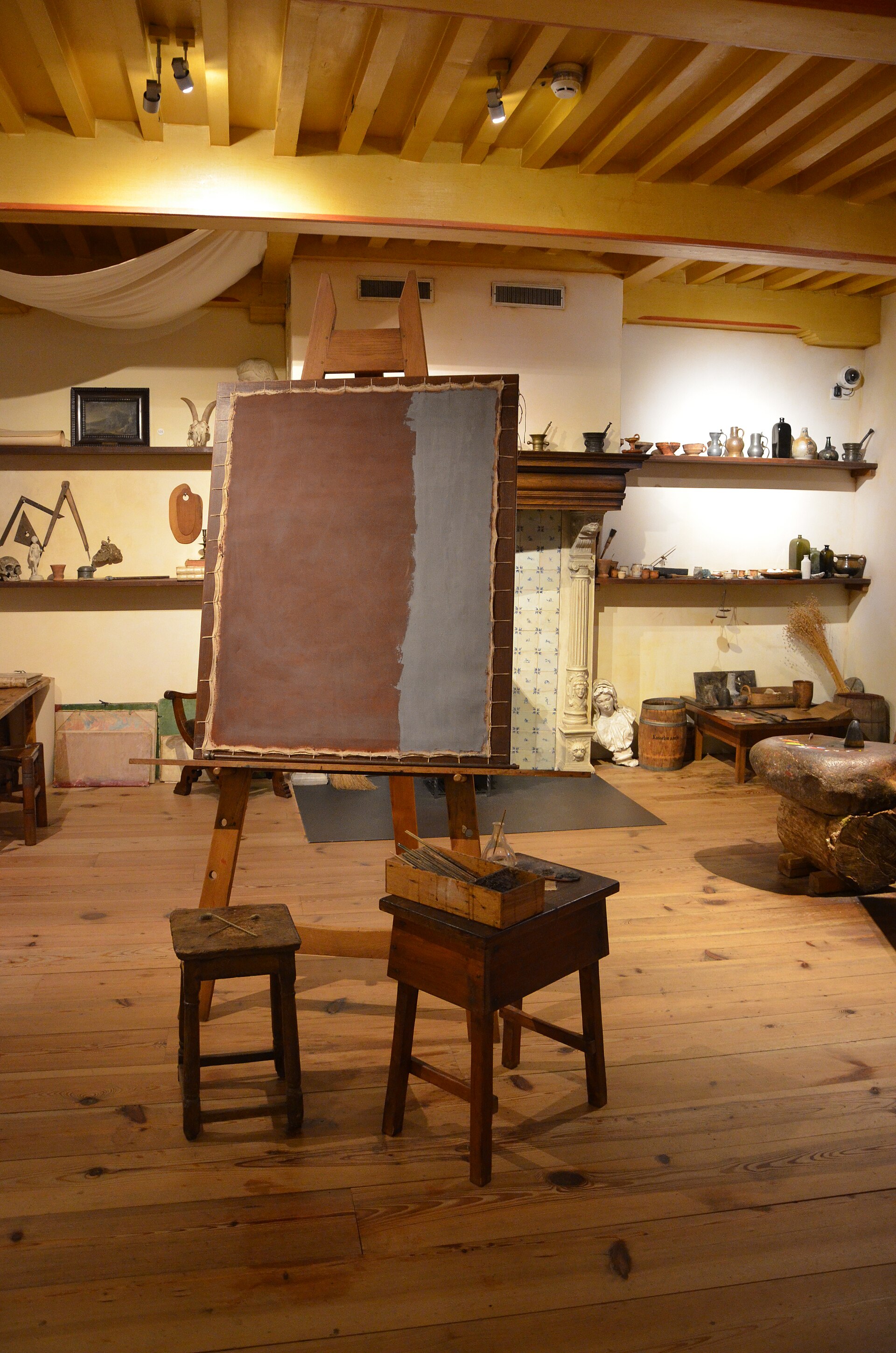
Rembrandt House Museum
Jodenbreestraat 4, 1011 NK Amsterdam
Rembrandt bought this house in 1639 for thirteen thousand guilders, which was a fortune he didn't have. The painter was at the peak of his fame — he'd just completed The Night Watch — and the grand house on Jodenbreestraat was supposed to reflect his status. Instead, it reflected his terrible financial management. He filled the rooms with art, curiosities, armor, shells, and antiquities that he used as props for paintings, spending recklessly while commissions dried up. By 1656, he was declared insolvent. The creditors seized the house and sold it, along with everything inside, for eleven thousand guilders in 1658. The detailed bankruptcy inventory they compiled is the reason we know exactly what was in every room. That inventory is also why the museum can reconstruct Rembrandt's living and working spaces with remarkable accuracy. His studio is set up as it would have been: the easel positioned near the window for north light, the etching press in the corner, pigments ground on a stone slab. The museum holds nearly the complete collection of Rembrandt's etchings — 250 out of 290 known works — making it the definitive place to see his printmaking genius. The house itself, built around 1606 and renovated circa 1627 under the possible supervision of Jacob van Campen, was in poor condition by the early 20th century. During the Rembrandt Year of 1906, enthusiasm for the painter peaked, the municipality purchased the building in 1907, and Queen Wilhelmina officially opened it as a museum in 1911. A modern annex was added in 1998. Step into the art cabinet and you understand Rembrandt's obsessions — the exotic objects, the play of shadow and texture — in a way that no painting in a gallery can convey.
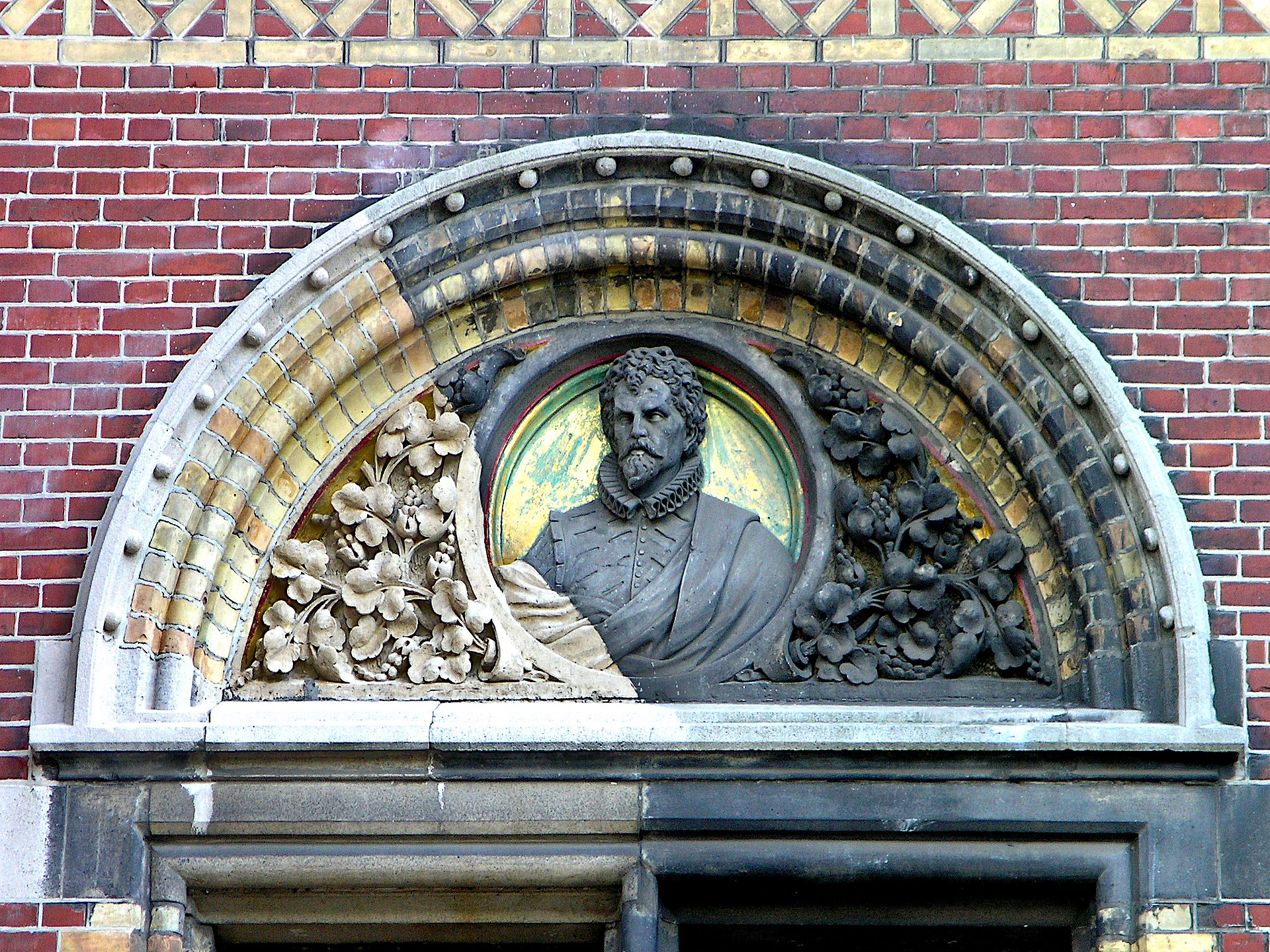
Rijksmuseum
Museumstraat 1, 1071 XX Amsterdam
The Rijksmuseum is the only museum in the world with a public road running through it. Pierre Cuypers designed the building in 1876 with a passageway for cyclists and pedestrians cutting straight through the center — partly because Amsterdam's city planners insisted on maintaining the street grid, and partly because Cuypers loved a dramatic entrance. When it opened in 1885, King William III refused to attend the ceremony, allegedly calling the building "that convent" because he thought Cuypers — a Catholic — had made it look too much like a church. The collection began in 1800 when the Dutch government, inspired by the French, decided the nation needed a proper museum. It started in The Hague with 200 paintings and objects. Napoleon's brother Louis moved it to Amsterdam in 1808, and the city contributed its own masterpieces, including Rembrandt's The Night Watch. Today the Rijksmuseum holds over one million objects spanning 800 years of Dutch art and history, though only about 8,000 are on display at any given time. The Night Watch alone gets its own room — the Gallery of Honour — and it's been the museum's centerpiece since day one. But the Rijksmuseum is more than Rembrandt. Vermeer's Milkmaid, Delft pottery, colonial-era ship models, 17th-century dollhouses that cost more than actual houses — the collection is staggeringly broad. The museum underwent a massive ten-year renovation from 2003 to 2013, during which Spanish architects Cruz y Ortiz restored Cuypers' original vision while modernizing everything underneath. The result reunified painting, applied arts, and history into a single chronological story. Walk through and you're essentially walking through the Netherlands from the Middle Ages to the 20th century.
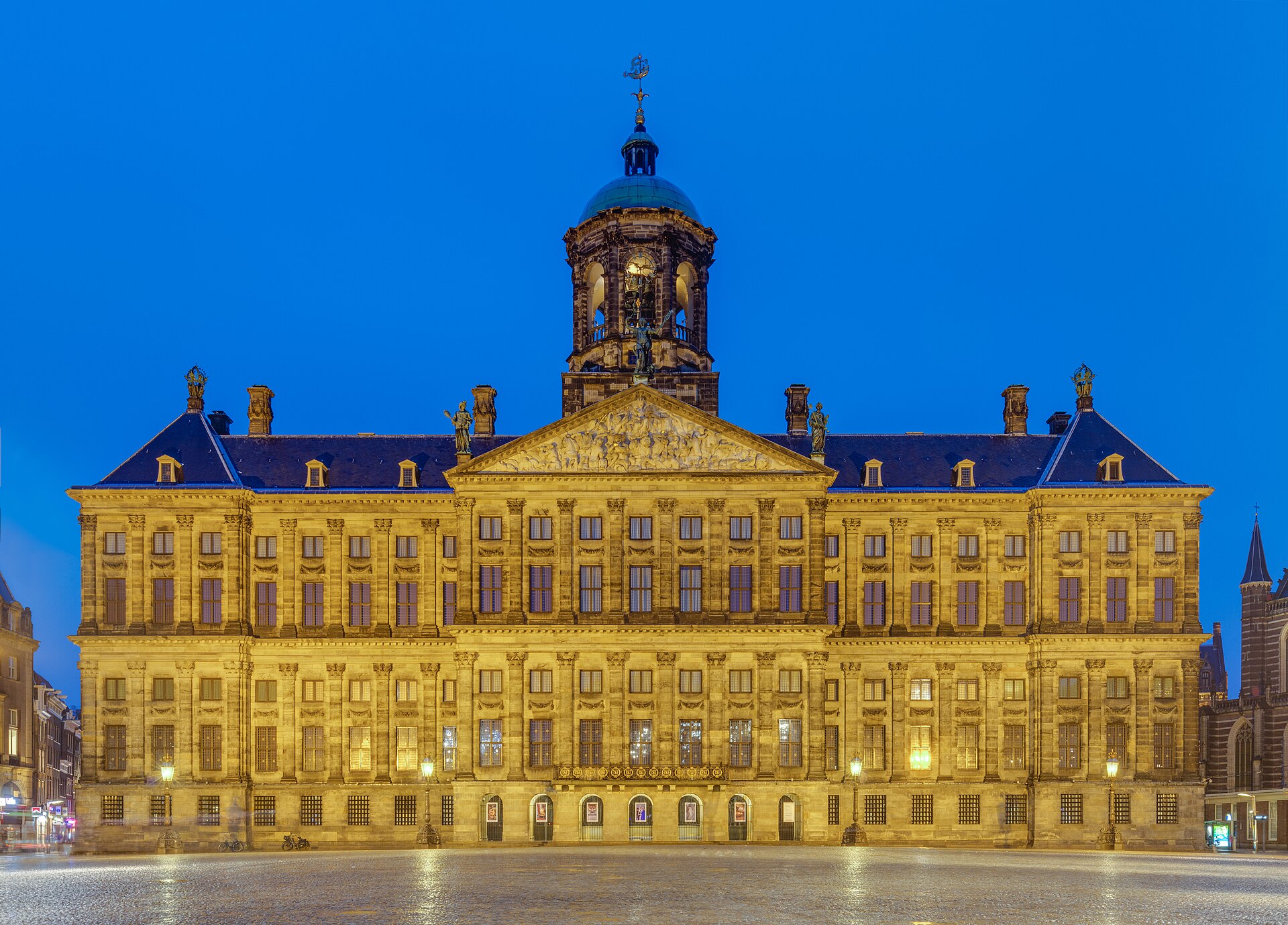
Royal Palace
Nieuwezijds Voorburgwal 147, 1012 RJ Amsterdam
This building was never supposed to be a palace. When Jacob van Campen designed it in 1648, it was Amsterdam's city hall — the biggest, most extravagant municipal building in Europe, and contemporaries called it the Eighth Wonder of the World without a hint of irony. The message was clear: Amsterdam's merchant class had more money and more power than most kings, and they wanted everyone to know it. The engineering alone was staggering. The entire structure sits on 13,659 wooden piles driven deep through Amsterdam's marshy soil into the sand layer below. Without those piles, the building would have sunk into the swamp like everything else. Construction ran from 1648 to 1665, and the Citizen's Hall inside — a cavernous marble room with the Eastern and Western hemispheres inlaid into the floor — was deliberately designed to make visitors feel small. The maps underfoot showed Amsterdam's global trading reach, from the East Indies to Brazil. Then Napoleon's brother Louis showed up. When he became King of Holland in 1806, he commandeered the city hall as his royal residence. He complained the weigh house on the square blocked his view, so he had it demolished in 1808. He also left behind the largest collection of Empire furniture outside of France, which still fills the rooms today. The building remains the official reception palace of King Willem-Alexander, though nobody actually lives here. It welcomes roughly 300,000 visitors a year, most of whom walk across those marble hemisphere floors without realizing they're standing on a 17th-century flex.
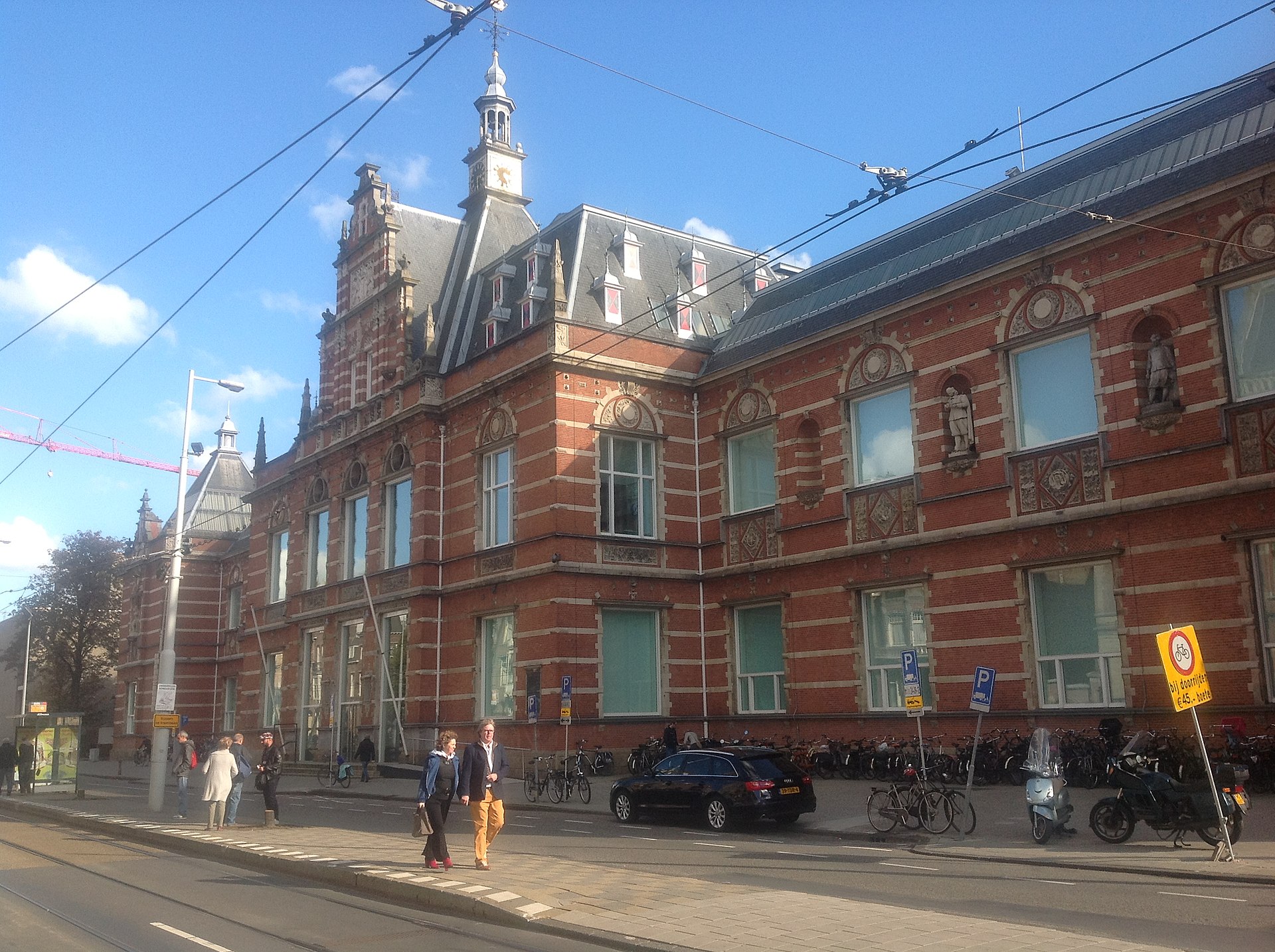
Stedelijk Museum
Museumplein 10, 1071 DJ Amsterdam
Amsterdammers call the modern extension "the bathtub," and once you see it, you can't unsee it. The original 1895 building by Adriaan Willem Weissman is dignified neo-Renaissance brick. The 2012 addition by Benthem Crouwel Architects is a massive white composite structure that does, unmistakably, look like an upended bathtub attached to a 19th-century house. The contrast is deliberate, aggressive, and — depending on who you ask — either brilliant or an act of architectural vandalism. What's inside is less controversial. The Stedelijk holds one of the world's most important collections of modern and contemporary art and design. Malevich's suprematist works, Mondrian's grids, Kandinsky's abstractions, a wall of Karel Appel's explosive CoBrA paintings, major works by Pollock, De Kooning, Warhol, and a growing collection of contemporary artists including Marlene Dumas and Rineke Dijkstra. The photography and design collections are equally strong and frequently overlooked. The museum opened in 1895, originally housing a donated collection of art and antiques. It drifted through various identities until the 1920s, when the focus narrowed to modern art. Under the legendary directorship of Willem Sandberg from 1945 to 1963 — a former resistance member who had forged identity documents during the war — the Stedelijk became one of the most important contemporary art institutions in Europe. Sandberg championed experimental art when nobody else would, and his graphic design work for the museum is now collected as art in its own right. The Stedelijk completes Amsterdam's Museum Square trinity alongside the Rijksmuseum and Van Gogh Museum. It's the youngest, the edgiest, and — thanks to that bathtub — the one you'll have the strongest opinion about before you even walk through the door.
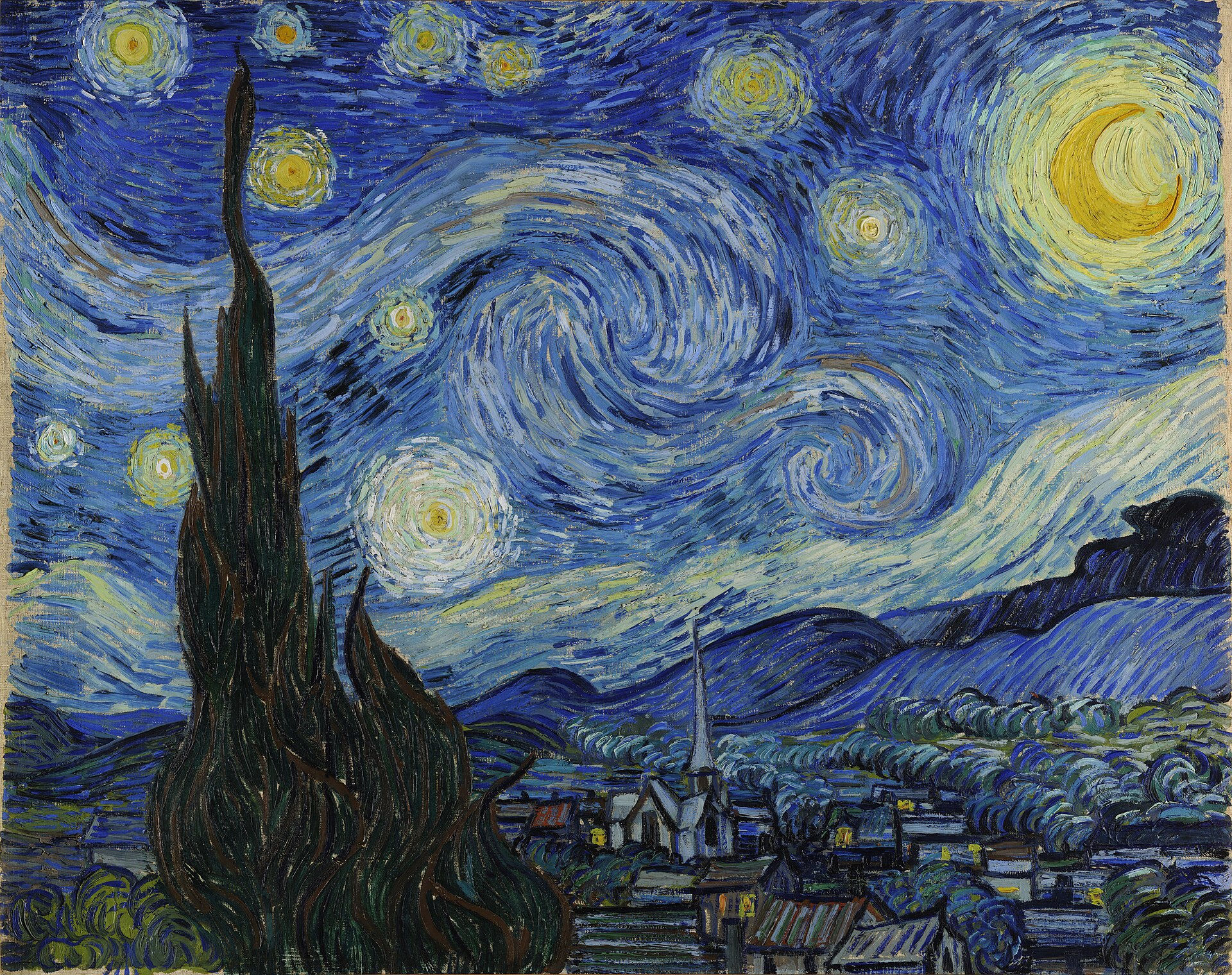
Van Gogh Museum
Museumplein 6, 1071 DJ Amsterdam
Vincent van Gogh sold exactly one painting during his lifetime. Just one — The Red Vineyard, for 400 francs. He died in 1890 at thirty-seven, believing himself a failure. His younger brother Theo, who had financially supported Vincent for years, died six months later. Theo's widow, Johanna van Gogh-Bonger, inherited the entire collection and spent decades promoting Vincent's work, loaning pieces to exhibitions and carefully building his reputation from scratch. Without her, the world's most recognizable painter might have been forgotten. The museum that bears his name opened in 1973 in a building designed by Gerrit Rietveld, a member of the De Stijl movement — the same artistic circle that produced Mondrian's colored grids. Rietveld died before construction finished, and his building is deliberately austere: clean lines, natural light, no distractions from the paintings. A curving exhibition wing designed by Japanese architect Kisho Kurokawa was added in 1999. Inside is the largest Van Gogh collection in the world: 200 paintings, 400 drawings, and 700 letters. You can trace his entire trajectory — from the dark, earthy peasant scenes of his Dutch period through the explosion of color after he moved to Paris and then Arles. The Potato Eaters, Sunflowers, Almond Blossom, Wheatfield with Crows — they're all here, along with nine self-portraits that document his face like a visual diary. The letters are arguably the most intimate part of the collection. Vincent wrote to Theo constantly, and these letters reveal a man who was deeply thoughtful, frequently desperate, and painfully aware of how his mental health was deteriorating. Reading them changes how you see every painting on the walls.
Vondelpark
Vondelpark, Amsterdam
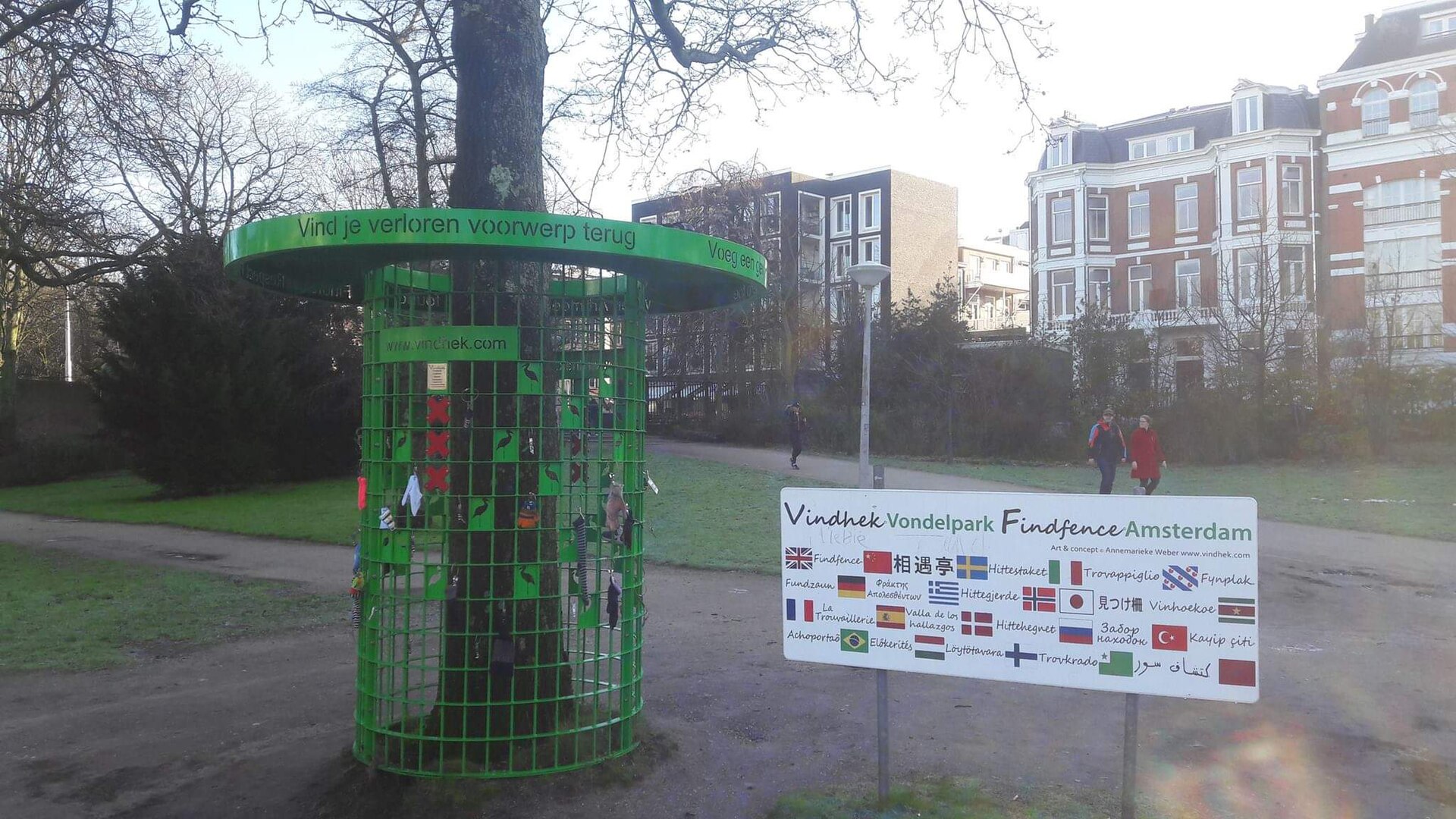
In the 1970s, this park was basically a hippie commune. Thousands of young people — draft dodgers, backpackers, artists, anyone with a sleeping bag and a guitar — camped out on the grass for entire summers, making music and celebrating peace. The Dutch government tolerated it because that's what the Dutch government does. By the 1980s the party wound down, but Vondelpark has never quite lost that easygoing, slightly anarchic spirit. The park itself opened in 1865 as "Nieuwe Park" — New Park — designed by landscape architect Jan David Zocher in the English landscape style, all rolling meadows and meandering paths over what had been marshland. It was renamed Vondelpark in 1867 after Joost van den Vondel, a 17th-century poet and playwright sometimes called the Dutch Shakespeare, whose statue now stands near the main entrance. The park expanded to its current 47 hectares by 1877. With over 10 million visitors a year, it's the most visited park in the Netherlands. In 1996 it became one of the first city parks to be designated a national monument. The Vondelpark Open Air Theatre, established in 1974, hosts free performances of music, dance, and theater from June through August — no tickets needed, just show up. On a sunny afternoon, Vondelpark is Amsterdam at its most relaxed. Joggers circle the ponds, families picnic under elm trees, teenagers play football, someone is definitely playing bongos. It's the city's backyard, the place where the formal grid of canals and right angles gives way to curves and green space and the sound of parakeets — yes, wild parakeets — chattering in the treetops.
Westerkerk
Prinsengracht 281, 1016 GZ Amsterdam
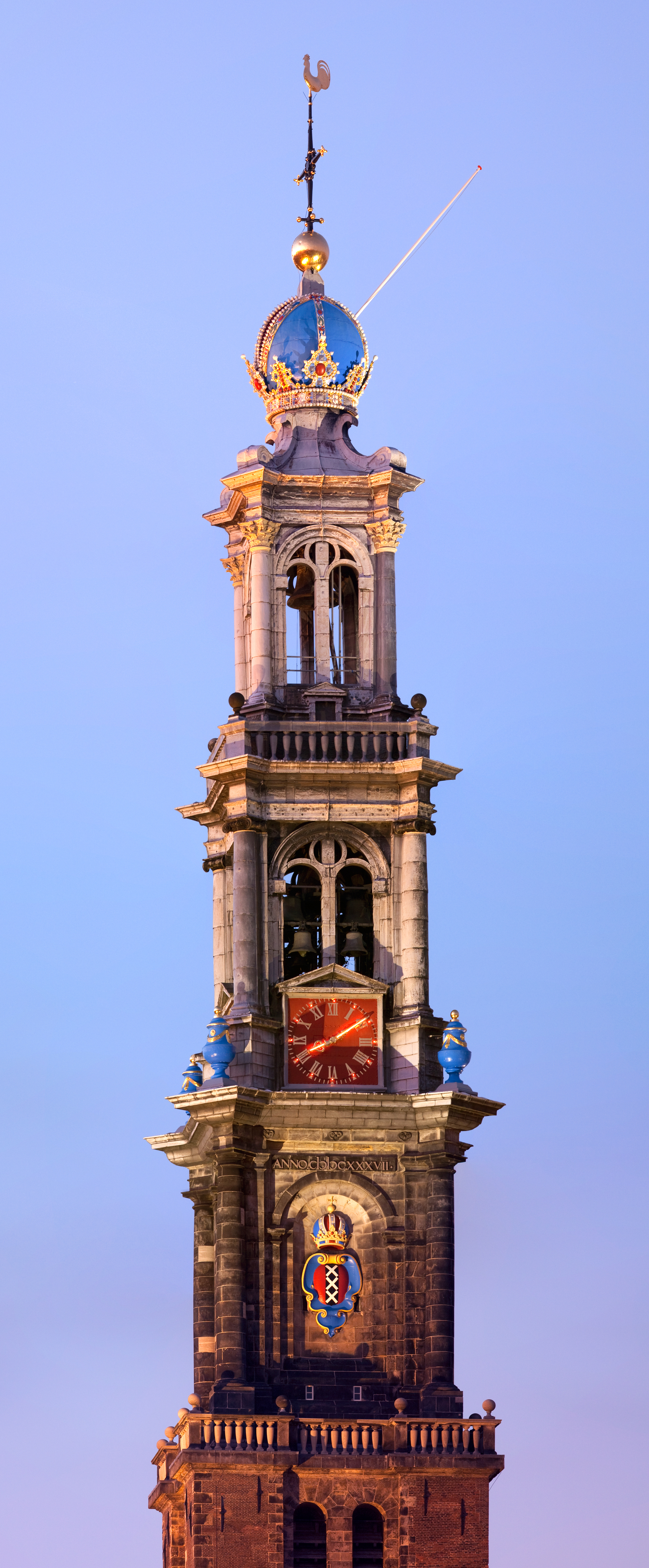
Somewhere under this church, Rembrandt van Rijn is buried. We know he was interred here on October 8, 1669, but the exact location of his grave has been lost — the number was never properly recorded, and no one thought the greatest painter of the Dutch Golden Age was worth a marked tomb. He died broke, after all. His lover Hendrickje Stoffels and his son Titus are also buried here in similarly anonymous graves. The Westerkerk was built between 1620 and 1631, designed by Hendrick de Keyser and completed by his son Pieter after Hendrick's death. At 87 meters, its tower is the tallest church tower in Amsterdam, topped by the blue, red, and gold Imperial Crown of Austria — a gift from Emperor Maximilian I in 1489 for the city's loyalty. The crown has nothing to do with the church and everything to do with Amsterdam's talent for collecting powerful friends. The building itself was revolutionary: one of the first purpose-built Protestant churches in the Netherlands and still the largest church in the country built specifically for Protestant worship. When it was consecrated in 1631, there was no organ, because strict Calvinists considered instrumental music profane. It took decades of deliberation before an organ was finally installed in 1686. Anne Frank mentions the Westerkerk tower constantly in her diary. From the attic of her hiding place at Prinsengracht 263, she could see the clock face and hear the carillon chiming every quarter hour. She wrote that the bells were a comfort — proof that the outside world was still ticking along while hers had shrunk to a few small rooms.