Walking Tours in Boston
30 Landmarks in Boston
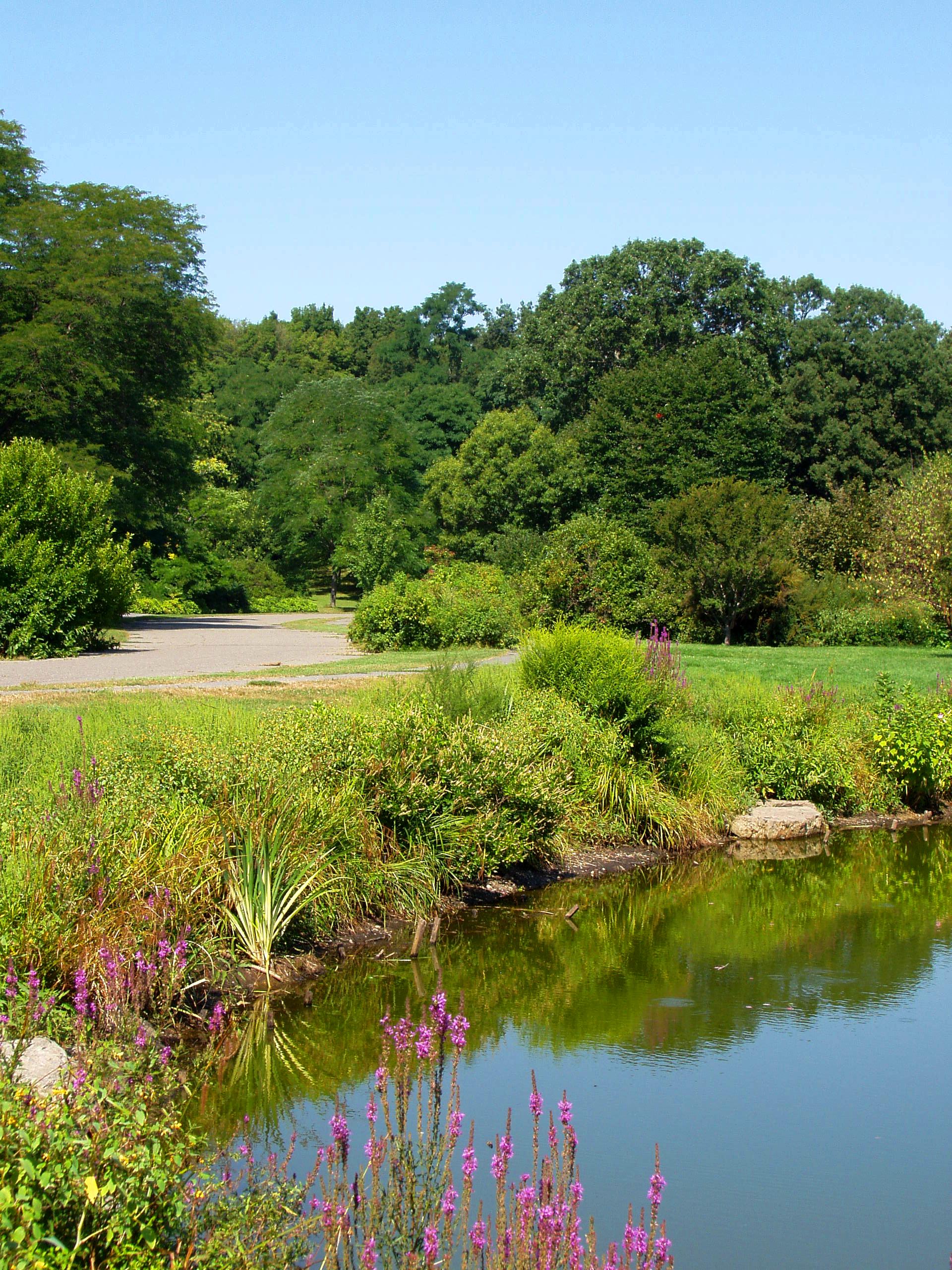
Arnold Arboretum
125 Arborway, Jamaica Hills, Boston, 02130, United States
The Arnold Arboretum is 281 acres of Frederick Law Olmsted's Emerald Necklace — a living museum of 15,000 trees, shrubs, and vines from around the world, owned by Harvard University and free to the public every day of the year under the terms of a unique 1,000-year lease signed in 1872. That lease — in which the city provides the land and Harvard provides the science — is one of the most remarkable public-private partnerships in American history, and it has kept the Arboretum free, open, and beautifully maintained for over 150 years. The collection is arranged by taxonomic family, which means walking through the Arboretum is like walking through a living encyclopedia of plants. The lilac collection — 400 plants representing nearly every cultivated variety — blooms in May during Lilac Sunday, the Arboretum's biggest annual event. The bonsai collection, the conifer collection, and the Asian tree collection are all nationally significant. Peters Hill, the Arboretum's highest point, offers a 360-degree view of the Boston skyline that rivals any paid observatory. Olmsted designed the Arboretum as part of his Emerald Necklace — a seven-mile chain of parks connecting Boston Common to Franklin Park — and the site is simultaneously a research facility for Harvard botanists, a public park for the surrounding Jamaica Plain and Roslindale neighbourhoods, and a designed landscape that demonstrates Olmsted's genius for making science look like nature. Come in May for the lilacs, in October for the foliage, or on any quiet weekday to experience a 281-acre garden that feels more like countryside than city.
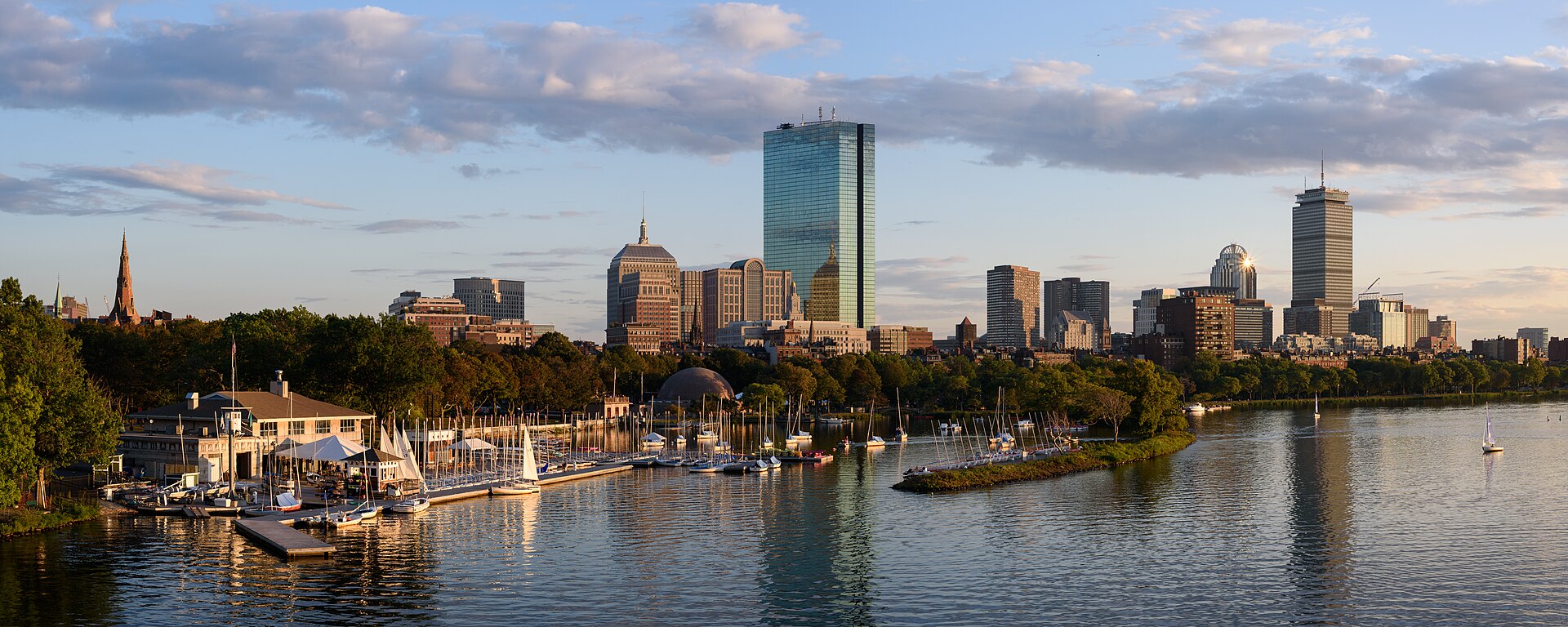
Back Bay
Boston, United States
Back Bay is Boston's most architecturally cohesive neighbourhood — a grid of Victorian brownstone rowhouses built on filled land in the second half of the 19th century, with wide avenues, tree-lined sidewalks, and Newbury Street running through its centre as the city's premier shopping and dining strip. The neighbourhood didn't exist before the 1850s — it was literally the back bay of the Charles River, a tidal flat that smelled terrible at low tide — and the filling project that created it took 30 years and required 600 train cars of gravel per day from the suburbs. The result is the most Parisian neighbourhood in America. The grid layout, unusual in organic, cow-path-driven Boston, was deliberately designed to rival European boulevards, and Commonwealth Avenue — with its central promenade of mature elms, brownstone mansions, and bronze statues of historical figures — is the centrepiece. The cross-streets are arranged alphabetically (Arlington, Berkeley, Clarendon, Dartmouth, Exeter, Fairfield, Gloucester, Hereford), which makes navigation simple and the naming convention slightly obsessive. Newbury Street, running parallel to Commonwealth Ave, transitions from luxury boutiques at the Arlington Street end to tattoo parlours and streetwear shops at the Massachusetts Avenue end, with restaurants, galleries, and sidewalk cafes throughout. Copley Square — anchored by Trinity Church, the Boston Public Library, and the Hancock Tower — is the neighbourhood's public living room and one of the finest urban squares in America.
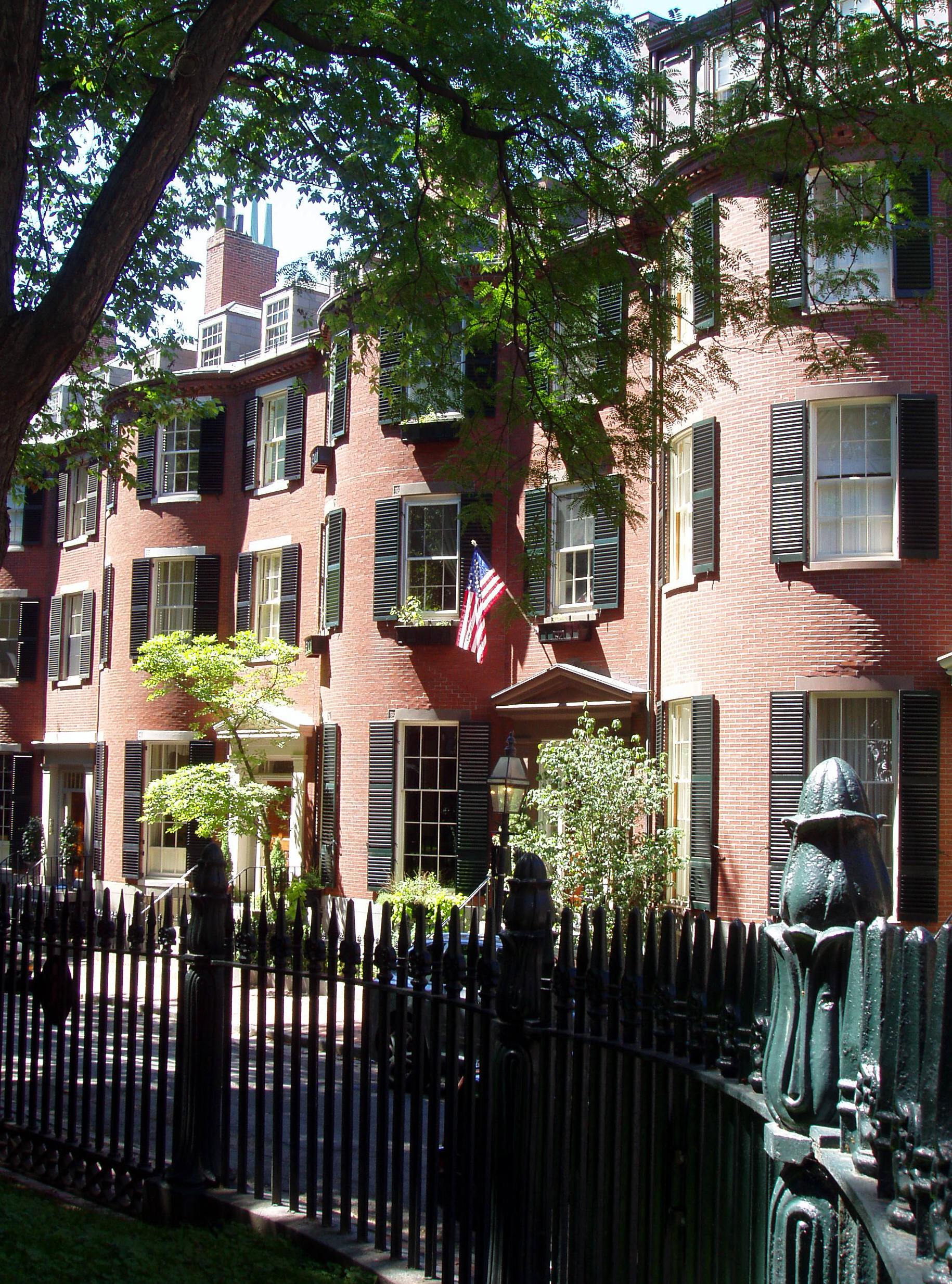
Beacon Hill
Boston, United States
Beacon Hill is Boston's most beautiful neighbourhood — a steep hillside of Federal-style brick rowhouses, gas-lit streetlamps, and cobblestone lanes that hasn't fundamentally changed since the early 19th century. Acorn Street, a narrow cobblestone alley lined with brick facades and flower boxes, is regularly called the most photographed street in America, and even accounting for that kind of hyperbole, it's genuinely picturesque. The neighbourhood was built on one of Boston's original three hills (most of the other hills were levelled and used as fill to create Back Bay and the waterfront) and its steep, narrow streets were designed for horse-drawn carriages, not cars. Walking Beacon Hill feels like walking through a preserved 1830s streetscape, except that the preserved streetscape contains some of the most expensive real estate in New England. Louisburg Square — a private residential square with a central garden — is the most exclusive address in Boston, where homes regularly sell for over $10 million. Charles Street, the commercial spine at the base of the hill, is lined with antique shops, independent bookstores, cafes, and the kind of small businesses that have been priced out of most American cities. The Black Heritage Trail, a separate walking route through the north slope of Beacon Hill, tells the story of Boston's free Black community in the 19th century — including the African Meeting House, the oldest standing Black church building in America, and the homes of abolitionists who used Beacon Hill as a stop on the Underground Railroad.
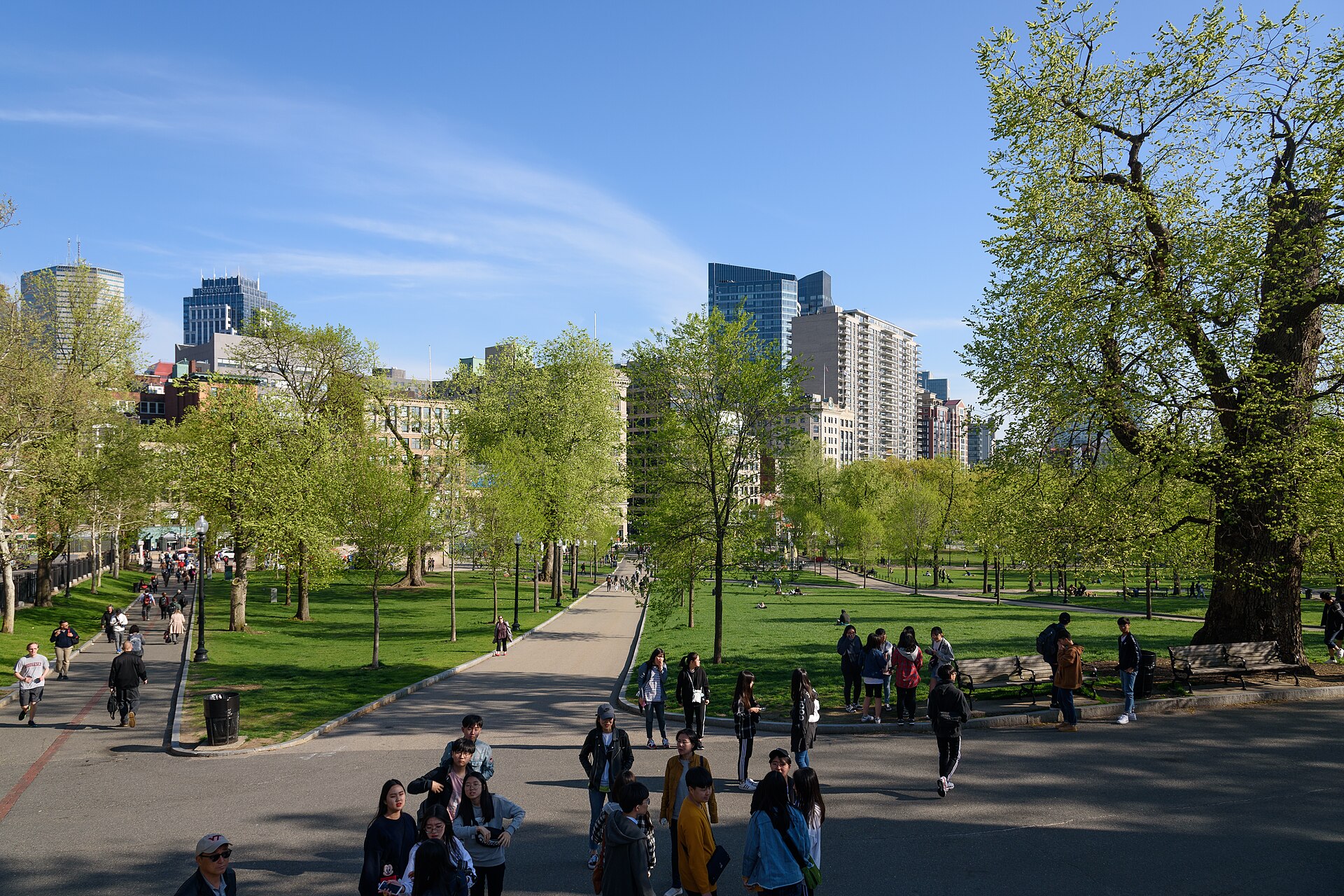
Boston Common
139 Tremont St, Boston Common, Boston, 02111, United States
Boston Common is the oldest public park in America — set aside for communal use in 1634, four years after the city was founded and 142 years before anyone thought to declare independence. In the intervening centuries, it's been a cow pasture, a military camp, a public execution site, a rallying ground for abolitionists, and the starting point of the Freedom Trail. It has never stopped being a park. The Common sits at the intersection of every major neighbourhood in central Boston — Beacon Hill rises to the north, the Theatre District to the south, Back Bay to the west, and the Financial District to the east — making it the geographic and social heart of the city. The Frog Pond, which serves as a wading pool in summer and an ice skating rink in winter, occupies the centre. The Soldiers and Sailors Monument on the hill provides the best elevated view of the park and the surrounding cityscape. What makes the Common remarkable isn't any single feature — it's the accumulation of nearly 400 years of public use. Martin Luther King Jr. spoke here. The British quartered troops here during the Revolution. Convicted pirates were hanged from the Great Elm (now gone). Pope John Paul II held mass for 400,000 people in 1979. The park absorbs history and keeps functioning as the place where Boston comes to sit on a bench, walk a dog, or eat lunch on the grass. It's the most democratic piece of real estate in a city that invented American democracy.
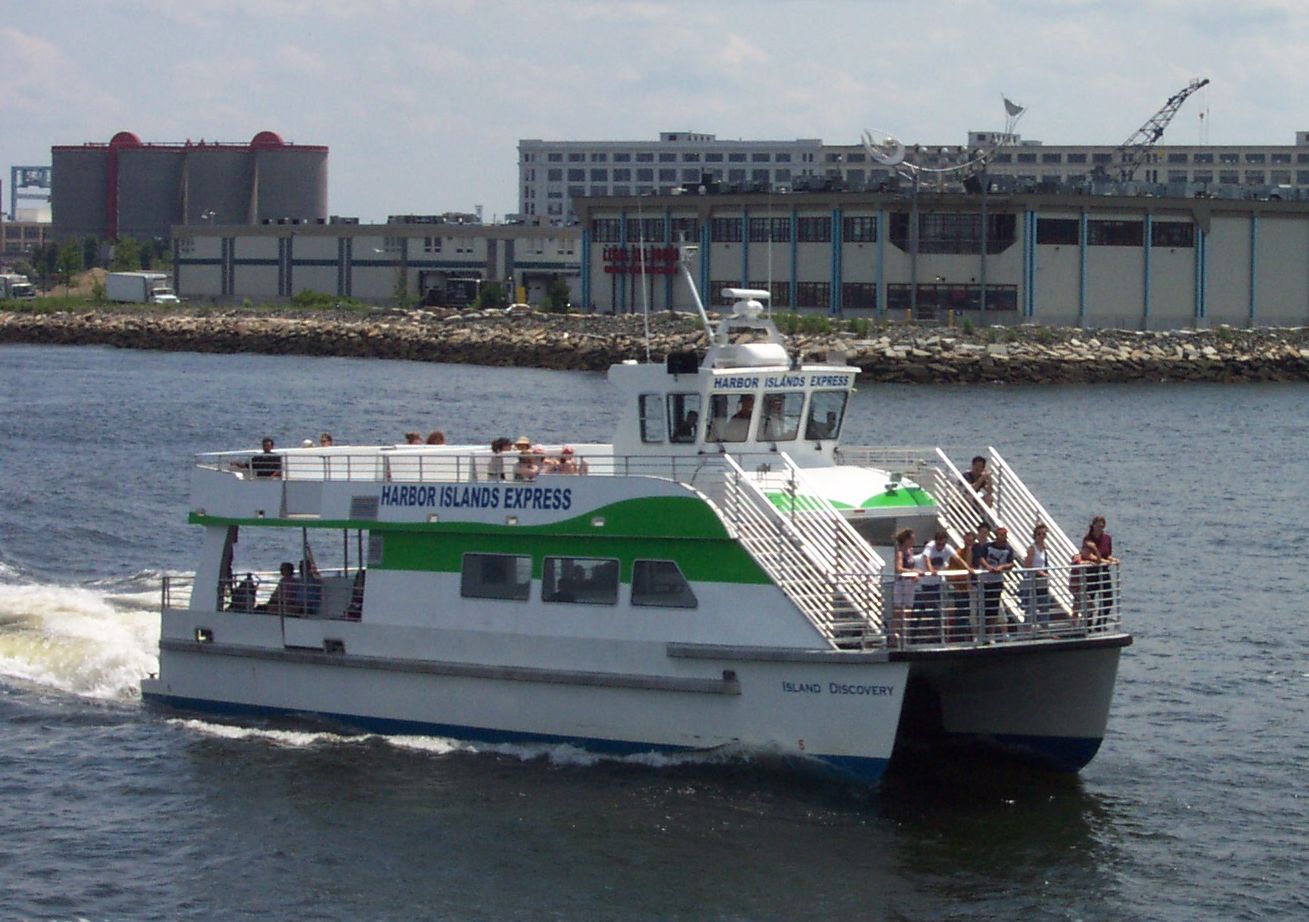
Boston Harbor Islands
Harbor Islands, Winthrop, United States
The Boston Harbor Islands are a 34-island national park scattered across Boston Harbor, and the fact that most visitors to Boston have never heard of them is one of the city's great missed opportunities. Spectacle Island — the most accessible, a 20-minute ferry ride from Long Wharf — has swimming beaches, hiking trails, and a skyline view that makes every photograph you've ever seen of Boston look incomplete. The islands have a complicated history. Some were used as military fortifications — Fort Warren on Georges Island held Confederate prisoners during the Civil War. Others served as quarantine stations, garbage dumps, and sewage treatment plants. Spectacle Island itself was a landfill until the 1990s, when it was capped with clean soil from the Big Dig and transformed into the park it is today. The metamorphosis from dump to beach is one of Boston's great environmental success stories. The ferry system runs from Long Wharf (near the Aquarium) and connects several islands, making it possible to island-hop in a single day. Georges Island has the massive Civil War-era Fort Warren, with dark granite tunnels and emplacements that feel more like a European castle than a New England fort. Peddocks Island has the remains of a military chapel and abandoned barracks slowly being reclaimed by vegetation. The camping on some islands — falling asleep with the Boston skyline twinkling across the water — is one of the most unique overnight experiences available in any American city.
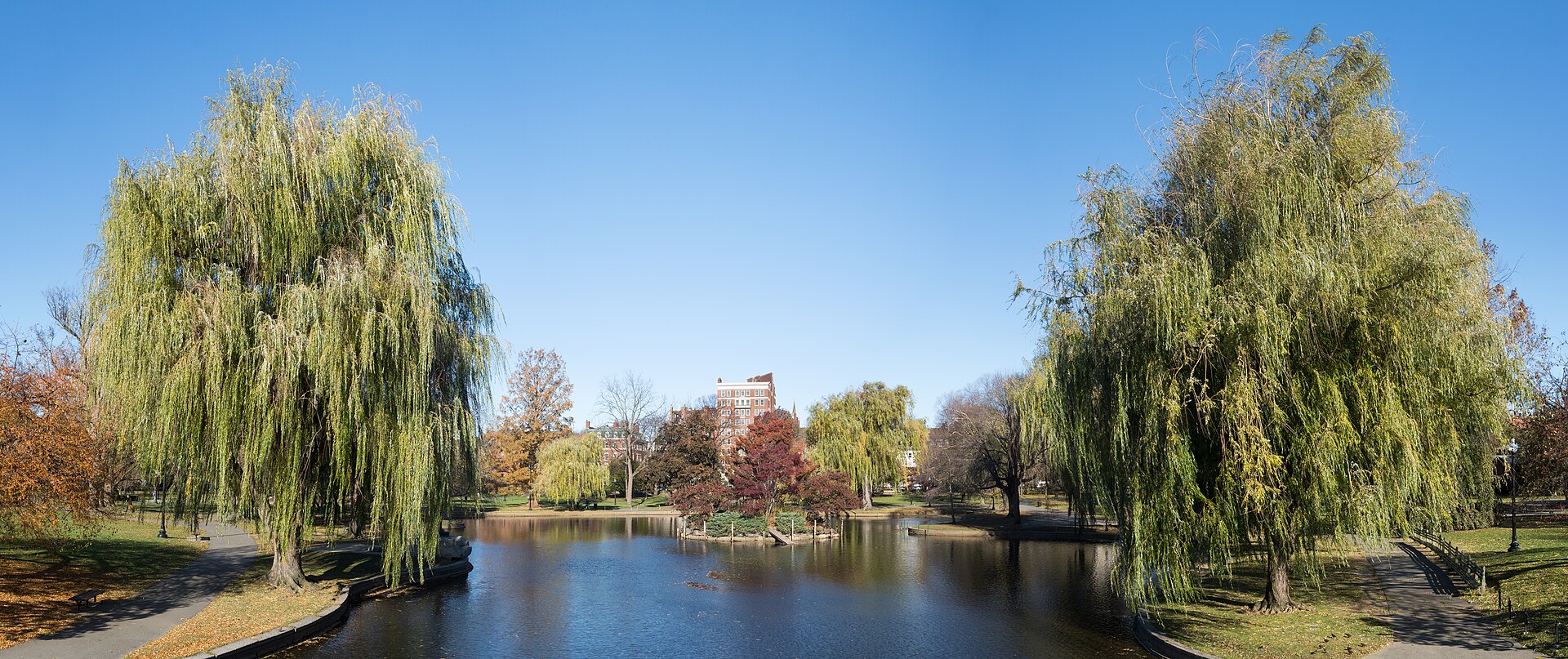
Boston Public Garden
4 Charles St, Boston, MA 02116
The Boston Public Garden is the first public botanical garden in America — created in 1837 on land that was tidal marsh until the 1830s, and now a 24-acre Victorian garden that sits next to Boston Common but feels like an entirely different world. Where the Common is a democratic scrum of joggers, tourists, and buskers, the Public Garden is a manicured landscape of flower beds, weeping willows, and a serpentine lagoon crossed by the world's smallest suspension bridge. The Swan Boats are the Public Garden's signature — pedal-powered pontoons shaped like swans that have been carrying passengers around the lagoon since 1877, making them the oldest concession in the park. The ride takes about 15 minutes and costs a few dollars, which buys you a slow circuit of the lagoon past the bronze 'Make Way for Ducklings' statues — eight ducklings following their mother in a scene from Robert McCloskey's beloved children's book, installed in 1987 and now among the most photographed sculptures in Boston. The garden's botanical collection is genuine — the beds are planted with over 80 species that change seasonally, and the tulip display in May is one of the most photographed spring scenes in New England. The trees include a mix of native species and exotics, and several are old enough to have shaded Civil War veterans sitting on the same benches that visitors use today. The equestrian statue of George Washington at the Arlington Street entrance is the largest bronze casting made in America when it was completed in 1869.
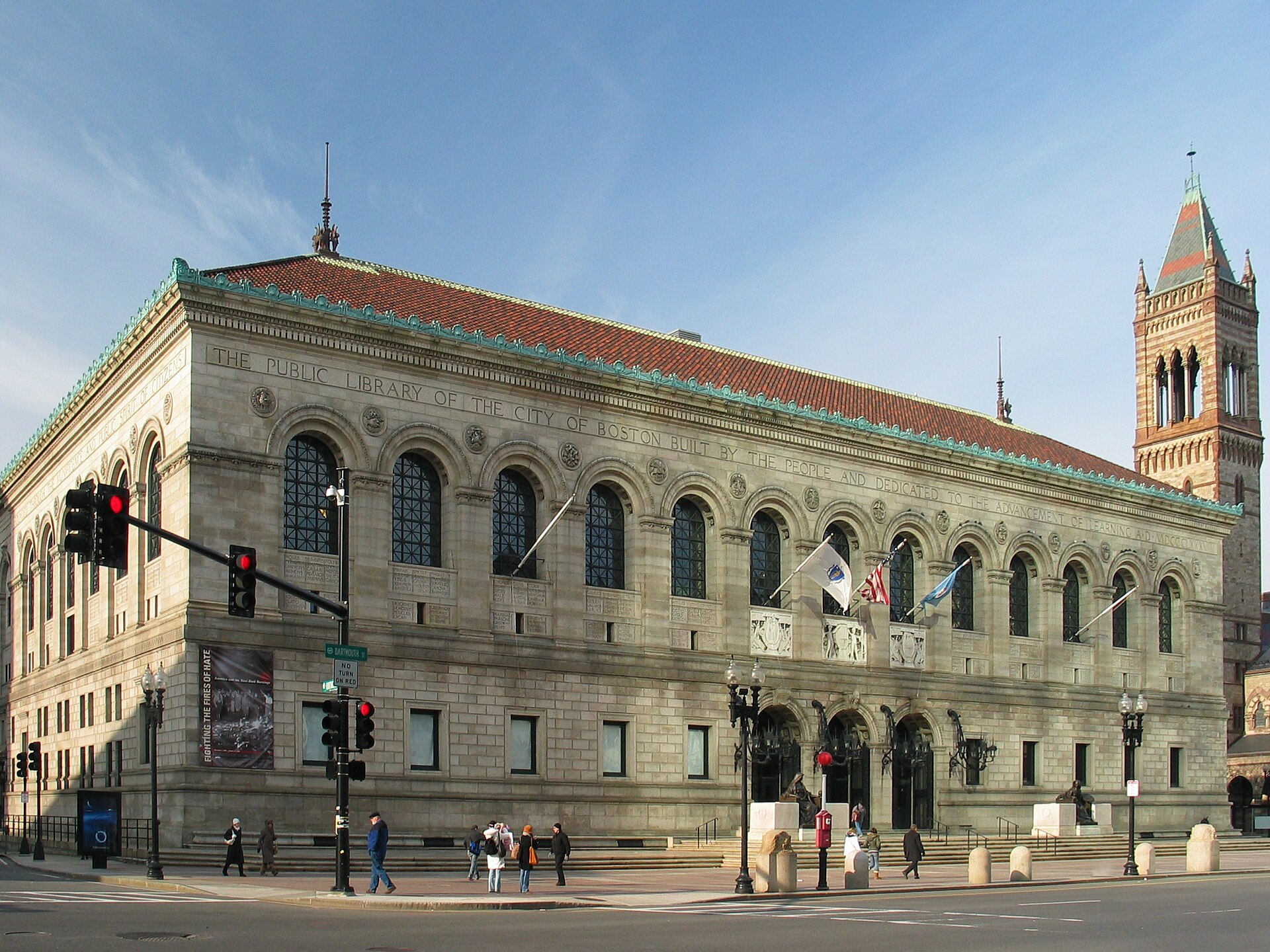
Boston Public Library
700 Boylston St, Boston, MA 02116
The Boston Public Library was the first large free municipal library in the United States when it was founded in 1852, and the main building on Copley Square — a Renaissance Revival palazzo designed by Charles Follen McKim in 1895 — is one of the most beautiful public buildings in America. The inscription above the entrance reads 'Free to All,' and the library has lived up to that promise for over 170 years. The McKim Building's interior is a procession of architectural set pieces. Bates Hall — the main reading room — is a barrel-vaulted cathedral of books, 218 feet long, with arched windows flooding the room with natural light and green-shaded reading lamps on every table. It's one of those spaces that makes you want to sit down and read something serious. The murals throughout the building include John Singer Sargent's 'Triumph of Religion' cycle on the third floor — a 30-year project that Sargent considered his greatest work — and Pierre Puvis de Chavannes' 'Muses of Inspiration' in the stairway. The courtyard — modelled on a Roman palazzo cortile, with a fountain, arcades, and seasonal plantings — is one of Boston's best-kept secrets, a peaceful outdoor room hidden behind the Boylston Street facade where you can sit with a coffee from the Map Room Café and forget that you're in the middle of a city. The library's 2016 addition by Philip Johnson (now managed as the Johnson Building) provides modern gallery and event space, but the McKim Building is the destination.
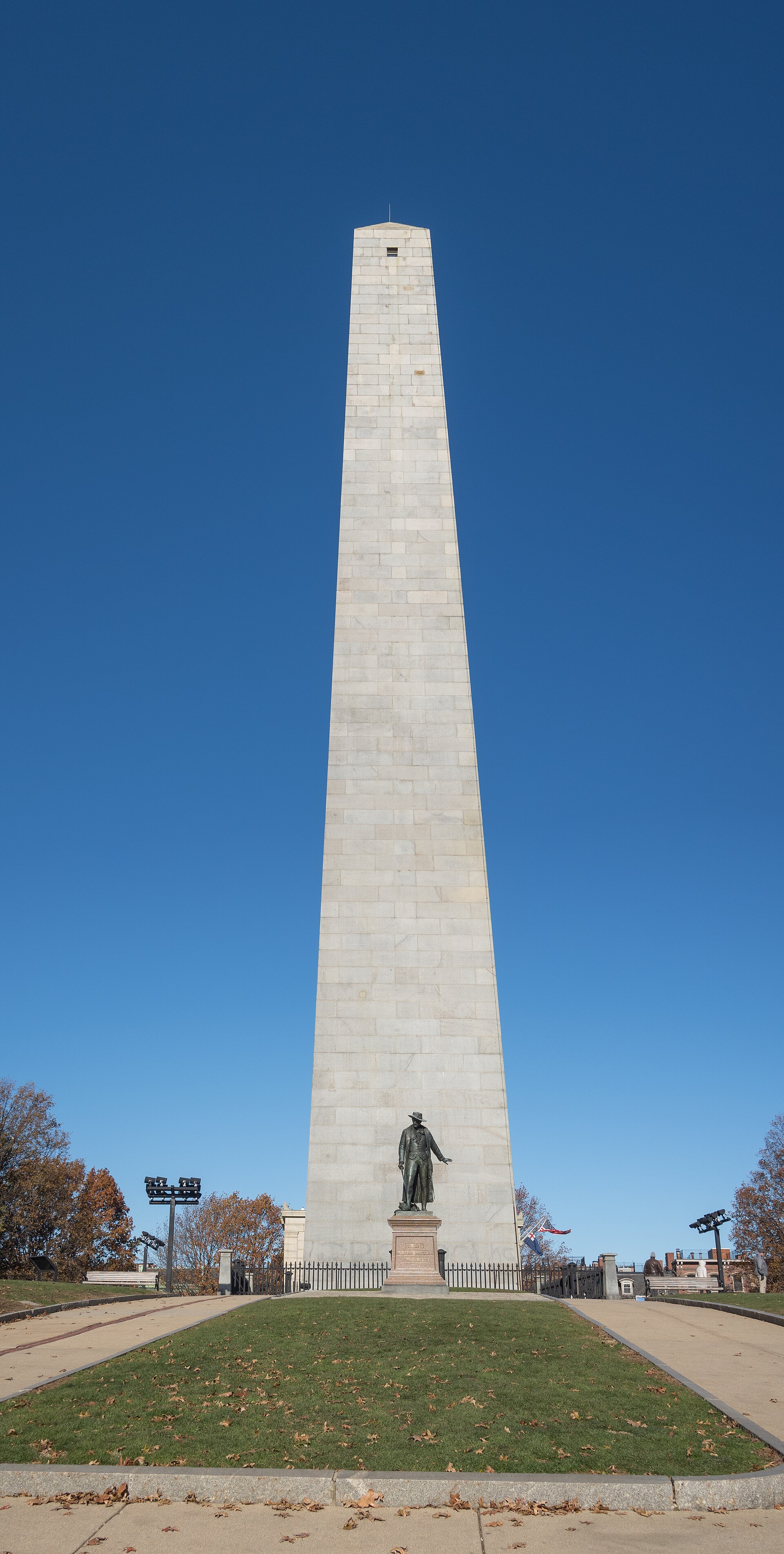
Bunker Hill Monument
Monument Sq, Charlestown, MA 02129
The Bunker Hill Monument is a 221-foot granite obelisk marking the site of the first major battle of the American Revolution — fought on June 17, 1775, just two months after Lexington and Concord. The battle was technically a British victory (they took the hill), but the cost was staggering: over 1,000 British casualties against a force of colonial militia that had been an army for approximately eight weeks. The phrase 'Don't fire until you see the whites of their eyes' — attributed to Colonel William Prescott — comes from this battle. The monument has 294 steps and no elevator, which is either a fitness challenge or a historical experience depending on your attitude. The spiral staircase is narrow, the climb is steep, and on a hot summer day the granite interior radiates heat like an oven. The reward at the top is a 360-degree view of Boston, the harbour, and the Charles River from small windows at the apex — a view that helps you understand the strategic importance of the hill and why both sides were willing to fight and die for it. The monument is the final stop on the Freedom Trail, which means most visitors arrive here after walking 2.5 miles through Boston and the North End. The small museum at the base provides context for the battle, including a diorama that shows the positions of the British and colonial forces. The surrounding Charlestown neighbourhood — one of Boston's oldest, with narrow streets and wooden houses that predate the Revolution — is worth exploring, and the short walk back across the Charlestown Bridge to the North End provides excellent harbour views.
Charles River Esplanade
Boston, United States
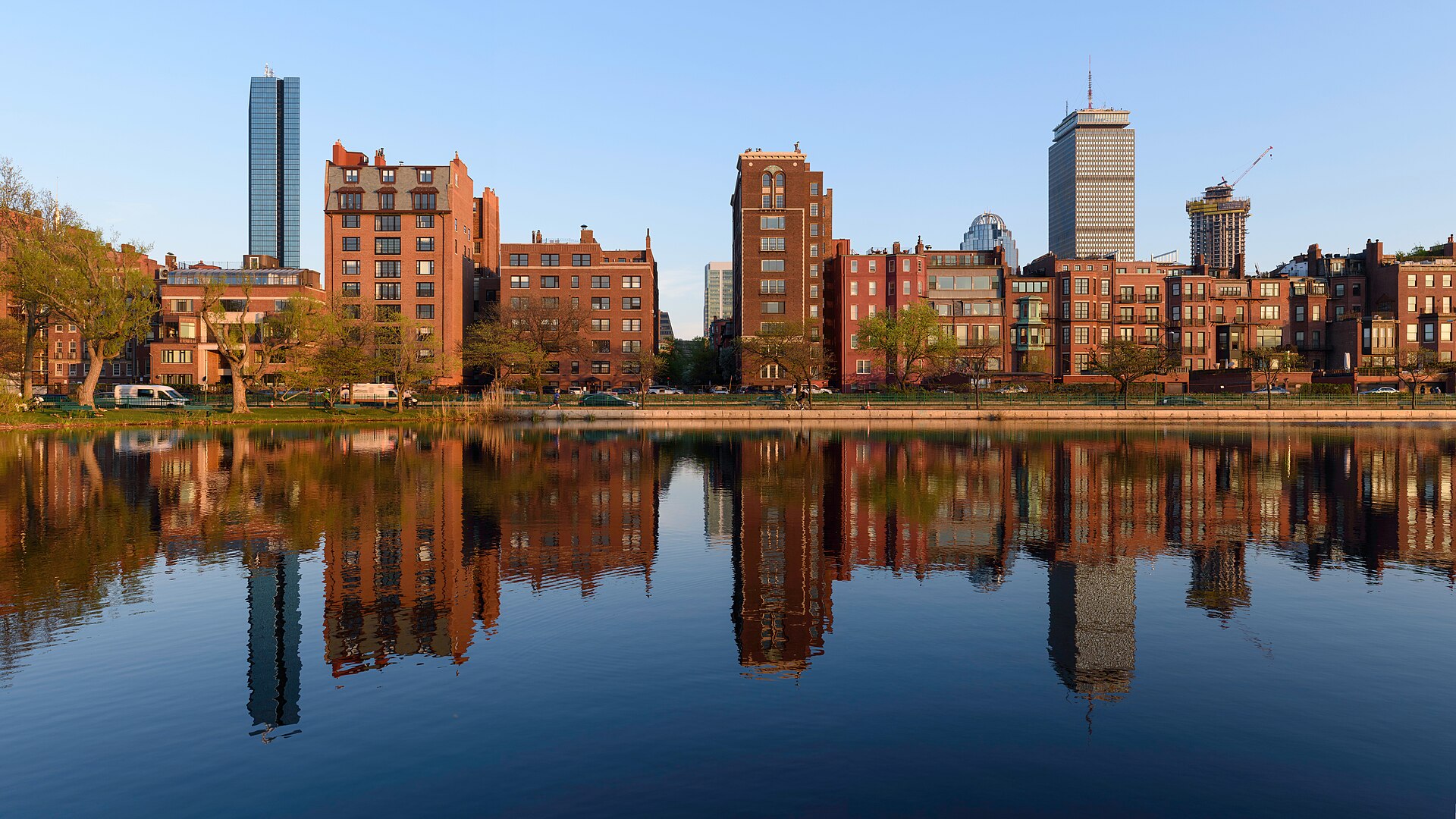
The Esplanade is a three-mile ribbon of parkland along the Charles River basin that serves as Boston's running track, cycling path, and outdoor living room from April through October. The views across the river to Cambridge — with the MIT dome and the Harvard boathouses visible upriver — provide a backdrop for joggers, cyclists, and the rowers whose sculls glide across the water in the early morning light. The Hatch Memorial Shell, an outdoor concert venue at the midpoint of the Esplanade, is where the Boston Pops perform their legendary July 4th concert — the one that ends with Tchaikovsky's 1812 Overture accompanied by actual cannons and fireworks over the river. The event draws half a million people to the riverbanks and is one of the largest Independence Day celebrations in the country. On regular summer evenings, the Shell hosts free concerts, movie screenings, and community events that fill the lawn with picnicking families. The Esplanade was created in the early 1900s by filling the mudflats along the river, and the landscape design by Arthur Shurcliff includes groves of trees, flower gardens, and a series of lagoons that create sheltered areas away from the main path. The community sailing programme operates from a dock on the Esplanade, offering some of the most affordable sailing lessons in America — you can learn to sail on the Charles River with the Boston skyline as your backdrop for the cost of an annual membership.
Faneuil Hall & Quincy Market
4 Fanueil Hall Marketplace, Downtown, Boston, 02109, United States
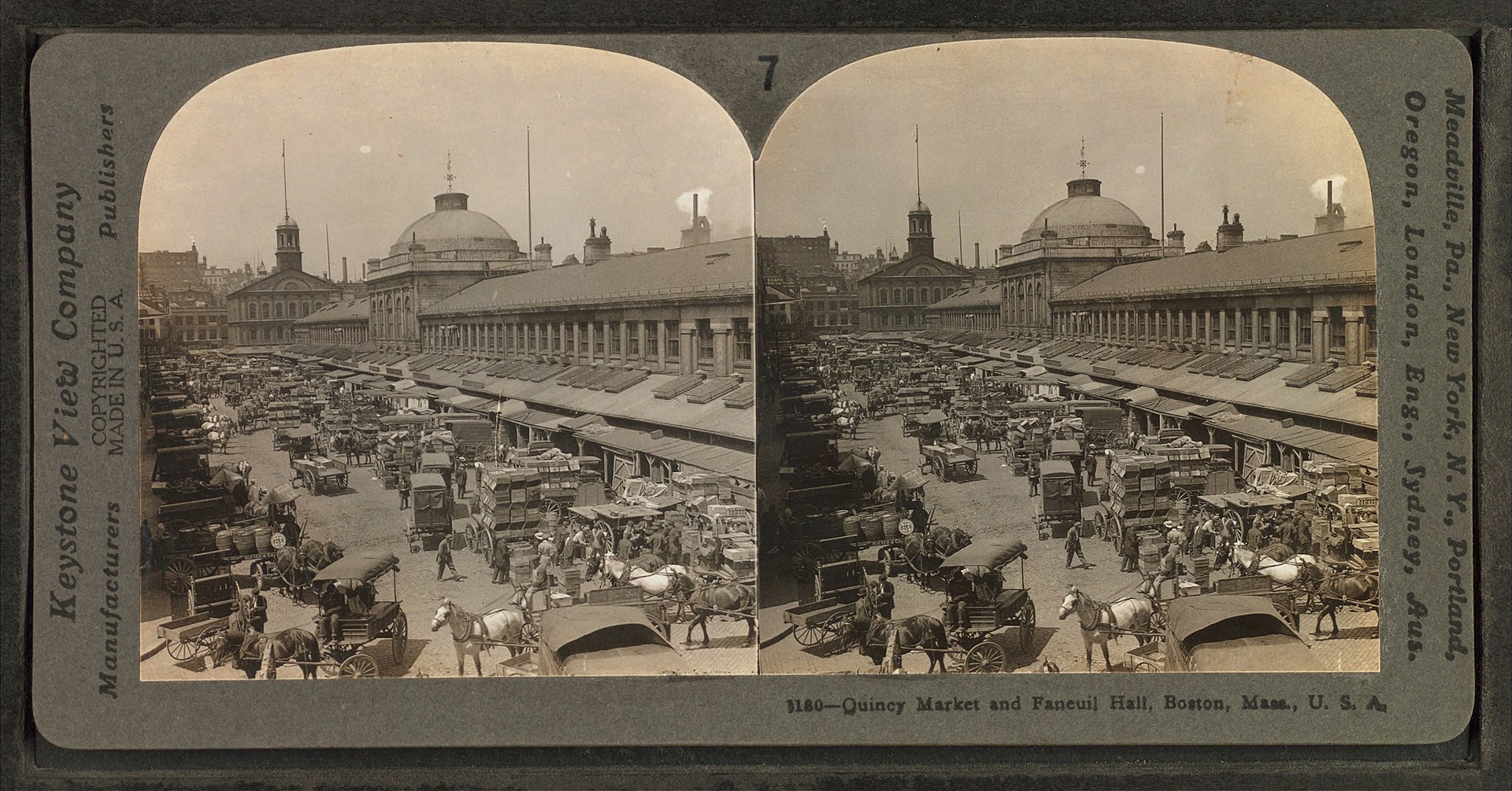
Faneuil Hall has been called the 'Cradle of Liberty' since Samuel Adams stood inside it in the 1760s and argued that taxation without representation was tyranny — a line of reasoning that would eventually get a lot of people killed and a country founded. The redbrick hall, built in 1742 as a gift to the city from merchant Peter Faneuil, has been a marketplace on the ground floor and a meeting hall above ever since, and the meetings held upstairs helped start the American Revolution. The hall sits at the centre of Faneuil Hall Marketplace, a complex that includes Quincy Market — a granite-columned building from 1826 that functions as one of America's oldest food halls. The ground floor of Quincy Market is a corridor of food vendors serving clam chowder in bread bowls, lobster rolls, Italian sausages, and every other Boston food cliché you can think of. It's tourist-heavy and priced accordingly, but the clam chowder is genuinely good and the lobster rolls are made with actual lobster, which isn't always a given. The real Faneuil Hall — the meeting room on the second floor — is free to enter and usually uncrowded, which is a minor miracle given its significance. The room where Adams, Otis, and other revolutionaries debated independence is preserved with its original layout, and the paintings and historical displays give context that the marketplace below can't provide. Visit the hall first for the history, then descend to the market for lunch.
Fenway Park
4 Jersey St, Boston, MA 02215
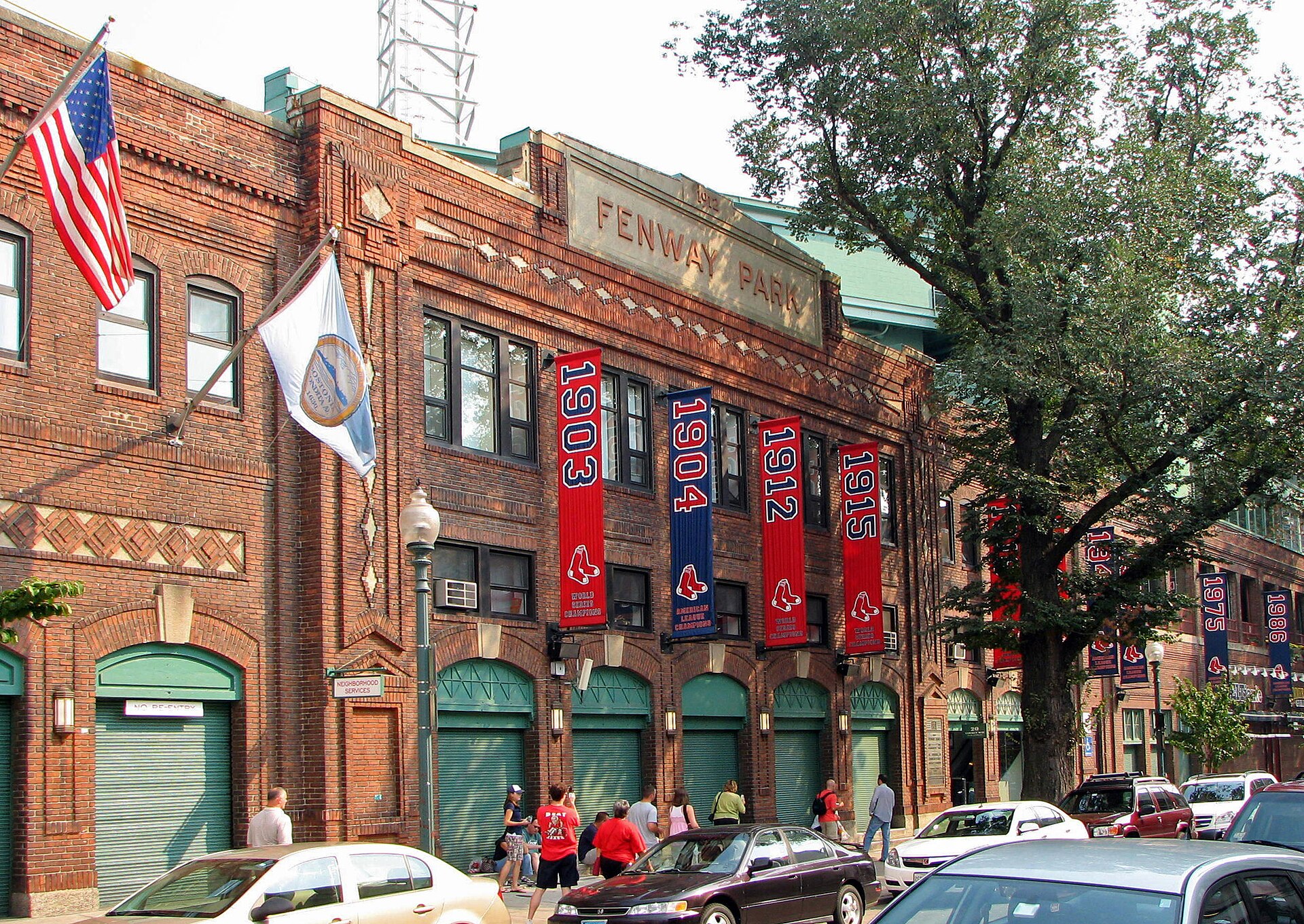
Fenway Park is the oldest ballpark in Major League Baseball — opened on April 20, 1912 (the same week the Titanic sank, which buried the sports page coverage), and still hosting Red Sox games in a venue that was designed for the dead-ball era and has been accumulating character ever since. The park's defining feature is the Green Monster — a 37-foot-high left field wall that turns routine fly balls into doubles and has been terrorising pitchers since 1934. The Monster exists because of real estate, not design. When Fenway was built, the left field boundary was determined by Lansdowne Street behind it, and the wall was the solution to a short outfield. Over the decades it acquired seats on top (added in 2003), a manual scoreboard that is still operated by hand from inside the wall, and a status as the most famous structure in American sports. The seats atop the Monster are the most coveted tickets in baseball. Fenway's age means everything about it is slightly wrong by modern standards — the seats are narrow, the sightlines are obstructed in places by support columns, the concourses are cramped, and Pesky's Pole in right field is only 302 feet from home plate. None of this matters. The park's imperfections are what make it feel alive — you're watching baseball in a place that has hosted Ted Williams, Carl Yastrzemski, and David Ortiz, where the dimensions force a style of play that exists nowhere else, and where 37,000 people singing 'Sweet Caroline' in the eighth inning is a communal experience that no modern stadium can replicate.
Freedom Trail
Boston Common Visitor Center, 139 Tremont St, Boston, MA 02111
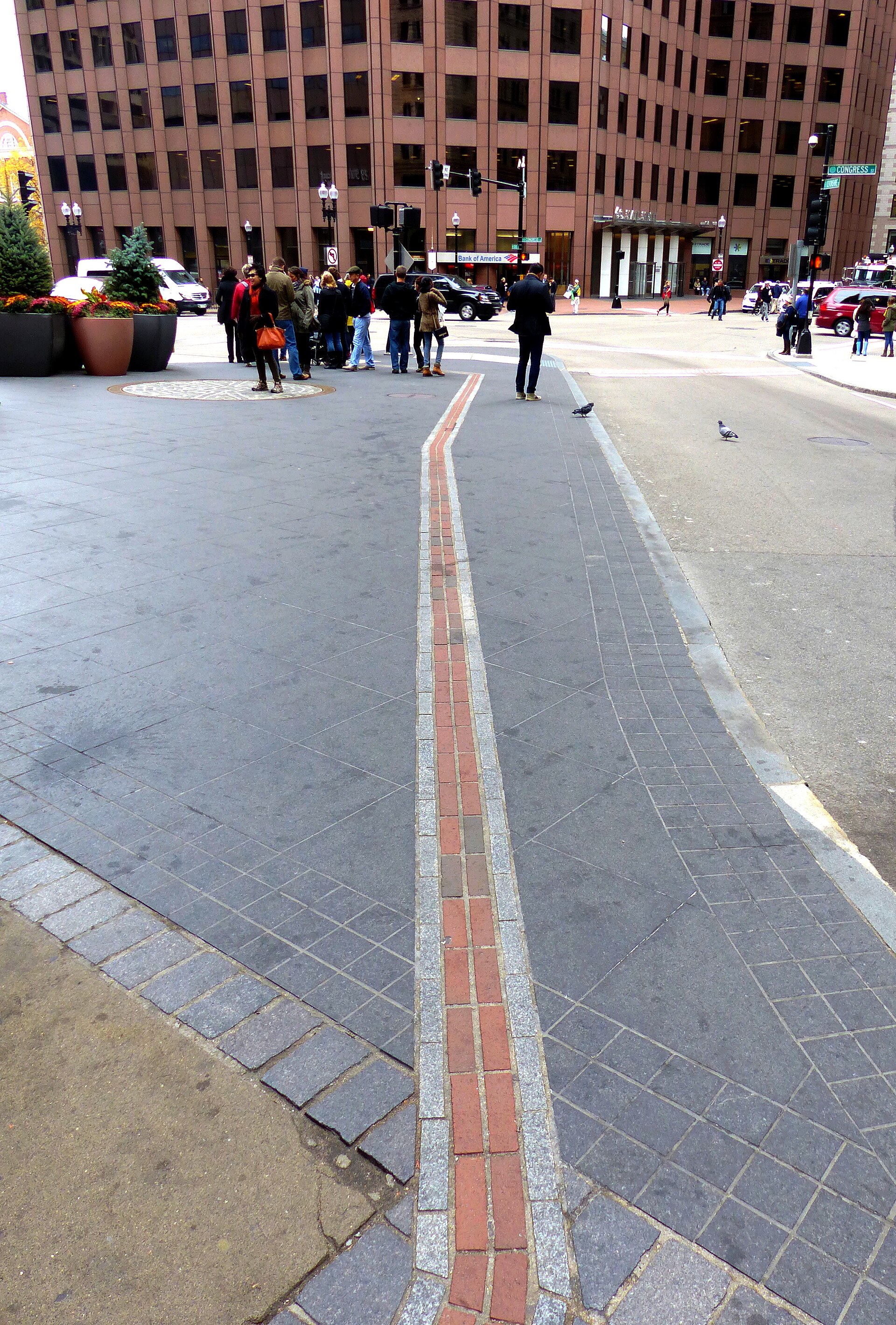
The Freedom Trail is a 2.5-mile red-brick line painted and embedded into Boston's sidewalks, connecting 16 sites that tell the story of the American Revolution — and walking it is the single best way to understand why a city of Puritan merchants decided to pick a fight with the British Empire. The trail starts at Boston Common and ends at the Bunker Hill Monument in Charlestown, passing through graveyards where founding fathers are buried, churches where revolution was debated, and meeting houses where ordinary citizens decided they'd rather die than pay taxes without representation. The genius of the Freedom Trail is that it turns a history lesson into a walk. You're not sitting in a museum reading plaques — you're standing in the room where the Boston Tea Party was planned (Old South Meeting House), touching the gravestones of Paul Revere and Samuel Adams (Granary Burying Ground), and looking up at the steeple where lanterns signalled the British advance (Old North Church). The sites are real, they're in their original locations, and the city has grown up around them without displacing them. You can walk the entire trail in about 90 minutes without stopping, but that misses the point. Budget half a day and go inside the sites that interest you — the Paul Revere House, the Old State House, the USS Constitution in Charlestown. The red line on the sidewalk makes navigation foolproof, and the trail passes through the North End (Boston's Italian quarter) midway, which provides an excellent excuse to stop for espresso and cannoli before continuing to Charlestown.
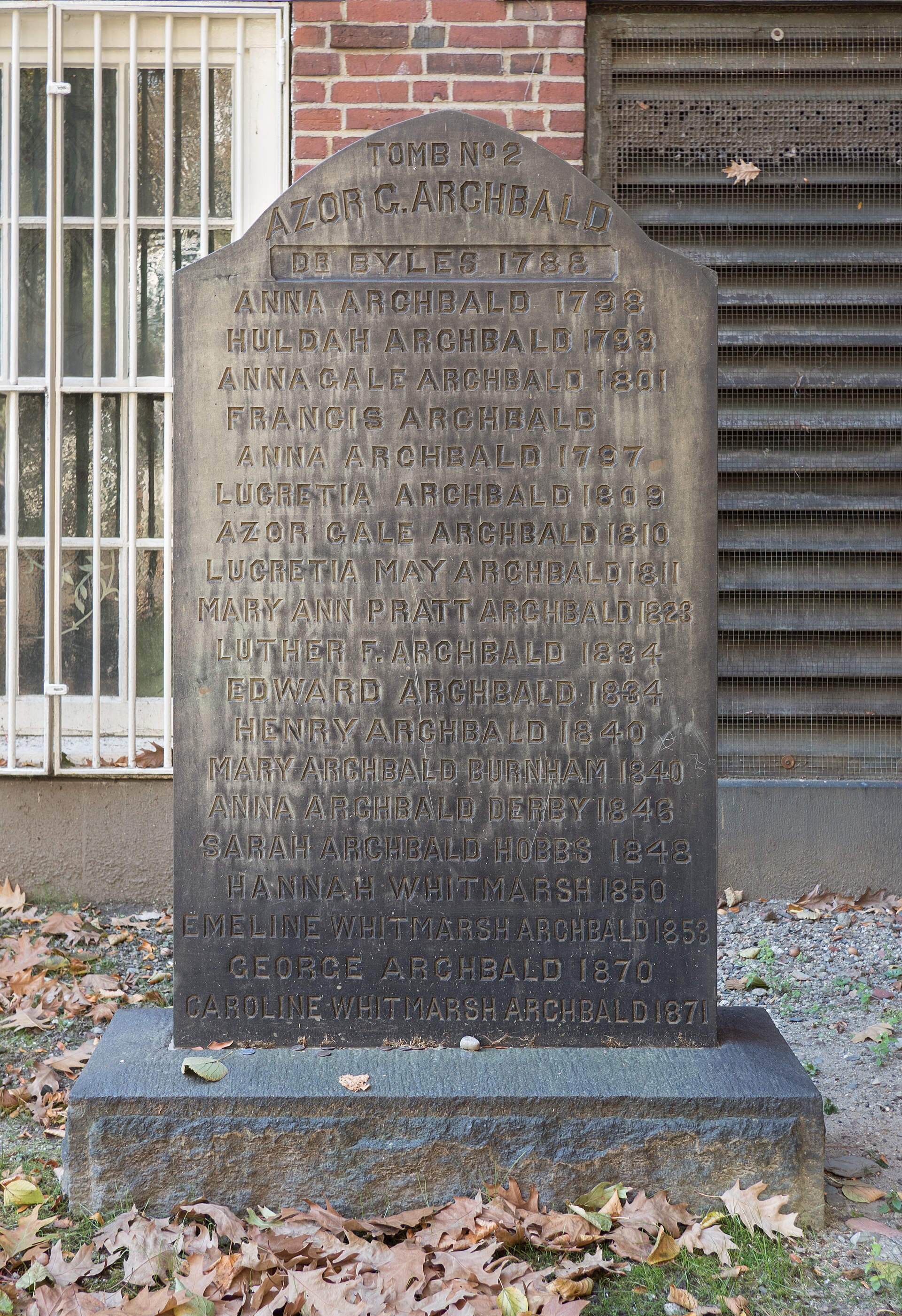
Granary Burying Ground
1 Tremont St, Boston, MA 02108
The Granary Burying Ground is where the American Revolution is buried — literally. Paul Revere, Samuel Adams, John Hancock, Robert Treat Paine (Declaration of Independence signer), and the victims of the Boston Massacre are all interred here, in a three-acre cemetery established in 1660 that sits incongruously in the middle of downtown Boston, surrounded by office towers and a few feet from the traffic on Tremont Street. The cemetery gets its name from the granary that once stood on the site of the adjacent Park Street Church, and the headstones — many carved with the winged skulls, hourglasses, and crossed bones that were standard 17th-century Puritan mortality symbols — are among the oldest surviving carved stones in New England. The slate markers have weathered unevenly, and some of the inscriptions are illegible, but the markers for the famous graves are well-maintained and clearly identified. The most visited grave is Paul Revere's, near the centre of the cemetery, but the most affecting is the collective marker for the victims of the Boston Massacre — five men killed by British soldiers on March 5, 1770, in an incident that Samuel Adams (buried nearby) used as propaganda to build the case for independence. The cemetery is free, open daily, and takes about 20 minutes to walk through — just long enough to remind you that the people who started the American Revolution are buried in a space smaller than a city block.
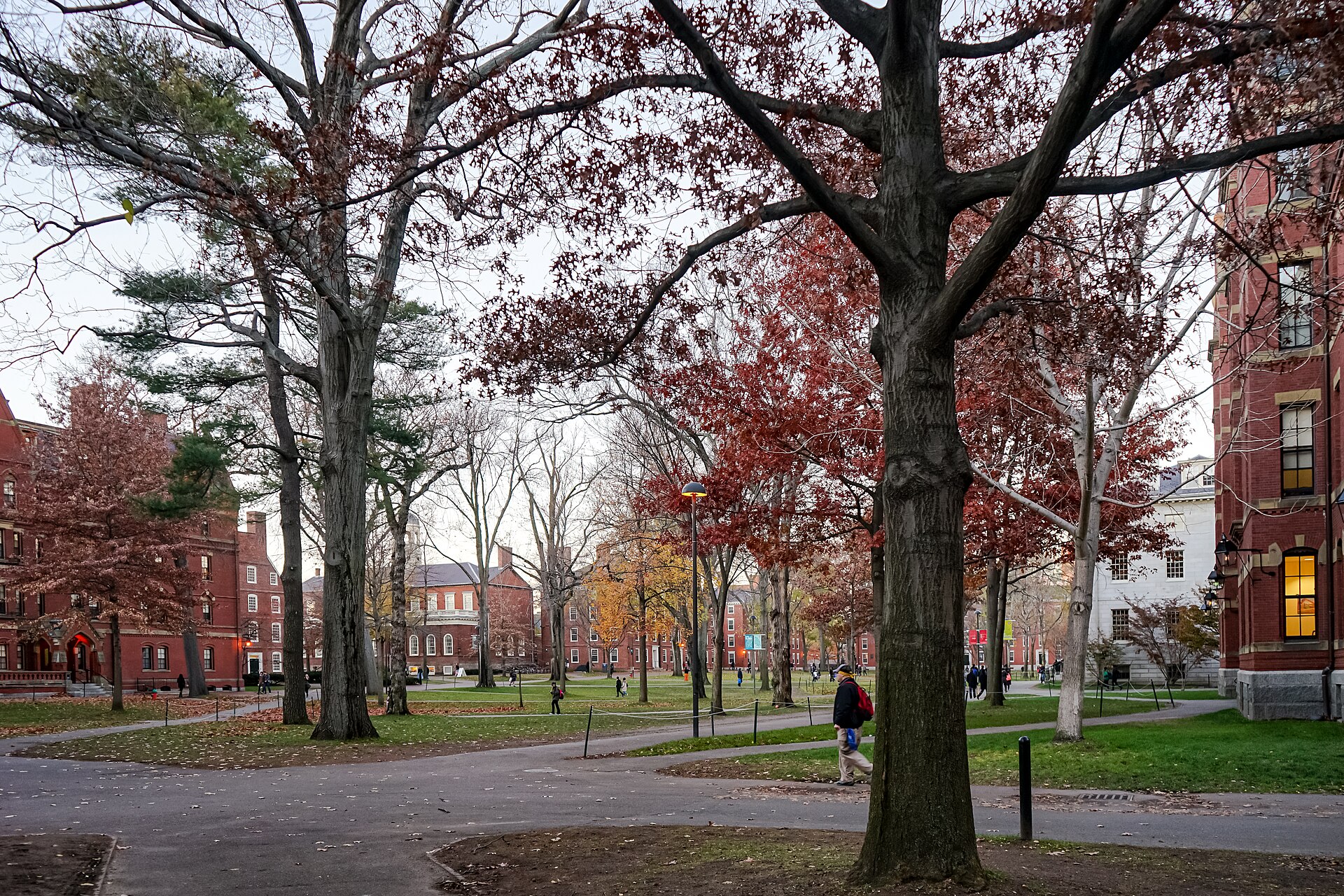
Harvard Yard
Harvard University, Cambridge, MA 02138
Harvard Yard is the oldest part of America's oldest university — a walled campus of red-brick buildings, ancient elm trees, and carefully maintained lawns that has been the symbolic heart of American higher education since 1636. Walking through the iron gates from Massachusetts Avenue into the Yard is a transition from the bustle of Cambridge into a space that has been dedicated to learning for nearly 400 years. The statue of John Harvard in front of University Hall is known as the 'Statue of Three Lies' — the inscription reads 'John Harvard, Founder, 1638,' but Harvard wasn't the founder (he was a benefactor), the college was founded in 1636 (not 1638), and the figure isn't even John Harvard (no image of him survived, so the sculptor used a student as a model). Rubbing the statue's left shoe is said to bring good luck, which is why the toe is polished gold while the rest of the bronze is dark green. Students deny participating in this tradition; the shoe suggests otherwise. The buildings around the Yard span four centuries of American architecture — from Massachusetts Hall (1720, the oldest surviving Harvard building and still used for administration) to the Memorial Church (1932, dedicated to Harvard's war dead) to the Science Center (brutalist concrete from the 1970s that divides opinion). The Widener Library, with its grand Corinthian columns, houses 3.5 million volumes and was built in memory of Harry Elkins Widener, who went down with the Titanic in 1912.
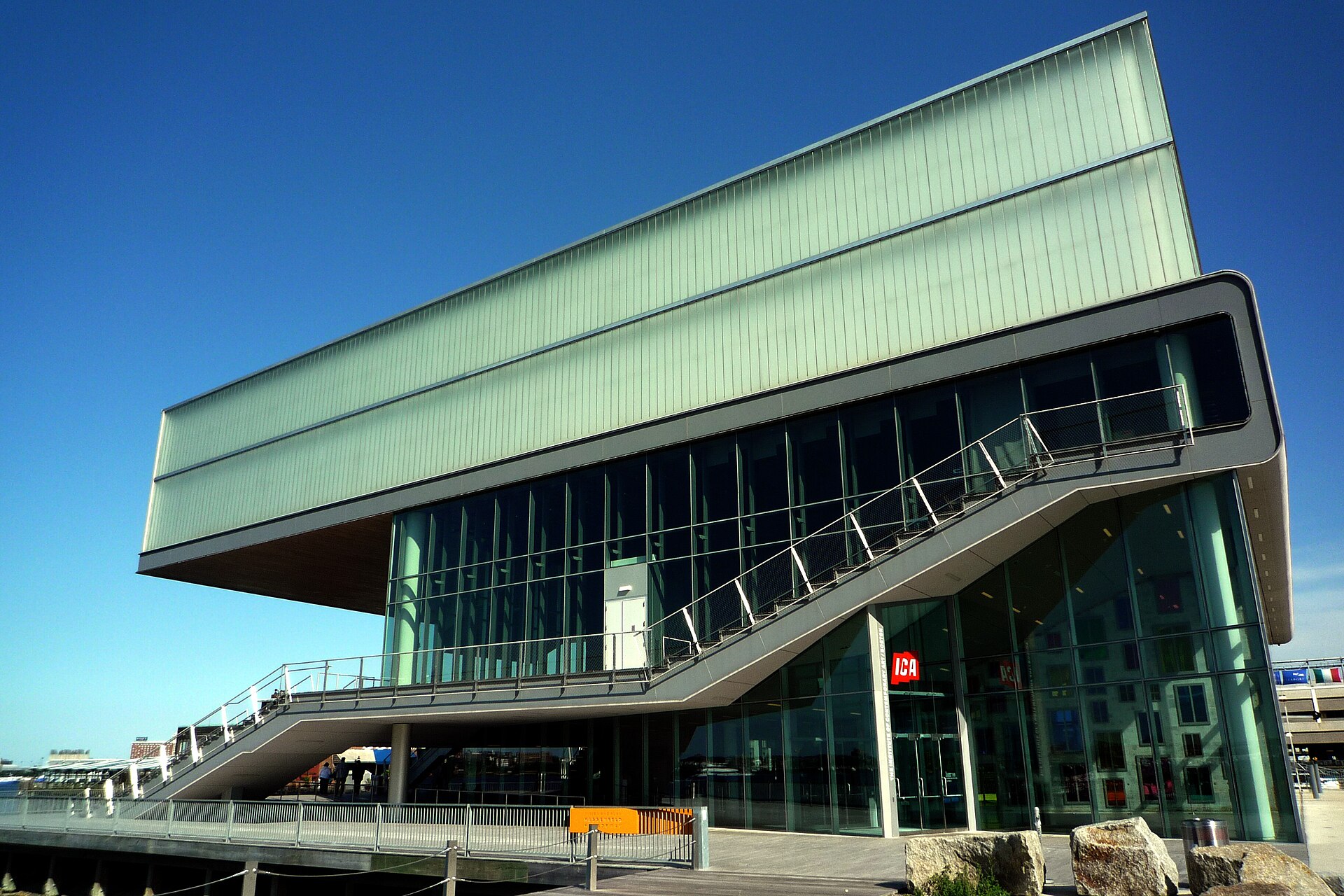
ICA Boston (Institute of Contemporary Art)
25 Harbor Shore Dr, Boston, MA 02210
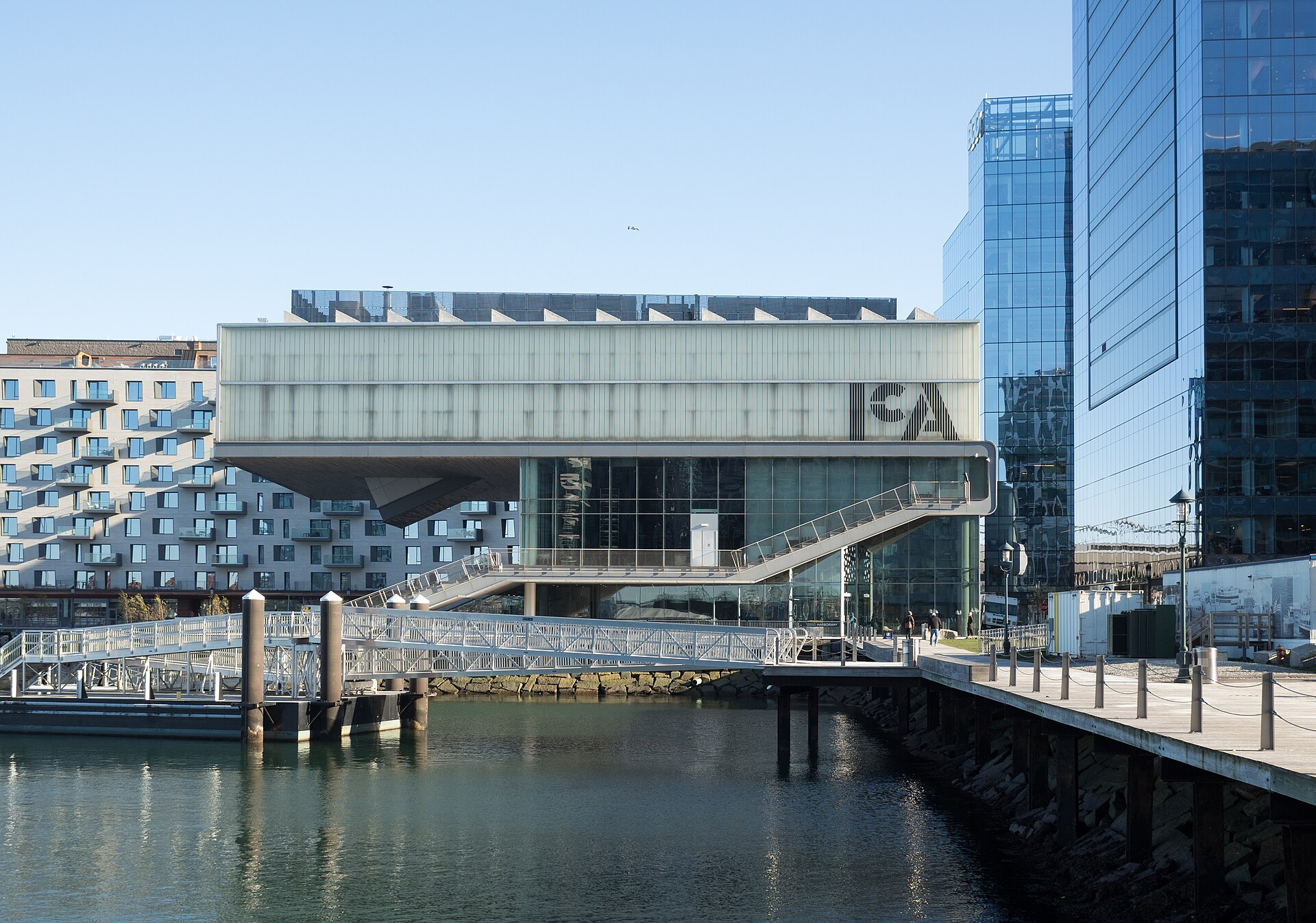
The ICA is Boston's contemporary art museum and one of the most striking buildings on the waterfront — a glass and steel box designed by Diller Scofidio + Renfro that cantilevers dramatically over the harbour, creating a covered outdoor space beneath the building and floor-to-ceiling views of the water from the galleries above. The building opened in 2006 and immediately became the anchor of the Seaport District's transformation from parking lots to Boston's most dynamic new neighbourhood. The permanent collection includes works by major contemporary artists — Jeff Koons, Nan Goldin, Mona Hatoum, Cornelia Parker — but the ICA's real strength is its temporary exhibition programme, which consistently brings ambitious, often challenging shows to a city that can be conservative in its cultural tastes. The museum's focus on emerging and mid-career artists means you're as likely to discover someone new as you are to see an established name. The Mediatheque — a room on the lower level with floor-to-ceiling windows looking directly out over the harbour — is one of the most beautiful spaces in any museum, designed as a place to sit, watch the water, and experience whatever video or sound installation the museum has programmed. Thursday evenings are free, and the outdoor terraces overlooking the harbour are open for events and performances in summer. The harbour walk connecting the ICA to downtown is worth the 20-minute stroll — it passes through the Seaport's restaurants, public art installations, and the modernist Fan Pier development.
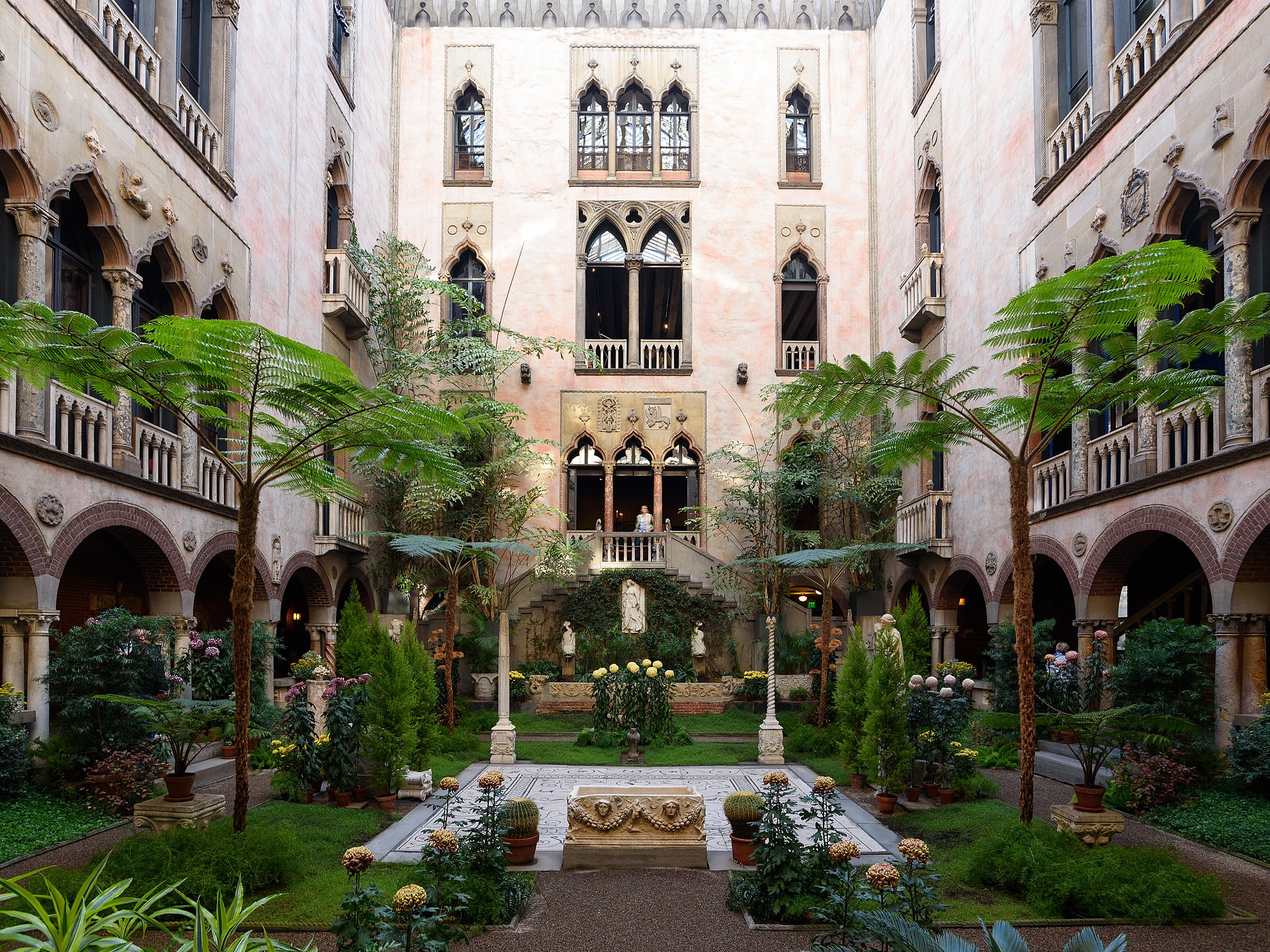
Isabella Stewart Gardner Museum
25 Evans Way, Boston, MA 02115
The Isabella Stewart Gardner Museum is a Venetian palace in the Fenway filled with masterpieces — and empty frames where masterpieces used to be. On March 18, 1990, two men dressed as Boston police officers talked their way into the museum, tied up the guards, and spent 81 minutes stealing 13 works including a Vermeer, three Rembrandts, a Manet, and five Degas sketches. The FBI estimates the stolen works at $500 million. None have been recovered. The empty frames still hang on the walls, per Gardner's wishes that nothing in the museum be moved. Gardner herself was one of Boston's most extraordinary characters — a New York socialite who married into Boston money, travelled obsessively, befriended artists from Sargent to Whistler, and built an entire Venetian palazzo in the Fenway to house her collection. The building, completed in 1903, is arranged around a four-story glass-roofed courtyard filled with flowers that change seasonally — one of the most beautiful interior spaces in America. The galleries on the upper floors are arranged exactly as Gardner left them, mixing Old Masters with personal objects in a style that feels more like visiting a private home than a museum. Renzo Piano's 2012 addition provides a modern counterpoint — clean glass and copper next to Gardner's Gothic-Venetian fantasy — and houses temporary exhibitions, a concert hall, and a café. The concert series, held in the museum's Tapestry Room on Sundays, is one of Boston's best-kept cultural secrets. And anyone named Isabella gets in free, forever — Gardner put it in her will.
Mapparium at Mary Baker Eddy Library
200 Massachusetts Ave, Kenmore, Boston, 02115, United States
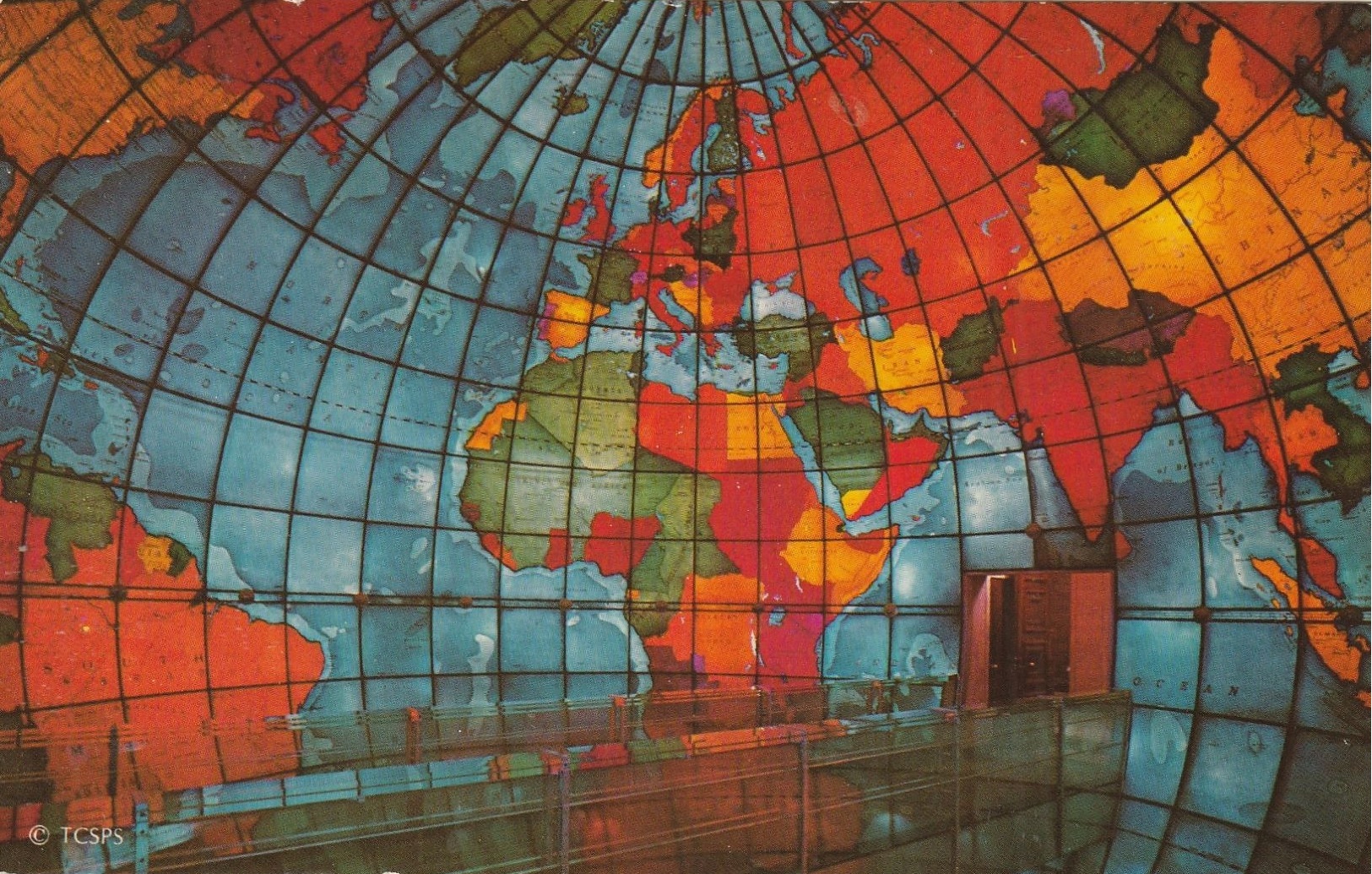
The Mapparium is a three-story stained-glass globe that you walk through on a glass bridge — and it's one of the most disorienting, beautiful, and acoustically bizarre experiences in Boston. Built in 1935 as a geographic exhibit for the Christian Science Monitor, the 30-foot sphere shows the world's political boundaries as they existed that year, which means you're standing inside a map where Ethiopia is still called Abyssinia, India is part of the British Empire, and the Soviet Union stretches across half of Asia. The visual effect of standing inside a globe — where you are the centre and every continent curves away from you in correct geographic proportion — is startling enough. But the acoustics are what people remember. The concave glass surface focuses sound in unexpected ways: a whisper at one end of the bridge is clearly audible at the other, 30 feet away, while someone standing next to you speaking normally sounds oddly distorted. The effect is a property of the sphere's geometry, not any deliberate engineering, and it turns the experience from a visual curiosity into something genuinely strange. The Mapparium is housed in the Mary Baker Eddy Library, which is itself inside the Christian Science Center — a campus of buildings around a 670-foot reflecting pool that most Bostonians walk past without entering. The globe's illumination — 300 stained-glass panels lit from behind — creates colours that shift as you move across the bridge, and the frozen-in-time political map is a surprisingly effective way of understanding how dramatically the world has changed in less than a century.
Massachusetts State House
24 Beacon St, Boston, MA 02133
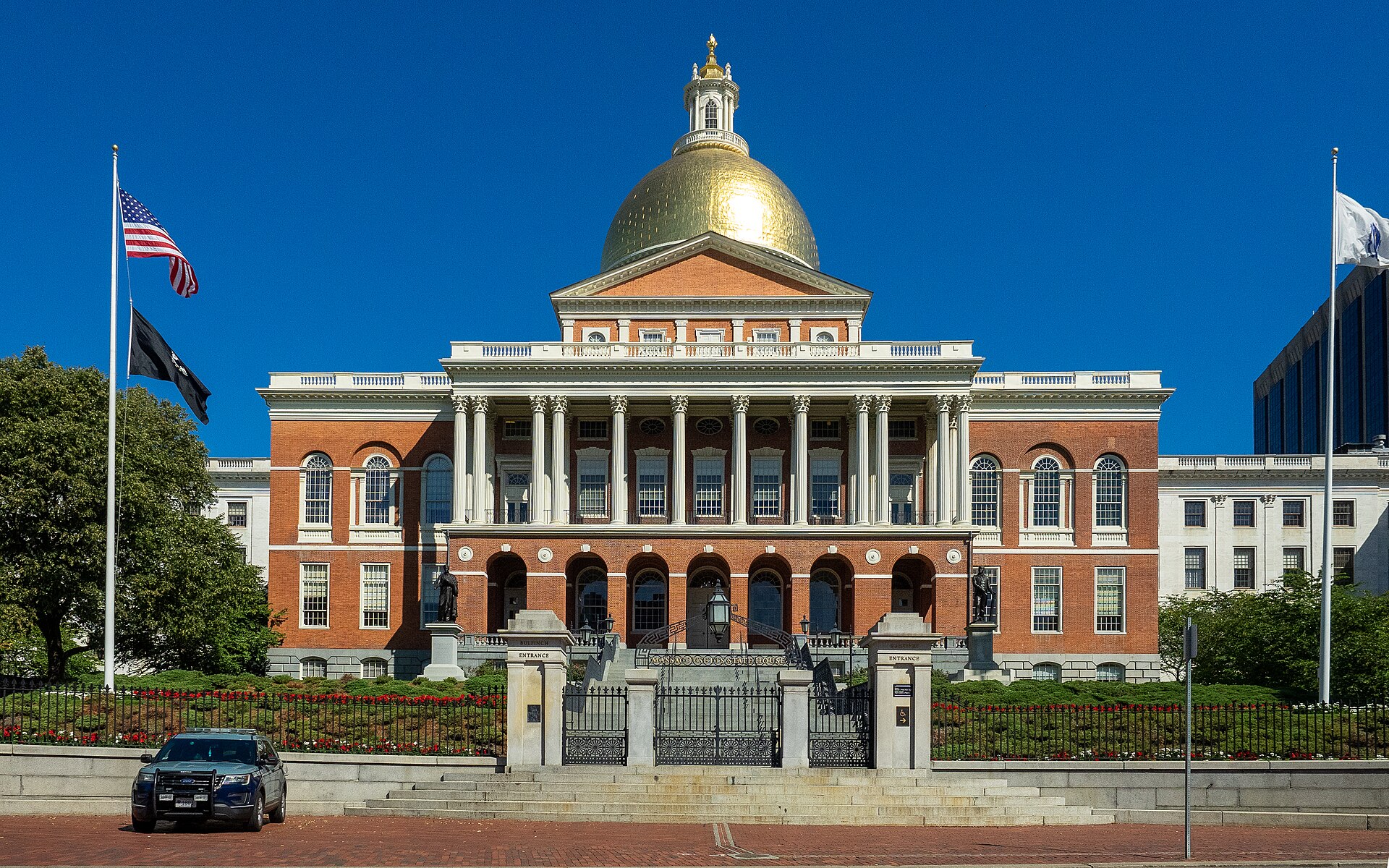
The Massachusetts State House sits at the top of Beacon Hill with a gold dome that has been the most recognisable landmark in Boston since Charles Bulfinch designed it in 1798. The dome — originally wooden shingles, then copper (installed by Paul Revere's company in 1802), then gilded in 23-karat gold leaf in 1874 — catches the light from every direction and is visible from miles across the city. Oliver Wendell Holmes called the State House the 'Hub of the Solar System,' and Bostonians have taken the phrase to heart ever since. Bulfinch's design established the template for state capitols across America — the columned portico, the central dome, the neoclassical proportions that say 'government building' in a language every American instinctively reads. The interior is equally impressive: the Senate Chamber, the House Chamber, and the Hall of Flags (which holds the original battle flags carried by Massachusetts regiments from the Civil War to Vietnam) are all open to guided tours that run throughout the day. The building sits on land that was once John Hancock's cow pasture — the governor who signed the Declaration of Independence with the largest signature lived next door, and his heirs sold the property to the state. The front lawn faces Boston Common, and the view from the steps — across the Common to the Public Garden and Back Bay beyond — is the classic Boston prospect. During the only time the dome was painted black (during WWII, to prevent it reflecting moonlight and guiding enemy aircraft), Bostonians reportedly found the city unrecognisable.
MIT Campus
77 Massachusetts Ave, MIT, Cambridge, 02139, United States
MIT's campus is a walk through 20th and 21st-century architecture that happens to also be one of the world's great engineering universities. The main entrance at 77 Massachusetts Avenue leads through the Maclaurin Building — a neoclassical limestone structure with the Great Dome, modelled on the Pantheon in Rome — and then the campus explodes in every architectural direction imaginable. Frank Gehry's Stata Center is the building that everyone comes to photograph — a collision of tilting, colourful forms that look like a cartoon city after an earthquake. Housing the computer science and artificial intelligence labs, it's a building that practices what it preaches: unconventional thinking expressed in physical form. Gehry's design was controversial (MIT sued the firm over construction defects), but it's become one of Cambridge's most recognisable landmarks. Eero Saarinen's MIT Chapel — a windowless brick cylinder lit by a skylight that sends light cascading down a metal screen — is the quieter masterpiece, a space of genuine contemplation hidden behind the bustle of the campus. The MIT Museum, relocated to a prominent space on Massachusetts Avenue, showcases the university's contributions to technology, robotics, and science through interactive exhibits that are genuinely fun rather than earnestly educational. The Infinite Corridor — a 825-foot-long hallway that runs the length of the main campus and twice a year aligns with the setting sun in a phenomenon called 'MIThenge' — is the kind of detail that makes MIT's campus feel like a place where even the infrastructure is doing science.
Museum of Fine Arts
465 Huntington Ave, Boston, MA 02115
The Museum of Fine Arts holds over 500,000 works spanning 5,000 years, making it one of the largest and most comprehensive art museums in the world. The collection's strengths are distinctive — the finest collection of Japanese art outside Japan, the most important group of Claude Monet paintings outside Paris, an Egyptian collection that rivals the Met's, and an American art wing that traces the country's visual culture from colonial portraiture to contemporary installation. The Impressionist galleries are the museum's crown jewel. The MFA has 38 Monets — including multiple versions of his haystacks, Rouen Cathedral, and water lilies — along with major works by Renoir, Degas, Cézanne, and Manet. The gallery arrangement allows you to see how the movement evolved from early experiments in outdoor light to the near-abstractions of Monet's late water lily paintings, which influenced abstract expressionism decades later. The building itself has grown over more than a century — the original 1909 Beaux-Arts structure by Guy Lowell has been expanded with the I.M. Pei West Wing (1981), the Foster + Partners American Wing (2010), and the Linde Family Wing for Contemporary Art (2011). The Art of the Americas Wing is particularly impressive — four floors tracing American art from pre-Columbian ceramics to contemporary work, housed in a building that lets natural light flood the galleries. The museum's free Wednesday evening hours (after 4pm) are one of Boston's best cultural deals.
New England Aquarium
1 Central Wharf, Boston, MA 02110
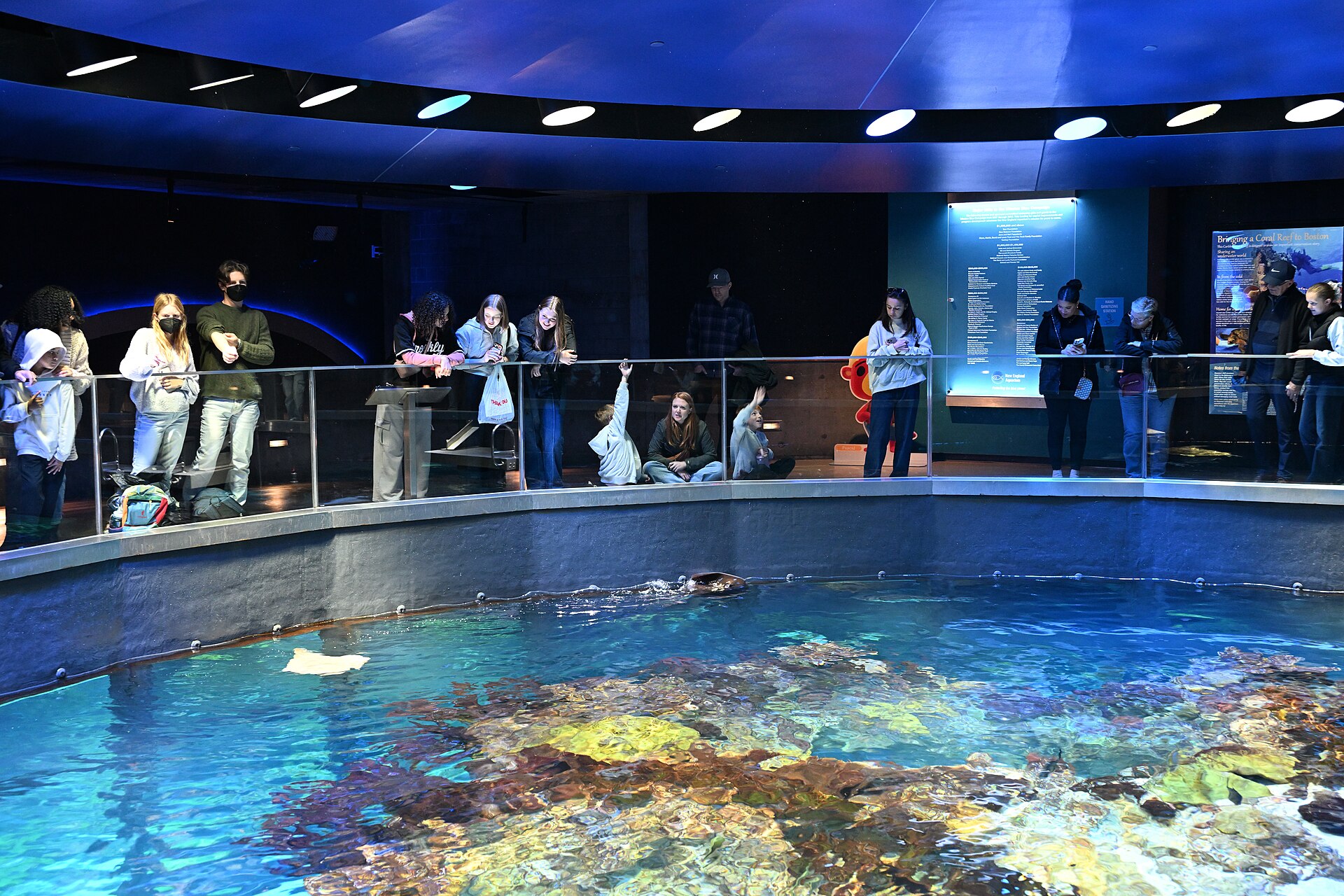
The New England Aquarium sits on Central Wharf overlooking Boston Harbor, and its centrepiece — the Giant Ocean Tank, a 200,000-gallon four-story cylinder of seawater containing sea turtles, sharks, rays, and hundreds of tropical fish — is one of the most mesmerising exhibits in any American aquarium. You enter at the base of the tank and walk a spiral ramp around it to the top, watching the marine life at progressively greater depths, and by the time you reach the summit you've spent 20 minutes in a state of oceanic hypnosis. Myrtle, the aquarium's green sea turtle, has been the star of the Giant Ocean Tank since 1970 and is one of the longest-resident animals in any American aquarium. She weighs over 500 pounds, has her own social media following, and swims laps around the tank with a serenity that suggests she's come to terms with her celebrity. The daily diver feeding presentations — where aquarists enter the tank in scuba gear and hand-feed the animals while narrating over a microphone — are consistently the best-attended show. The outdoor seal exhibit on the harbour-side terrace is free to visit without aquarium admission and features northern fur seals and harbour seals who seem to enjoy performing for the lunchtime crowds from the nearby Financial District. The aquarium also runs whale-watching tours from its dock — a three-hour boat trip to Stellwagen Bank that offers some of the best whale watching on the East Coast, with humpbacks, fin whales, and the occasional right whale.
North End (Little Italy)
North End, Boston, 02113, United States
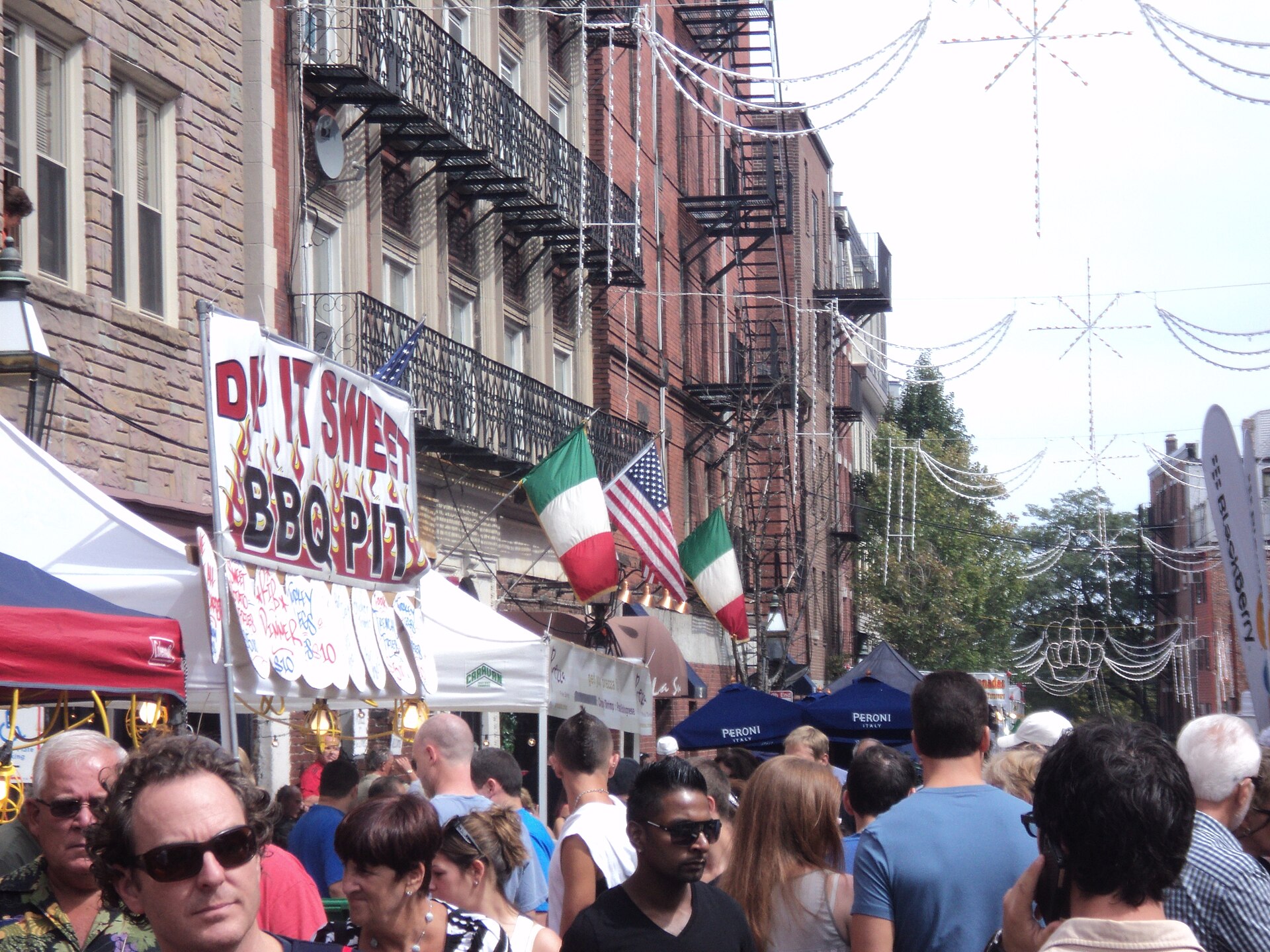
The North End is Boston's oldest residential neighbourhood and its most delicious — a dense tangle of narrow streets packed with Italian restaurants, bakeries, espresso bars, and salumerias that has been the heart of Boston's Italian-American community since immigrants from Sicily and Naples began arriving in the 1860s. Walking down Hanover Street on a summer evening, when the restaurants spill onto the sidewalks and the smell of garlic and fresh bread fills the air, is one of the great sensory experiences in American cities. The food is the main event. Mike's Pastry and Modern Pastry conduct a perpetual cannoli war — locals are passionately divided on which is better, and the correct answer is to try both. The restaurants range from red-sauce classics (Giacomo's, where the queue starts forming at 4pm) to refined modern Italian (Mamma Maria, overlooking the Paul Revere statue in North Square). The Salumeria Italiana on Richmond Street sells imported Italian provisions that would be at home in a Roman deli. But the North End isn't just food. It's also the oldest part of Boston — the Paul Revere House (c. 1680) and Old North Church are both here, embedded in the neighbourhood fabric rather than cordoned off as heritage sites. In summer, the saint festivals — weekend-long celebrations honouring Italian patron saints with street processions, marching bands, food stalls, and money pinned to religious statues — transform the narrow streets into open-air celebrations that feel more like Naples than New England.
Old North Church
193 Salem St, Boston, MA 02113
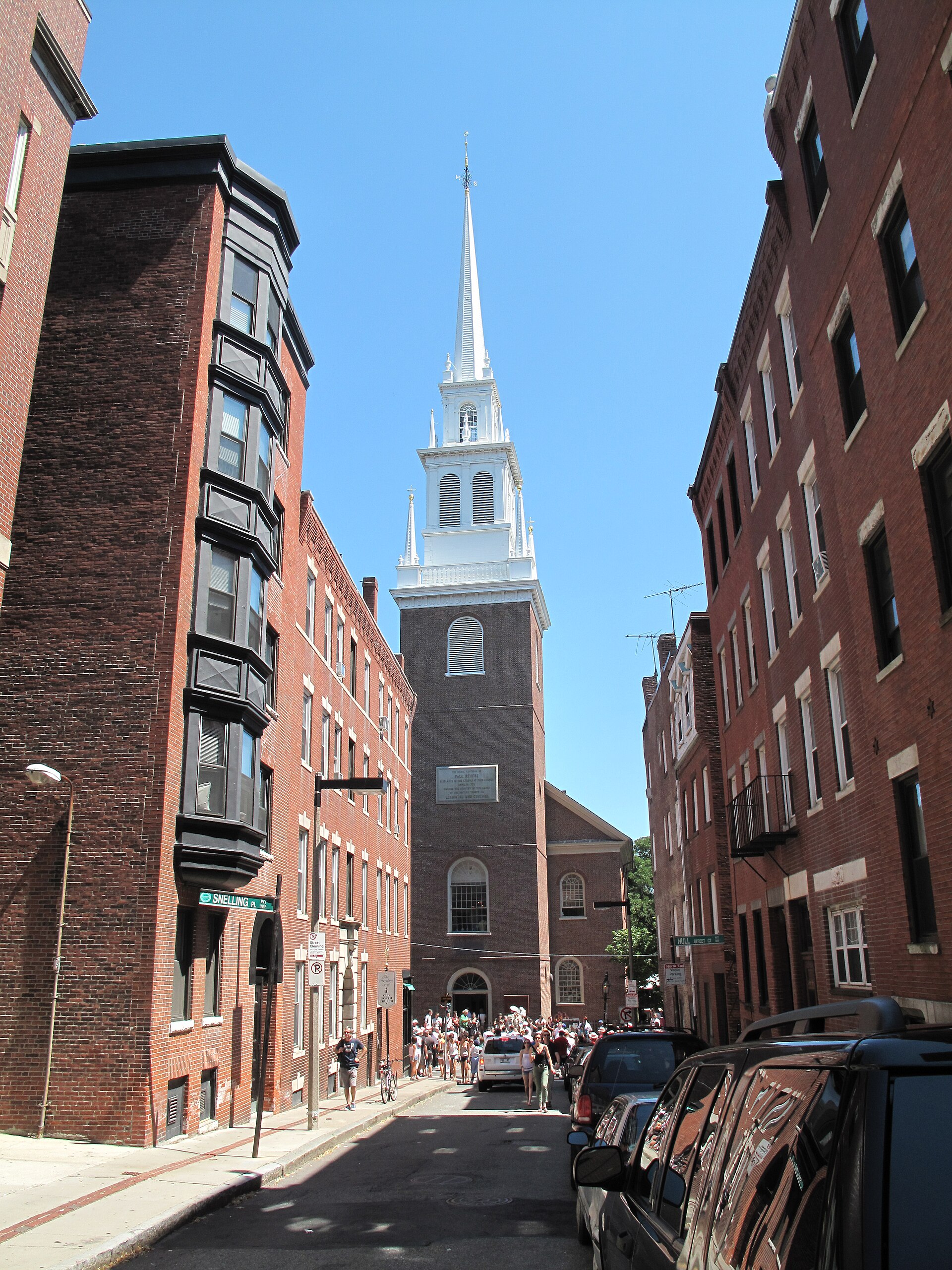
Old North Church is where the American Revolution went from talk to action. On the night of April 18, 1775, church sexton Robert Newman climbed the steeple and hung two lanterns — the signal that the British were crossing the Charles River by boat rather than marching overland. Paul Revere saw the signal, rode to Lexington and Concord, and the first shots of the revolution were fired the next morning. 'One if by land, two if by sea' — Longfellow's poem made the phrase immortal, and the church has been a national landmark ever since. The church itself, officially Christ Church in the City of Boston, is the oldest surviving church building in Boston, built in 1723 in a Georgian style modelled on Christopher Wren's London churches. The interior is a beautifully preserved Colonial-era space — tall box pews painted white, brass chandeliers, a wine-glass pulpit, and the original Avery-Bennett clock from 1726 still keeping time in the vestibule. The box pews were owned by parishioners, and each family's pew number is recorded — you can find which pew the Revere family sat in. The church sits on Salem Street in the heart of the North End, Boston's Italian neighbourhood, which means a visit naturally pairs with a walk through one of America's most characterful food districts. The steeple — a 191-foot white spire visible from across the harbour — has been rebuilt twice after hurricane damage, but the church's role in history has never needed repair.
Old South Meeting House
310 Washington St, Boston, MA 02108
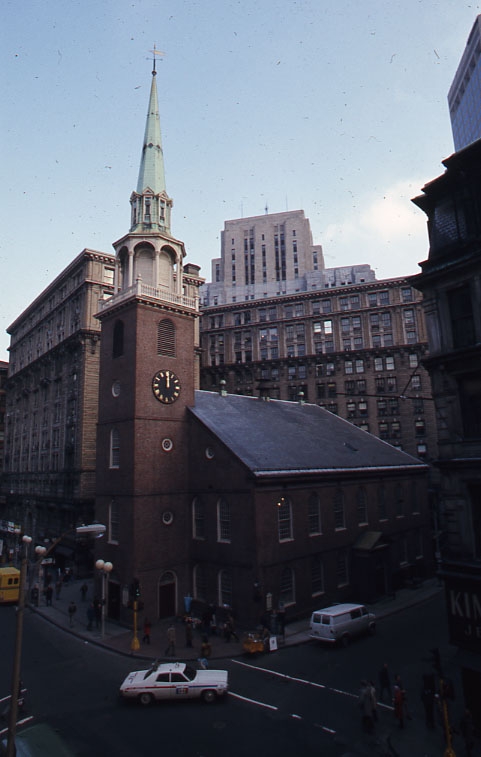
The Old South Meeting House is where the Boston Tea Party started — not the dumping of tea into the harbour, but the meeting on December 16, 1773, where 5,000 furious colonists packed into this building and debated what to do about three ships full of taxed British tea sitting in the harbour. When word came that the governor refused to let the ships leave without paying the duty, Samuel Adams reportedly declared 'This meeting can do nothing more to save the country' — the signal for a mob to head to Griffin's Wharf and dump 342 chests of tea into the water. The meeting house was built in 1729 as a Puritan church, and its use as a gathering place for political meetings reflects a time when churches were the only buildings large enough to hold a crowd. Benjamin Franklin was baptised here. Phillis Wheatley, the first published African-American poet, worshipped here. The building survived the British occupation during the siege of Boston — the soldiers used it as a riding school, stripping the pews and spreading dirt on the floor — and was nearly demolished for commercial development in 1876 before a public campaign saved it. Today the meeting house functions as a museum with exhibits on the Tea Party and the broader story of protest and free speech in American history. The simplicity of the interior — white walls, wooden pews, clear glass windows — is itself a statement about the Puritan values that shaped Boston's character: plain, direct, and entirely uninterested in decoration for its own sake.
Paul Revere House
19 North Square, Boston, MA 02113
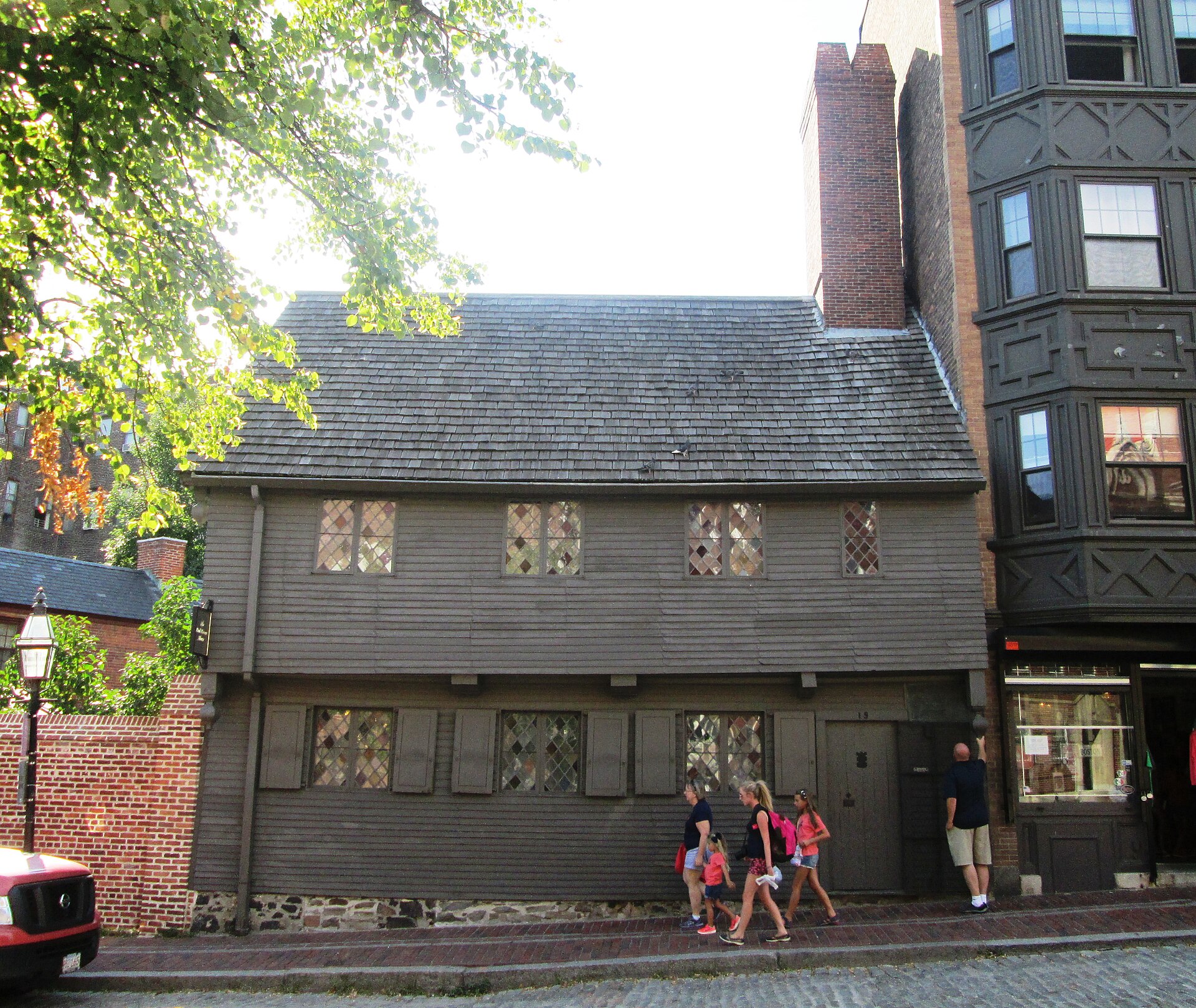
The Paul Revere House is the oldest remaining structure in downtown Boston — a wooden house built around 1680, bought by the silversmith and patriot in 1770, and preserved as a museum that gives you a direct, physical connection to the man who rode through the night shouting that the British were coming. The house is small, timber-framed, and slightly crooked after 340 years of settling, and standing inside it is one of those rare museum experiences where the building itself is the exhibit. Revere bought the house when it was already nearly a century old, and he lived here with his family — he had 16 children by two wives, which explains why a man of considerable means lived in what would have been a modest dwelling even by 18th-century standards. The rooms are furnished with period pieces (some original to the Revere household), and the scale gives you an immediate sense of Colonial domestic life: low ceilings, small rooms, a central fireplace that was the only source of heat. The house sits in North Square, one of the oldest public spaces in Boston, surrounded by the Italian-American neighbourhood of the North End. Revere left from this house on the night of April 18, 1775, walking to the waterfront where friends rowed him across the Charles River to begin his midnight ride. The courtyard behind the house contains a 900-pound bronze bell cast by Revere's foundry — a reminder that before he was a revolutionary hero, he was a craftsman who made his living working with metal.
Seaport District
Boston, United States
The Seaport is Boston's newest neighbourhood — transformed over the past two decades from parking lots and surface lots into a dense cluster of glass-and-steel buildings that houses the ICA, dozens of restaurants, and a waterfront promenade that has become one of the city's most popular walking routes. The transformation is so complete that it's hard to believe this area was essentially vacant 20 years ago. The restaurant scene has matured from early-days chain offerings to a genuinely interesting mix. Row 34, a oyster bar and craft beer spot from the Island Creek Oyster team, serves some of the best seafood in Boston in an industrial-chic space. Legal Harborside operates three floors of different dining experiences overlooking the water. The food truck scene along the Harborwalk provides cheaper options with harbour views. The district is walkable, well-designed, and connected to the rest of Boston by the Silver Line and the Harborwalk. The Harborwalk itself — a continuous waterfront path that runs from the Seaport through the Financial District and around to the North End — is one of Boston's great infrastructure achievements. The Seaport section passes public art installations, outdoor seating areas, and views across the harbour to the airport and the harbour islands. On a summer evening, when the restaurants spill onto patios and the harbour is full of sailboats, the Seaport feels like the Boston that the city has been trying to build for decades.
South End
Boston, United States
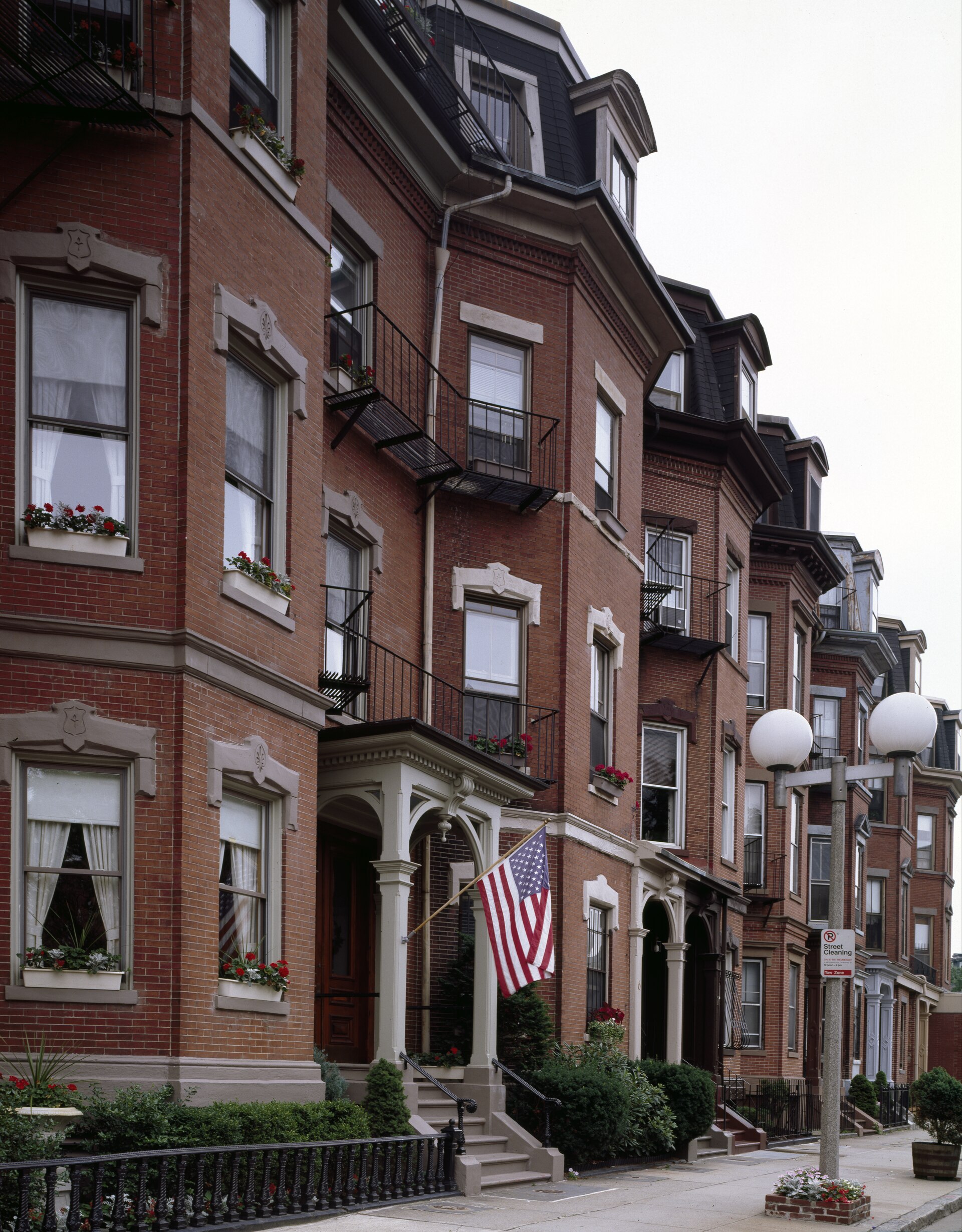
The South End contains the largest intact collection of Victorian rowhouses in the United States — block after block of bow-fronted brownstones with stoops, wrought-iron railings, and ornamental cornices that make the neighbourhood one of the most architecturally distinctive in America. It's also Boston's best restaurant neighbourhood, home to a density of acclaimed dining that consistently punches above what a city this size should be able to support. The neighbourhood's trajectory — from 19th-century middle-class respectability to mid-20th-century decline to its current status as one of Boston's most desirable and expensive areas — mirrors the broader pattern of American inner-city gentrification. The South End was one of the first openly LGBTQ-friendly neighbourhoods in Boston, and its current mix of restaurants, galleries, independent shops, and SoWa market (an open-air art and food market that runs on Sundays) reflects a community that values creativity and good eating in roughly equal measure. The food scene is the main draw for visitors. Tremont Street and Washington Street are lined with restaurants that range from neighbourhood bistros to nationally recognised establishments. SoWa (South of Washington) has become an art district with galleries, artist studios, and the weekly market that brings food trucks, vintage dealers, and local artisans to a cluster of converted industrial buildings. The brownstone architecture provides a consistent visual backdrop that makes even a routine walk to dinner feel like an architectural tour.
Trinity Church
206 Clarendon St, Back Bay, Boston, 02116, United States
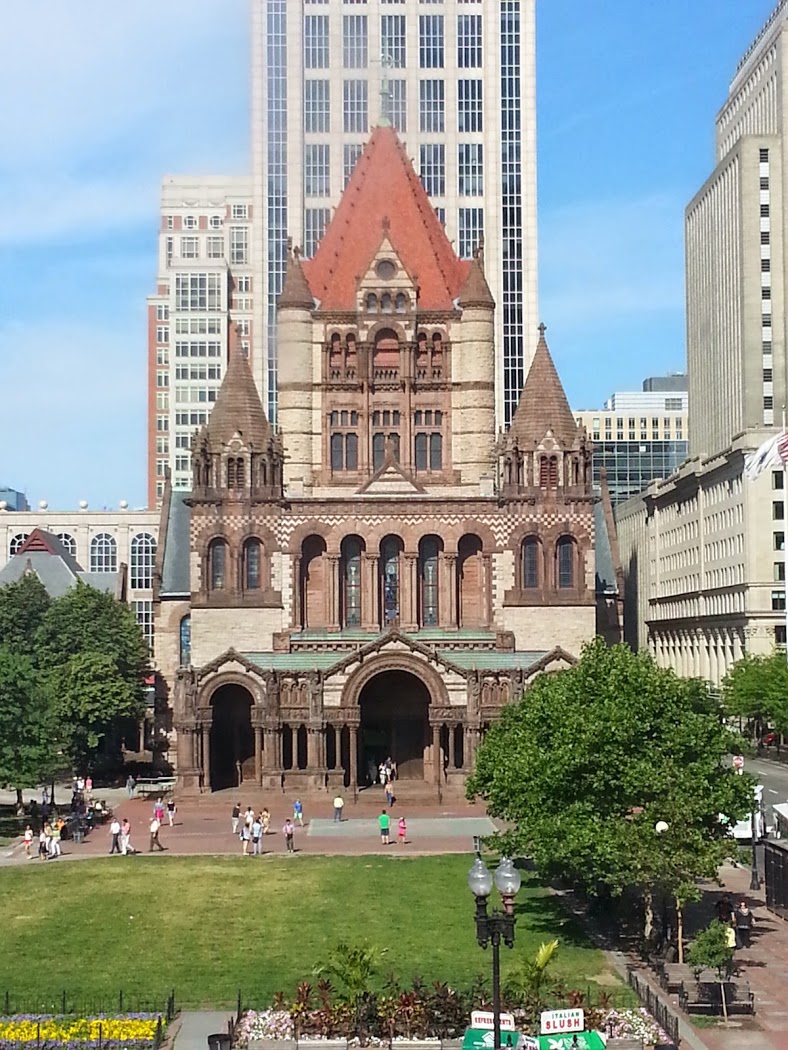
Trinity Church is Henry Hobson Richardson's masterpiece — the building that launched an entire architectural movement (Richardsonian Romanesque) and has been ranked among the ten most significant buildings in American history by the American Institute of Architects. Completed in 1877, it sits in Copley Square with its tower reflected in the glass facade of the Hancock Tower behind it, creating one of the most photographed architectural juxtapositions in the country. Richardson's design draws from French and Spanish Romanesque churches but assembles them into something entirely original — massive rough-cut granite walls, a central tower modelled on the Old Cathedral of Salamanca, and an interior decorated by John La Farge with murals, stained glass, and painted surfaces that cover every available inch. La Farge's work at Trinity Church — including the enormous Christ in Majesty over the chancel — is considered his finest achievement, and the interplay of colour and light through the stained glass windows creates an atmosphere that's more Byzantine than New England. The engineering challenge was extraordinary. Back Bay is built on filled land — essentially a swamp — and Richardson had to sink 4,500 wooden pilings through the fill to reach bedrock. The building weighs 9,500 tons, and the fact that it hasn't sunk into the mud in nearly 150 years is a testament to 19th-century engineering. Guided tours explain both the architecture and the ongoing maintenance required to keep a 9,500-ton stone church level on reclaimed land.
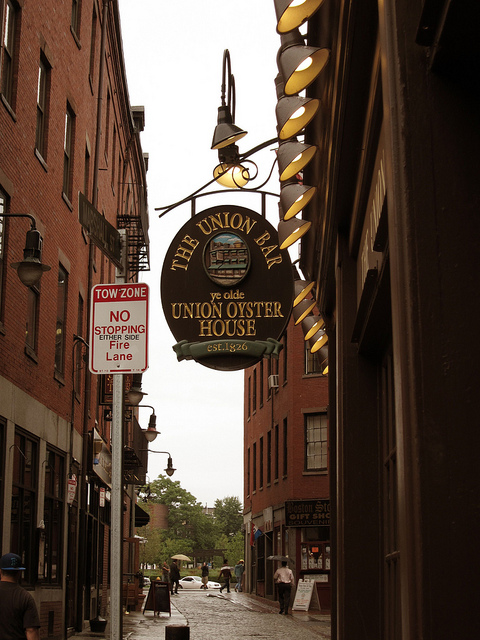
Union Oyster House
41 Union St, Boston, MA 02108
The Union Oyster House has been serving oysters, clam chowder, and broiled lobster in the same building since 1826, making it the oldest continuously operating restaurant in America. The building itself is even older — it dates to the early 1700s and was used as a dress goods shop where the exiled French king Louis Philippe taught French to earn money while waiting to reclaim his throne. The oyster bar on the ground floor, where patrons sit on stools and watch shuckers open raw oysters at the semicircular bar, hasn't changed in any meaningful way since Daniel Webster used to drink a tall tumbler of brandy with each half-dozen. John F. Kennedy ate here regularly when he was a young congressman — his favourite booth on the second floor (booth 18) is marked with a plaque and is still available for diners willing to request it. The menu is a time capsule of New England seafood: raw oysters, clam chowder (creamy, never tomato-based — this is not Manhattan), lobster rolls, broiled scrod, Indian pudding. The prices are higher than they need to be and the atmosphere is more tourist-friendly than cutting-edge, but the raw bar is genuinely excellent and the chowder is the real thing — thick, creamy, packed with clams, and served with oyster crackers. The restaurant's location on the Freedom Trail, steps from Faneuil Hall, means it catches tourist traffic that might otherwise pass it by. But unlike many historic restaurants that trade entirely on reputation, the Union Oyster House actually delivers — the oysters are fresh, the shuckers are fast, and there's something irreducibly satisfying about eating raw shellfish in a building where people have been doing exactly the same thing for two centuries.
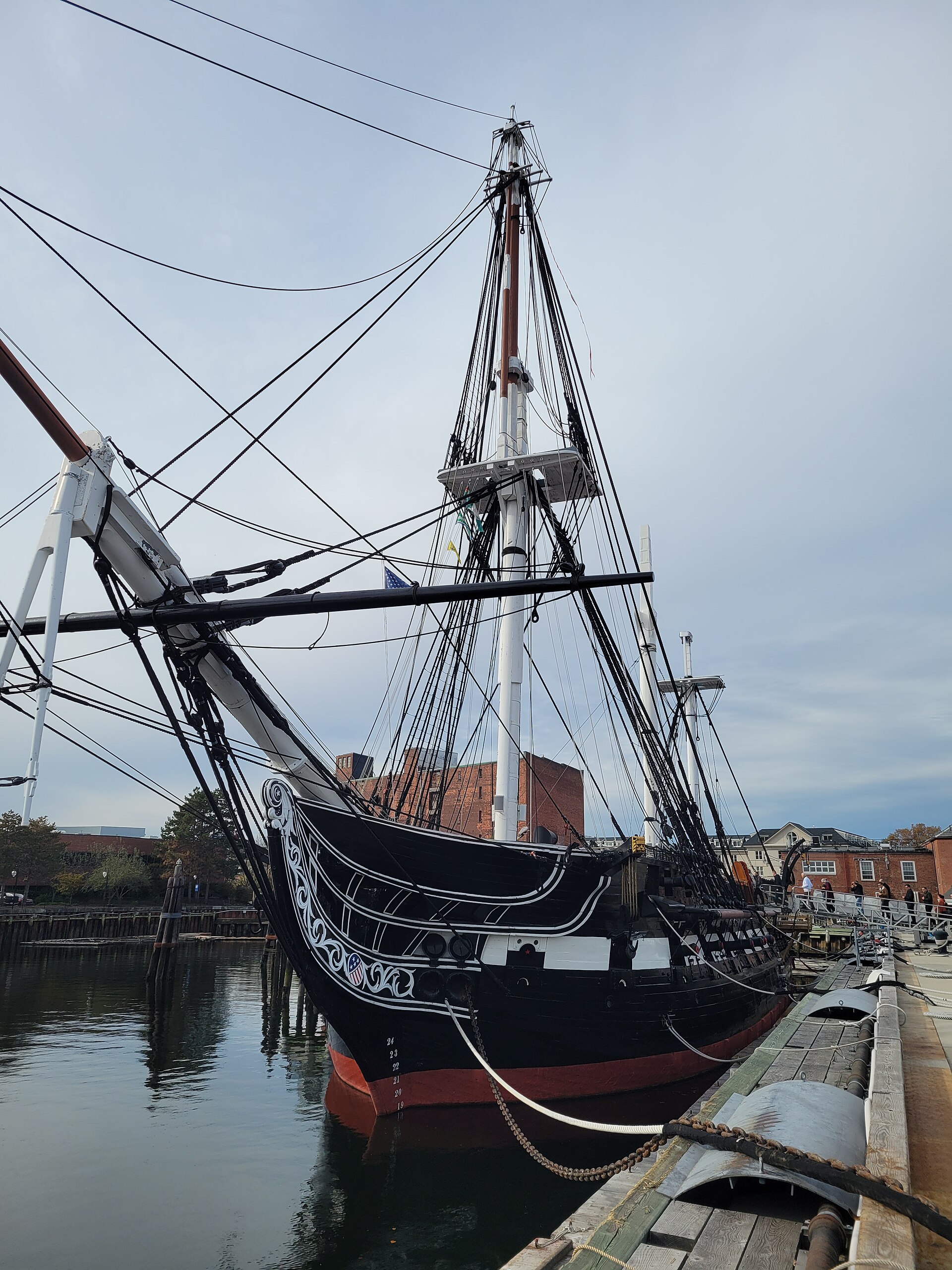
USS Constitution
The Neck, Boston, 02129, United States
The USS Constitution is the oldest commissioned warship still afloat in the world — launched in 1797, she fought in the Barbary Wars and the War of 1812, and earned the nickname 'Old Ironsides' when British cannonballs were seen bouncing off her oak hull during an engagement with HMS Guerriere in 1812. The ship is berthed at the Charlestown Navy Yard and is still a fully commissioned vessel of the US Navy, crewed by active-duty sailors who give free tours. The ship is surprisingly large — 204 feet long, carrying 44 guns across three decks, with a crew of over 450 during her fighting years. Below decks, the cramped quarters where hundreds of men lived, slept, and fought give you an immediate appreciation for the physical reality of 19th-century naval warfare. The gun deck, where cannon teams worked in near-darkness during battle, is claustrophobic even as a tourist — imagining it during combat, with smoke, noise, and cannonballs smashing through the hull, is genuinely unsettling. The Constitution turns around in the harbour once a year on July 4th, firing her cannons in a tradition that draws tens of thousands of spectators to the waterfront. The adjacent USS Constitution Museum (free, donation suggested) does an excellent job of telling the ship's story through interactive exhibits that let you try hauling on the rigging and loading a cannon. The ship and museum together are one of the best free attractions in Boston.