15 Stunning Architecture Landmarks in Buenos Aires
15 landmarks with verified facts and stories
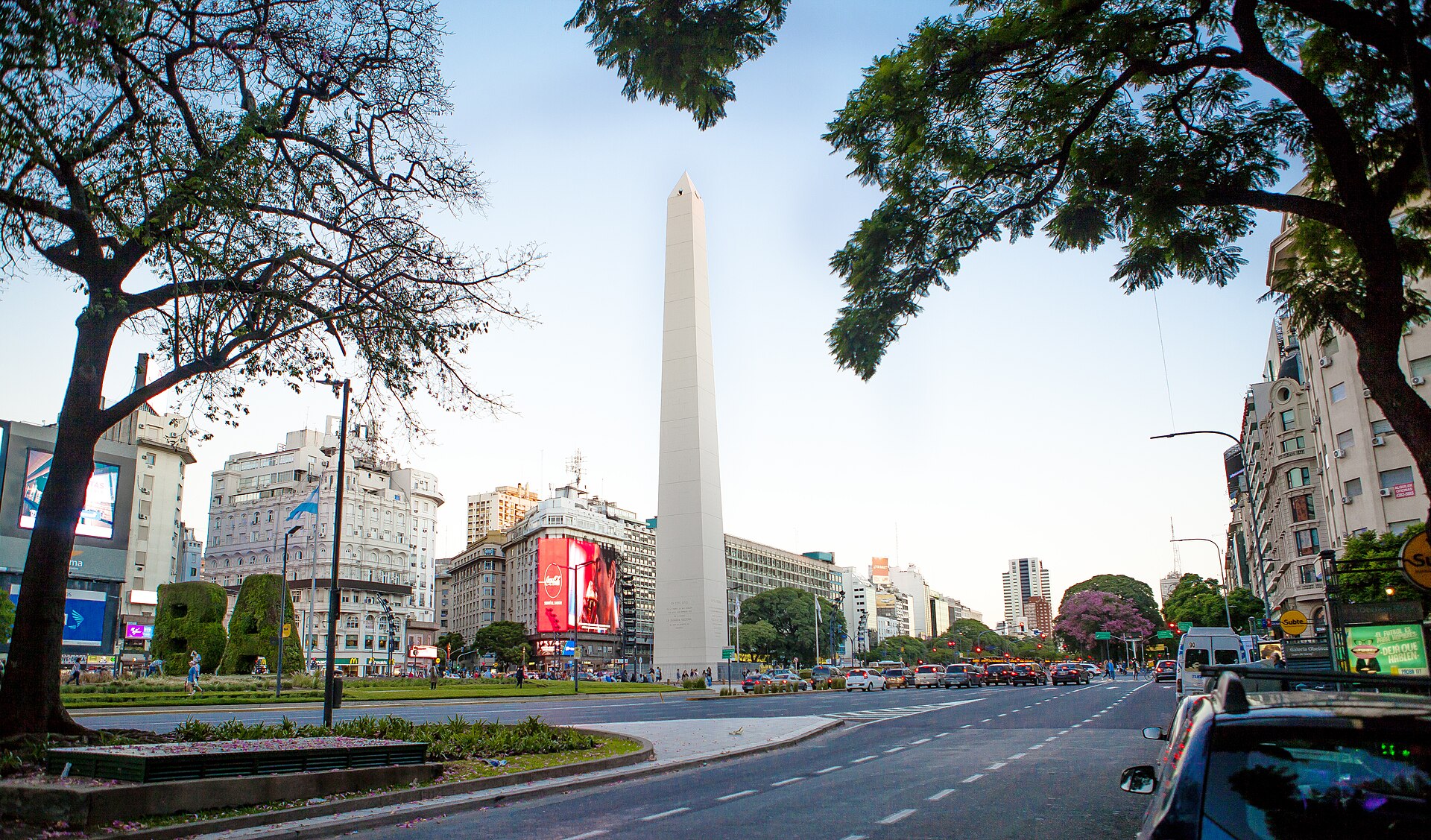
Avenida 9 de Julio & Obelisco
Av. 9 de Julio & Av. Corrientes, Buenos Aires
Avenida 9 de Julio is the widest avenue in the world — a 140-metre-wide boulevard that carves through the centre of Buenos Aires with 12 lanes of traffic, central medians planted with jacaranda trees, and the Obelisco standing at the intersection with Corrientes like an exclamation mark in the middle of the city.
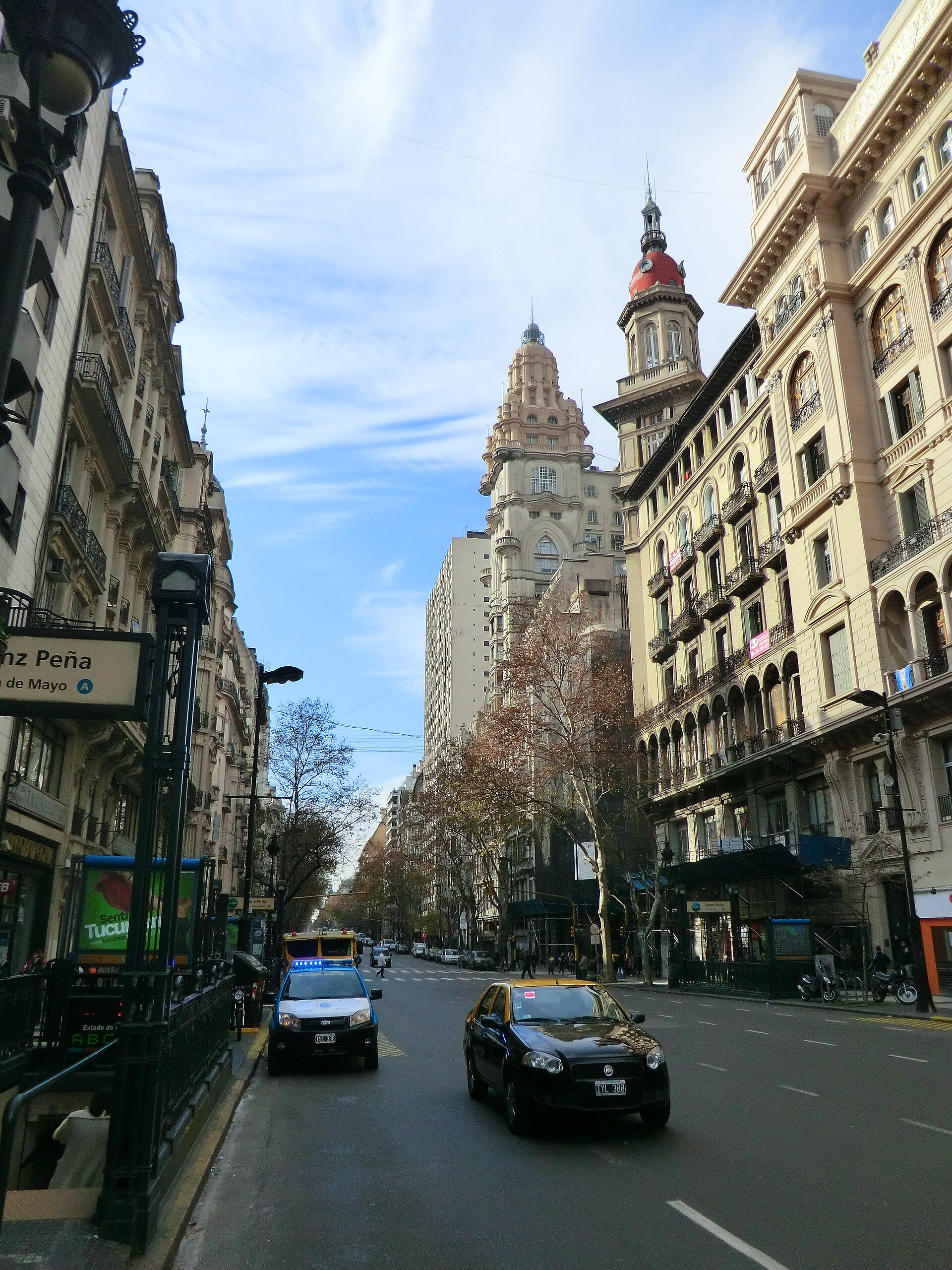
Avenida de Mayo
Avenida de Mayo, San Isidro, B1839, Argentina
Avenida de Mayo is Buenos Aires' most architecturally significant street — a 1.
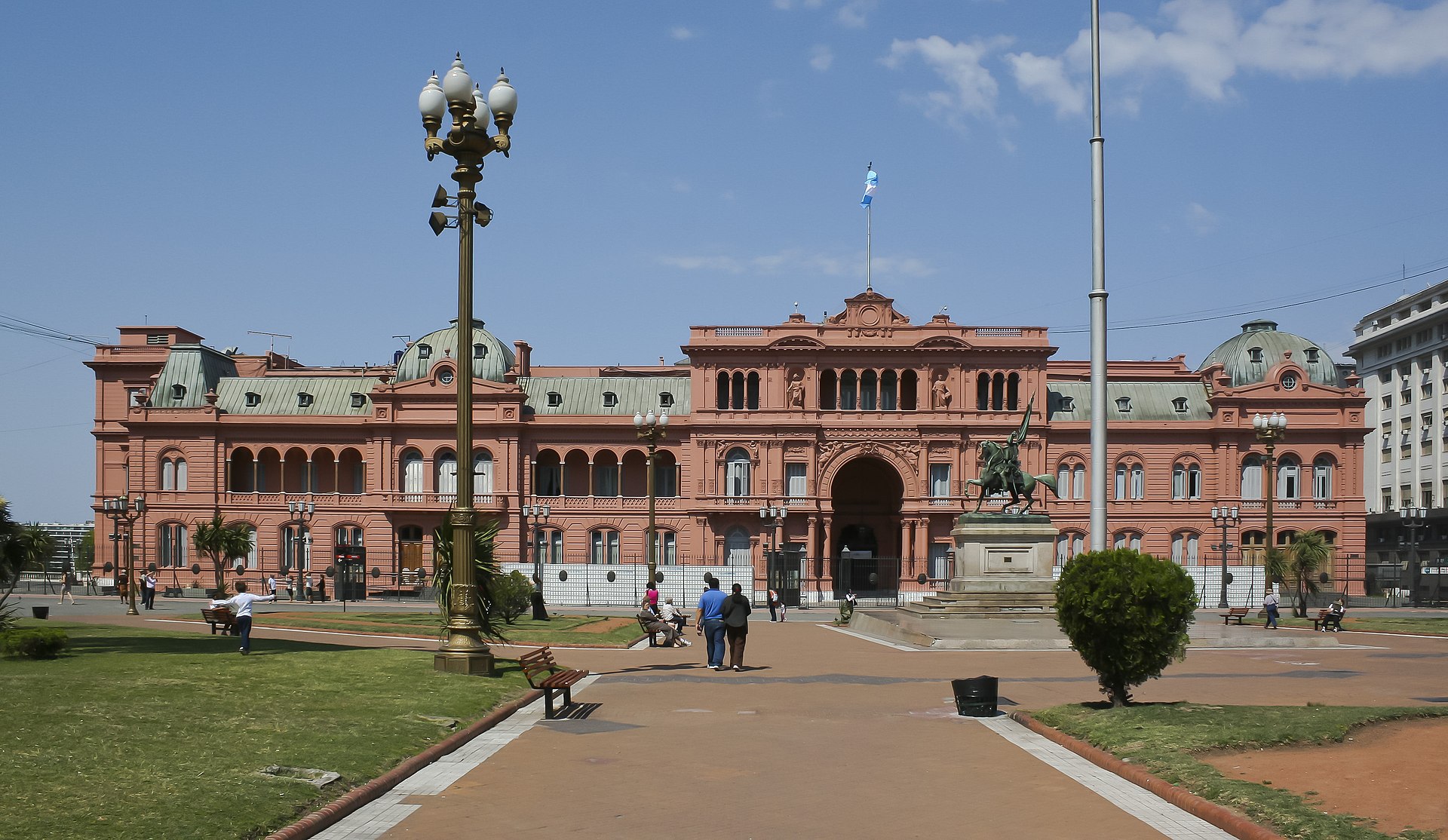
Casa Rosada
Balcarce 50, Monserrat, Buenos Aires
The Casa Rosada is Argentina's presidential palace — a pink Italianate building on the eastern side of Plaza de Mayo that is most famous for the balcony from which Eva Perón addressed the descamisados (the shirtless ones, Argentina's working class), Maradona celebrated the 1986 World Cup victory, and every Argentine president since has addressed the nation in moments of triumph or crisis.
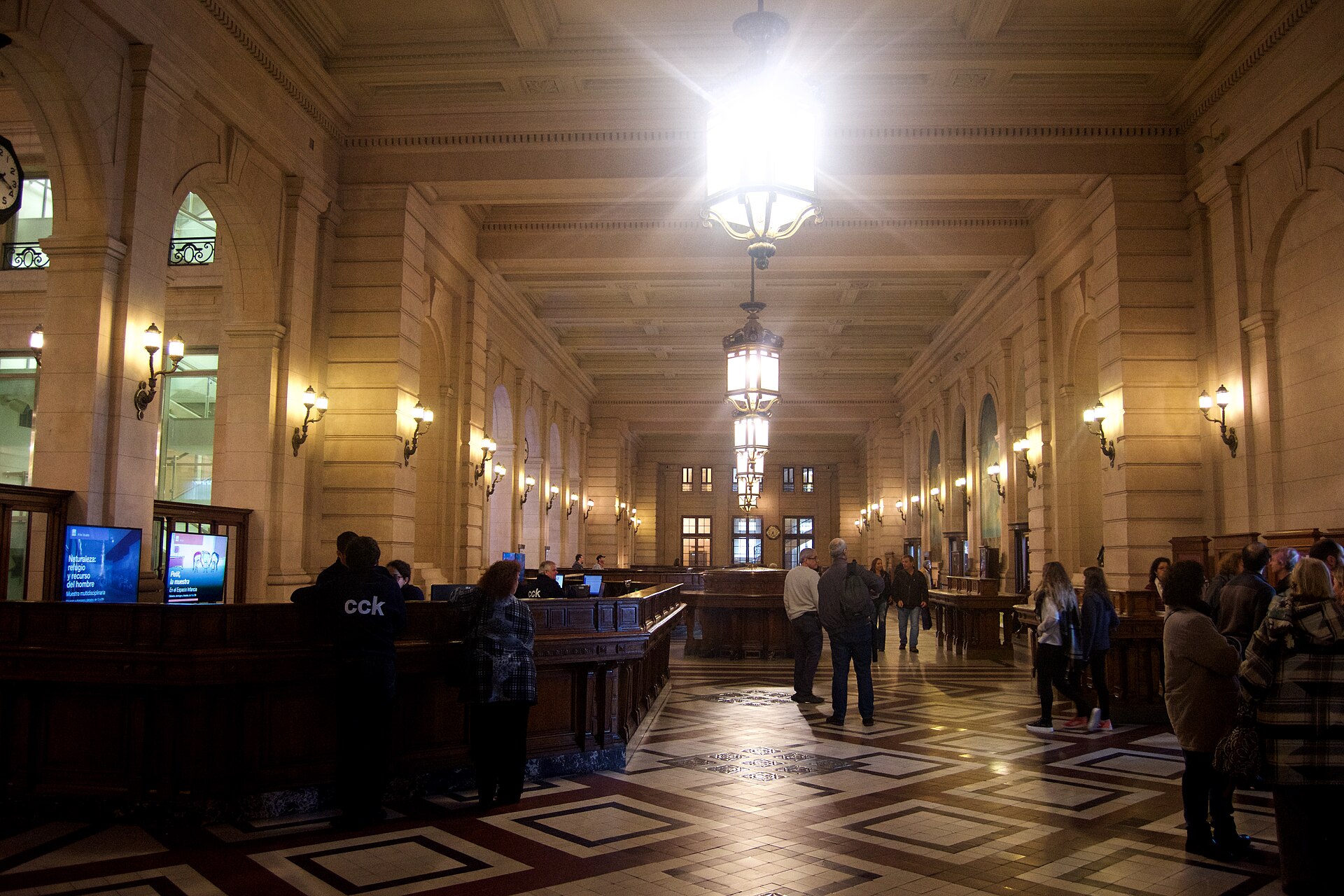
Centro Cultural Kirchner (CCK)
151 Calle Sarmiento, Comuna 1, Buenos Aires, C1041, Argentina
The Centro Cultural Kirchner is the largest cultural centre in Latin America — a converted early 20th-century post office building that was transformed in 2015 into a massive cultural complex housing concert halls, exhibition galleries, and the Blue Whale (La Ballena Azul), a 1,950-seat concert hall with acoustics designed by Nagata Acoustics (the same firm that designed the acoustics of the Elbphilharmonie in Hamburg and Suntory Hall in Tokyo).
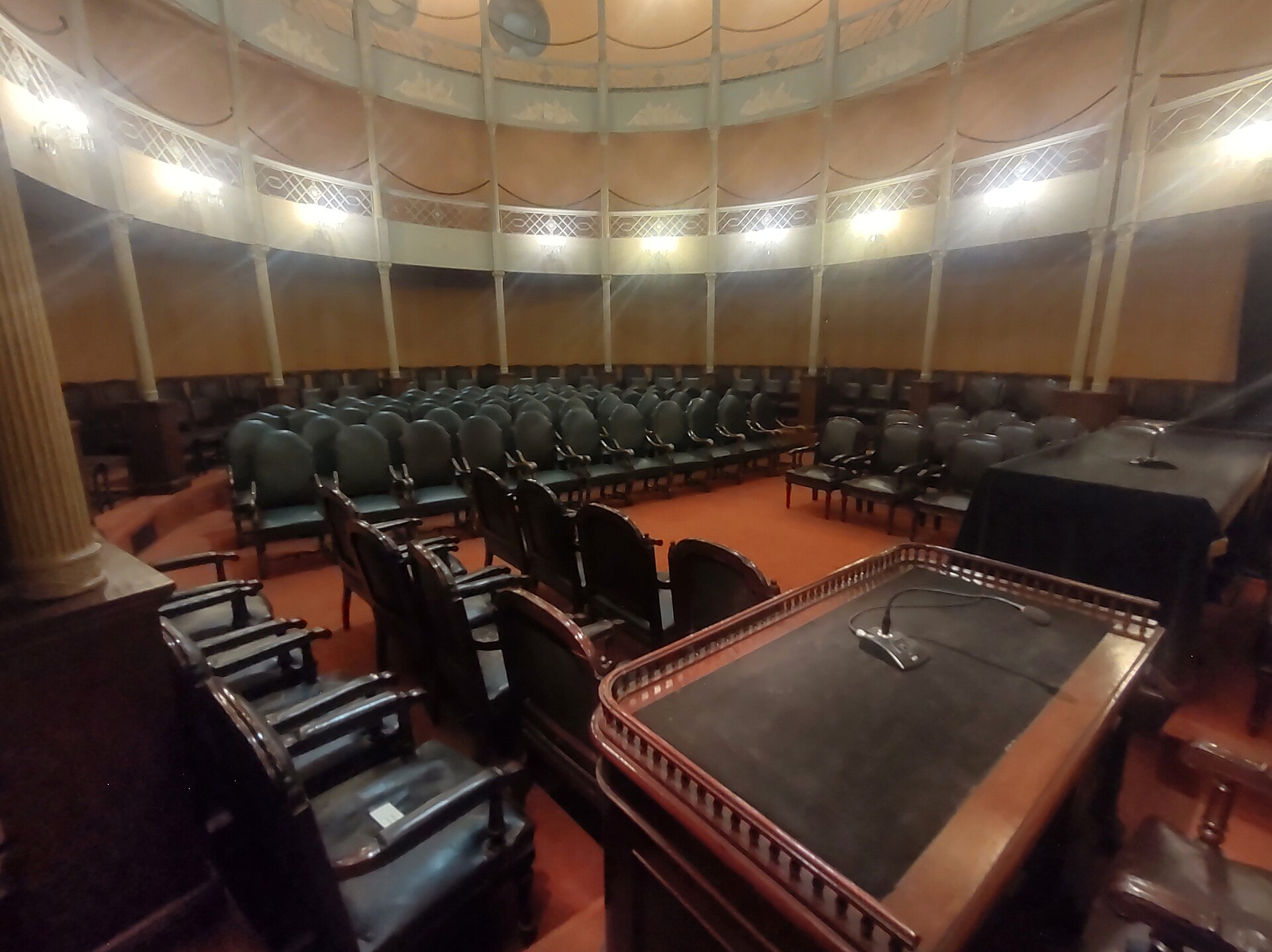
Congreso Nacional
Av. Hipólito Yrigoyen 1849, Buenos Aires
The Congreso Nacional is Argentina's parliament building — a Greco-Roman colossus topped by an 80-metre dome that anchors the western end of Avenida de Mayo and faces the Casa Rosada two kilometres away across the political geography of the city.
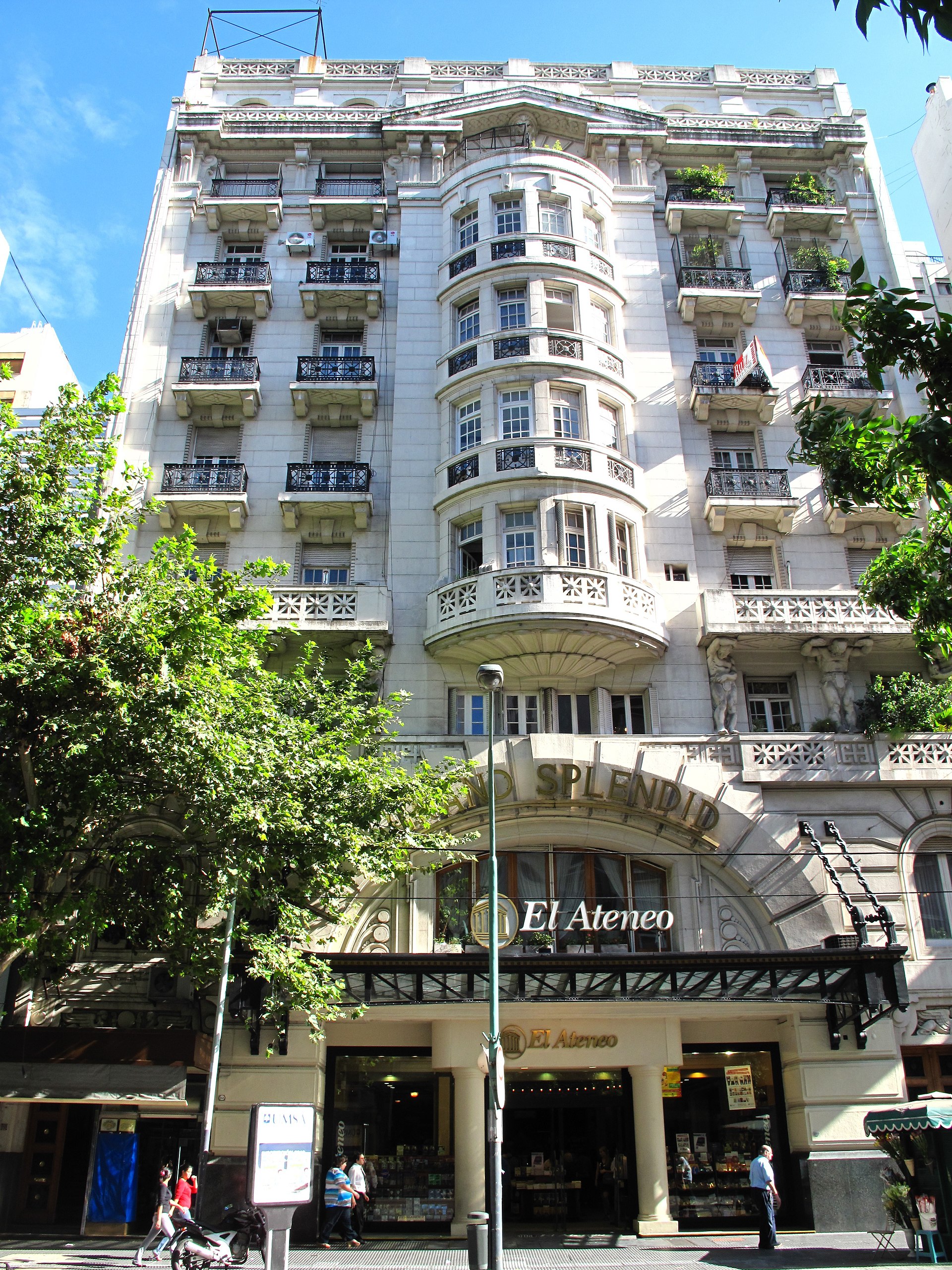
El Ateneo Grand Splendid
Av. Santa Fe 1860, Recoleta, Buenos Aires
El Ateneo Grand Splendid is the most beautiful bookshop in the world — a 1919 theatre converted into a bookstore in 2000 that preserved the ornate ceiling frescoes, the gilded balconies, the crimson stage curtain, and the theatre boxes (now reading nooks) while filling the auditorium floor with bookshelves.
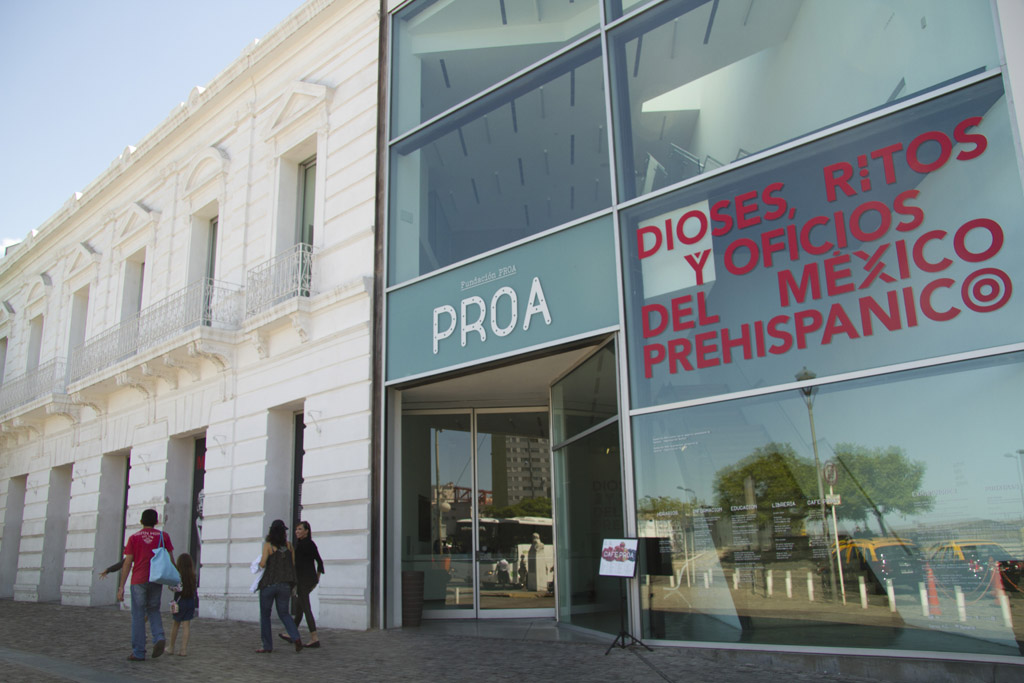
Fundación Proa
Av. Pedro de Mendoza 1929, La Boca, Buenos Aires
Fundación Proa is a contemporary art museum at the edge of La Boca — a converted Italian-Argentine house with a minimalist glass-and-steel extension that hosts exhibitions of international contemporary art at a level of ambition that rivals institutions many times its size.
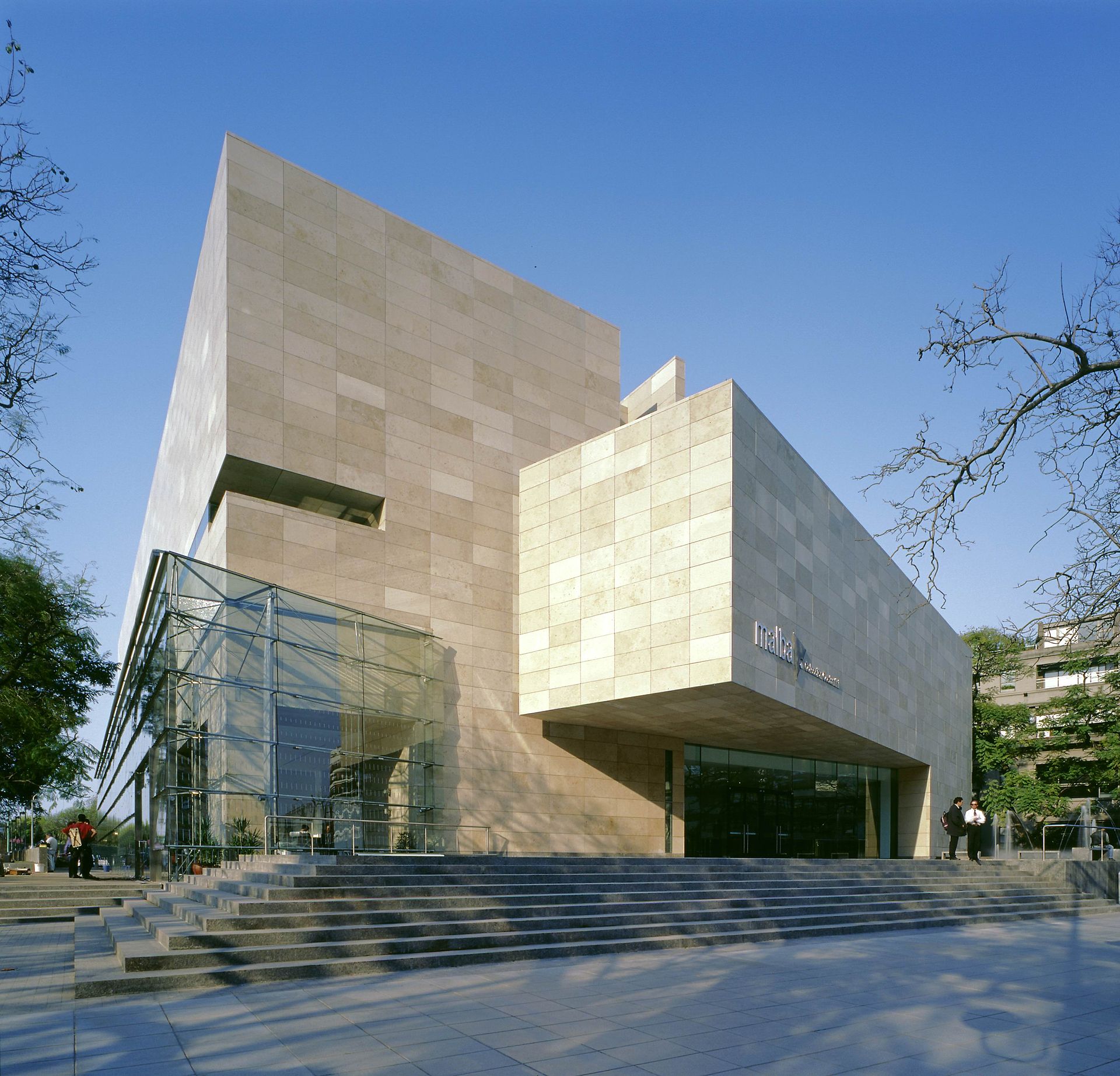
MALBA (Museo de Arte Latinoamericano de Buenos Aires)
3415 Avenida Presidente Figueroa Alcorta, Comuna 14, Buenos Aires, C1425, Argentina
MALBA is Latin America's most important contemporary art museum — a geometric glass-and-stone building in Palermo housing the Costantini collection of over 600 works by Latin American artists from the early 20th century to the present.
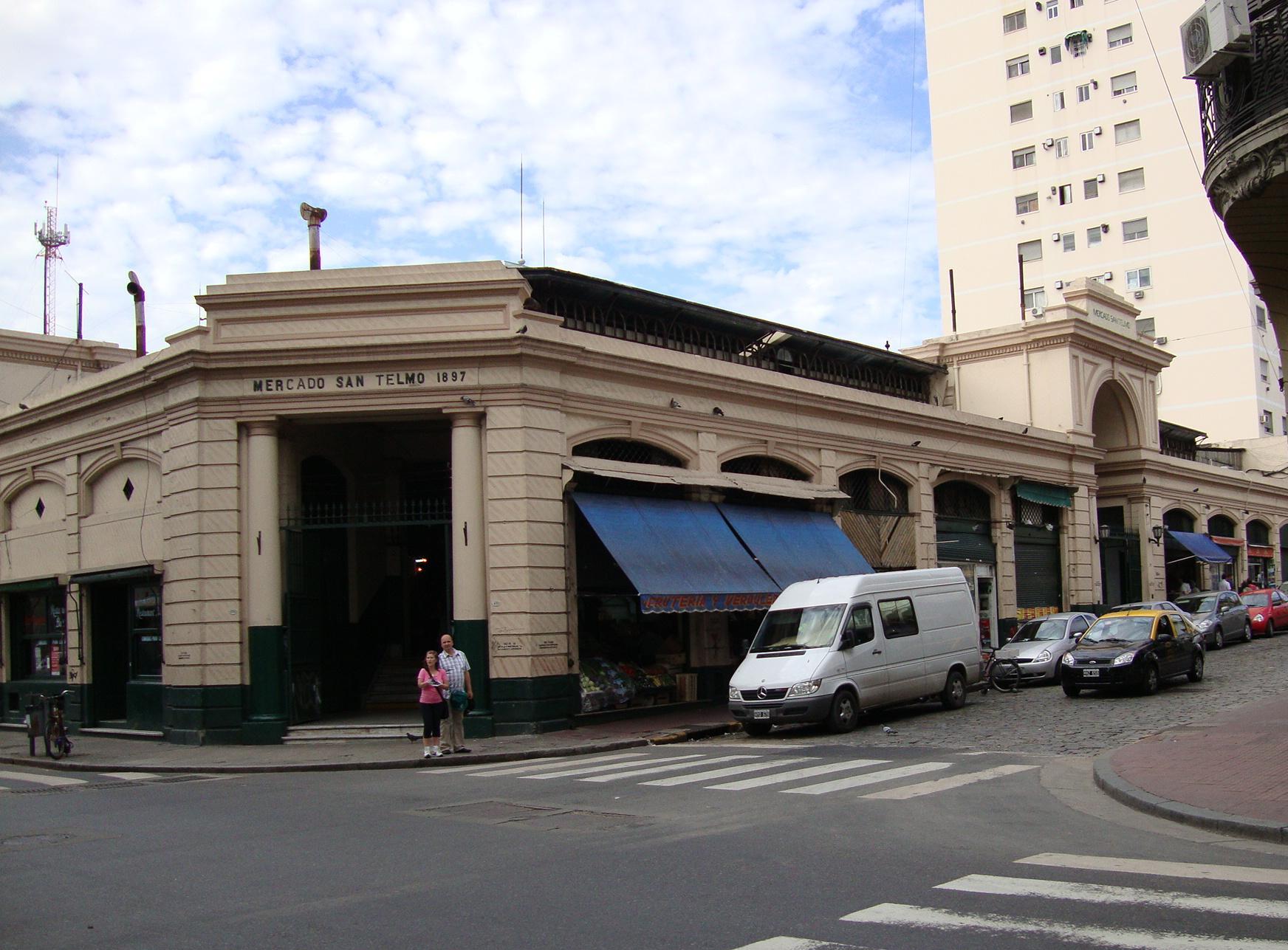
Mercado de San Telmo
970 Bolívar, Comuna 1, Buenos Aires, B1704, Argentina
Mercado de San Telmo is a covered market from 1897 that has evolved from a traditional neighbourhood food market into Buenos Aires' most exciting food destination — a cavernous iron-and-glass structure housing butchers, produce vendors, coffee roasters, wine bars, and the new generation of food stalls that have turned the market into a culinary crossroads where traditional Argentine cooking meets global influences.
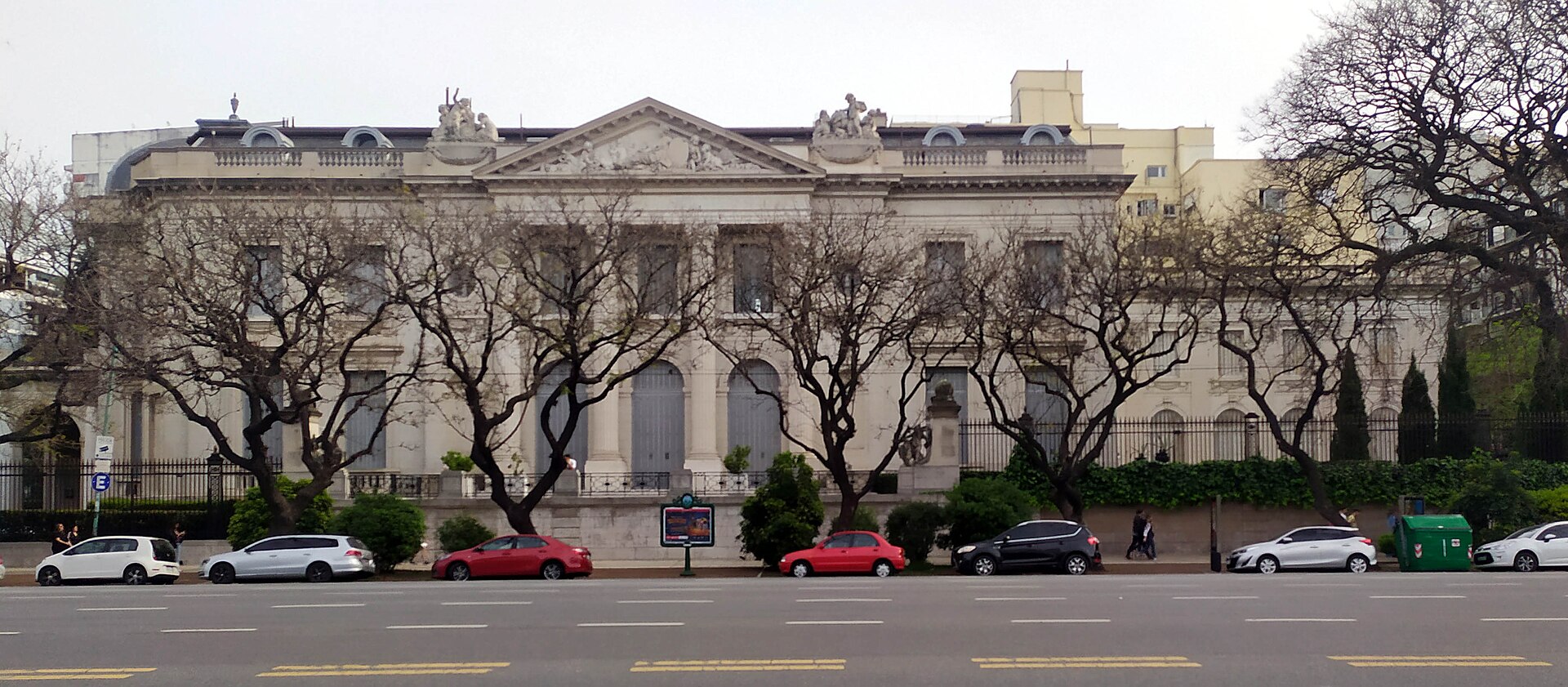
Museo de Arte Decorativo
1902 Avenida Del Libertador, Comuna 14, Buenos Aires, C1425, Argentina
The Museo de Arte Decorativo occupies one of the most beautiful private residences ever built in Buenos Aires — a French Beaux-Arts palace designed by René Sergent in 1917 for the Errázuriz-Alvear family, filled with their collection of European decorative arts, and donated to the Argentine state in 1937.
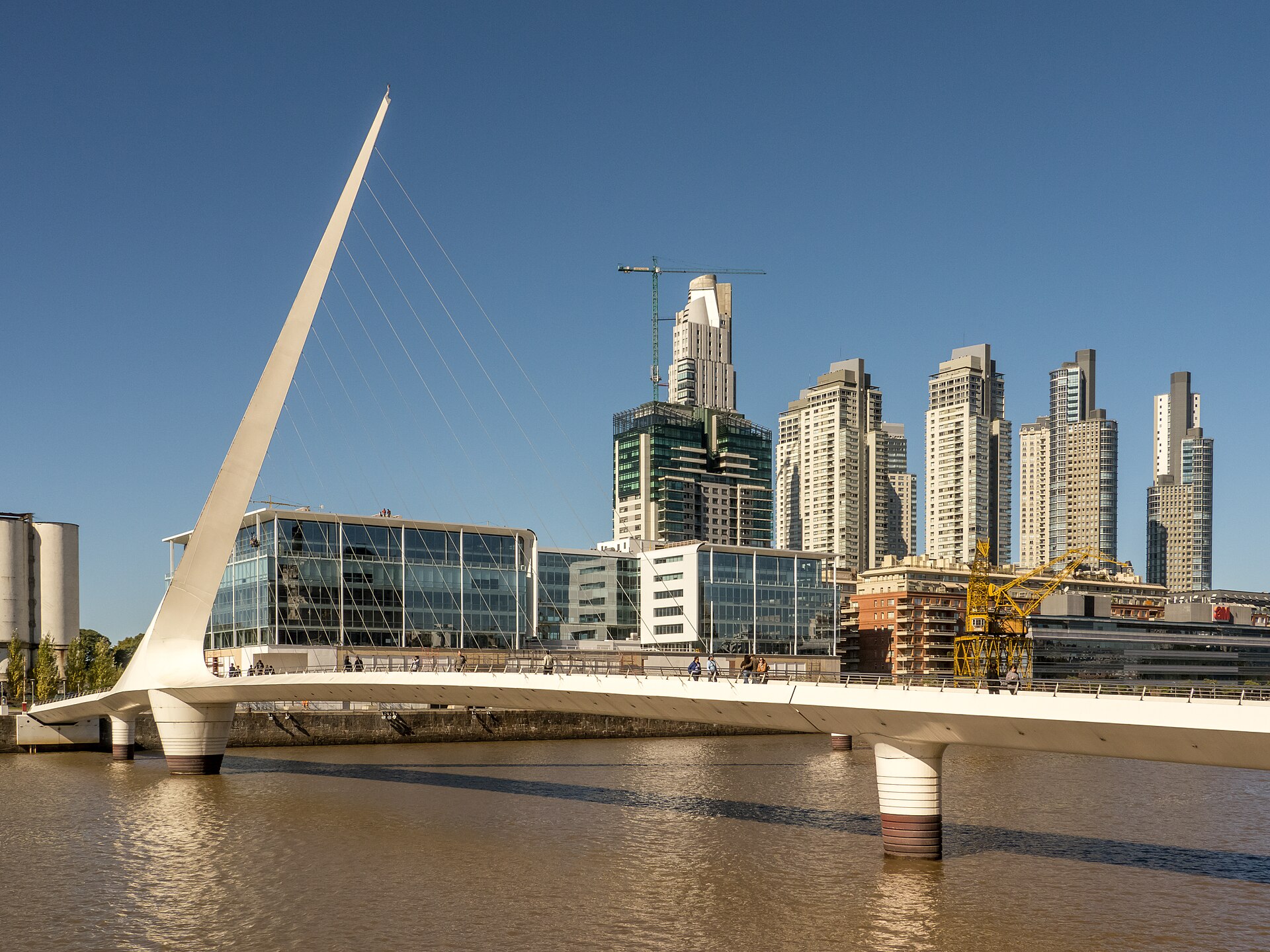
Puente de la Mujer
3 Duque de Abruzzi, Escobar, B1635, Argentina
The Puente de la Mujer (Bridge of the Woman) is a rotating pedestrian bridge in Puerto Madero designed by Spanish architect Santiago Calatrava — a 170-metre white steel structure whose asymmetric mast and cable stays are said to represent a couple dancing tango.
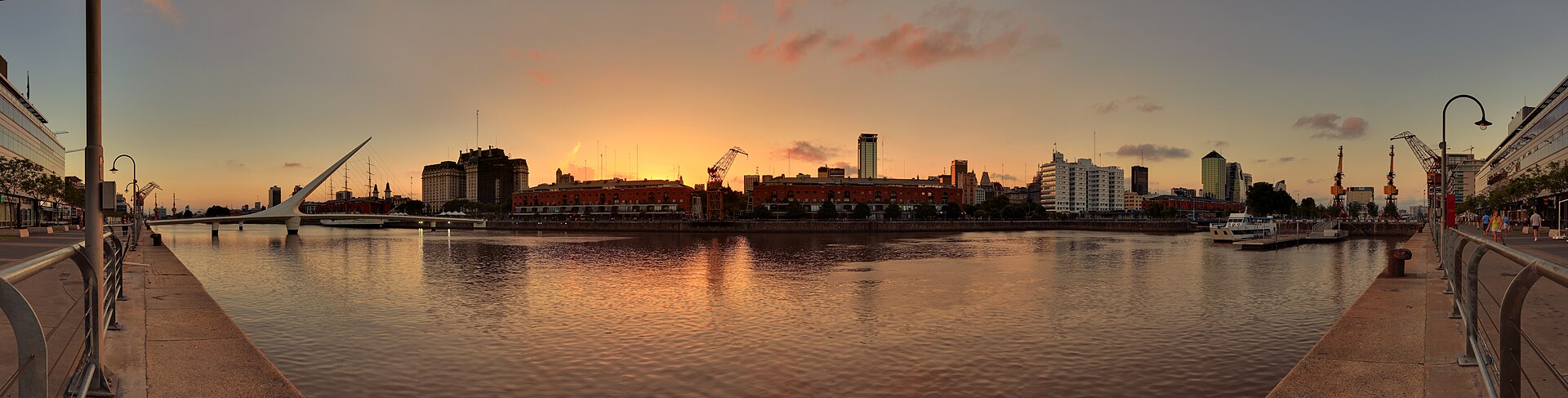
Puerto Madero
3 Duque de Abruzzi, Escobar, B1635, Argentina
Puerto Madero is Buenos Aires' newest neighbourhood — a former industrial port district east of the Centro that has been transformed since the 1990s into a waterfront promenade of converted red-brick warehouses, glass-tower residences, and the Santiago Calatrava-designed Puente de la Mujer, a rotating pedestrian bridge that has become one of the city's most recognisable modern landmarks.
Recoleta Cemetery
1760 Junín, San Fernando, B1722, Argentina
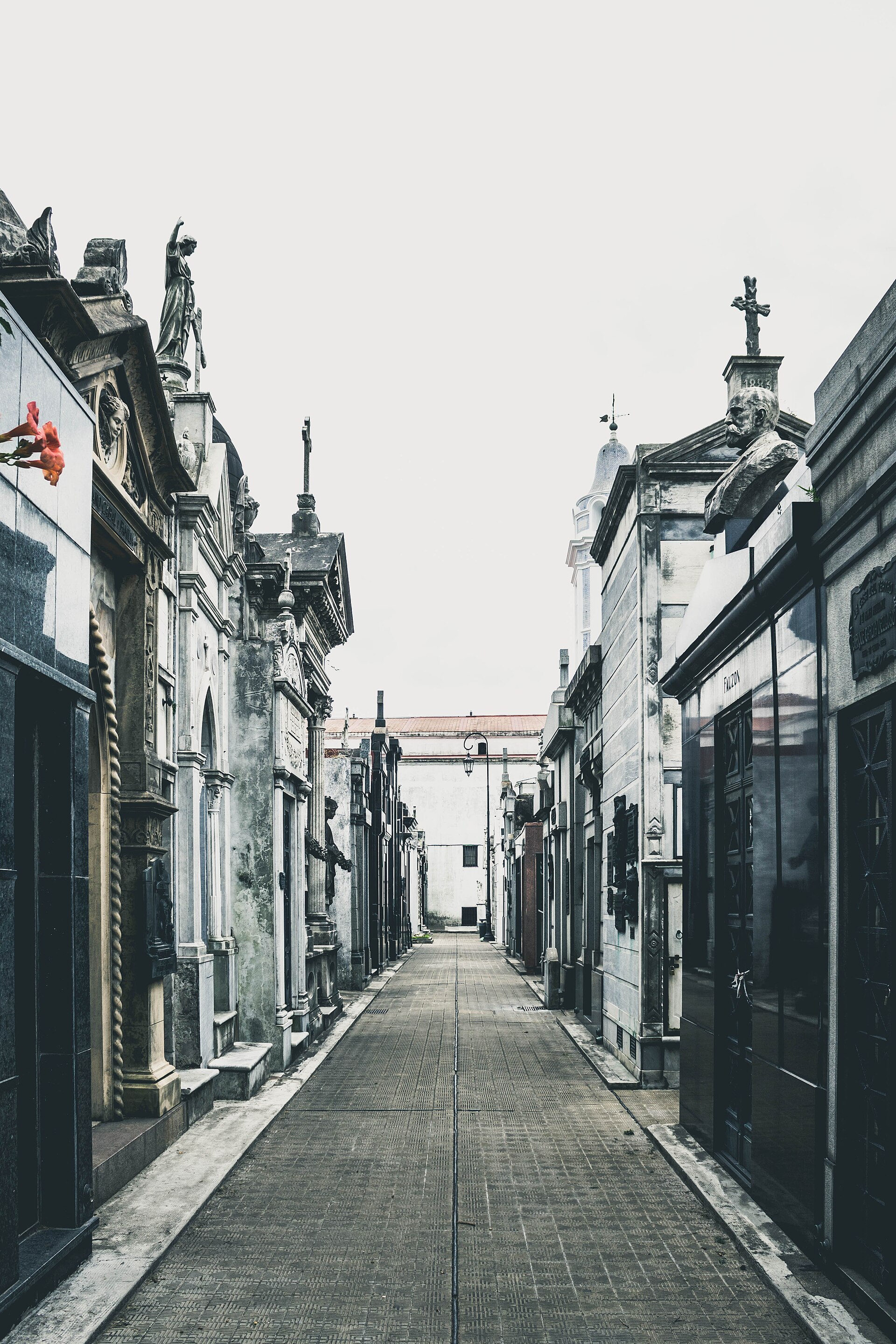
Recoleta Cemetery is the most extraordinary burial ground in the Americas — a miniature city of 4,691 above-ground vaults arranged along tree-lined avenues, housing the remains of Argentina's presidents, generals, Nobel laureates, and oligarchs in marble mausoleums that range from restrained neoclassical to full-blown Art Nouveau fantasy.
Teatro Colón
Cerrito 628, Buenos Aires
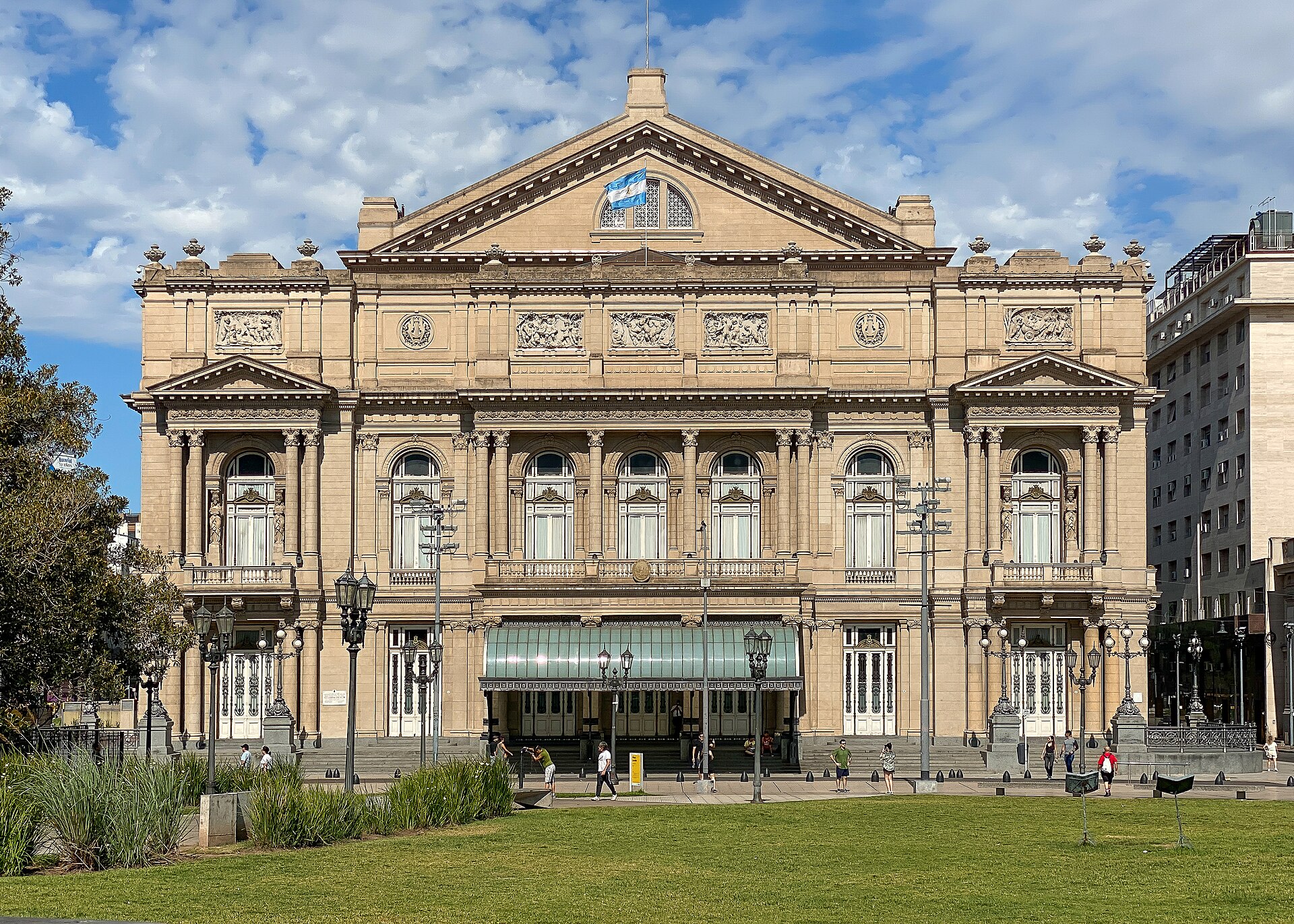
Teatro Colón is one of the greatest opera houses in the world — a 2,487-seat horseshoe auditorium completed in 1908 that is consistently ranked alongside La Scala, the Vienna Staatsoper, and the Paris Opéra for the quality of its acoustics and the splendour of its interior.
Usina del Arte
1 Agustín R. Caffarena, Comuna 4, Buenos Aires, B1845, Argentina
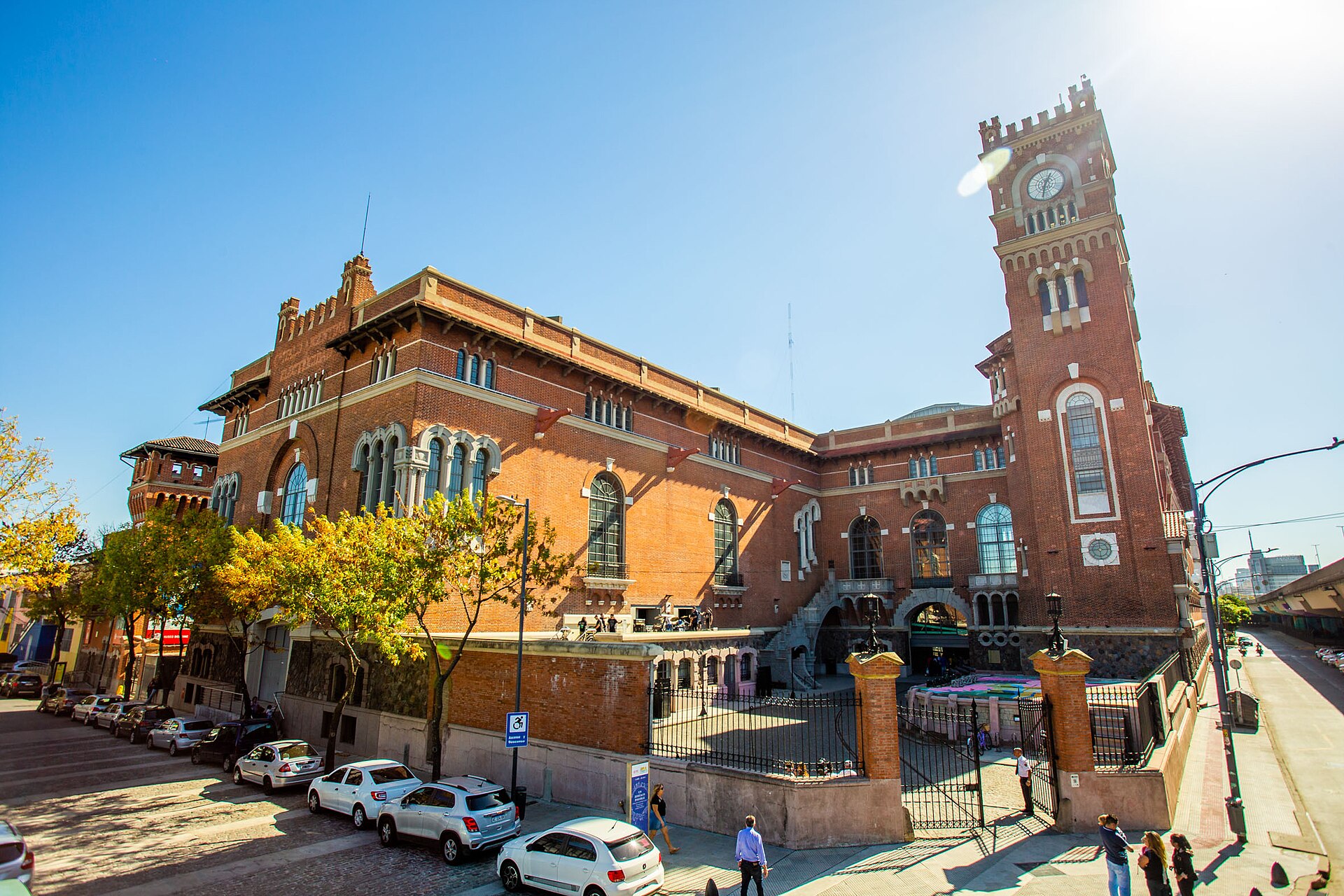
Usina del Arte is a converted power station in La Boca that has become one of Buenos Aires' most impressive cultural venues — a 1916 industrial building of red brick and exposed steel that was abandoned for decades before being restored as a concert hall, art gallery, and event space in 2012.
Explore architecture in Buenos Aires
GPS-guided narration at every landmark. Tap a spot on the map, hear the story. Every fact verified.