Callejón de Hamel
Callejón de Hamel, Centro Habana, Havana, Cuba
Callejón de Hamel is a two-block alley in Centro Habana covered with murals, sculptures, and found-object assemblages created since 1990 by the Afro-Cuban artist Salvador González Escalona as a public monument to Afro-Cuban religion and culture.
Centro Habana
Centro Habana, Havana, Cuba
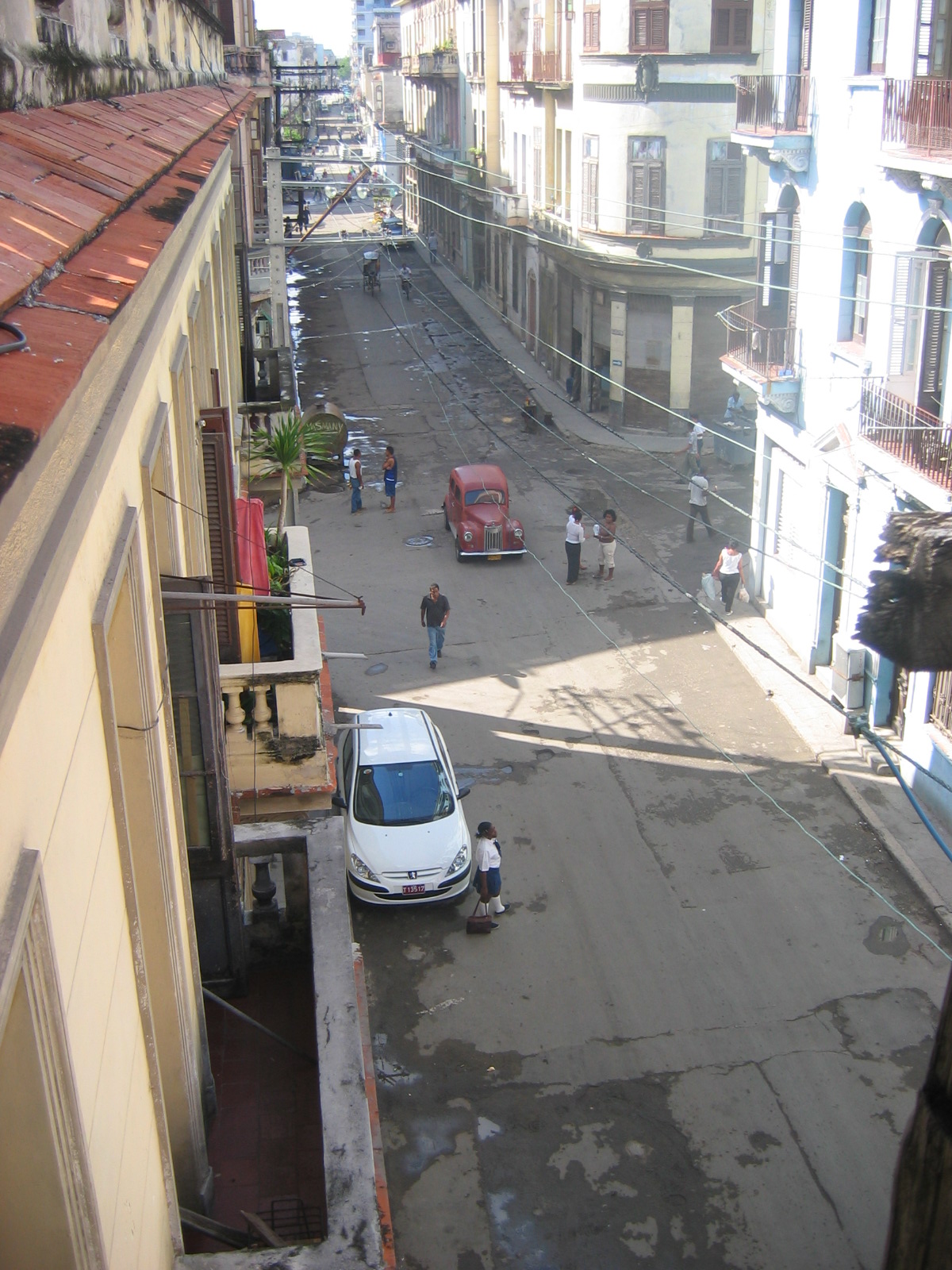
Centro Habana is Havana's most densely populated and least restored district — a grid of narrow streets between Old Havana and Vedado where the crumbling colonial and Art Deco buildings house the city's working-class population in conditions that range from precarious to beautiful.
Classic American Cars
Havana, Cuba
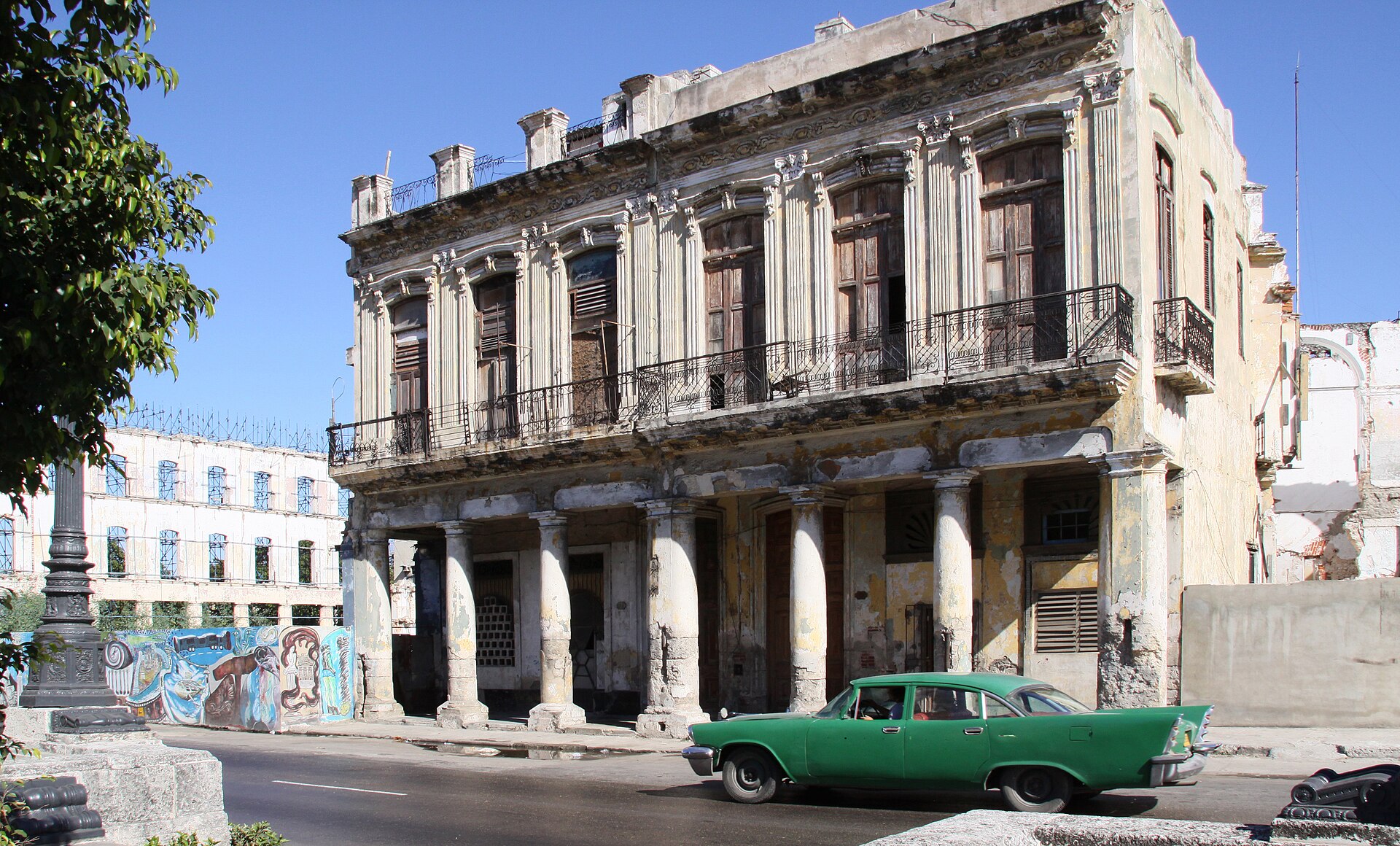
The 1950s American cars that fill Havana's streets are the city's most recognisable visual feature — approximately 60,000 pre-1960 American automobiles (Chevrolets, Fords, Buicks, Cadillacs, Pontiacs) still in daily use, maintained with improvised parts, Russian diesel engines, and the mechanical ingenuity that six decades of embargo have required.
Colon Cemetery
Calzada Zapata, Plaza de la Revolución, Havana, Cuba
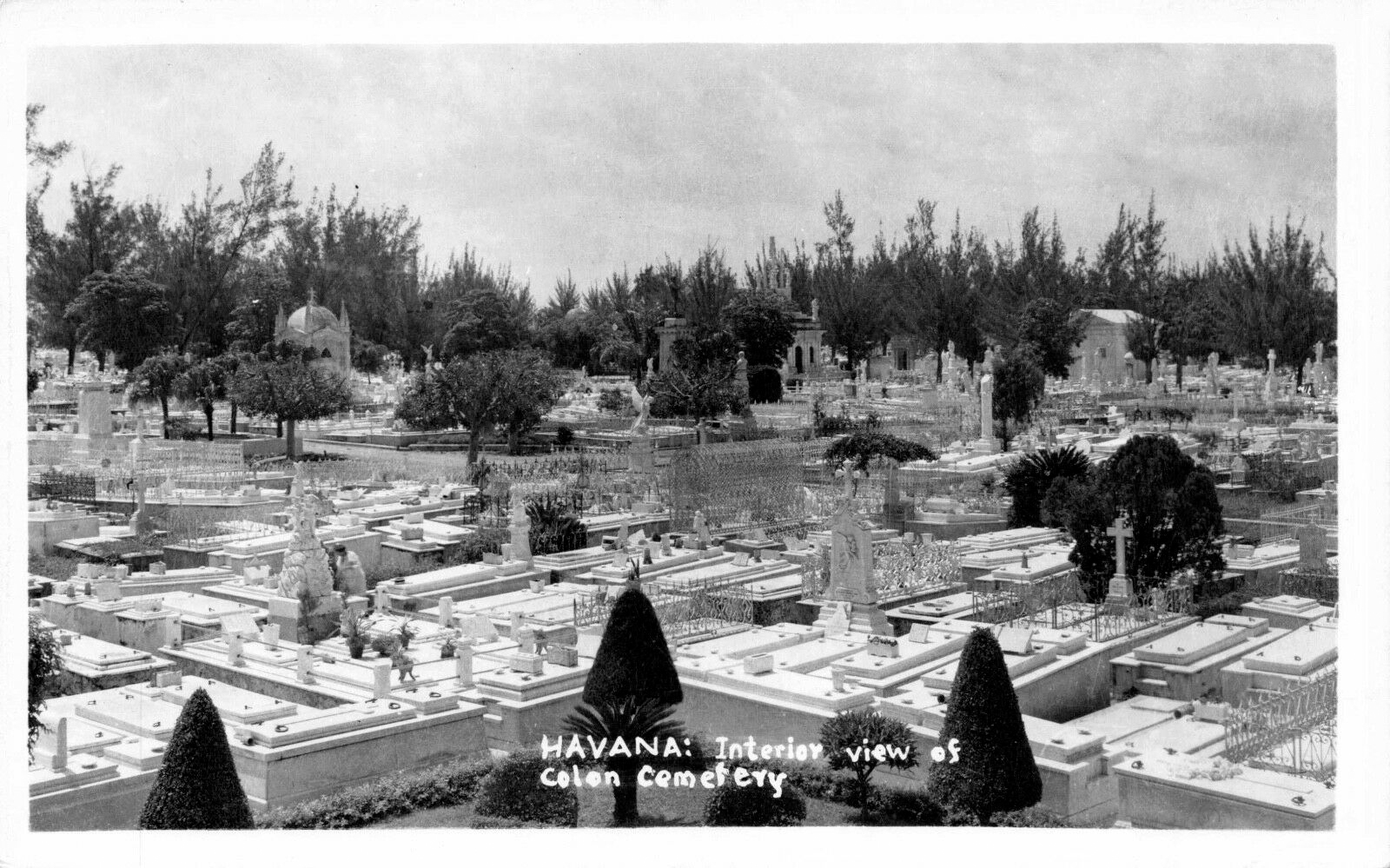
Cementerio Cristóbal Colón (Colon Cemetery) is one of the great urban cemeteries of the world — a 56-hectare necropolis laid out in a grid in 1876 with over 500 ornate mausoleums, chapels, and marble sculptures that form one of the finest open-air sculpture collections in Latin America.
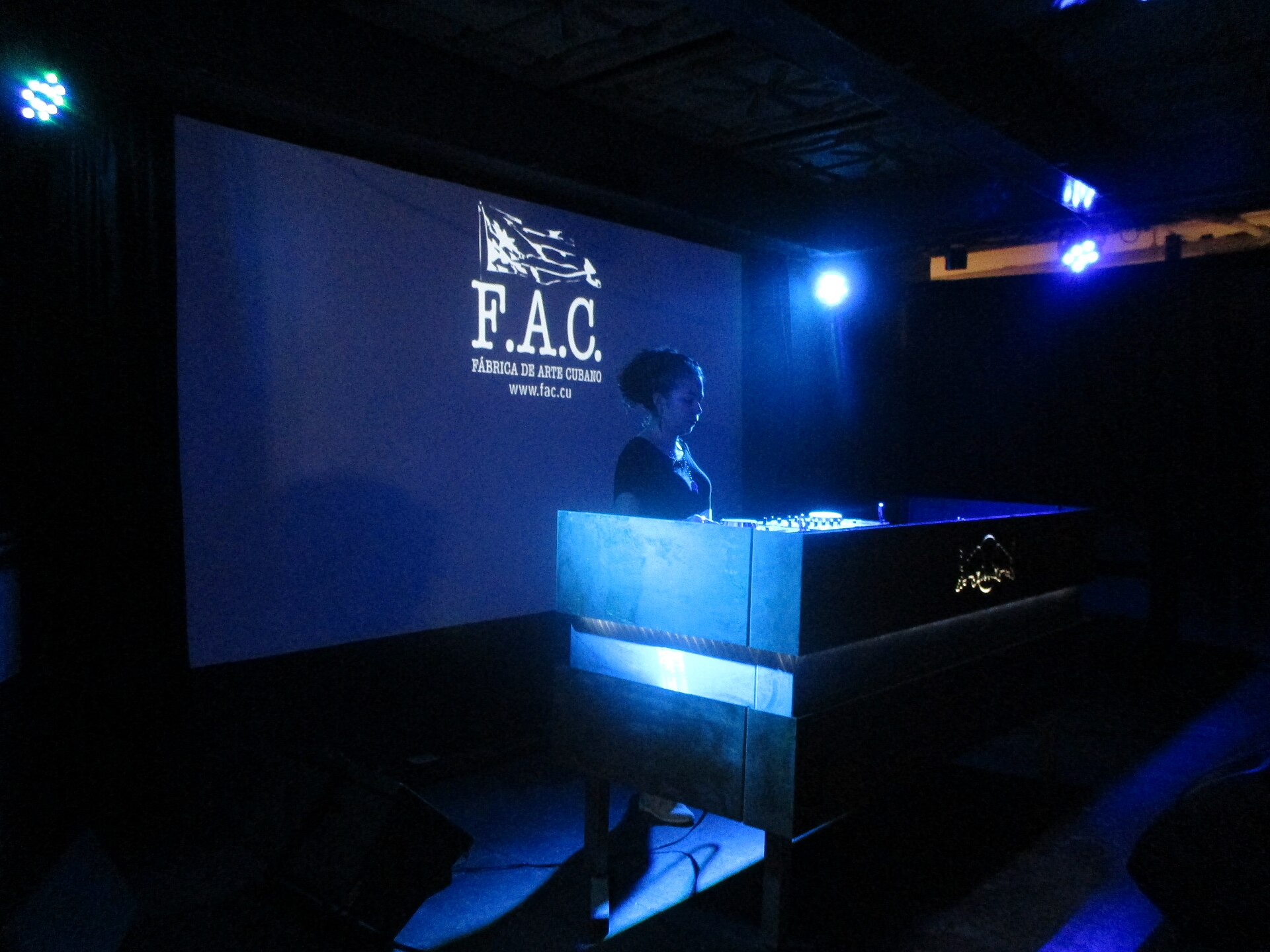
Fábrica de Arte Cubano (FAC)
Fábrica, La Habana Vieja, Havana, Cuba
The Fábrica de Arte Cubano is Havana's most exciting cultural space — a converted cooking-oil factory in Vedado that houses contemporary art galleries, performance spaces, a cinema, bars, and a dance floor in a single complex that has become the epicentre of Havana's creative scene since opening in 2014.
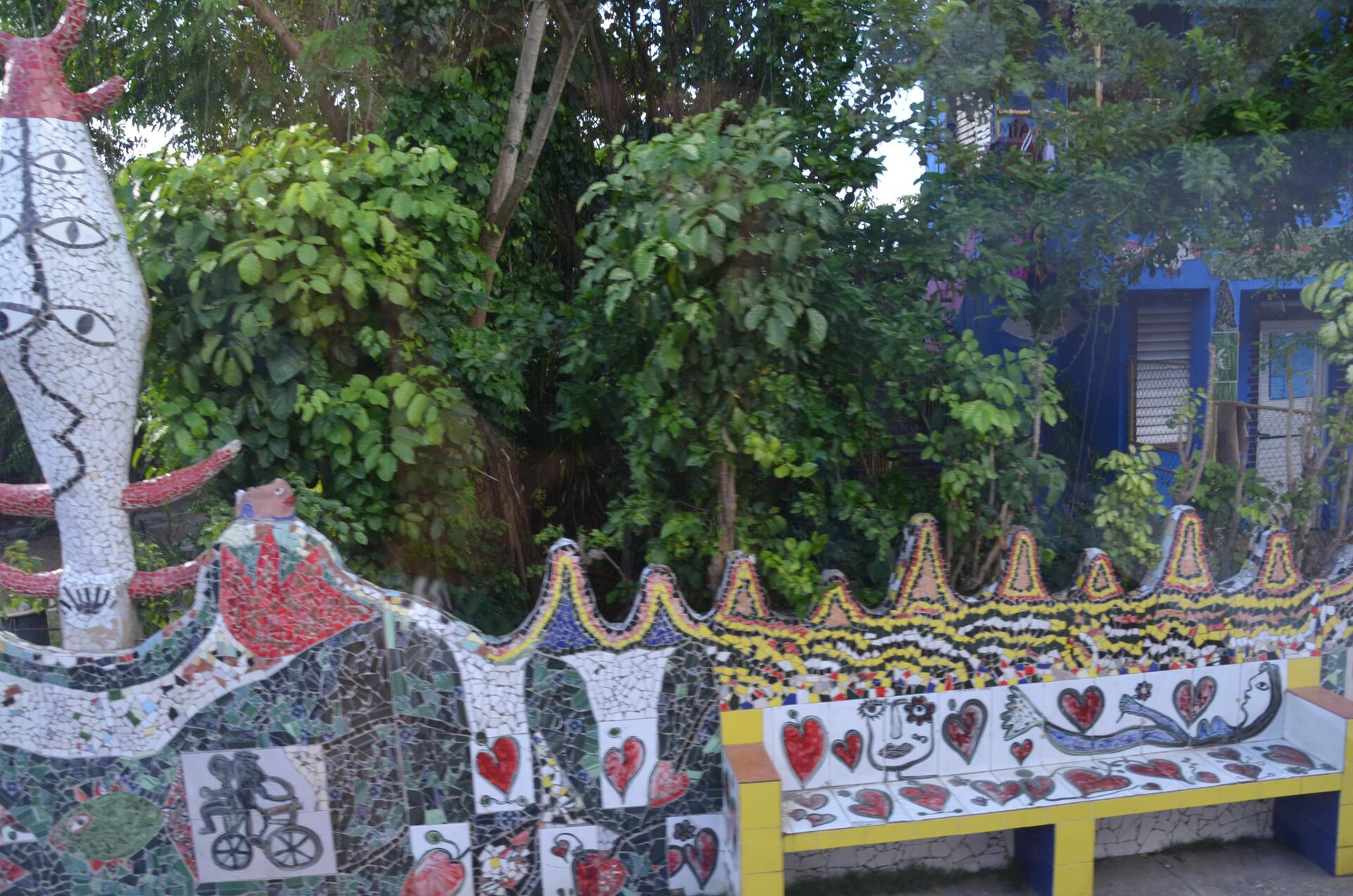
Fusterlandia (José Fuster's Art Project)
Jaimanitas, Playa, Havana
Fusterlandia is one of the most extraordinary public art projects in the world — a neighbourhood in Jaimanitas (a fishing village west of central Havana) that artist José Fuster has been transforming since the 1990s by covering every available surface — his house, his neighbours' houses, bus stops, park benches, walls, and entire street blocks — in colourful mosaic tilework that draws from Gaudí, Picasso, and Cuban folk art in a style that is joyful, excessive, and completely unique.
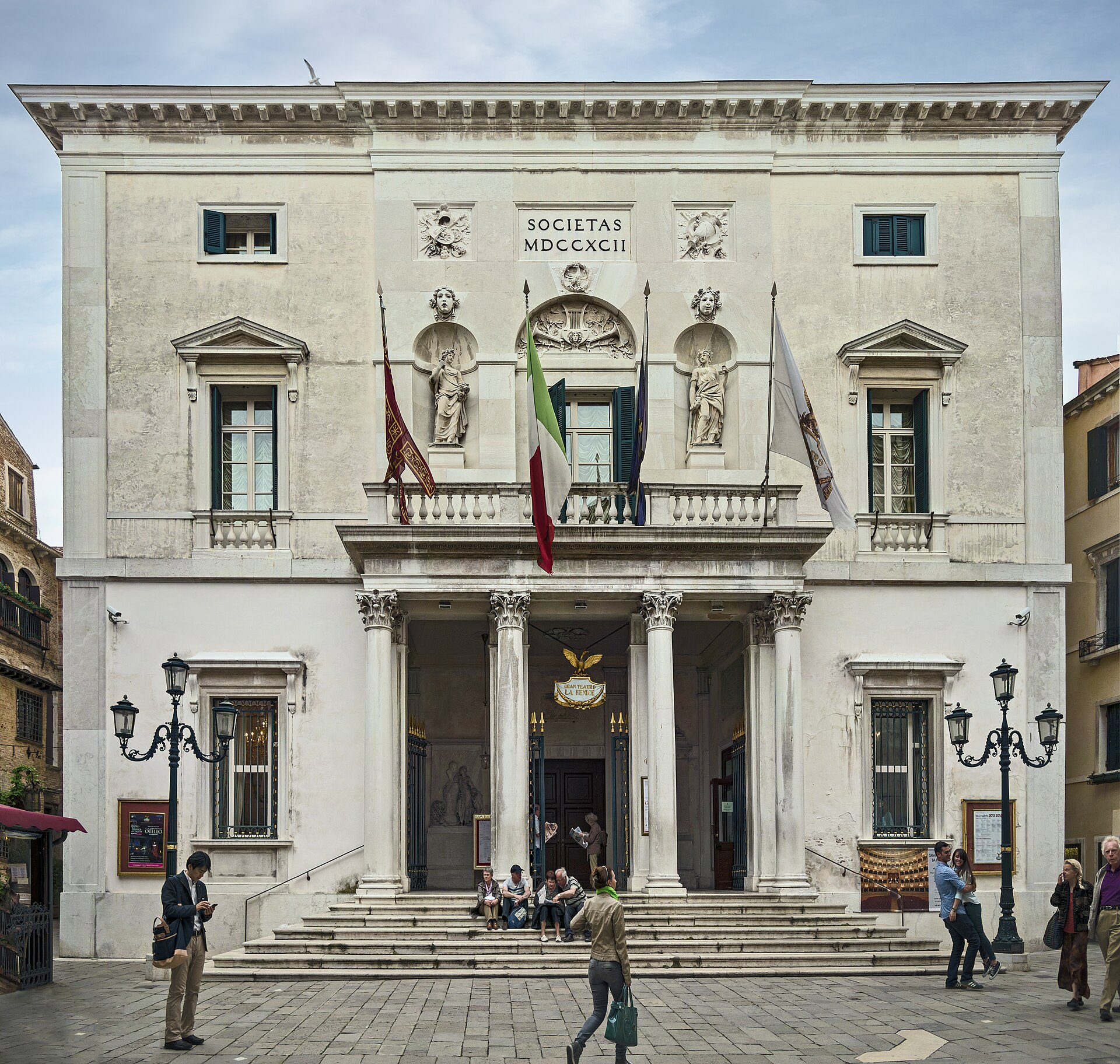
Gran Teatro de La Habana
Paseo del Prado, Centro Habana, Havana, Cuba
The Gran Teatro de La Habana is Cuba's national theatre — a Neo-Baroque confection built in 1915 on the foundation of an earlier 1838 theatre, where Enrico Caruso famously refused to perform in 1920 because of a hurricane warning (he was afraid of the weather, not the singing).
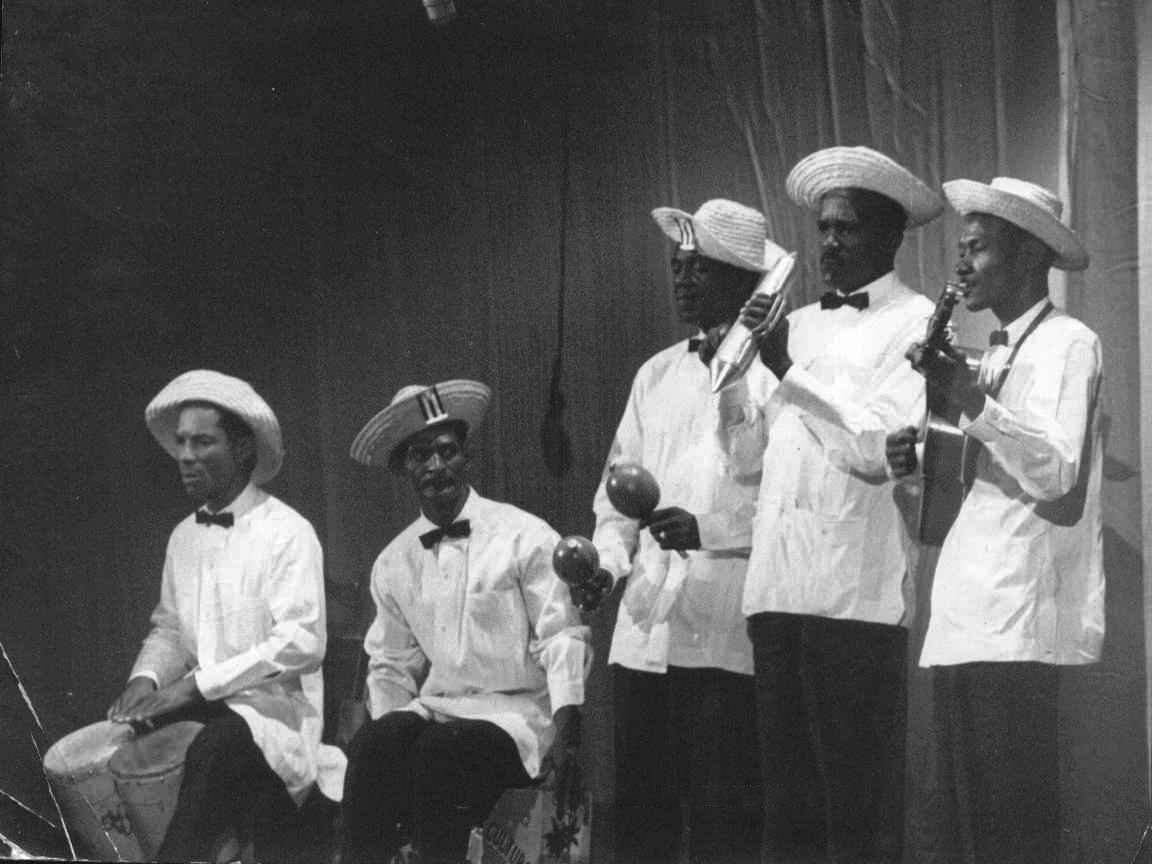
Habana Vieja Street Music & Son Culture
Autopista La Habana - Melena del Sur, Arroyo Naranjo, Havana, Cuba
Cuban son — the musical genre that became salsa, that Ry Cooder and the Buena Vista Social Club brought to international attention in 1997, and that remains the soundtrack of daily life in Havana — is performed in bars, restaurants, plazas, and on street corners throughout Old Havana with a frequency and quality that makes the city one of the great live music destinations in the world.
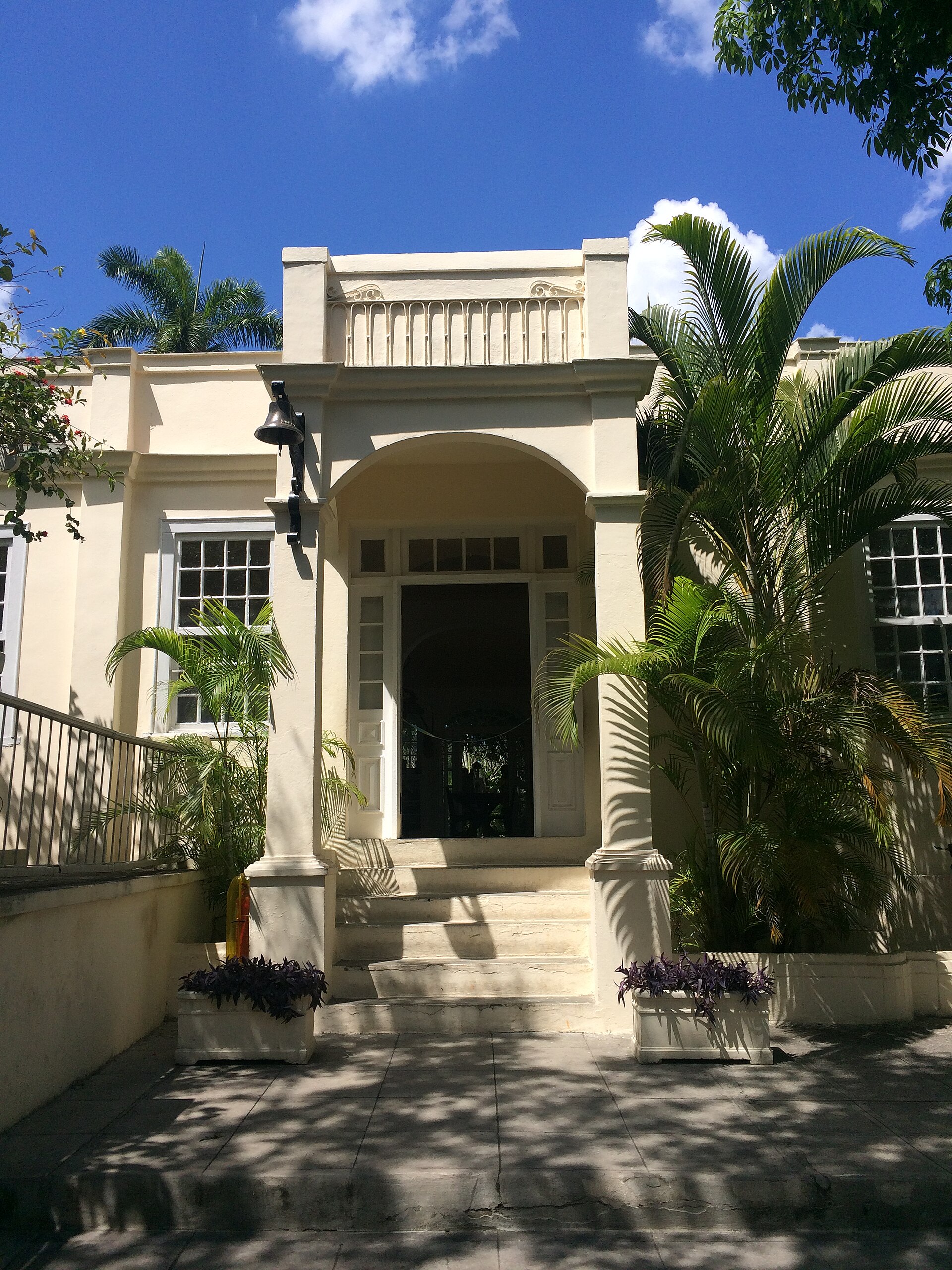
Hemingway's Havana (Finca Vigía)
Cuba, La Habana Vieja, Havana, Cuba
Finca Vigía is the house where Ernest Hemingway lived for 21 years — a hilltop estate in the suburb of San Francisco de Paula, 15 kilometres from central Havana, where he wrote 'The Old Man and the Sea,' 'A Moveable Feast,' and 'Islands in the Stream.
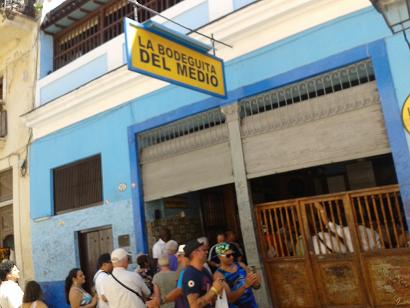
La Bodeguita del Medio
Empedrado, La Habana Vieja, Havana, Cuba
La Bodeguita del Medio is Havana's most famous bar — a tiny restaurant on Calle Empedrado in Old Havana that has been serving mojitos since 1942 and whose walls are covered in autographs, photographs, and graffiti from Ernest Hemingway, Gabriel García Márquez, Pablo Neruda, Salvador Allende, Nat King Cole, and every other cultural luminary who passed through Havana in the 20th century.
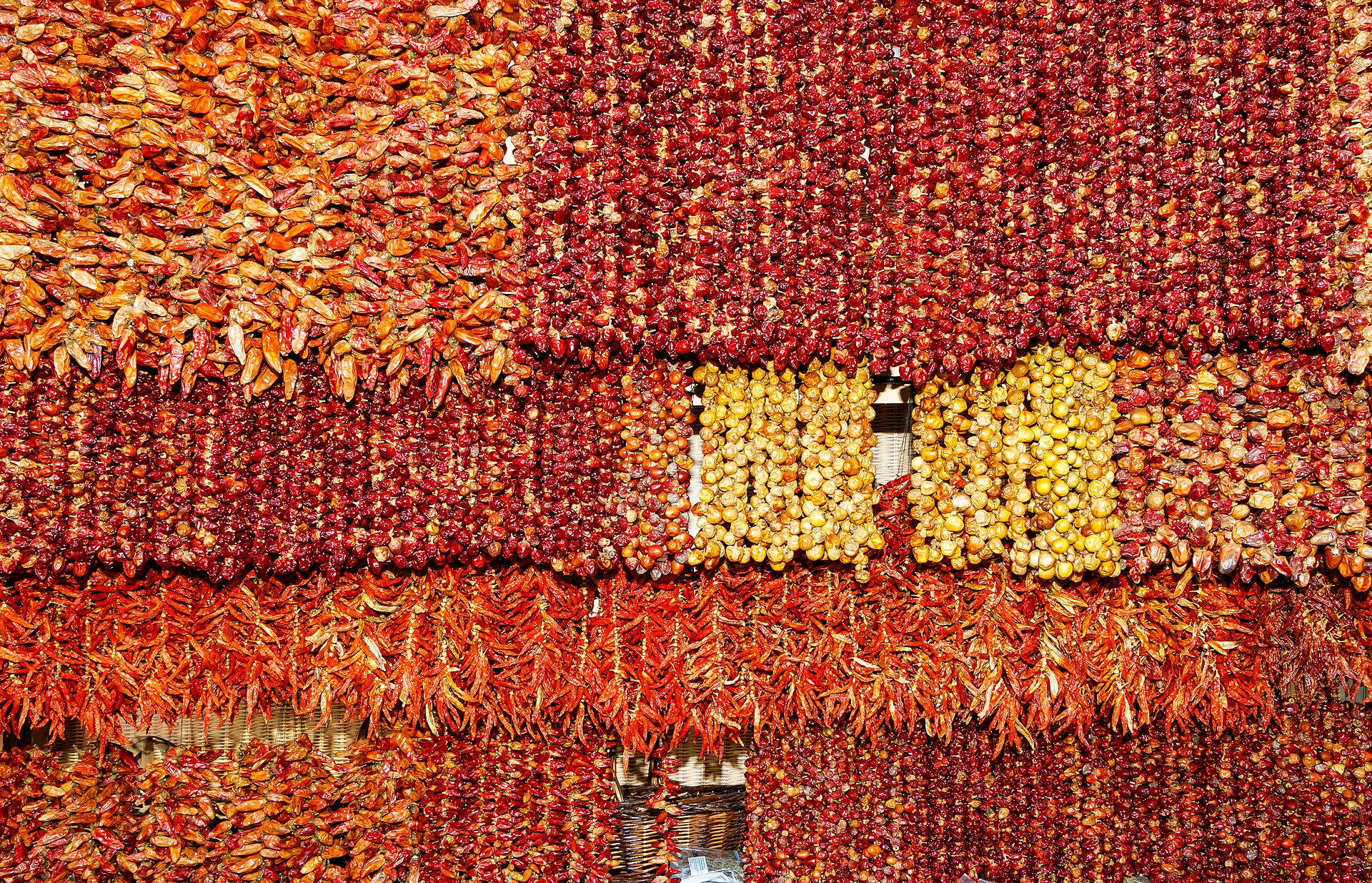
Mercado de San José
Avenida del Puerto & Cuba, Habana Vieja
The Mercado Artesanal de San José is Havana's biggest craft and souvenir market — housed in a restored 19th-century warehouse on the harbour front near the cruise port, with over 200 stalls selling everything from Che Guevara T-shirts and domino sets to quality wood carvings, paintings, handmade jewellery, and leather goods.
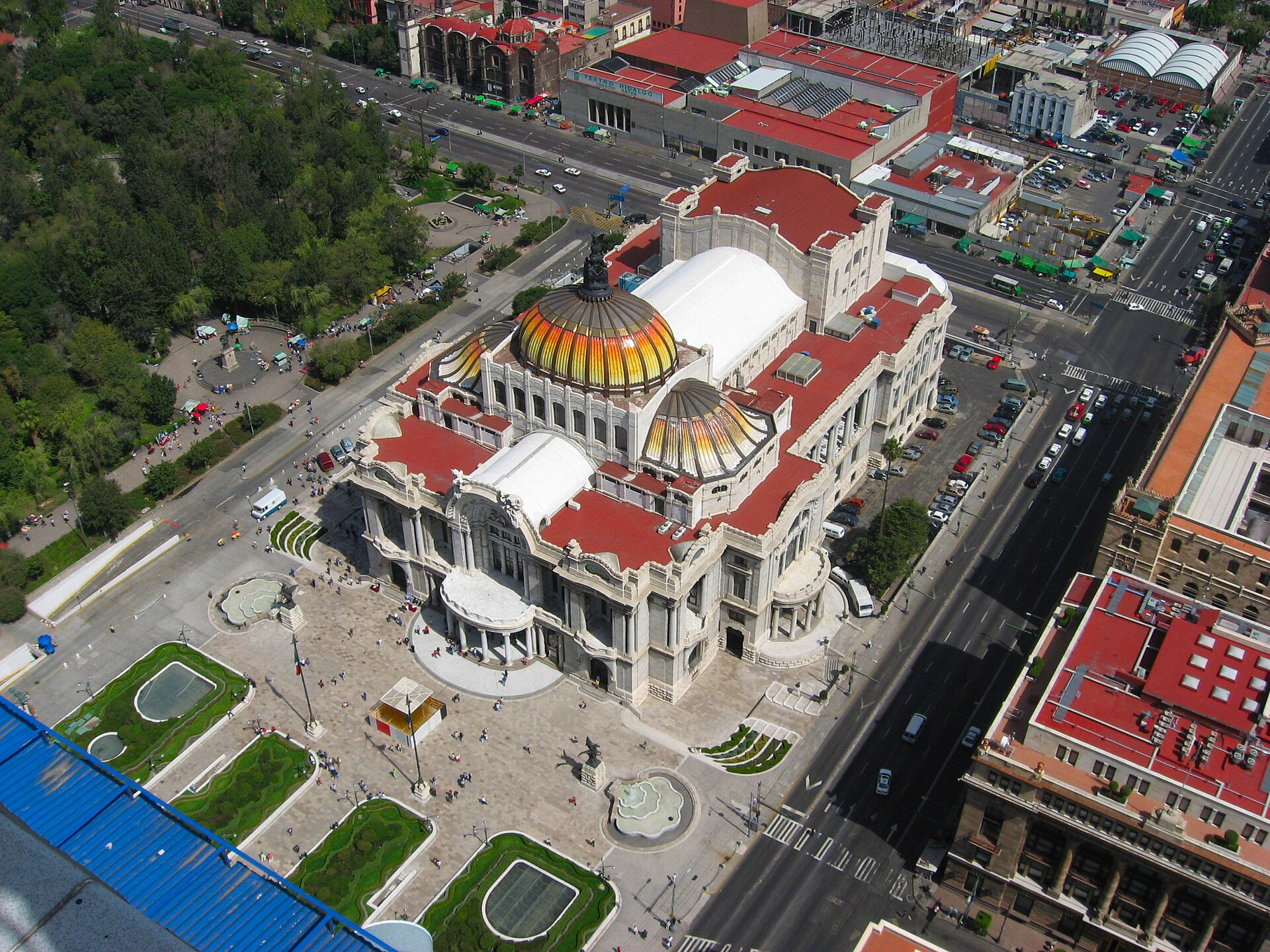
Museo Nacional de Bellas Artes
Trocadero & Zulueta, La Habana
The Museo Nacional de Bellas Artes is Cuba's national art museum — housed in two buildings near the Capitolio, with one dedicated to Cuban art from the colonial period to the present (the Arte Cubano building) and the other to international art (the Arte Universal building, in the former Centro Asturiano).
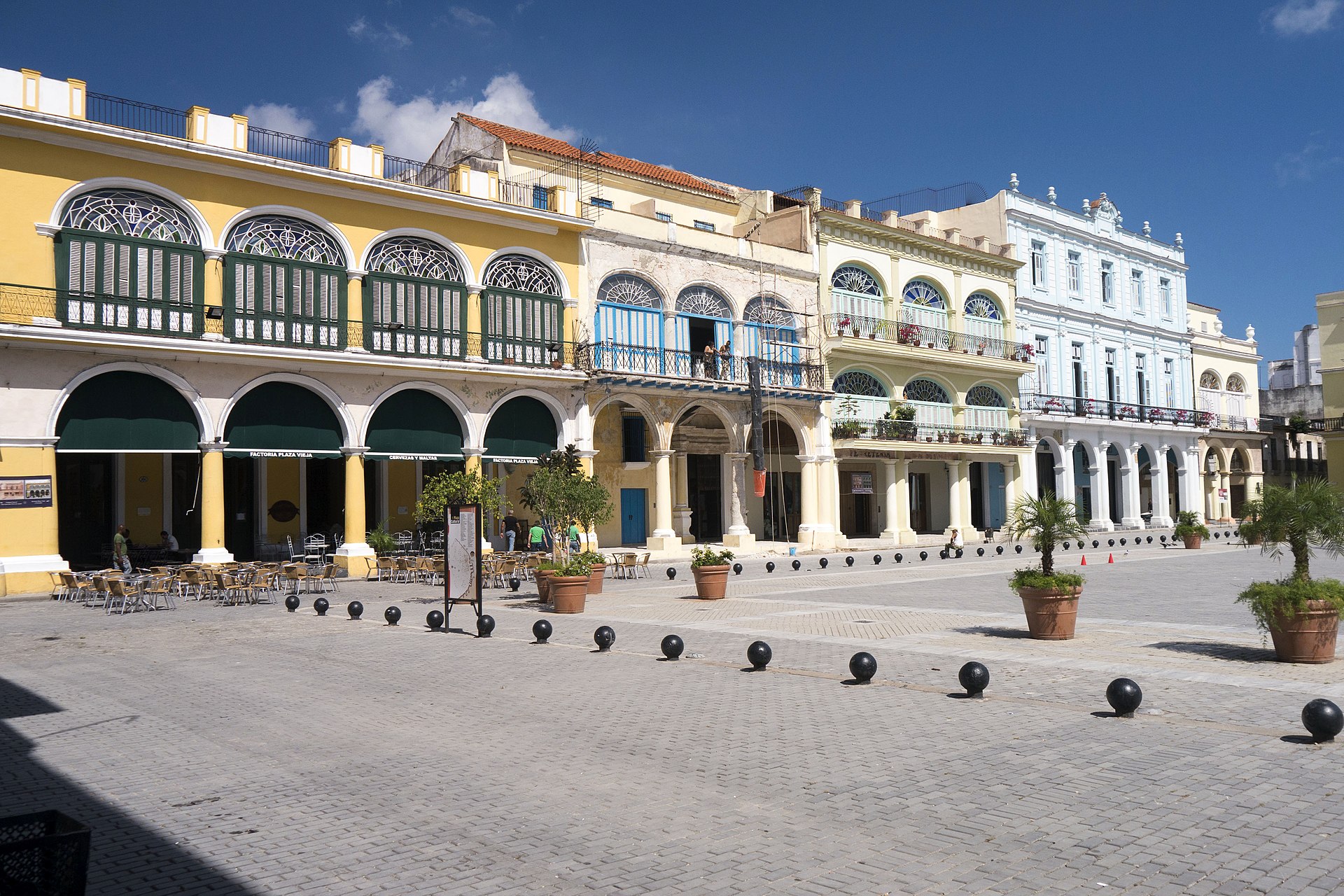
Plaza Vieja
Plaza Vieja, Habana Vieja, Havana
Plaza Vieja is Old Havana's most successfully restored square — a 16th-century plaza that has been returned to its original beauty after decades of neglect (including the particularly unfortunate 1950s decision to build an underground parking garage beneath it, since demolished).
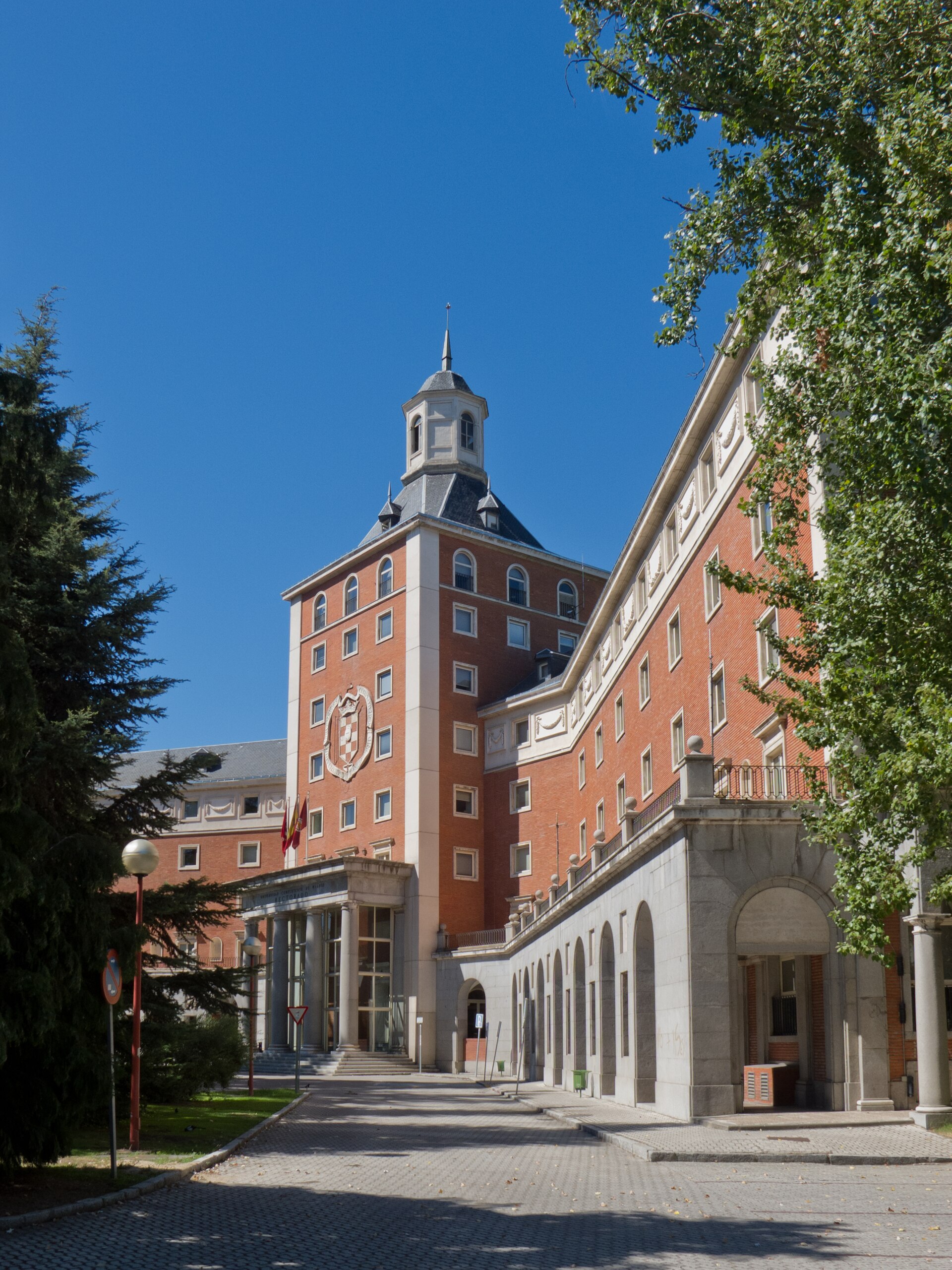
Universidad de La Habana
San Lázaro, Centro Habana, Havana, Cuba
The University of Havana is Cuba's oldest and most prestigious university — founded in 1728 by Dominican friars and relocated to its current Vedado campus in 1902, where the Greek Revival main building (completed in 1906) sits atop a grand 88-step staircase known as the Escalinata.
Explore culture in Havana
GPS-guided narration at every landmark. Tap a spot on the map, hear the story. Every fact verified.