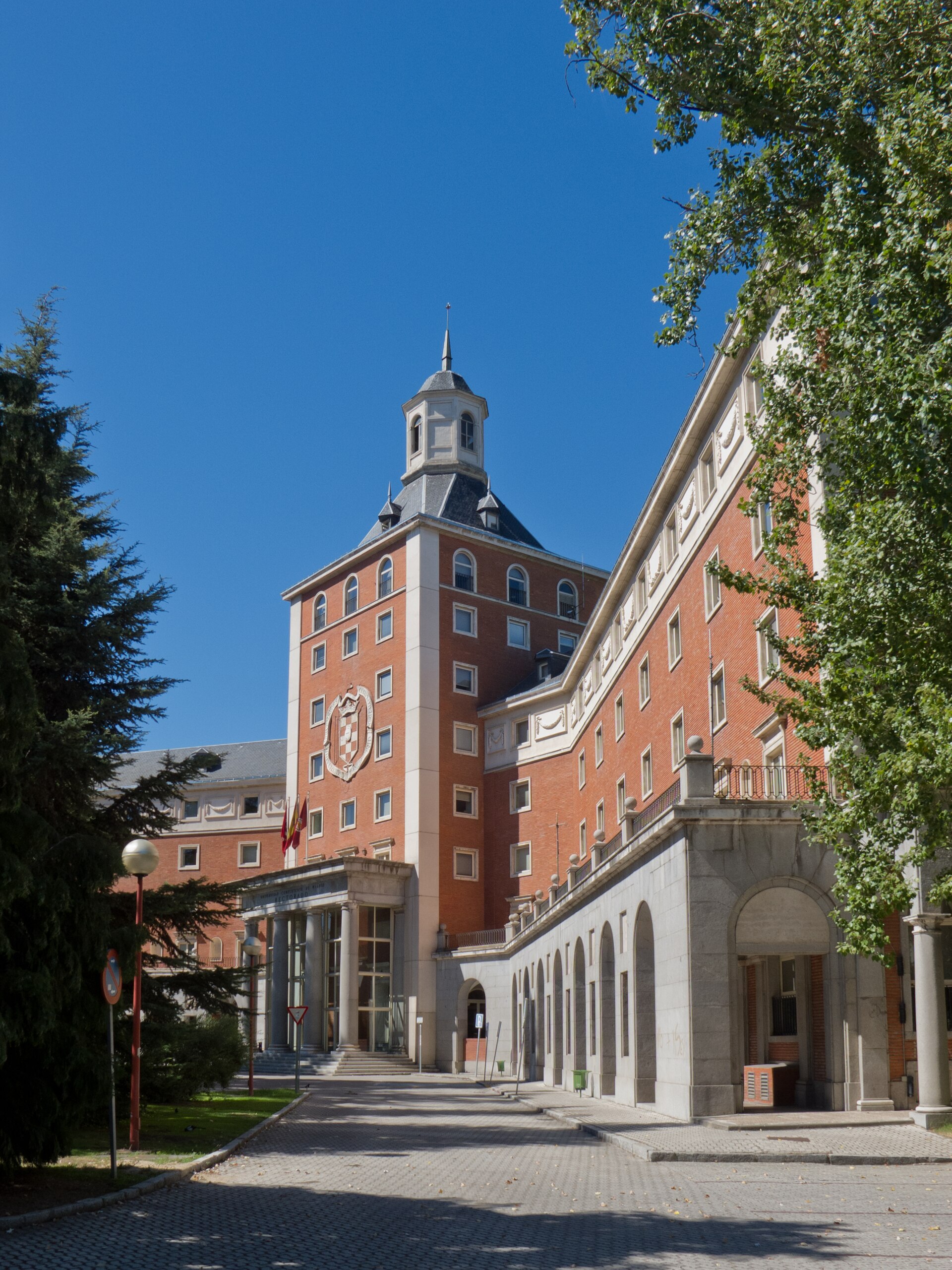
The University of Havana is Cuba's oldest and most prestigious university — founded in 1728 by Dominican friars and relocated to its current Vedado campus in 1902, where the Greek Revival main building (completed in 1906) sits atop a grand 88-step staircase known as the Escalinata. The stairs descend to San Lázaro Street and are crowned by the Alma Mater statue (1919) by Cuban sculptor Mario Korbel — a seated bronze figure representing wisdom that has become the symbol of the university.
The university has been the centre of Cuban intellectual life for three centuries and the birthplace of every major political movement of modern Cuba — the student federation founded by Julio Antonio Mella in 1923, the 1950s opposition to Batista that radicalised Fidel Castro (who studied law here from 1945 to 1950), and the post-1959 cultural debates that shaped the revolution. The campus is free to enter and the Felipe Poey Natural History Museum inside has one of the region's best insect and shell collections.
Verified Facts
The university was founded in 1728
It moved to its Vedado campus in 1902
The Alma Mater statue was sculpted by Mario Korbel in 1919
Fidel Castro studied law at the university from 1945 to 1950
Get walking directions
San Lázaro, Centro Habana, Havana, Cuba