Habana Vieja Street Music & Son Culture
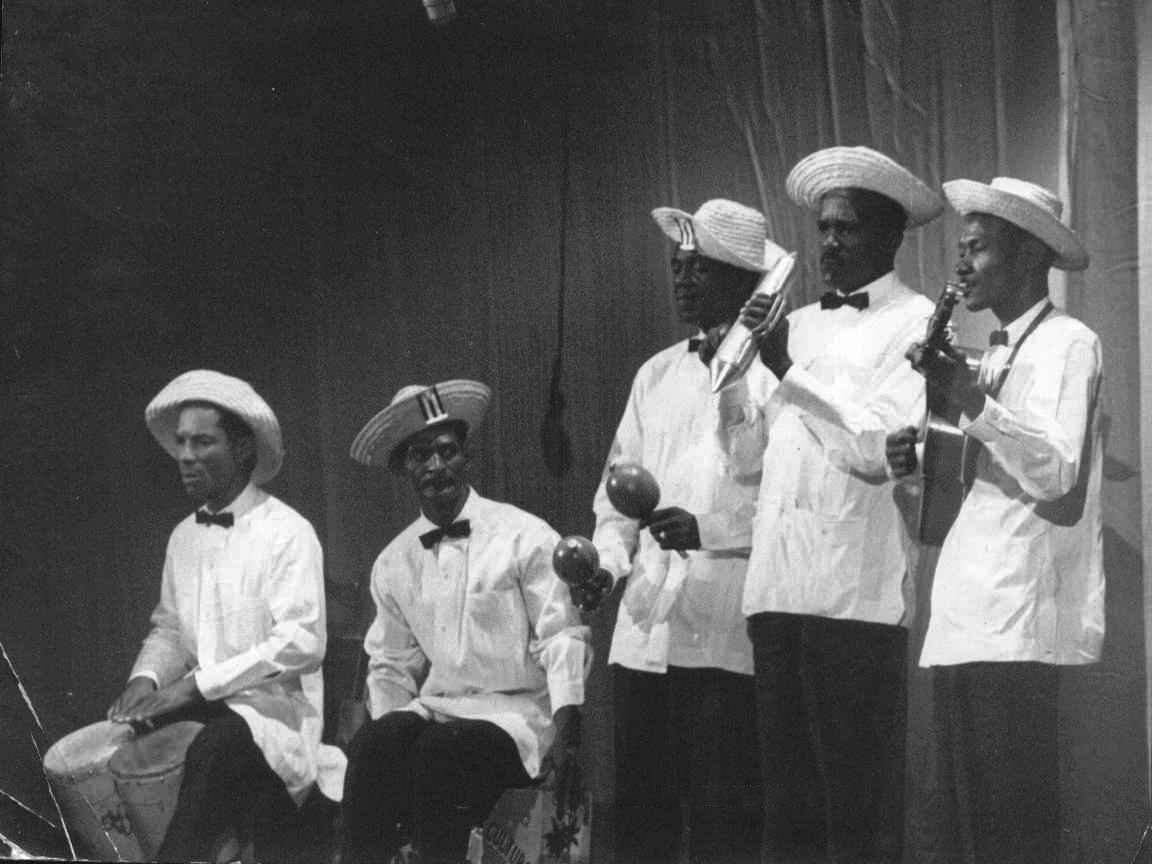
Cuban son — the musical genre that became salsa, that Ry Cooder and the Buena Vista Social Club brought to international attention in 1997, and that remains the soundtrack of daily life in Havana — is performed in bars, restaurants, plazas, and on street corners throughout Old Havana with a frequency and quality that makes the city one of the great live music destinations in the world.
The son tradition combines Spanish guitar with African percussion and call-and-response singing in a rhythm that is the ancestor of virtually every Latin dance music genre. In Havana, the music is everywhere — bands play in the restaurants of Old Havana (often for tips rather than fees), solo guitarists perform on the Malecón, and the Callejón de Hamel (a narrow alley in Centro Habana covered in Afro-Cuban art and murals) hosts Rumba performances every Sunday that draw crowds of dancers and spectators.
The Buena Vista Social Club connection has created a tourism industry around traditional Cuban music, but the music itself is not a tourism product — it's a living tradition that Habaneros use for celebration, mourning, courtship, and the general business of being alive in a city where music fills every available space. Sitting in a bar in Old Havana while a four-piece son band plays three feet away, the trumpet cutting through the rum and the conversation, is one of those travel experiences that justifies every cliché ever written about Cuba.
Verified Facts
Cuban son is the ancestor of salsa and other Latin dance music genres
The Buena Vista Social Club album was released in 1997
Callejón de Hamel hosts Sunday Rumba performances
Son combines Spanish guitar with African percussion and call-and-response
Get walking directions
Autopista La Habana - Melena del Sur, Arroyo Naranjo, Havana, Cuba