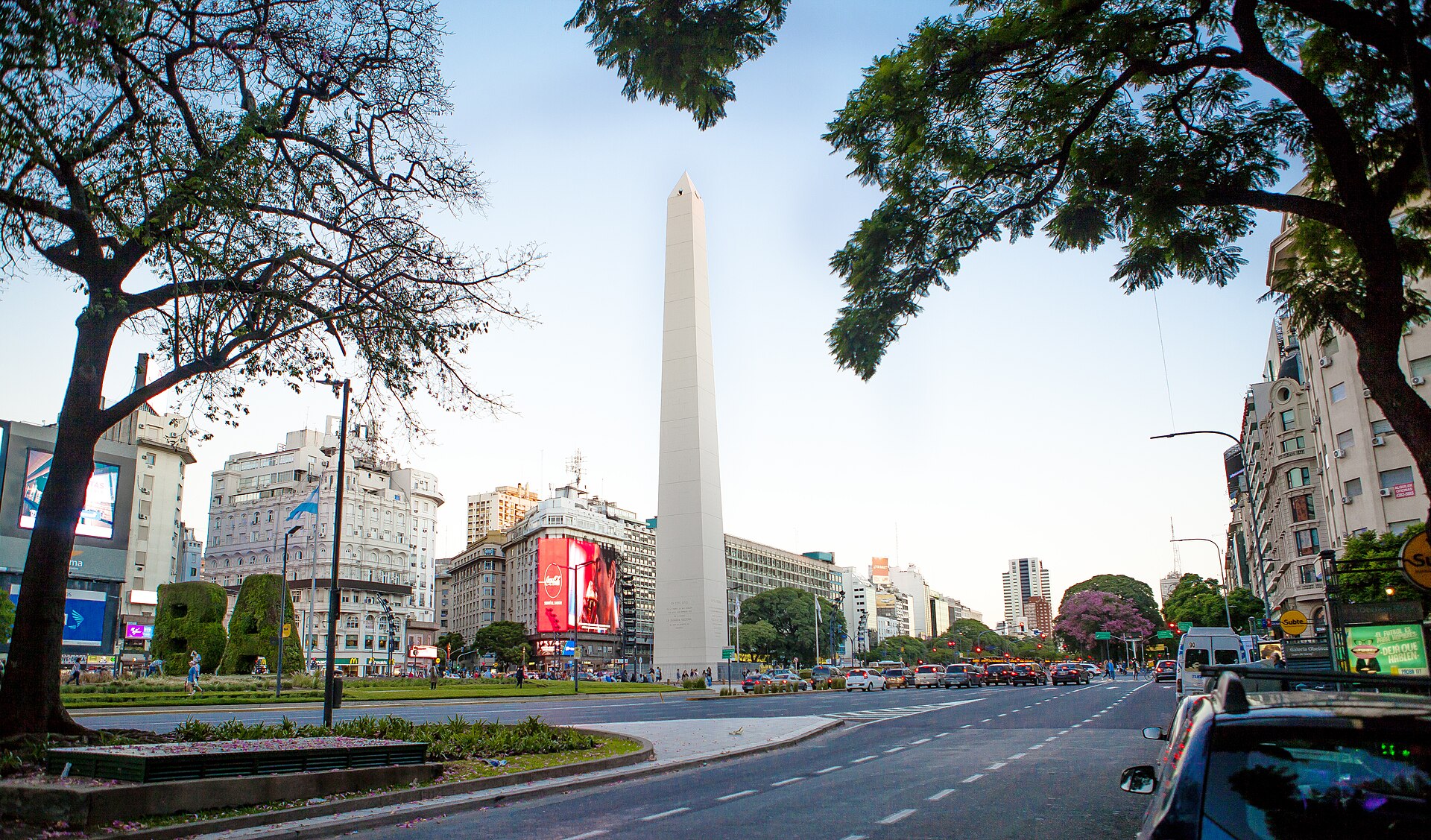
Avenida 9 de Julio & Obelisco
Av. 9 de Julio & Av. Corrientes, Buenos Aires
Avenida 9 de Julio is the widest avenue in the world — a 140-metre-wide boulevard that carves through the centre of Buenos Aires with 12 lanes of traffic, central medians planted with jacaranda trees, and the Obelisco standing at the intersection with Corrientes like an exclamation mark in the middle of the city.
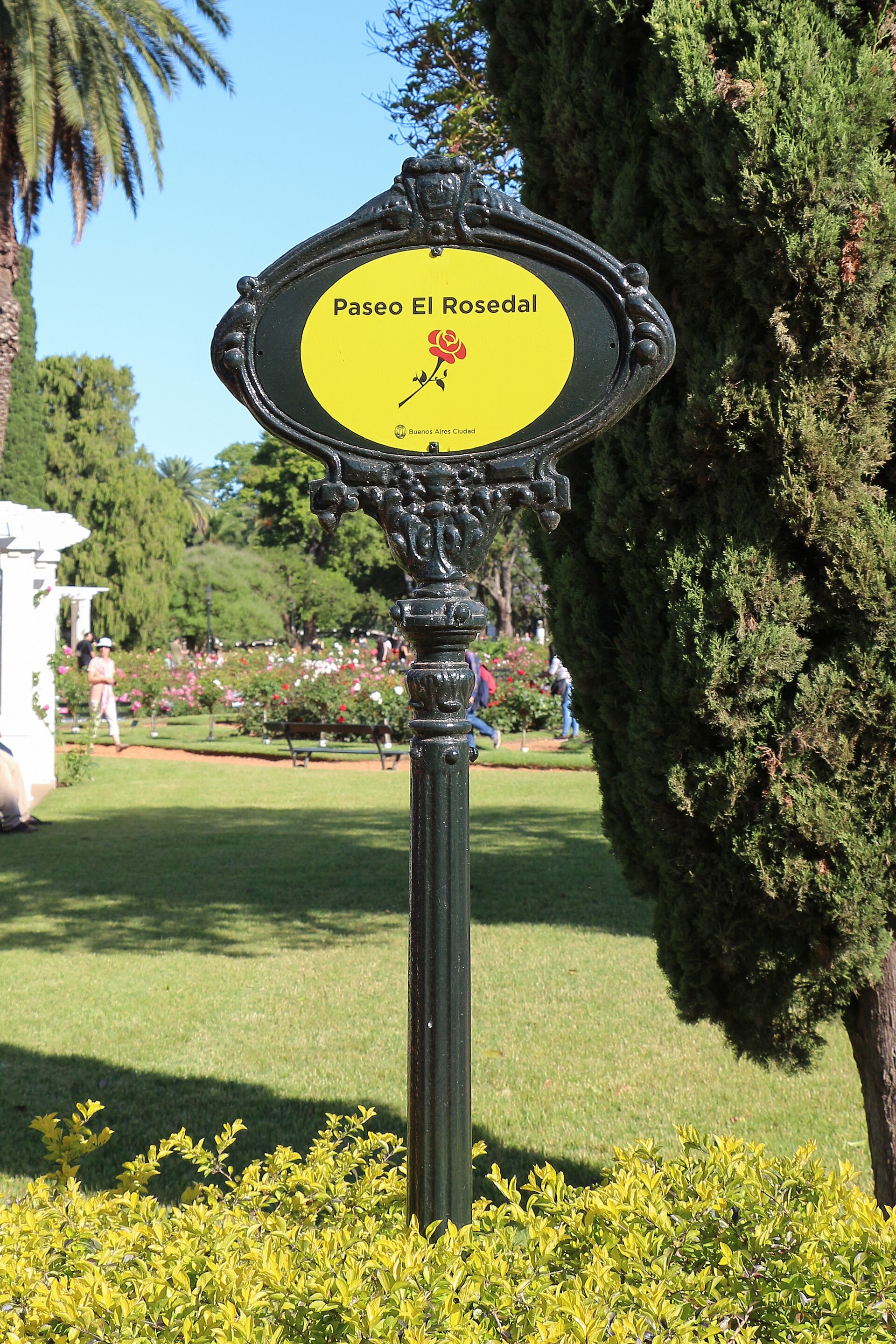
Bosques de Palermo & Rose Garden
Avenida Infanta Isabel, Comuna 14, Buenos Aires, C1425, Argentina
The Bosques de Palermo (Palermo Woods) is Buenos Aires' Central Park — a 400-hectare green space of lakes, gardens, and forested paths that wraps around the northern end of the city and provides the lungs that make Palermo liveable.
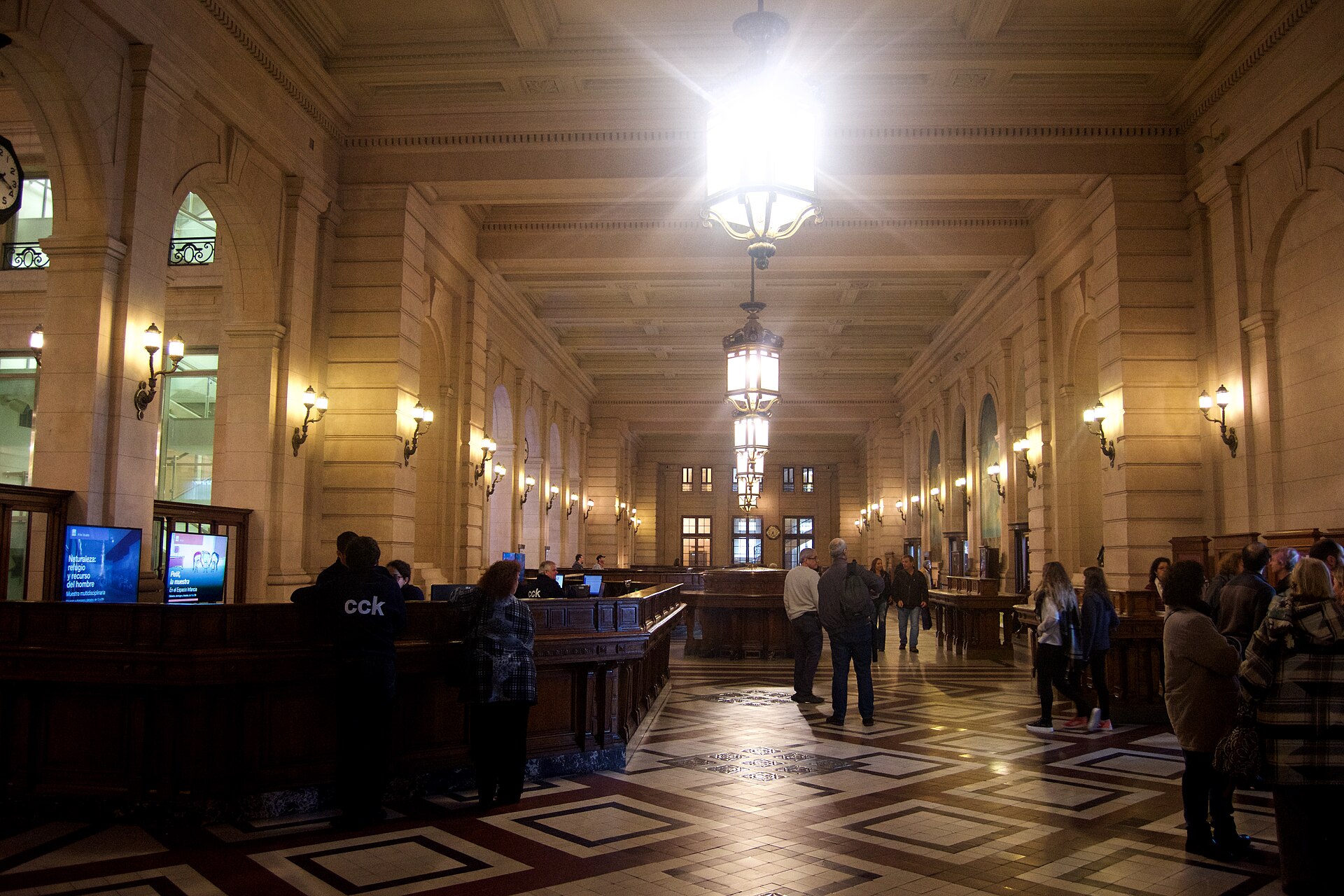
Centro Cultural Kirchner (CCK)
151 Calle Sarmiento, Comuna 1, Buenos Aires, C1041, Argentina
The Centro Cultural Kirchner is the largest cultural centre in Latin America — a converted early 20th-century post office building that was transformed in 2015 into a massive cultural complex housing concert halls, exhibition galleries, and the Blue Whale (La Ballena Azul), a 1,950-seat concert hall with acoustics designed by Nagata Acoustics (the same firm that designed the acoustics of the Elbphilharmonie in Hamburg and Suntory Hall in Tokyo).
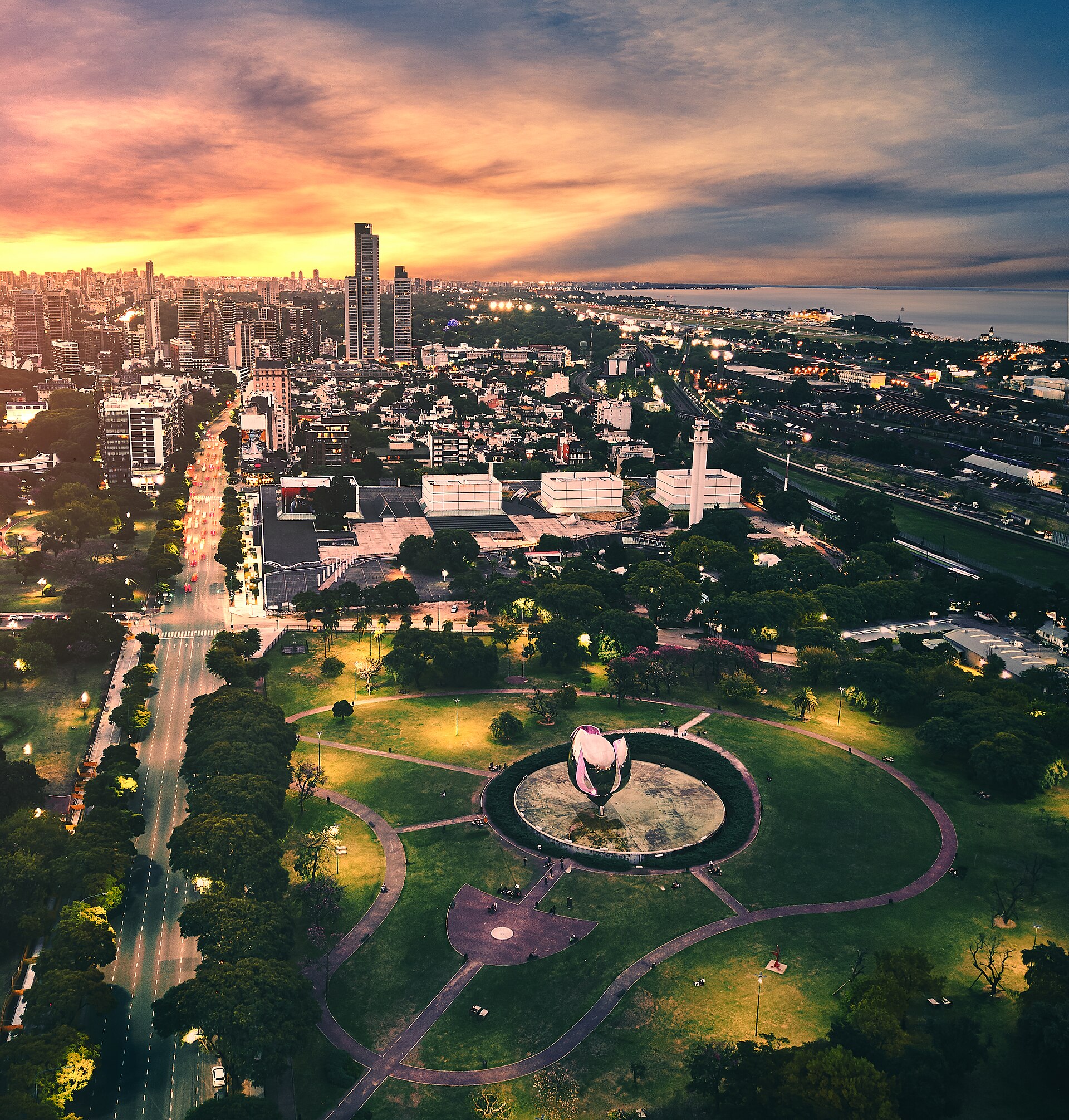
Floralis Genérica
2263 Avenida Presidente Figueroa Alcorta, Comuna 2, Buenos Aires, B1752, Argentina
Floralis Genérica is a 23-metre-tall steel and aluminium flower sculpture in the Plaza de las Naciones Unidas that opens its petals every morning and closes them every evening — a kinetic artwork that uses hydraulic mechanisms to track the sun like a real flower.
Museo Nacional de Bellas Artes
Av. del Libertador 1473, Recoleta, Buenos Aires
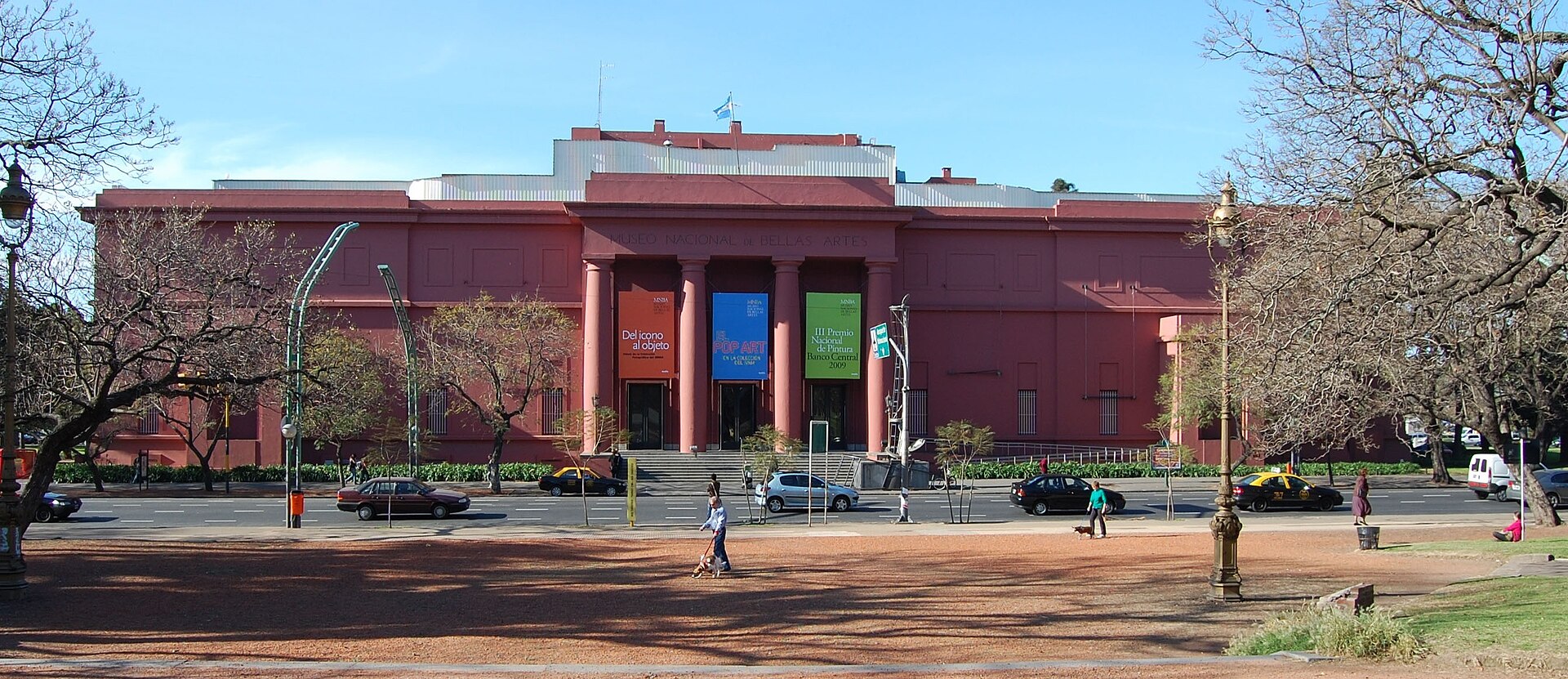
The Museo Nacional de Bellas Artes is Argentina's most important art museum — a neoclassical building in Recoleta housing a collection of over 12,000 works that ranges from medieval European art through Impressionism to contemporary Argentine painting, with a particular strength in 19th-century French and Argentine art that reflects the historical relationship between the two countries.
Plaza de Mayo
Plaza de Mayo, Monserrat, Buenos Aires
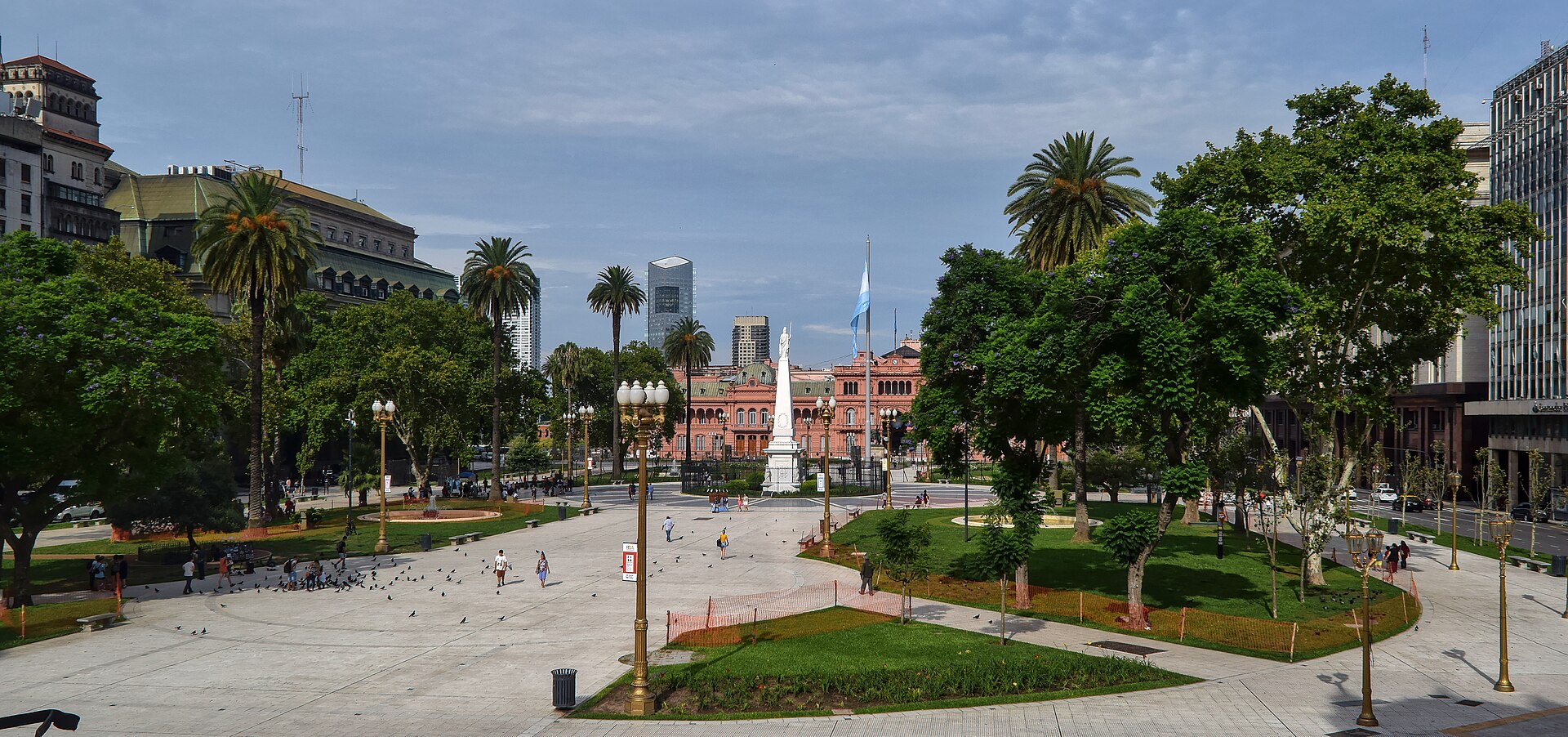
Plaza de Mayo is the political heart of Argentina — the square where every major event in the nation's history has played out, from the May Revolution of 1810 that gave the plaza its name to Eva Perón's balcony speeches to the Mothers of the Plaza de Mayo who marched every Thursday for decades demanding information about their children 'disappeared' by the military dictatorship.
Puente de la Mujer
3 Duque de Abruzzi, Escobar, B1635, Argentina
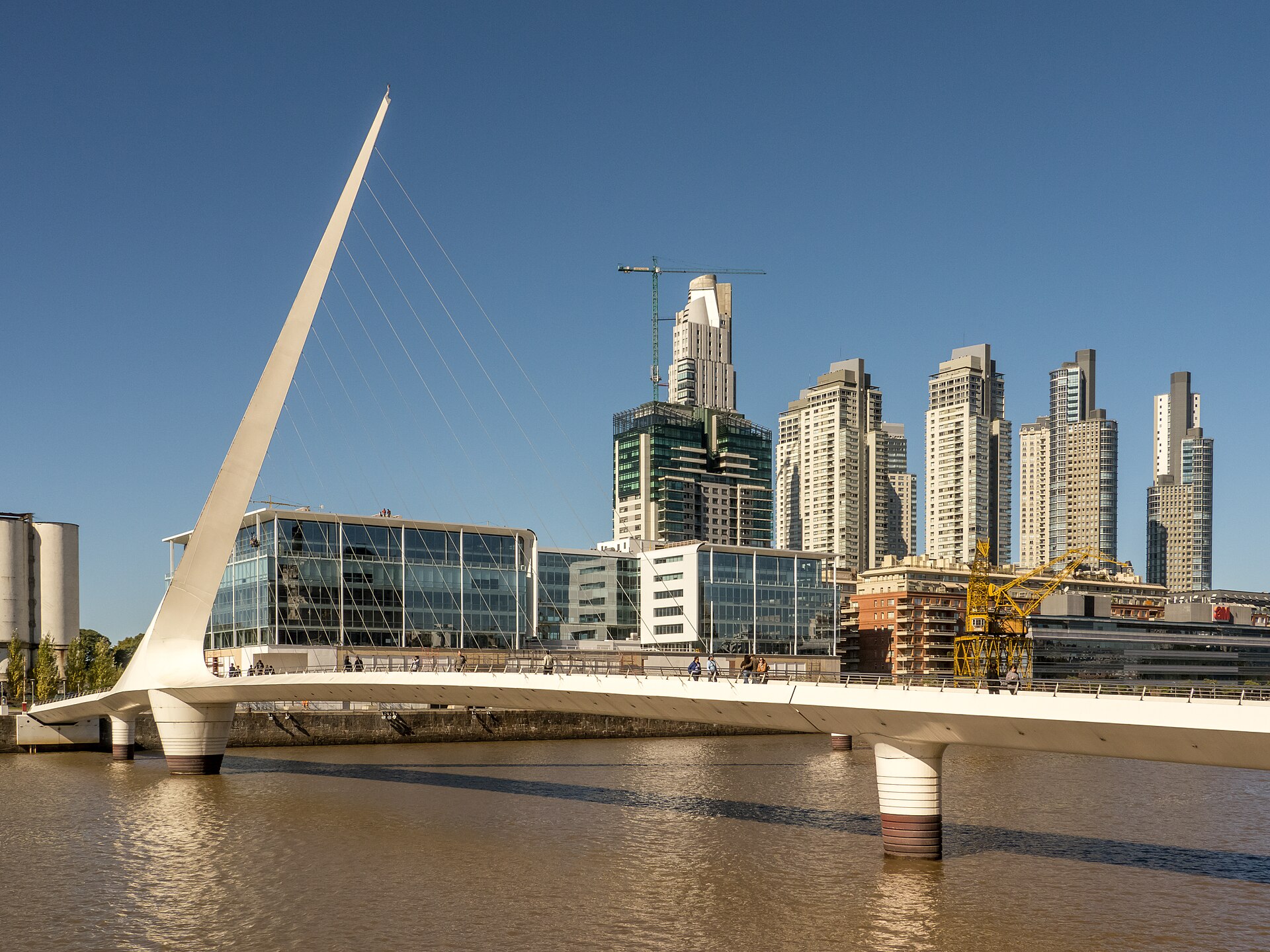
The Puente de la Mujer (Bridge of the Woman) is a rotating pedestrian bridge in Puerto Madero designed by Spanish architect Santiago Calatrava — a 170-metre white steel structure whose asymmetric mast and cable stays are said to represent a couple dancing tango.
Reserva Ecológica Costanera Sur
Avenida Costanera Doctor Tristán Achával Rodríguez, Comuna 1, Buenos Aires, B1864, Argentina
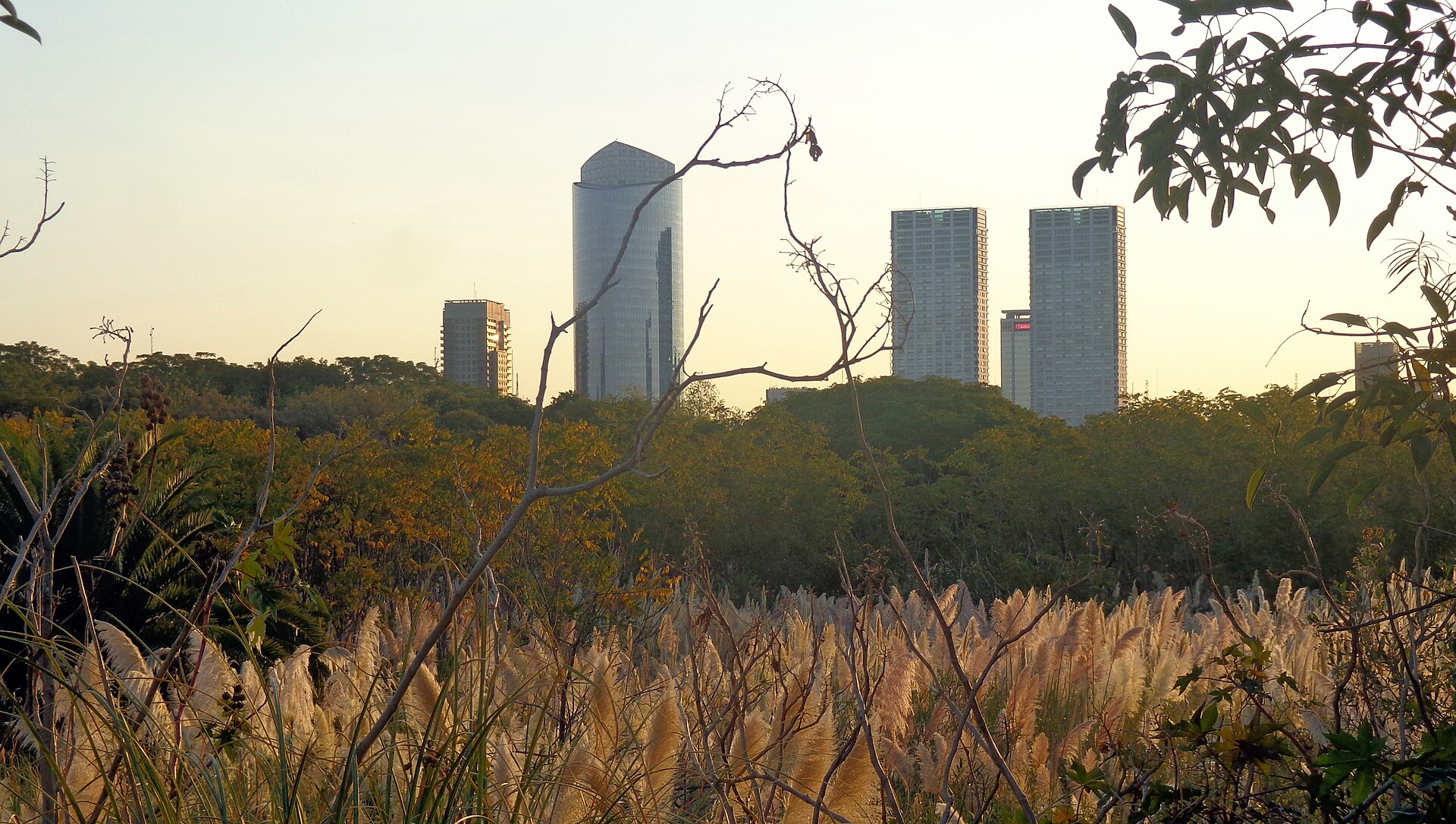
The Costanera Sur Ecological Reserve is Buenos Aires' most improbable green space — 350 hectares of wetland, grassland, and forest on reclaimed land at the edge of Puerto Madero that is home to over 300 bird species and feels like a completely different ecosystem from the concrete city five minutes away.
Explore free in Buenos Aires
GPS-guided narration at every landmark. Tap a spot on the map, hear the story. Every fact verified.