6 Hidden Gems in Milan Most People Walk Right Past
6 landmarks with verified facts and stories
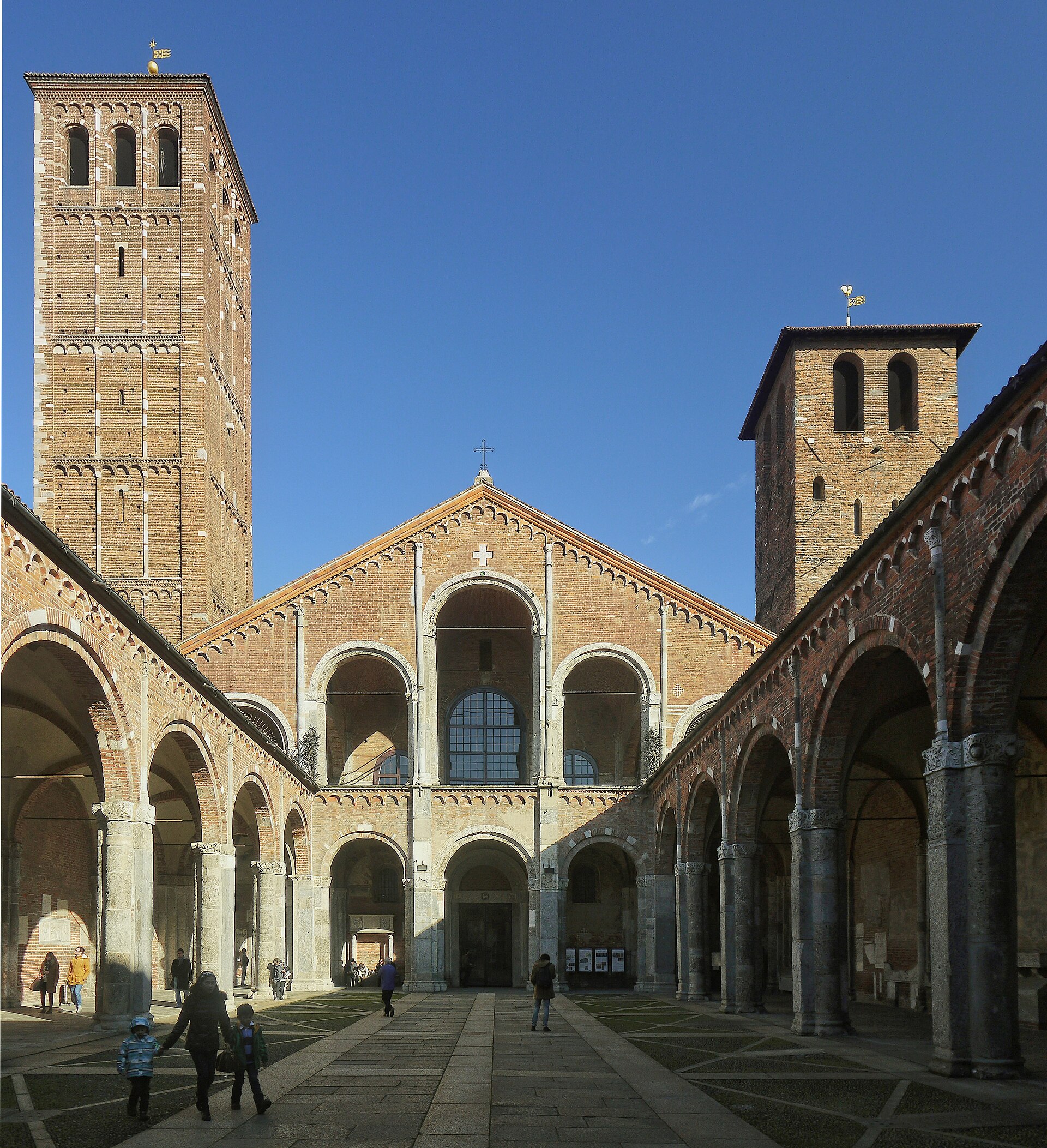
Basilica di Sant'Ambrogio
15 Piazza Sant'Ambrogio, Centro Storico, Milan, 20123, Italy
Sant'Ambrogio is Milan's most important church — older than the Duomo by nearly a millennium, founded in 379 AD by Saint Ambrose (Milan's patron saint and one of the four original Doctors of the Church), and rebuilt in its current Romanesque form in the 11th and 12th centuries.
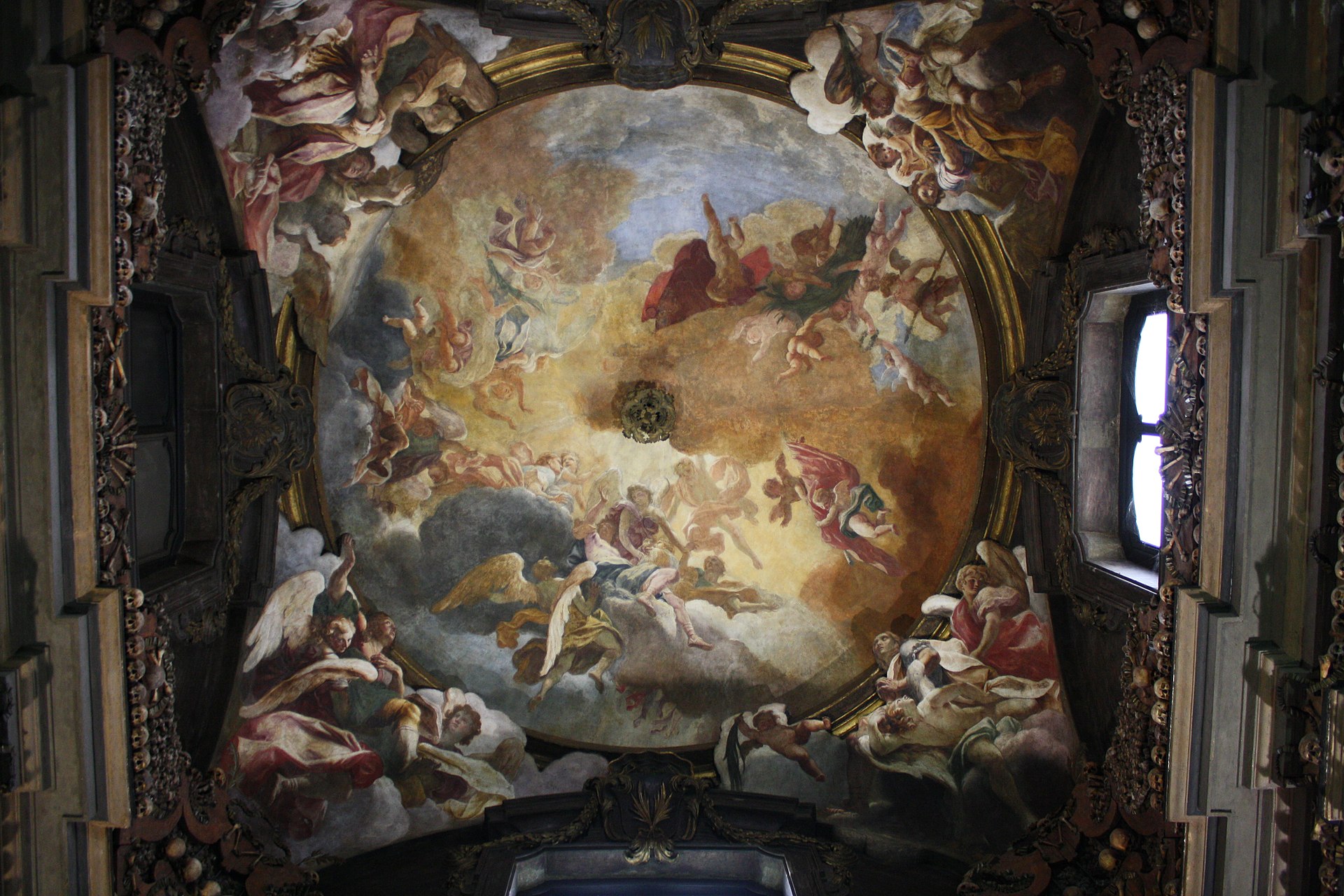
Chiesa di San Bernardino alle Ossa
2 Via Verziere, Centro Storico, Milan, 20122, Italy
San Bernardino alle Ossa is Milan's bone church — a 17th-century chapel whose walls and ceiling are decorated with human skulls and bones arranged in geometric patterns, creating an interior that is equal parts macabre and beautiful.
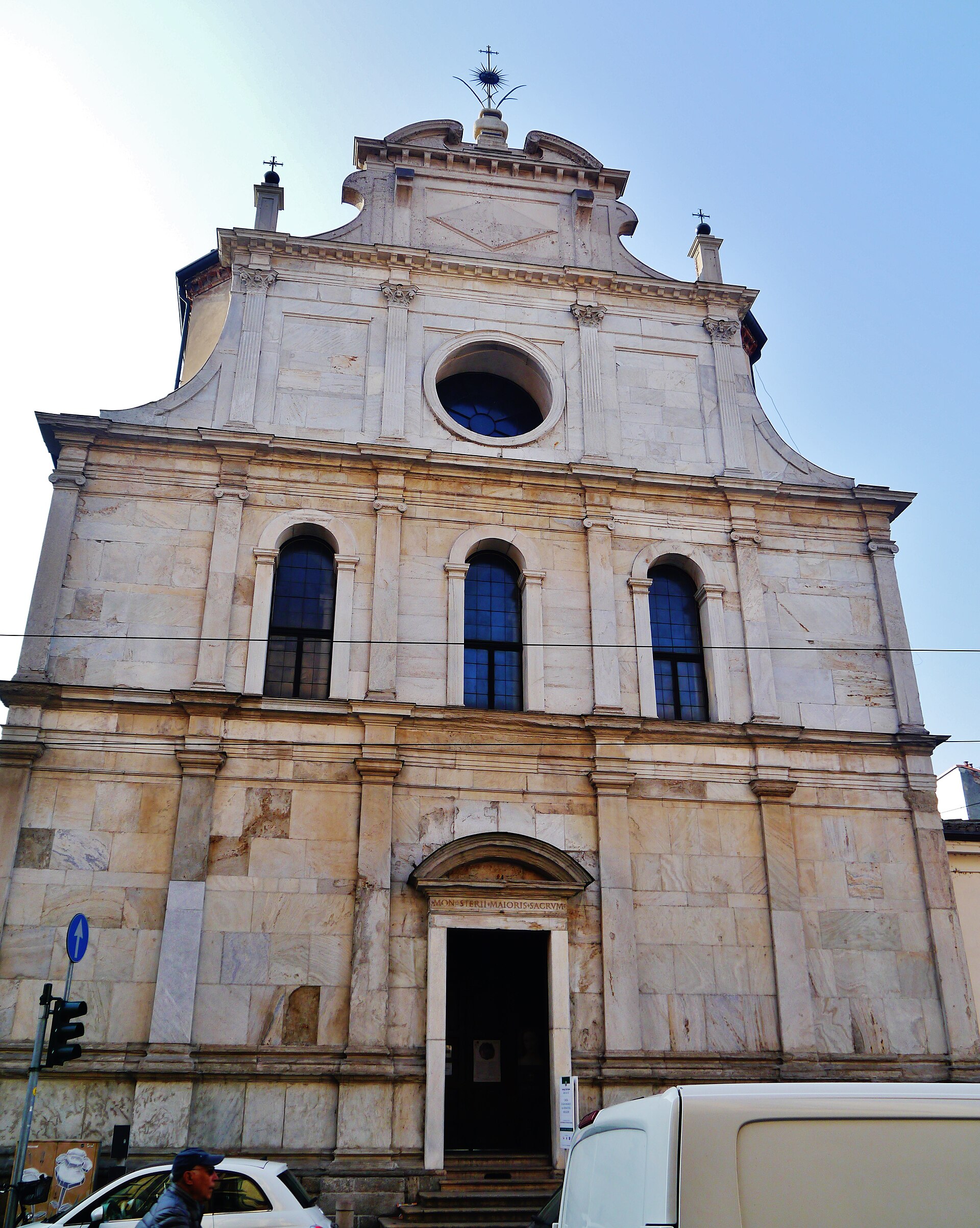
Chiesa di San Maurizio al Monastero Maggiore
15 Corso Magenta, Centro Storico, Milan, 20123, Italy
San Maurizio is the Sistine Chapel of Milan — a 16th-century church whose interior is entirely covered in Renaissance frescoes by Bernardino Luini (Leonardo's most talented follower) and his school, creating a visual experience so overwhelming that the church has been called the most beautiful in Milan despite being virtually unknown to tourists.
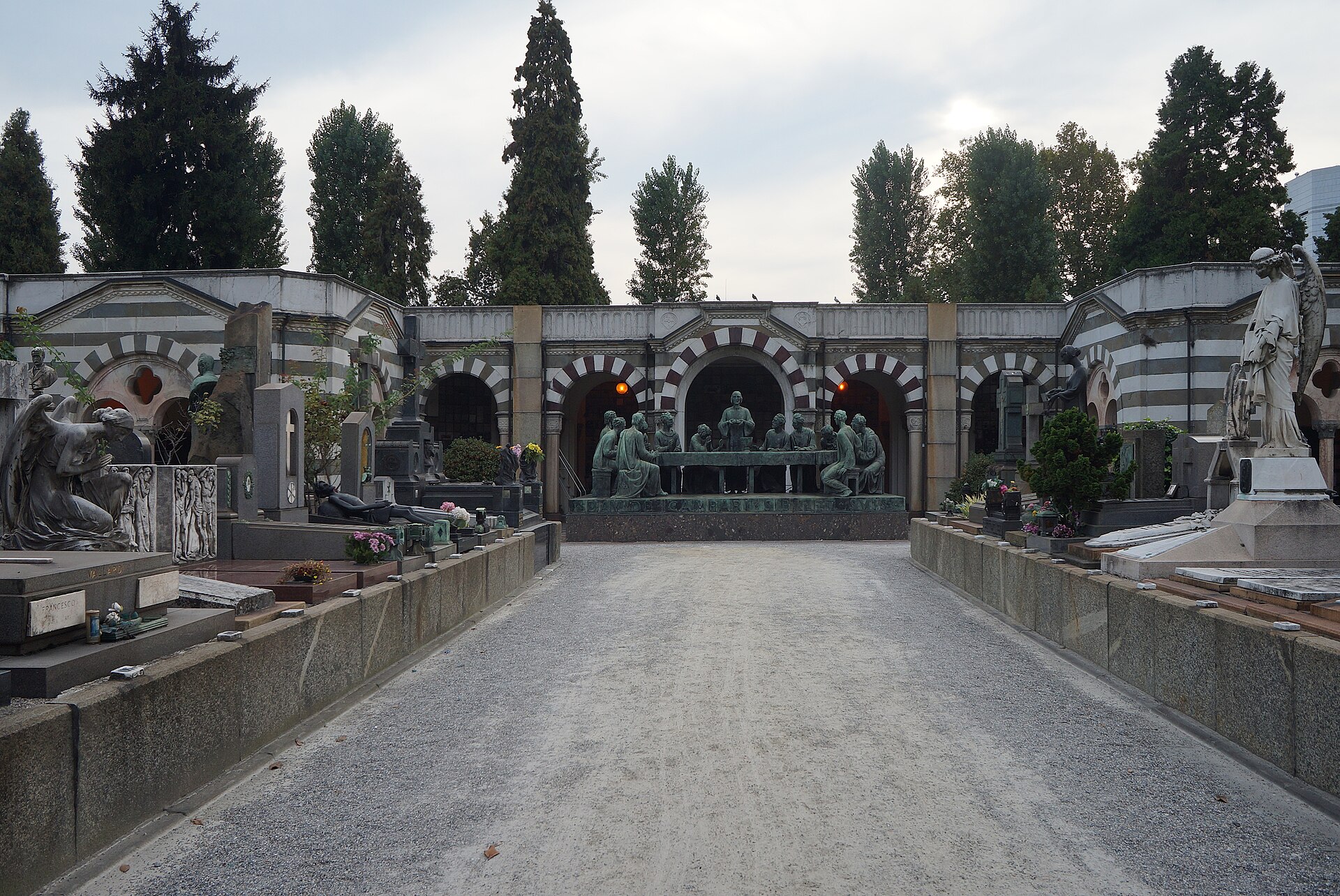
Cimitero Monumentale
Piazzale Cimitero Monumentale, Porta Volta-Fiera-Gallaratese-Quarto Oggiaro, Milan, 20154, Italy
The Cimitero Monumentale is Milan's outdoor sculpture museum — an enormous cemetery where the city's industrial dynasties, opera stars, and artists commissioned tombs so elaborate that walking the avenues feels more like visiting a gallery than a graveyard.
Museo Bagatti Valsecchi
Via Gesù 5, 20121 Milan
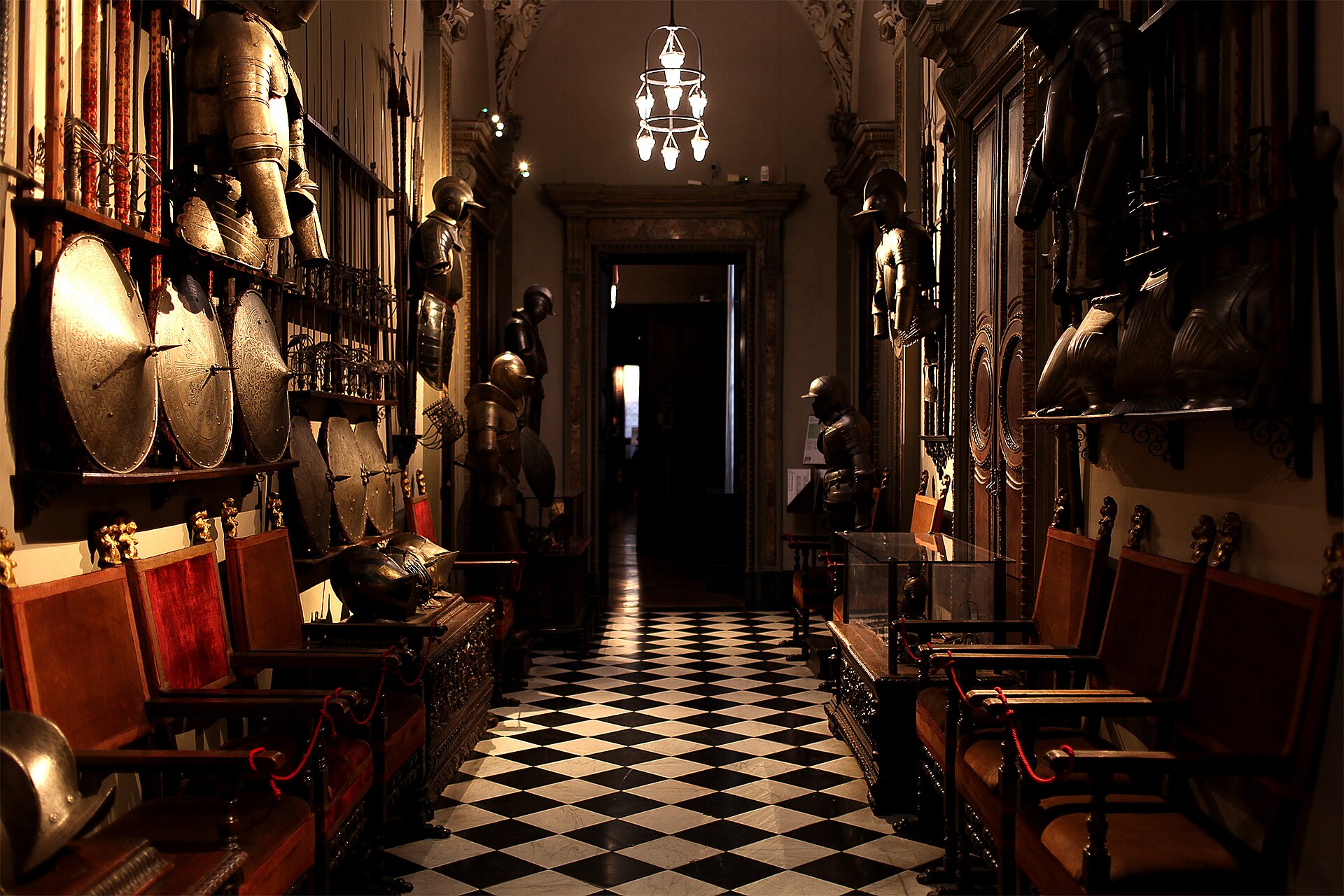
The Museo Bagatti Valsecchi is a private house museum in the Fashion District — a 19th-century palazzo created by two brothers, Fausto and Giuseppe Bagatti Valsecchi, who spent 40 years collecting Renaissance furniture, paintings, armour, and decorative arts to furnish their home in the style of a 15th-century Lombard nobleman's residence.
Porta Nuova & Isola District
Via Borsieri, Isola, 20159 Milan
Isola is Milan's most interesting neighbourhood — a former working-class district north of the railway tracks that was physically isolated from the city centre (isola means 'island' in Italian) until the Porta Nuova development bridged the gap, and which has used that isolation to develop a character distinct from the rest of Milan.
Explore hidden gems in Milan
GPS-guided narration at every landmark. Tap a spot on the map, hear the story. Every fact verified.