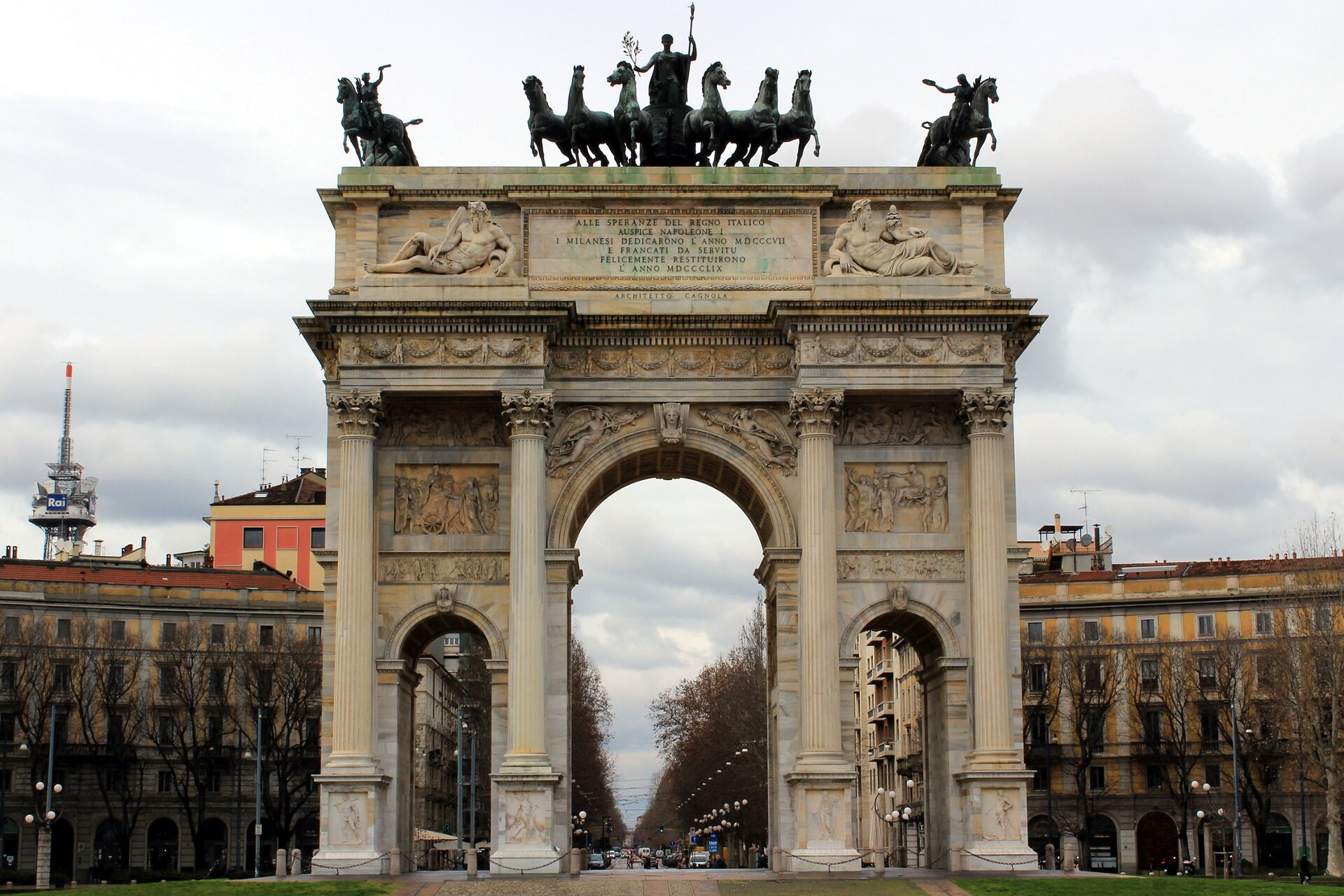
Arco della Pace
Piazza Sempione, 20154 Milan
The Arco della Pace is Milan's triumphal arch — a neoclassical marble gate at the northwestern end of Parco Sempione that was begun in 1807 to celebrate Napoleon's victories and completed in 1838 as a monument to peace after the Austrian Empire reclaimed Lombardy.
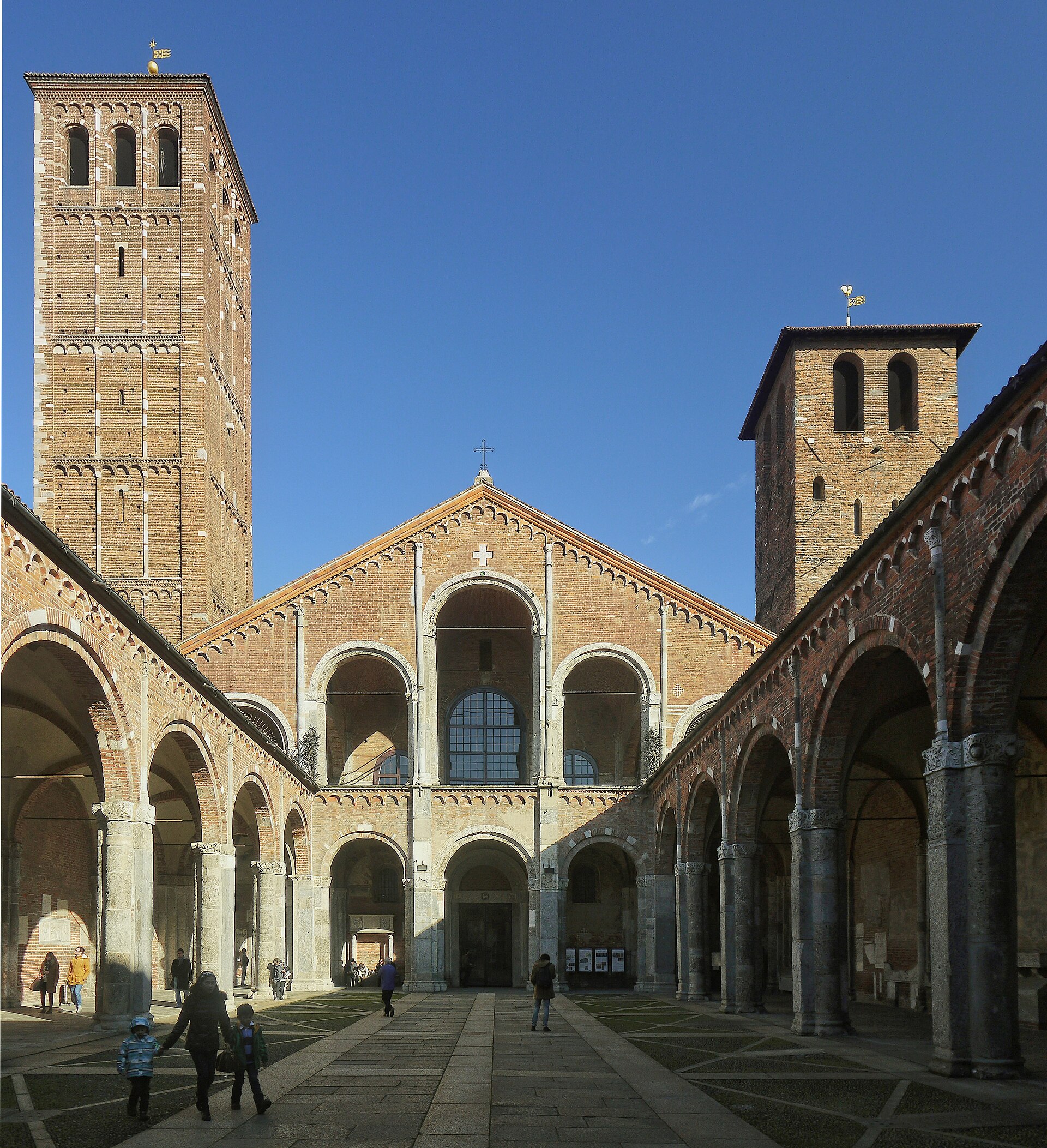
Basilica di Sant'Ambrogio
15 Piazza Sant'Ambrogio, Centro Storico, Milan, 20123, Italy
Sant'Ambrogio is Milan's most important church — older than the Duomo by nearly a millennium, founded in 379 AD by Saint Ambrose (Milan's patron saint and one of the four original Doctors of the Church), and rebuilt in its current Romanesque form in the 11th and 12th centuries.
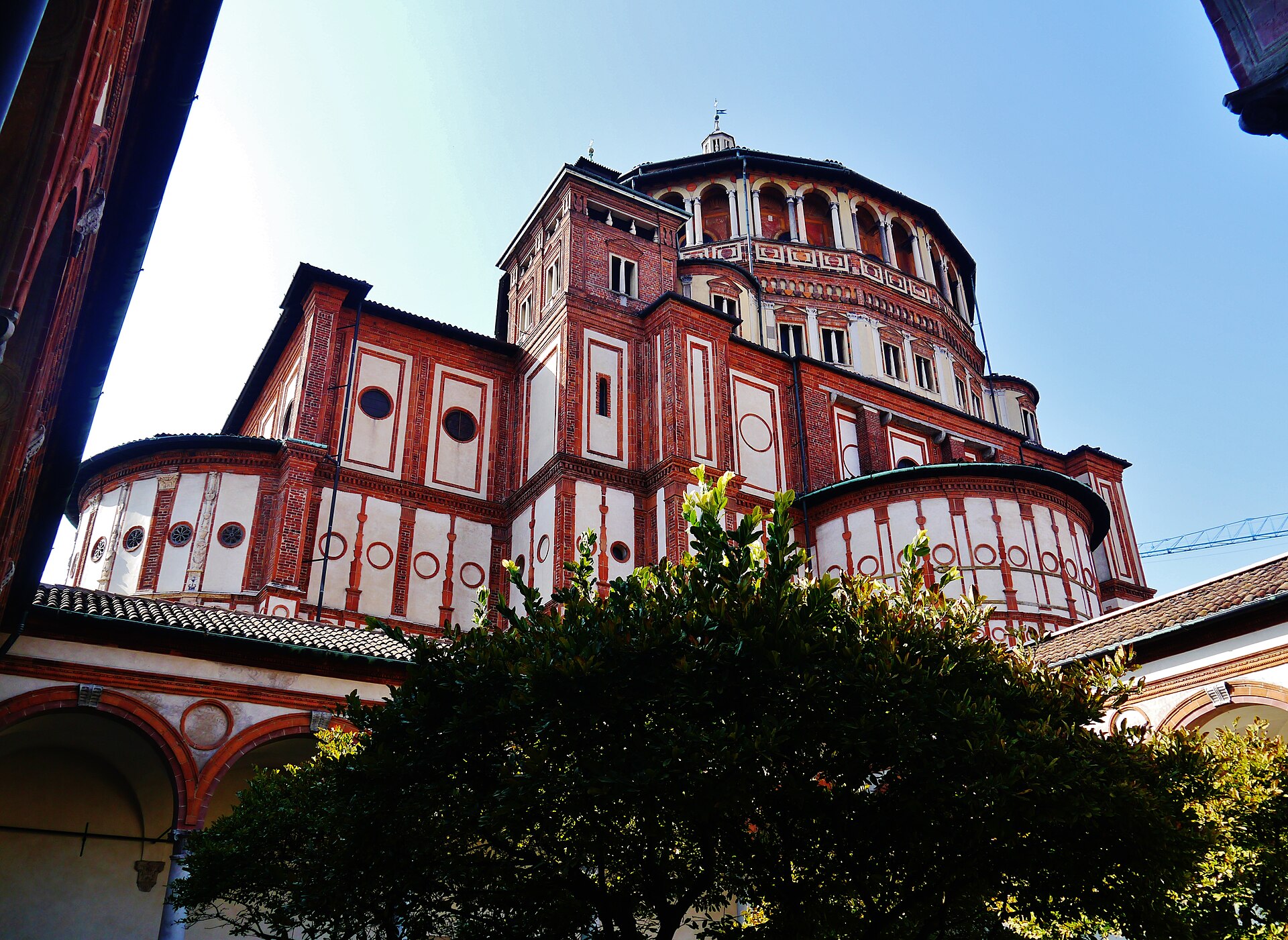
Basilica di Santa Maria delle Grazie
Piazza di Santa Maria delle Grazie, 20123 Milan
Santa Maria delle Grazie is a UNESCO World Heritage Site — a 15th-century Dominican church whose exterior combines a brick Gothic nave by Guiniforte Solari with a Renaissance tribune added by Bramante in the 1490s.
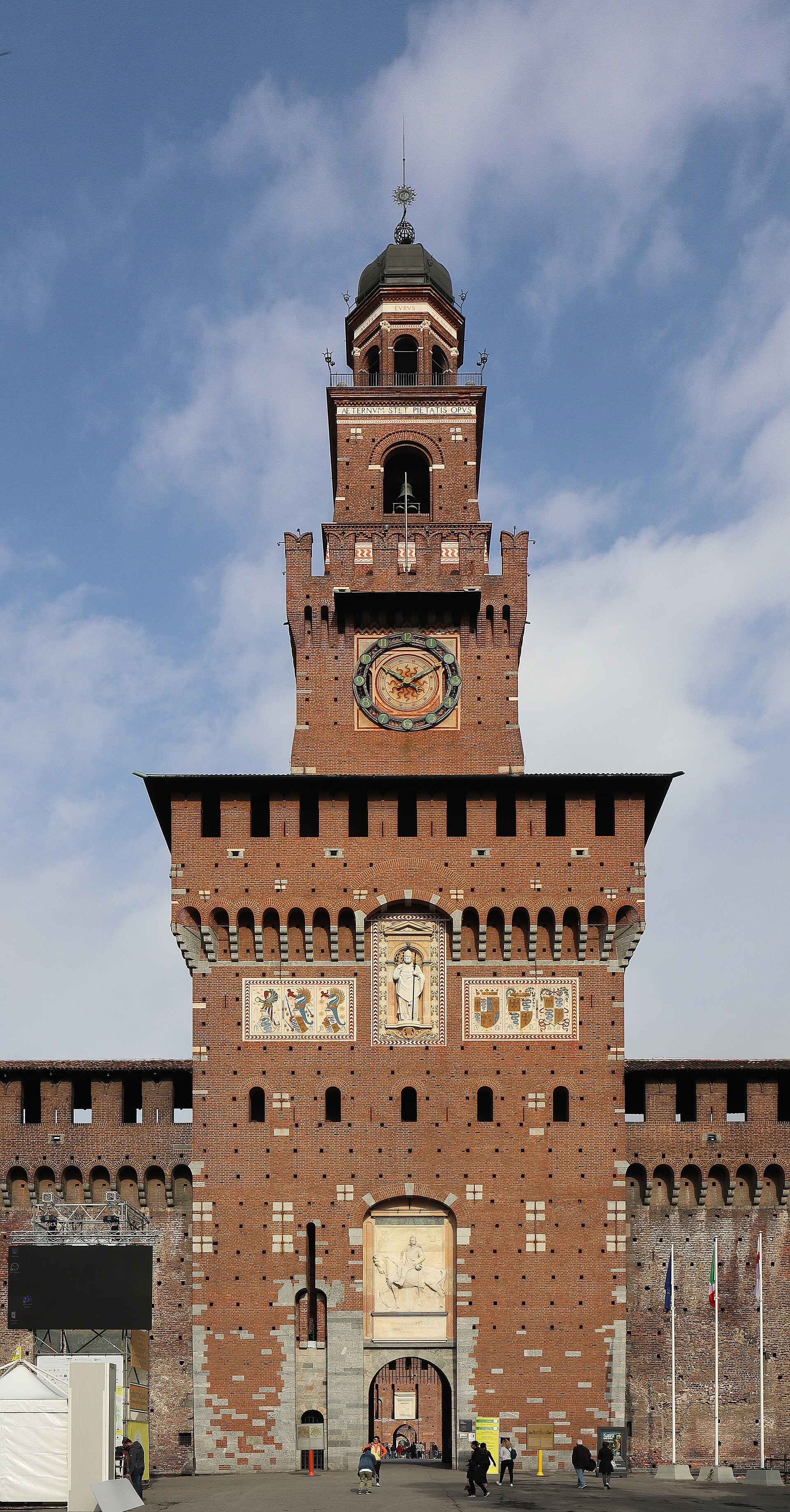
Castello Sforzesco
Via Giovanni de Castro, Forze Armate-San Siro-Baggio, Milan, 20144, Italy
The Castello Sforzesco is a massive red-brick fortress in the centre of Milan that has served as a military stronghold, a ducal palace, a barracks, and now one of the city's most important museum complexes.
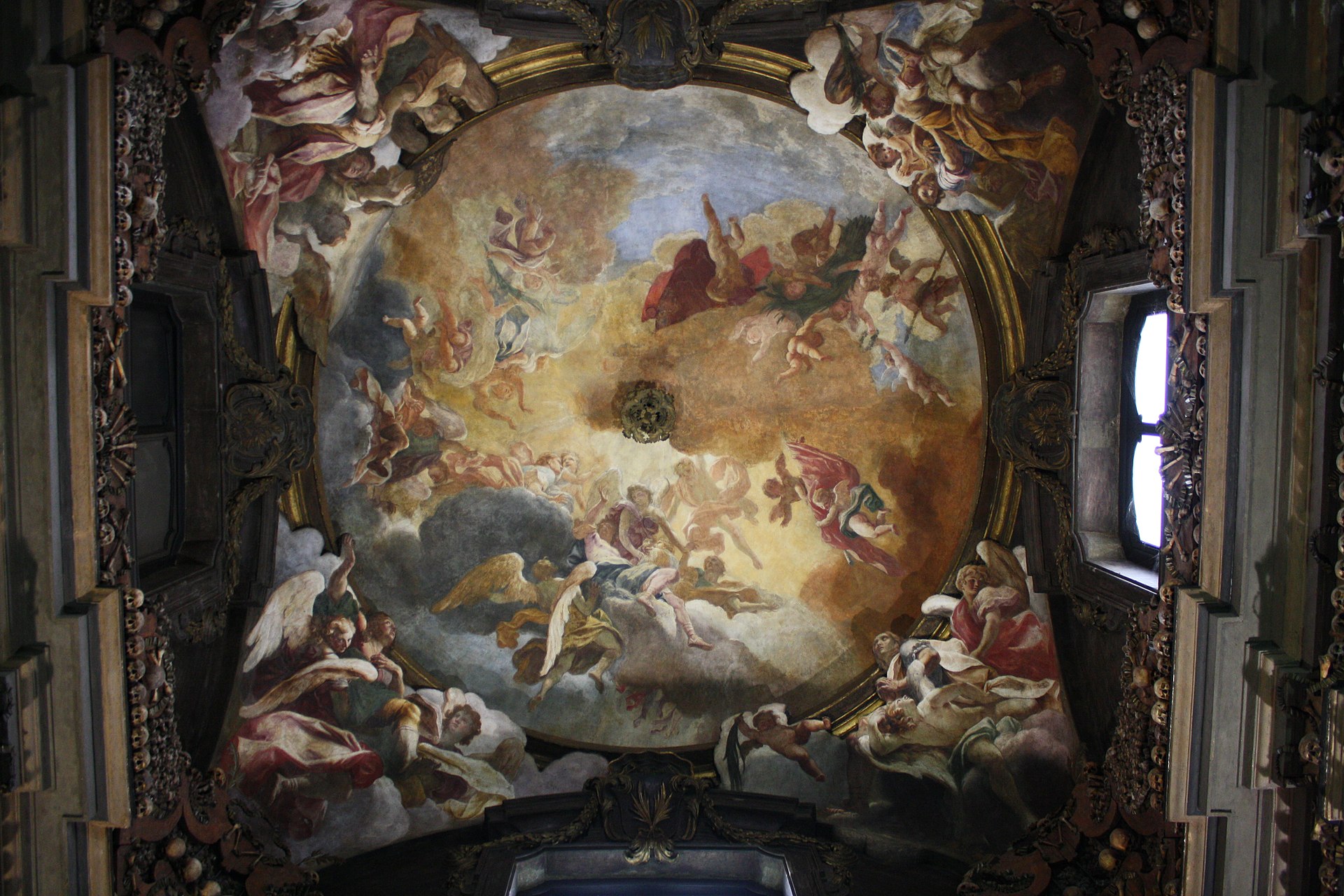
Chiesa di San Bernardino alle Ossa
2 Via Verziere, Centro Storico, Milan, 20122, Italy
San Bernardino alle Ossa is Milan's bone church — a 17th-century chapel whose walls and ceiling are decorated with human skulls and bones arranged in geometric patterns, creating an interior that is equal parts macabre and beautiful.
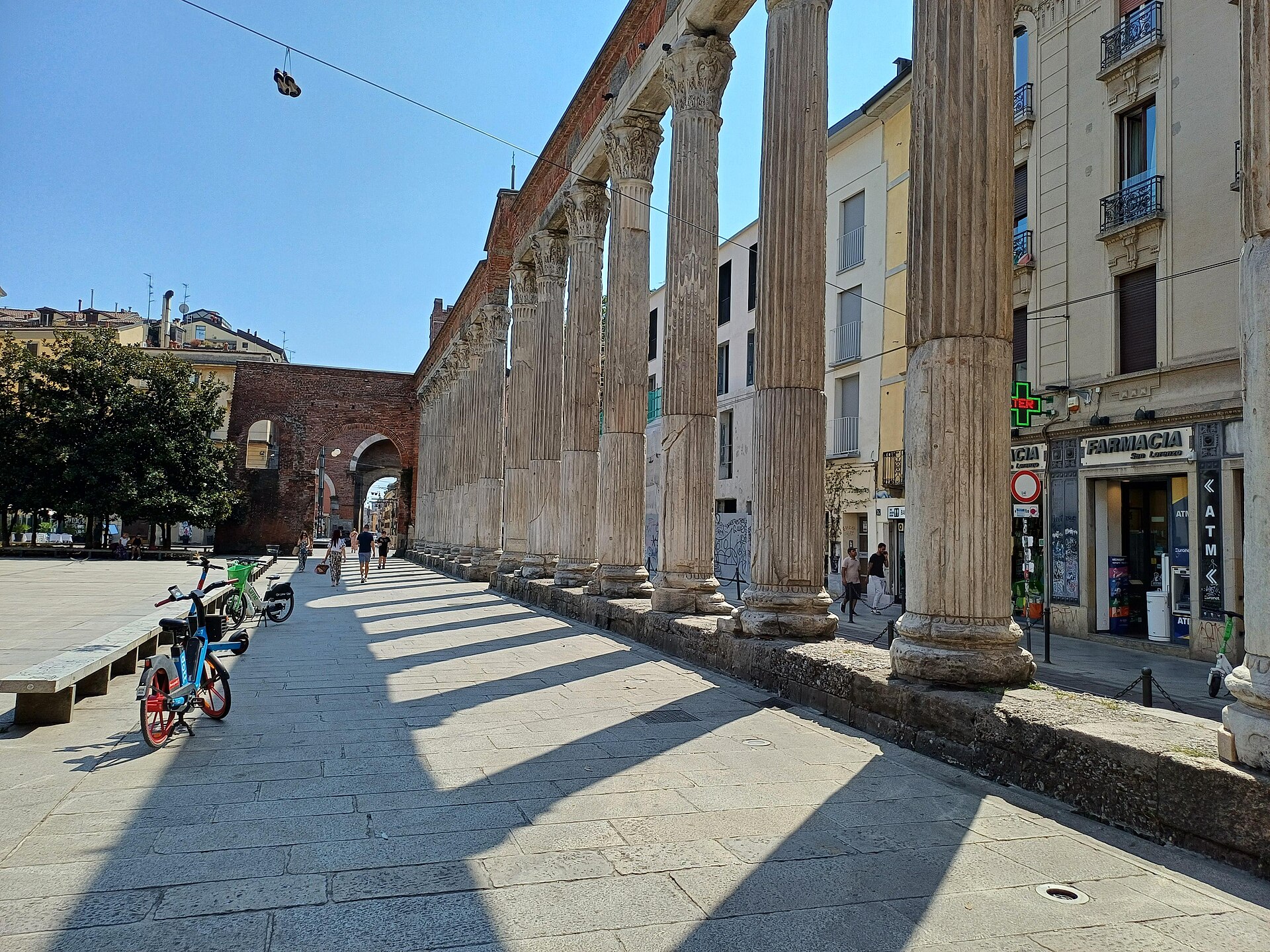
Colonne di San Lorenzo
Corso di Porta Ticinese 39, 20123 Milan
The Colonne di San Lorenzo are 16 Roman columns standing in a row in front of the Basilica di San Lorenzo — the most visible remnant of Roman Mediolanum (as Milan was known) and the unlikely centrepiece of one of Milan's most popular evening gathering spots.
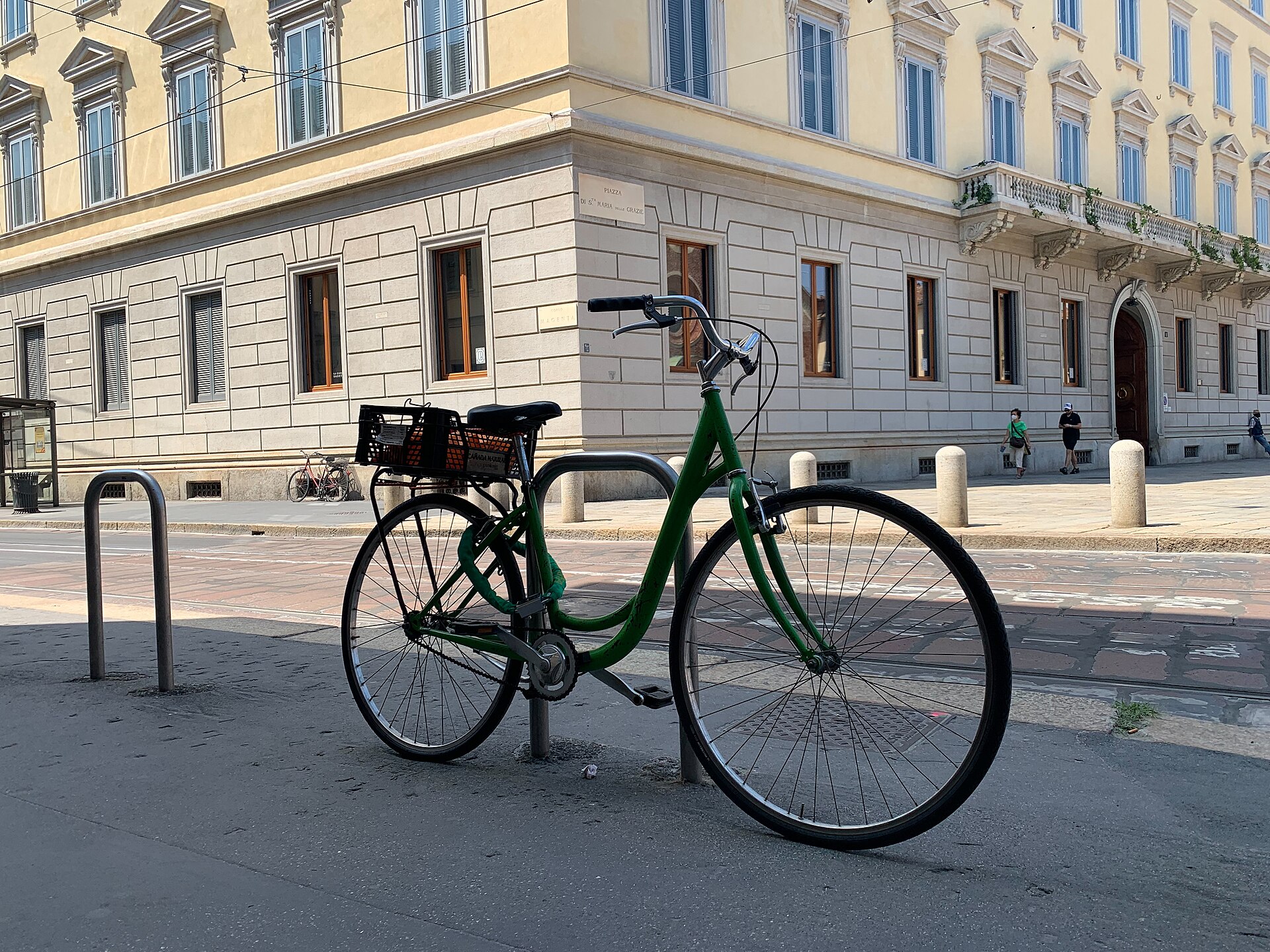
Corso Magenta & Santa Maria delle Grazie Quarter
Corso Magenta, Centro Storico, Milan, 20123, Italy
Corso Magenta is Milan's most elegant residential street — a tree-lined boulevard of aristocratic palazzi and Liberty-style (Italian Art Nouveau) apartment buildings that connects the Castello Sforzesco to the western suburbs and passes through the neighbourhood that contains both the Last Supper and some of the finest domestic architecture in the city.
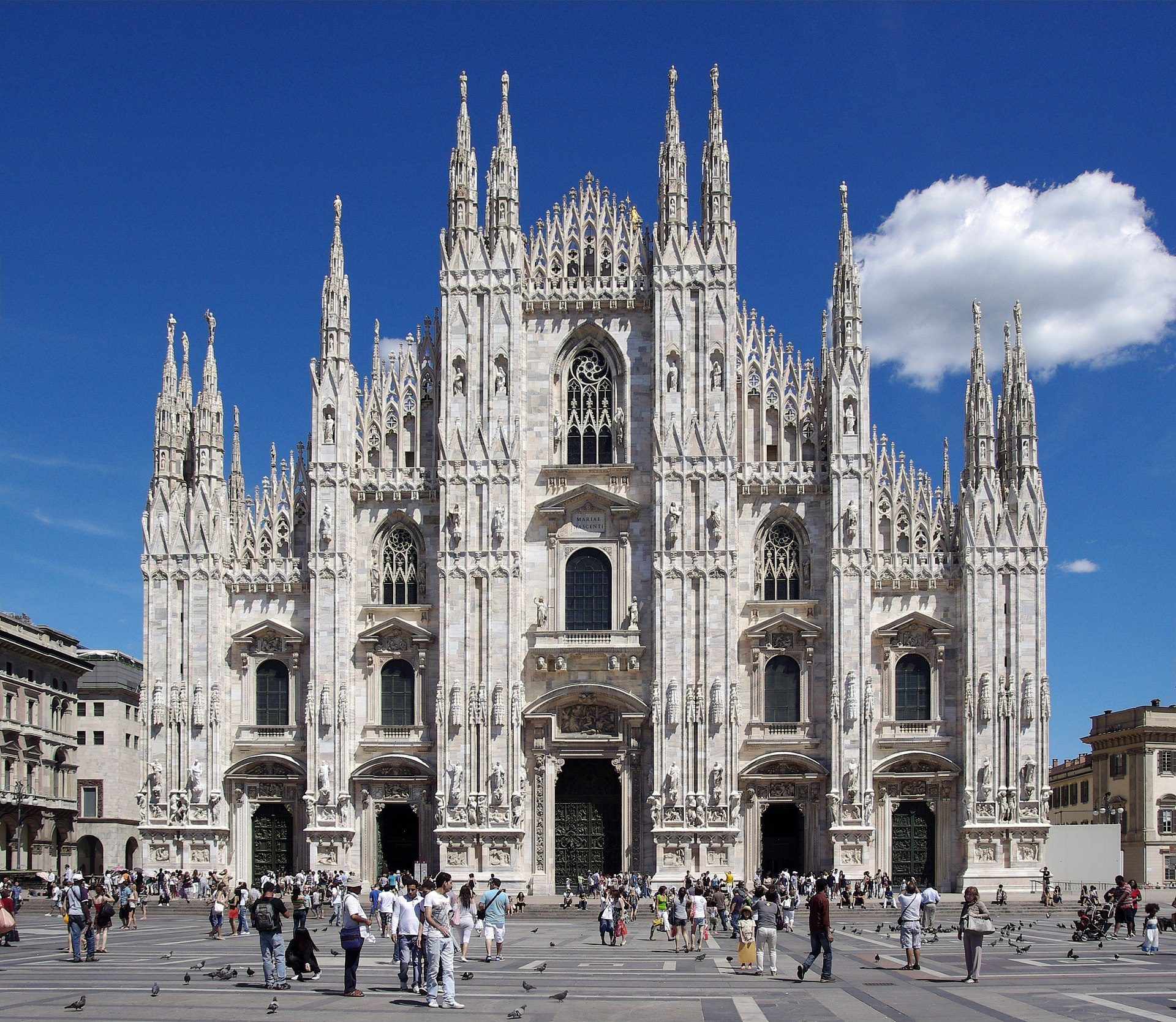
Duomo di Milano
Piazza del Duomo, Centro Storico, Milan, 20123, Italy
The Duomo di Milano is the largest Gothic cathedral in Italy and the third largest church in the world — a forest of 135 marble spires, 3,400 statues, and a rooftop terrace that lets you walk among the pinnacles 70 metres above the piazza.
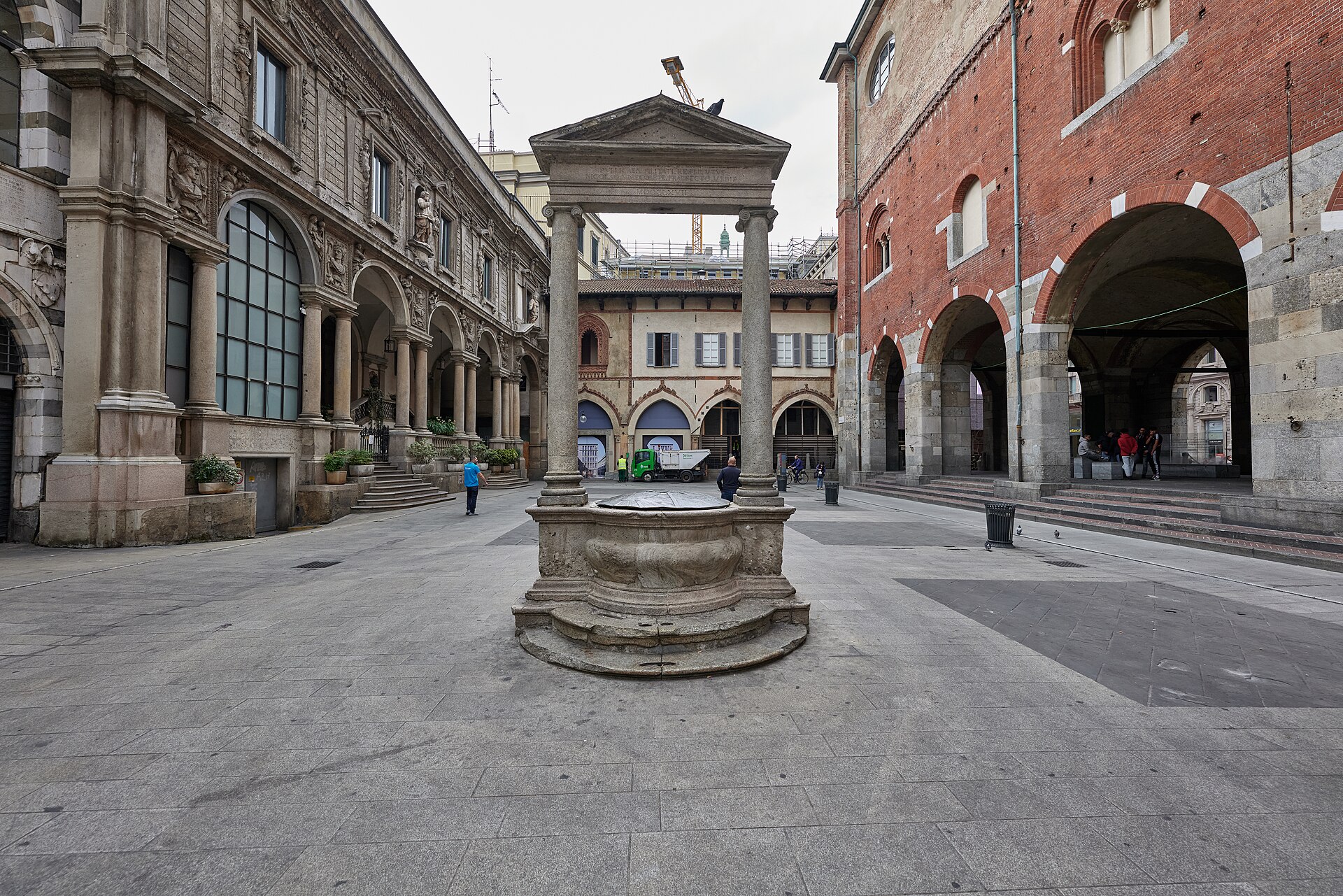
Piazza dei Mercanti
Via dei Mercanti, Centro Storico, Milan, 20123, Italy
Piazza dei Mercanti is medieval Milan's surviving heart — a small, enclosed square one block north of the Duomo that served as the city's commercial and political centre from the 13th to the 18th century.
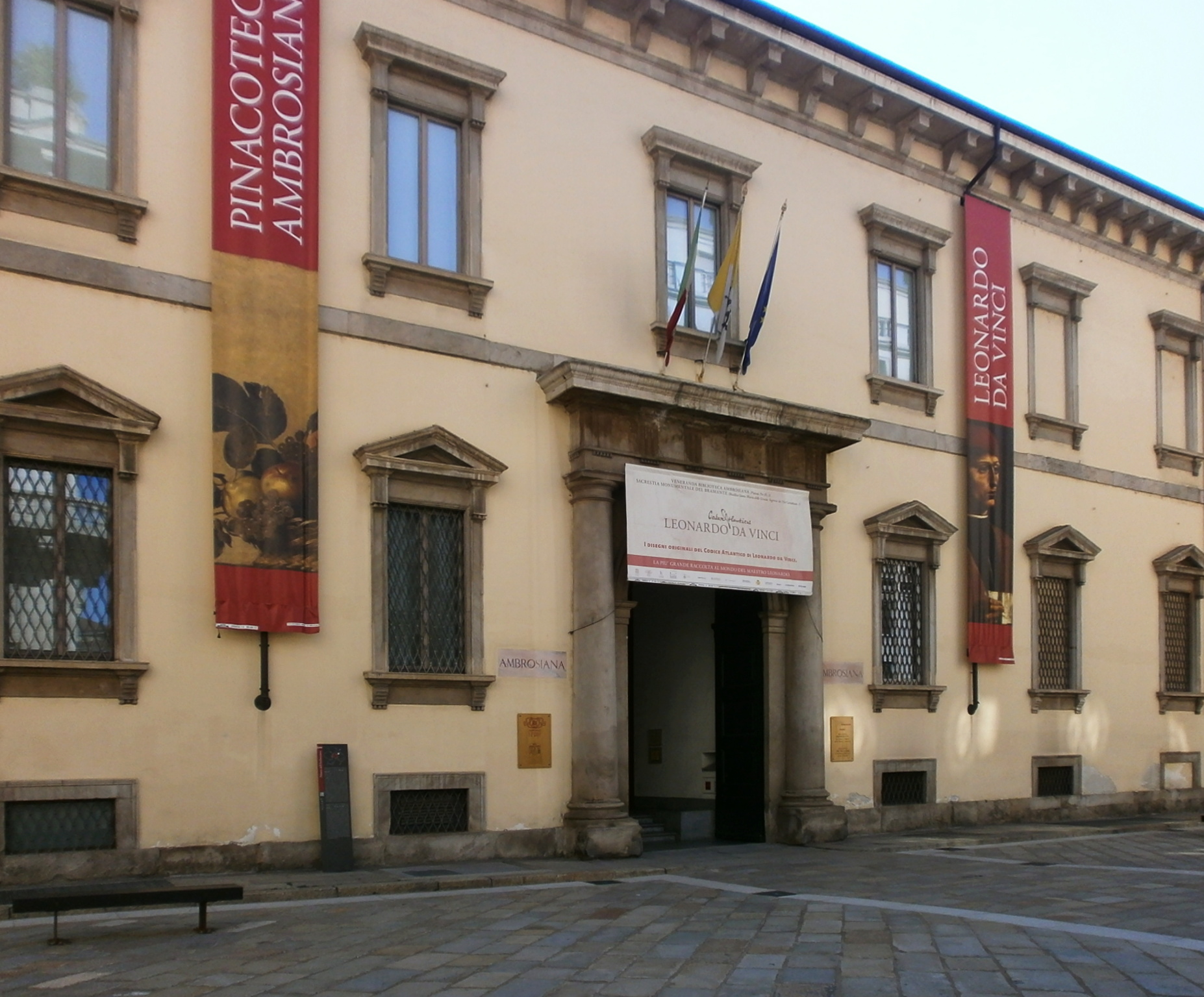
Pinacoteca Ambrosiana
2 Piazza Pio XI, Centro Storico, Milan, 20123, Italy
The Pinacoteca Ambrosiana is one of the oldest public art galleries in Europe — founded in 1618 by Cardinal Federico Borromeo, who donated his personal collection to the Biblioteca Ambrosiana to create a study collection for the art academy he had established.
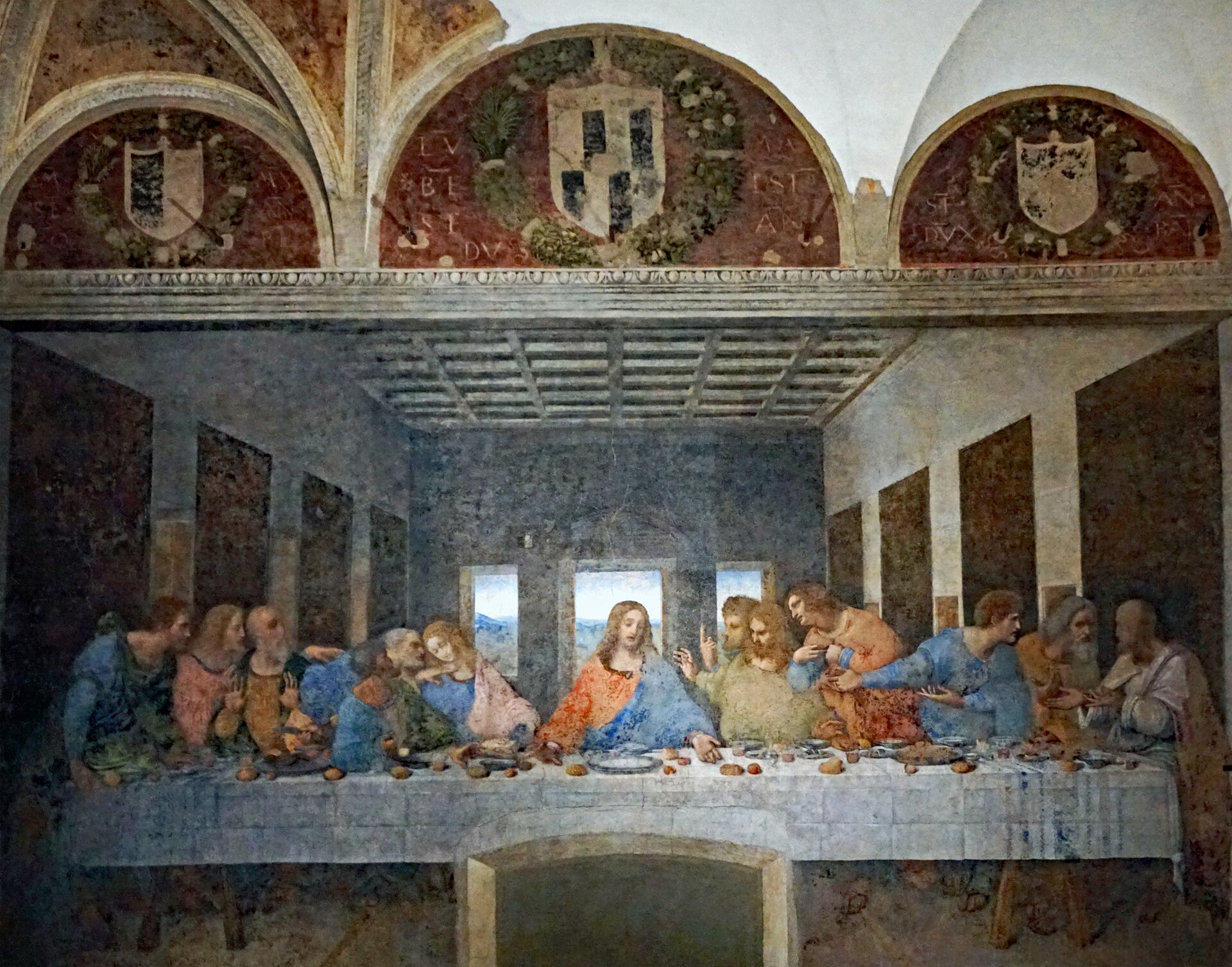
The Last Supper (Santa Maria delle Grazie)
Piazza di Santa Maria delle Grazie, 20123 Milan
Leonardo da Vinci's 'The Last Supper' is the most famous painting in Milan and one of the most important works of art in the world — a 4.
Explore history in Milan
GPS-guided narration at every landmark. Tap a spot on the map, hear the story. Every fact verified.