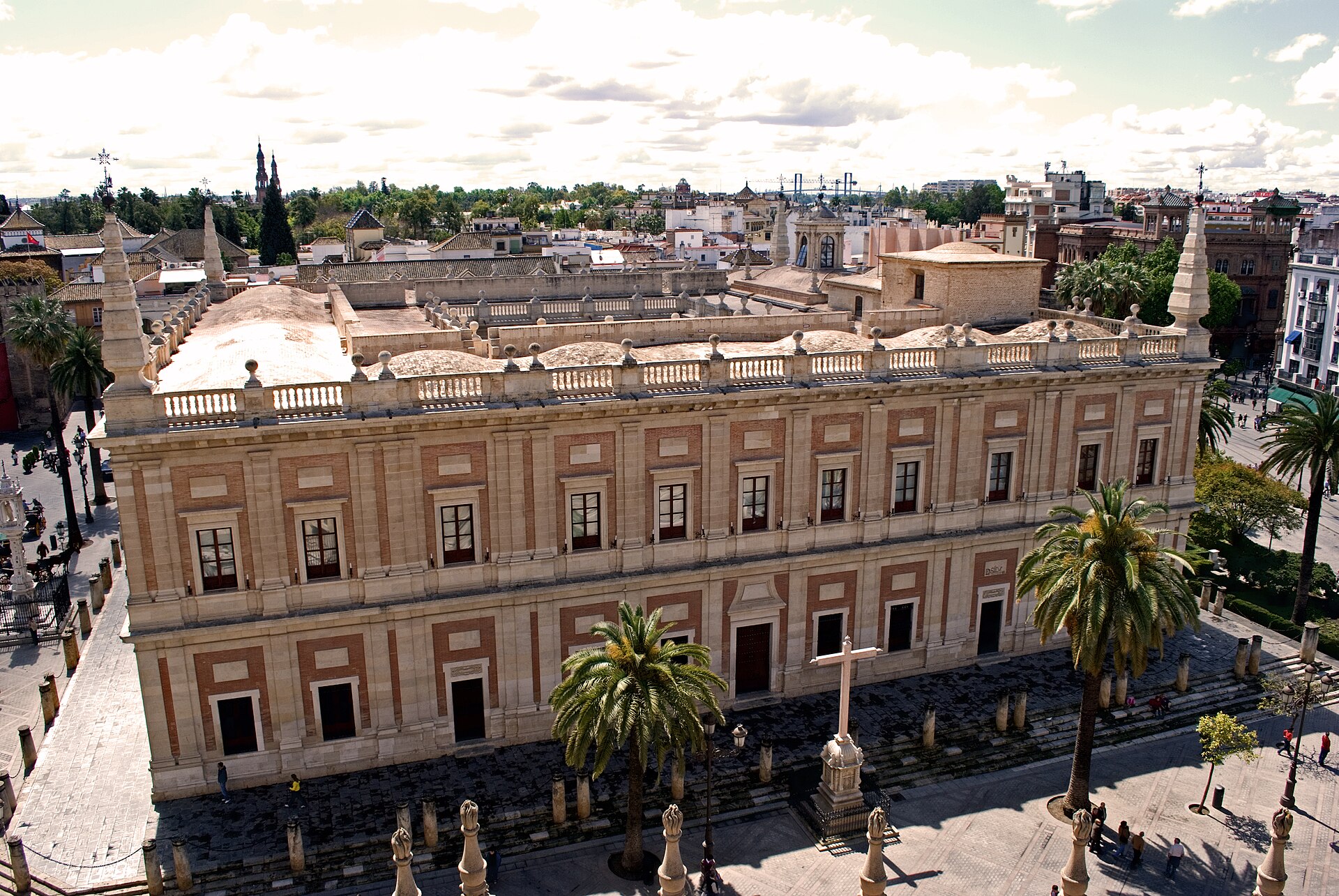
Archivo General de Indias
3 Avenida de la Constitución, Casco Antiguo, Seville, 41004, Spain
Every piece of paper that shaped the colonization of the Americas — treaties, letters, maps, ship manifests, death warrants — ended up here.
Barrio Santa Cruz
Barrio Santa Cruz, 41004 Sevilla
This tangled labyrinth of whitewashed alleyways and jasmine-draped patios was once the most feared address in Seville.
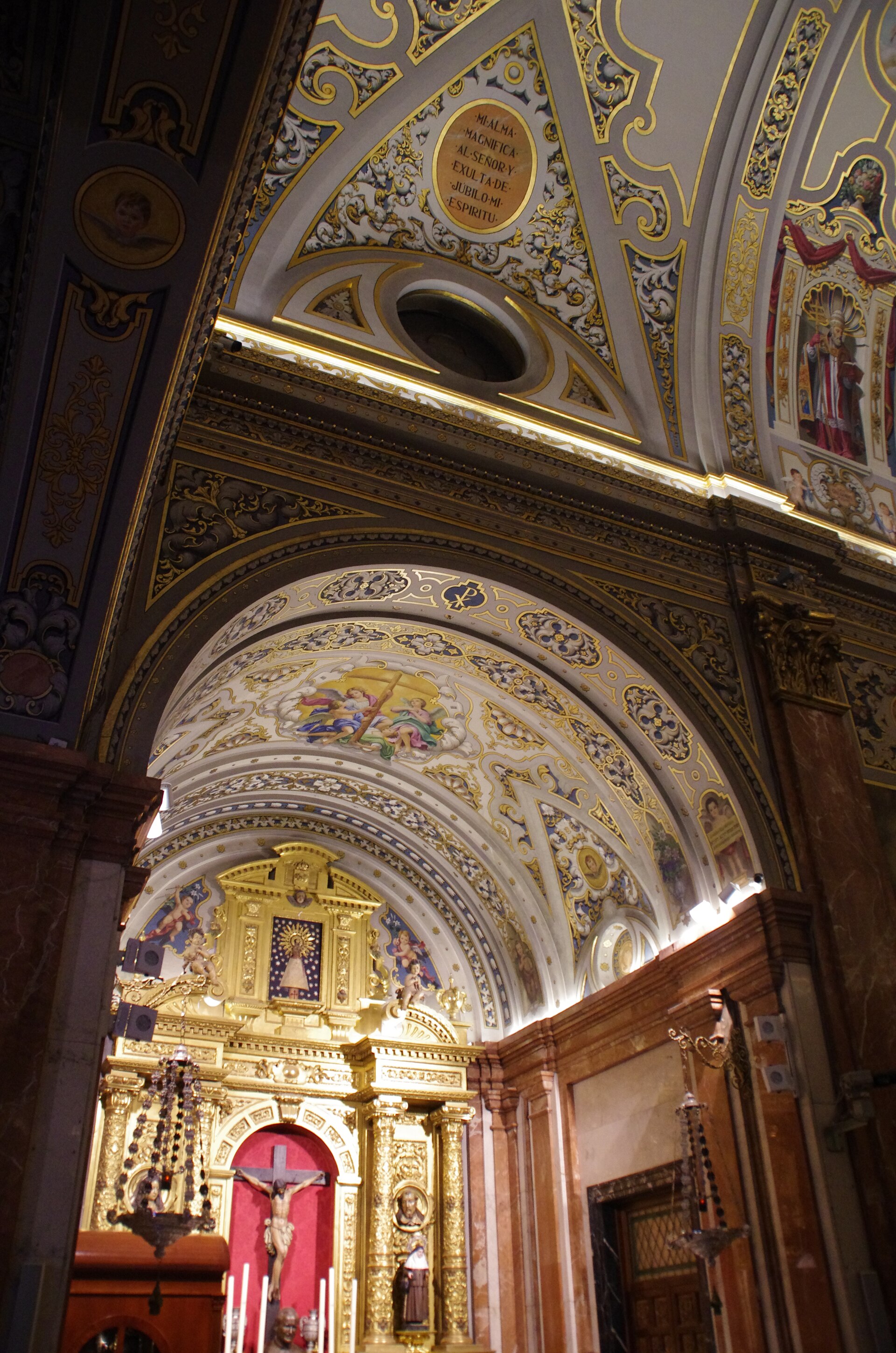
Basílica de la Macarena
1 Calle Bécquer, Casco Antiguo, Seville, 41002, Spain
Seville has dozens of churches, but this is the one that makes the city weep.
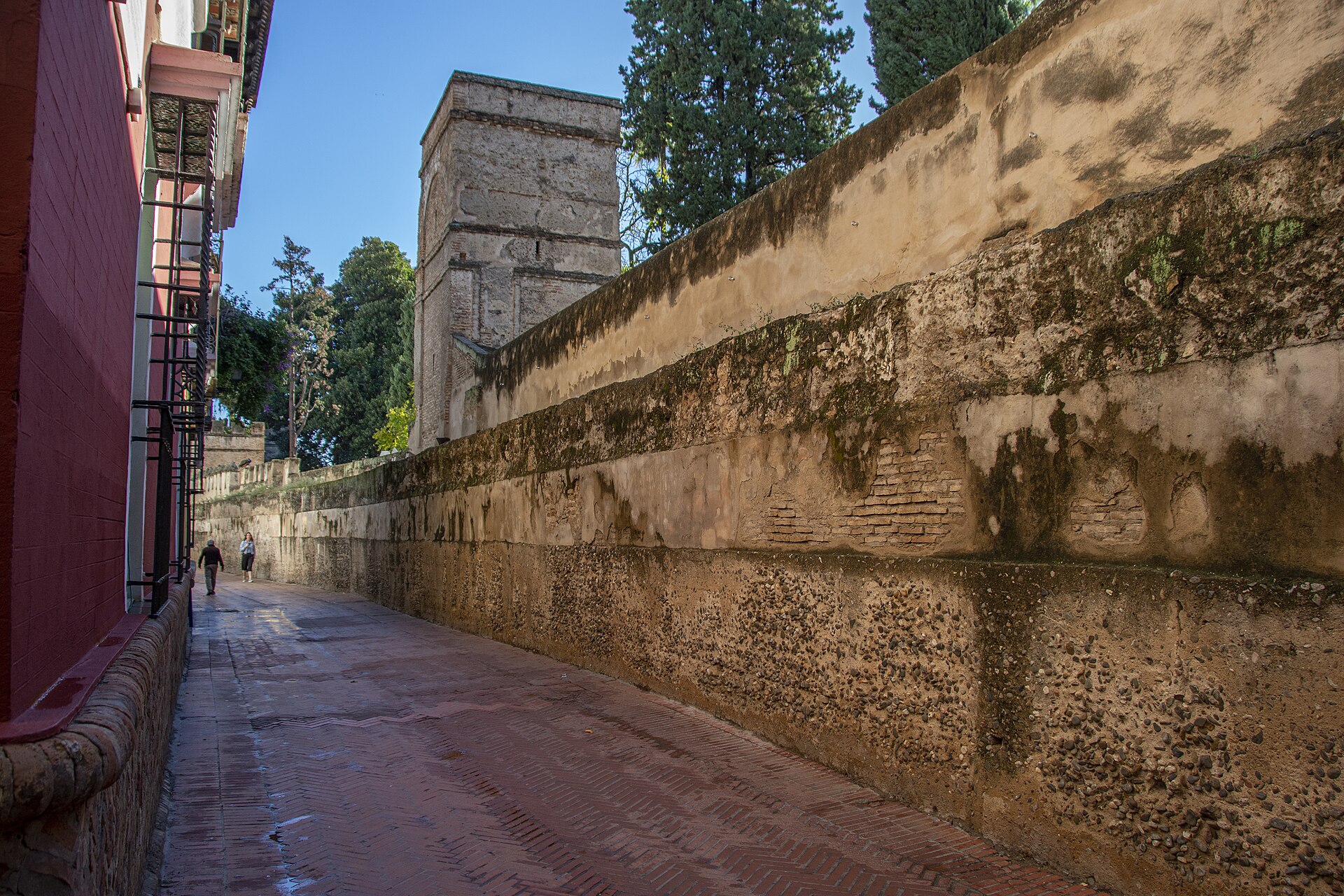
Callejón del Agua
Callejón del Agua, Casco Antiguo, Seville, 41004, Spain
This narrow alley runs along the outer wall of the Real Alcazar, and its name — Water Lane — comes from a clay pipe that once carried water from the Carmona aqueduct into the palace gardens.
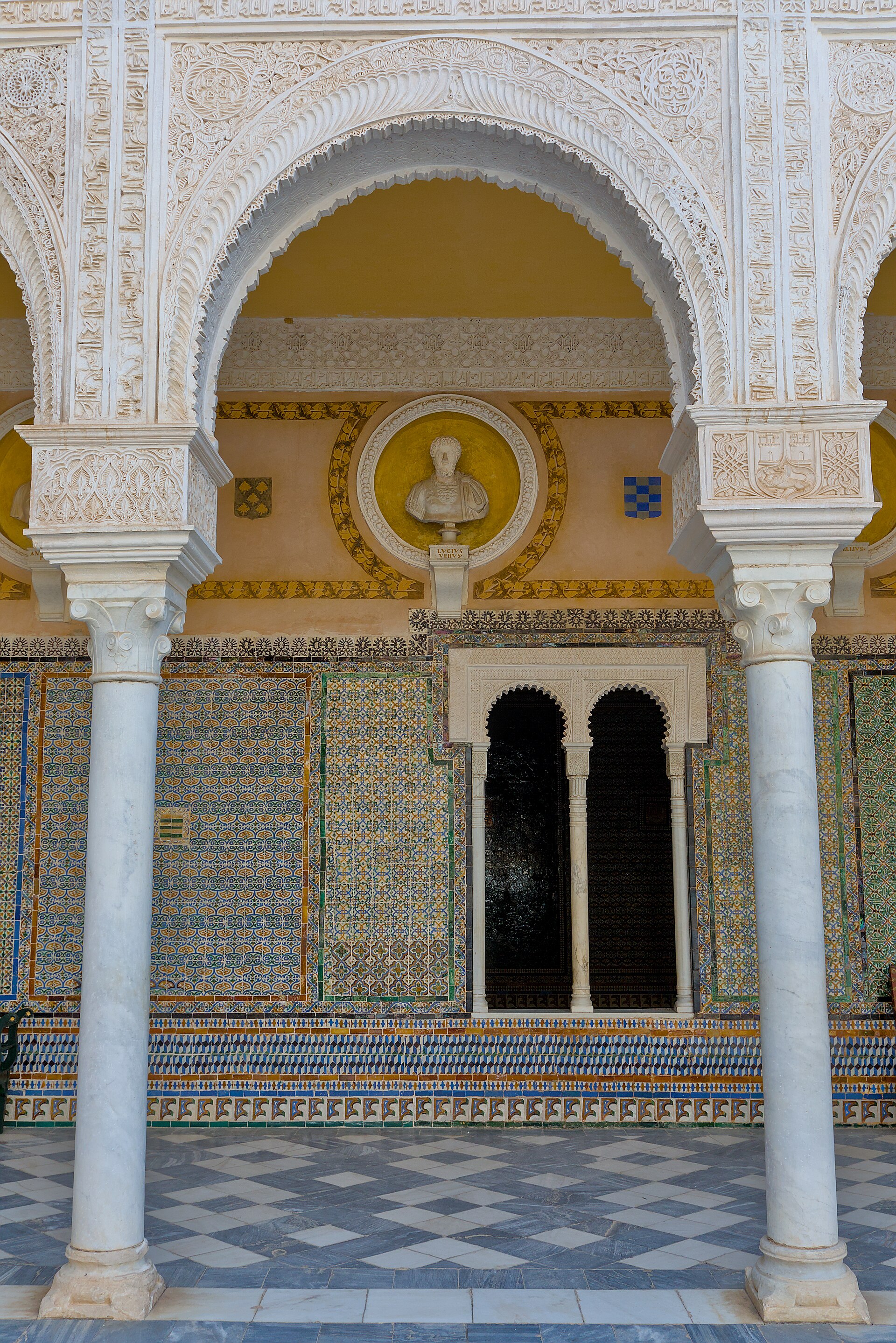
Casa de Pilatos
1 Plaza de Pilatos, Casco Antiguo, Seville, 41003, Spain
The name of this palace is based on a misunderstanding, but it is a beautiful one.
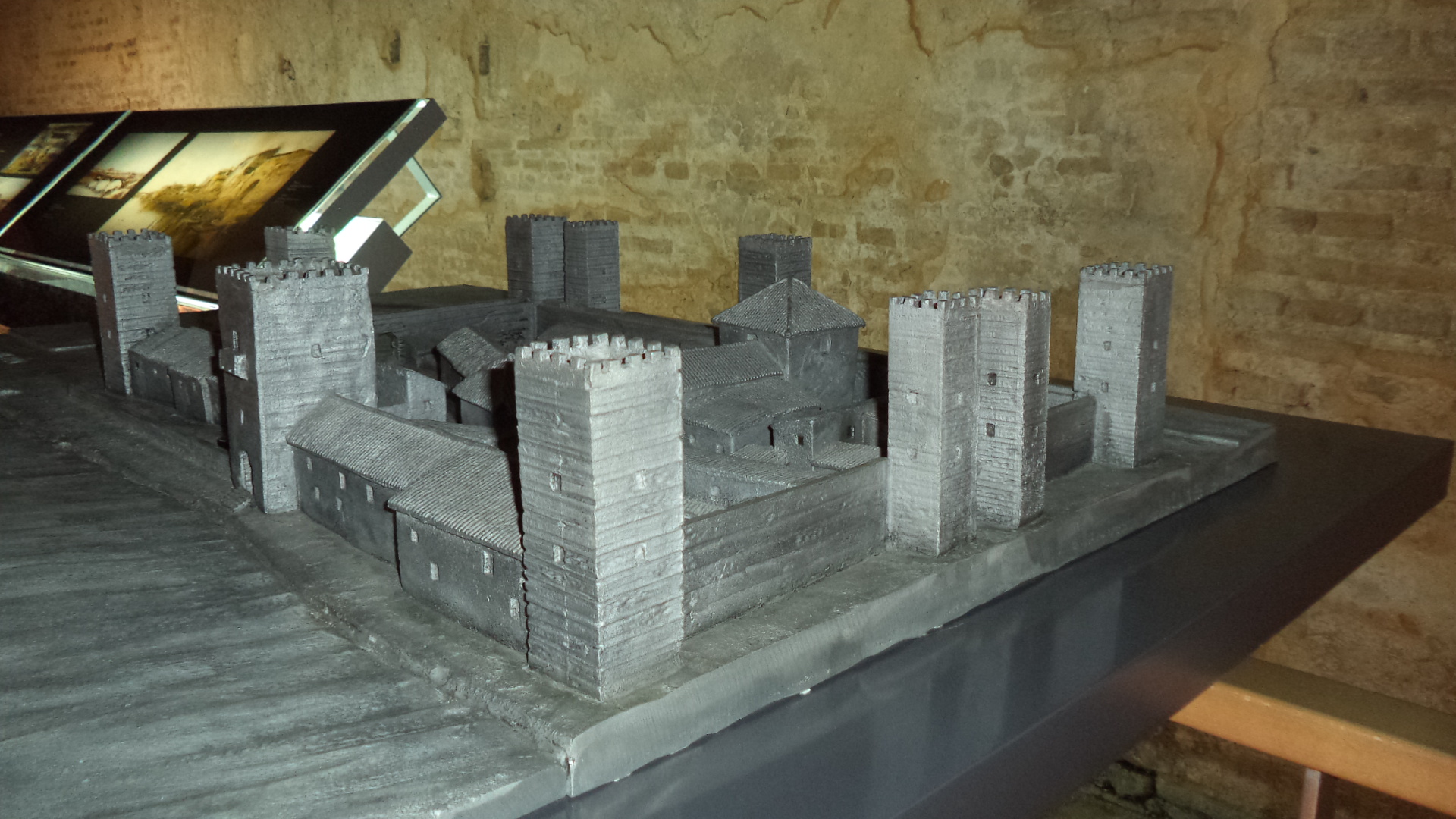
Castillo de San Jorge
Triana, Seville, Spain
Beneath the cheerful Mercado de Triana — where locals buy their morning fish and tourists sample tapas — lie the excavated ruins of one of the most feared buildings in Spanish history.
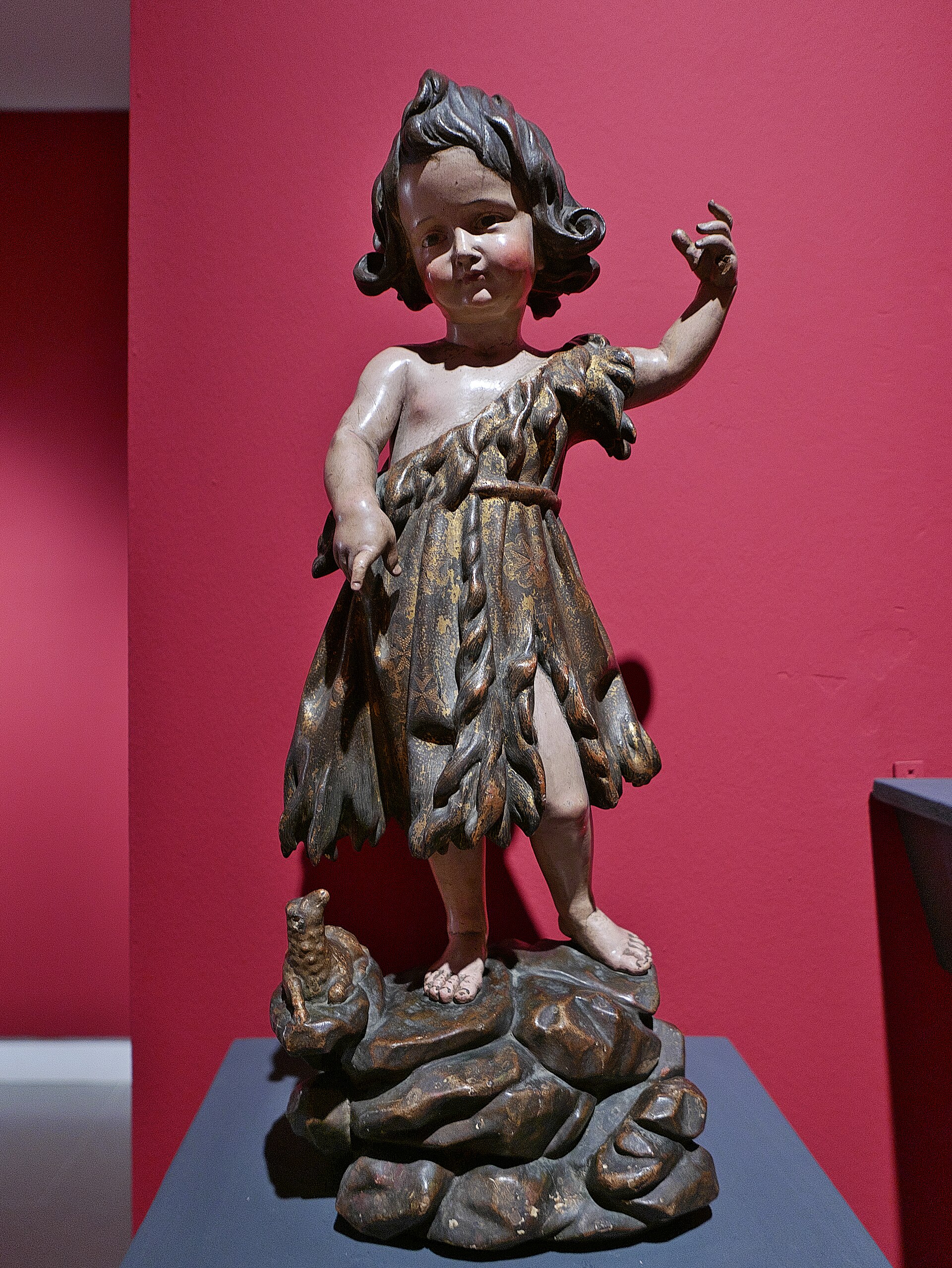
Hospital de la Caridad
3 Calle Temprado, Casco Antiguo, Seville, 41001, Spain
The man who founded this hospital was, by most accounts, the worst person in Seville before he became the best.
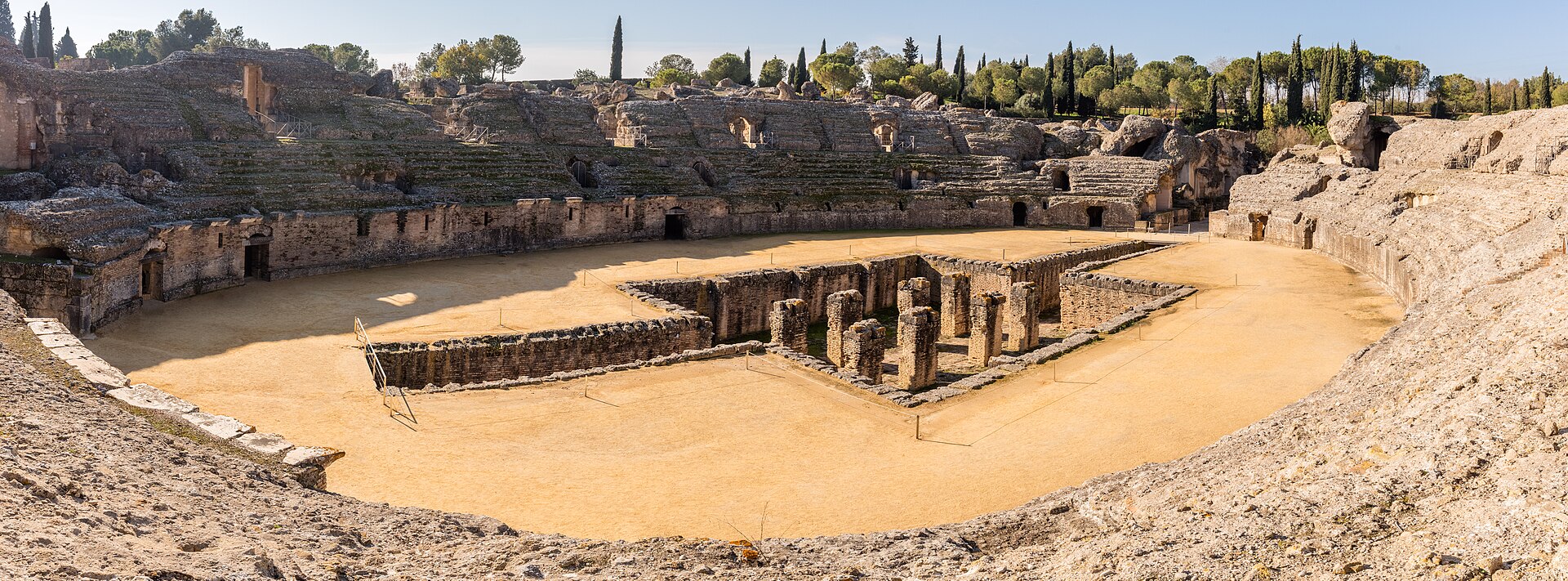
Itálica
2 Avenida de Extremadura, Santiponce, Santiponce, 41970, Spain
Two Roman emperors were born in this ruined city just eight kilometres north of Seville, and that fact alone makes Italica one of the most historically significant archaeological sites on the Iberian Peninsula.
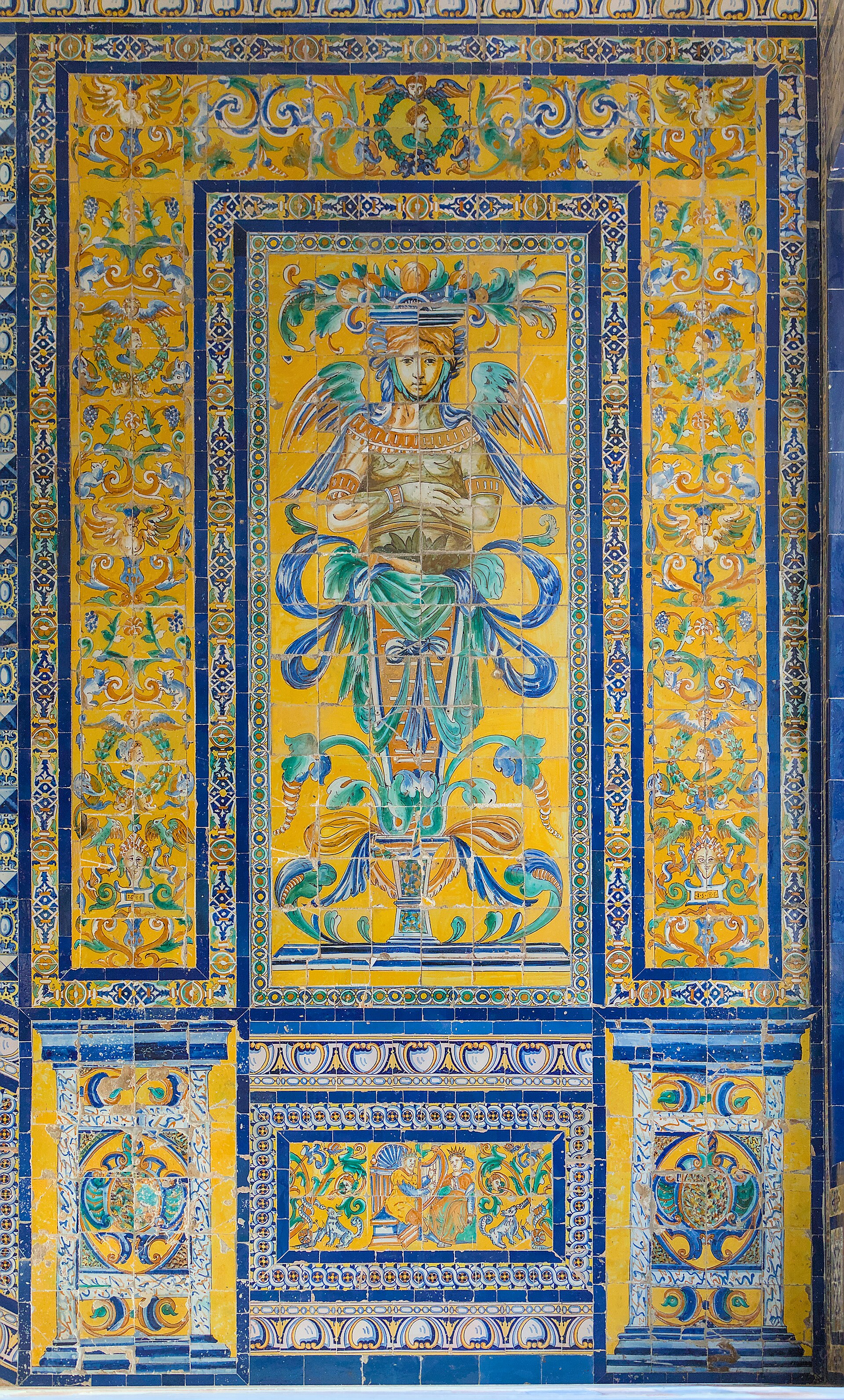
Palacio de la Condesa de Lebrija
8 Calle Cuna, Casco Antiguo, Seville, 41004, Spain
In the early twentieth century, the Countess of Lebrija did something that would be a jailable offence today: she bought Roman mosaics excavated from the ruins of Italica, the ancient city just outside Seville, and had them installed as the floors of her sixteenth-century palace.
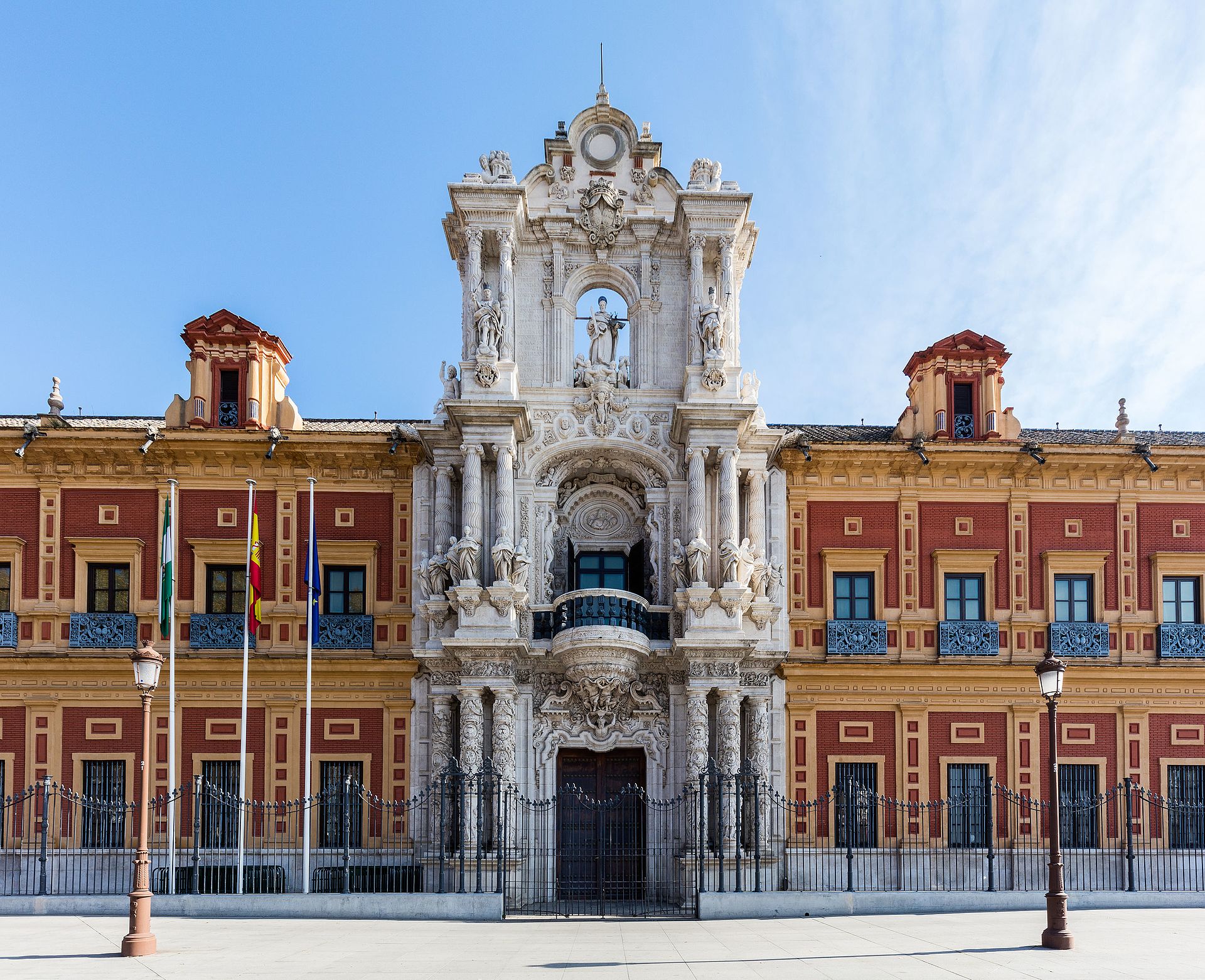
Palacio de San Telmo
Avenida de Roma, Casco Antiguo, Seville, 41013, Spain
This extravagant Baroque palace has had more career changes than most buildings dream of.
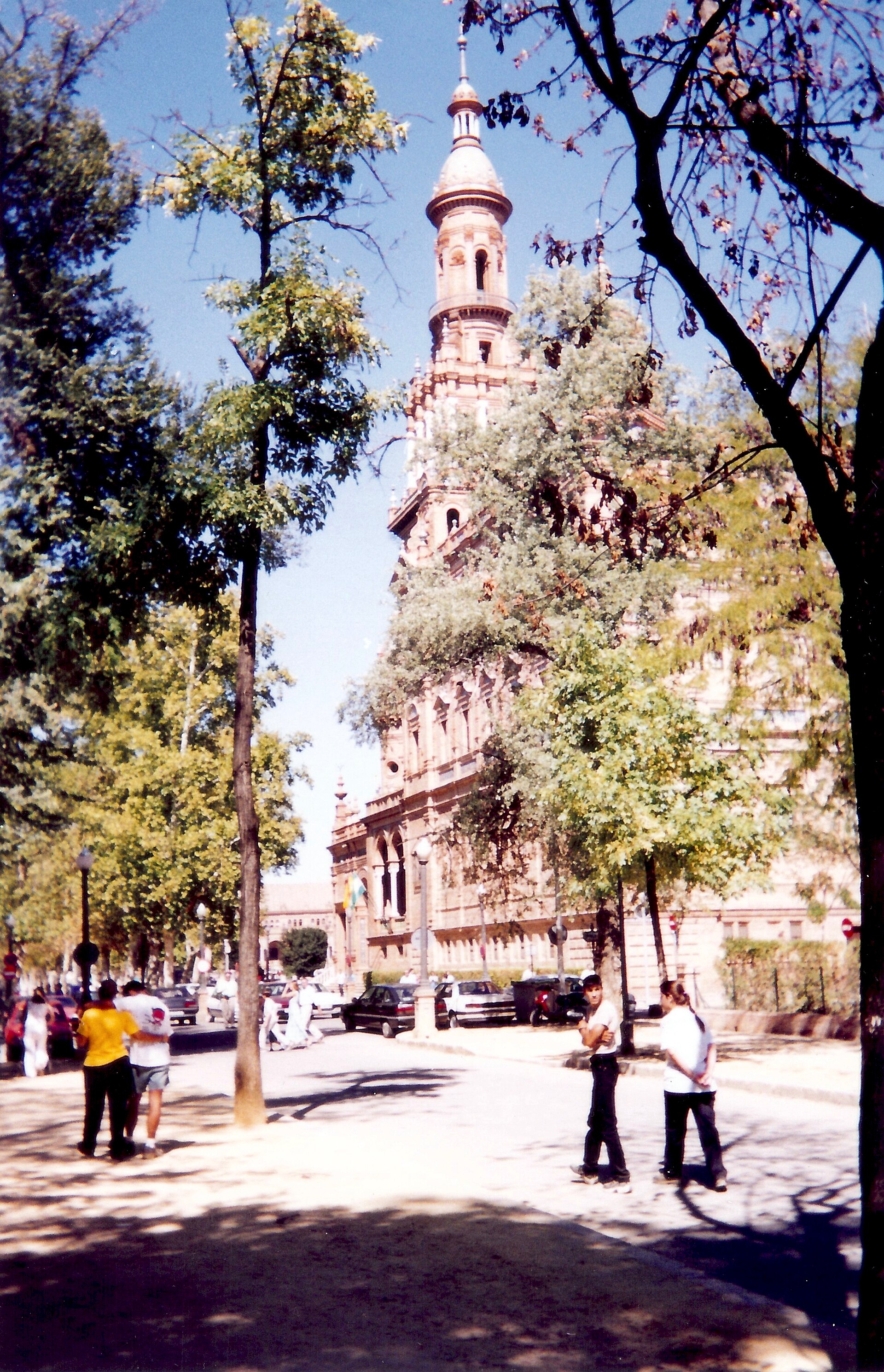
Parque de María Luisa
Paseo de las Delicias, Casco Antiguo, Seville, 41013, Spain
Half of this park was a private garden that belonged to the Palacio de San Telmo until 1893, when the Infanta Maria Luisa Fernanda — Duchess of Montpensier and sister of Queen Isabel II — donated the grounds to the city of Seville.
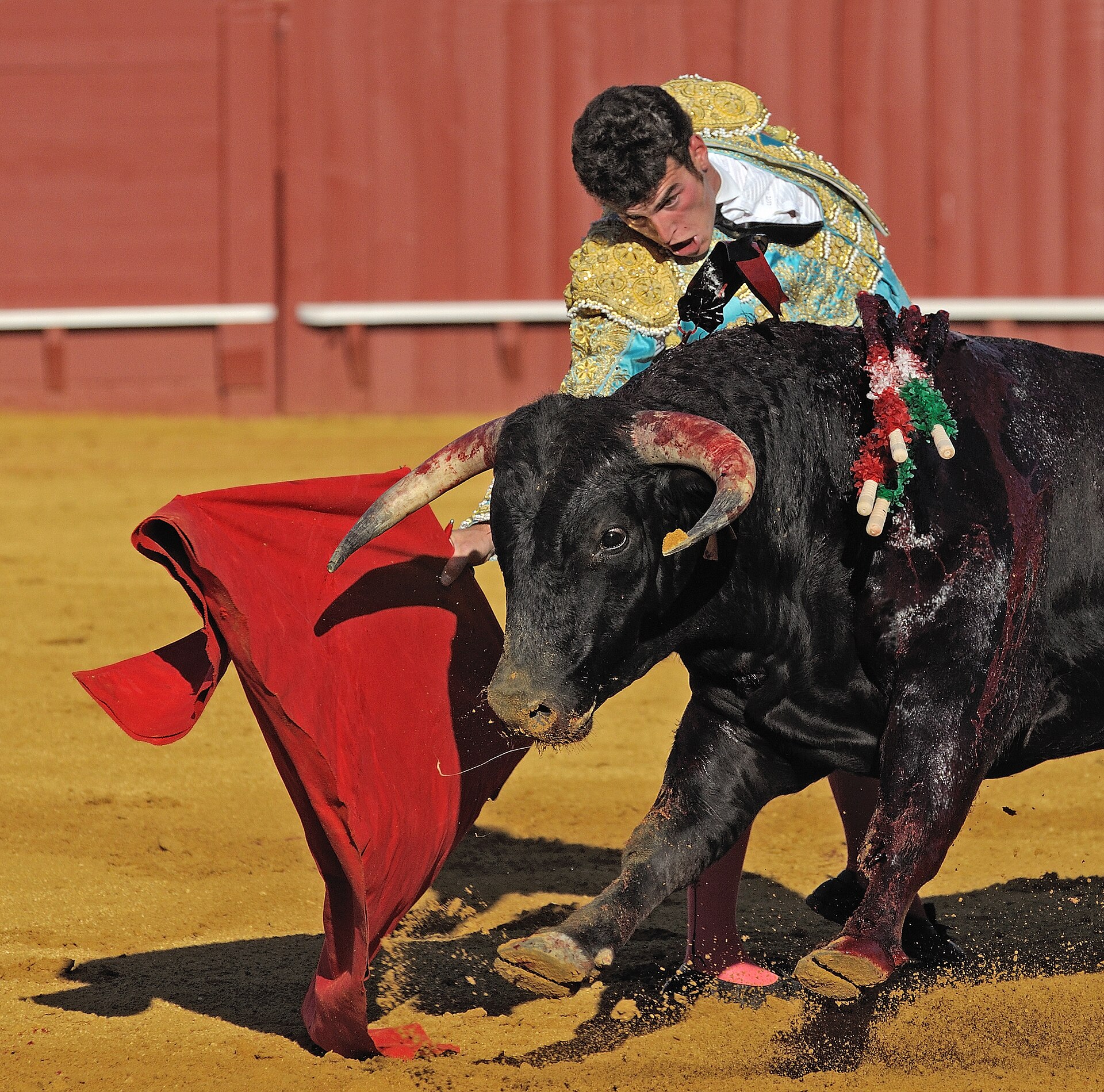
Plaza de Toros de la Real Maestranza
12 Paseo de Cristóbal Colón, Casco Antiguo, Seville, 41001, Spain
This is the cathedral of bullfighting, and that is not hyperbole — it is the phrase Spaniards themselves use for the oldest and most prestigious bullring in the country.
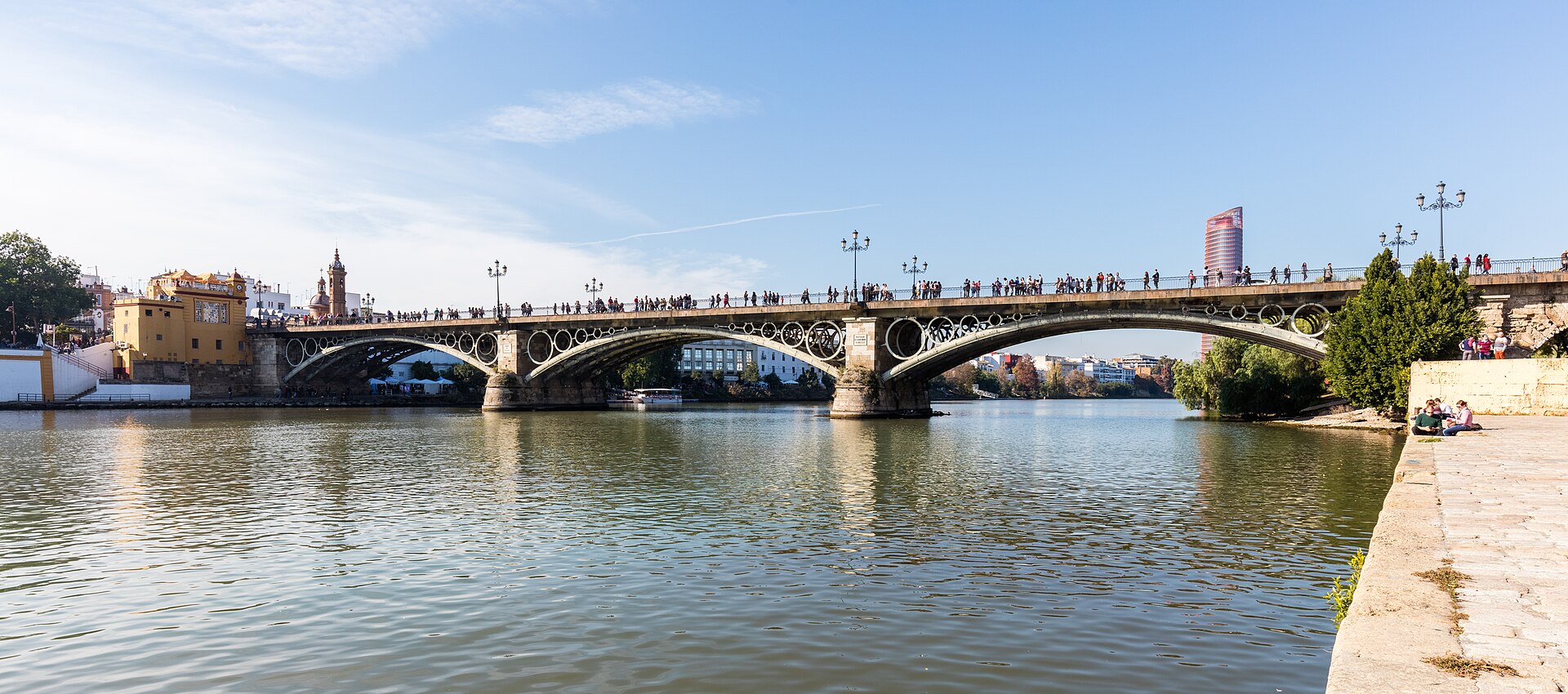
Puente de Isabel II (Triana Bridge)
Puente de Isabel II, 41001 Sevilla
Every city with a river has a bridge that defines its identity, and for Seville that bridge is the Puente de Isabel II — known universally as the Triana Bridge.
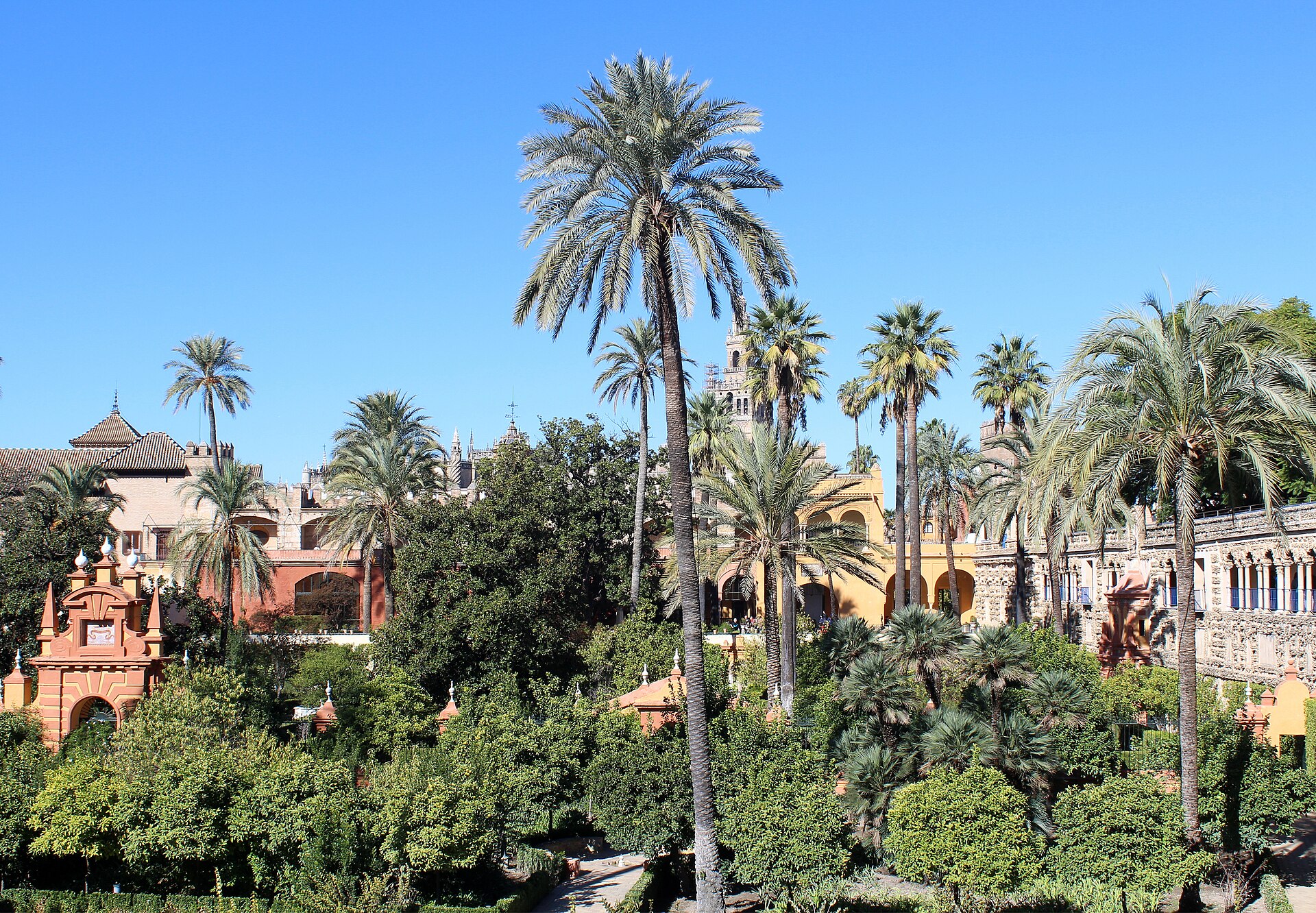
Real Alcázar
Patio de Banderas, s/n, 41004 Sevilla
This palace has been continuously occupied by royalty for over a thousand years, making it one of the oldest royal residences still in active use anywhere in the world.
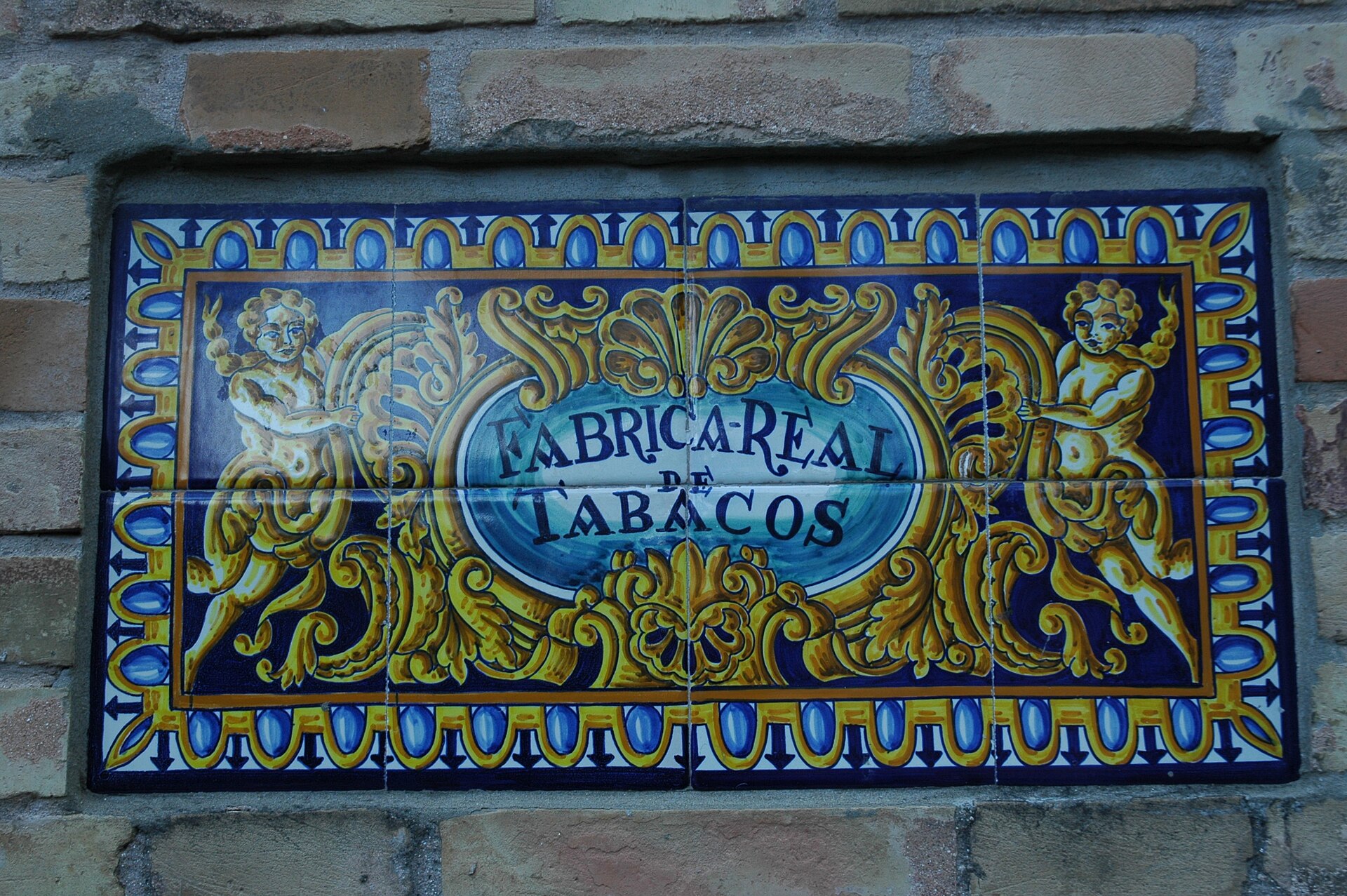
Real Fábrica de Tabacos
C. San Fernando, 4, 41004 Sevilla
This massive neoclassical fortress was not built to defend Seville from armies — it was built to defend tobacco from thieves.
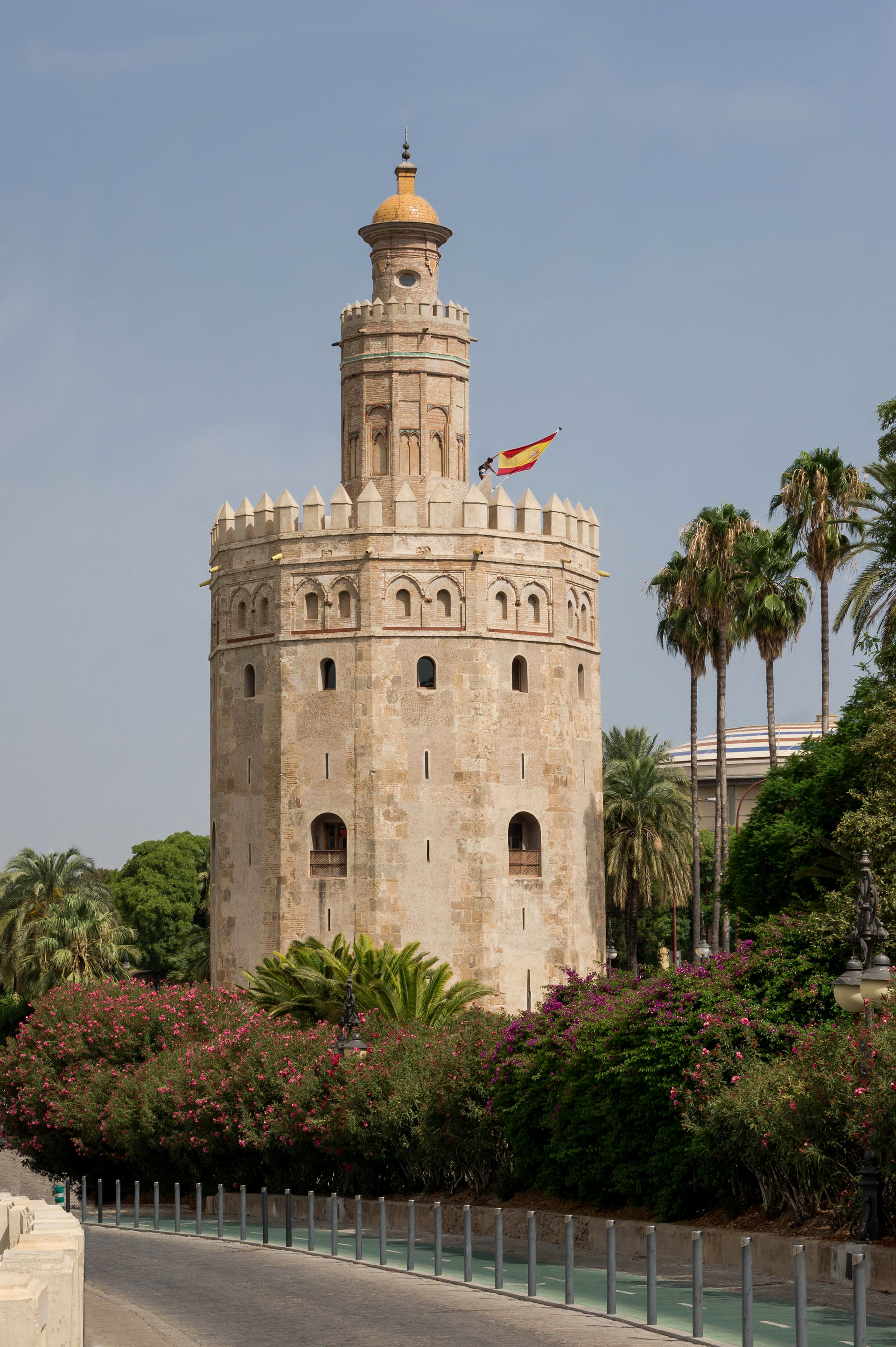
Torre del Oro
Paseo de Cristóbal Colón, 41001 Sevilla
For eight centuries this twelve-sided tower has watched over the Guadalquivir River, and for most of that time its job was making sure nobody got in without permission.
Explore history in Sevilla
GPS-guided narration at every landmark. Tap a spot on the map, hear the story. Every fact verified.