The 11 Most Iconic Landmarks in Buenos Aires
11 landmarks with verified facts and stories
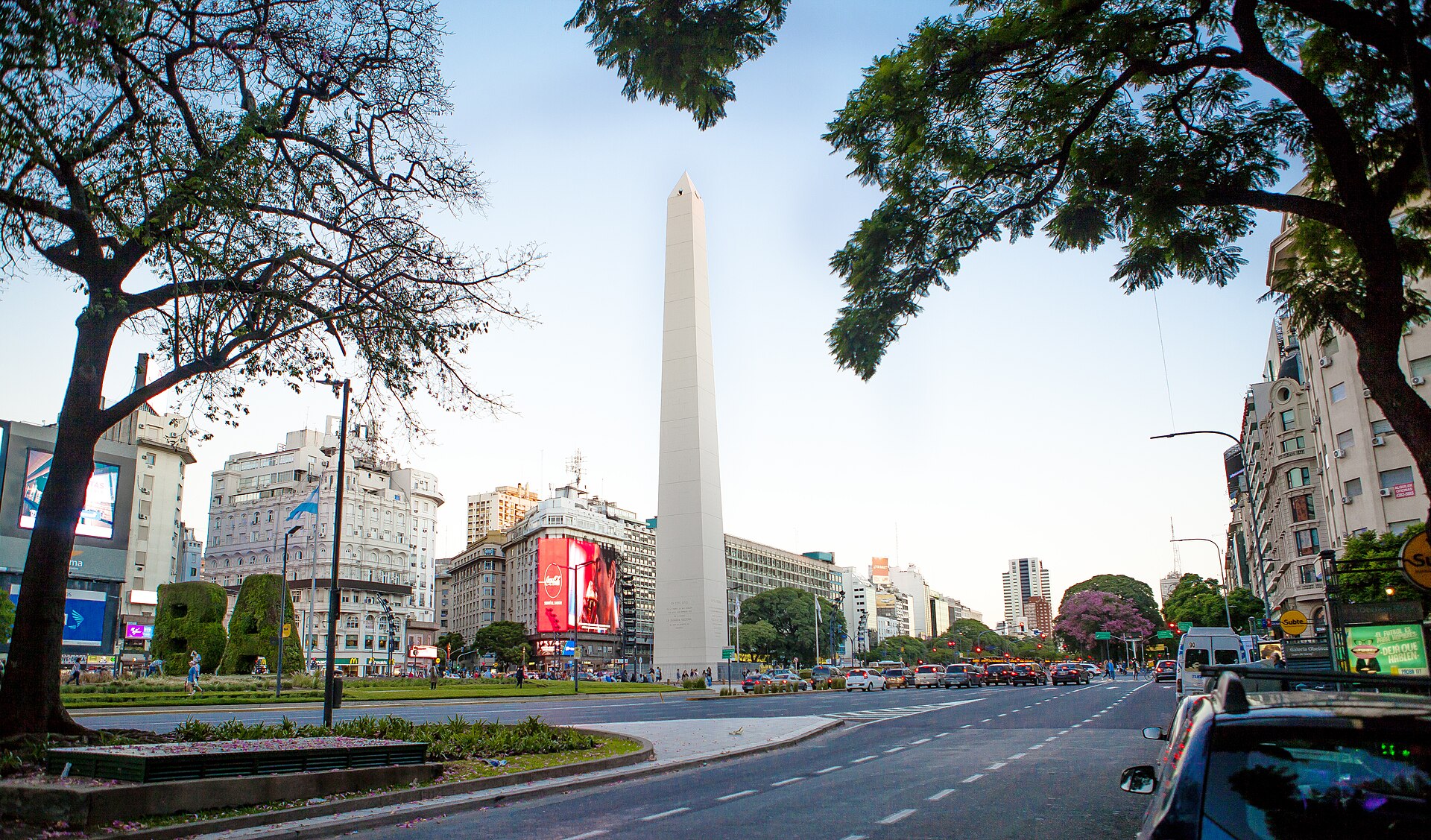
Avenida 9 de Julio & Obelisco
Av. 9 de Julio & Av. Corrientes, Buenos Aires
Avenida 9 de Julio is the widest avenue in the world — a 140-metre-wide boulevard that carves through the centre of Buenos Aires with 12 lanes of traffic, central medians planted with jacaranda trees, and the Obelisco standing at the intersection with Corrientes like an exclamation mark in the middle of the city.
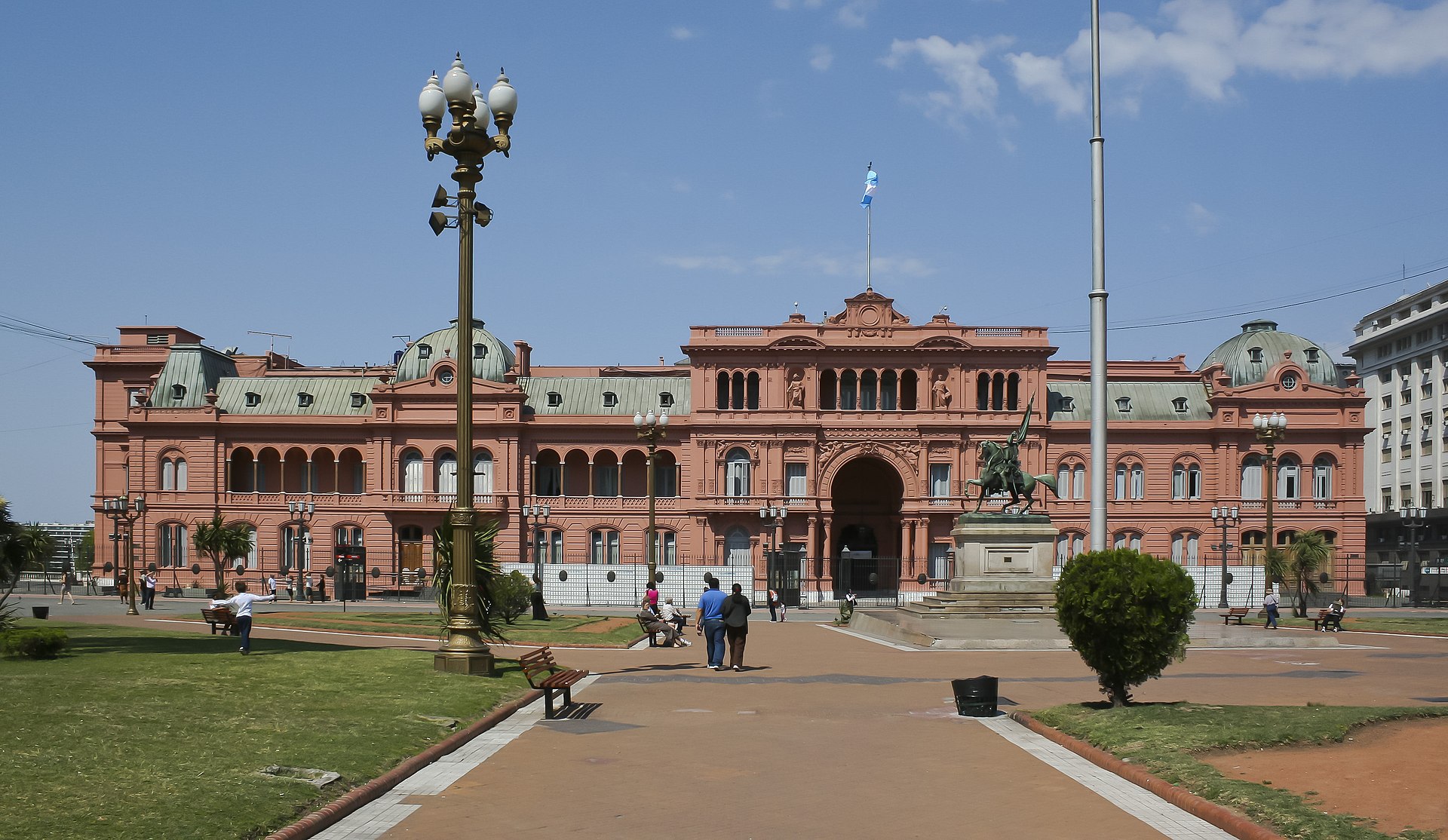
Casa Rosada
Balcarce 50, Monserrat, Buenos Aires
The Casa Rosada is Argentina's presidential palace — a pink Italianate building on the eastern side of Plaza de Mayo that is most famous for the balcony from which Eva Perón addressed the descamisados (the shirtless ones, Argentina's working class), Maradona celebrated the 1986 World Cup victory, and every Argentine president since has addressed the nation in moments of triumph or crisis.
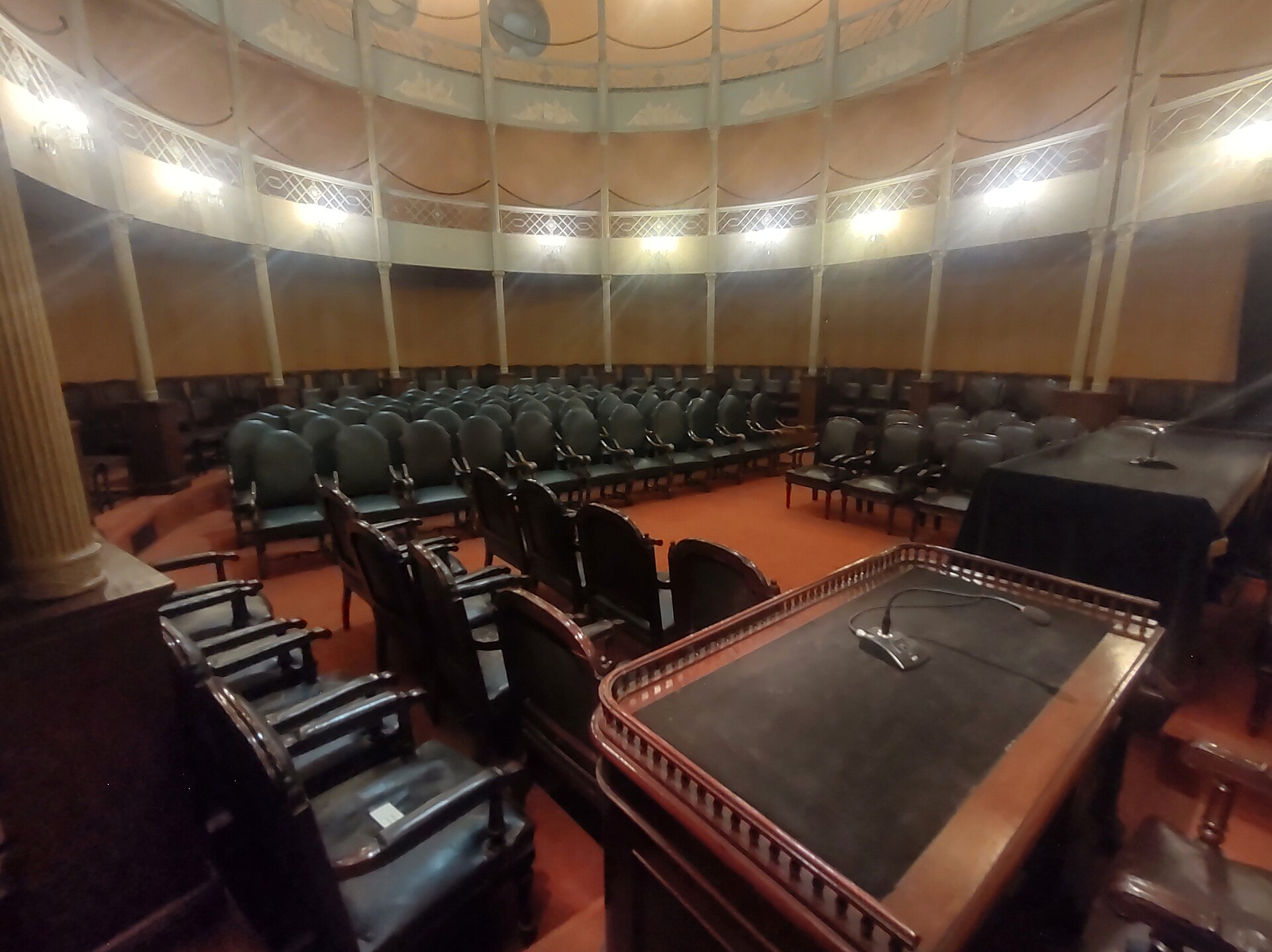
Congreso Nacional
Av. Hipólito Yrigoyen 1849, Buenos Aires
The Congreso Nacional is Argentina's parliament building — a Greco-Roman colossus topped by an 80-metre dome that anchors the western end of Avenida de Mayo and faces the Casa Rosada two kilometres away across the political geography of the city.
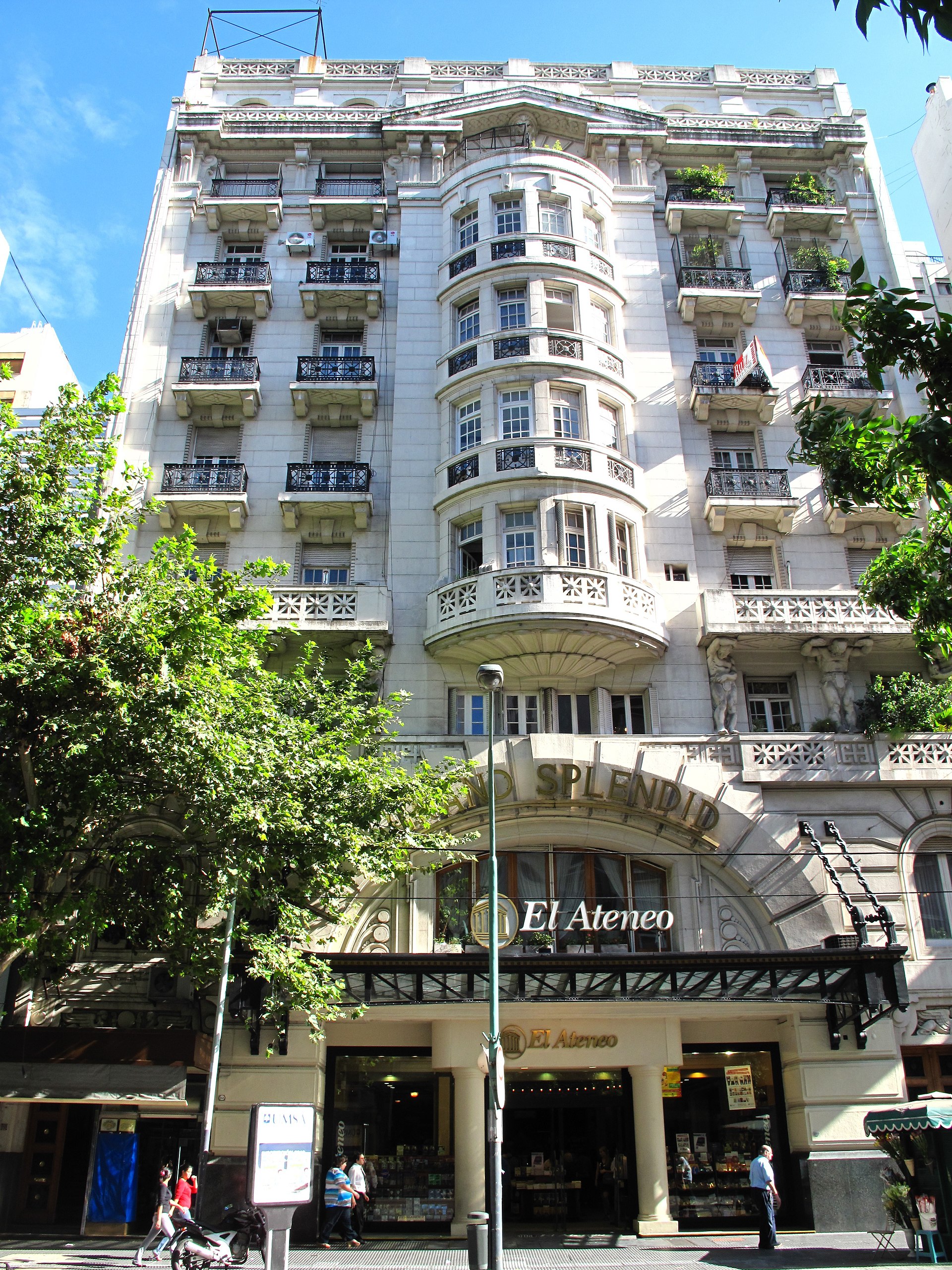
El Ateneo Grand Splendid
Av. Santa Fe 1860, Recoleta, Buenos Aires
El Ateneo Grand Splendid is the most beautiful bookshop in the world — a 1919 theatre converted into a bookstore in 2000 that preserved the ornate ceiling frescoes, the gilded balconies, the crimson stage curtain, and the theatre boxes (now reading nooks) while filling the auditorium floor with bookshelves.
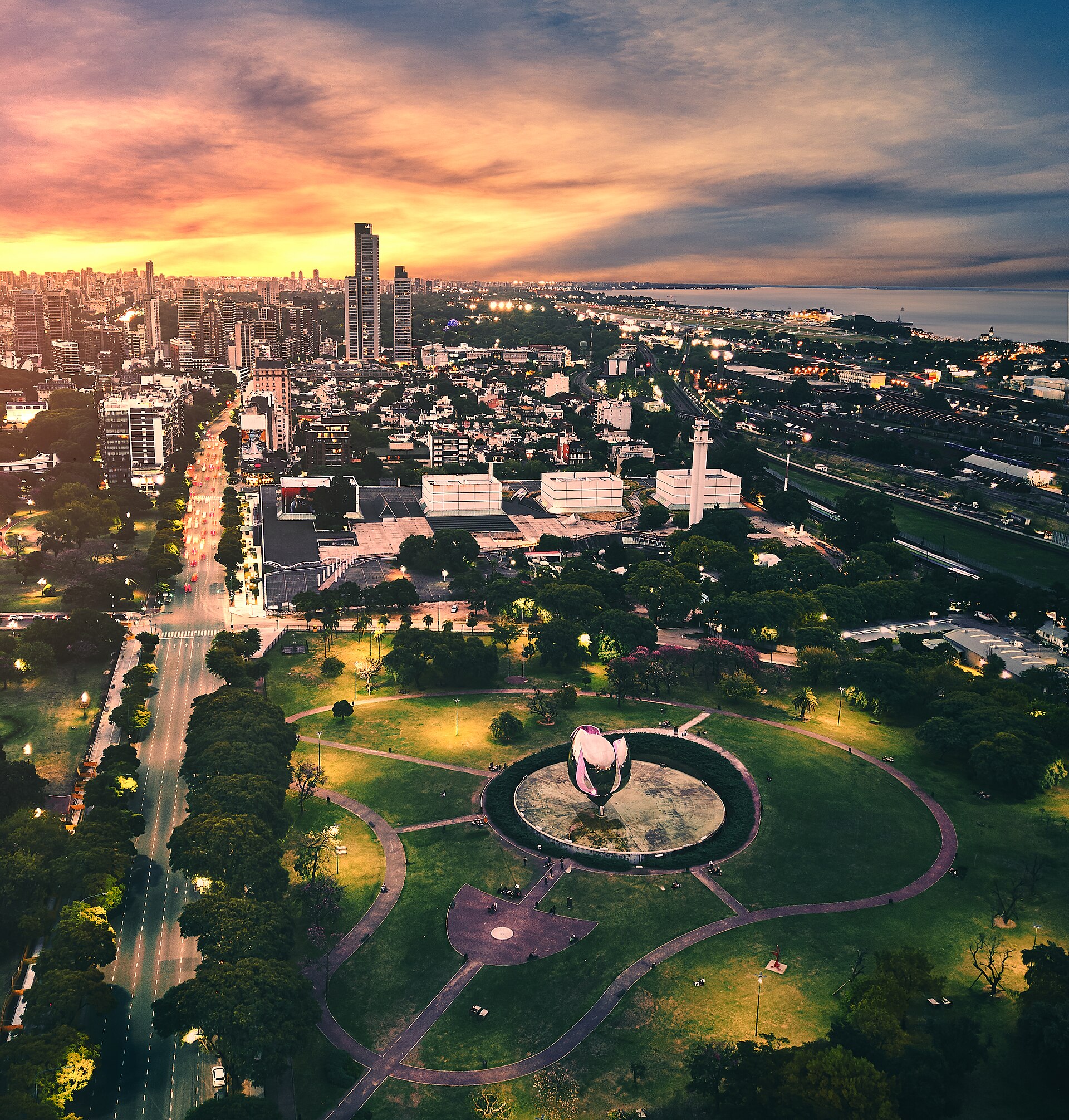
Floralis Genérica
2263 Avenida Presidente Figueroa Alcorta, Comuna 2, Buenos Aires, B1752, Argentina
Floralis Genérica is a 23-metre-tall steel and aluminium flower sculpture in the Plaza de las Naciones Unidas that opens its petals every morning and closes them every evening — a kinetic artwork that uses hydraulic mechanisms to track the sun like a real flower.
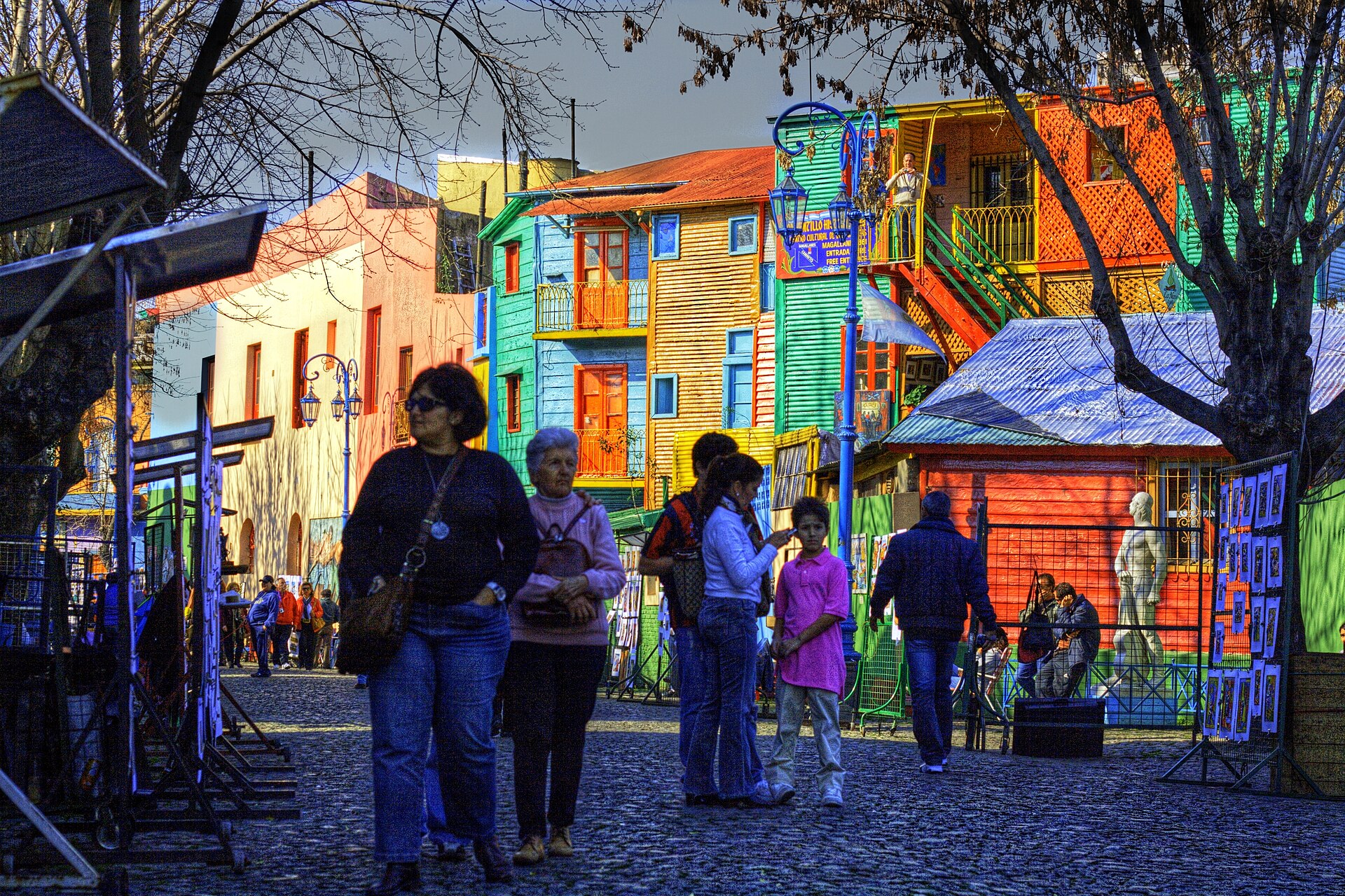
La Boca & Caminito
Buenos Aires, Argentina
La Boca is Buenos Aires' most colourful neighbourhood — a working-class district at the mouth of the Riachuelo River where Italian immigrant shipyard workers painted their corrugated-iron houses with leftover ship paint, creating the rainbow streetscape that has become the defining image of the city.
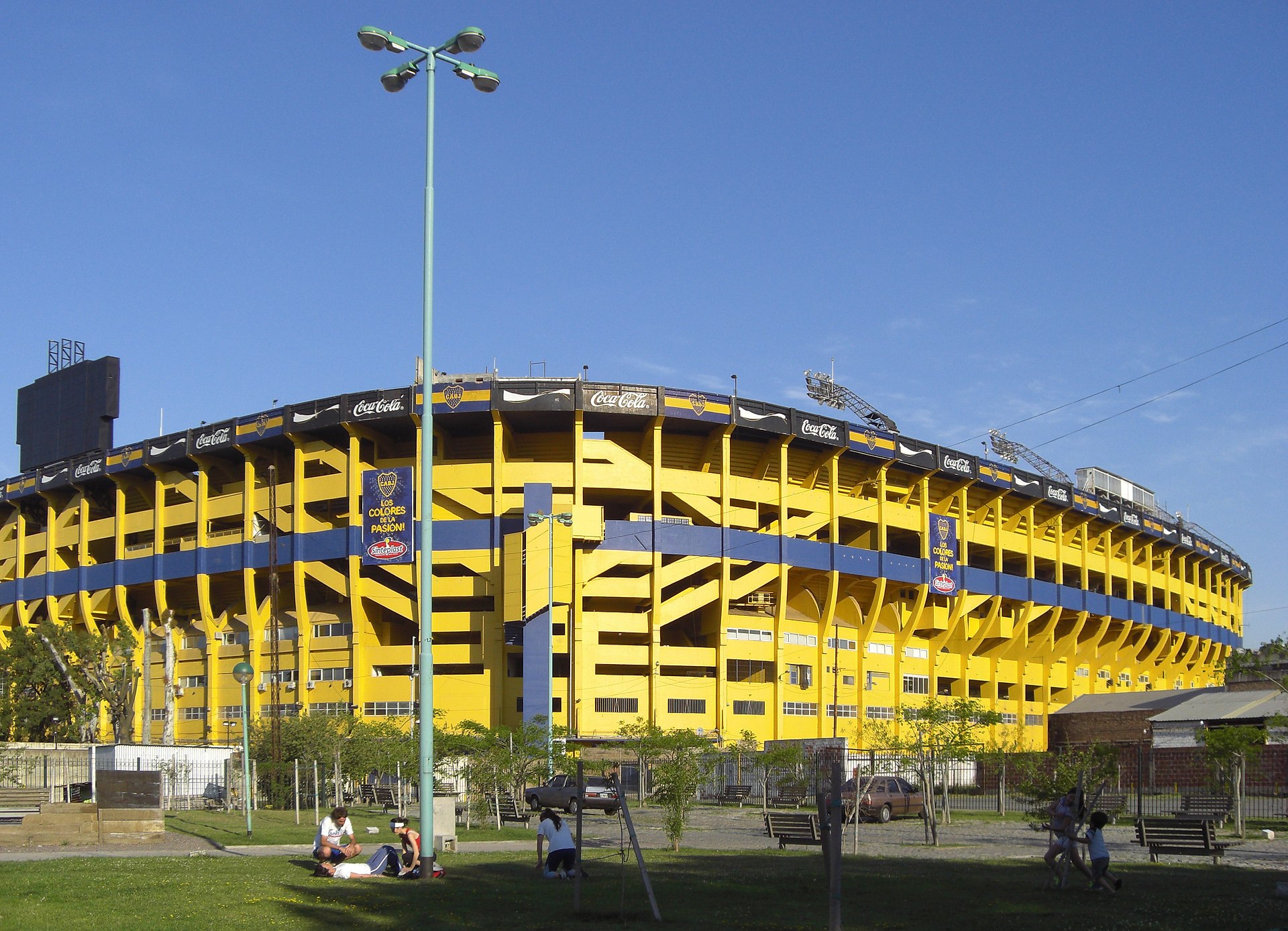
La Bombonera (Boca Juniors Stadium)
Brandsen 805, La Boca, Buenos Aires
La Bombonera is the most famous football stadium in South America — a 54,000-seat cauldron in La Boca that has been home to Boca Juniors since 1940 and is named "The Chocolate Box" for its distinctive rectangular shape with one steep, towering stand.
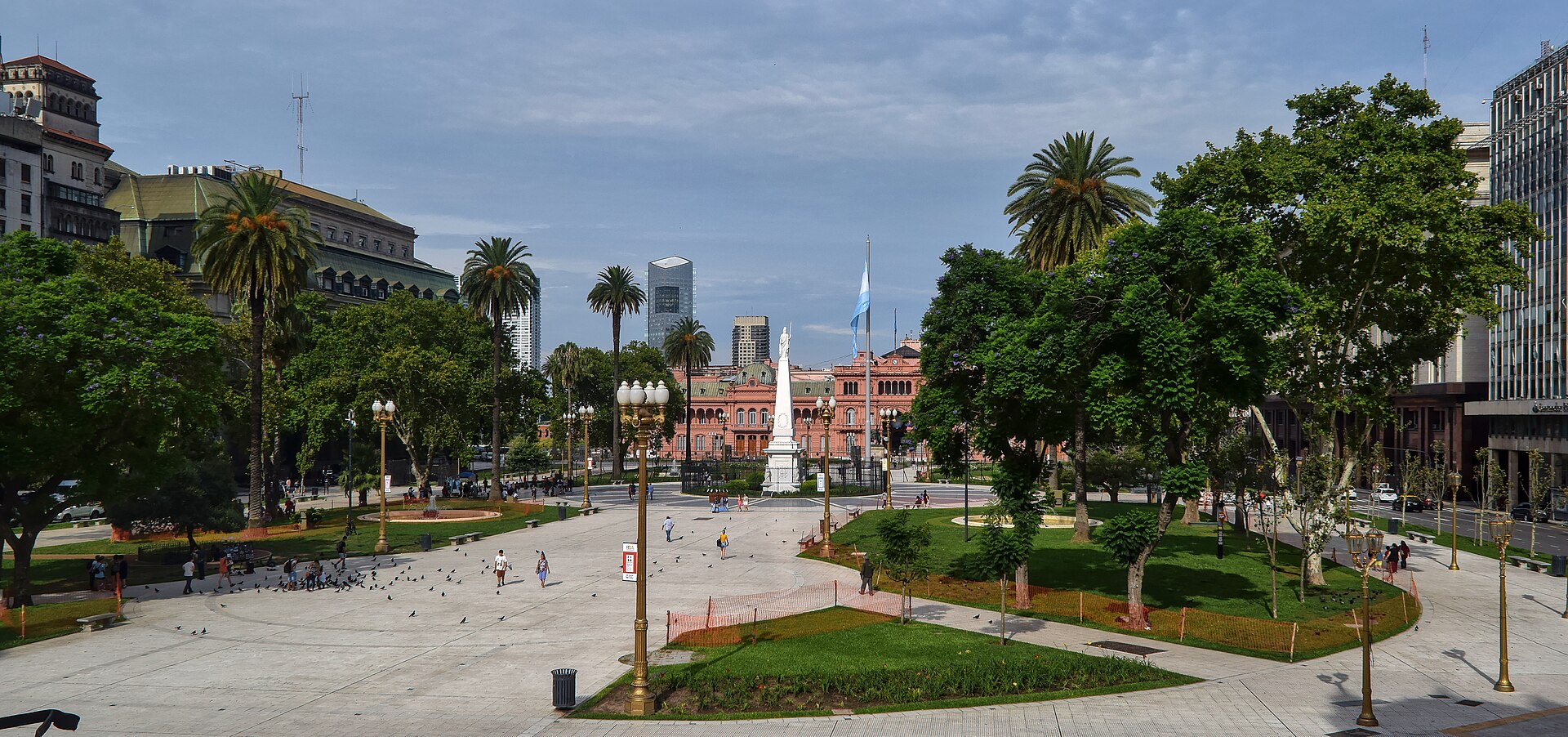
Plaza de Mayo
Plaza de Mayo, Monserrat, Buenos Aires
Plaza de Mayo is the political heart of Argentina — the square where every major event in the nation's history has played out, from the May Revolution of 1810 that gave the plaza its name to Eva Perón's balcony speeches to the Mothers of the Plaza de Mayo who marched every Thursday for decades demanding information about their children 'disappeared' by the military dictatorship.
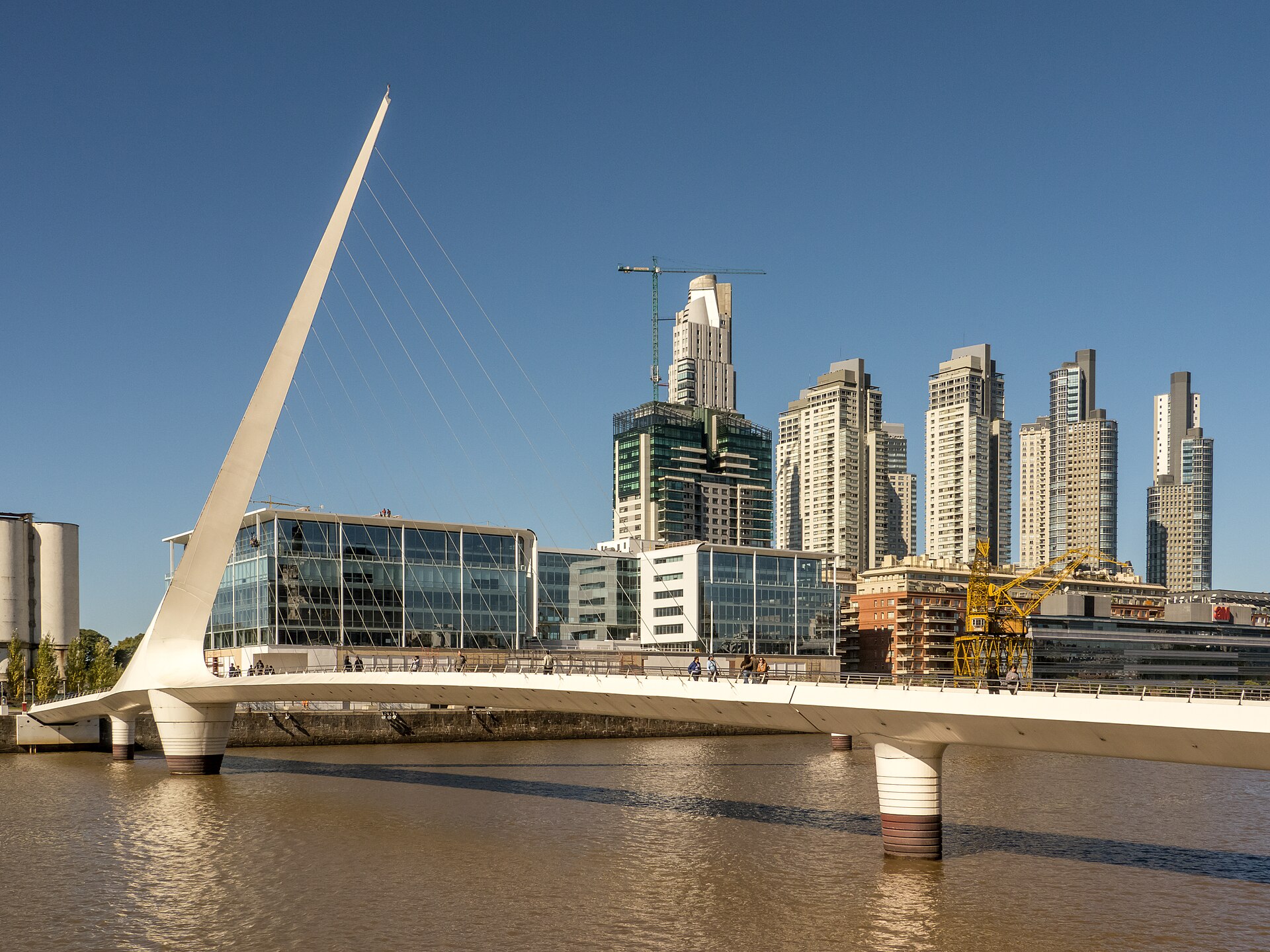
Puente de la Mujer
3 Duque de Abruzzi, Escobar, B1635, Argentina
The Puente de la Mujer (Bridge of the Woman) is a rotating pedestrian bridge in Puerto Madero designed by Spanish architect Santiago Calatrava — a 170-metre white steel structure whose asymmetric mast and cable stays are said to represent a couple dancing tango.
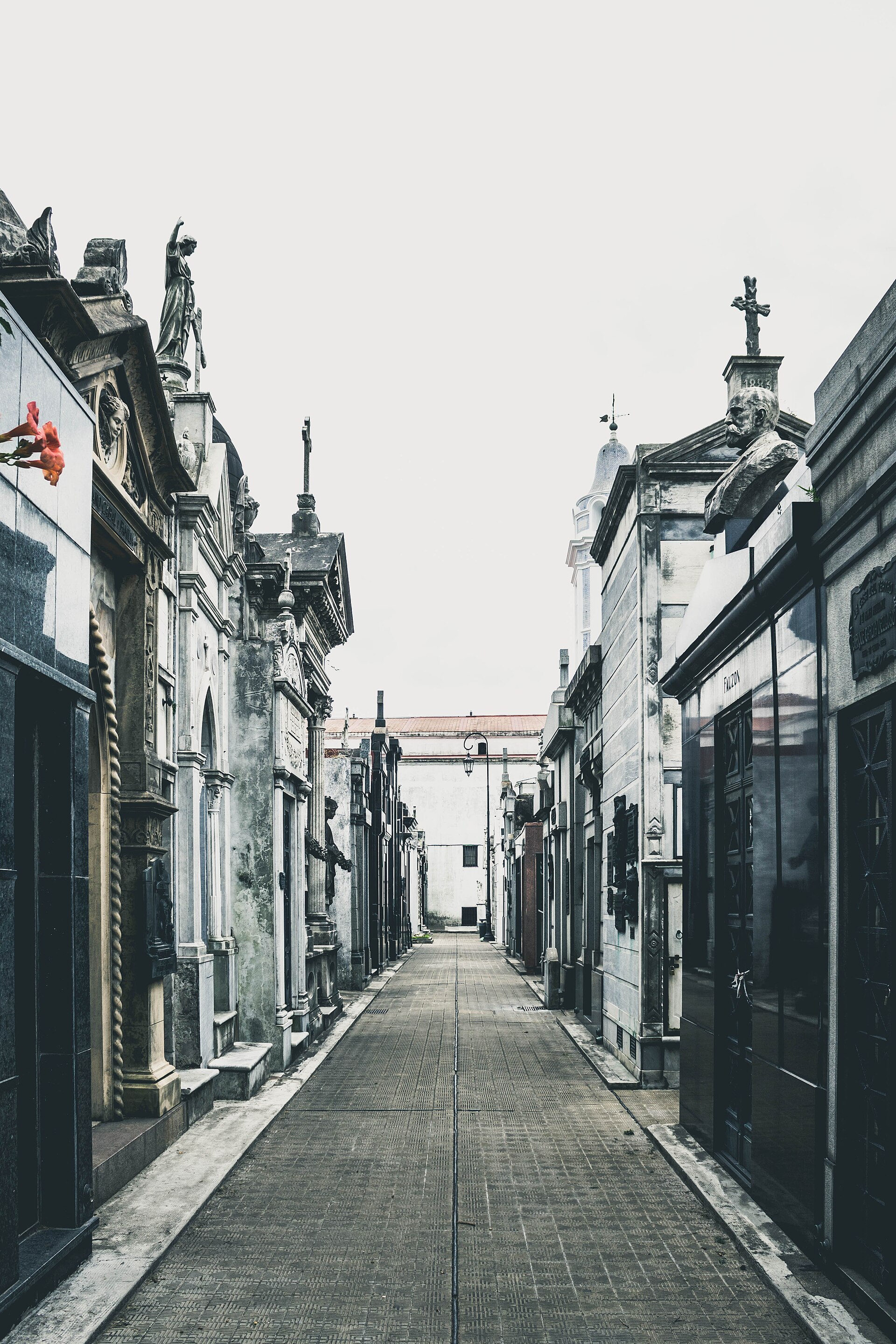
Recoleta Cemetery
1760 Junín, San Fernando, B1722, Argentina
Recoleta Cemetery is the most extraordinary burial ground in the Americas — a miniature city of 4,691 above-ground vaults arranged along tree-lined avenues, housing the remains of Argentina's presidents, generals, Nobel laureates, and oligarchs in marble mausoleums that range from restrained neoclassical to full-blown Art Nouveau fantasy.
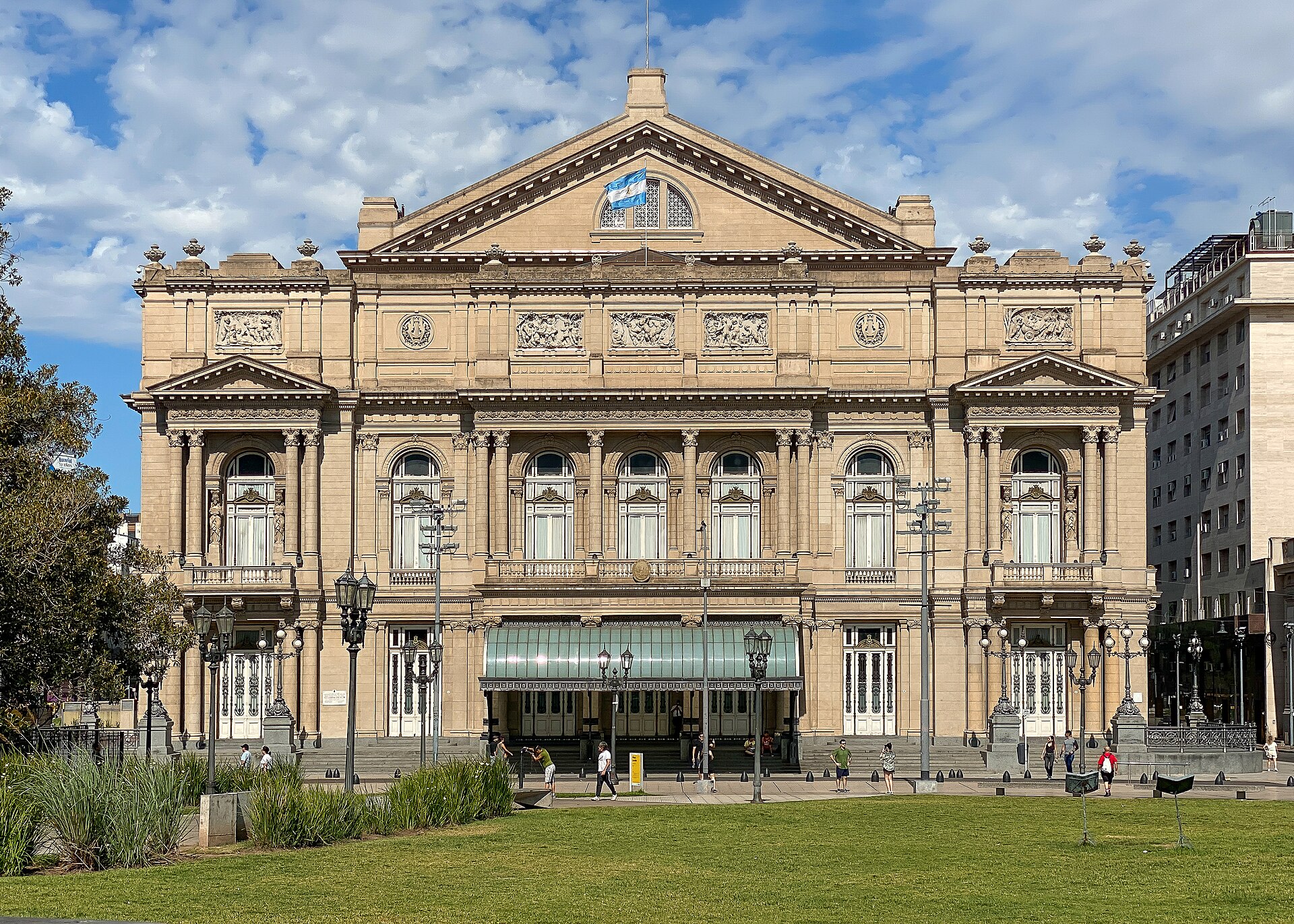
Teatro Colón
Cerrito 628, Buenos Aires
Teatro Colón is one of the greatest opera houses in the world — a 2,487-seat horseshoe auditorium completed in 1908 that is consistently ranked alongside La Scala, the Vienna Staatsoper, and the Paris Opéra for the quality of its acoustics and the splendour of its interior.
Explore iconic in Buenos Aires
GPS-guided narration at every landmark. Tap a spot on the map, hear the story. Every fact verified.