19 Stunning Architecture Landmarks in Cairo
19 landmarks with verified facts and stories
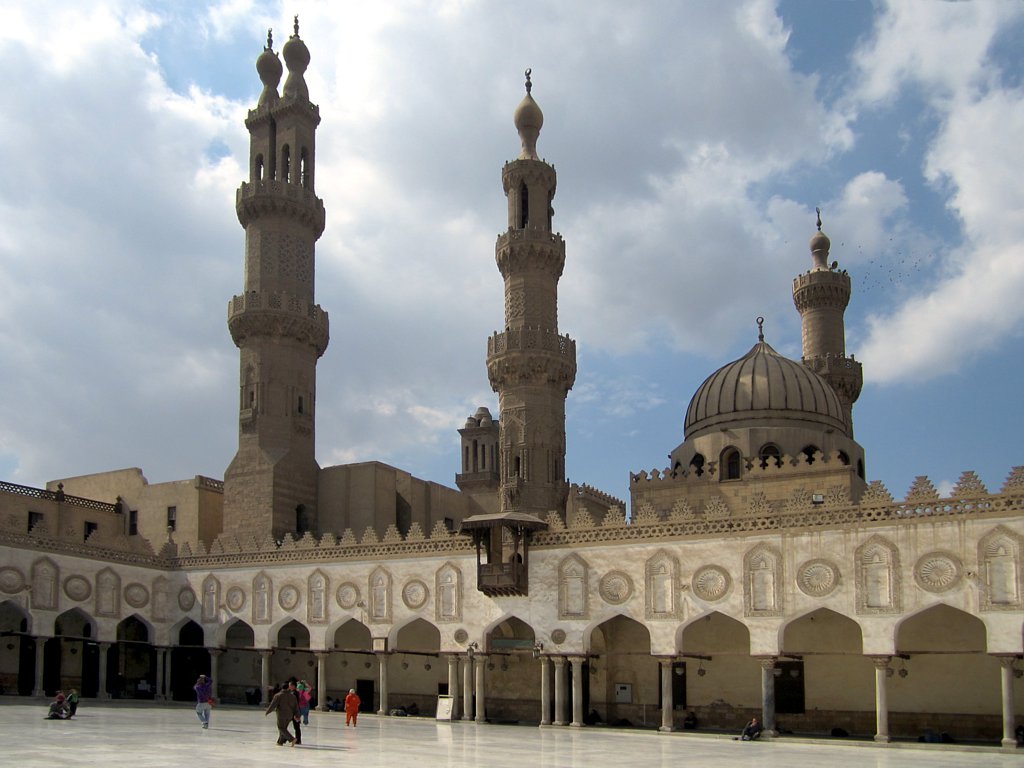
Al-Azhar Mosque
Cairo, United States
Al-Azhar Mosque is one of the most important religious institutions in the Islamic world — founded in 970 AD by the Fatimid dynasty as both a mosque and a university, making it one of the oldest continuously operating educational institutions on Earth.
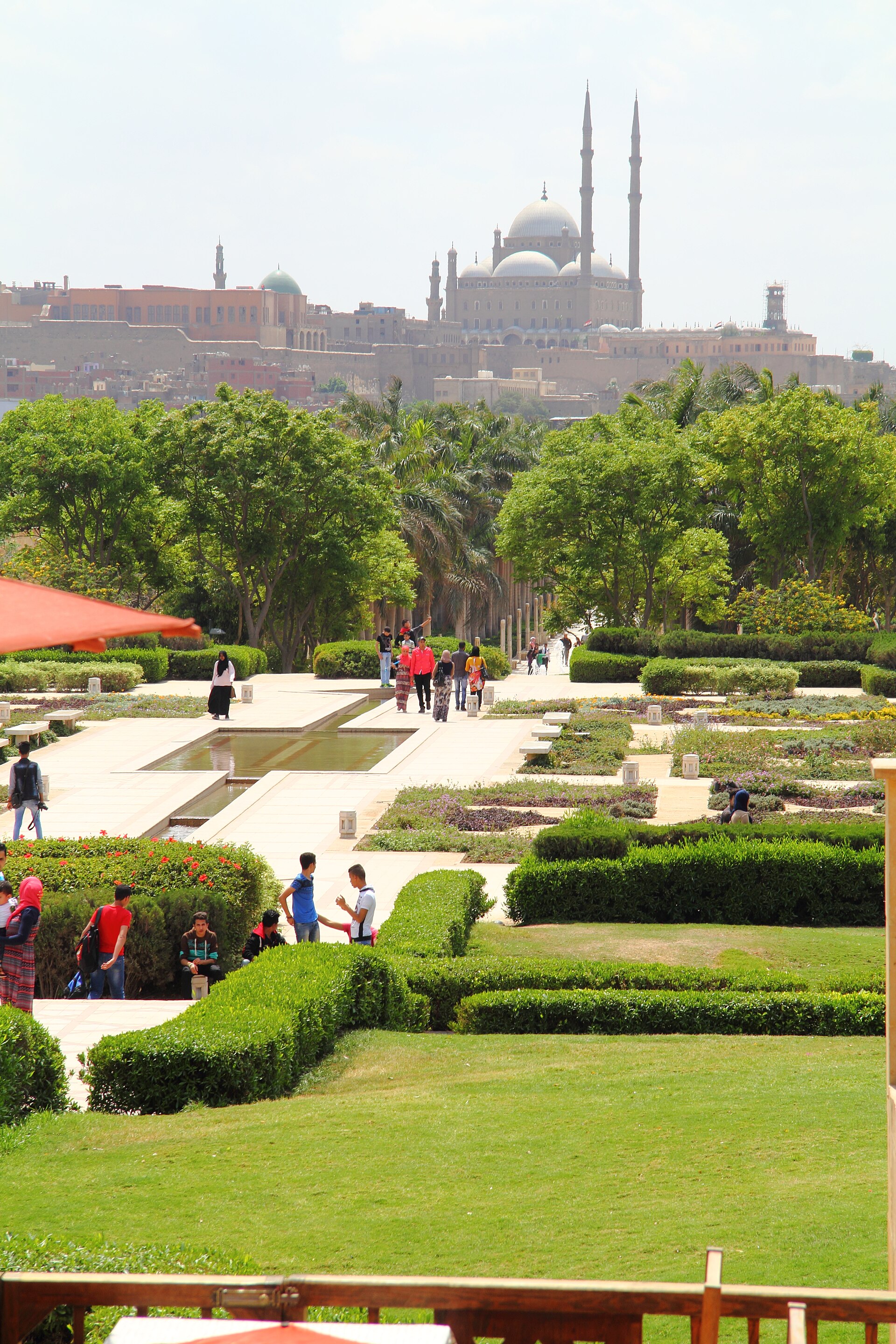
Al-Azhar Park
Salah Salem Street, Al Sarayat, Cairo, 11535, Egypt
Al-Azhar Park is Cairo's most beautiful green space — a 30-hectare park created by the Aga Khan Trust for Culture on a former rubbish dump on the edge of Islamic Cairo, opened in 2005 and providing the city with its first significant public park in over a century.
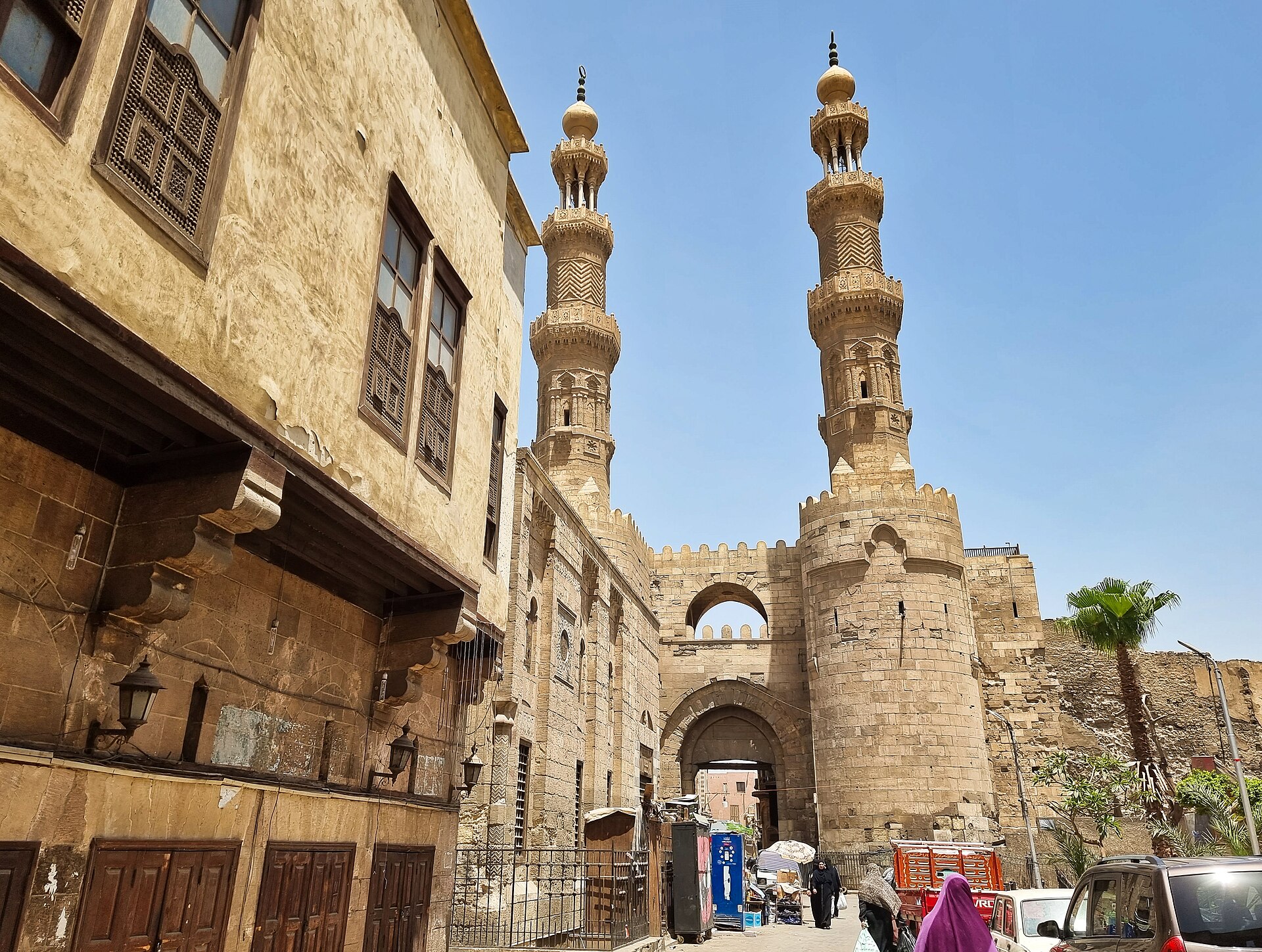
Bab Zuweila
Al Moez Ldin Allah Street, Darb Sa'Ada, Cairo, 11639, Egypt
Bab Zuweila is the last surviving gate of the Fatimid city walls — a massive 11th-century stone gateway with twin minarets that marks the southern entrance to Al-Muizz Street and Islamic Cairo's medieval core.
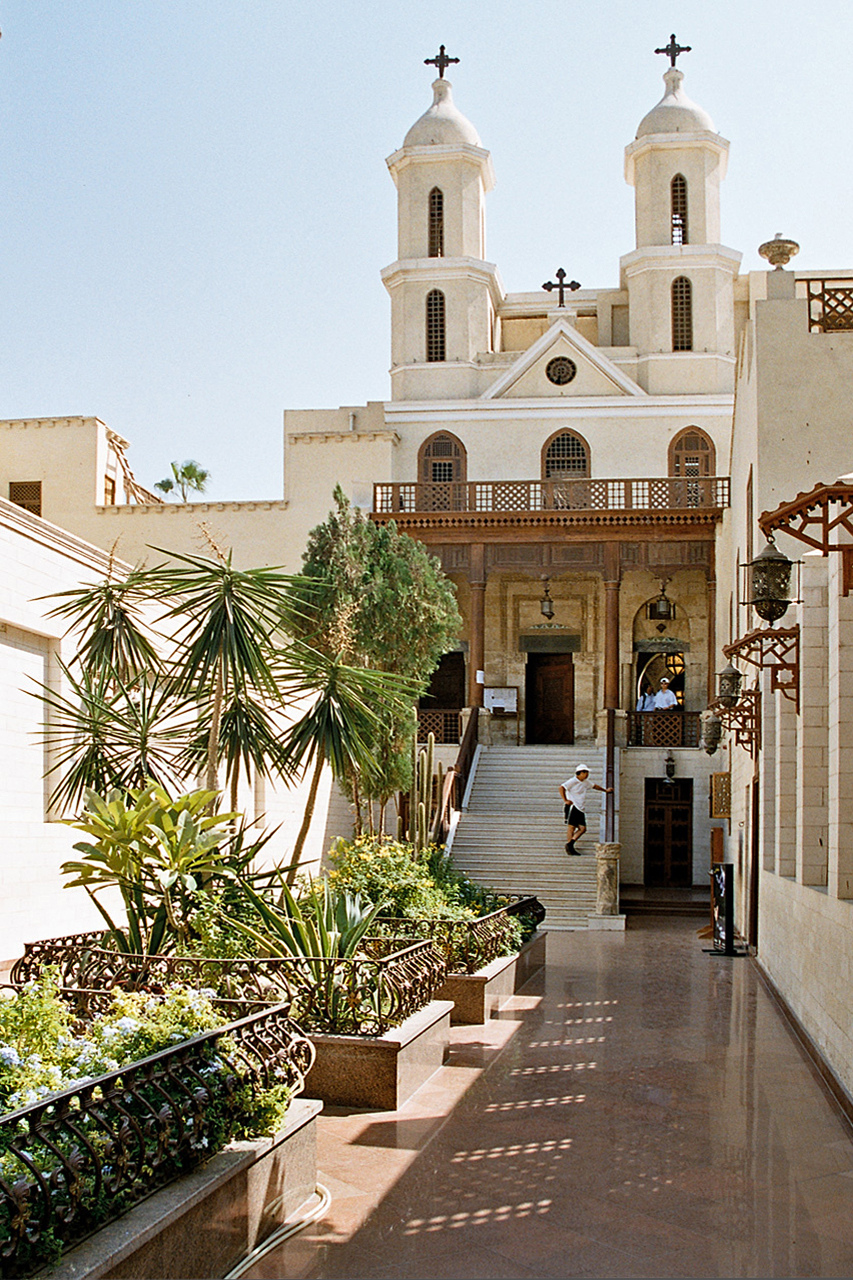
Coptic Cairo
Old Cairo, Cairo, Egypt
Coptic Cairo is the oldest part of the city — a walled enclave built on the site of the Roman fortress of Babylon that predates Islamic Cairo by six centuries and contains some of the oldest Christian churches in the world.
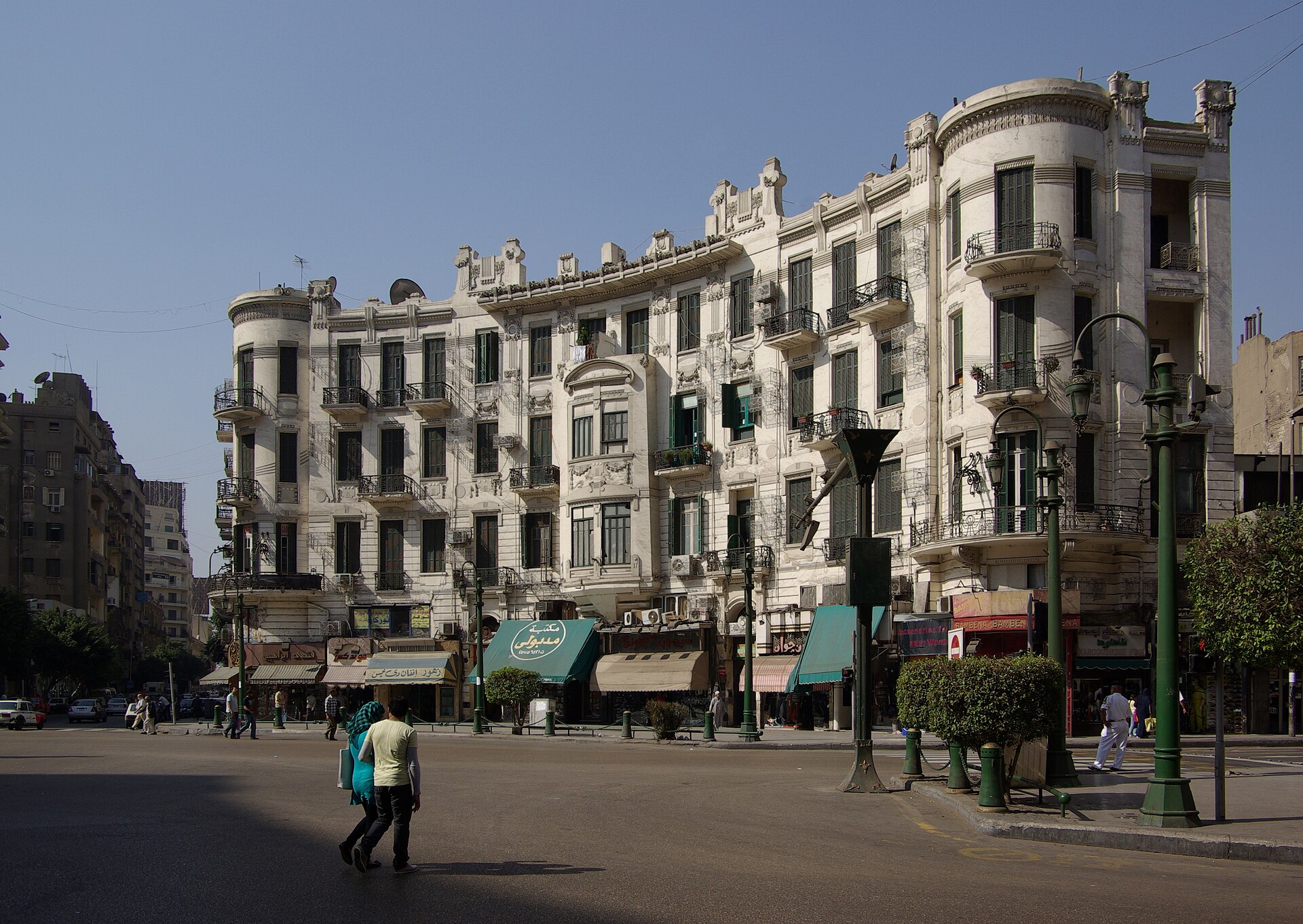
Downtown Cairo (Khedival Cairo)
Talaat Harb Street, Al Ismalia, Cairo, 11519, Egypt
Downtown Cairo is the city's faded European quarter — a grid of Belle Époque, Art Nouveau, and Art Deco buildings designed by European architects in the late 19th and early 20th centuries when Cairo was being rebuilt as a cosmopolitan capital modelled on Paris.
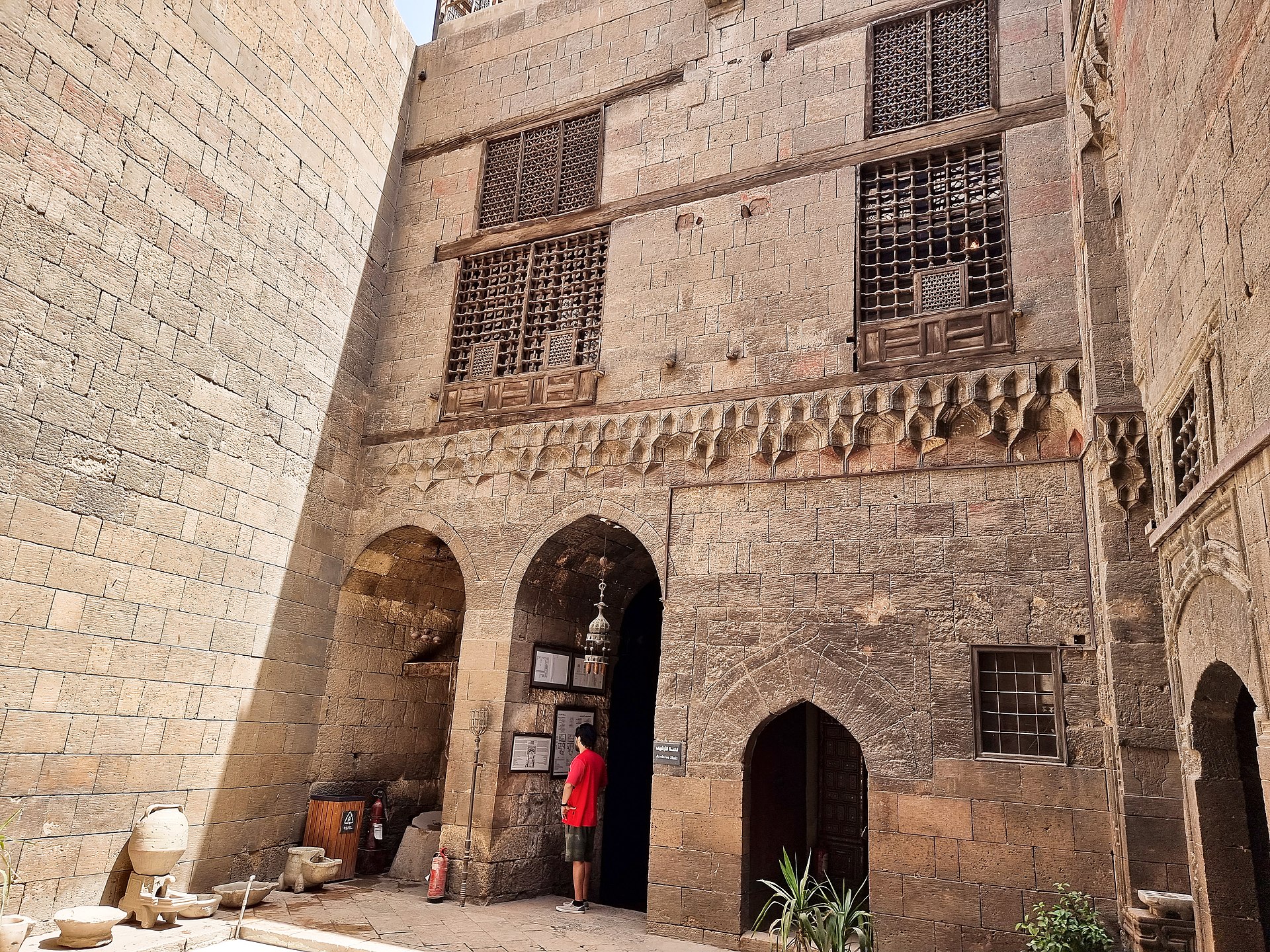
Gayer-Anderson Museum
Ahmad Ibn Tulun Street, El-Sayeda Zeinab, Cairo
The Gayer-Anderson Museum is one of Cairo's most charming hidden treasures — two 17th-century Ottoman houses connected by a bridge and filled with the eclectic collection of Major Robert Gayer-Anderson, a British army officer who lived in the houses from 1935 to 1942 and filled them with Islamic art, Chinese porcelain, Persian carpets, pharaonic antiquities, and the accumulated curiosities of a life spent collecting in Egypt and the Middle East.
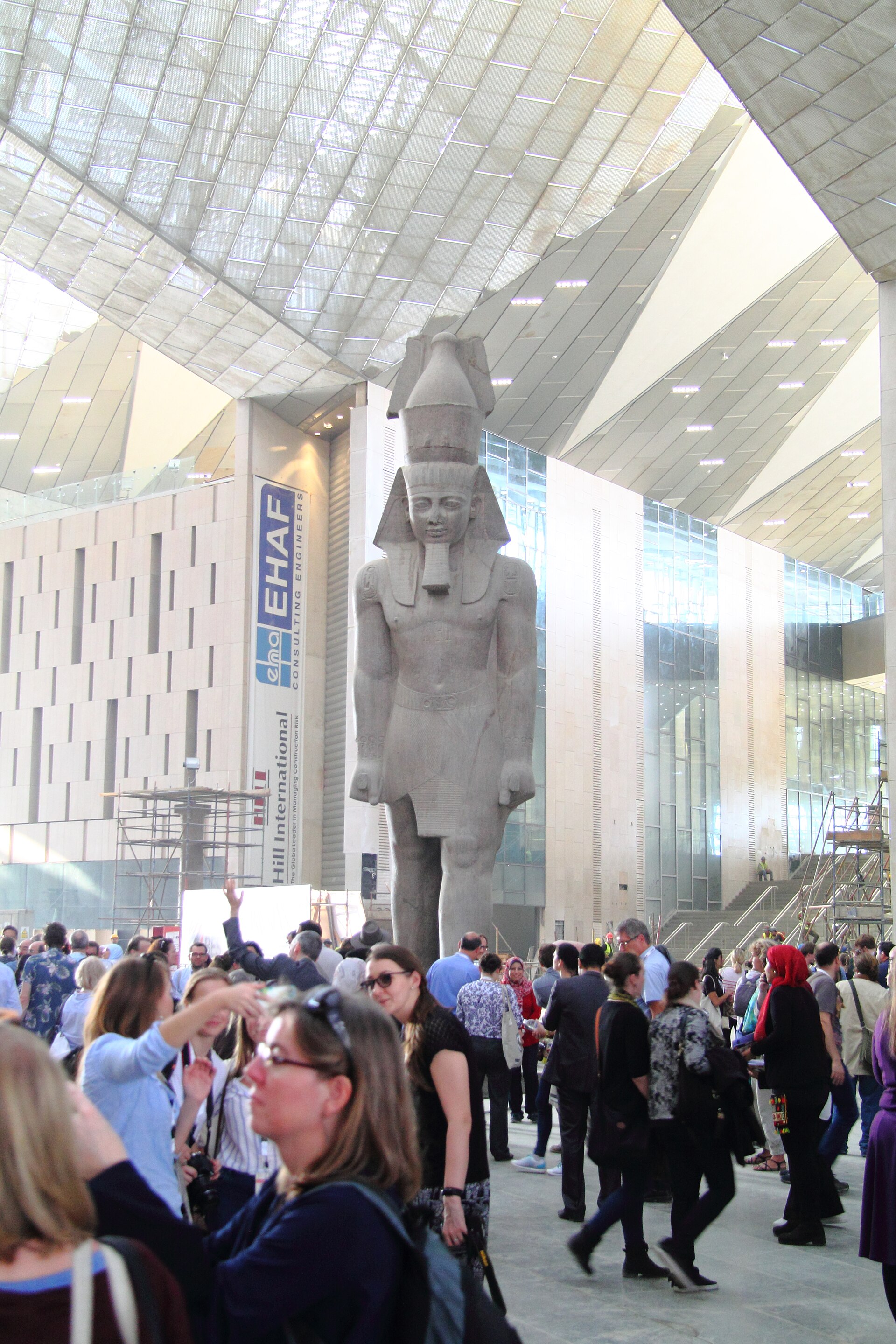
Grand Egyptian Museum (GEM)
Al Remaya Street, Kafr Nassar, Giza, 12559, Egypt
The Grand Egyptian Museum is the most ambitious museum project of the 21st century — a 490,000-square-metre complex near the Giza Pyramids designed to house the complete collection of Egyptian antiquities, including the entire Tutankhamun collection (5,400 objects, many never previously displayed) in a single purpose-built institution.
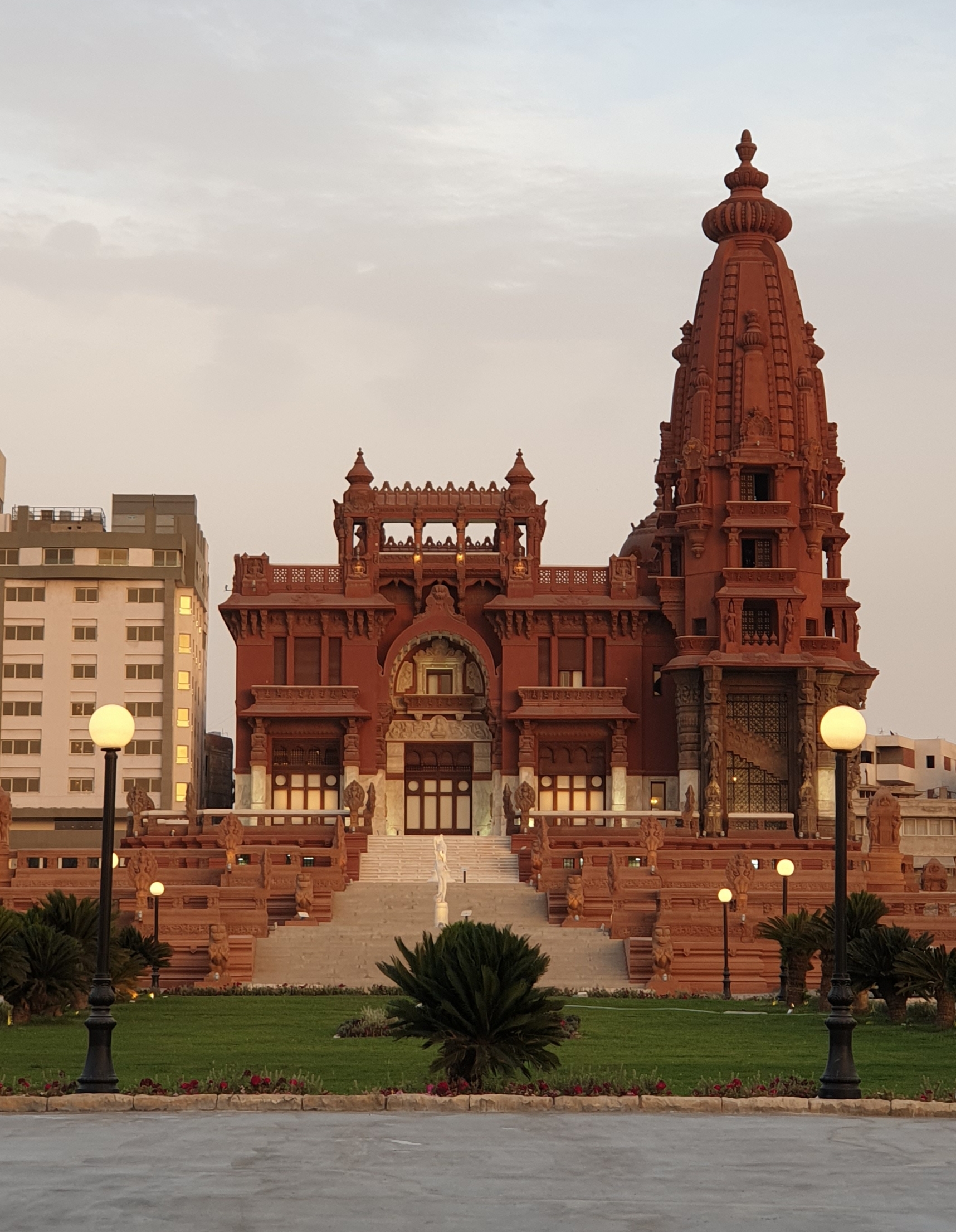
Heliopolis & Baron Empain Palace
Heliopolis, Cairo, Egypt
Heliopolis is Cairo's most architecturally distinctive suburb — a planned city built in the early 20th century by Belgian industrialist Baron Édouard Empain in an extraordinary mix of Moorish, Hindu, and Art Nouveau styles that created a satellite city in the desert northeast of Cairo.
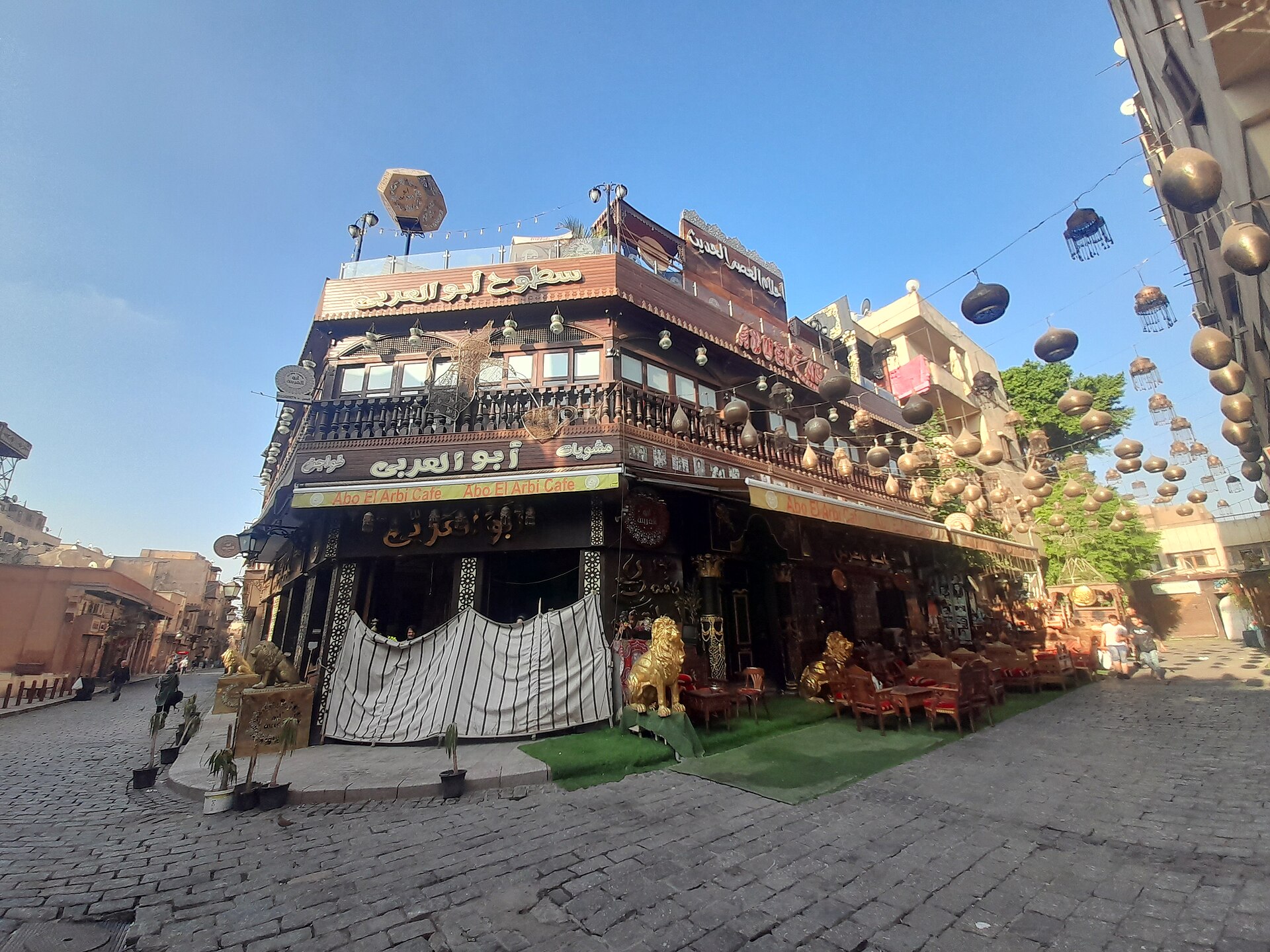
Islamic Cairo (Al-Muizz Street)
Cairo, Egypt
Al-Muizz Street is the most historically significant street in Cairo — a kilometre-long corridor through the heart of Islamic Cairo that contains the highest concentration of medieval Islamic architecture in the world.
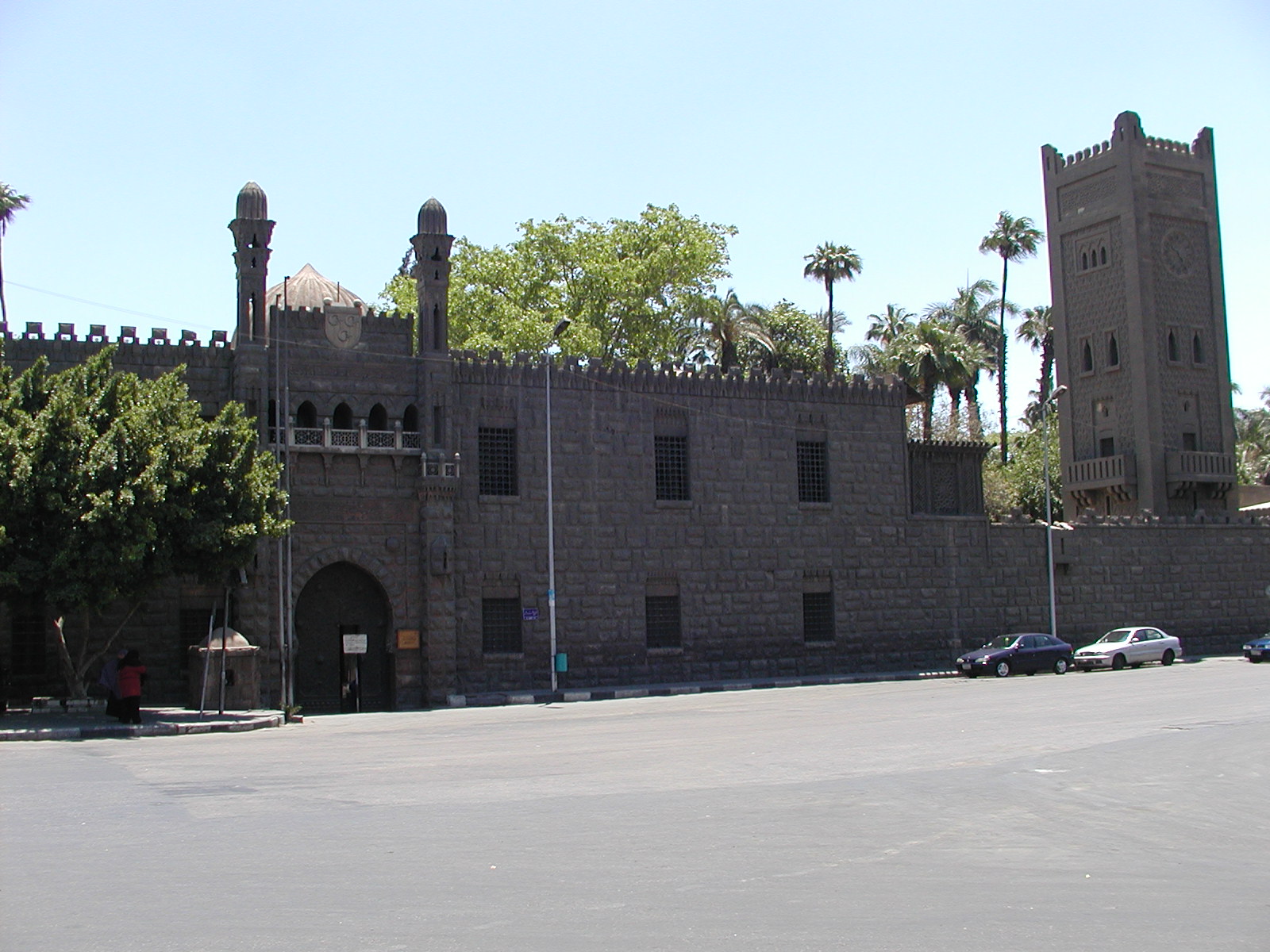
Manial Palace
1 Al Manial Street, Al Roda And Al Mekyas, Cairo, 11553, Egypt
The Manial Palace is the most beautiful palace museum in Cairo — a 19th-century royal residence on Rhoda Island in the Nile built by Prince Muhammad Ali Tewfik (uncle of King Farouk) in an eclectic mix of Ottoman, Moorish, Persian, and Rococo styles that is simultaneously overwhelming and exquisite.
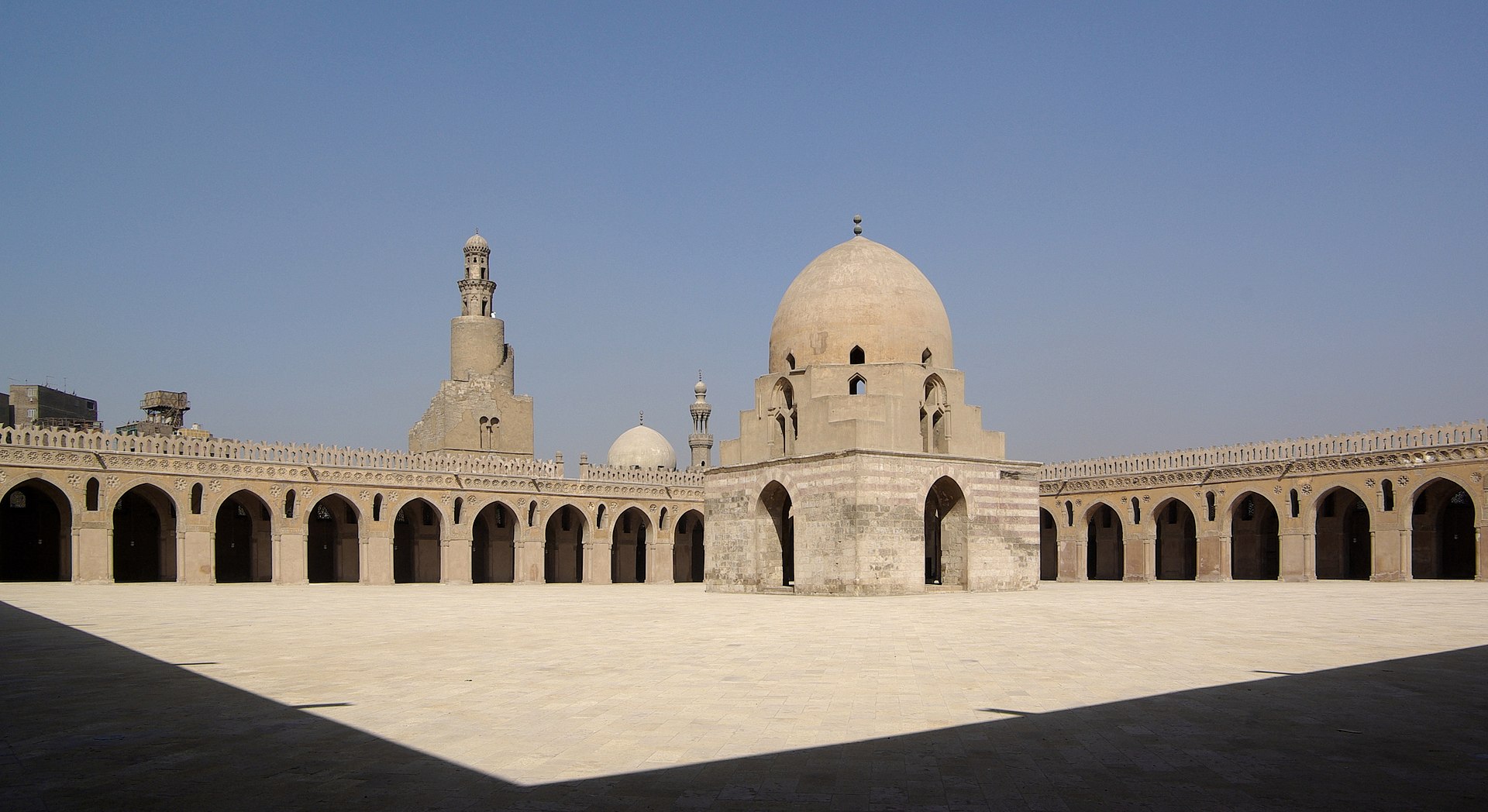
Mosque of Ibn Tulun
Ahmed Ibn Touloun Street, Army Housing, Cairo, 11797, Egypt
The Mosque of Ibn Tulun is the oldest mosque in Cairo that retains its original form — built between 876 and 879 AD by Ahmad ibn Tulun, the Abbasid governor who declared Egypt independent and built this mosque as the centrepiece of his new capital.
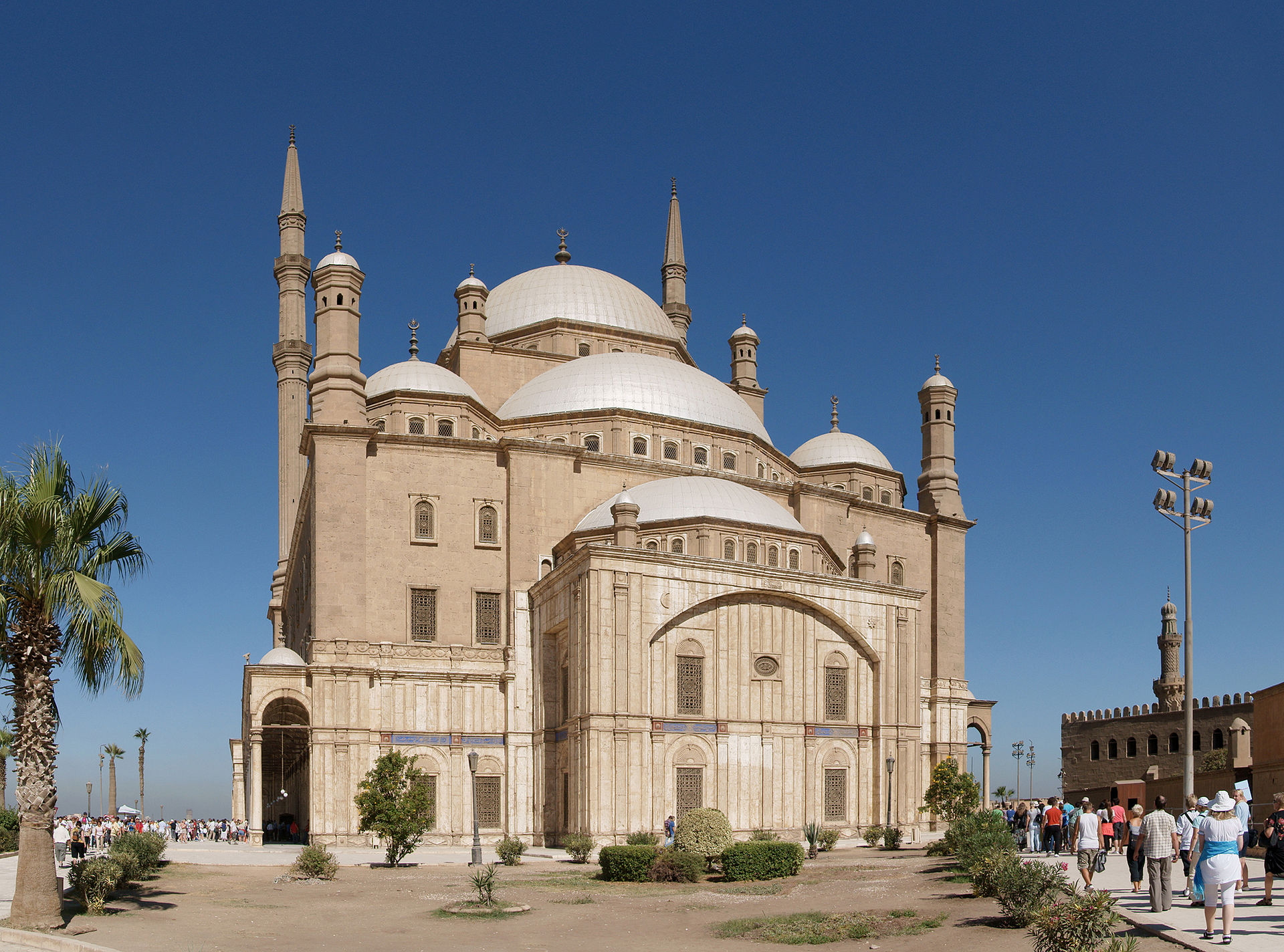
Mosque of Muhammad Ali
Citadel of Saladin, Al Abageyah, Cairo
The Mosque of Muhammad Ali is Cairo's most visible mosque — a massive Ottoman-style structure with an 82-metre dome and twin 84-metre minarets that dominates the Citadel of Saladin and the city's skyline.
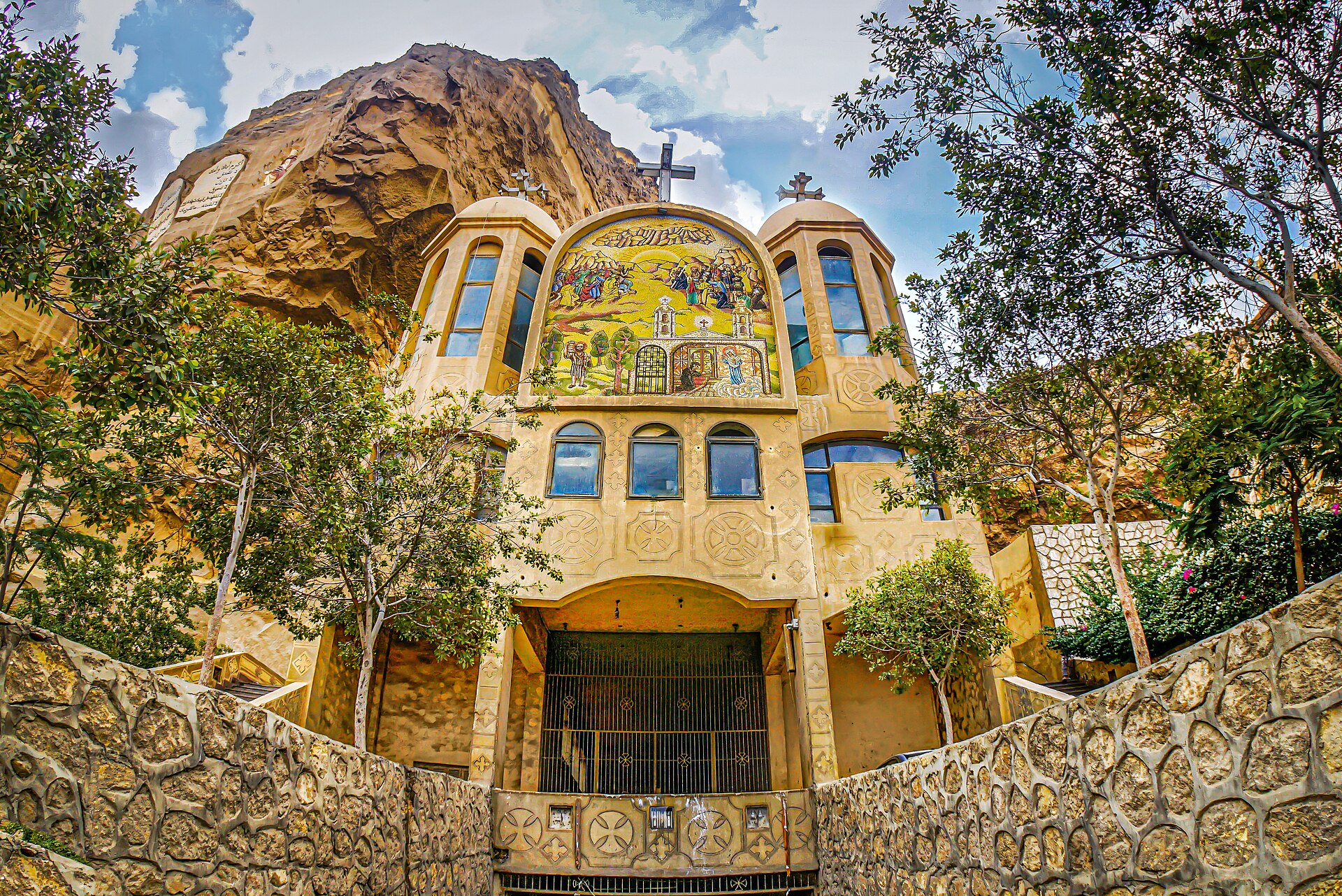
Muqattam Hills & Cave Church
Mokattam, Cairo
The Monastery of Saint Simon, better known as the Cave Church, is one of the most extraordinary religious spaces in the Middle East — a church carved into the cliffs of the Mokattam Hills that seats 20,000 people, making it the largest church in the Middle East and one of the largest in the world.
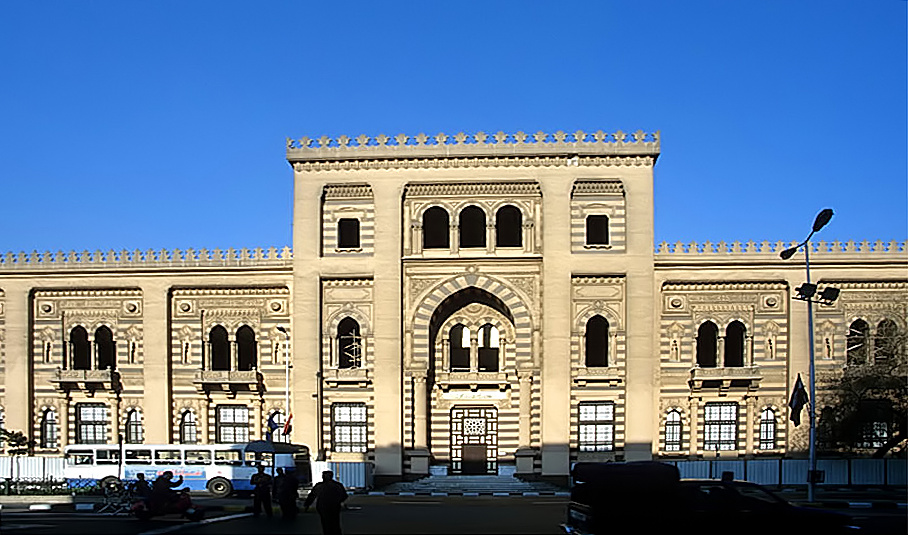
Museum of Islamic Art
Port Said Street, Bab al-Khalq, Cairo
The Museum of Islamic Art in Cairo is one of the finest collections of Islamic art in the world — over 100,000 objects spanning 1,400 years and the full geographic range of the Islamic world, from Umayyad Syria and Abbasid Iraq through Fatimid and Mamluk Egypt to Ottoman Turkey and Mughal India.
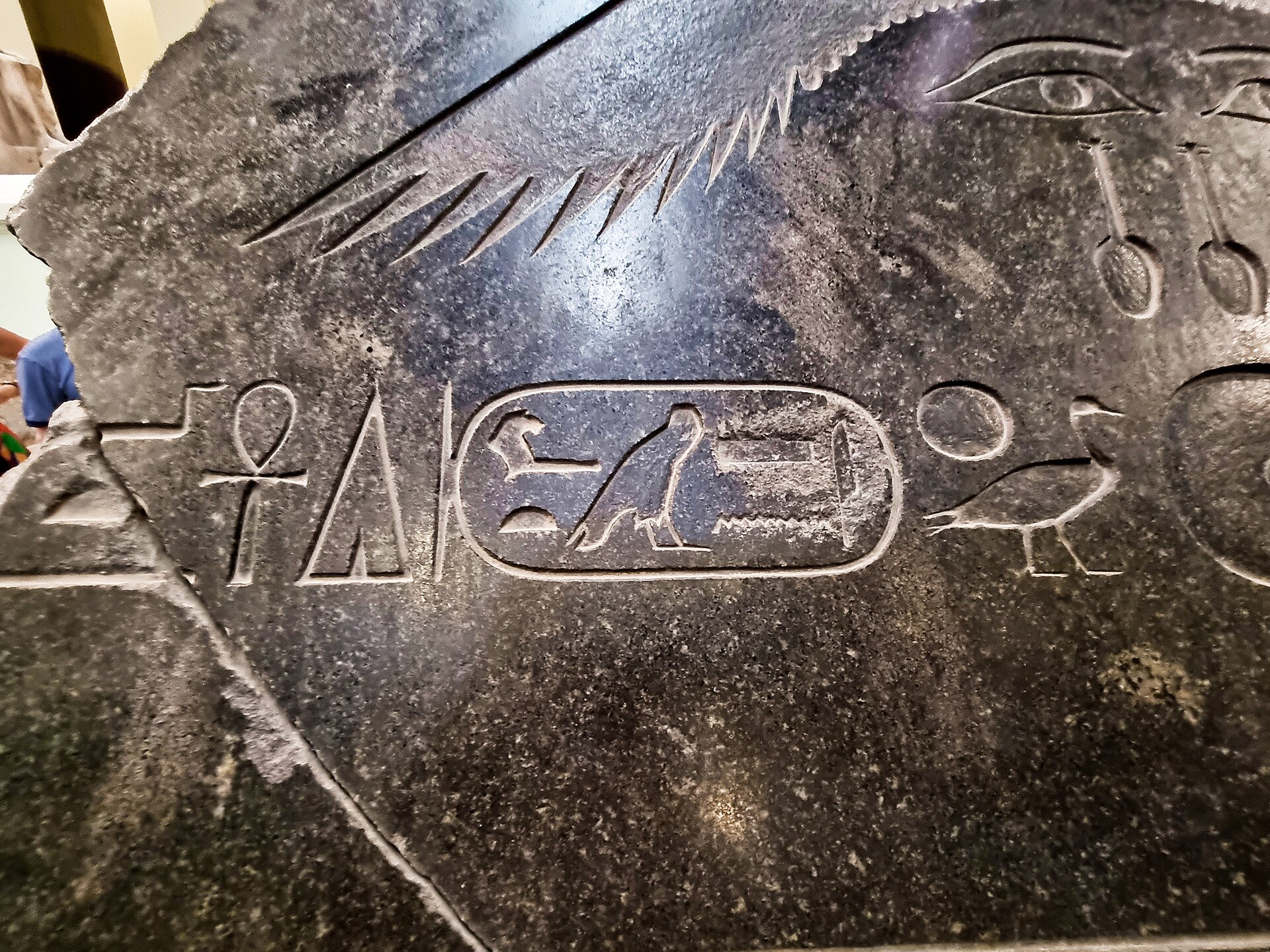
Pyramids of Dahshur
Dahshur, Giza Governorate, Egypt
Dahshur is where the Egyptians figured out how to build a true pyramid — a desert site 40 kilometres south of Cairo containing two of the most architecturally significant pyramids in Egypt: the Bent Pyramid and the Red Pyramid, both built by Pharaoh Sneferu around 2600 BC.
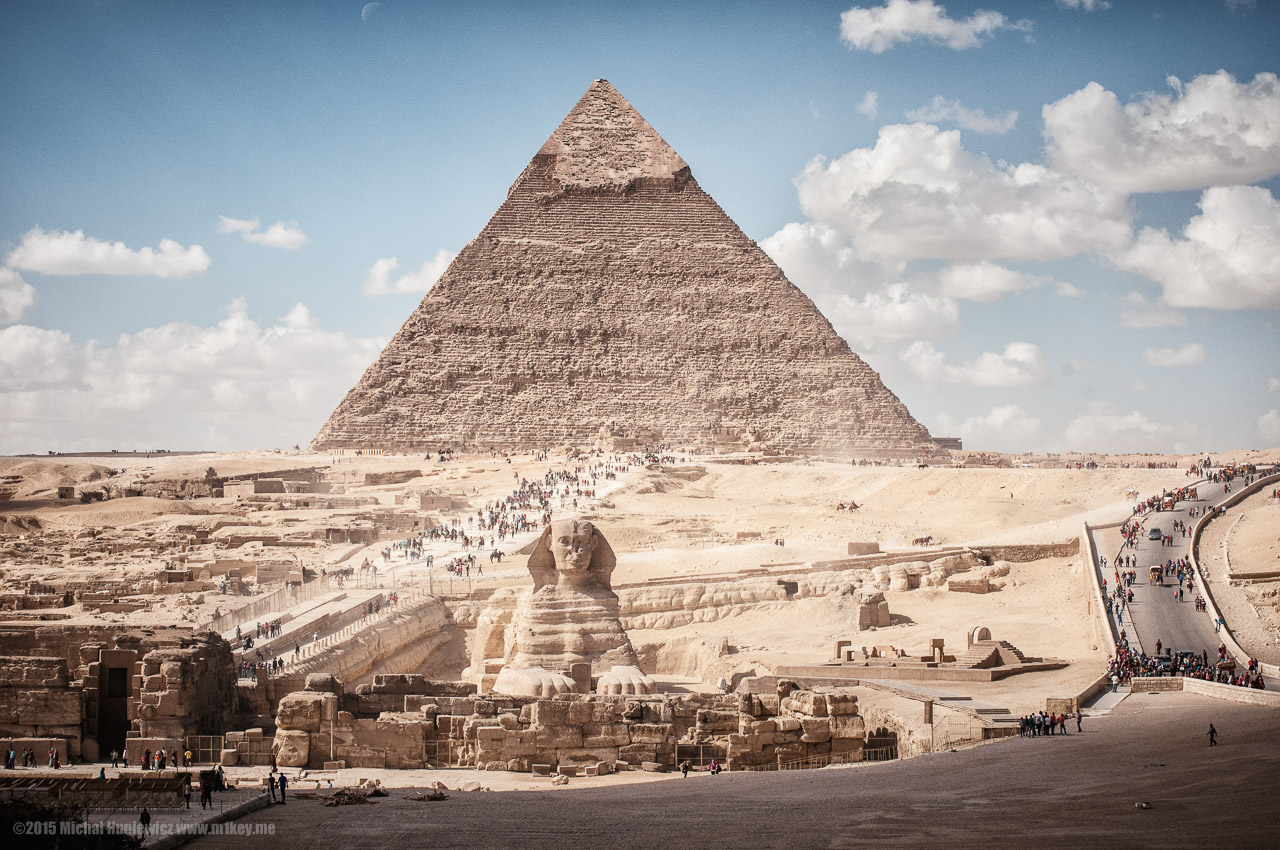
Pyramids of Giza & The Sphinx
Al Ahram Tunnel, First Al Omraneya, Giza, 12551, Egypt
The Pyramids of Giza are the last surviving Wonder of the Ancient World — three monumental tombs built 4,500 years ago for the pharaohs Khufu, Khafre, and Menkaure, standing on a limestone plateau at the edge of the Western Desert with the sprawl of modern Cairo visible in the haze behind them.
Saqqara Step Pyramid
Saqqara, Giza Governorate, Egypt
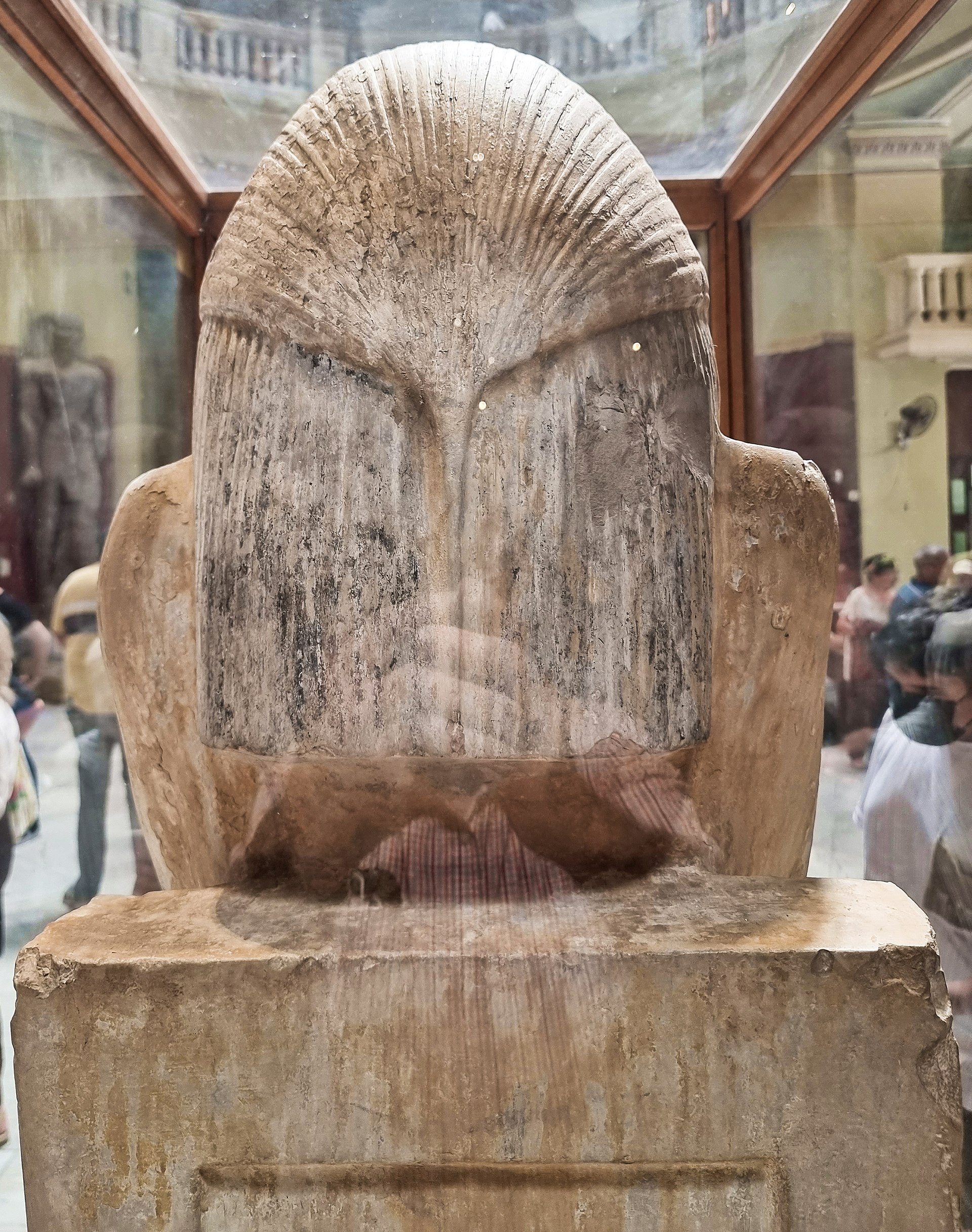
Saqqara is the necropolis that invented the pyramid — a vast desert plateau 30 kilometres south of Cairo where the Step Pyramid of Djoser, built around 2670 BC by the architect Imhotep, represents the first monumental stone structure in human history.
Sultan Hassan Mosque
Al Sultan Hassan Street, Al Helmia, Cairo, 11655, Egypt
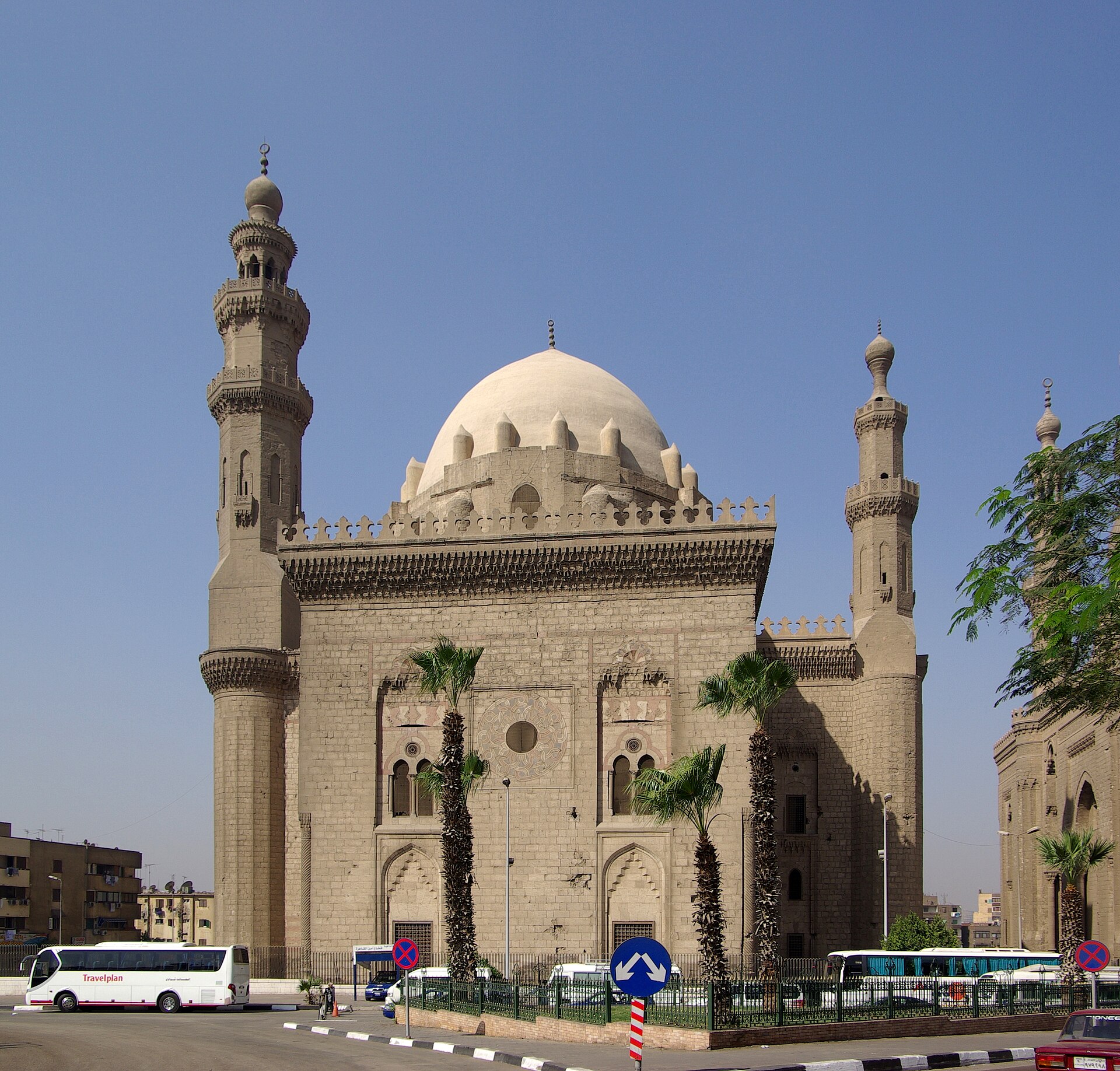
The Sultan Hassan Mosque is the largest and most ambitious mosque of the Mamluk period — a massive stone complex built between 1356 and 1363 that architectural historians consider one of the masterpieces of Islamic architecture worldwide.
The Citadel of Saladin
Al Abageyah Street, Al Abageyya Housing, Cairo, 11636, Egypt
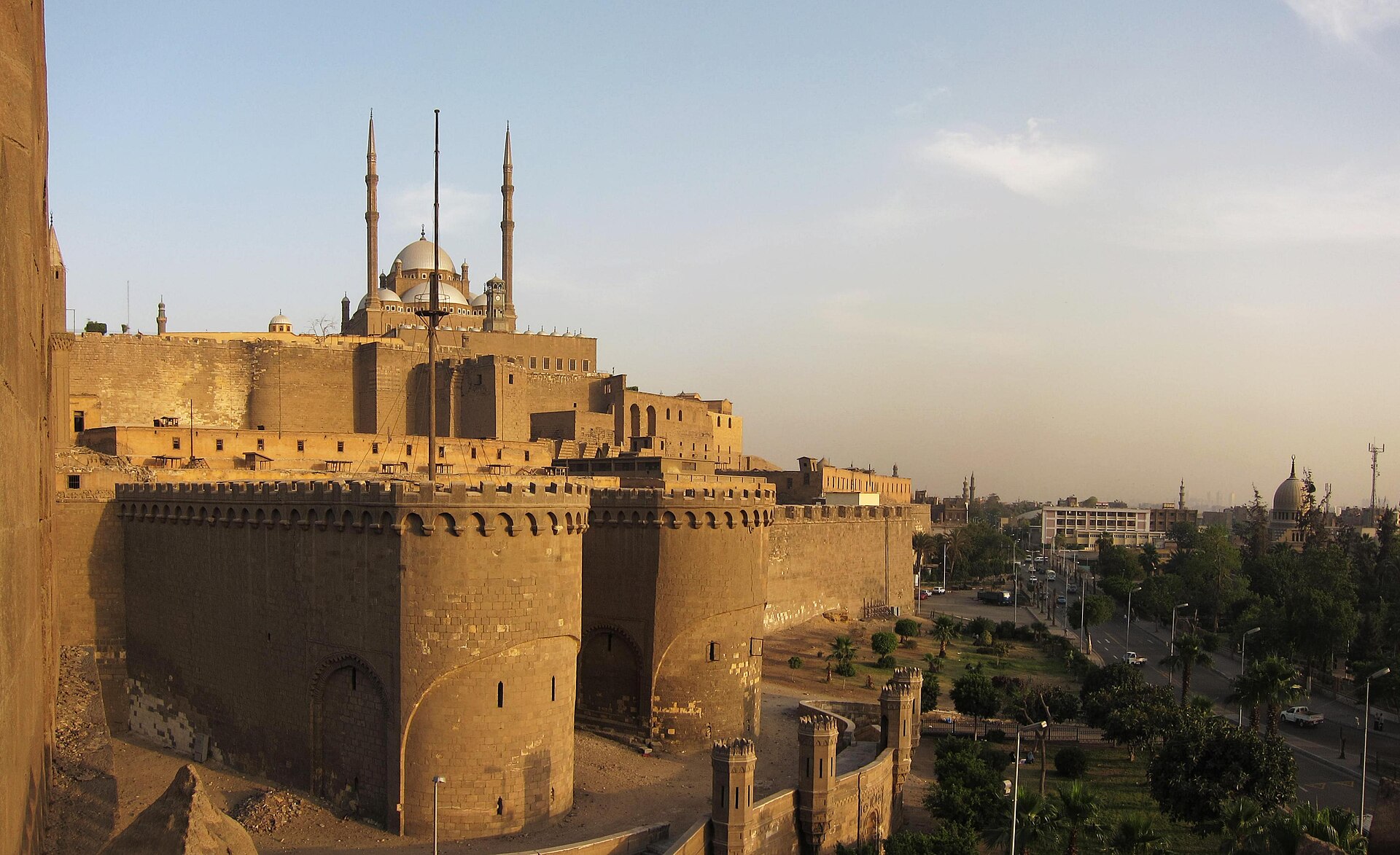
The Citadel of Saladin is the fortress that has dominated Cairo's skyline for over 800 years — built by the Ayyubid sultan Saladin beginning in 1176 as a defence against the Crusaders, and serving as the seat of Egyptian government for nearly 700 years until the 19th century.
Explore architecture in Cairo
GPS-guided narration at every landmark. Tap a spot on the map, hear the story. Every fact verified.