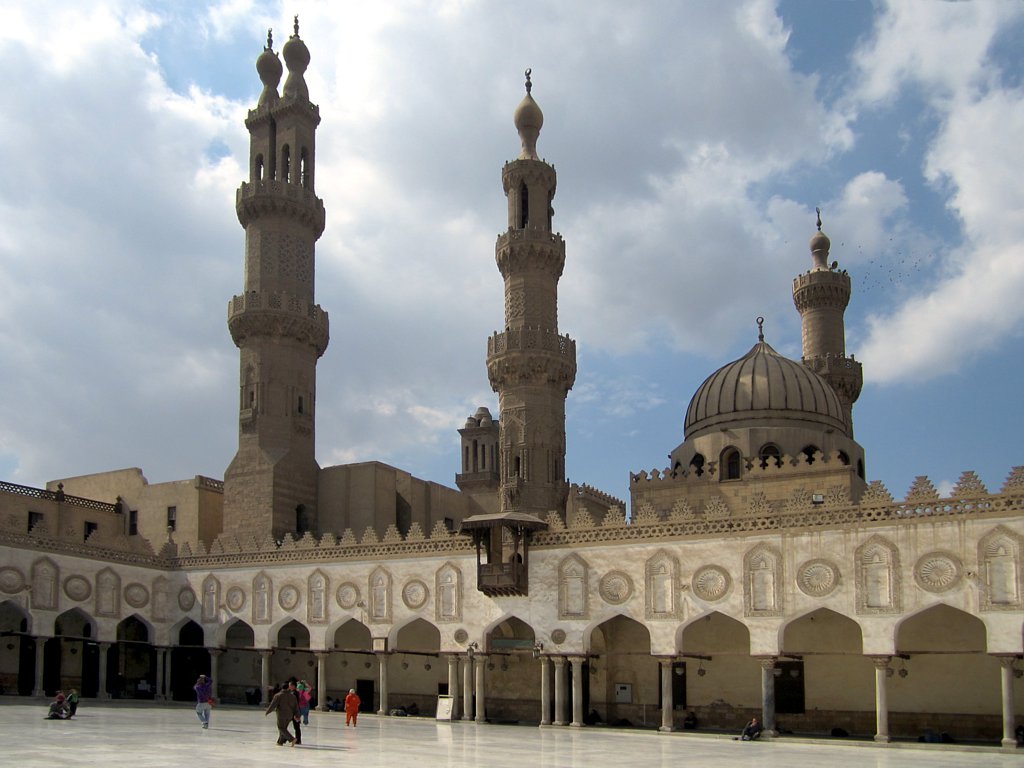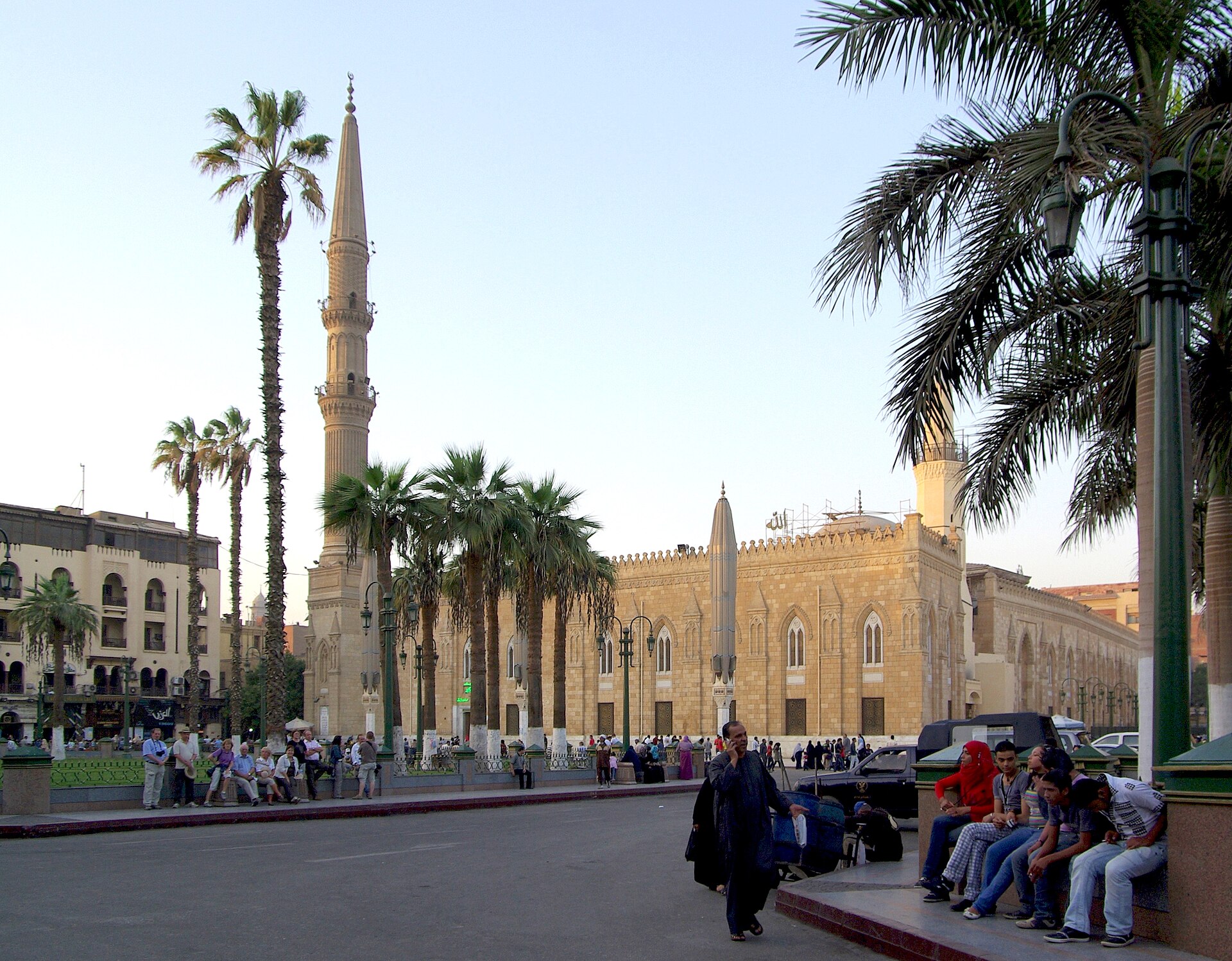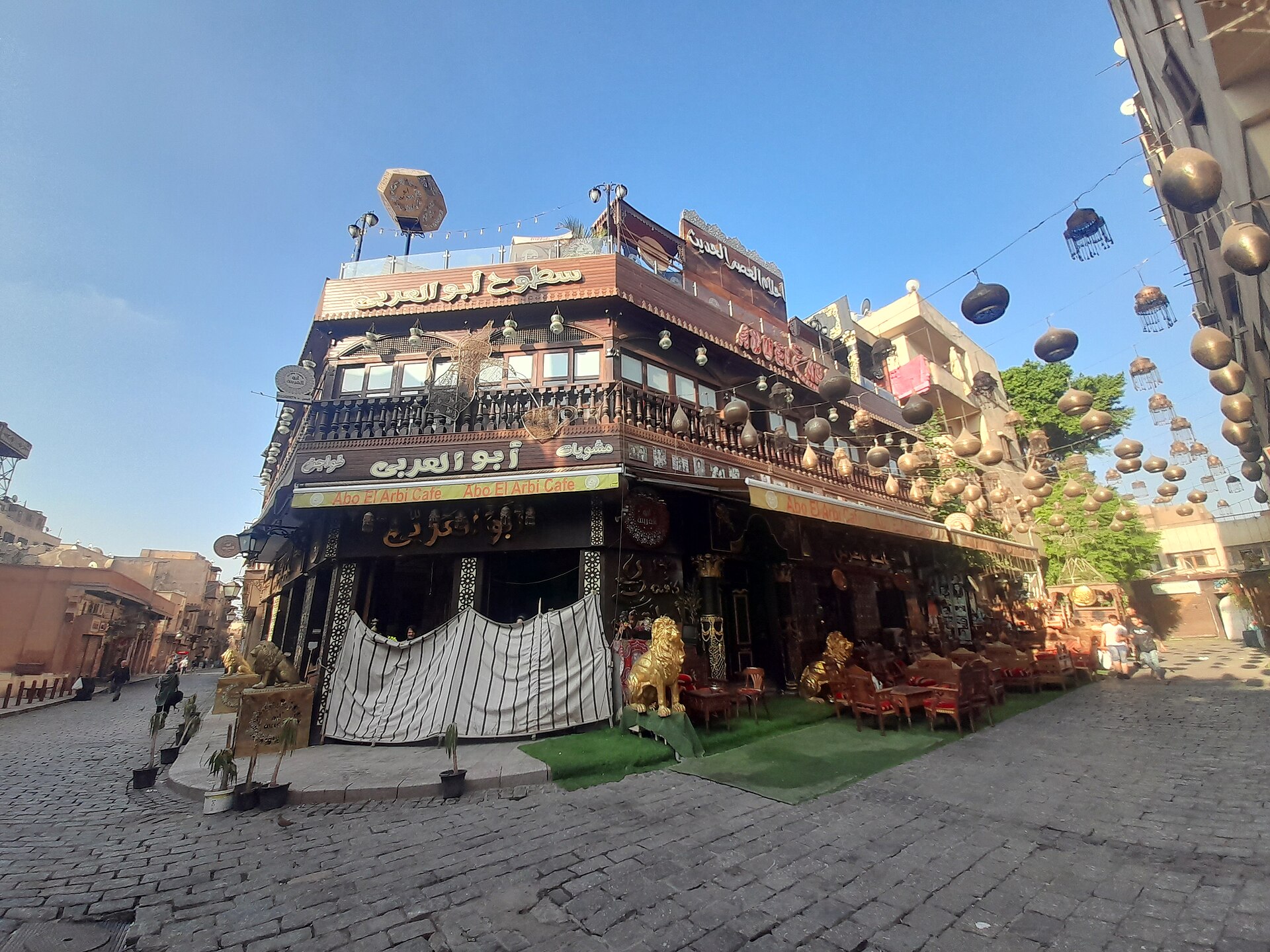
Al-Muizz Street is the most historically significant street in Cairo — a kilometre-long corridor through the heart of Islamic Cairo that contains the highest concentration of medieval Islamic architecture in the world. Named after the Fatimid caliph who founded Cairo in 969 AD, the street runs from Bab Zuweila in the south to Bab al-Futuh in the north, passing between mosques, madrasas, mausoleums, fountains, and caravanserais that span the Fatimid, Ayyubid, Mamluk, and Ottoman periods.
The Mamluk architecture is the star. The complex of Sultan Qalawun (1285) — a mosque, madrasa, and hospital arranged along the street — is one of the masterpieces of Islamic architecture, with a mausoleum dome whose interior stained glass and carved stucco rival anything in the Islamic world. The Mosque of al-Hakim (1013), the Sultan Hassan Mosque (1356), and the al-Ghuri complex (1504) each represent different centuries and different approaches to mosque design, creating an architectural walk that covers 500 years of Islamic building in a single street.
Al-Muizz Street was pedestrianised and restored in the early 2000s, and walking it now — past the restored facades, through the medieval gates, and into the side alleys where craftsmen still work in workshops that haven't fundamentally changed since the Mamluk period — is the most rewarding historical walk in Cairo. The street connects to Khan el-Khalili at its midpoint, and combining the bazaar with a full walk of Al-Muizz creates a half-day immersion in Islamic Cairo that no museum can replicate.
Verified Facts
Al-Muizz Street is named after the Fatimid caliph who founded Cairo in 969 AD
The complex of Sultan Qalawun dates to 1285
The street was pedestrianised and restored in the early 2000s
The street runs between Bab Zuweila and Bab al-Futuh
Get walking directions
Cairo, Egypt