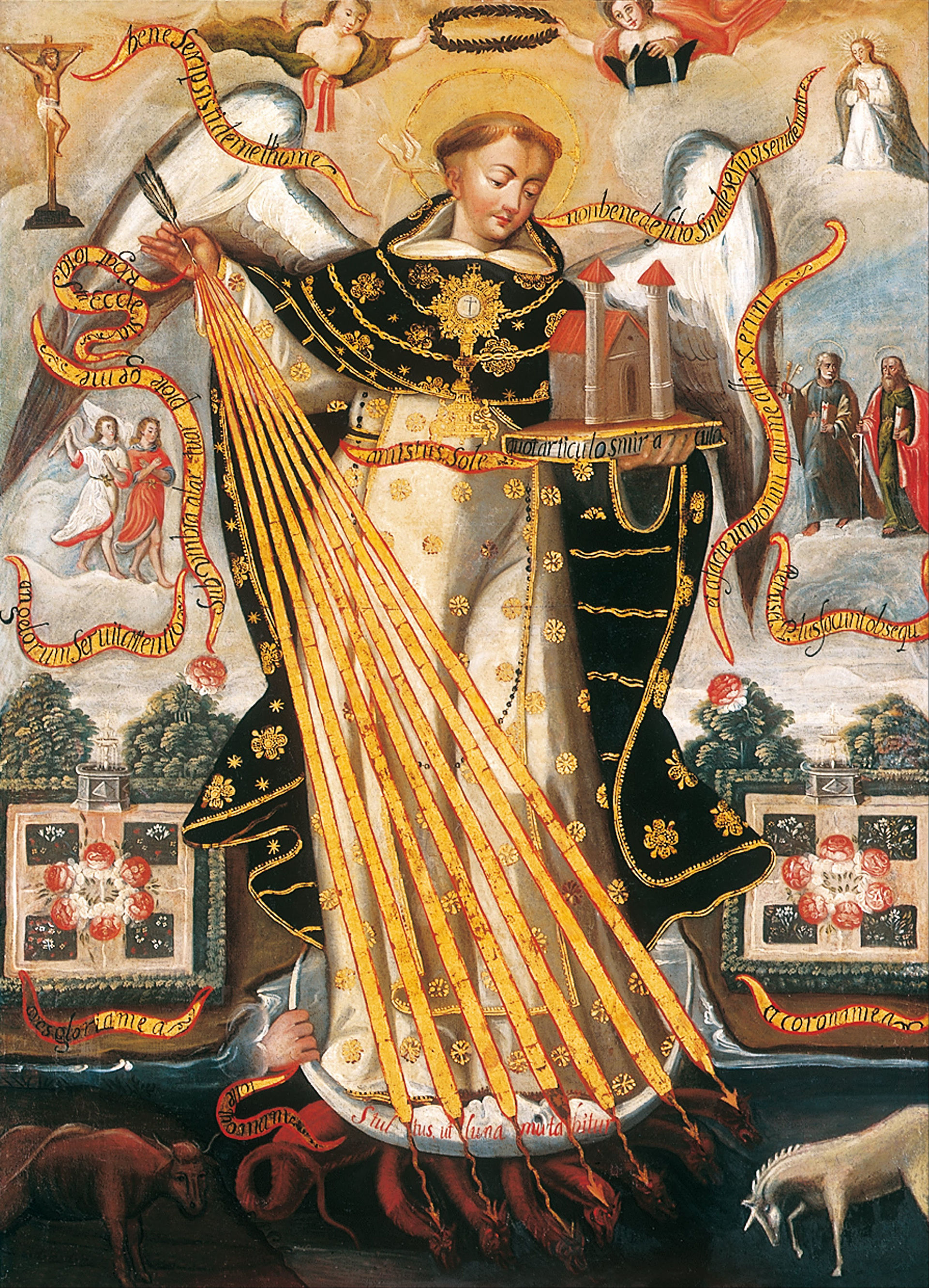
The Cusco School (Escuela Cusqueña) was the most important artistic movement in colonial South America — a style of painting that developed in Cusco from the 16th to 18th centuries when indigenous and mestizo artists adapted European religious imagery to Andean sensibilities, creating a visual language that is neither purely European nor purely indigenous but a fusion that exists nowhere else.
The paintings are found in virtually every church in Cusco — the archangels wearing European armour but carrying Andean weapons, the Virgins of the Mountain (where the Virgin Mary's triangular skirt becomes a mountain), and the Last Suppers where cuy replaces lamb — and the cumulative effect of seeing dozens of these paintings in their original church settings creates an understanding of colonial-era cultural negotiation that no museum can provide.
The best churches for Cusco School art (beyond the Cathedral and Compañía already covered) include San Pedro, La Merced, San Cristóbal, and the chapel of the Hospital de los Naturales — each containing paintings that demonstrate different aspects of the School's development. The Baroque church interiors — gilded retables, carved cedar choir stalls, and the elaborate decoration that the Spanish colonial church lavished on its Andean outposts — provide the architectural framework that the paintings were designed to inhabit.
Verified Facts
The Cusco School developed from the 16th to 18th centuries
Indigenous artists adapted European iconography to Andean sensibilities
Virgins of the Mountain depict Mary's skirt as a mountain
The School produced a fusion style unique to the Andes
Get walking directions
Various churches, Historic Centre, Cusco