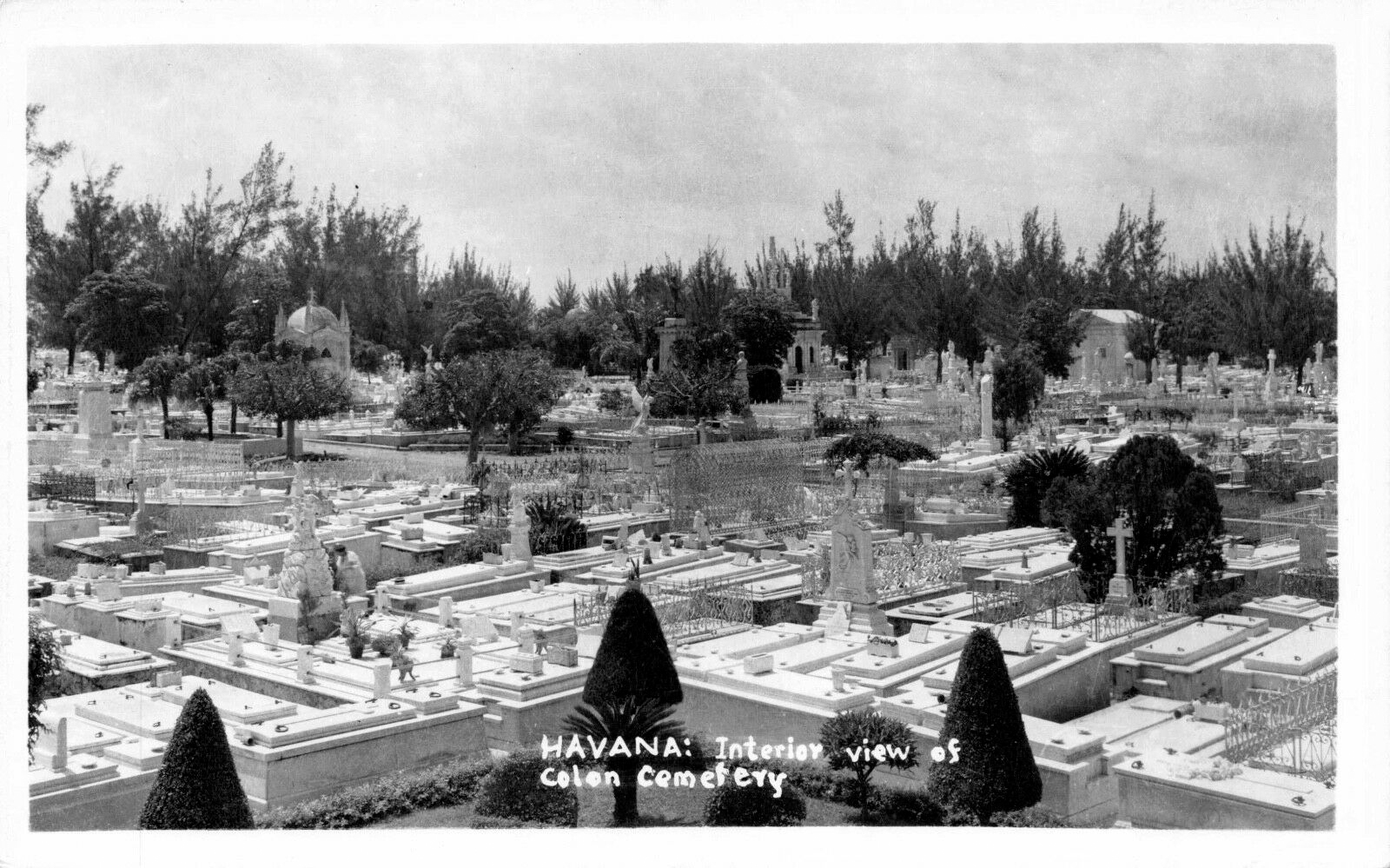
Colon Cemetery
Calzada Zapata, Plaza de la Revolución, Havana, Cuba
Cementerio Cristóbal Colón (Colon Cemetery) is one of the great urban cemeteries of the world — a 56-hectare necropolis laid out in a grid in 1876 with over 500 ornate mausoleums, chapels, and marble sculptures that form one of the finest open-air sculpture collections in Latin America.
Edificio Bacardi
Avenida de Bélgica (Monserrate), La Habana Vieja, Havana, Cuba
The Edificio Bacardi is Havana's greatest Art Deco building — a 12-storey tower completed in 1930 as the headquarters of the Bacardi rum company and widely considered one of the finest examples of Art Deco architecture in Latin America.
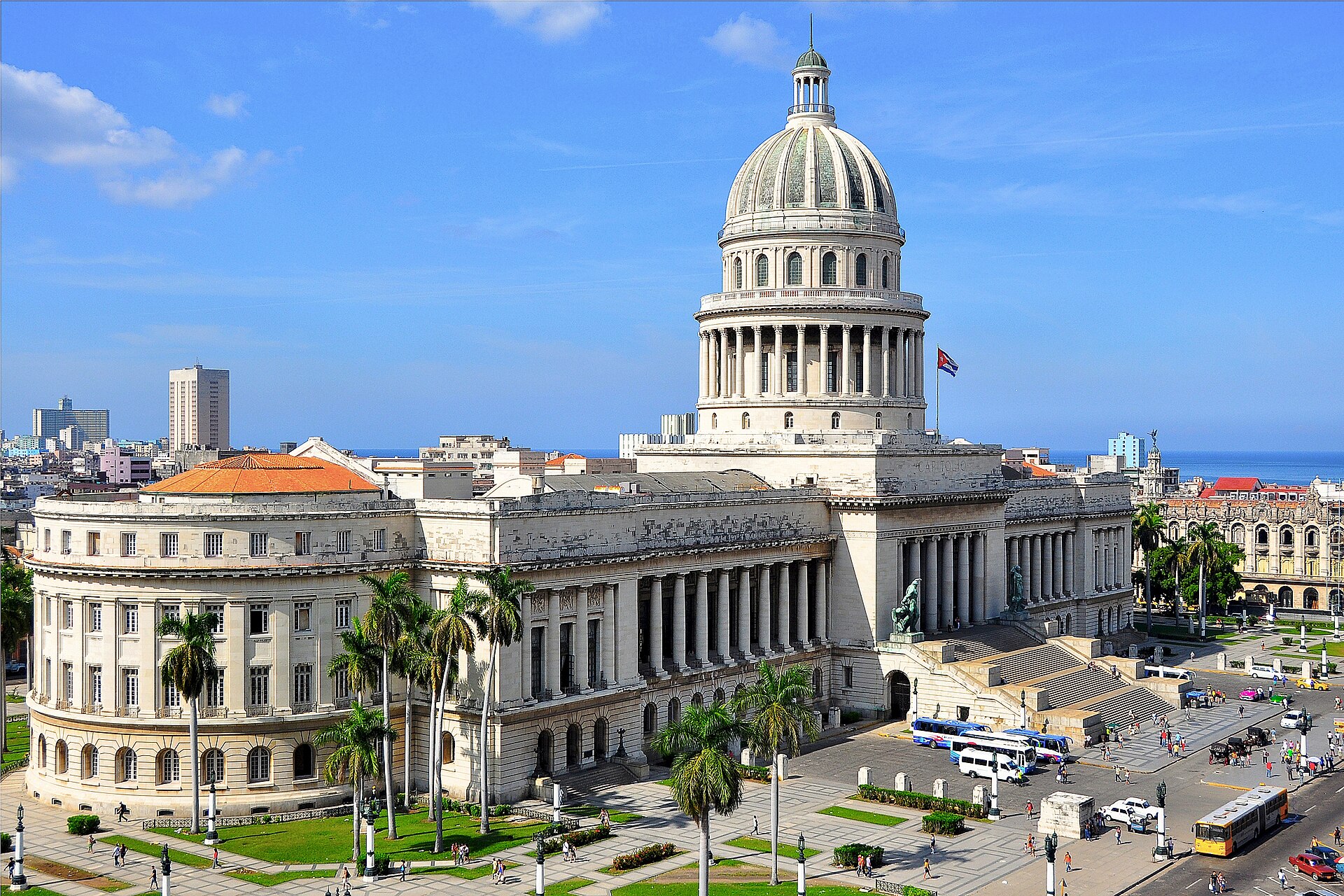
El Capitolio
Paseo del Prado, Centro Habana, Havana, Cuba
El Capitolio is Havana's most imposing building — a neoclassical capitol completed in 1929 that was modelled on the US Capitol in Washington (though Cuban guides will tell you it's one metre taller, one metre wider, and more beautiful, all of which may be true) and served as the seat of Cuba's government until the revolution.
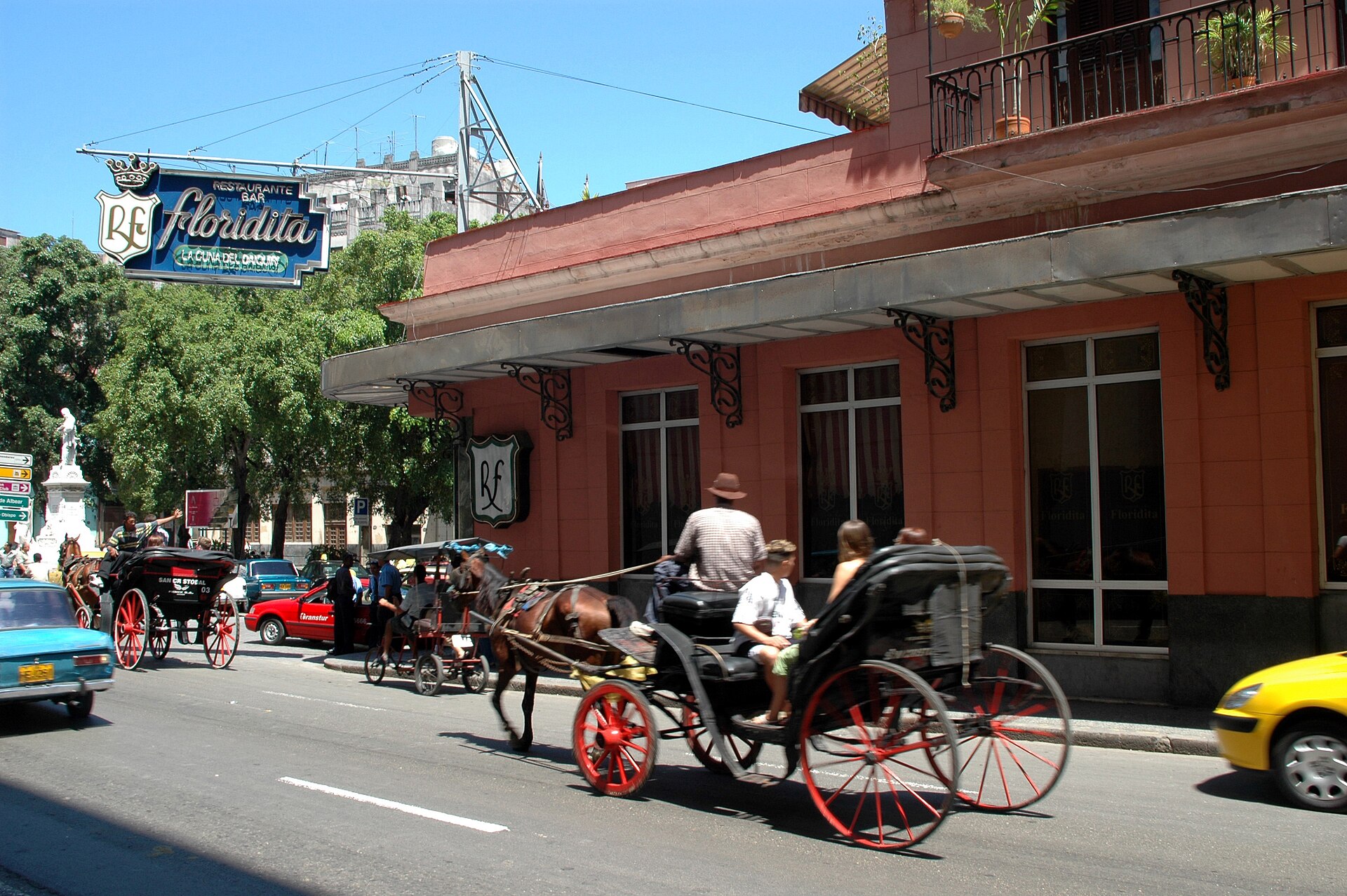
El Floridita
Obispo 557, Habana Vieja, Havana
El Floridita is Havana's most famous bar — a pink-and-mahogany establishment at the corner of Obispo and Monserrate that claims to be the birthplace of the daiquiri and was Ernest Hemingway's preferred drinking spot during his two decades of living in Cuba.
El Morro (Castillo de los Tres Reyes)
Carretera de la Cabaña, Regla, Havana, Cuba
El Morro is the fortress that guards the entrance to Havana Bay — a massive stone castle completed in 1630 after 40 years of construction and designed by Italian engineer Giovanni Battista Antonelli.
Fortaleza de San Carlos de la Cabaña
Calle Habana, Guanabacoa, Havana, Cuba
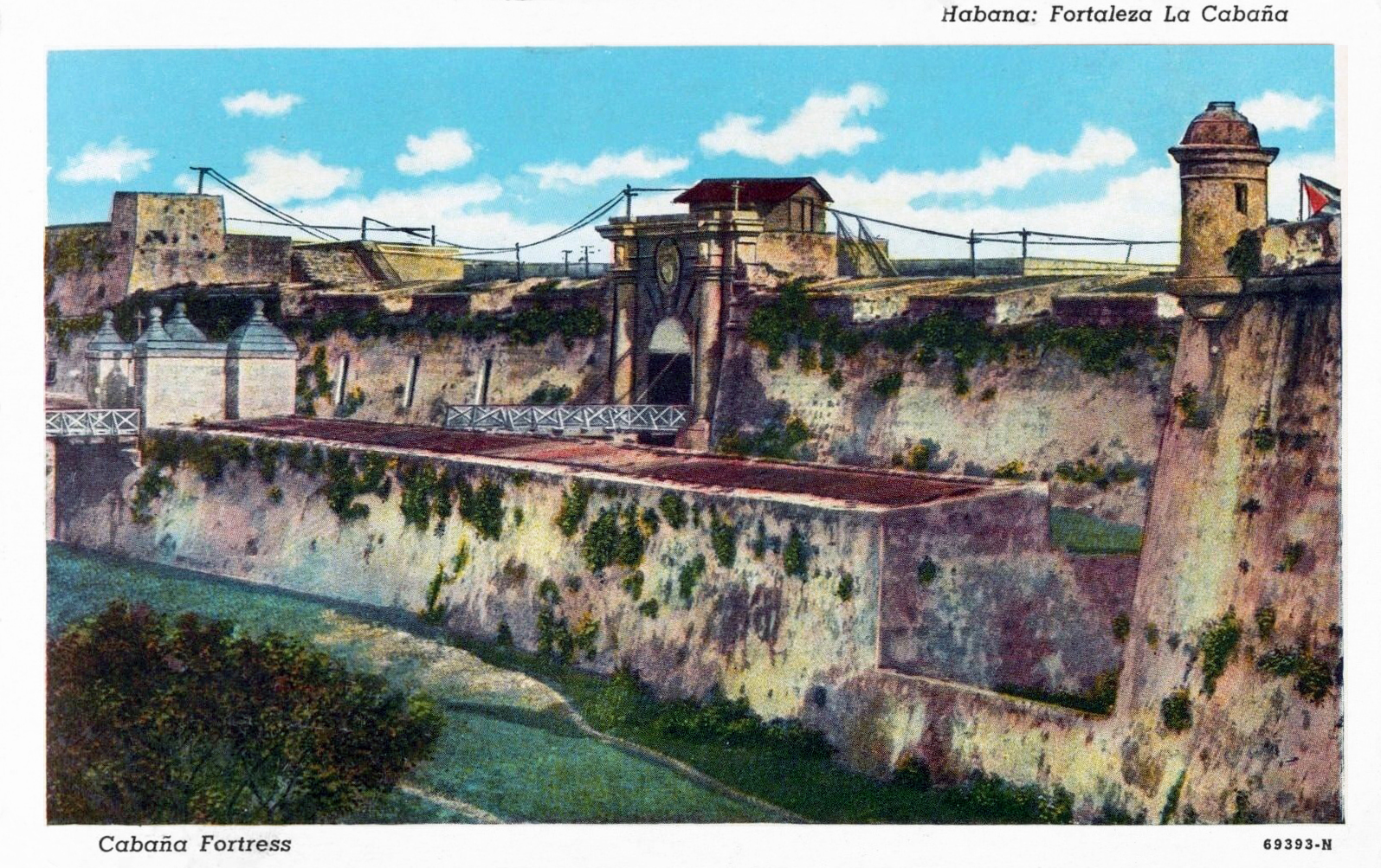
La Cabaña is the largest colonial fortress in the Americas — an 18th-century stone fortification on the eastern shore of Havana harbour that was built by the Spanish after the British captured Havana in 1762 (the fortress was designed to prevent a repeat of that humiliation, which it did — no one has captured Havana since).
Hemingway's Havana (Finca Vigía)
Cuba, La Habana Vieja, Havana, Cuba
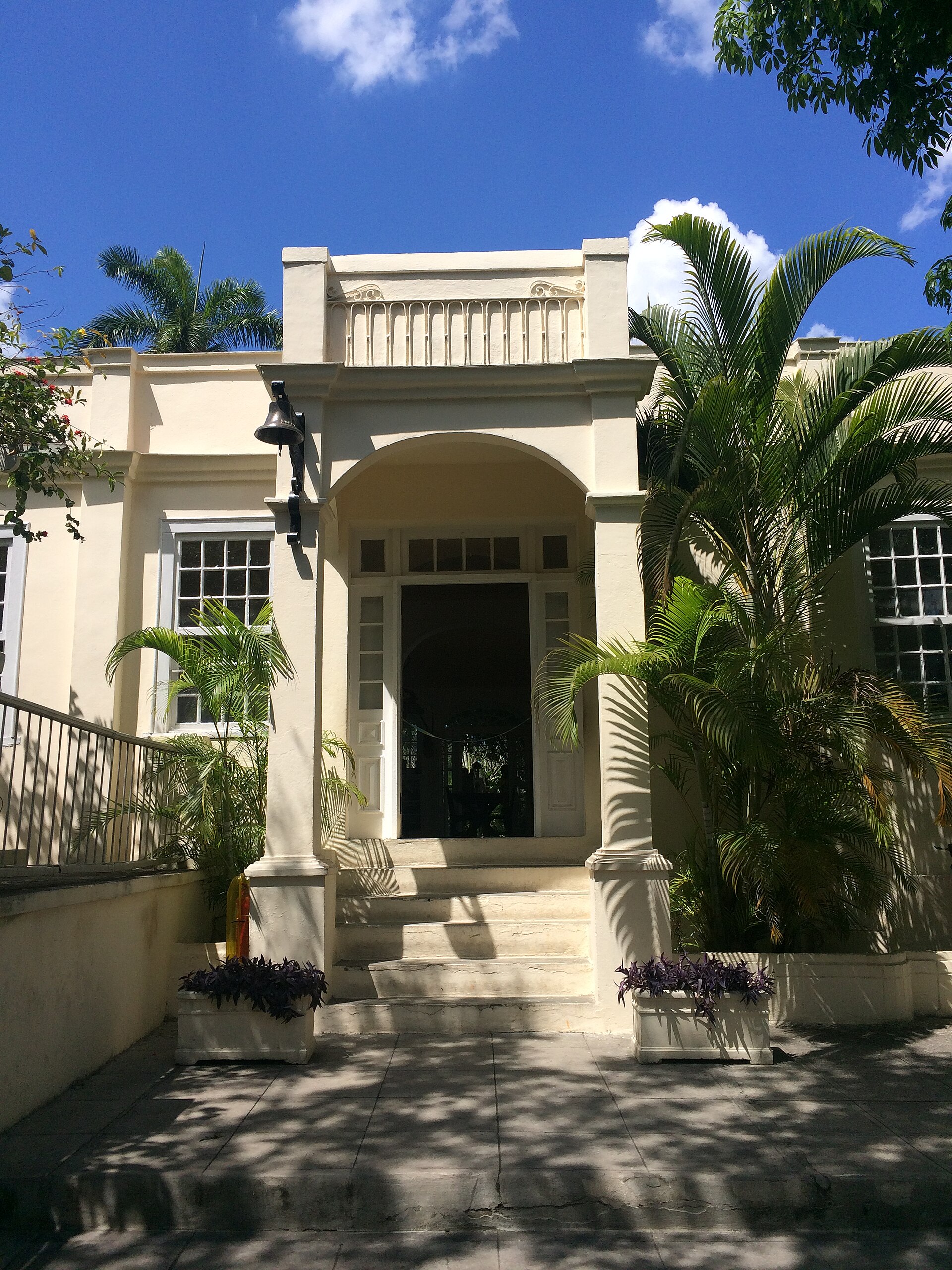
Finca Vigía is the house where Ernest Hemingway lived for 21 years — a hilltop estate in the suburb of San Francisco de Paula, 15 kilometres from central Havana, where he wrote 'The Old Man and the Sea,' 'A Moveable Feast,' and 'Islands in the Stream.
Museo de la Revolución
Refugio 1, Habana Vieja, Havana
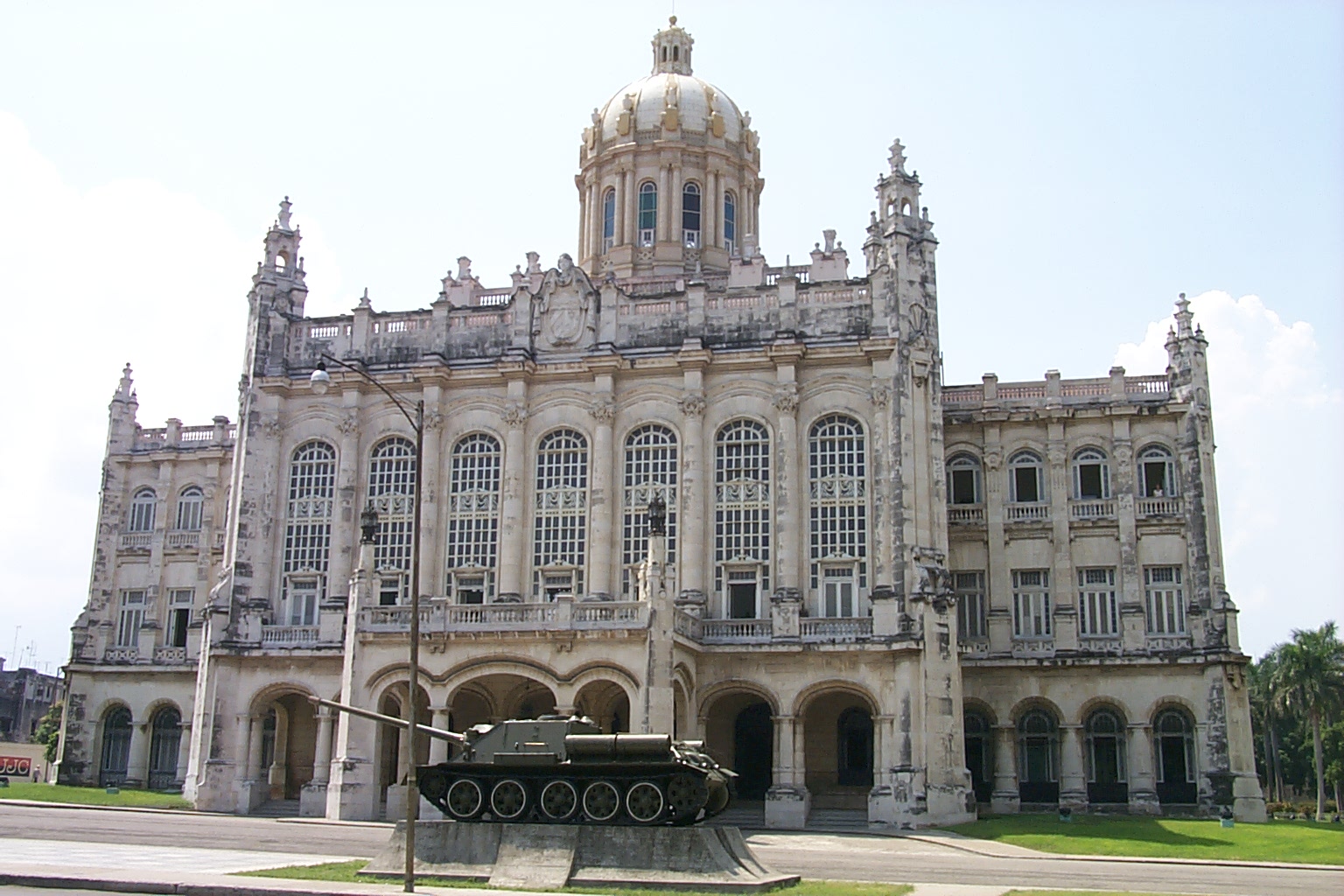
The Museum of the Revolution occupies the former Presidential Palace — a sumptuous neoclassical building completed in 1920 whose interior was decorated by Tiffany's of New York and whose marble staircases, frescoed ceilings, and Hall of Mirrors rivalled any government building in the Americas.
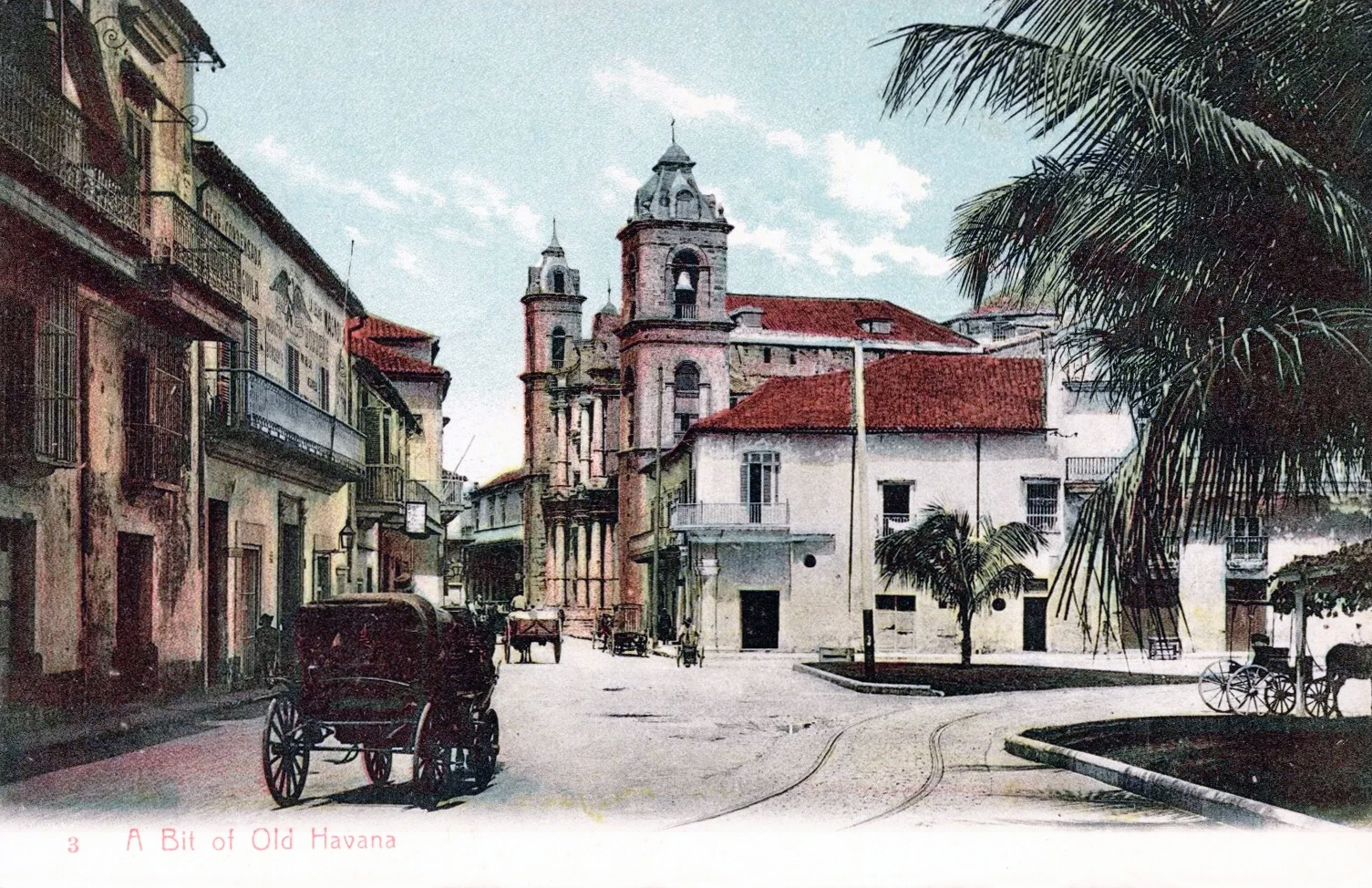
Old Havana (Habana Vieja)
Habana Vieja, Havana
Old Havana is a UNESCO World Heritage Site and one of the most complete colonial urban landscapes in the Americas — a 4-square-kilometre district of 16th to 18th-century plazas, Baroque churches, neoclassical palaces, and the crumbling, magnificent residential buildings that have been slowly restored since the 1990s under the direction of the City Historian's Office.

Plaza de Armas
Plaza de Armas, Habana Vieja, La Habana
Plaza de Armas is Havana's oldest square — laid out in 1519 as the military parade ground of the original Spanish settlement and still surrounded by the buildings that made Havana the capital of Spanish colonial Cuba for 400 years.
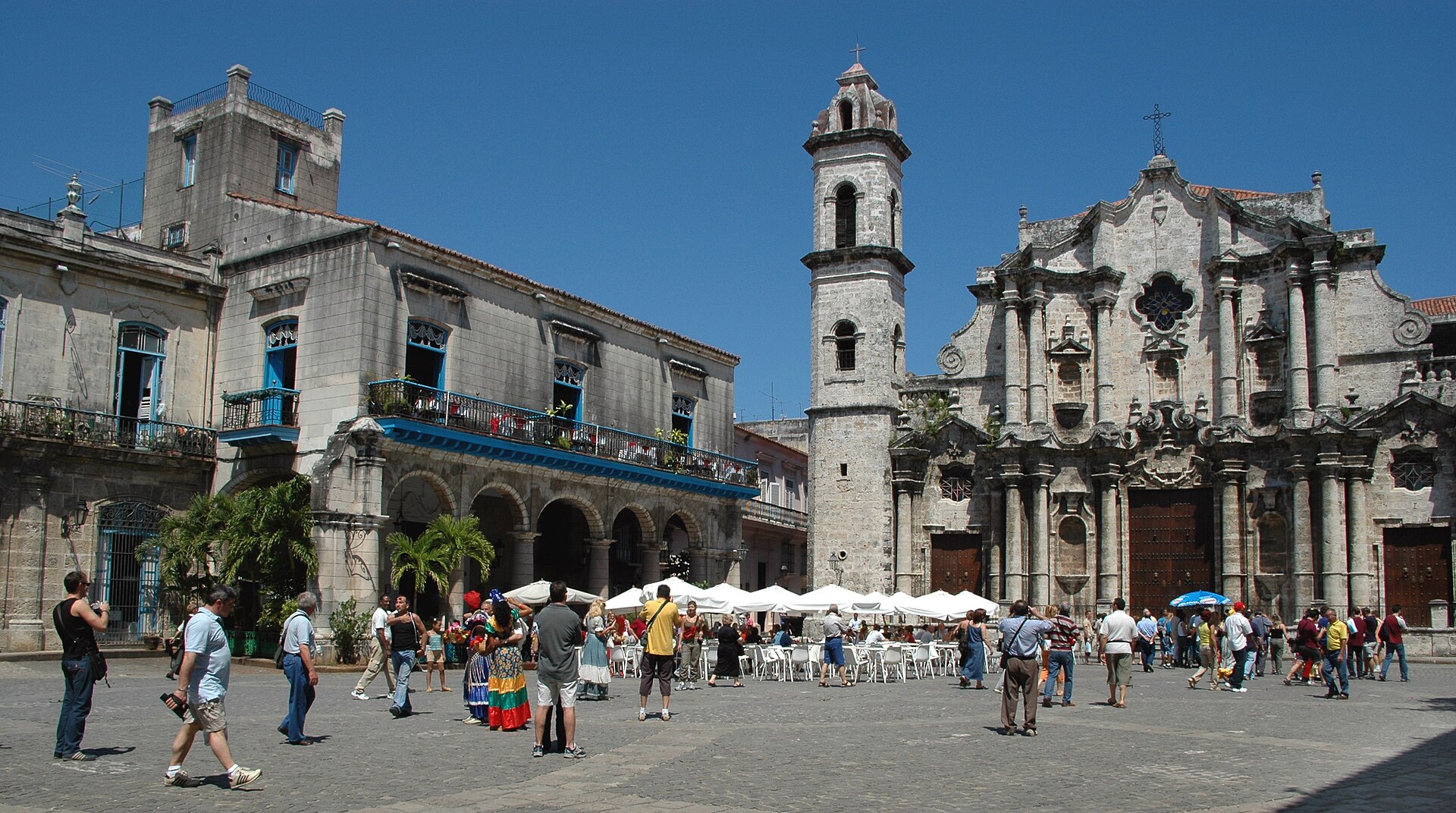
Plaza de la Catedral
Cathedral Square, La Habana Vieja, Havana, Cuba
Plaza de la Catedral is the most beautiful square in Havana — an asymmetric cobblestoned plaza dominated by the Baroque facade of the Cathedral of San Cristóbal (completed in 1777, with one tower deliberately wider than the other to allow rainwater to drain — a practical asymmetry that has become the building's most distinctive feature).
Plaza de la Revolución
Plaza de la Revolución, Plaza de la Revolución, Havana, Cuba
Plaza de la Revolución is where modern Cuban history has been performed — a vast concrete square that can hold up to 1 million people and has been the setting for Fidel Castro's marathon speeches, Pope John Paul II's 1998 mass, and every major state ceremony since the revolution.
Plaza de San Francisco
San Francisco Square, La Habana Vieja, Havana, Cuba
Plaza de San Francisco is one of the four great squares of Old Havana — a cobblestone plaza facing the harbour, dominated by the 16th-century Basilica of San Francisco de Asís, whose 42-metre bell tower was for centuries the tallest structure in Havana and the first landmark visible to ships entering the bay.
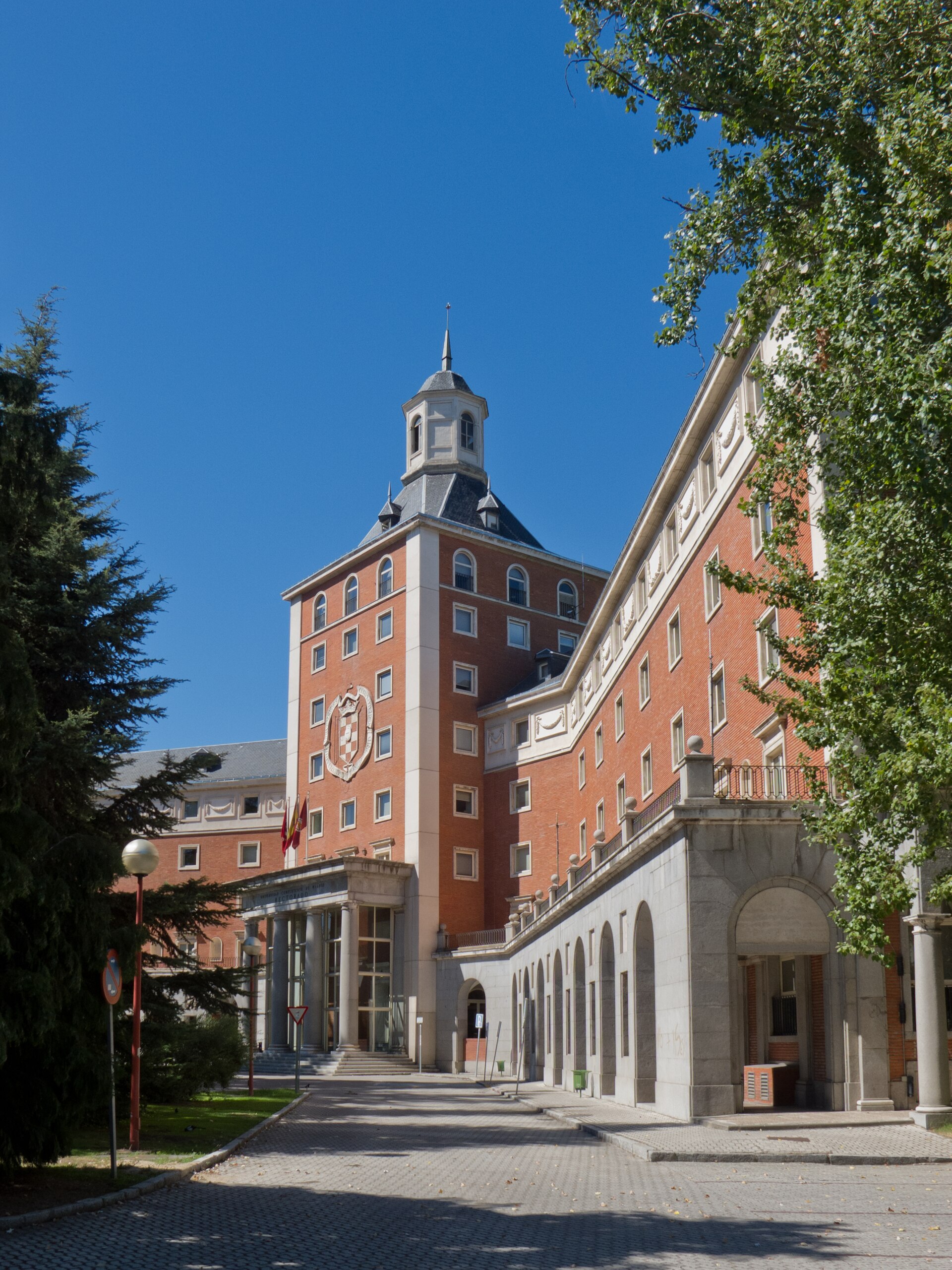
Universidad de La Habana
San Lázaro, Centro Habana, Havana, Cuba
The University of Havana is Cuba's oldest and most prestigious university — founded in 1728 by Dominican friars and relocated to its current Vedado campus in 1902, where the Greek Revival main building (completed in 1906) sits atop a grand 88-step staircase known as the Escalinata.
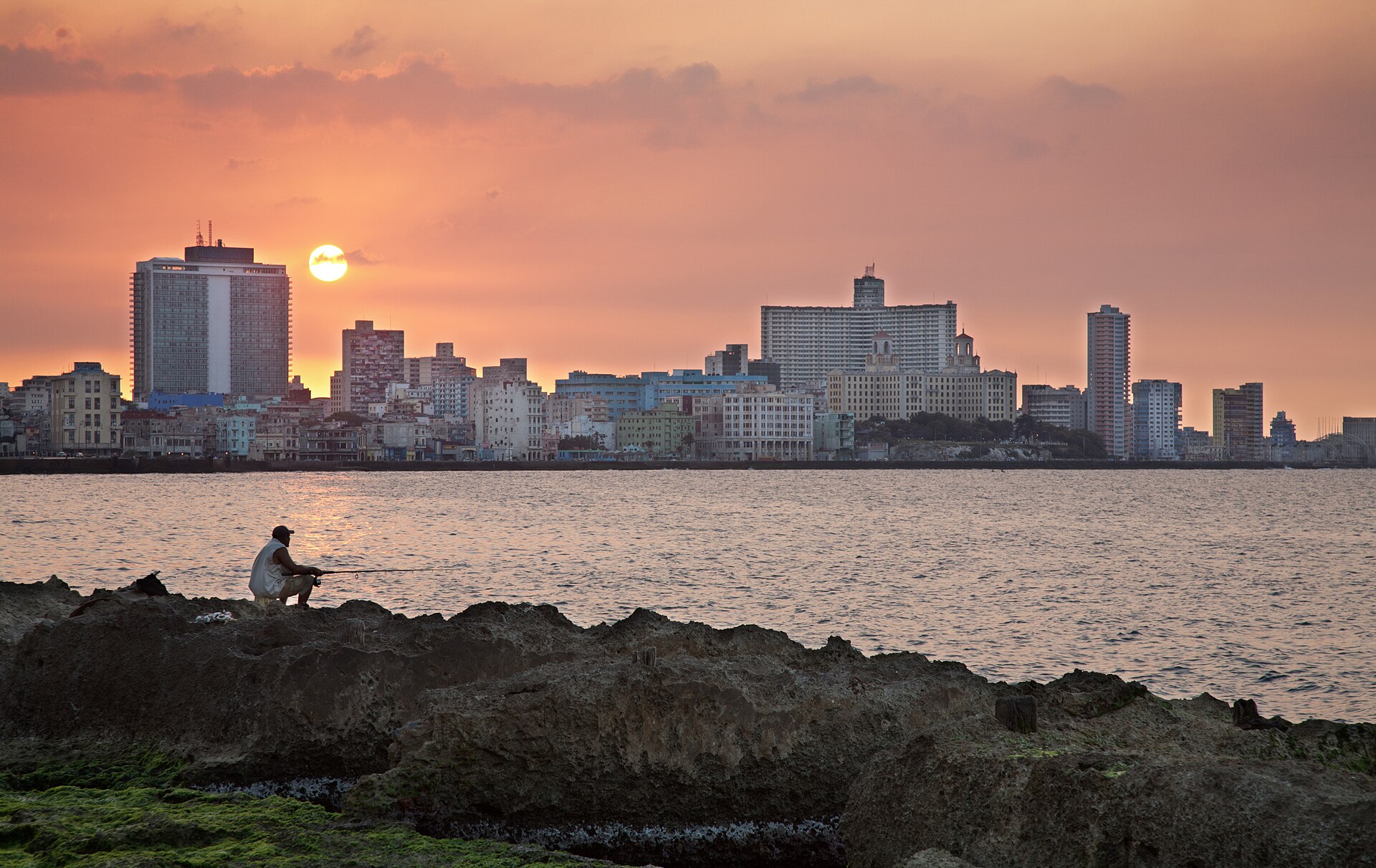
Vedado & Hotel Nacional
Acceso a Hotel Morón, Morón, Cuba
Vedado is Havana's grandest residential neighbourhood — a grid of tree-lined streets and mansions built in the early 20th century when Cuba's sugar wealth created a class of millionaires who built their houses in the fashionable Art Deco, Streamline Moderne, and modernist styles that were sweeping through the Americas.
Explore history in Havana
GPS-guided narration at every landmark. Tap a spot on the map, hear the story. Every fact verified.