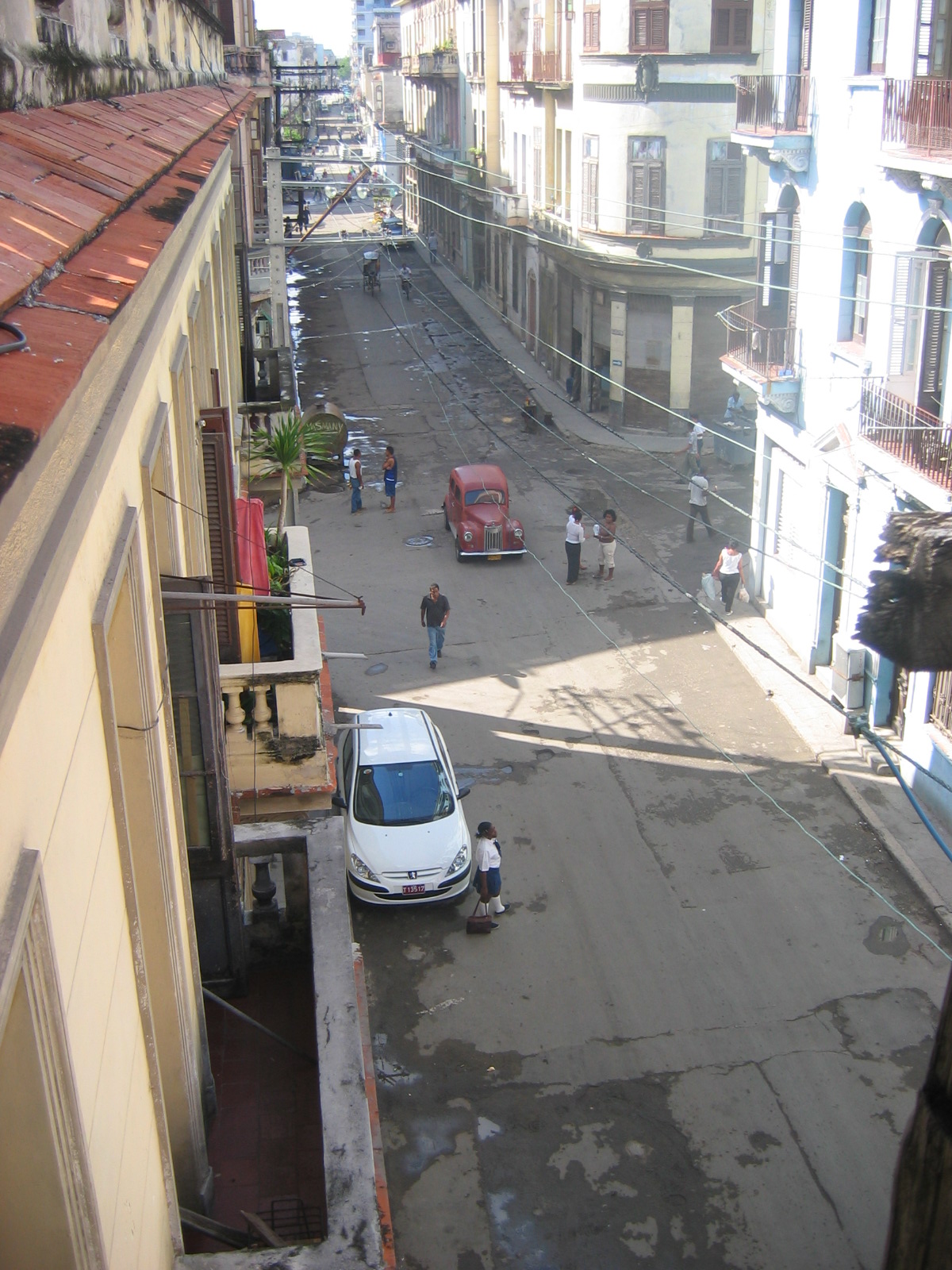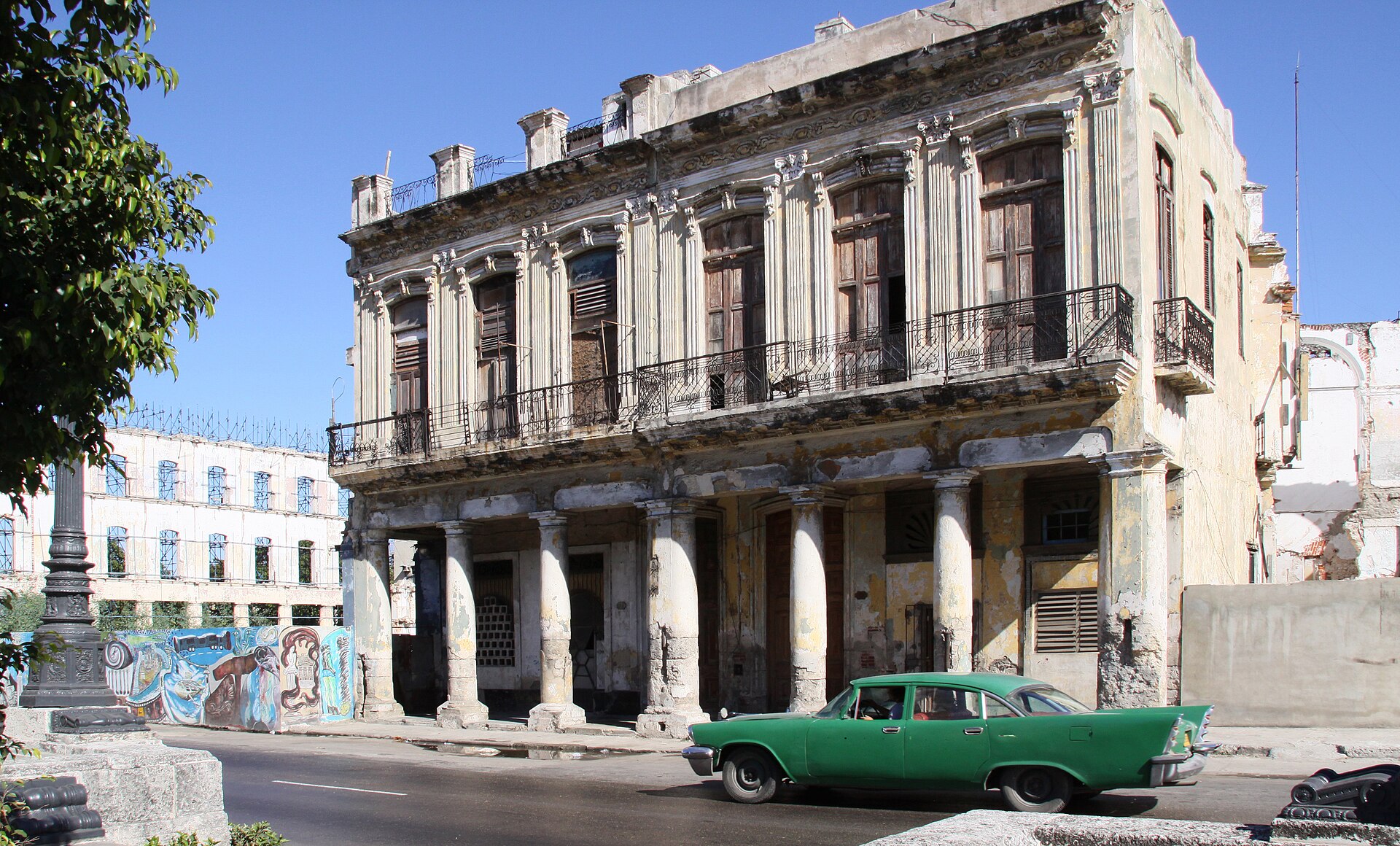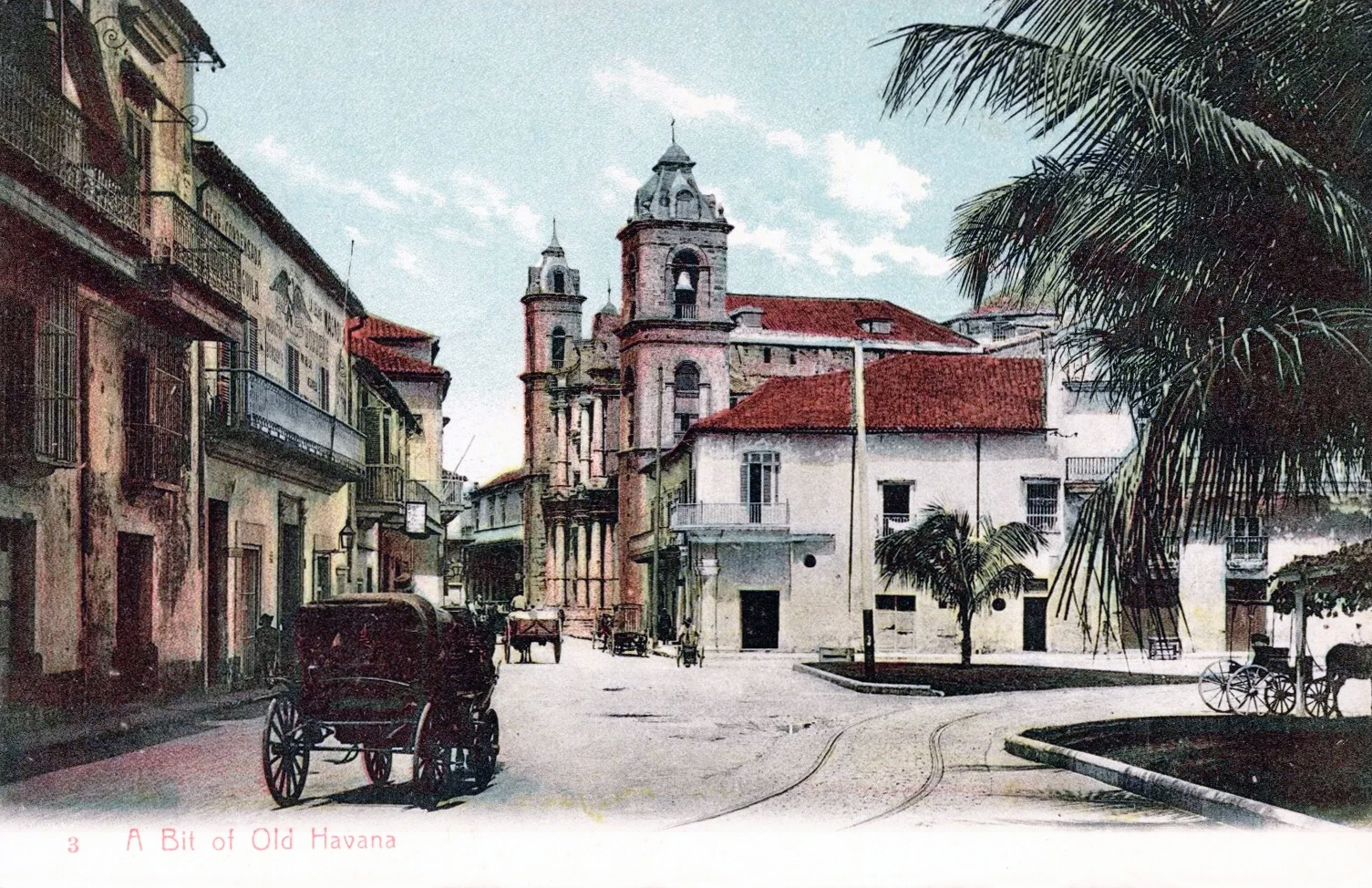
Old Havana is a UNESCO World Heritage Site and one of the most complete colonial urban landscapes in the Americas — a 4-square-kilometre district of 16th to 18th-century plazas, Baroque churches, neoclassical palaces, and the crumbling, magnificent residential buildings that have been slowly restored since the 1990s under the direction of the City Historian's Office. Walking Old Havana is like walking through a time capsule of Spanish colonial architecture that has been frozen, decayed, and is now being revived one building at a time.
The district contains four main plazas — Plaza de Armas (the oldest), Plaza de la Catedral (the most beautiful), Plaza Vieja (the most restored), and Plaza de San Francisco (the most commercial) — each surrounded by colonial buildings that document the evolution of Cuban architecture from fortress-like 16th-century construction to the ornate Baroque and neoclassical styles of the 18th and 19th centuries.
The restoration of Old Havana is one of the most ambitious heritage projects in the developing world — funded by tourism revenue and managed by the City Historian's Office, which operates as a quasi-independent entity with the authority to restore, manage, and commercialise the historic buildings. The result is a district where magnificently restored palaces sit next to buildings that are literally collapsing, creating a visual tension between heritage preservation and the economic reality of a country that has been under embargo for six decades.
Verified Facts
Old Havana is a UNESCO World Heritage Site
The district covers approximately 4 square kilometres
Old Havana contains four main colonial plazas
Restoration is managed by the City Historian's Office
Get walking directions
Habana Vieja, Havana