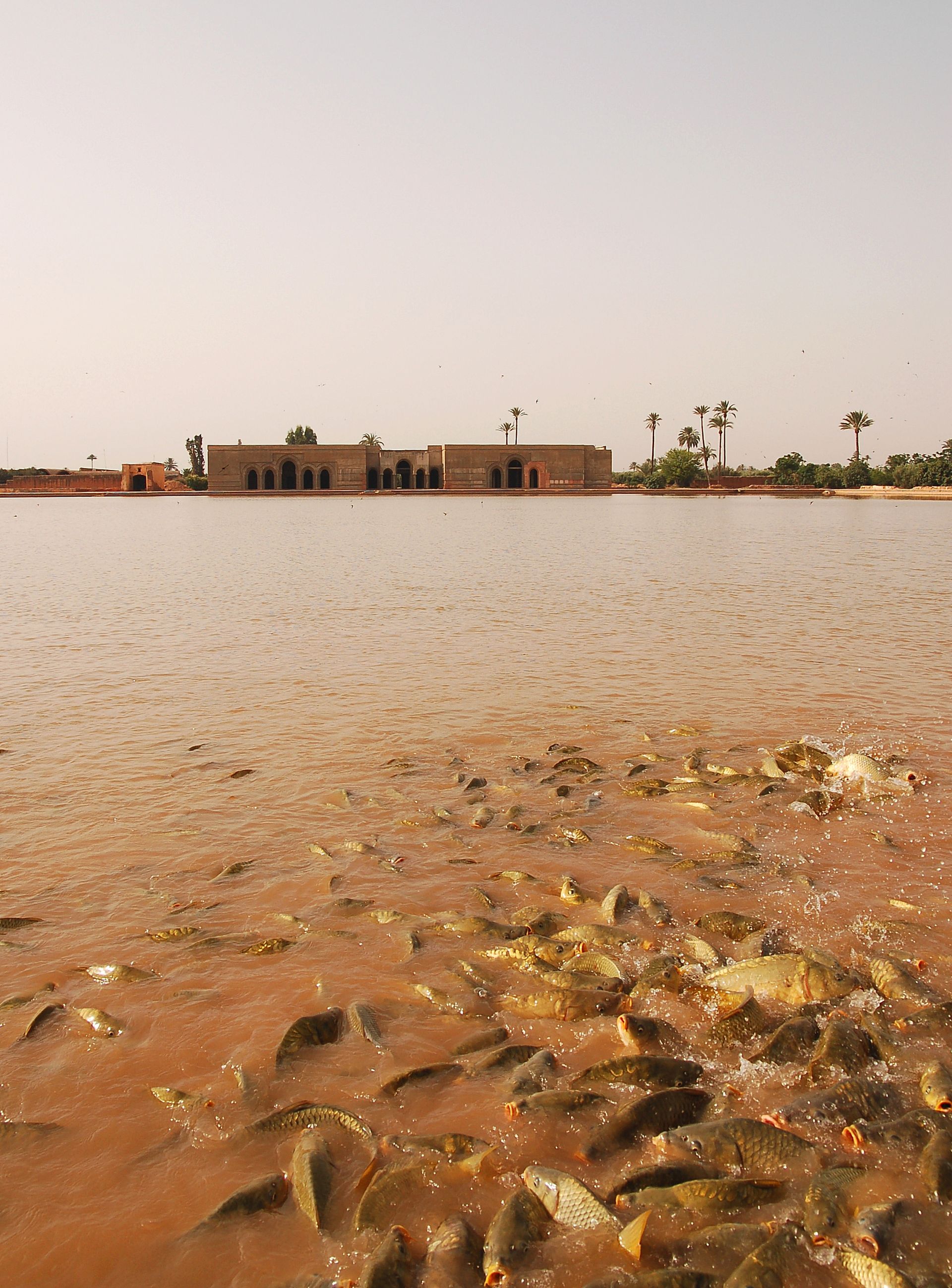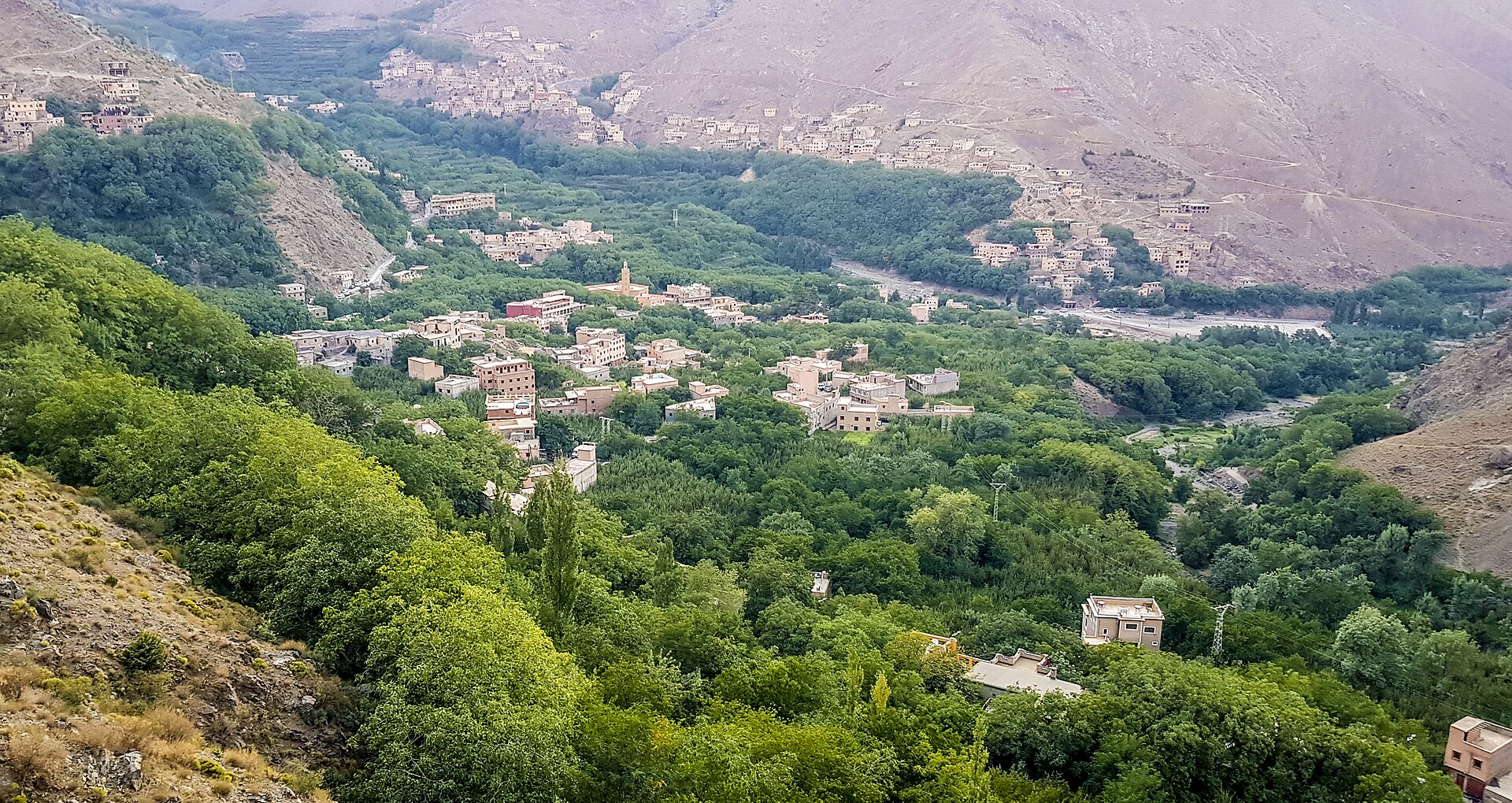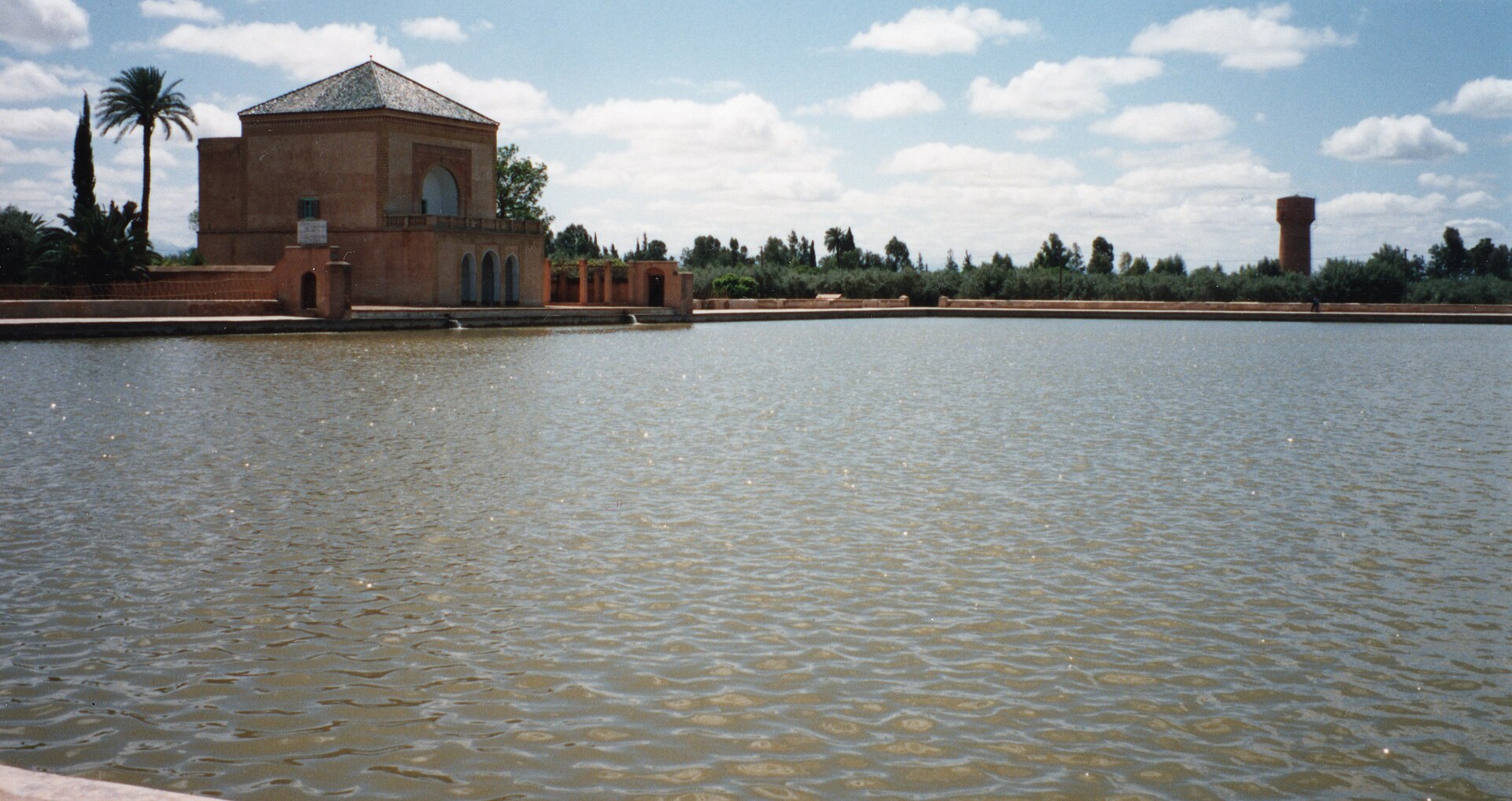
The Menara Gardens are Marrakech's most iconic landscape — a 12th-century Almohad olive grove surrounding a vast reflecting pool that, on a clear day, mirrors the snow-capped Atlas Mountains in a composition that has been the defining image of Marrakech for nearly 900 years. The gardens were created by the Almohad caliph Abd al-Mu'min around 1130 as an agricultural estate and royal retreat, and the combination of ancient olive trees, still water, and the mountain backdrop creates a scene of extraordinary simplicity.
The pavilion (menzeh) at the pool's edge — a green-roofed structure from the 19th century, replacing an earlier Saadian pavilion — provides the viewpoint for the classic photograph: the pavilion framed by olives with the Atlas reflected in the pool. The pool itself is fed by the same khettara (underground channel) system that irrigates the Agdal Gardens, bringing snowmelt from the mountains 30 kilometres away without pumps.
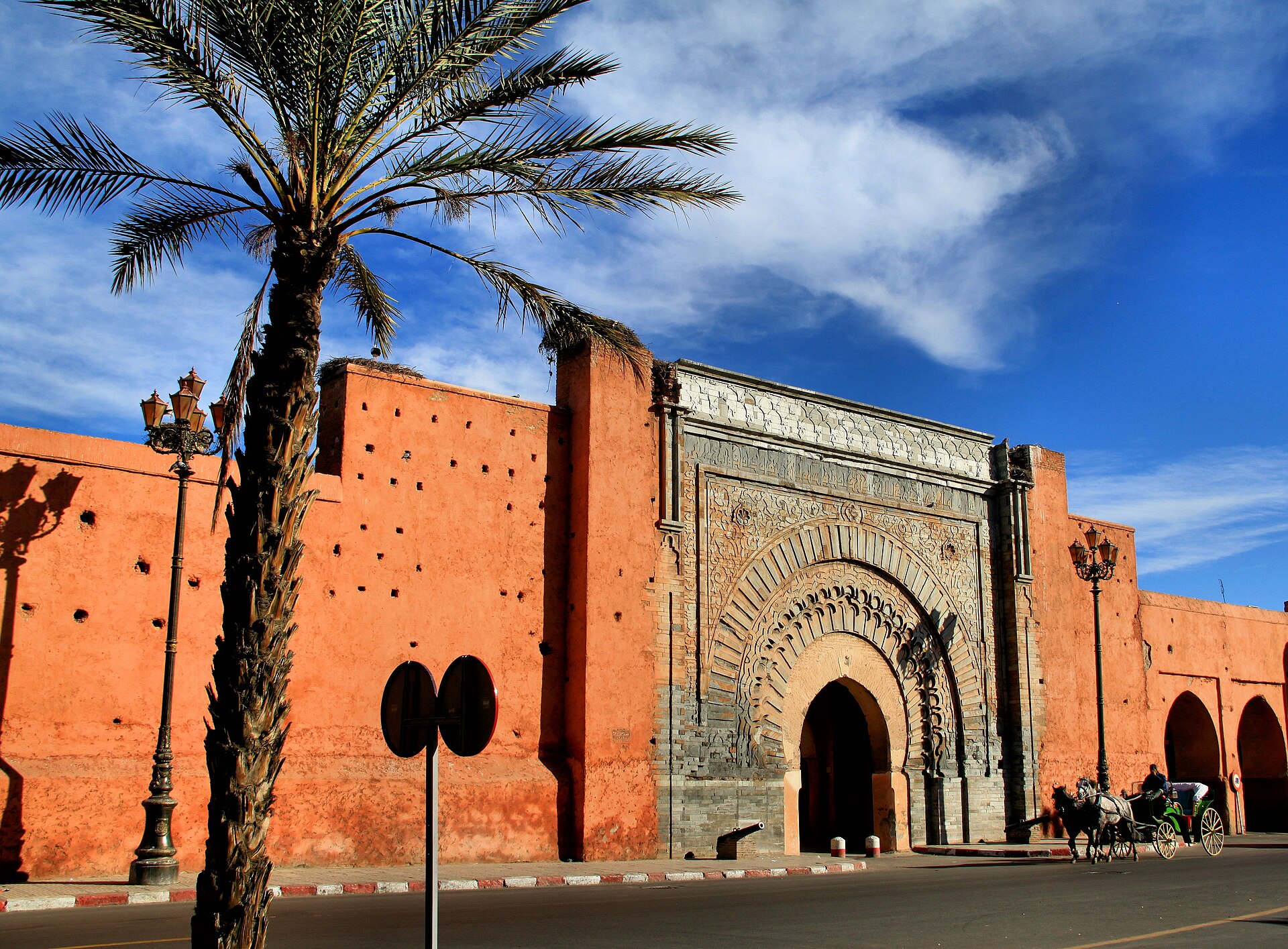
The gardens are free to enter (there's a small fee for the pavilion) and are best visited in the late afternoon, when the light is warm and the Atlas Mountains are most visible. The olive grove — over 100 hectares of ancient trees — provides shade that makes the gardens one of the few comfortable outdoor spaces in Marrakech's summer heat. The gardens are a 45-minute walk from the Jemaa el-Fna or a short taxi ride, and the approach through the Bab Jdid gate provides a dramatic transition from the medina's density to the garden's open landscape.
Verified Facts
The Menara Gardens were created by the Almohad dynasty around 1130
The olive grove covers over 100 hectares
The current pavilion dates to the 19th century
The gardens are irrigated by a khettara underground water system
Get walking directions
Avenue de la Menara, Marrakesh, 40020, Morocco