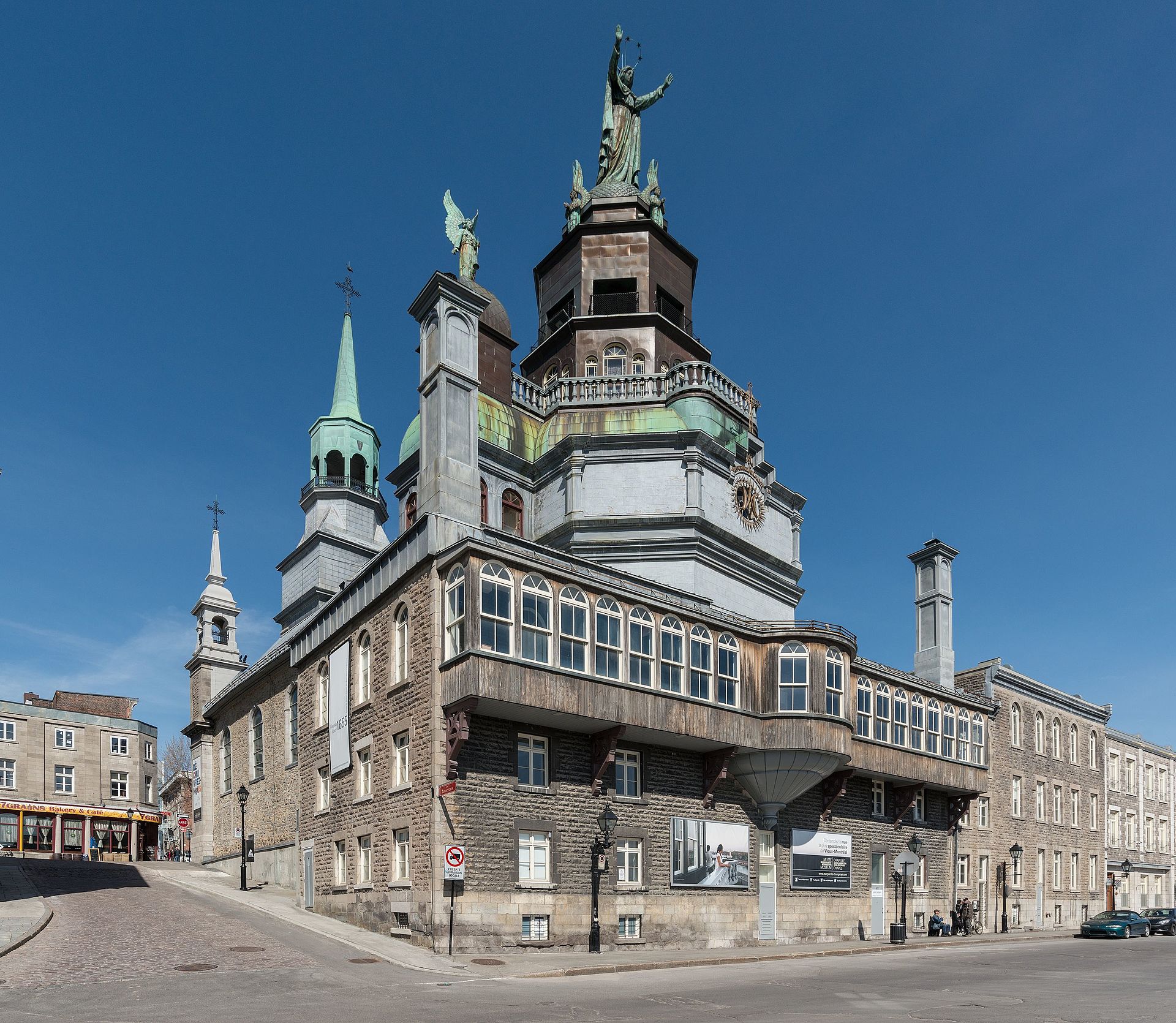
Old Montreal is the historic heart of the city — a district of cobblestone streets, 17th and 18th-century stone buildings, and horse-drawn calèches that occupies the original site of Ville-Marie, the French mission settlement founded in 1642. The neighbourhood runs from the Old Port on the St. Lawrence River north to Saint-Antoine Street, and walking its narrow streets is like walking through a compressed version of French colonial history — from the fortified town of New France through the British conquest to the commercial powerhouse that became Canada's largest city.
Rue Saint-Paul, the oldest street in Montreal, is the district's spine — a cobblestone corridor lined with galleries, boutiques, restaurants, and the kind of converted warehouse spaces that make 18th-century commercial architecture feel contemporary. Place Jacques-Cartier, a sloping plaza that descends from City Hall to the waterfront, is Old Montreal's gathering place — street performers, caricaturists, flower sellers, and the summer terrace of Nelson's Column (one of the oldest monuments to the admiral, erected before Trafalgar Square's) create an atmosphere that feels more European than North American.
The Old Port (Vieux-Port) waterfront has been transformed into a recreational zone with a science centre, clock tower, beach, zip line, and the winter skating rink on the Bonsecours Basin. The contrast between the 17th-century stone buildings behind you and the modern waterfront installations in front creates the temporal layering that defines Montreal — a city that has never demolished its past but has never been sentimental about it either.
Verified Facts
Old Montreal occupies the site of Ville-Marie, founded in 1642
Rue Saint-Paul is the oldest street in Montreal
The Nelson's Column in Place Jacques-Cartier predates London's Trafalgar Square column
Old Montreal runs from the Old Port to Saint-Antoine Street
Get walking directions
Rue St-Paul, Ste. Geneviève, Montréal, H9H 1E6, Canada