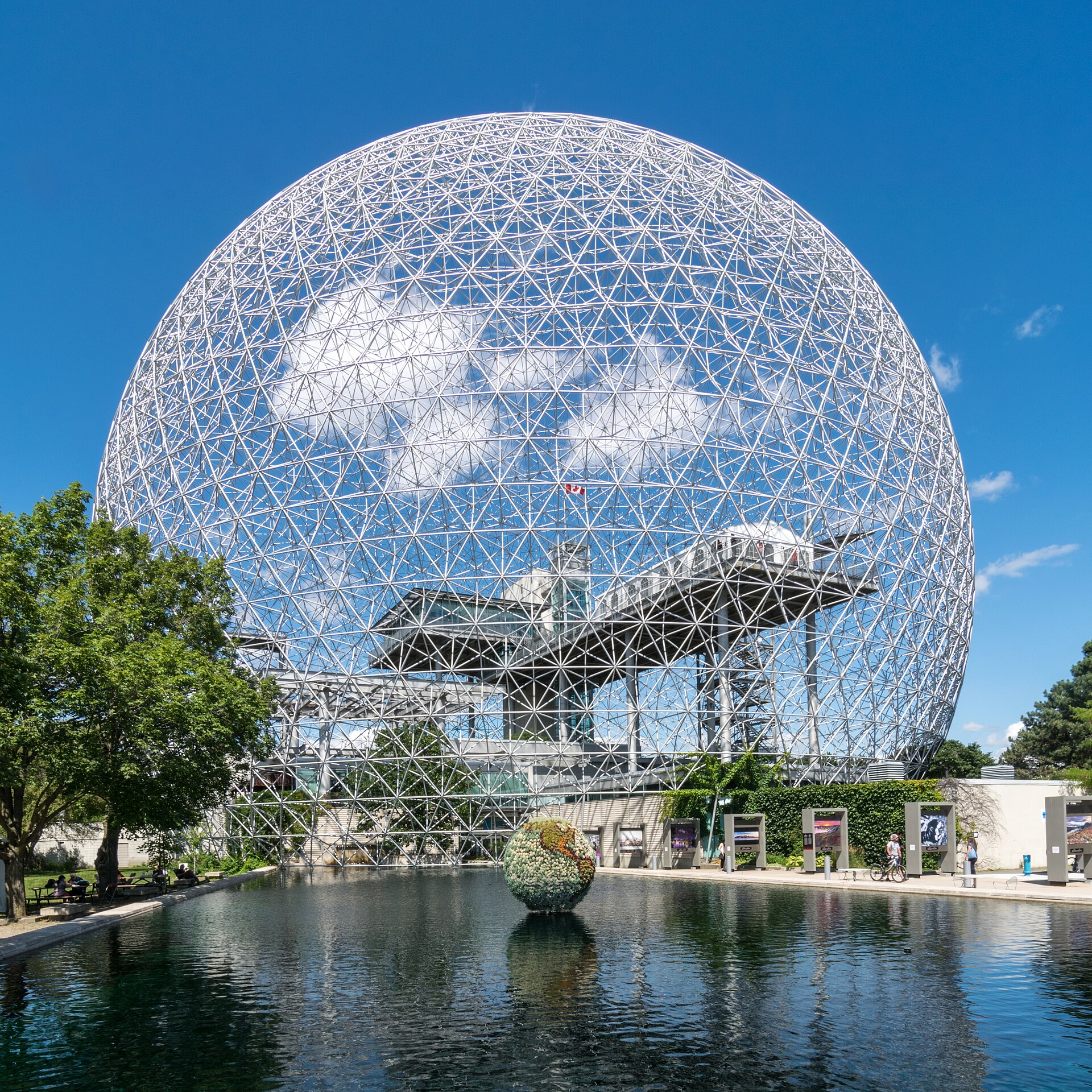
Biosphère
160 Chemin du Tour-de-l'Île, Île Sainte-Hélène, Montreal
The Biosphère is Buckminster Fuller's geodesic dome — a 62-metre-diameter steel lattice sphere built as the United States Pavilion for Expo 67 that has become one of the most recognisable structures in Montreal and one of the most important buildings of the 20th century.
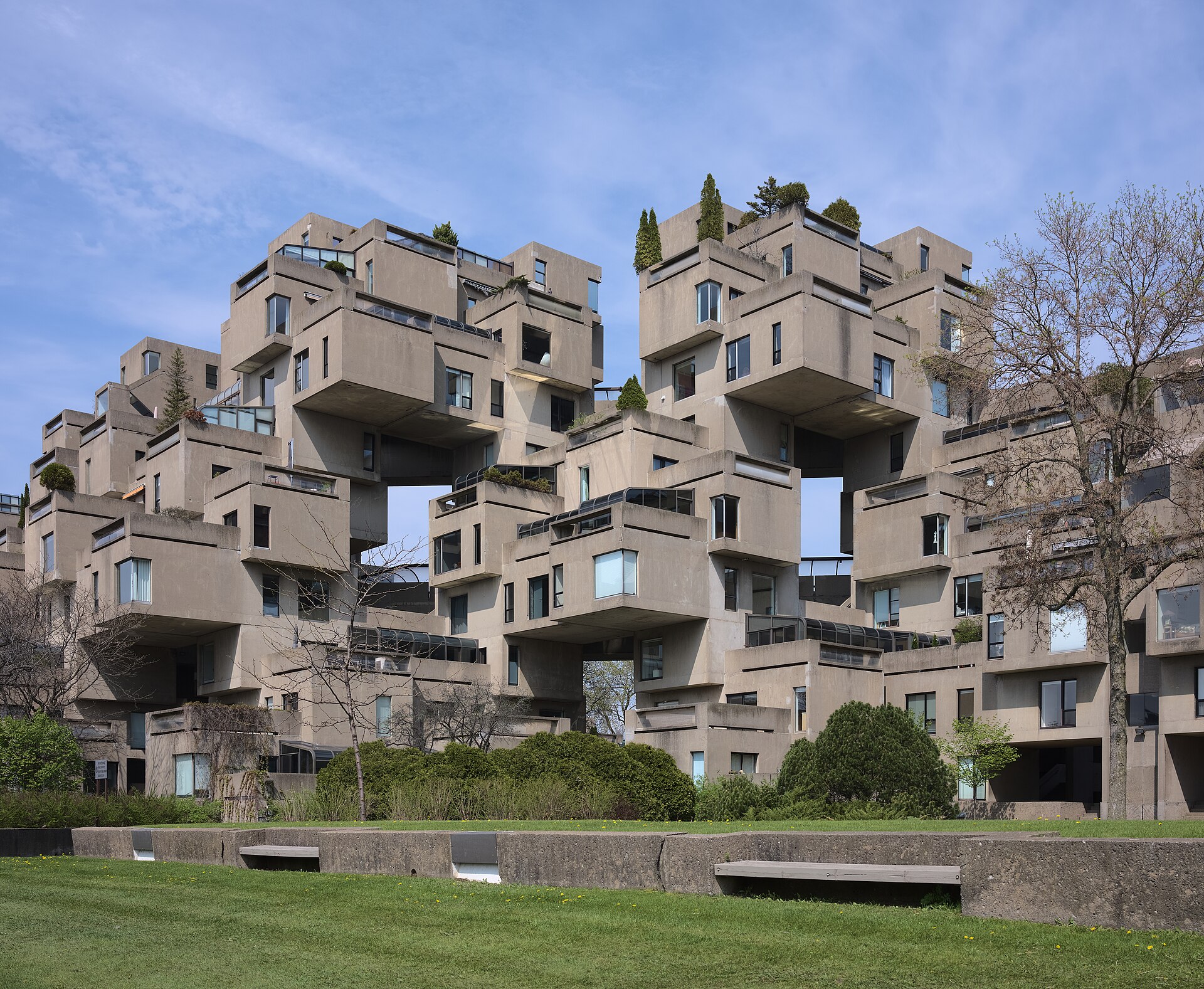
Habitat 67
2600 Av Pierre-Dupuy, St-Jacques, Montréal, H3C 3R6, Canada
Habitat 67 is one of the most important buildings in 20th-century architecture — a residential complex of 354 identical concrete cubes stacked and interlocked in a seemingly random arrangement that creates 146 apartments, each with its own rooftop garden and views in multiple directions.
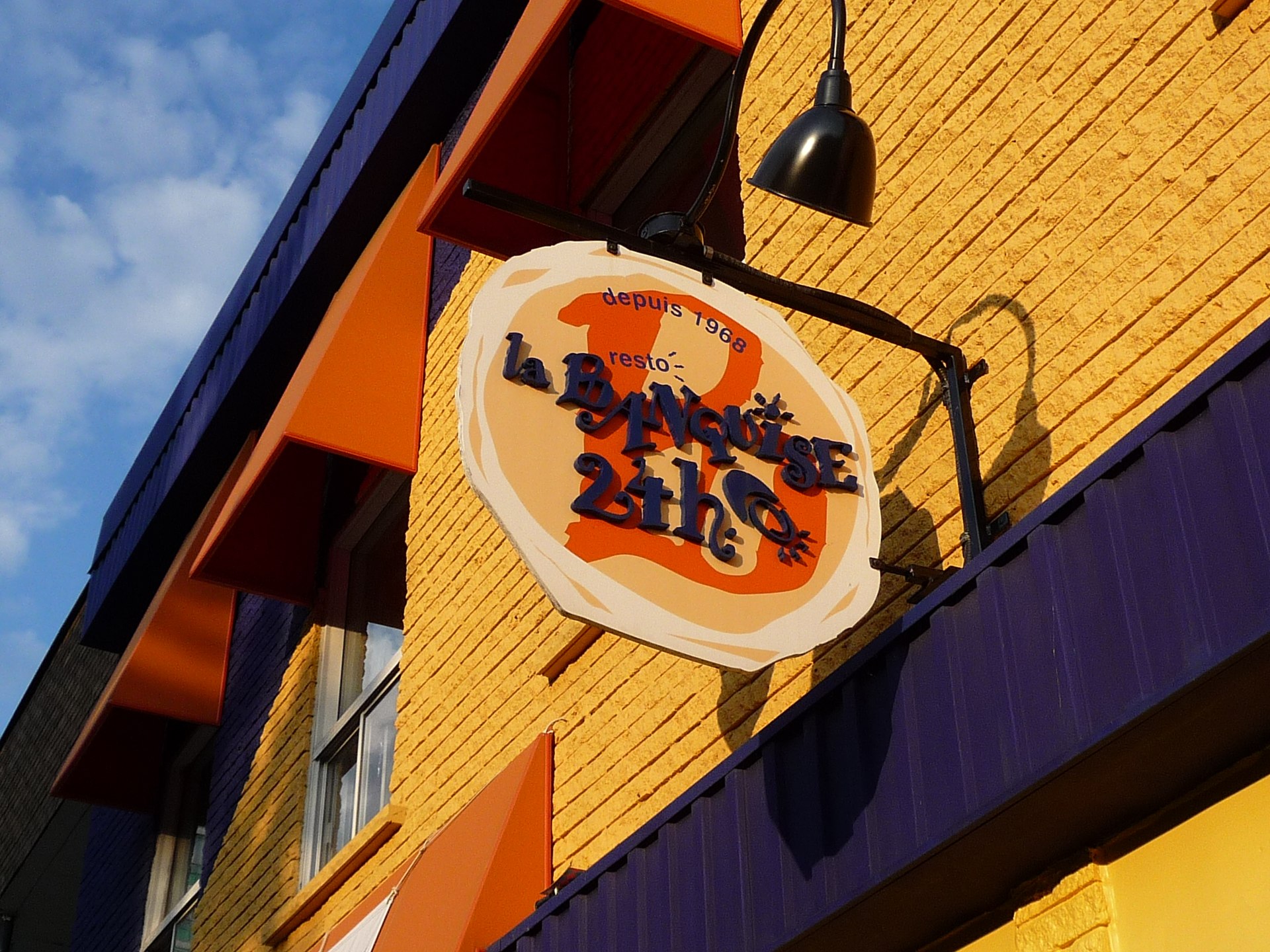
La Banquise
994 Rue Rachel, Plateau-Mont-Royal, Montréal, H2J 2J3, Canada
La Banquise is Montreal's poutine cathedral — a 24-hour restaurant on Rachel Street in the Plateau that has been serving Quebec's national dish in over 30 variations since 1968.
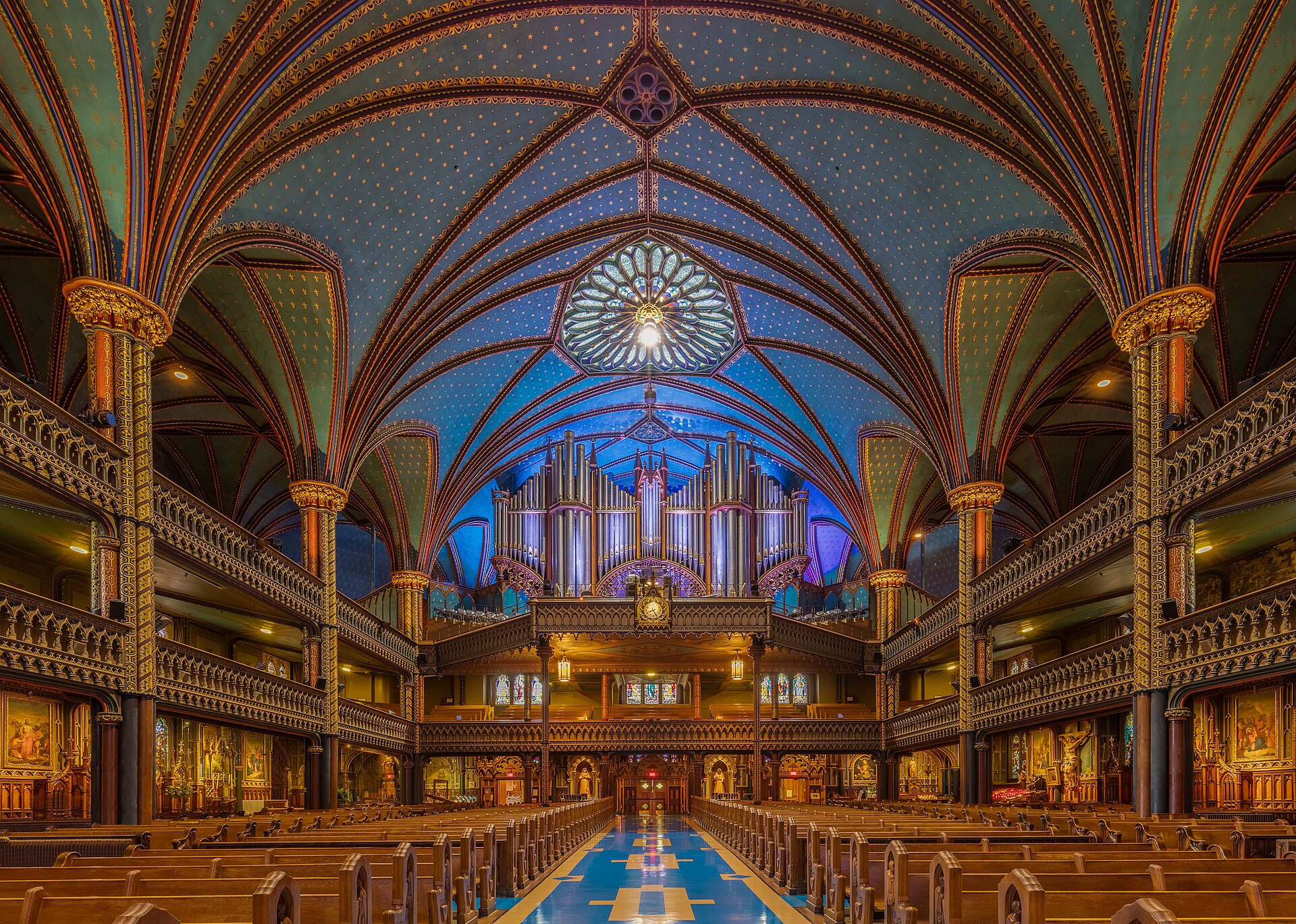
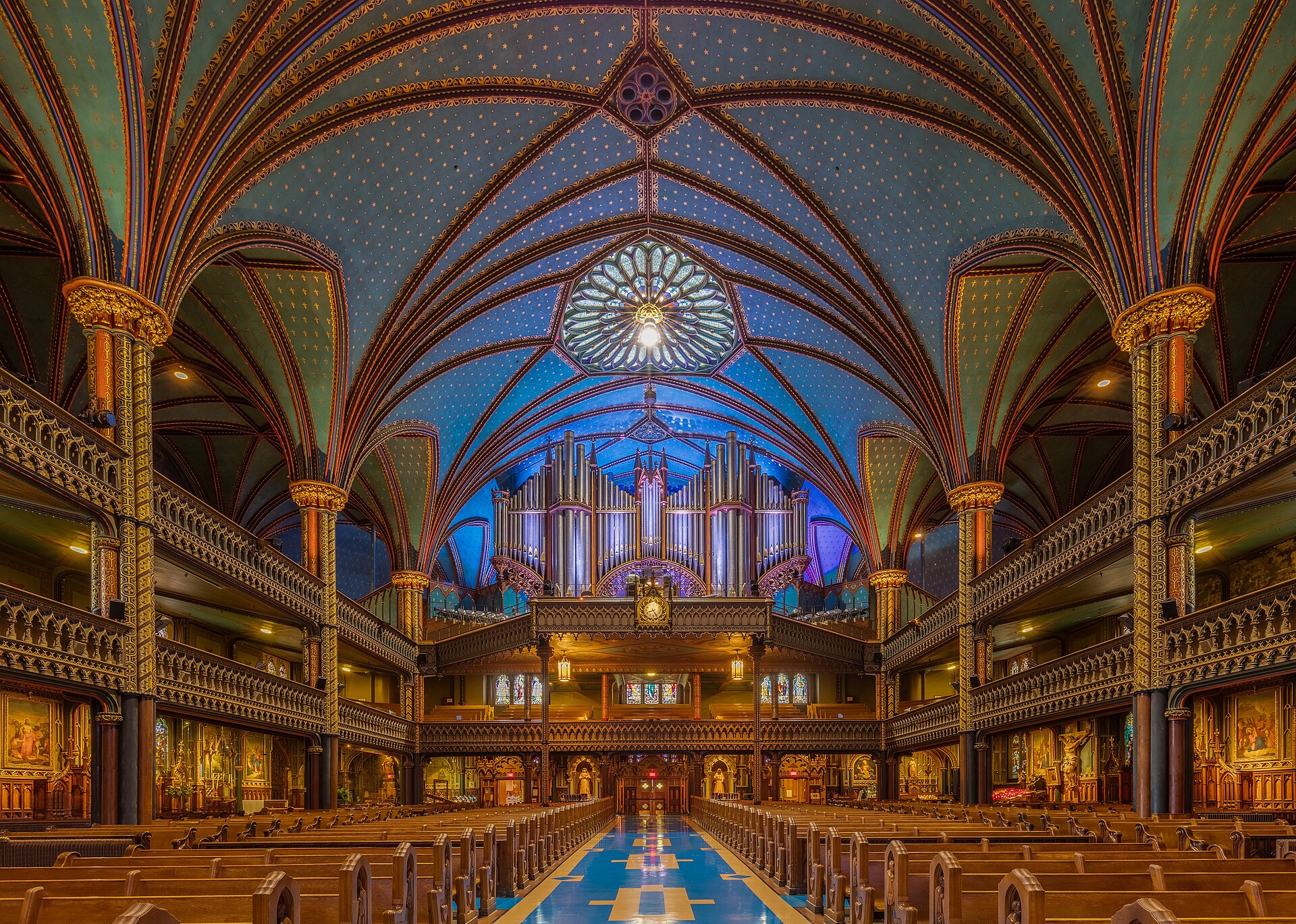
Notre-Dame Basilica
110 Rue Notre-Dame Ouest, Vieux-Montréal, Montreal
Notre-Dame Basilica is the most stunning interior in Canada — a Gothic Revival church whose nave explodes with colour in a way that catches even seasoned travellers off guard.
Old Montreal (Vieux-Montréal)
Rue St-Paul, Ste. Geneviève, Montréal, H9H 1E6, Canada
Old Montreal is the historic heart of the city — a district of cobblestone streets, 17th and 18th-century stone buildings, and horse-drawn calèches that occupies the original site of Ville-Marie, the French mission settlement founded in 1642.
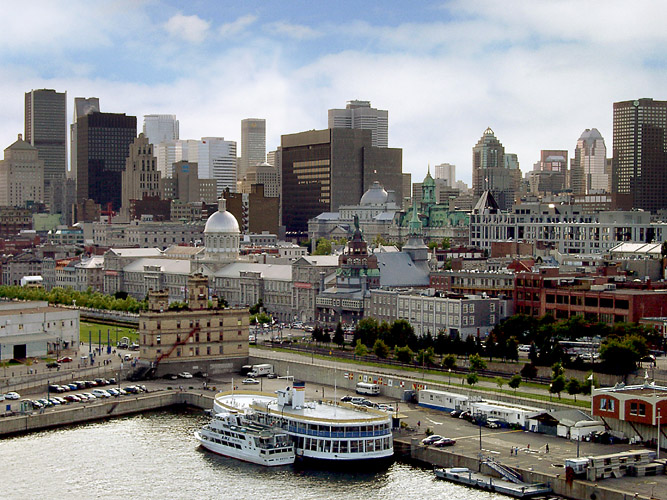
Old Port of Montreal
333 Rue de la Commune O, Vieux Montreal, Montréal, H2Y 2E2, Canada
The Old Port is Montreal's waterfront playground — a 2.
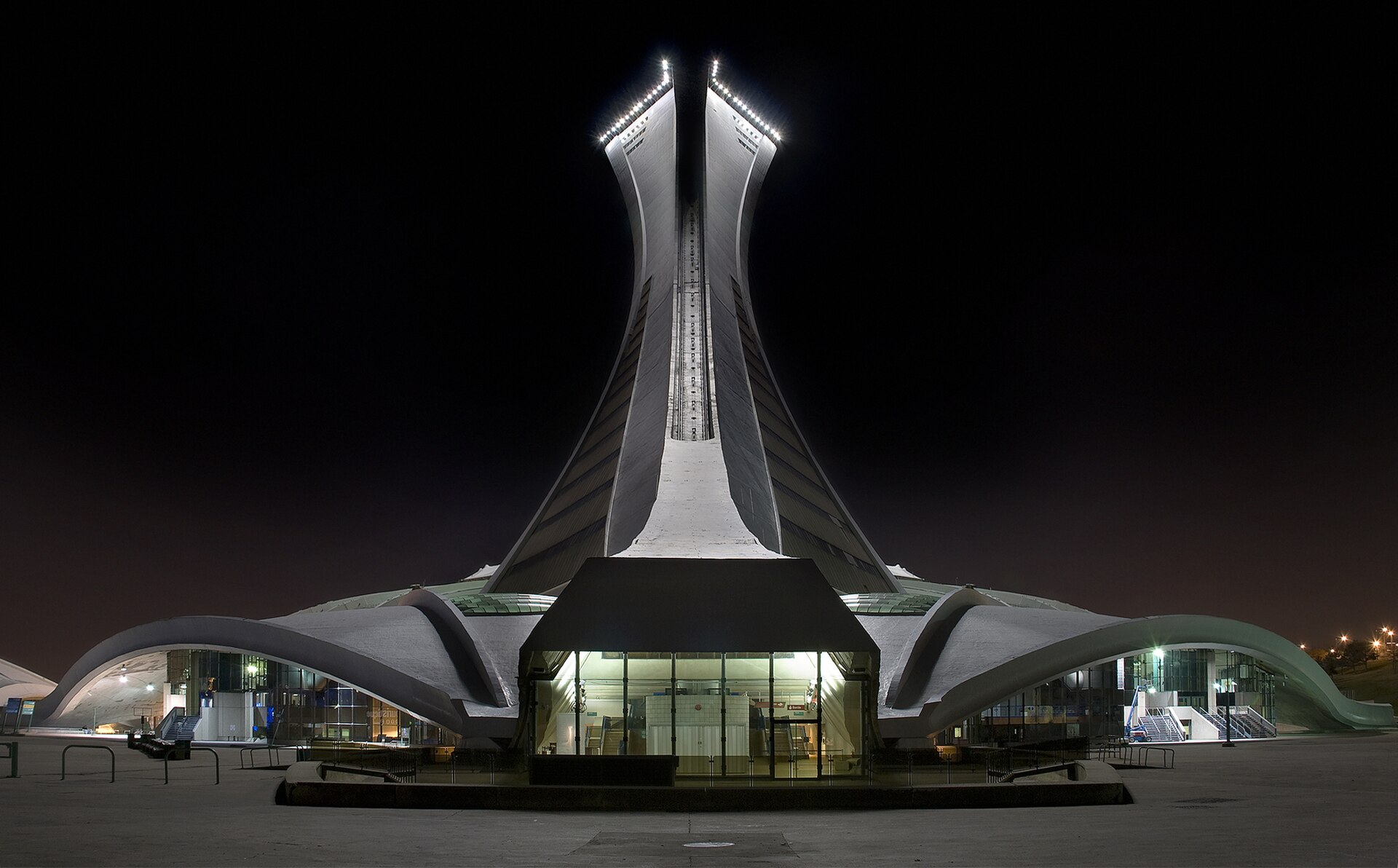
Olympic Stadium & Tower
4545 Av Pierre-de Coubertin, Hochelaga District, Montréal, H1V 0B2, Canada
The Olympic Stadium is Montreal's most controversial building — a 56,000-seat stadium with a retractable roof and an inclined tower designed by French architect Roger Taillibert for the 1976 Summer Olympics.
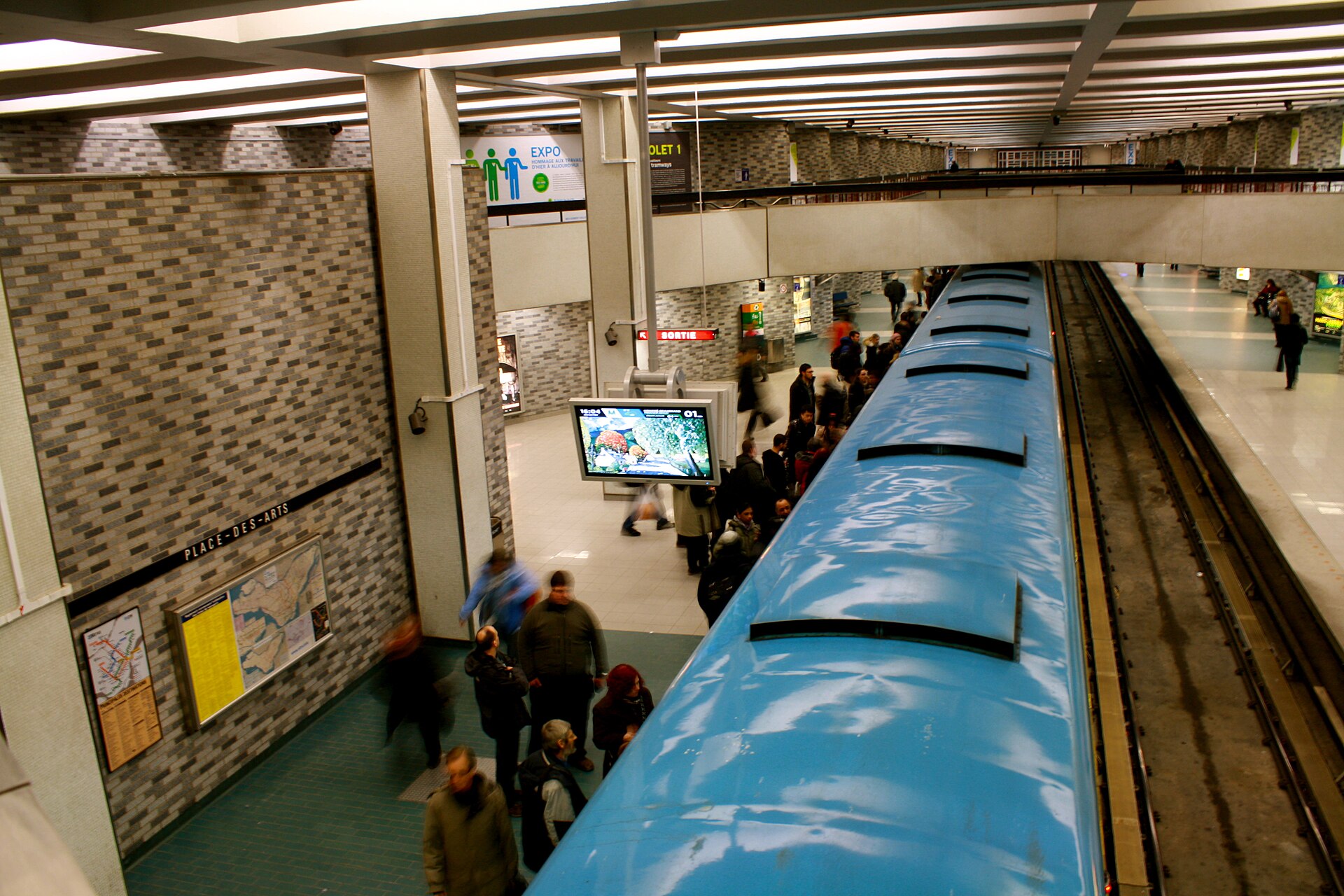
Place des Arts
175 Rue Sainte-Catherine Ouest, Montreal
Place des Arts is Montreal's performing arts complex — five concert halls and theatres arranged around a central plaza that serves as the main venue for the city's legendary festival season.
Rue Sainte-Catherine
Rue Ste-Catherine E, Pointe-aux-Trembles, Montréal, H1B 1X2, Canada
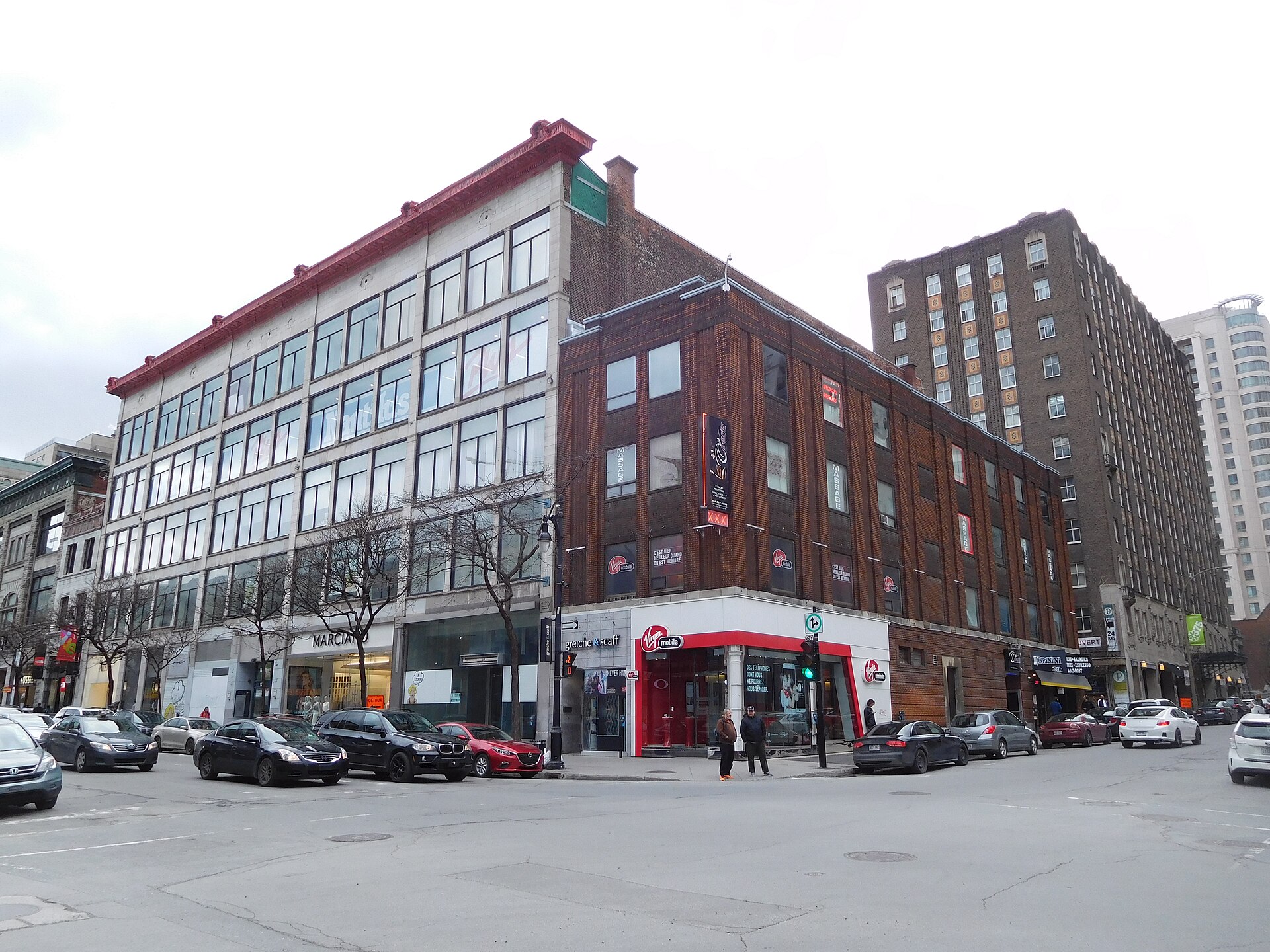
Rue Sainte-Catherine is Montreal's main commercial street — a 15-kilometre corridor that runs east-west across the island and passes through virtually every major neighbourhood and demographic that the city contains.
Saint Joseph's Oratory
3800 Chemin Queen Mary, Montreal
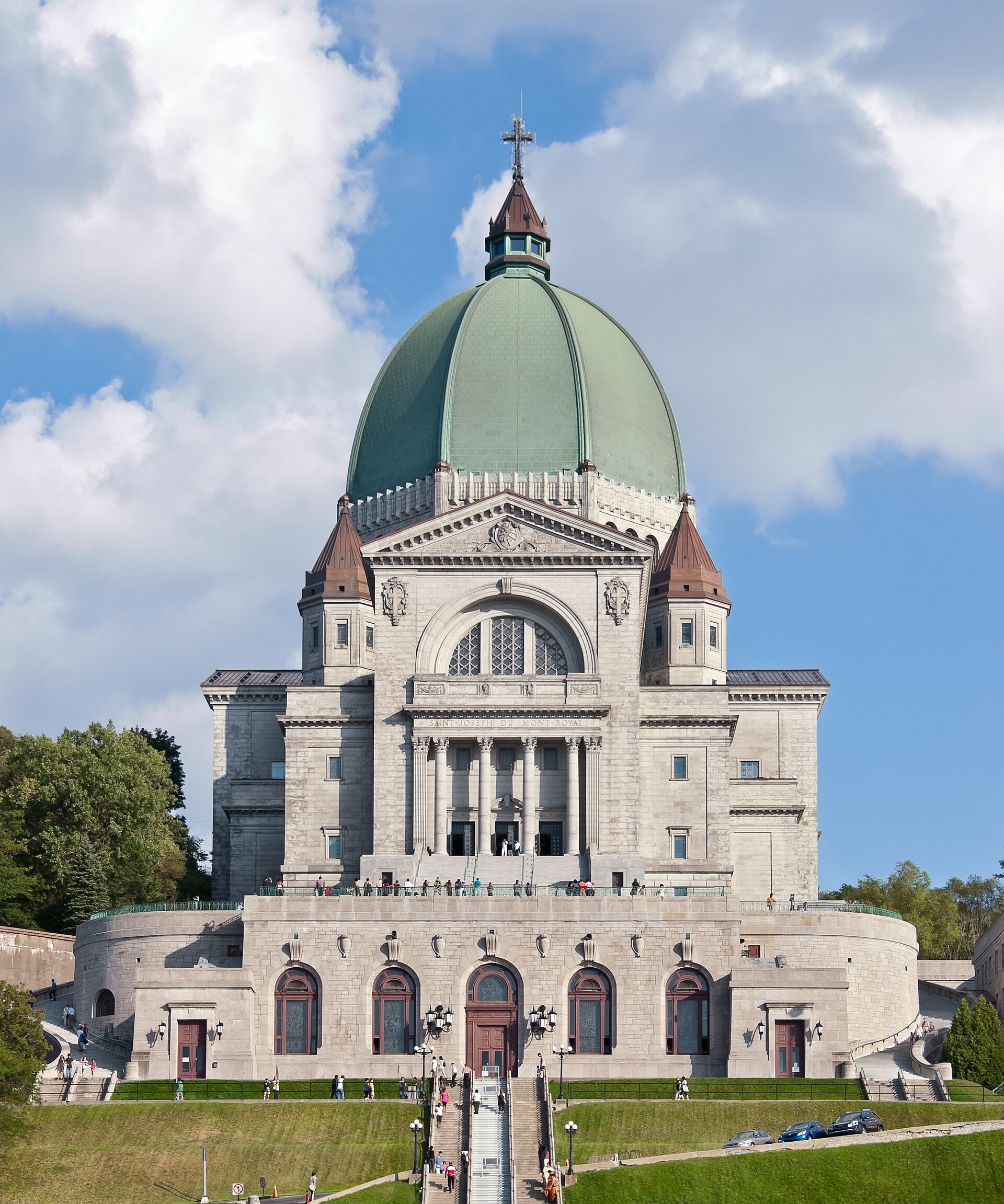
Saint Joseph's Oratory is the largest church in Canada and the third-largest dome in the world — a massive basilica clinging to the north slope of Mount Royal whose copper dome (recently restored to a gleaming green) is visible from 30 kilometres away and has been the most recognisable feature of Montreal's skyline since its completion in 1967.
Schwartz's Deli
3895 Boul St-Laurent, Little Portugal, Montréal, H2W 1K4, Canada
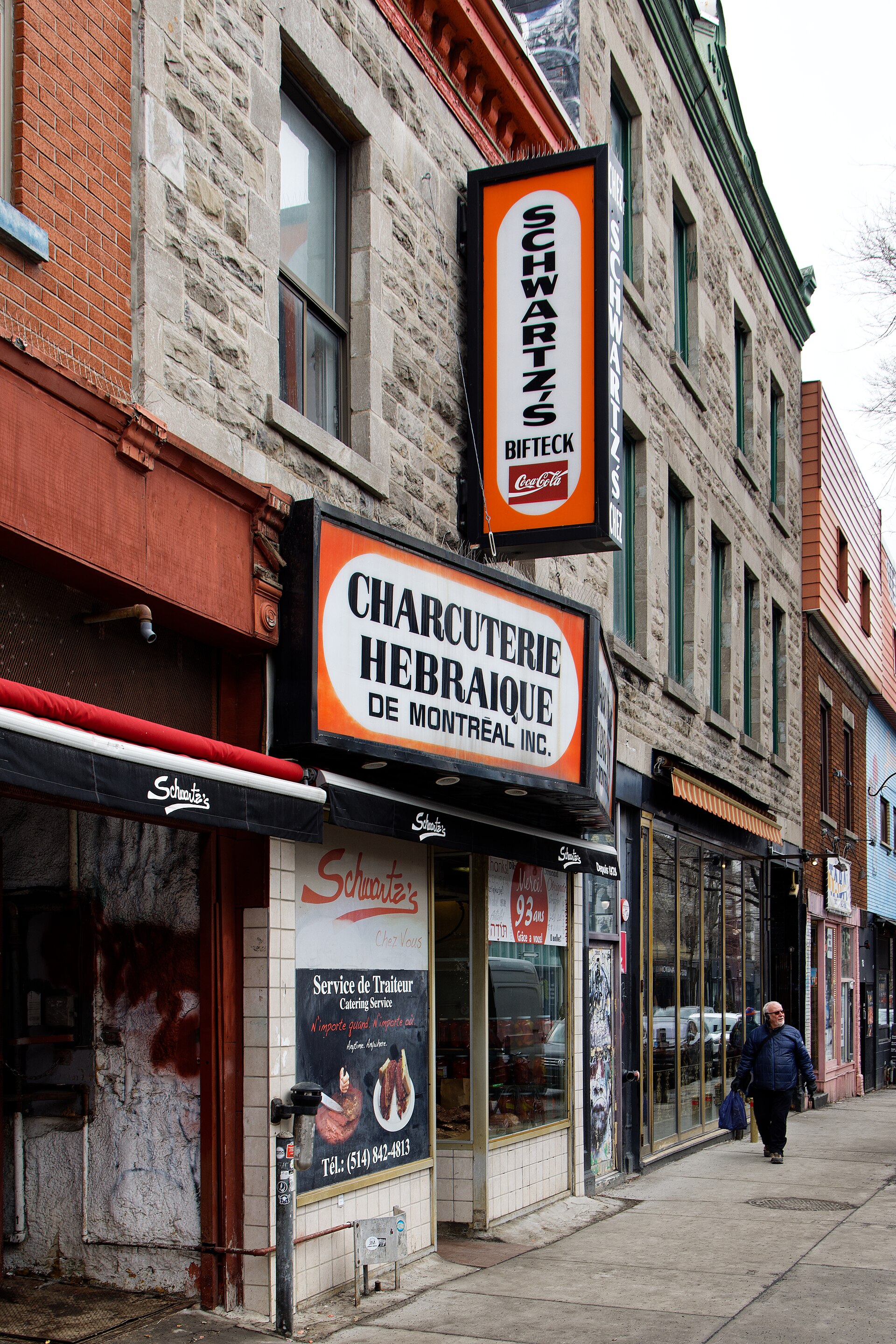
Schwartz's is the most famous deli in Canada — a narrow, no-frills smoked meat shop on The Main that has been hand-smoking, hand-cutting, and hand-serving Montreal's signature sandwich since 1928.
Underground City (RÉSO)
Place Ville-Marie, McGill, Montréal, Canada
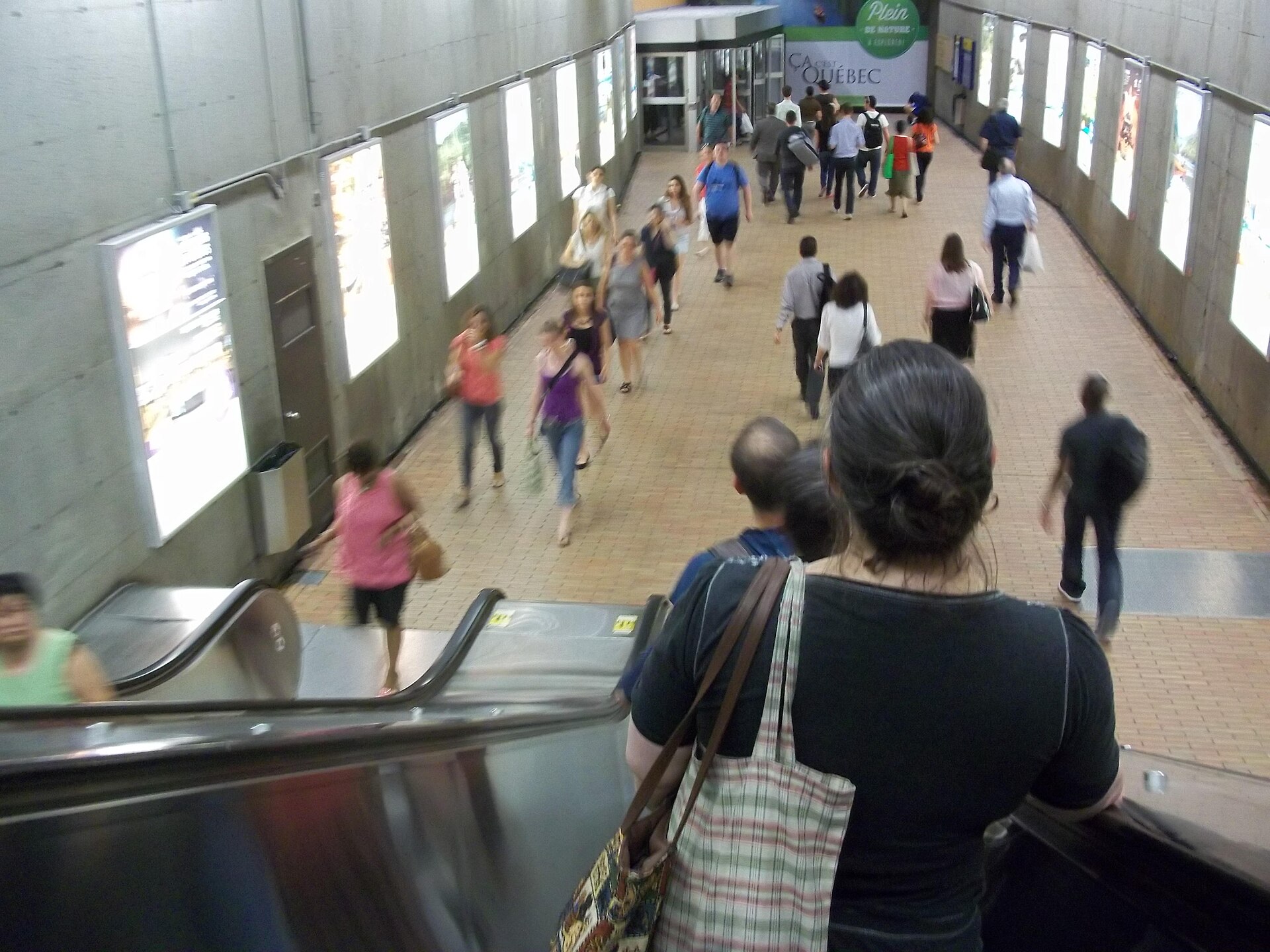
Montreal's Underground City — officially called RÉSO — is the largest underground complex in the world: 33 kilometres of tunnels connecting 10 metro stations, 2,000 shops, 200 restaurants, 40 banks, 7 major hotels, 2 universities, and several concert and exhibition venues in a climate-controlled network that allows Montrealers to live, work, shop, and be entertained without ever stepping outside during the five months of winter when temperatures regularly drop below minus 20.
Explore iconic in Montreal
GPS-guided narration at every landmark. Tap a spot on the map, hear the story. Every fact verified.