Olympic Stadium & Tower
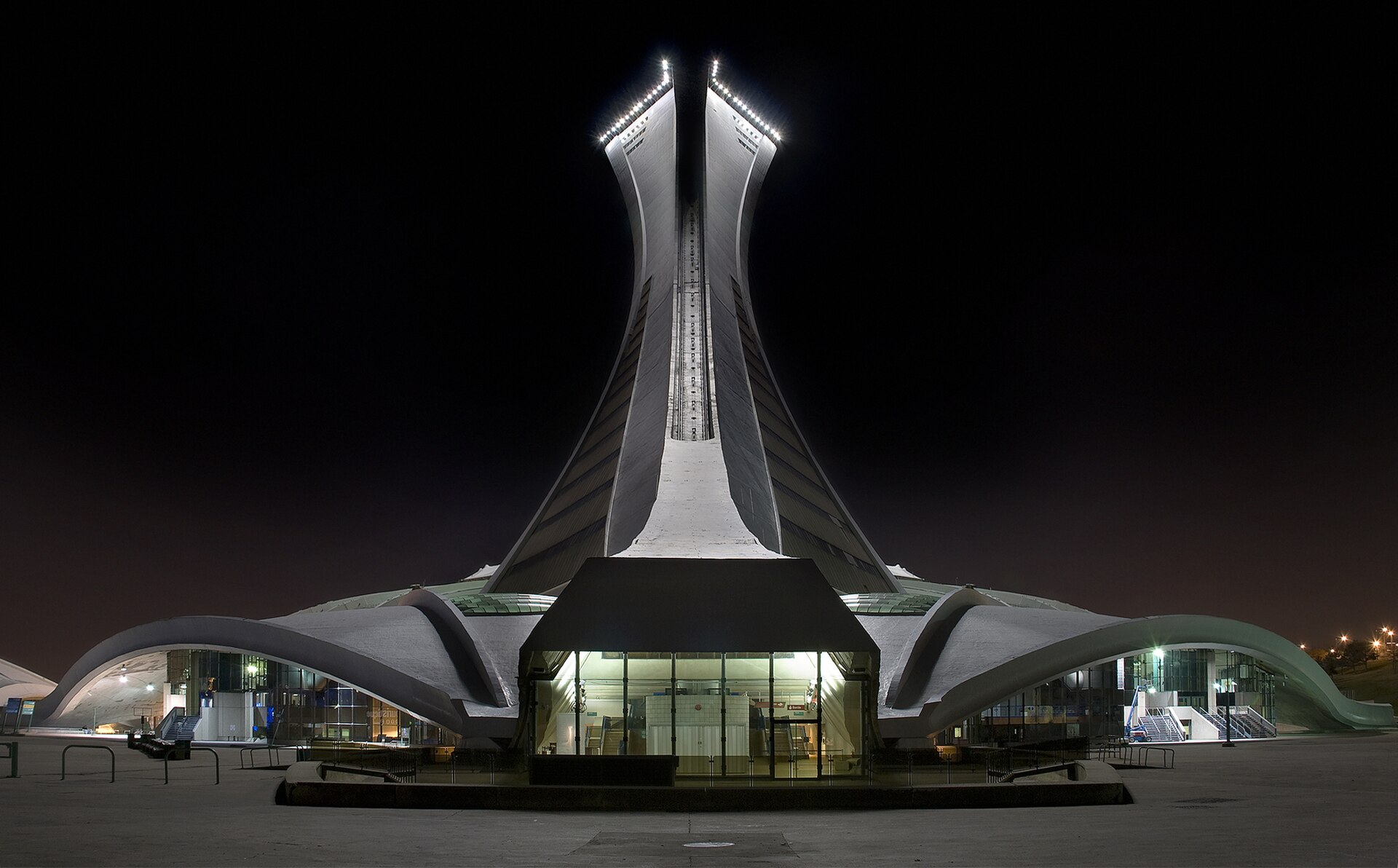
The Olympic Stadium is Montreal's most controversial building — a 56,000-seat stadium with a retractable roof and an inclined tower designed by French architect Roger Taillibert for the 1976 Summer Olympics. The tower, at 175 metres, is the tallest inclined structure in the world, and the stadium's swooping concrete curves represent either the peak of brutalist ambition or the most expensive construction disaster in Olympic history, depending on whom you ask.
The 1976 Olympics left Montreal with a debt that took 30 years to pay off — the stadium cost over $1.5 billion (in 1976 dollars, adjusted for overruns), and the retractable roof was never reliably functional (it was replaced with a fixed roof after tearing repeatedly). The tower, which was supposed to support the roof via cables, wasn't even completed until 1987, eleven years after the Olympics. The stadium is simultaneously a masterwork of sculptural architecture and a cautionary tale about public spending.
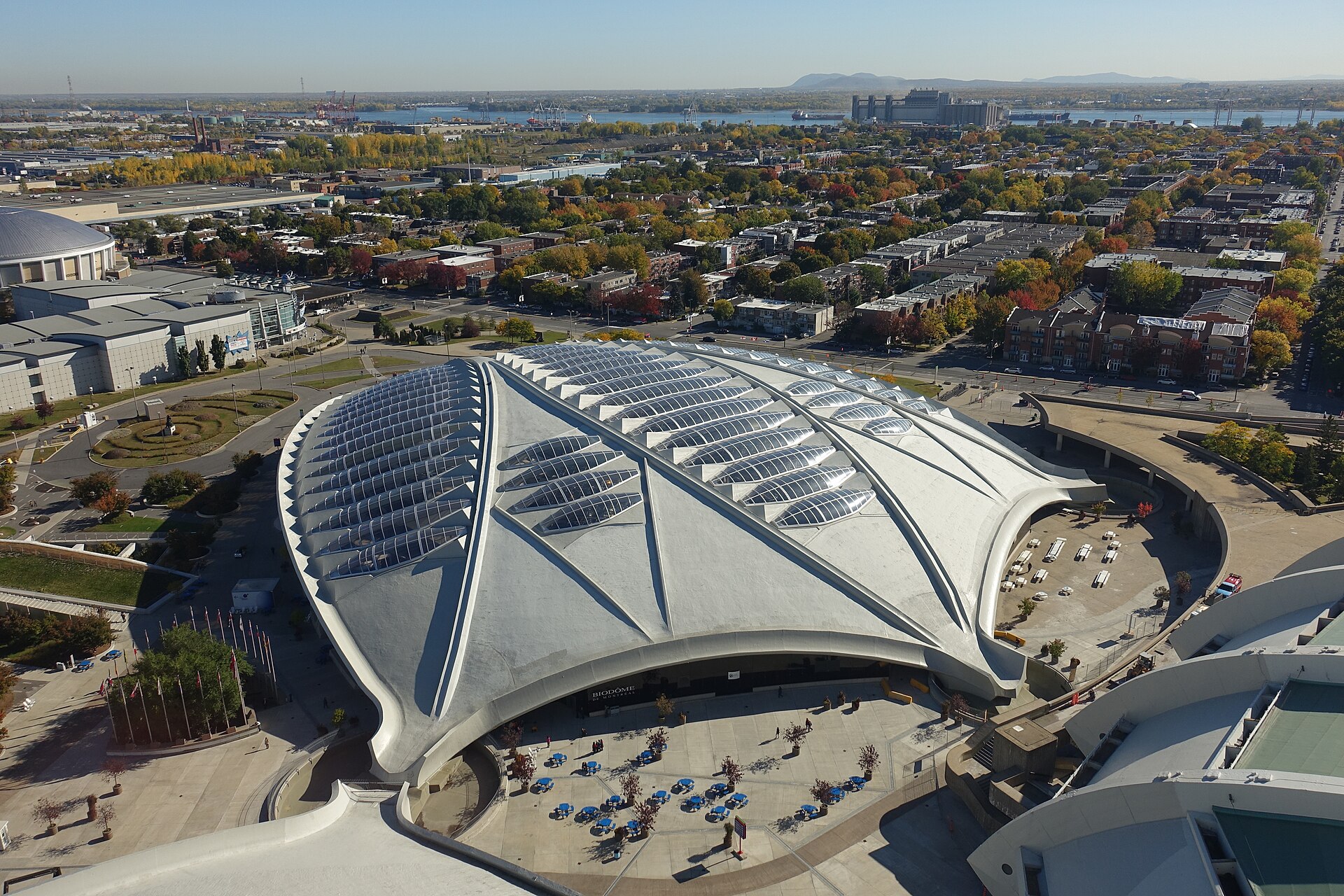
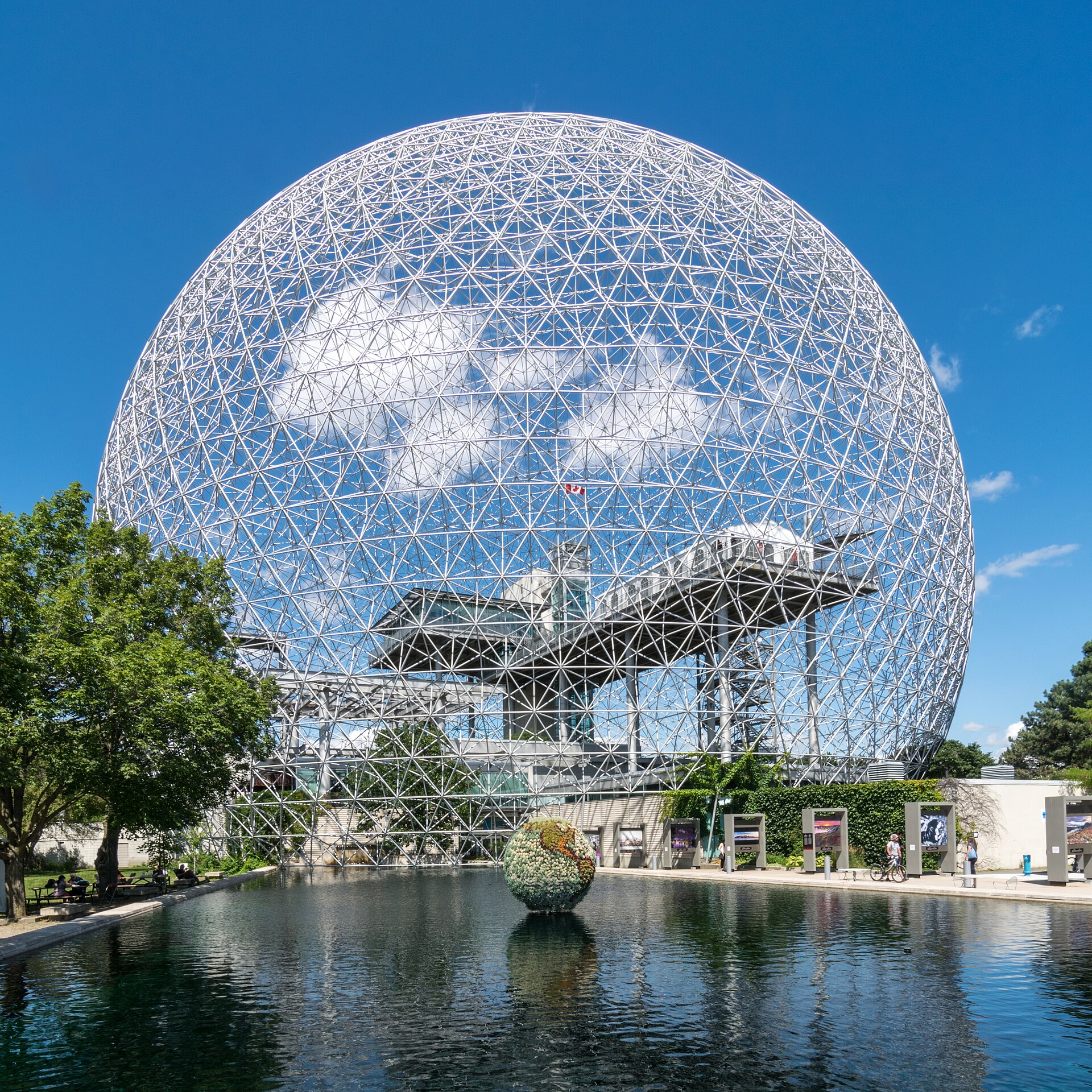
The observation deck at the top of the inclined tower is reached by a funicular that climbs the exterior, and the view — Montreal, the St. Lawrence, the Monteregian Hills, and on clear days the Adirondacks — is the highest viewpoint in the city. The surrounding Olympic Park includes the Biodôme (a former cycling velodrome converted into four recreated ecosystems), the Botanical Garden, and the Insectarium, creating a cultural and scientific campus that has given the stadium's neighbourhood a purpose beyond housing a building nobody quite knows what to do with.
Verified Facts
The Olympic Stadium was built for the 1976 Summer Olympics
The inclined tower is 175 metres, the tallest inclined structure in the world
The stadium cost over $1.5 billion and took 30 years to pay off
The tower was not completed until 1987, eleven years after the Olympics
Get walking directions
4545 Av Pierre-de Coubertin, Hochelaga District, Montréal, H1V 0B2, Canada