Pointe-à-Callière is Montreal's archaeology and history museum — built directly on top of the city's birthplace, the exact spot where Paul de Chomedey de Maisonneuve founded Ville-Marie in 1642. The museum descends beneath the modern building into the excavated foundations of Montreal's first buildings — stone walls, wells, and drainage channels from the 17th century that were discovered during construction in the 1990s and preserved in an underground archaeological crypt.
The underground experience is the museum's unique feature. You literally walk through the foundations of the original settlement — the fort, the cemetery, the first Catholic chapel — with the layers of history visible in the excavated soil profiles. The museum connects underground to the Old Customs House and a section of the city's original sewer system (the William Collector, built in 1832), creating a subterranean route through 350 years of urban infrastructure that is as fascinating as it is damp.
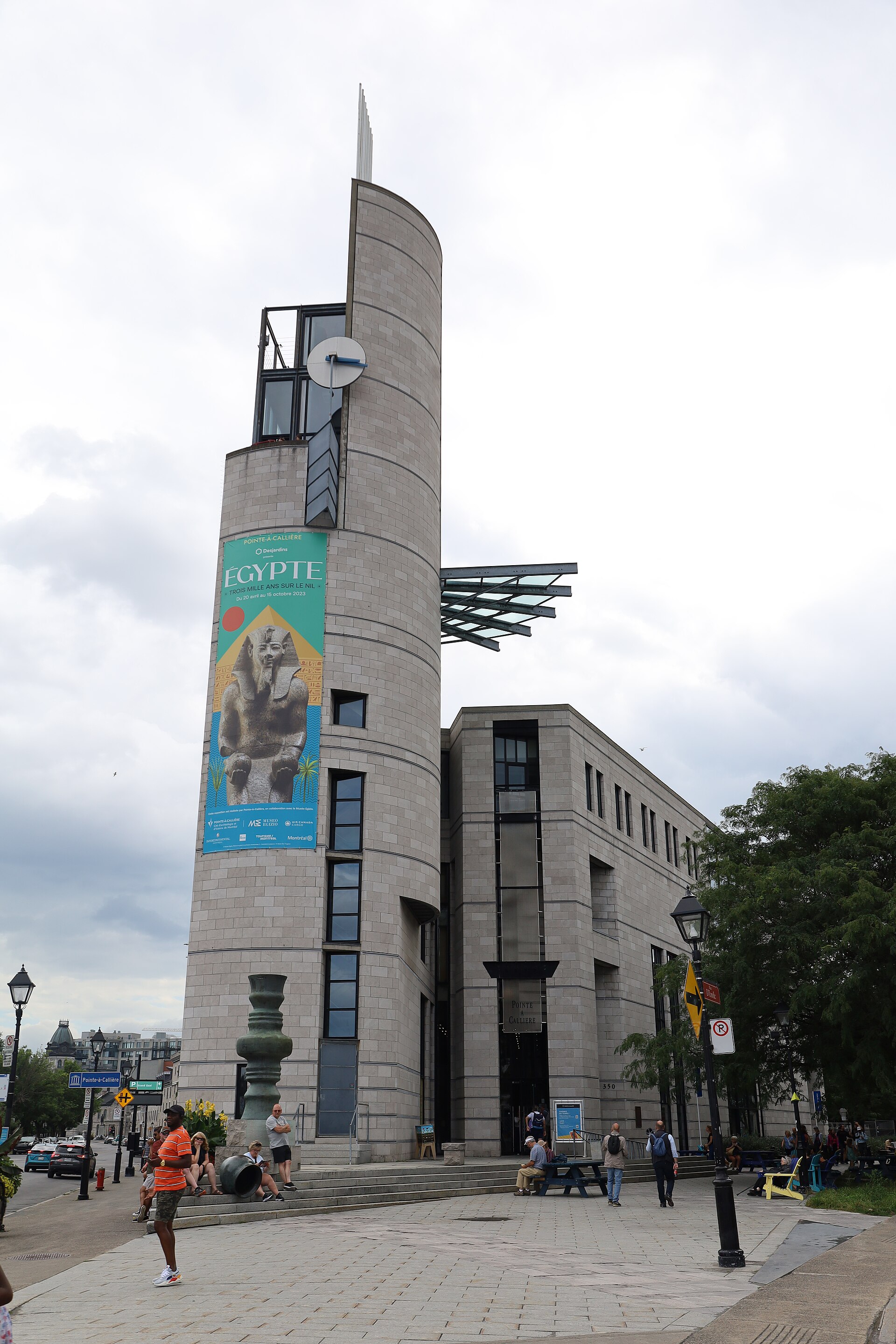
Above ground, the museum's modernist building (designed by Dan Hanganu, 1992) houses permanent and temporary exhibitions on Montreal's history, with particular strength in the First Nations, French colonial, and industrial periods. The multimedia show projected onto the archaeological ruins — illuminating the foundations while narrating the city's history — is one of the most effective museum experiences in the city. Pointe-à-Callière's location at Place Royale, the square where the original settlement was established, means you exit the museum standing on the same ground where Montreal began.
Verified Facts
The museum is built on the exact site where Montreal was founded in 1642
The underground crypt contains foundations from the 17th century
The modern building was designed by Dan Hanganu and opened in 1992
The museum connects underground to the 1832 William Collector sewer
Get walking directions
350 Place Royale, Vieux-Montréal, Montreal