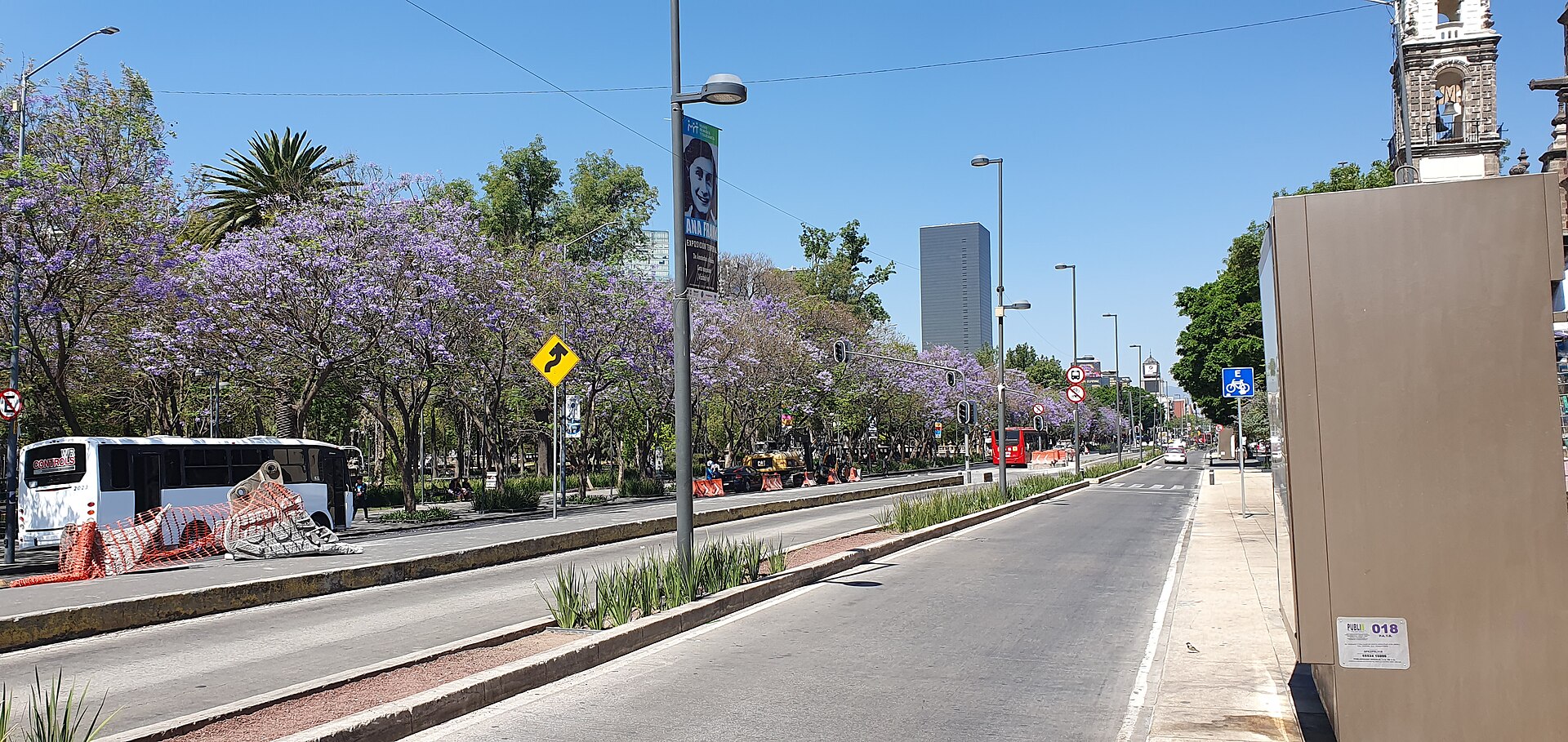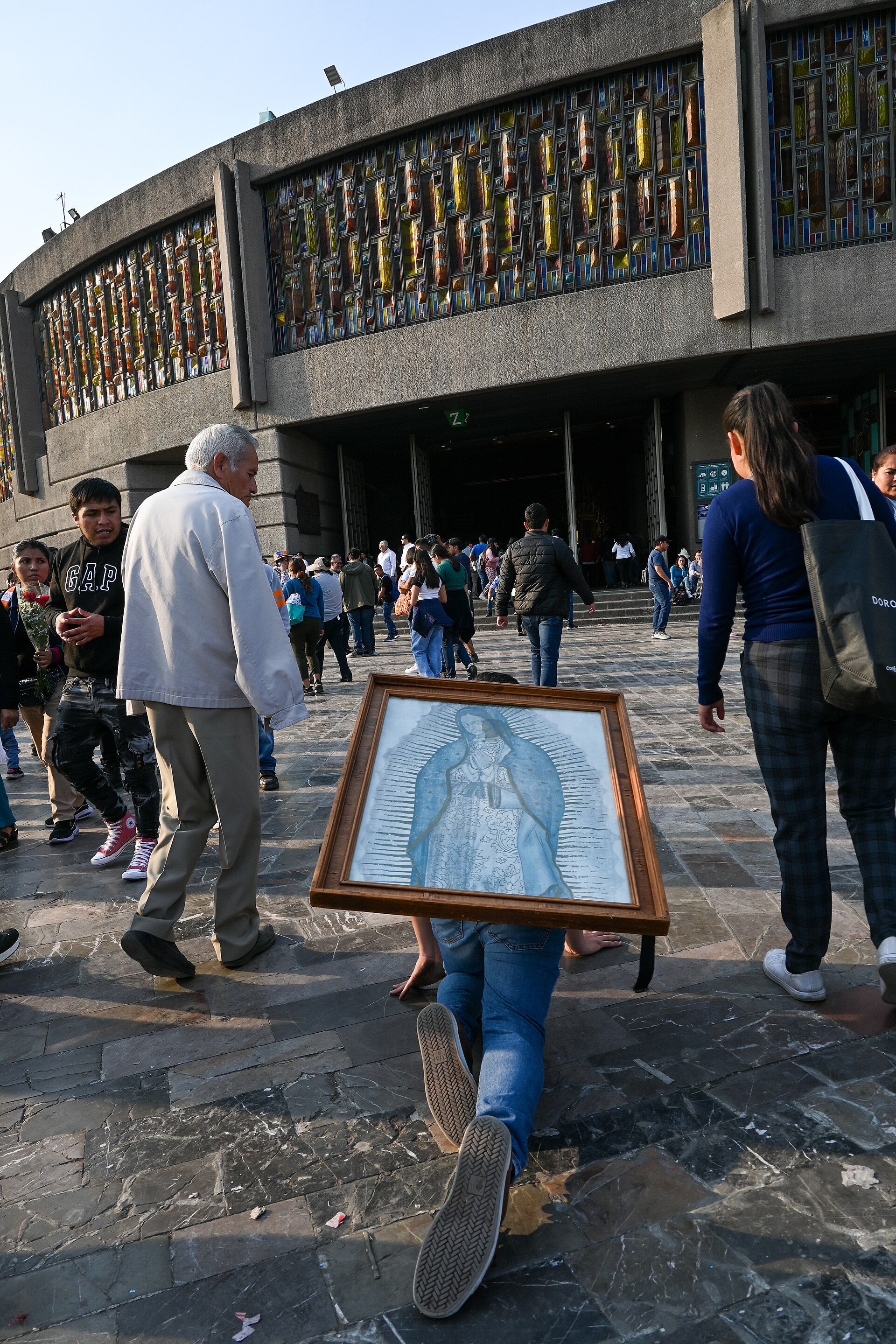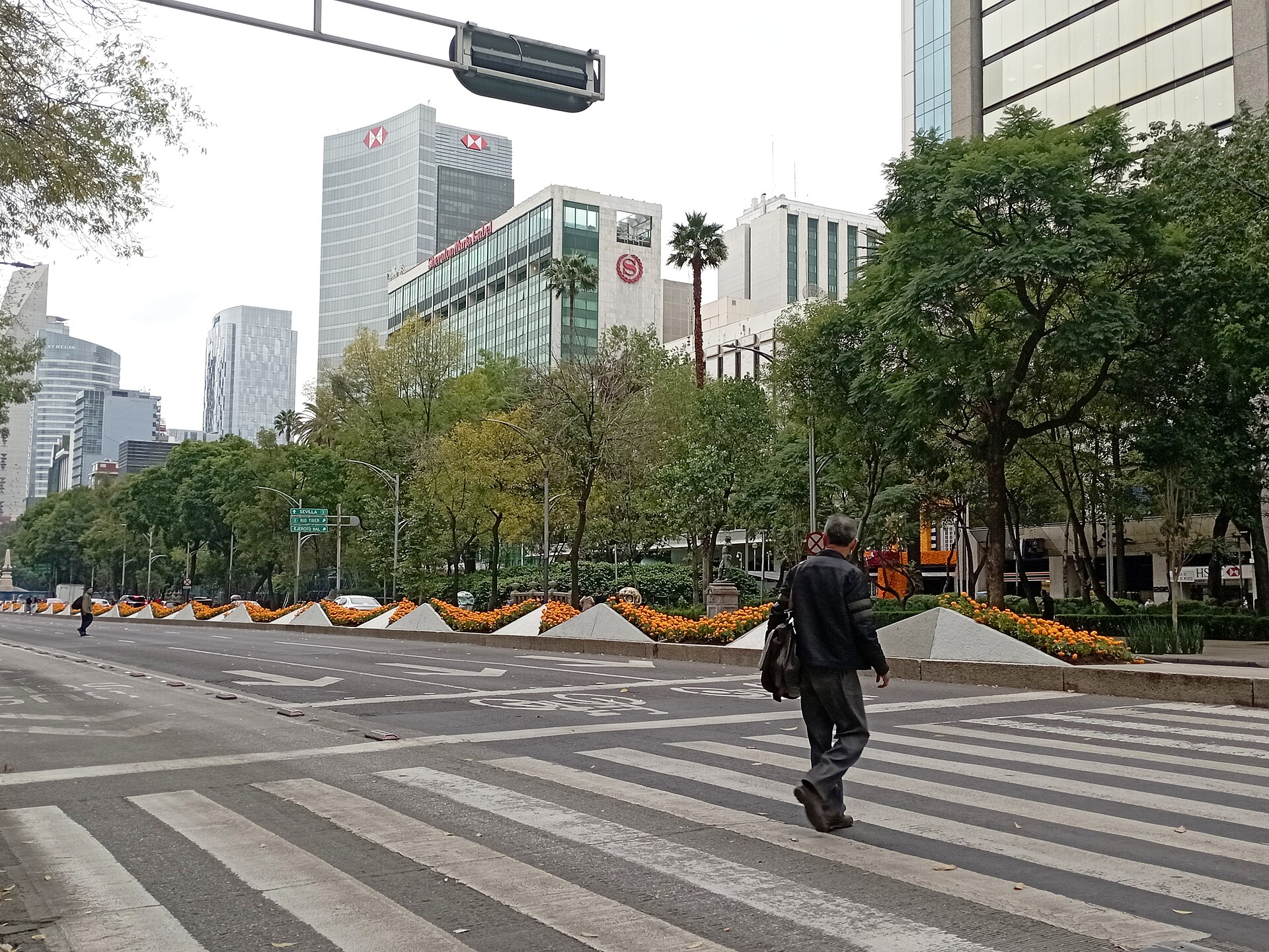
Paseo de la Reforma is Mexico City's grand boulevard — a 15-kilometre avenue modelled on the Champs-Élysées that runs from Chapultepec Park through the financial district to the Zócalo area, passing monuments, skyscrapers, and roundabouts anchored by some of the most important public sculptures in Mexico. The avenue was commissioned by Emperor Maximilian I in the 1860s (the Austrian archduke imposed on Mexico by Napoleon III, who was later executed by firing squad), and its European proportions reflect his brief, doomed attempt to make Mexico City rival the capitals of Europe.
The Ángel de la Independencia — a golden winged Victory standing atop a 36-metre column — is the boulevard's most famous landmark and Mexico City's unofficial symbol. The monument was erected in 1910 to mark the centenary of independence, and the column's base contains the remains of national heroes including Miguel Hidalgo and José María Morelos. The angel has also become the default gathering point for celebrations (Mexico's football victories trigger spontaneous pilgrimages to the roundabout) and protests.
The boulevard's modern section, between the Ángel and the Torre Mayor, is lined with the glass towers of Mexico's corporate establishment — HSBC, Pemex, BBVA — and the Sunday Ciclovía that closes the avenue to cars and opens it to cyclists, runners, and pedestrians transforms the corporate corridor into a public park that stretches for kilometres. Walking Reforma from Chapultepec to the Centro Histórico (about 5km) passes through the full spectrum of Mexico City's identity, from pre-Hispanic references to colonial monuments to 21st-century glass towers.
Verified Facts
Paseo de la Reforma was commissioned by Emperor Maximilian I in the 1860s
The Ángel de la Independencia was erected in 1910
The boulevard runs approximately 15 kilometres
Sunday Ciclovía closes the avenue to cars for cyclists and pedestrians
Get walking directions
Paseo de la Reforma, Mexico City