The 11 Most Iconic Landmarks in Mexico City
11 landmarks with verified facts and stories
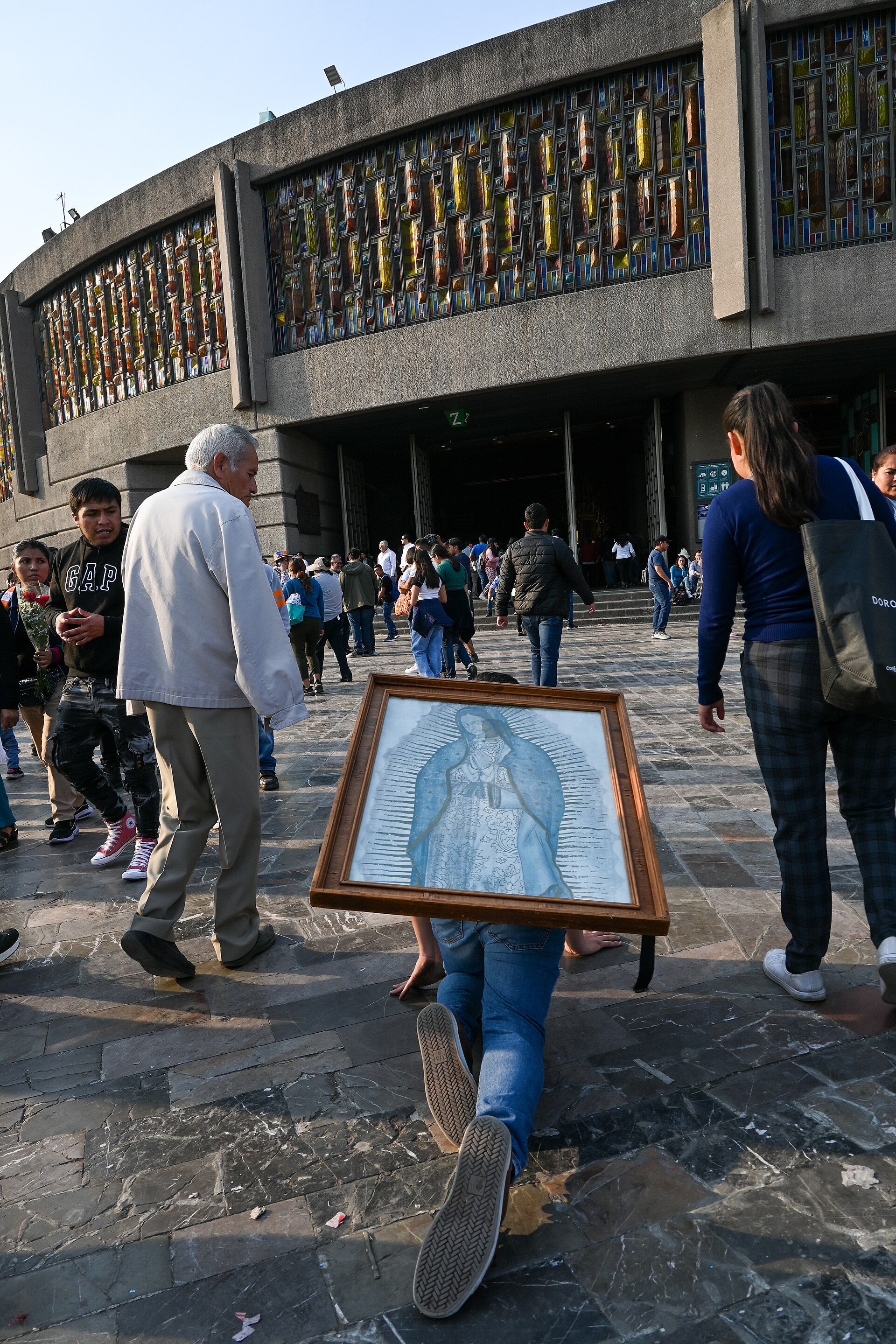
Basilica of Our Lady of Guadalupe
1 Avenida de Las Américas, Moderna, Benito Juárez, 03510, Mexico
The Basilica of Guadalupe is the most visited Catholic pilgrimage site in the world — over 10 million people come here annually to venerate the image of the Virgin of Guadalupe, which according to tradition appeared miraculously on the cloak (tilma) of an indigenous man named Juan Diego in 1531 and has been on continuous display for nearly 500 years.
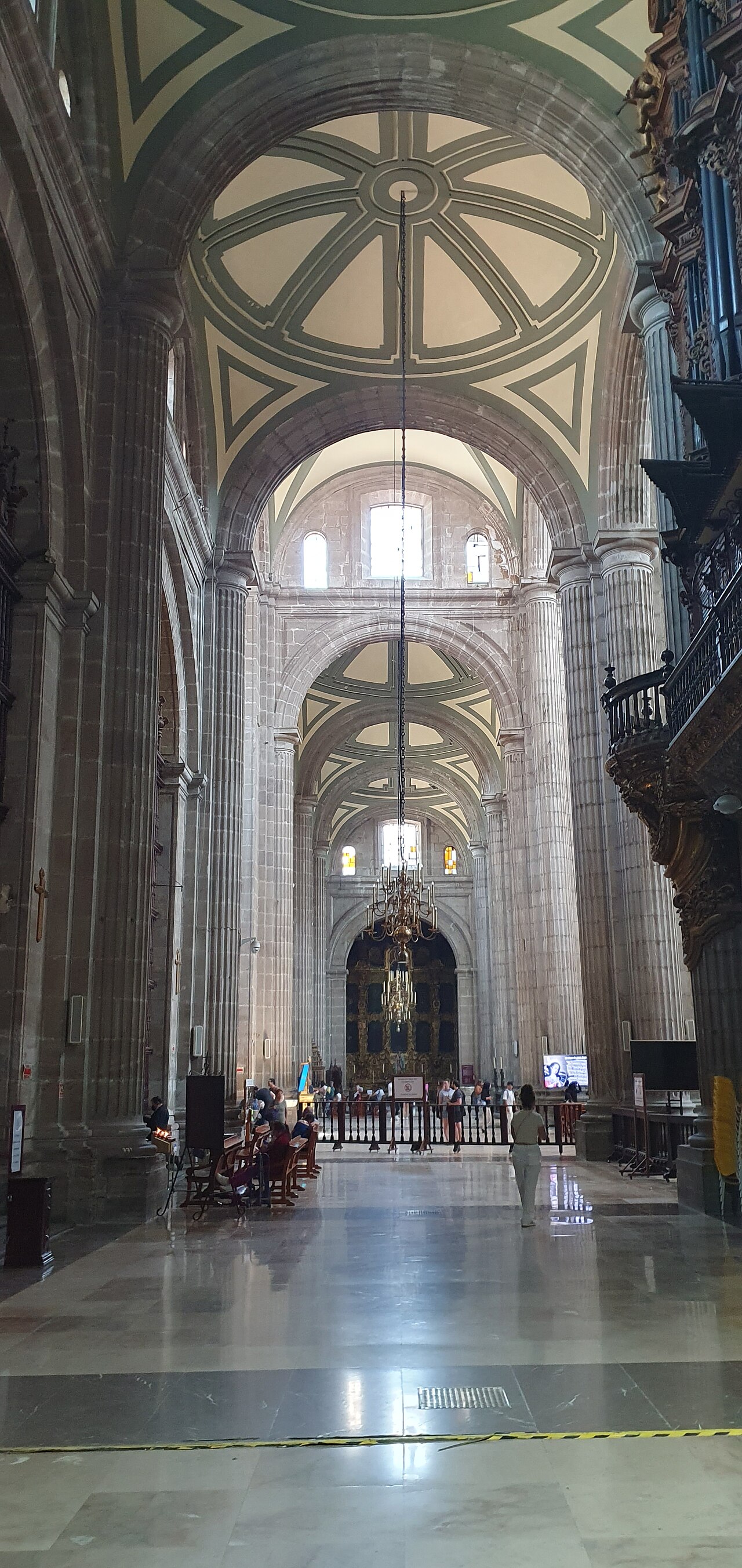
Metropolitan Cathedral
Plaza de La Constitución, Tlalpan Centro, Tlalpan, 14000, Mexico
The Metropolitan Cathedral is the largest and oldest cathedral in Latin America — a massive structure built on the ruins of an Aztec temple over a period of 250 years (1573-1813), which means it contains every architectural style that swept through Mexico during those centuries: Renaissance, Baroque, Neoclassical, and Churrigueresque all live under one roof, and the result is less a coherent building than a timeline of Mexican religious architecture.
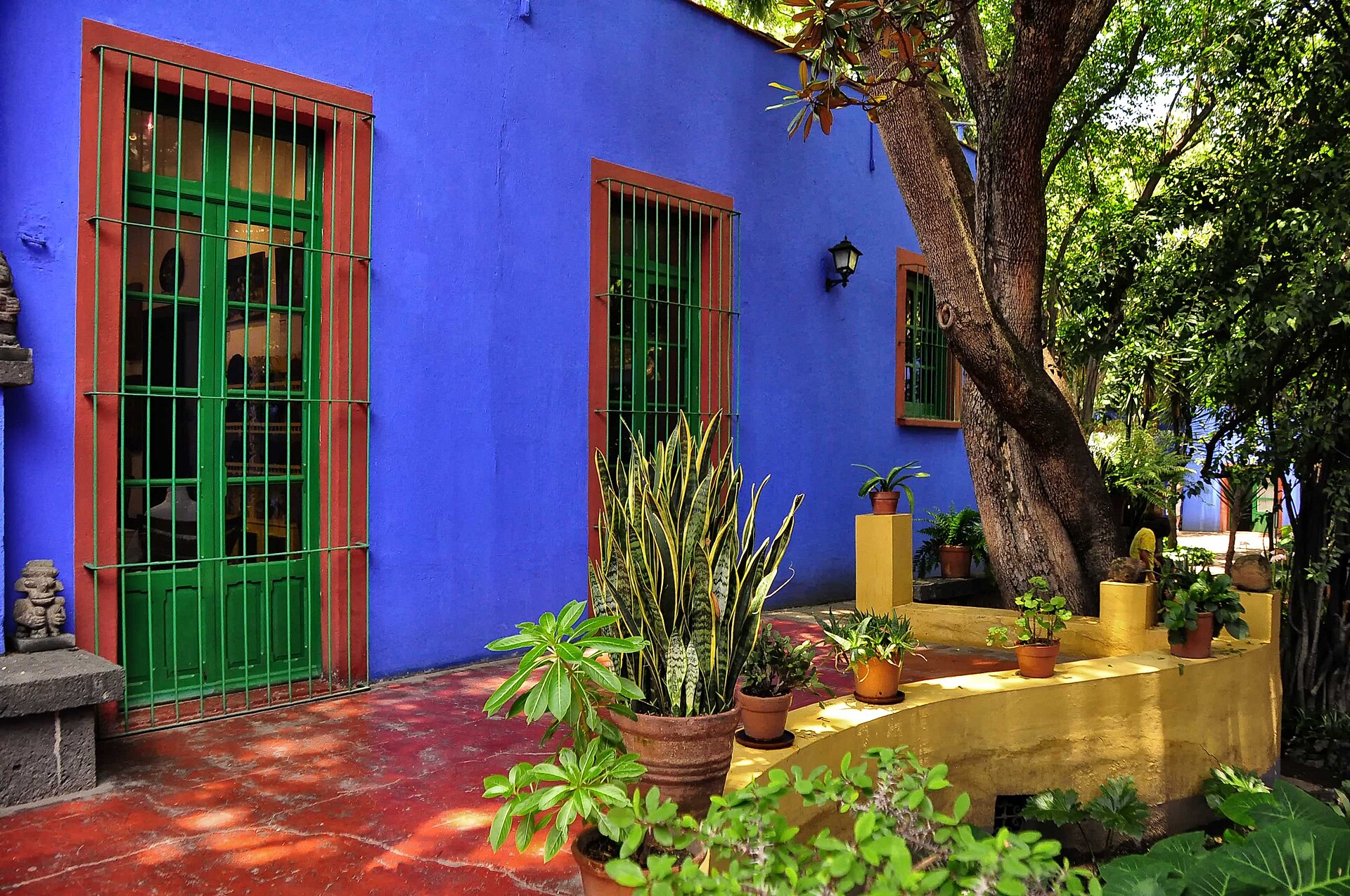
Museo Frida Kahlo (Casa Azul)
Londres 247, Del Carmen, Coyoacán, Mexico City
The Casa Azul (Blue House) is where Frida Kahlo was born, lived, painted, suffered, and died — a cobalt-blue colonial house in Coyoacán that has been preserved as a museum since 1958 and has become the most visited museum in Mexico City.
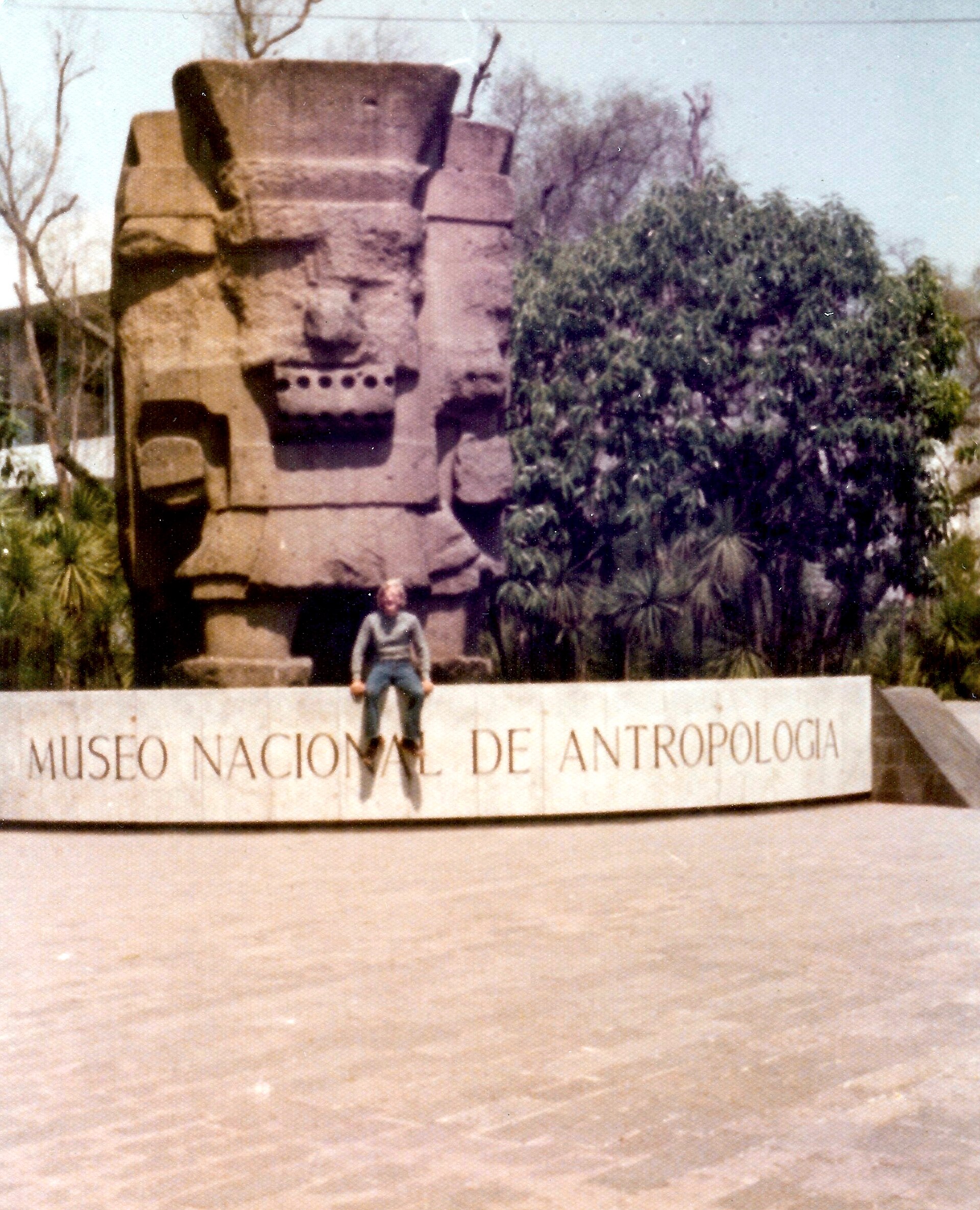
Museo Nacional de Antropología
Avenida Explanada, Lomas de Chapultepec, Miguel Hidalgo, 11000, Mexico
The National Museum of Anthropology is the most important museum in Latin America and one of the finest archaeological museums in the world — a modernist masterpiece designed by Pedro Ramírez Vázquez in 1964 that houses the material culture of Mexico's pre-Hispanic civilisations in a building that is itself a work of art.
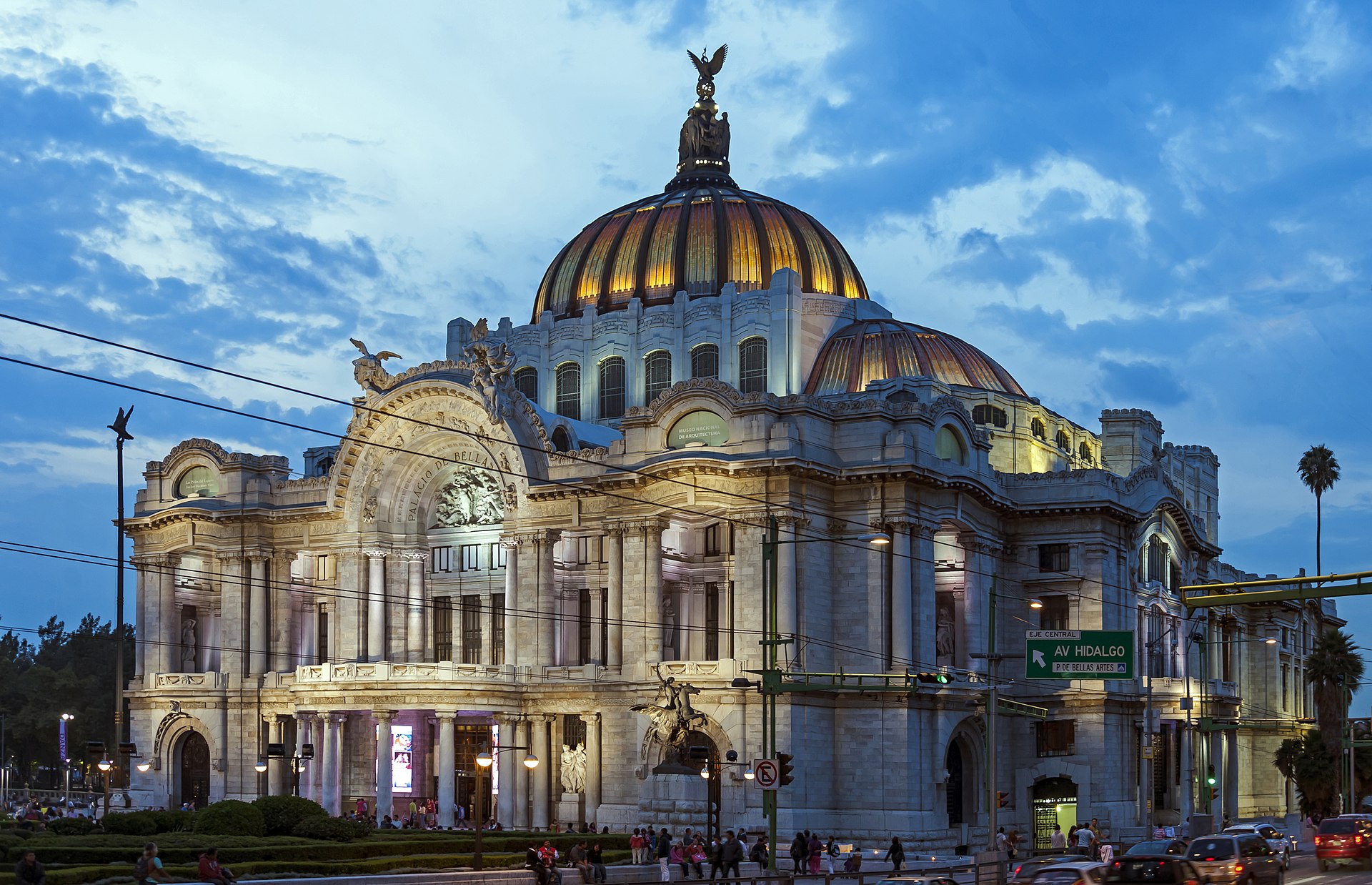
Palacio de Bellas Artes
Plaza Juárez, Atlampa, Cuauhtémoc, 06450, Mexico
The Palacio de Bellas Artes is the most important cultural building in Mexico — an Art Nouveau and Art Deco masterpiece of white Carrara marble that took 30 years to build (1904-1934), sank over a metre into the soft lake bed during construction, and houses some of the most significant murals in the Western Hemisphere.
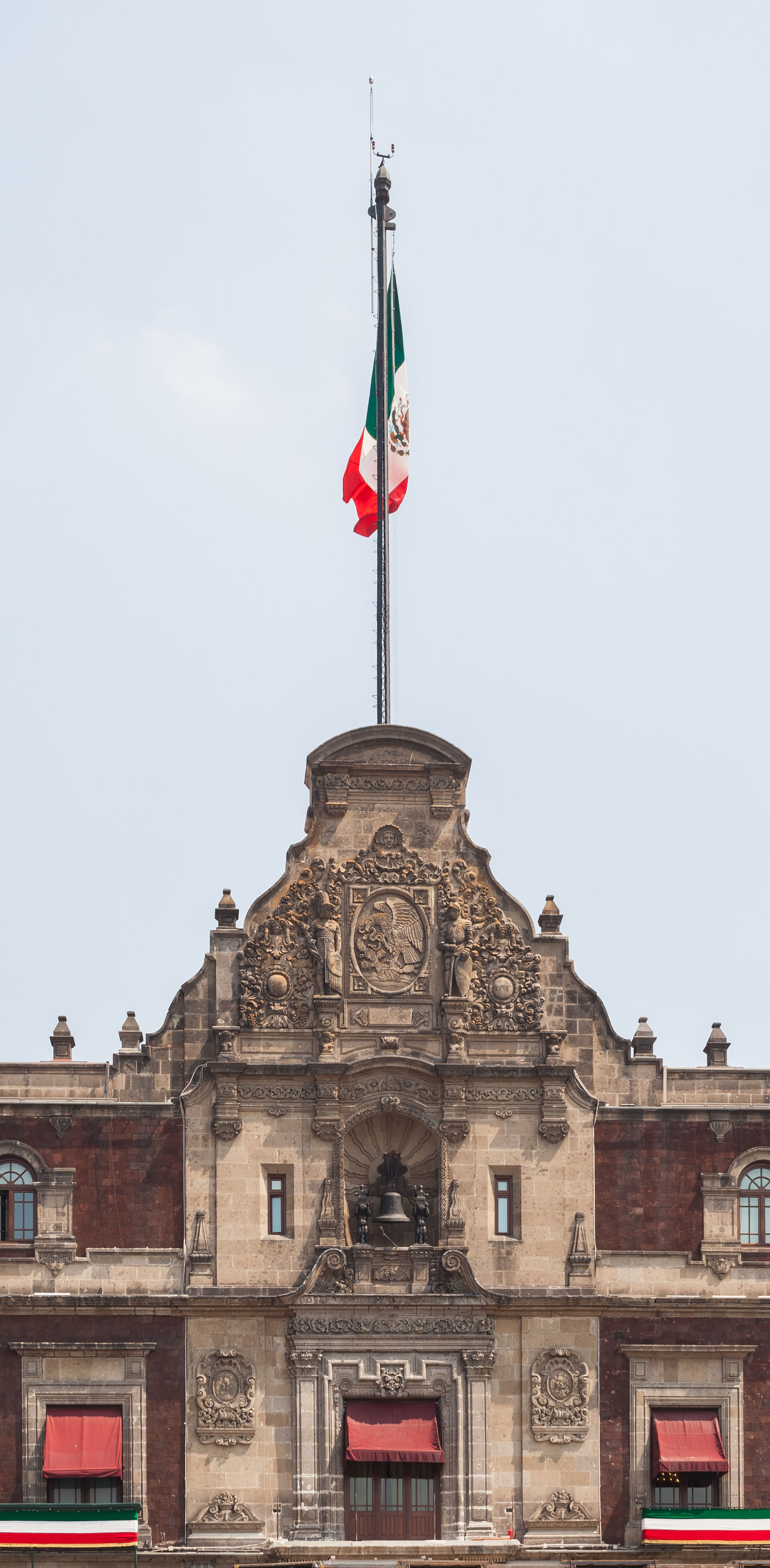
Palacio Nacional
Plaza de La Constitución, Tlalpan Centro, Tlalpan, 14000, Mexico
The Palacio Nacional occupies the entire east side of the Zócalo — a 200-metre-long colonial building that sits on the site of Moctezuma's palace, was the seat of the Spanish viceroys for 300 years, and now houses the offices of the President of Mexico.
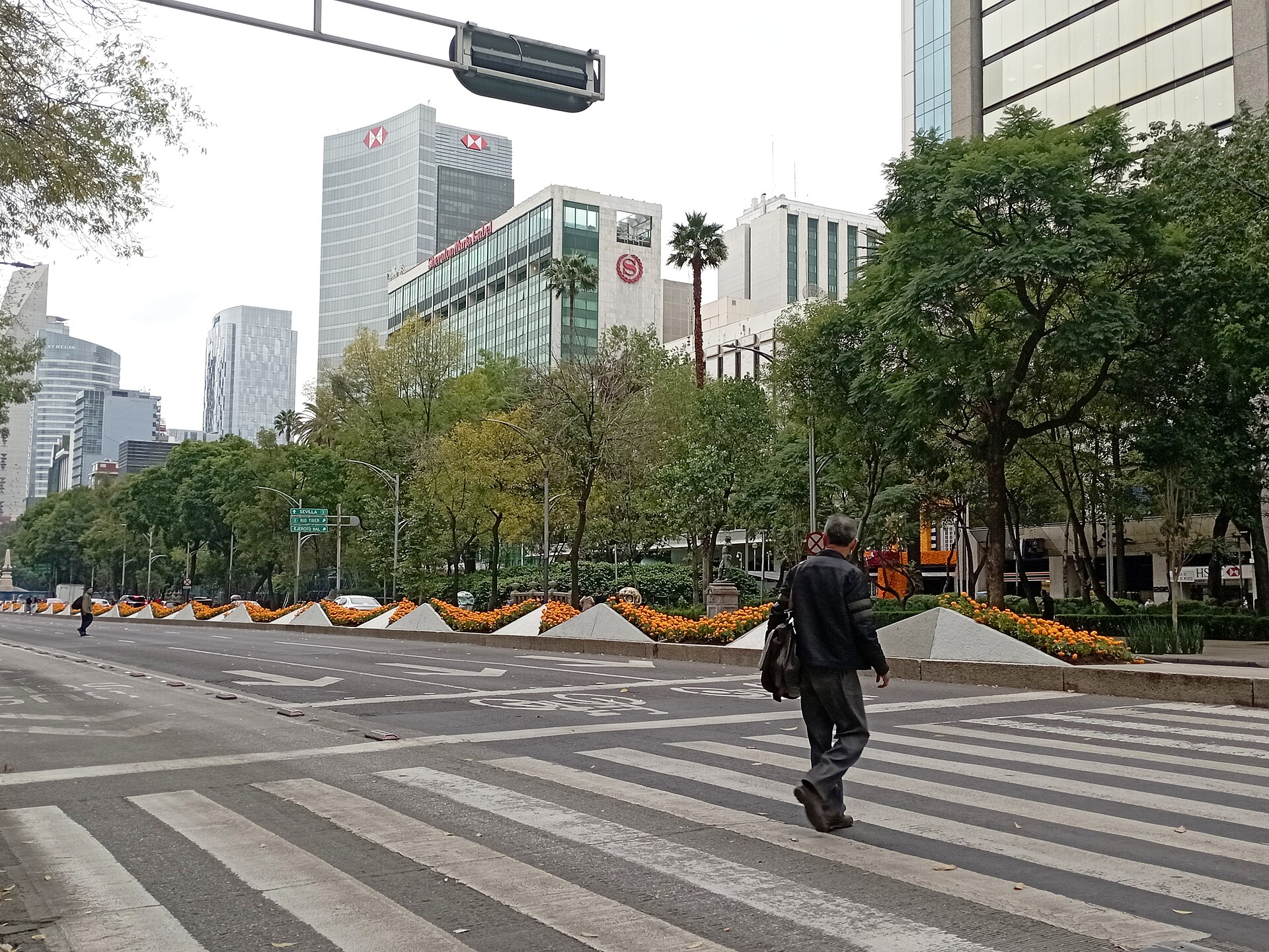
Paseo de la Reforma
Paseo de la Reforma, Mexico City
Paseo de la Reforma is Mexico City's grand boulevard — a 15-kilometre avenue modelled on the Champs-Élysées that runs from Chapultepec Park through the financial district to the Zócalo area, passing monuments, skyscrapers, and roundabouts anchored by some of the most important public sculptures in Mexico.
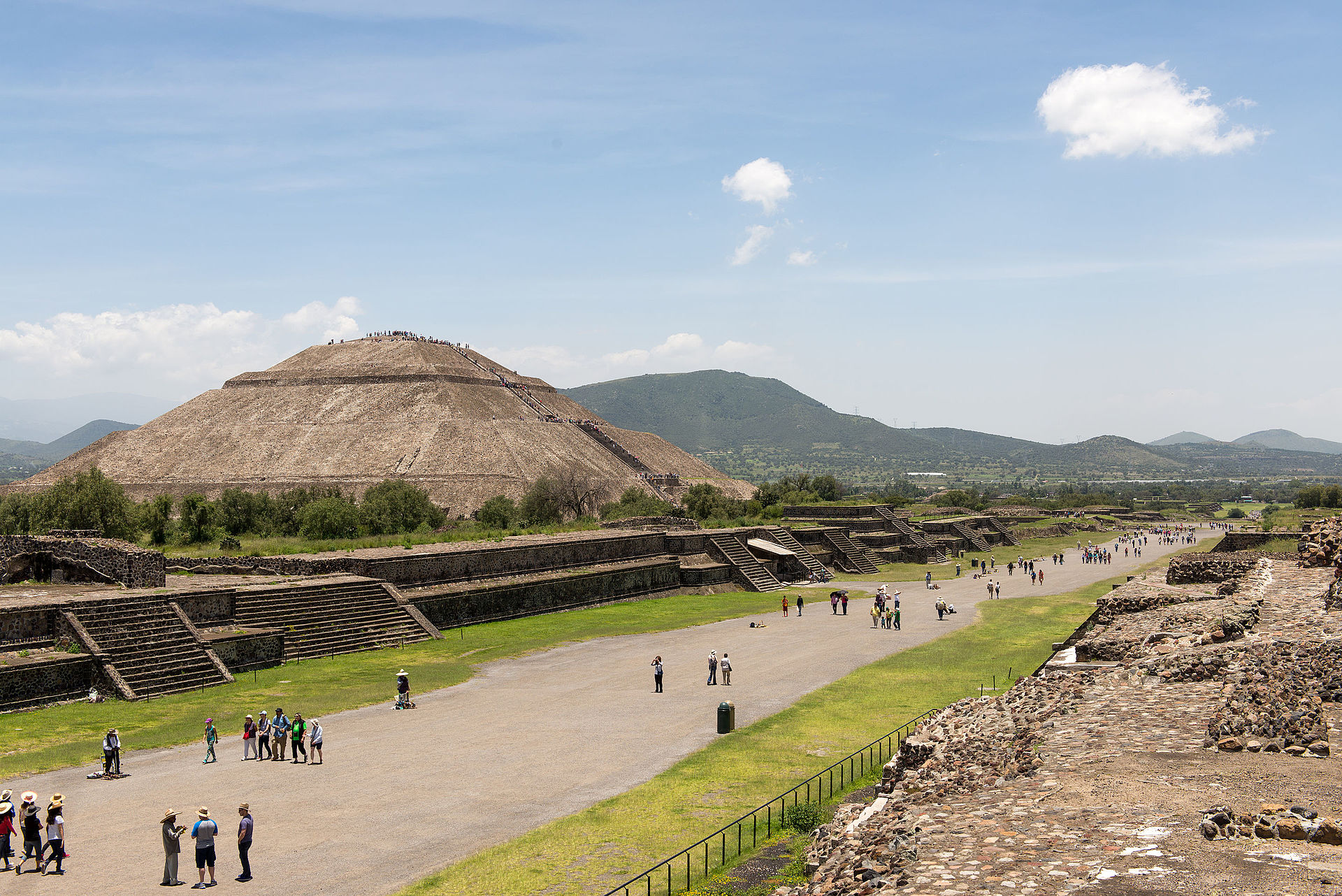
Teotihuacán
Calle Teotihuacán, Hipódromo, Cuauhtémoc, 06100, Mexico
Teotihuacán is the largest and most impressive pre-Hispanic archaeological site in the Americas — a ruined city of pyramids, temples, and avenues that was home to over 100,000 people at its peak around 450 AD, making it one of the largest cities in the world at the time.
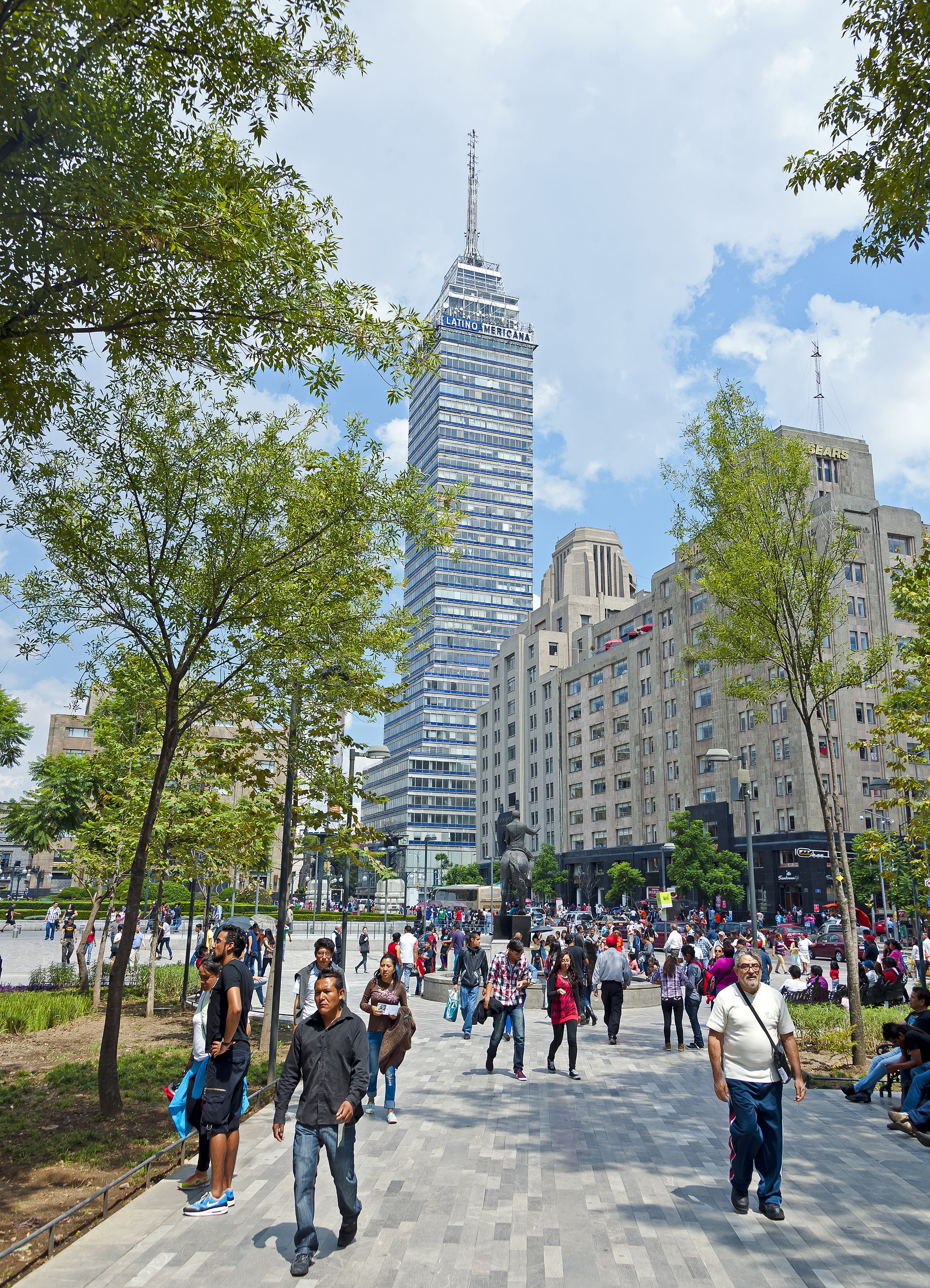
Torre Latinoamericana
Calle Torre Latinoamericana, Palmitas, Iztapalapa, 09700, Mexico
The Torre Latinoamericana was the tallest building in Latin America when it was completed in 1956, and while it's long since been surpassed in height, its observation deck on the 44th floor remains the best place to understand Mexico City's geography — the volcanic valley, the ring of mountains, the endless urban sprawl, and the historic centre laid out directly below like a map of the last 500 years.
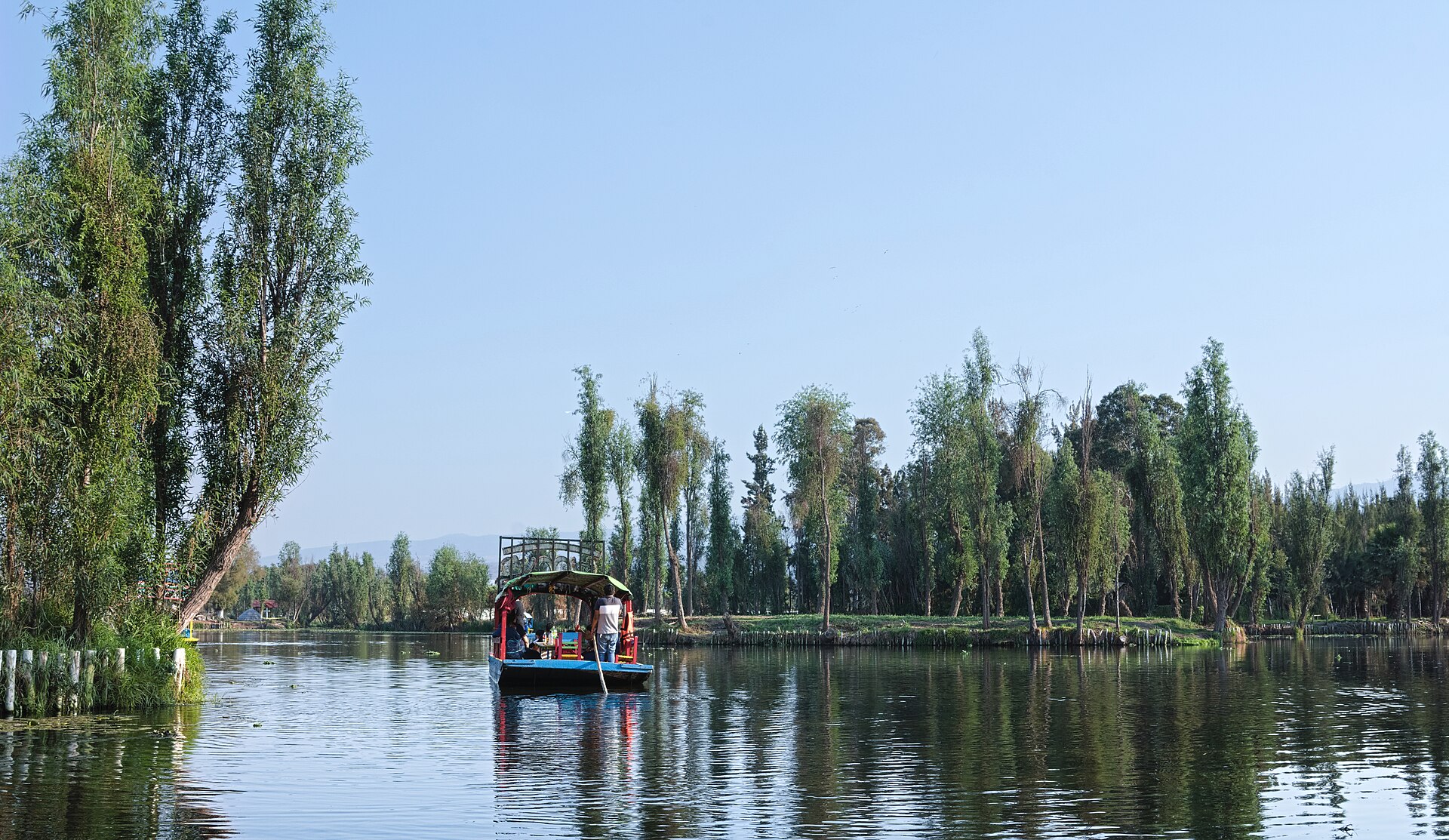
Xochimilco
Xochimilco, Mexico
Xochimilco is the last surviving fragment of the lake system that once covered the Valley of Mexico — a network of canals and artificial islands (chinampas) that the Aztecs created for agriculture and that still function as floating gardens 500 years later.
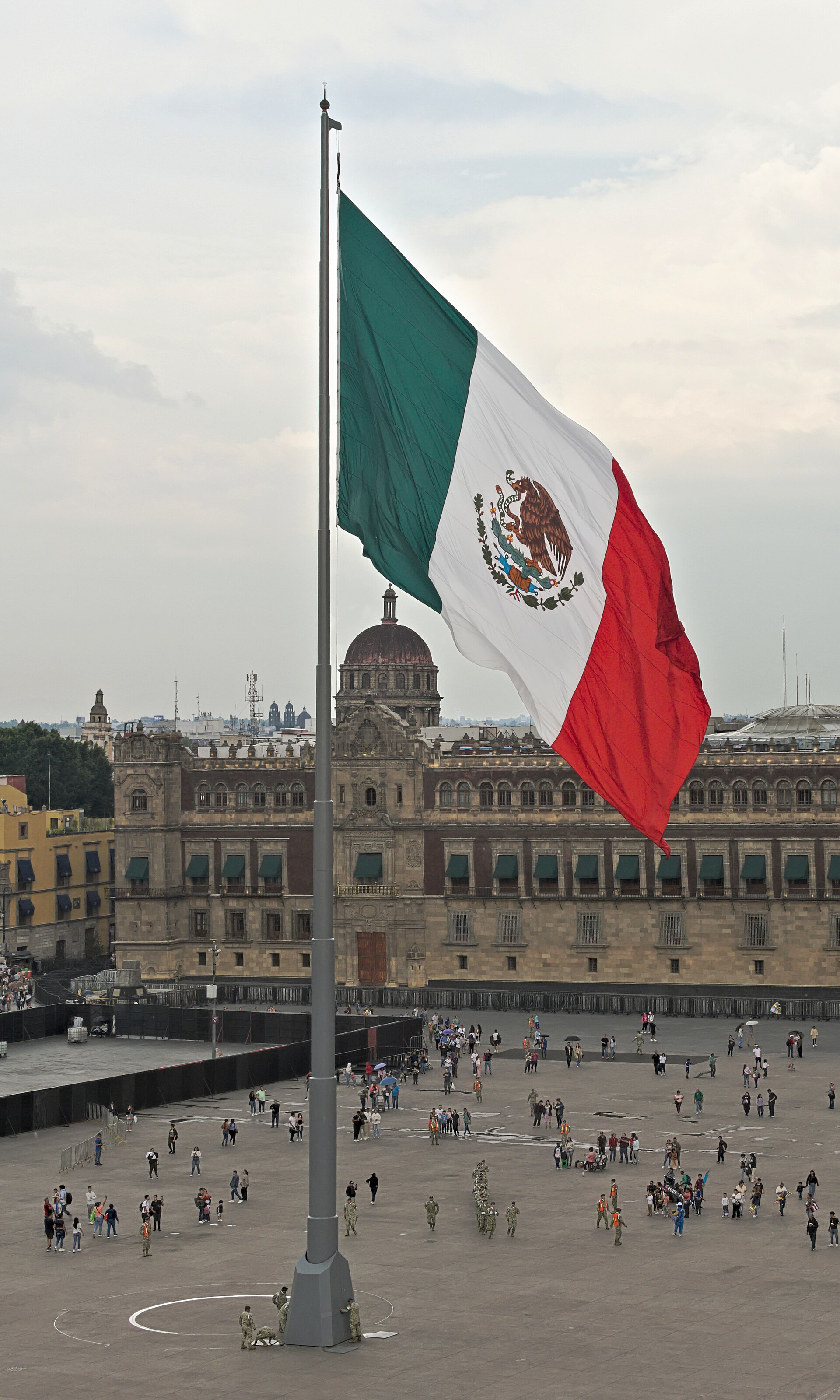
Zócalo (Plaza de la Constitución)
Mexico
The Zócalo is the beating heart of Mexico City and one of the largest public squares in the world — a vast expanse of grey stone flanked by the Metropolitan Cathedral, the Palacio Nacional, and the remains of the Aztec Templo Mayor, layering three civilisations in a single view.
Explore iconic in Mexico City
GPS-guided narration at every landmark. Tap a spot on the map, hear the story. Every fact verified.