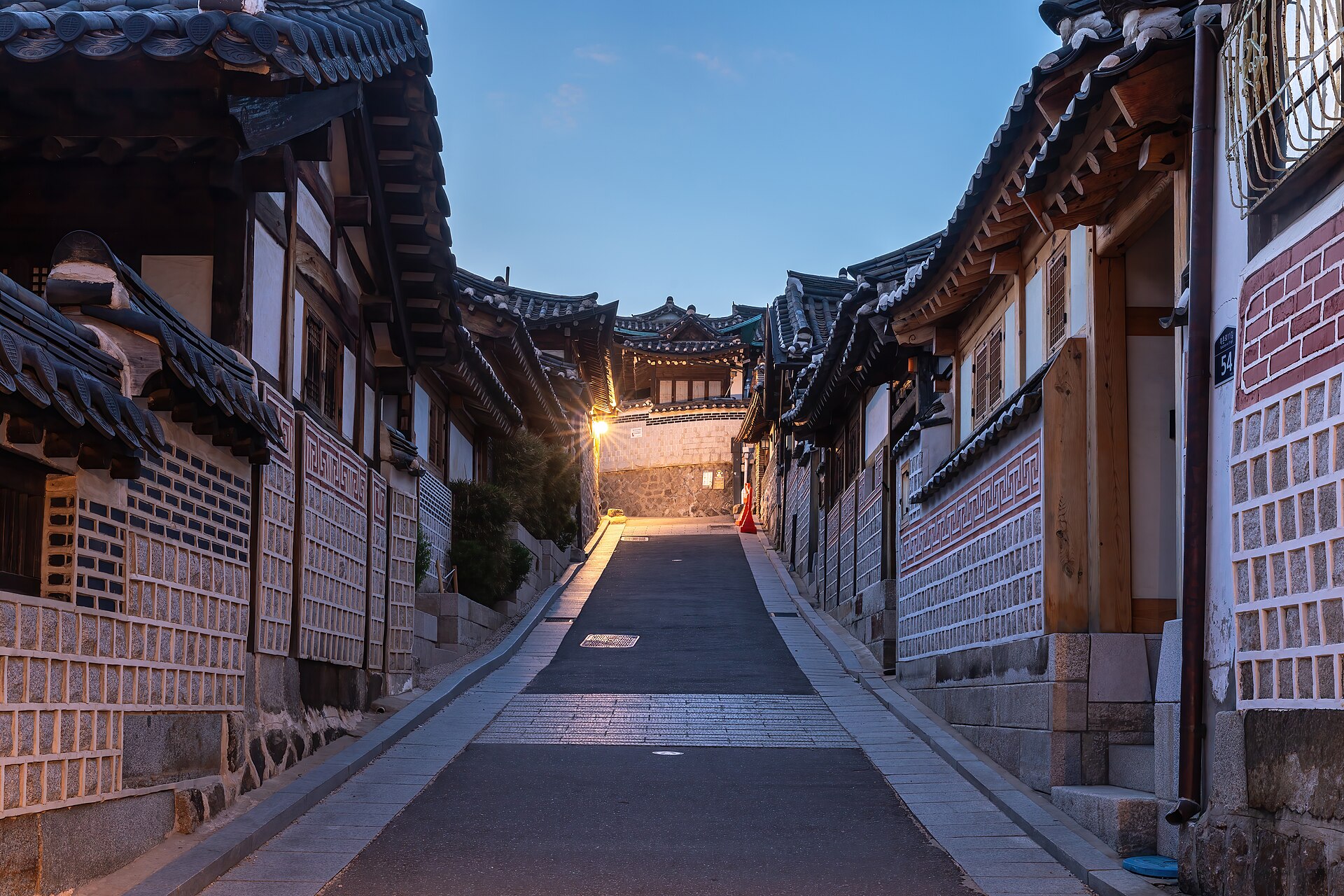
Ikseon-dong is Seoul's best example of old and new coexisting in the same alley — a grid of tiny hanok houses from the 1920s that has been converted into one of the city's trendiest café and restaurant districts without demolishing the traditional architecture. The hanok here are smaller and more modest than Bukchon's — built as housing for ordinary people rather than nobility — and the low-slung tile roofs, narrow doorways, and courtyard plans have been adapted into coffee shops, cocktail bars, vintage clothing stores, and restaurants with an ingenuity that makes the contrast between historic architecture and contemporary culture feel natural rather than forced.
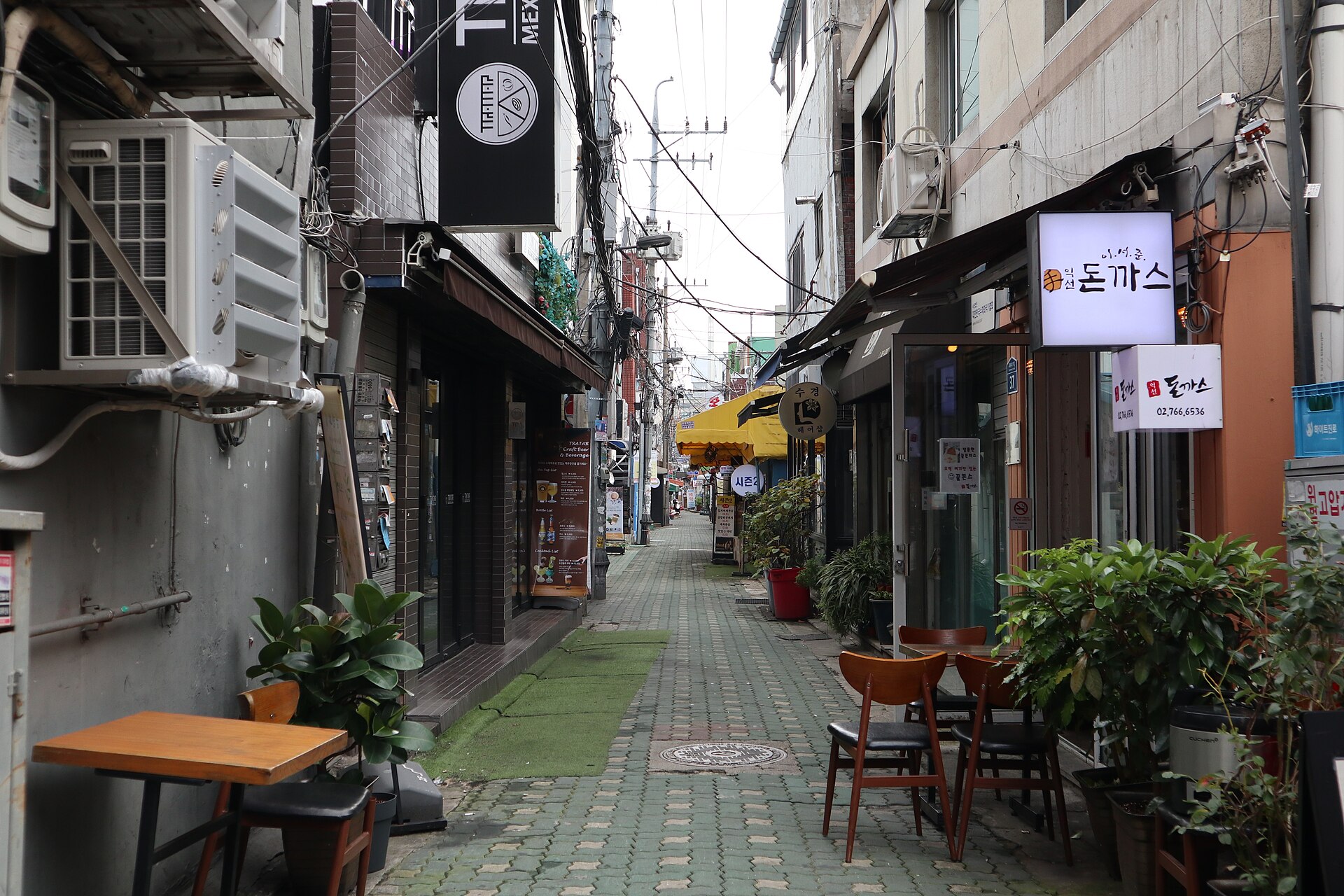
The neighbourhood's transformation happened organically in the mid-2010s, when young entrepreneurs began renting the tiny hanok spaces (some barely 20 square metres) and converting them into businesses. The appeal was the rents (cheaper than Insadong or Samcheong-dong) and the character — the alleys are too narrow for cars, the rooftops are visible at eye level, and the scale is human in a way that Seoul's apartment-block urbanism often isn't. The result is a neighbourhood that feels like a village — intimate, walkable, and full of surprises around every corner.
The food scene is excellent and eclectic — traditional Korean dessert cafés next to Thai restaurants, craft cocktail bars in converted hanok kitchens, and a famous curry restaurant in a space the size of a closet. Ikseon-dong is best experienced by wandering without a plan, ducking into whatever doorway looks interesting, and accepting that getting slightly lost in the alleys is the entire point.
Verified Facts
The hanok houses in Ikseon-dong date to the 1920s
The neighbourhood's transformation into a café district began in the mid-2010s
The alleys are too narrow for car traffic
Ikseon-dong sits adjacent to the Jongno-3-ga area
Get walking directions
Seoul, South Korea