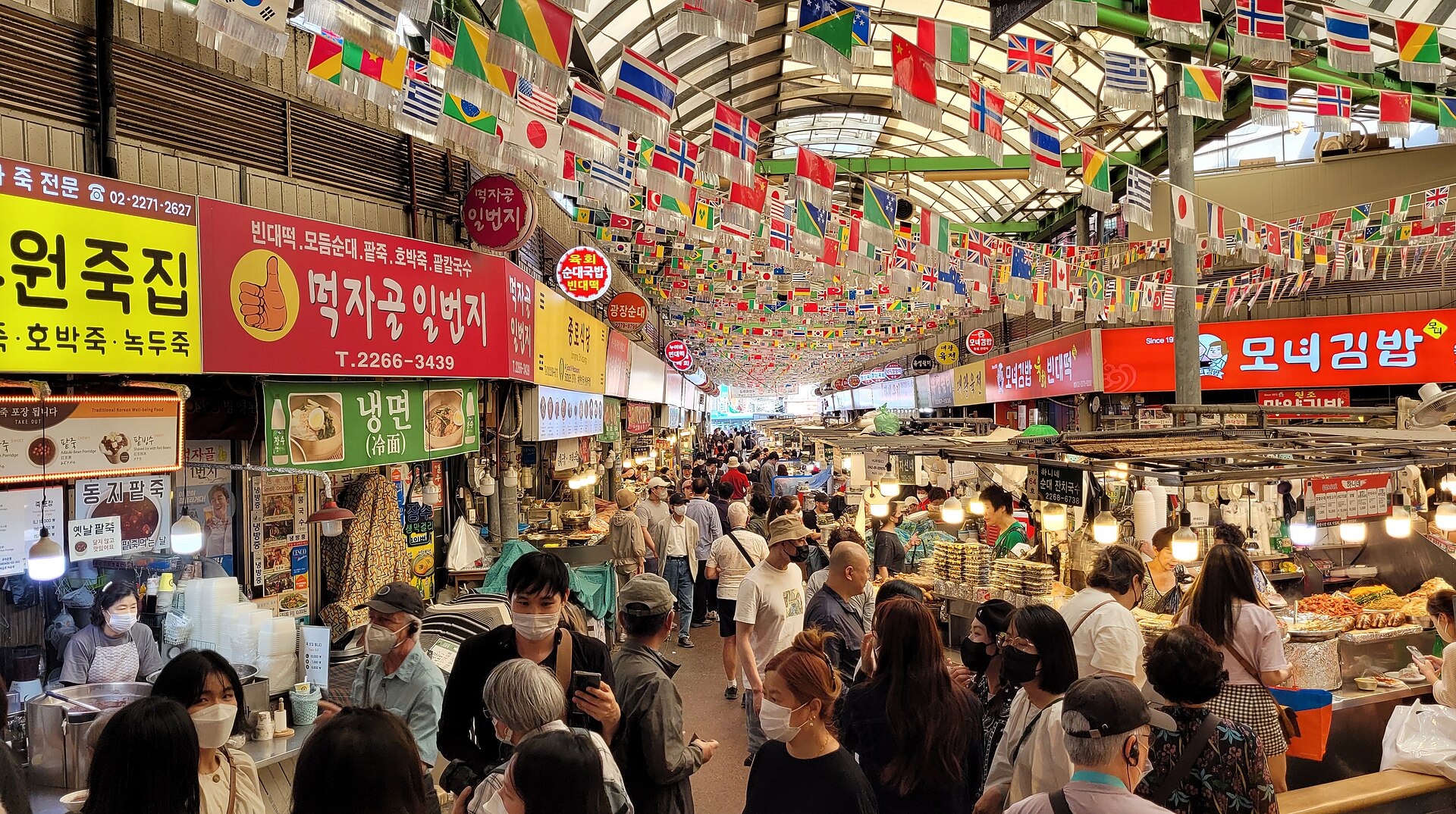
Gwangjang Market
Changgyeonggung-ro, Seoul, South Korea
Gwangjang Market is Korea's first permanent market — established in 1905, and now a sprawling, chaotic, magnificent food hall where the stall vendors have been perfecting the same dishes for generations and the communal seating puts you elbow-to-elbow with Korean grandmothers, office workers on lunch break, and tourists who've seen the market on Netflix and are trying to figure out what to order.
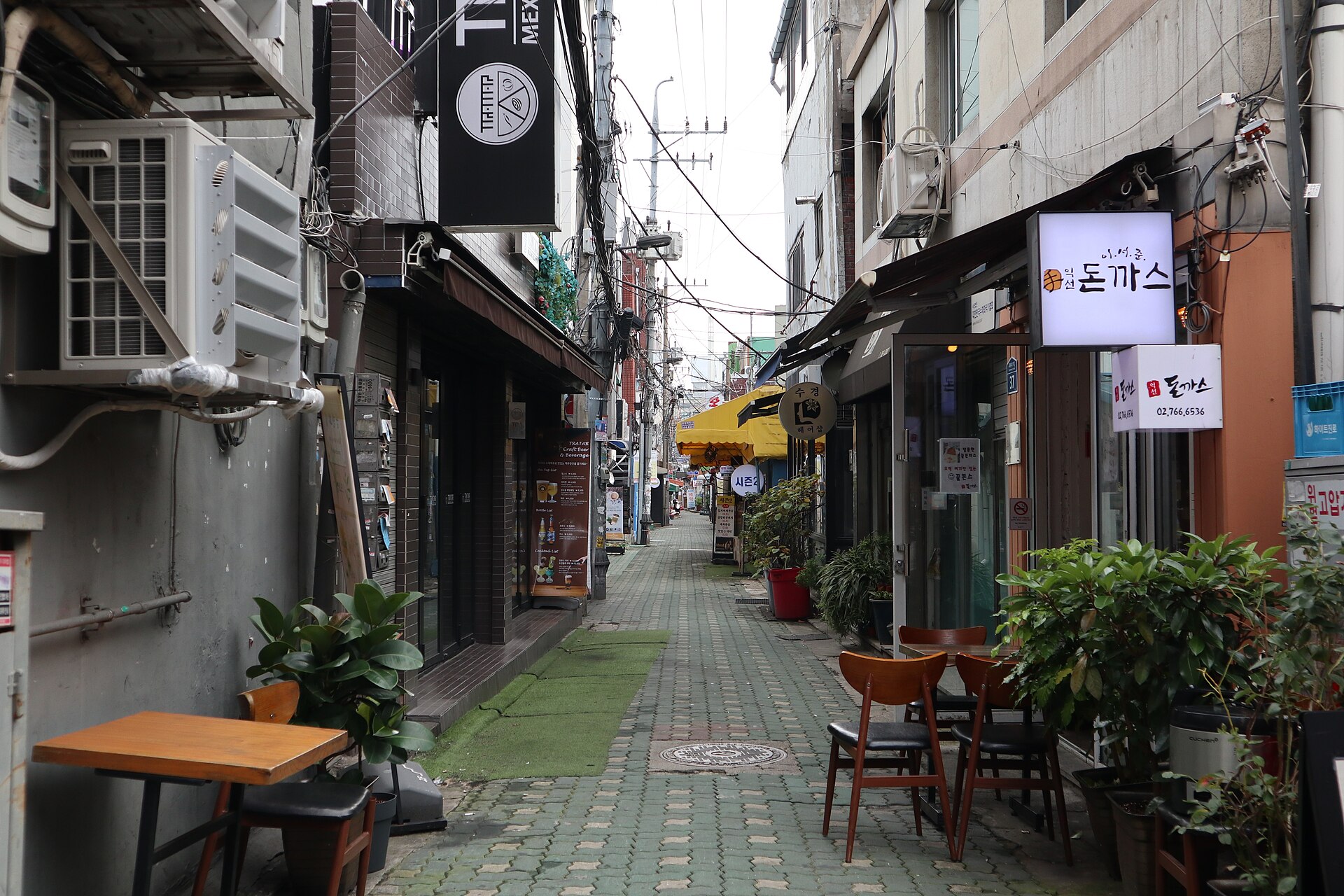
Ikseon-dong
Seoul, South Korea
Ikseon-dong is Seoul's best example of old and new coexisting in the same alley — a grid of tiny hanok houses from the 1920s that has been converted into one of the city's trendiest café and restaurant districts without demolishing the traditional architecture.
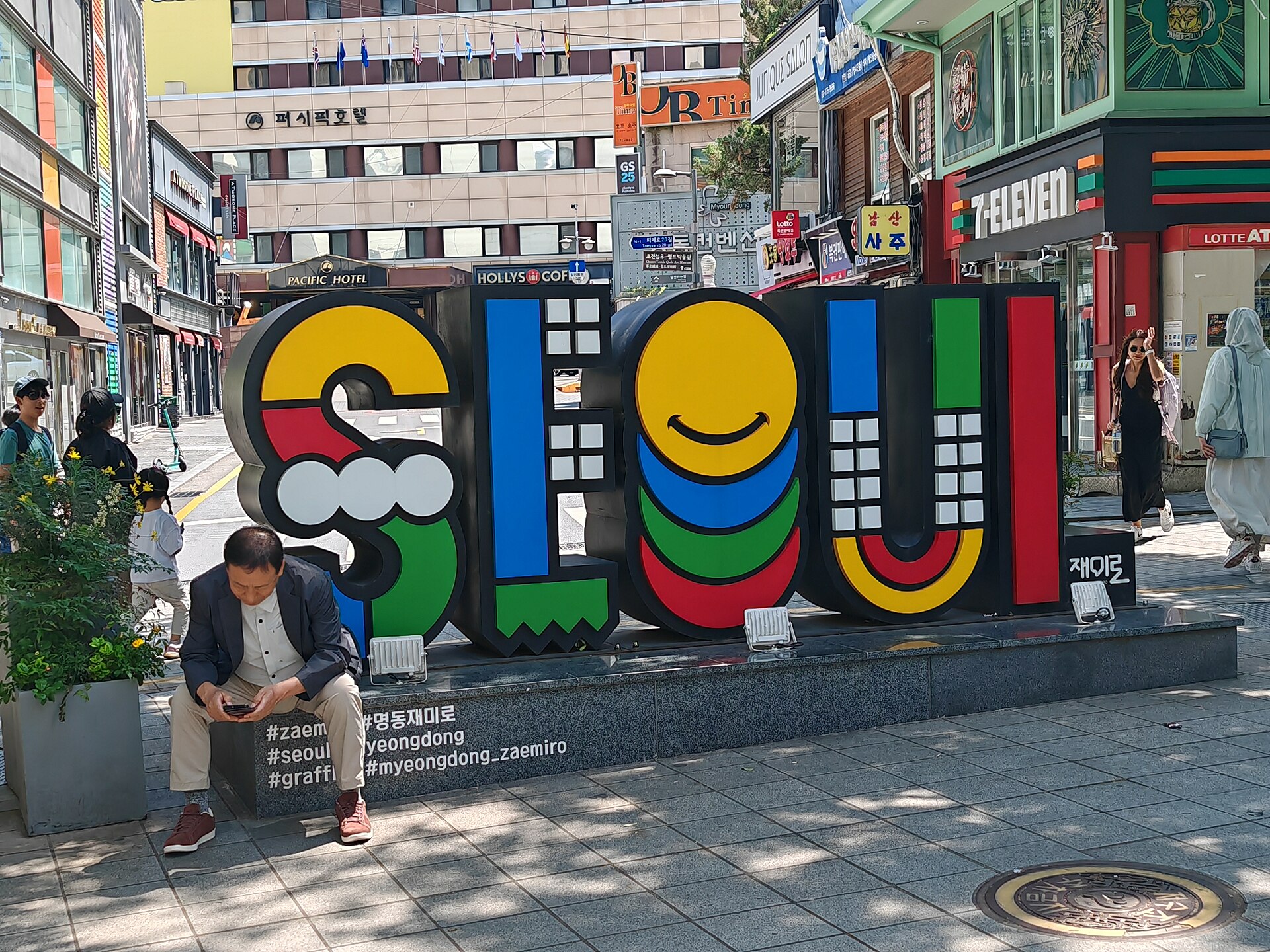
Myeongdong
Myeongdong-gil, Jung-gu, Seoul
Myeongdong is Seoul's neon-drenched shopping and street food district — a dense grid of pedestrianised streets lined with K-beauty shops, fashion brands, and food stalls that attracts more visitors per square metre than almost anywhere else in the city.
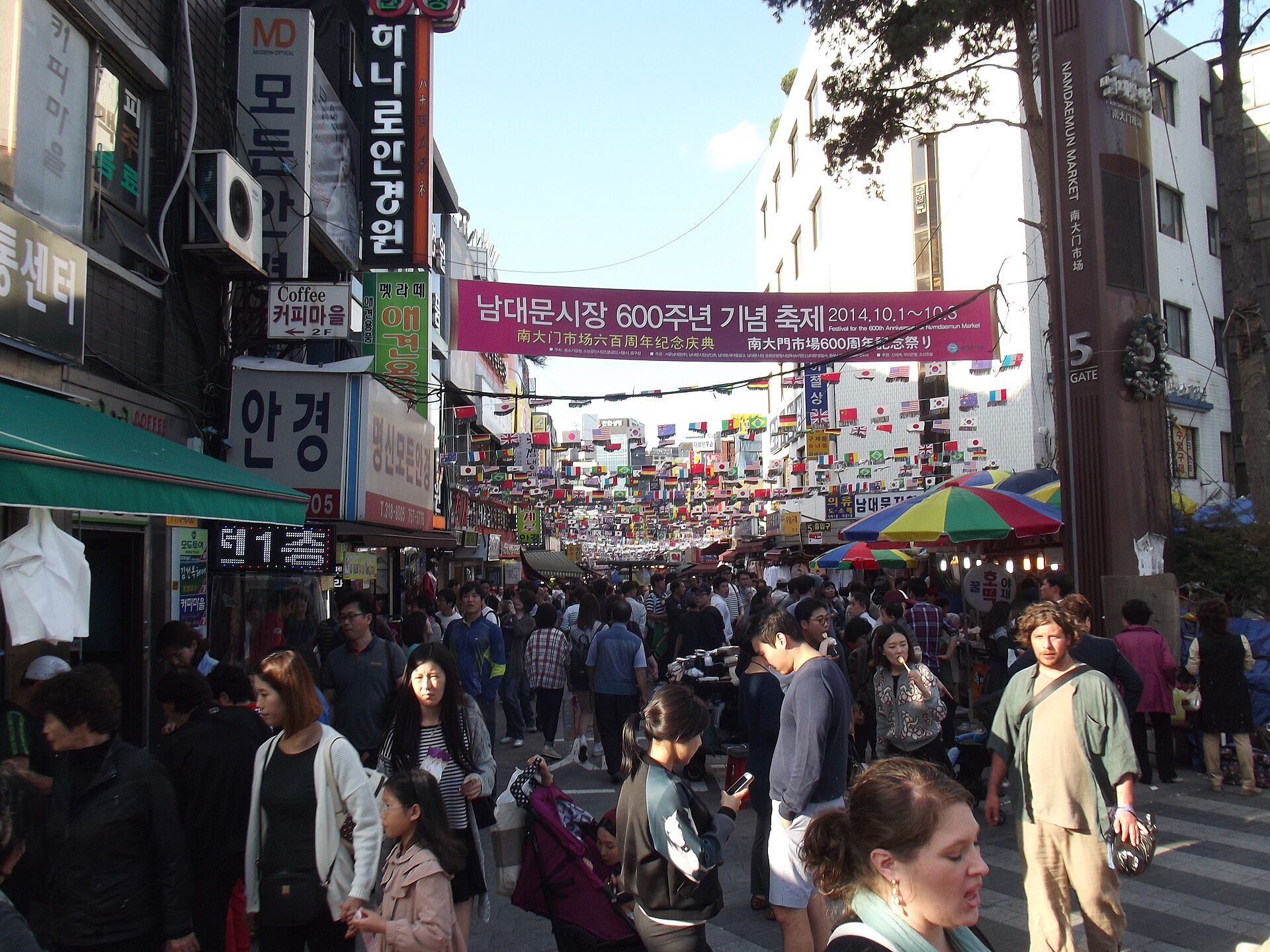
Namdaemun Market
21 Namdaemunsijang 4-gil, Jung-gu, Seoul
Namdaemun is Seoul's oldest and largest traditional market — a sprawling labyrinth of 10,000 shops and stalls that has been operating for over 600 years, making it one of the oldest continuously running markets in the world.
Noryangjin Fish Market
674 Nodeul-ro, Dongjak-gu, Seoul
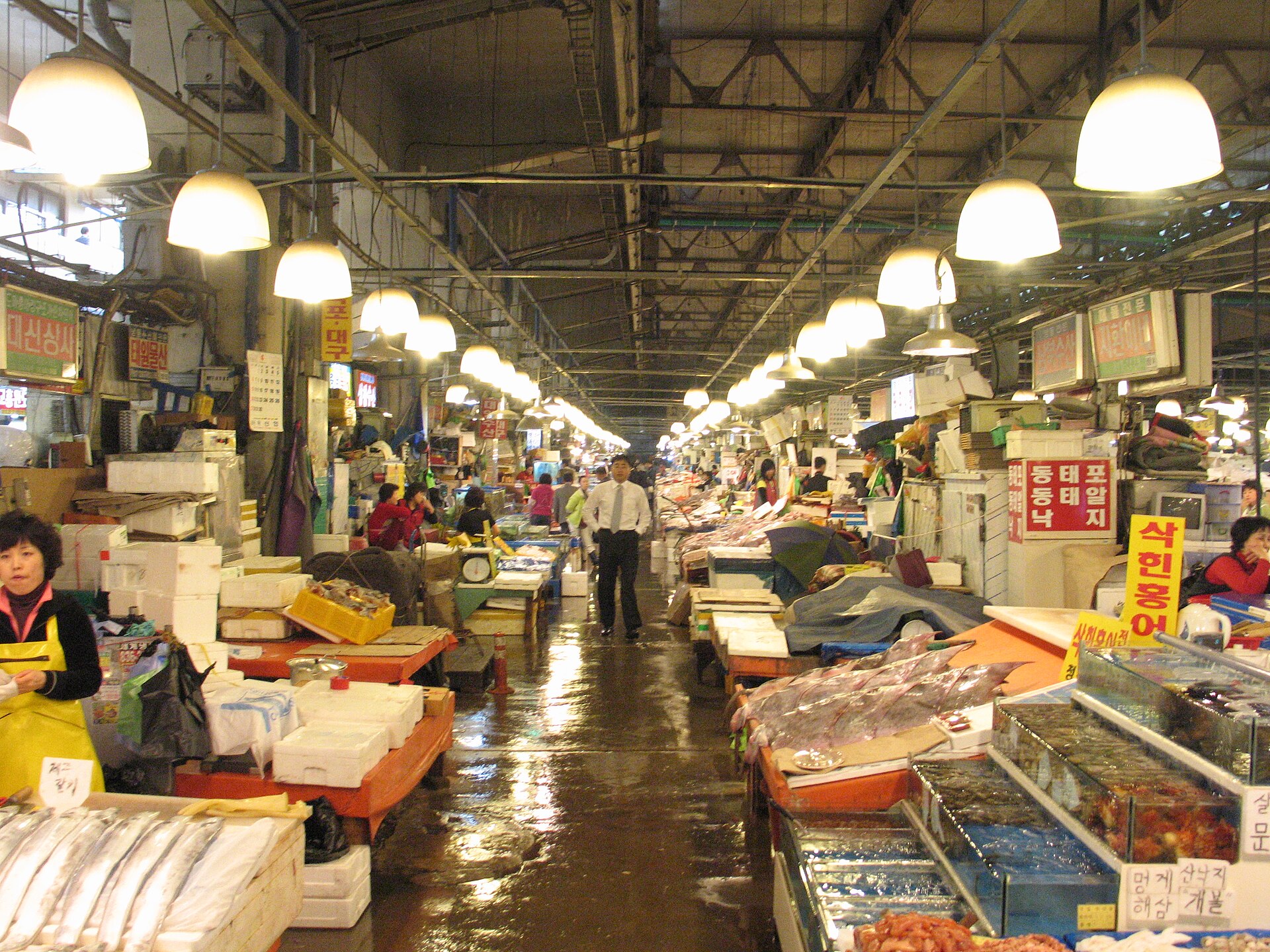
Noryangjin Fish Market is Seoul's largest seafood market — a vast, fluorescent-lit hall of tanks, trays, and chopping blocks where over 800 vendors sell everything that swims, crawls, or clings to a rock in the waters around the Korean peninsula.
Samcheong-dong
Samcheong-ro, Jongno-gu, Seoul
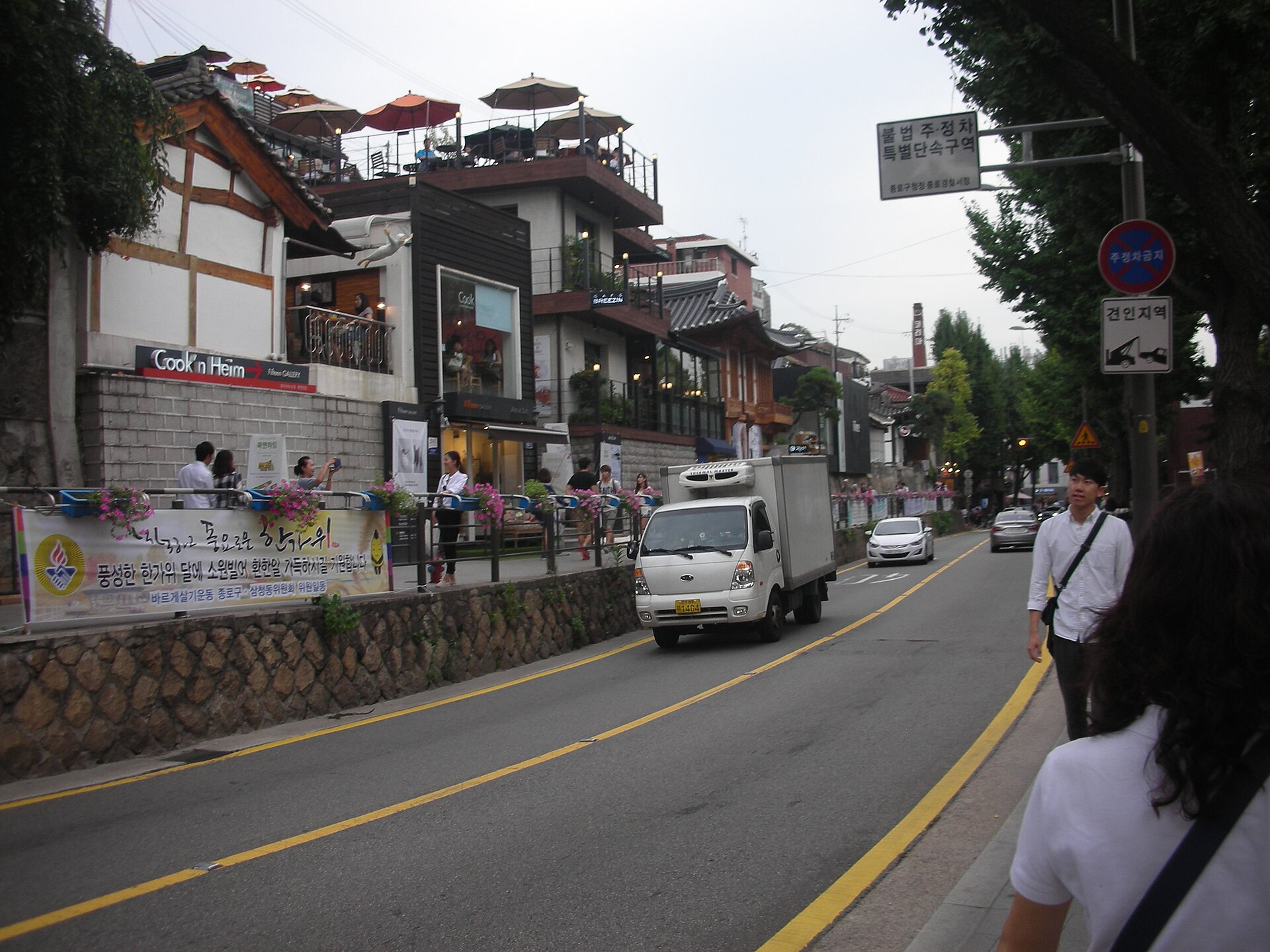
Samcheong-dong is the quieter, more refined neighbourhood that sits between Gyeongbokgung Palace and Bukchon Hanok Village — a tree-lined street of galleries, boutiques, and cafés that attracts a more local crowd than the heavily touristed areas on either side.
Tongin Market
18 Jahamun-ro 15-gil, Jongno-gu, Seoul
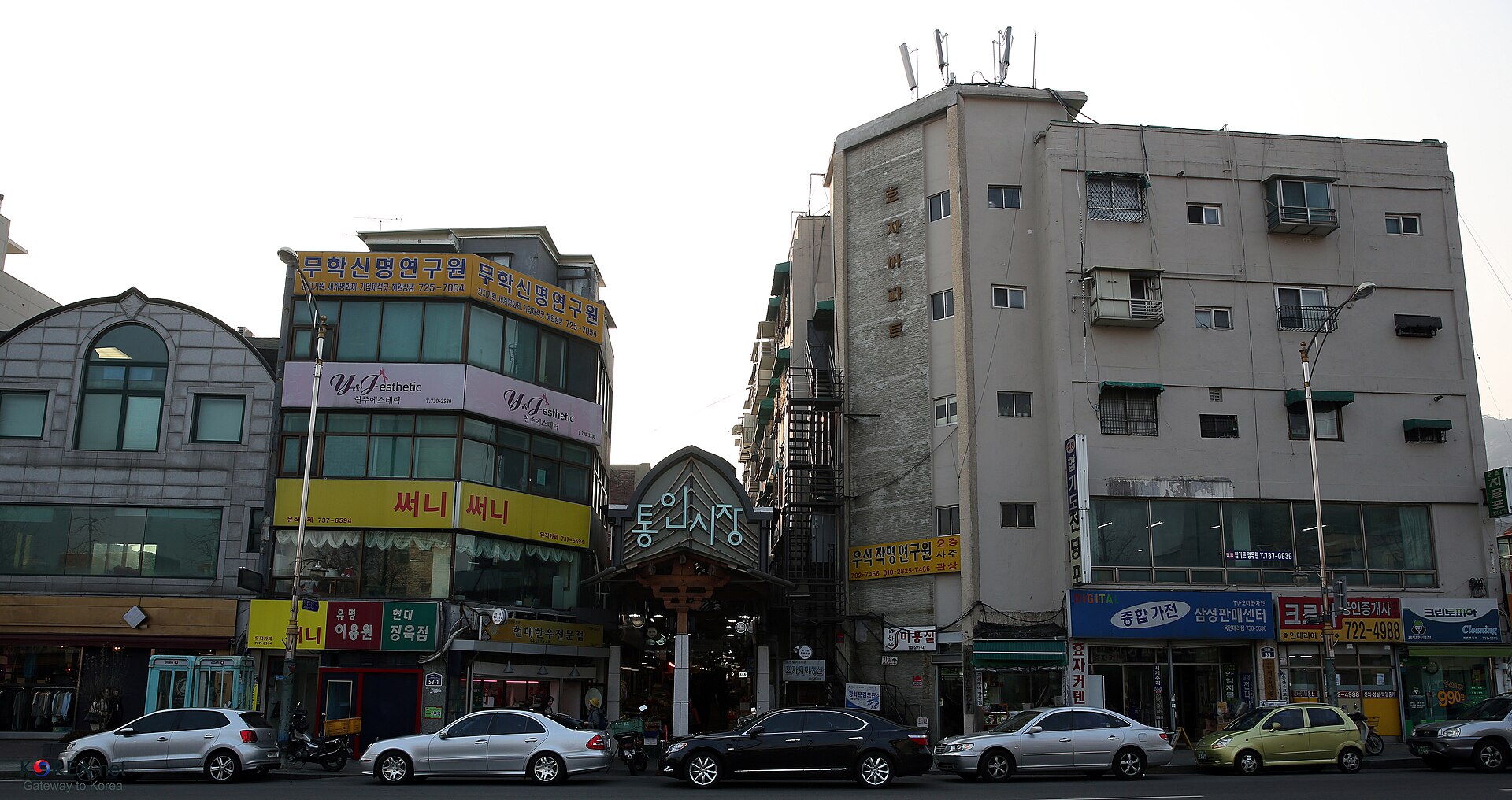
Tongin Market is a small neighbourhood market near Gyeongbokgung that offers one of the most fun food experiences in Seoul — the DIY lunchbox programme, where you buy a tray of old-fashioned Korean brass coins (yeopjeon) at the market entrance and use them to purchase individual side dishes, rice, and mains from the stalls, assembling your own custom dosirak (lunchbox) that you take upstairs to a communal eating area.
Explore food in Seoul
GPS-guided narration at every landmark. Tap a spot on the map, hear the story. Every fact verified.