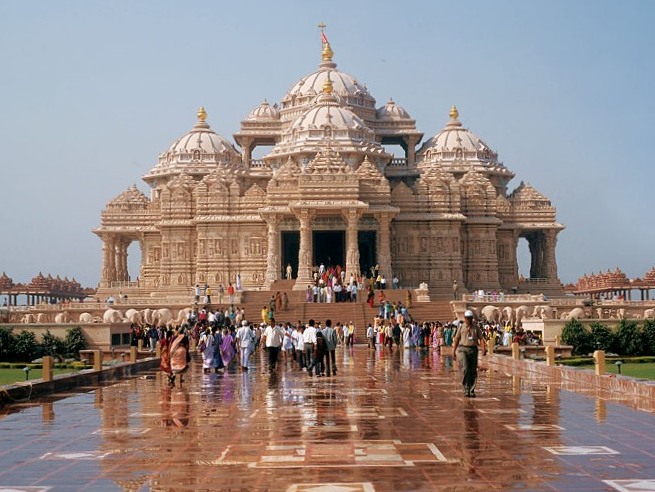
Akshardham Temple
Chitrakoot Nagar, Jaipur, 302021, India
The Akshardham Temple in Jaipur is one of the chain of modern Hindu temples built by the BAPS Swaminarayan Sanstha — a gleaming white sandstone and marble complex inaugurated in 2001 that is a smaller but architecturally significant cousin of the famous Akshardham temples in Delhi and Gandhinagar.

Anokhi Museum of Hand Printing
Khori, Jaipur, 303012, India
The Anokhi Museum is a small, beautifully curated museum in a restored 17th-century haveli near Amber Fort dedicated to the traditional craft of block printing — the hand-carved wooden blocks, natural dyes, and multi-step printing techniques that have made Jaipur and the surrounding region Rajasthan the capital of Indian textile printing for 400 years.
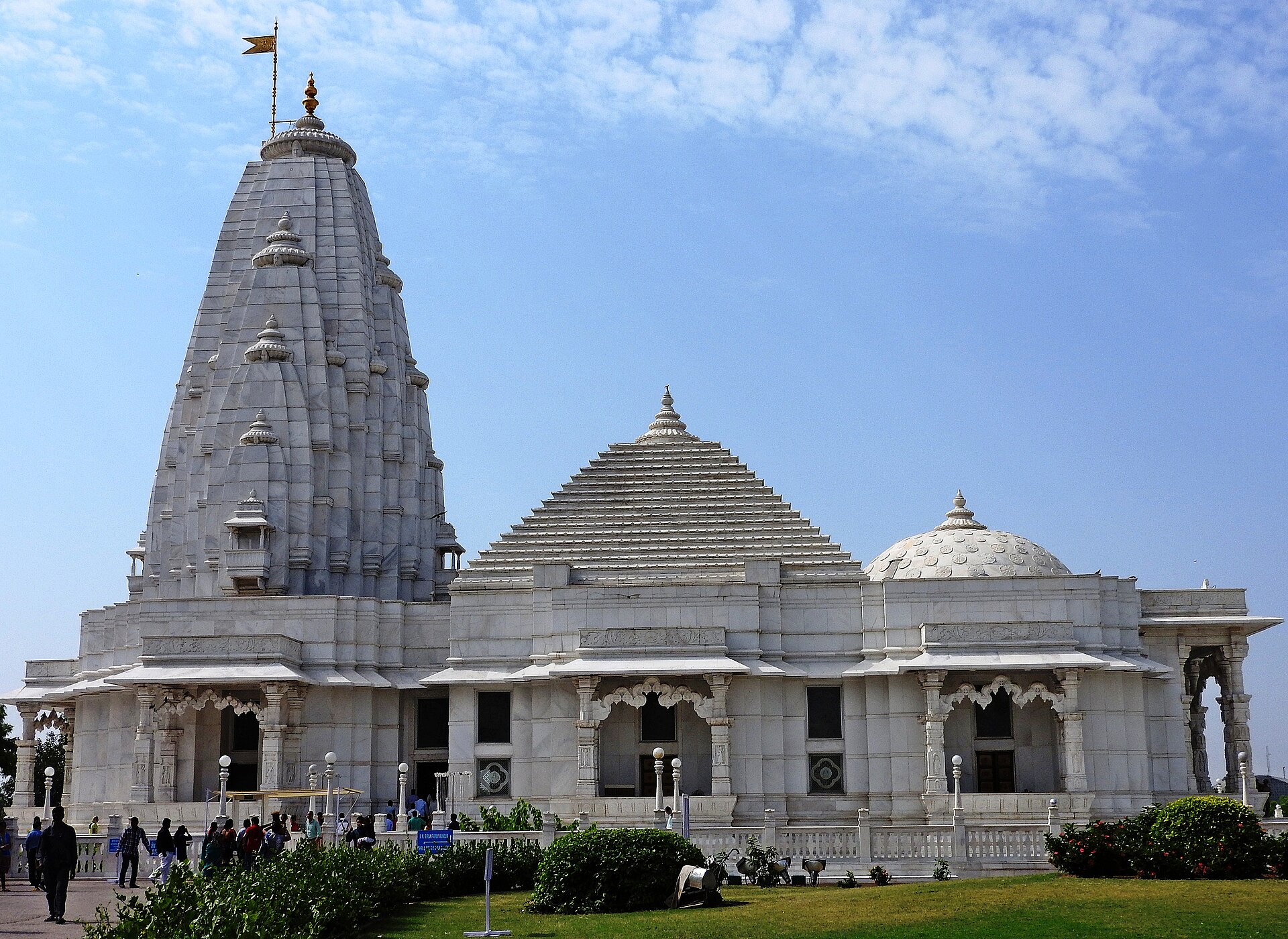
Birla Mandir (Laxmi Narayan Temple)
Jawahar Lal Nehru Marg, Tilak Nagar, Jaipur
Birla Mandir is a modern Hindu temple built entirely of white marble — a luminous building on the Moti Dungri hill dedicated to Vishnu (Narayan) and Lakshmi that was completed in 1988 by the Birla family (one of India's wealthiest industrial dynasties, who have built Birla temples in cities across the country).
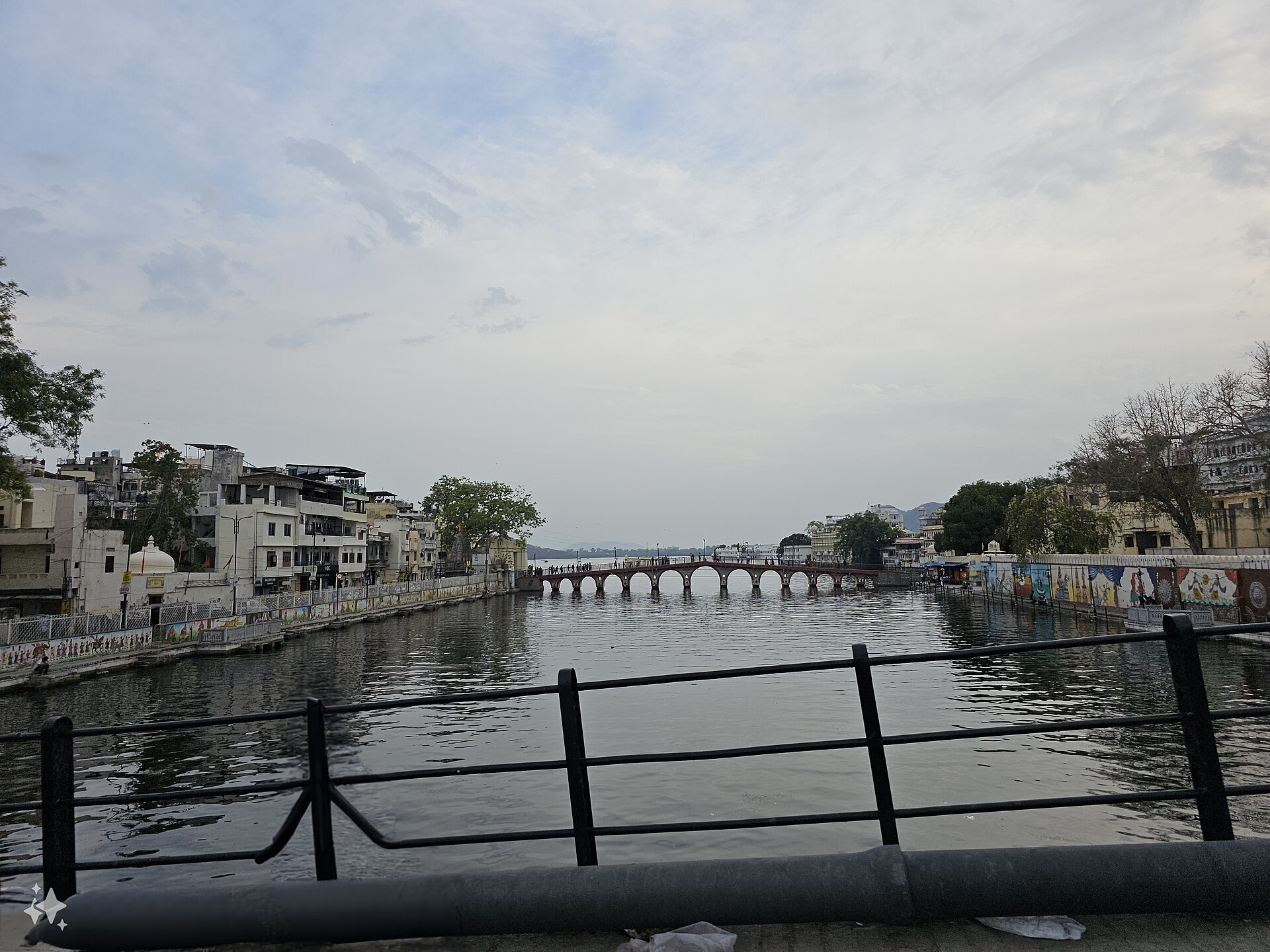
Chandpole Bazaar
Chandpole Bazaar, Pink City, Jaipur
Chandpole Bazaar is the western of the four original planned markets of Jaipur — a long bazaar street running from the City Palace to the Chandpole Gate (literally 'Moon Gate' in Hindi) that specialises in hardware, wholesale goods, handicrafts, and marble carving.
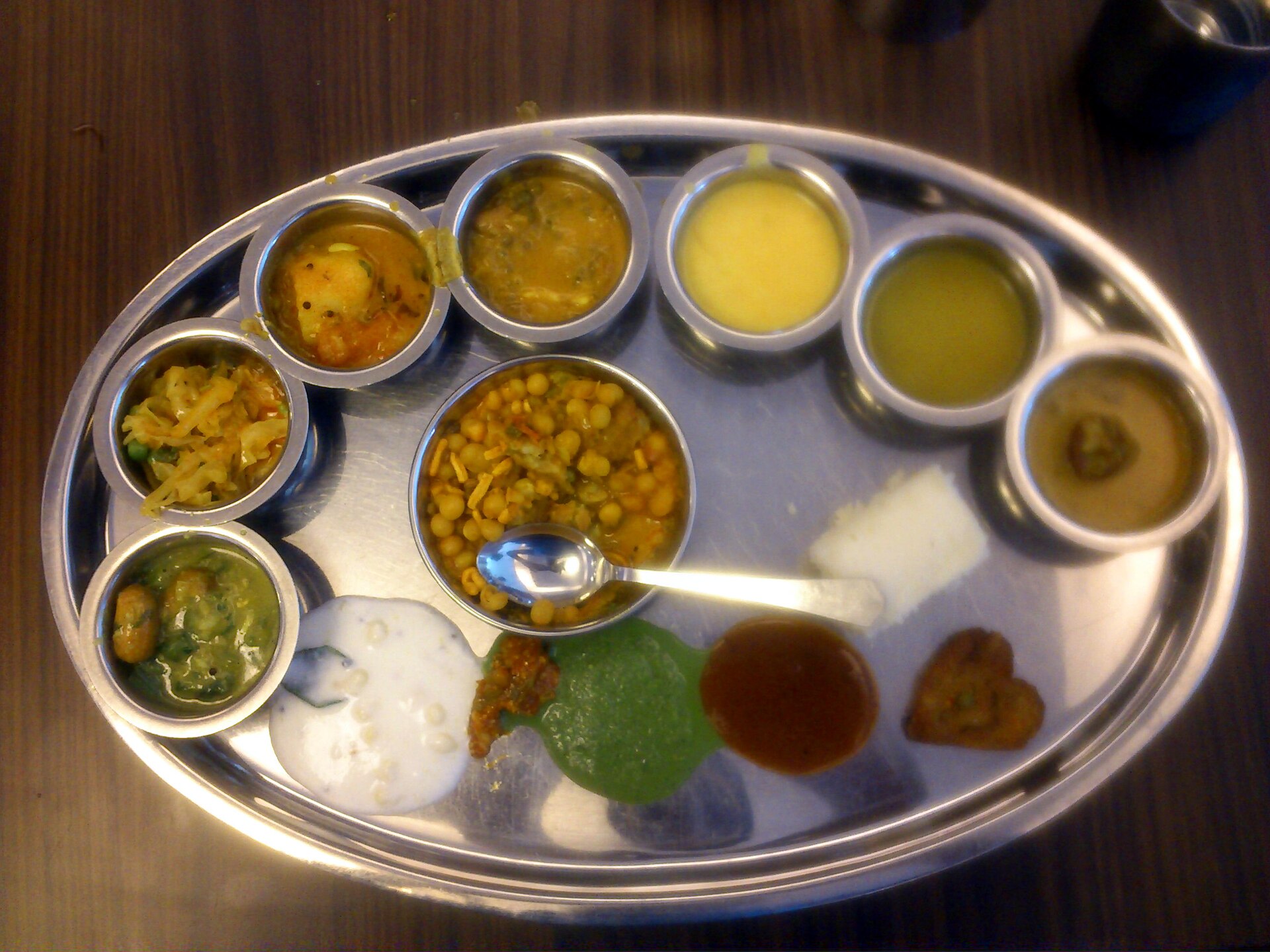
Chokhi Dhani (Cultural Village)
Tonk Road, Muktanand Nagar, Jaipur, 302018, India
Chokhi Dhani is a recreated Rajasthani village and cultural experience 20 kilometres south of Jaipur — an evening entertainment complex where visitors eat a traditional Rajasthani thali (served on banana leaves while seated on the floor), watch folk dance and puppet performances, ride camels and bullock carts, and experience the rural Rajasthani traditions that the city's modernisation has displaced.
Choki Dhani Village Dinner
Tonk Road, Muktanand Nagar, Jaipur, 302018, India
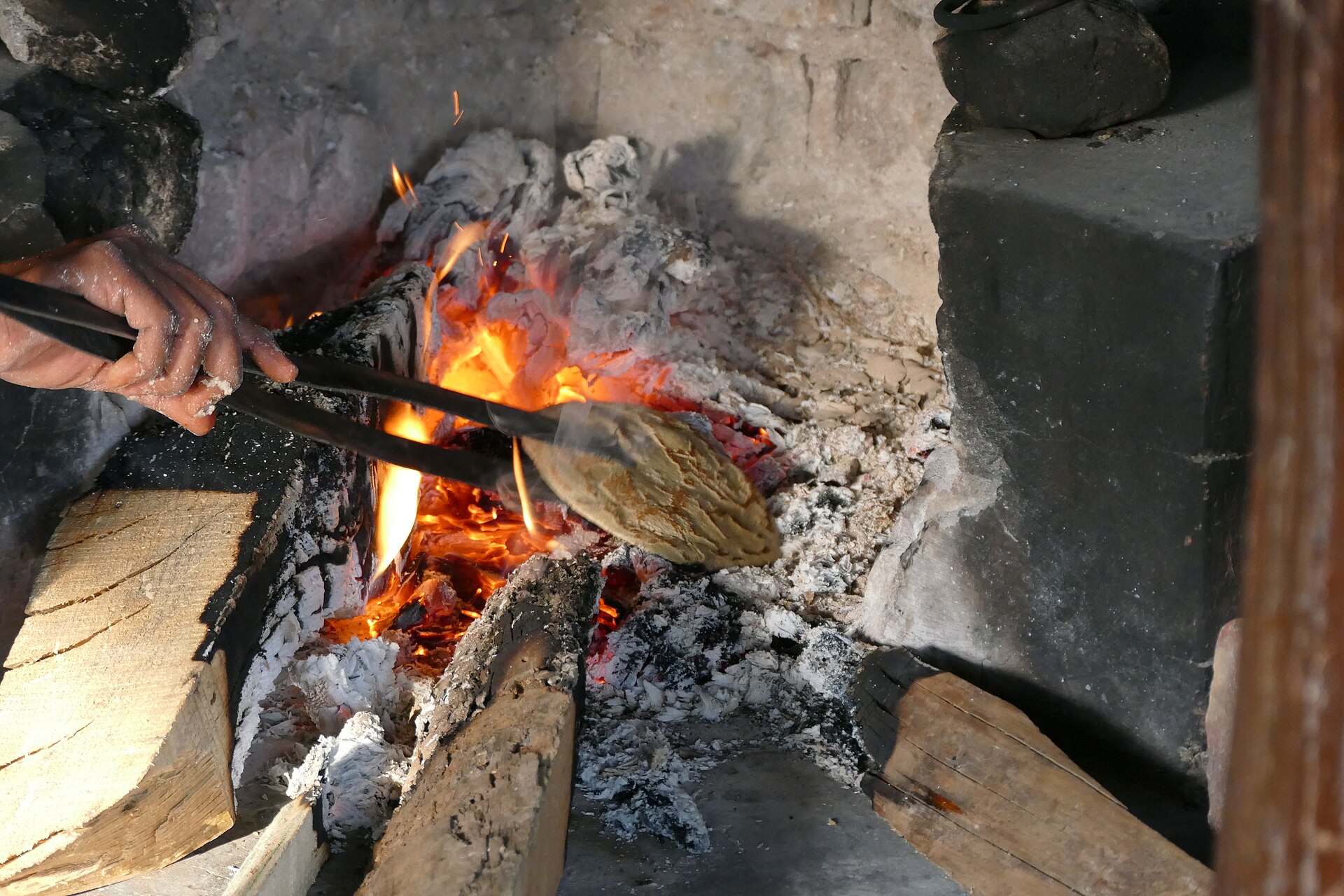
Chokhi Dhani is a Rajasthani village-themed ethnic resort 20 kilometres south of Jaipur where visitors experience traditional Rajasthani culture — folk dances (ghoomar, kalbeliya), camel rides, puppet shows, fortune-telling parrots, and an 8-course thali dinner served on the floor in the traditional manner — in a curated but genuinely entertaining format.
Galtaji (Monkey Temple)
Sri Galta Ji, Jaipur
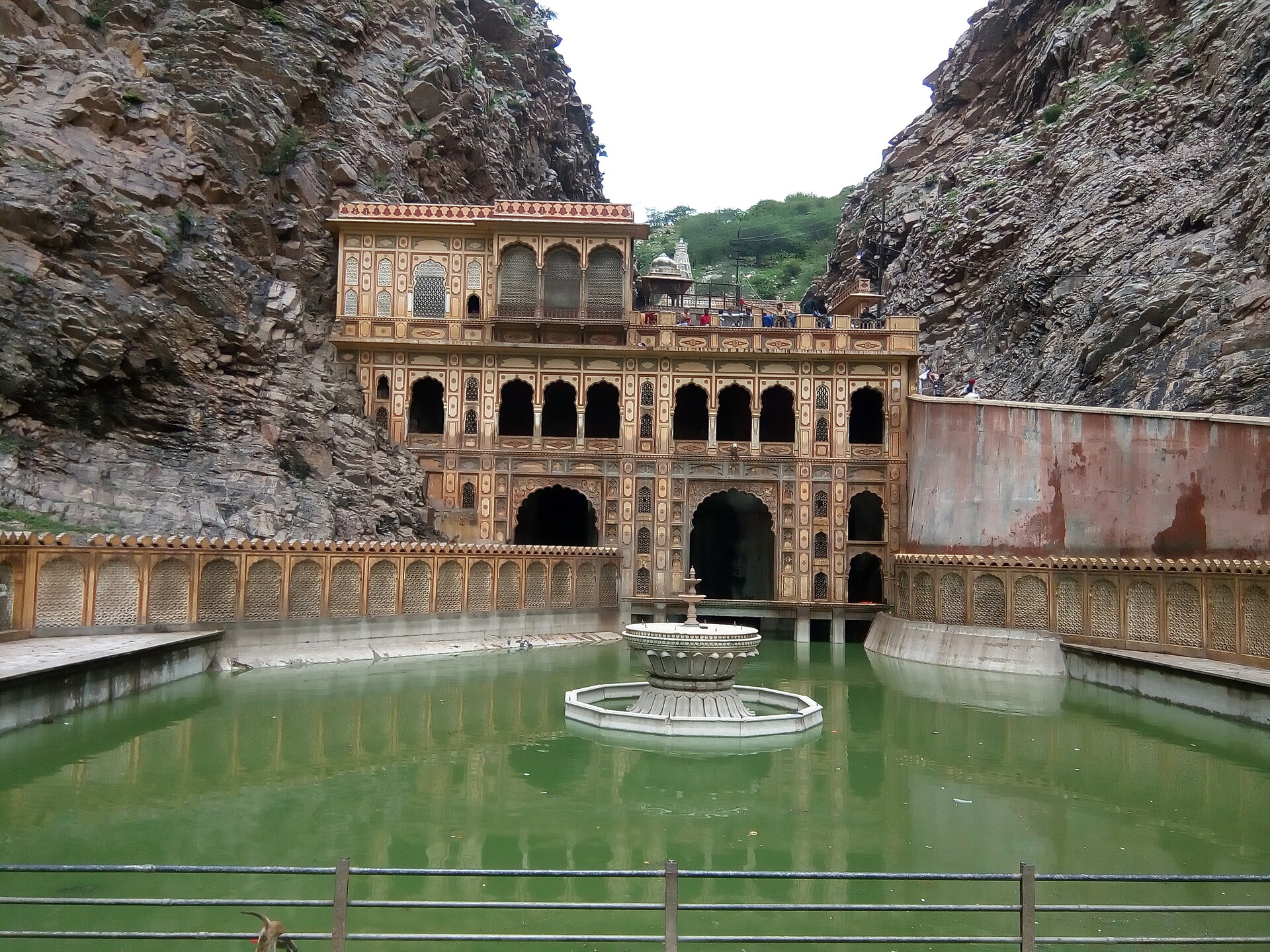
Galtaji is a 10th-century Hindu pilgrimage site in a mountain pass east of Jaipur — a complex of temples, natural springs, and sacred kunds (pools) built into a narrow gorge that is inhabited by hundreds of macaque monkeys who have made the temple their territory.
Govind Dev Ji Temple
City Palace Complex, Jaipur
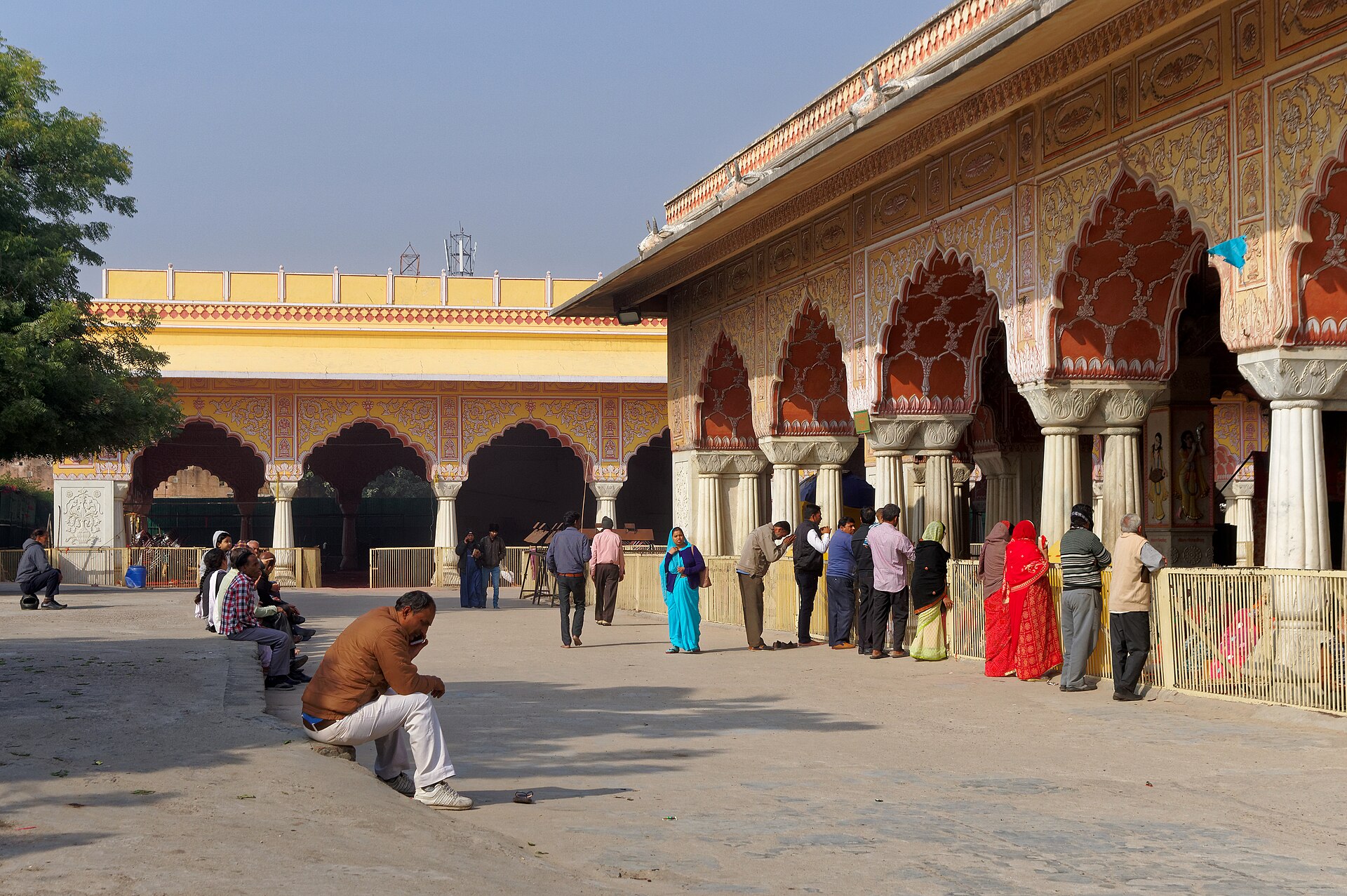
The Govind Dev Ji Temple is Jaipur's most revered Krishna temple — a 18th-century shrine within the City Palace complex whose deity (a black-stone idol of Krishna as a child) is believed to have been carved by Krishna's great-grandson Vajra more than 5,000 years ago and brought to Jaipur from Vrindavan in the 18th century to save it from the iconoclastic campaigns of Aurangzeb.
Jawahar Kala Kendra
Jawahar Lal Nehru Marg, Forestry Training Institute Campus, Jaipur, 302004, India
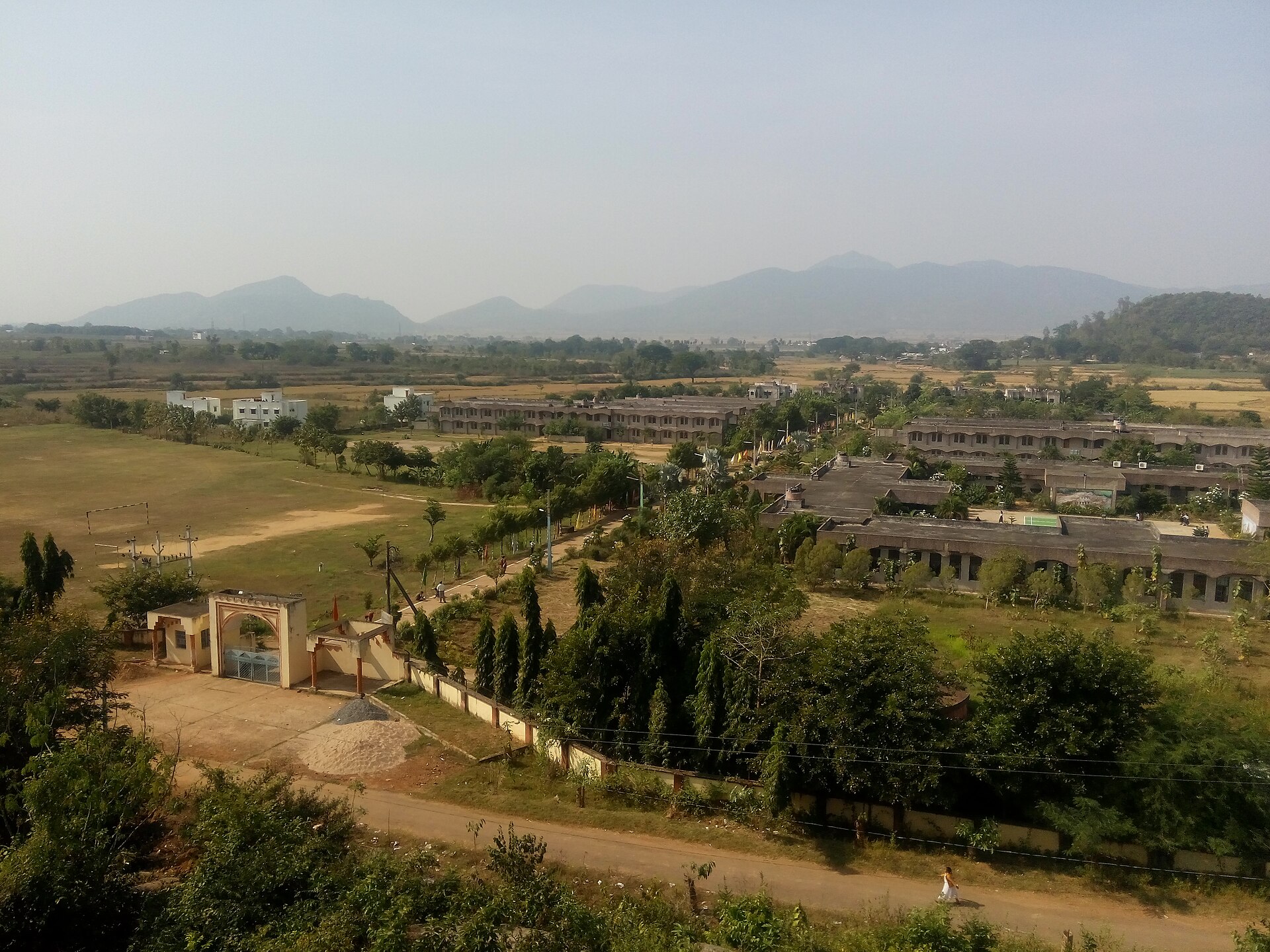
Jawahar Kala Kendra is Jaipur's multi-arts centre — a remarkable 1986-92 building designed by Charles Correa, one of India's greatest modern architects, as a postmodern reinterpretation of the nine-square mandala plan of the old Pink City (which Correa considered India's most important piece of urban design).
Johri Bazaar
304 Jauhari Bazar Road, Choura Rasta, Jaipur, 302003, India
Johri Bazaar is Jaipur's jewellery heart — a long, crowded market street in the Pink City where gem merchants, silversmiths, goldsmiths, and meenakari enamel workers have clustered since the 18th century, making Jaipur one of the world's most important gemstone trading centres (the city imports rough gems from across the globe and cuts an estimated 90% of the world's emeralds).
Moti Doongri Ganesh Temple
Jawaharlal Nehru Marg, Tilak Nagar, Jaipur, 302004, India
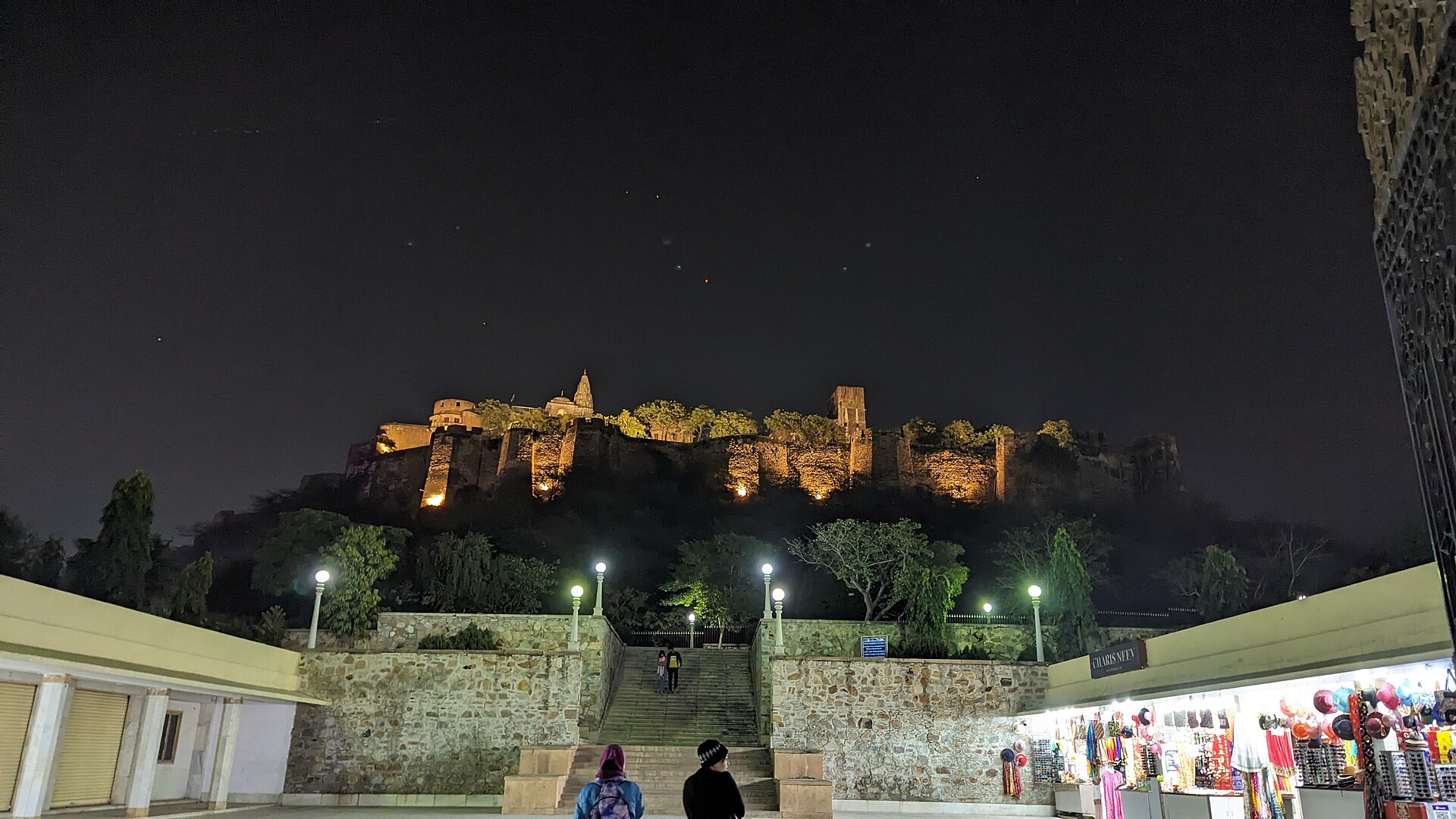
The Moti Doongri Ganesh Temple is Jaipur's most popular Hindu temple — a white marble shrine built in 1761 atop a small hill (moti doongri means 'pearl hill') beside the Moti Doongri Palace in the modern city.
Pink City Markets & Bazaars
Pink City, Jaipur, 302003, India
Jaipur's bazaars are among the most colourful and commercially vibrant in India — a network of wide streets lined with pink-painted shops that sell jewellery (Johari Bazaar, the jewellers' market, where Jaipur's renowned gem-cutting industry is visible in workshop after workshop), textiles (Bapu Bazaar, for block-printed fabrics and the tie-dye bandhani that Rajasthan is famous for), and the lac bangles, blue pottery, and leather jootis (embroidered shoes) that define Rajasthani craft.
Rajasthani Food Culture
Various locations, Jaipur
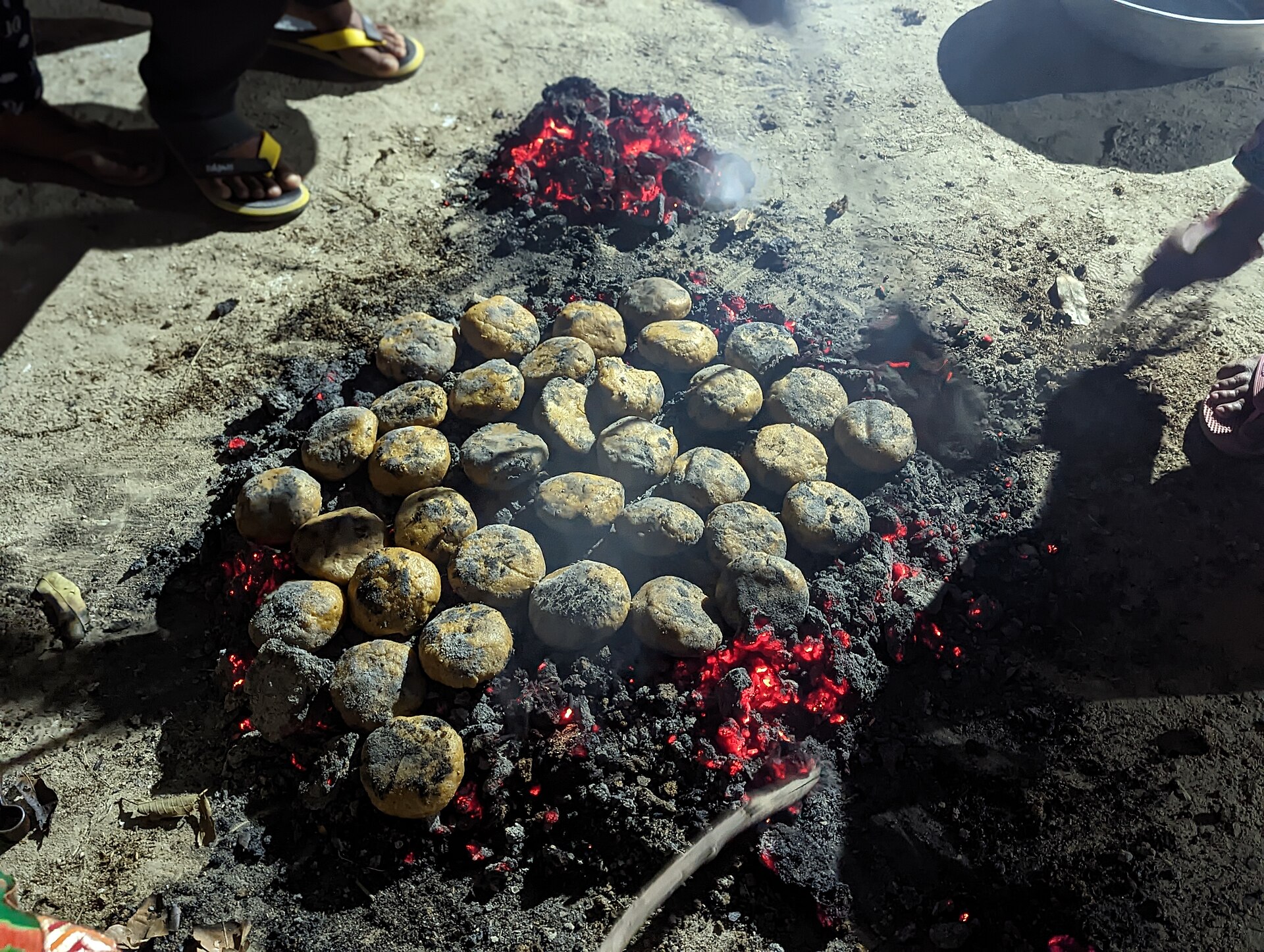
Rajasthani cuisine is one of the most distinctive regional food traditions in India — a vegetarian-dominant cooking style developed by communities living in a desert environment with limited water and agricultural resources, who created a repertoire of dishes using dried lentils, preserved vegetables, dairy, and the ingenuity that scarcity demands.
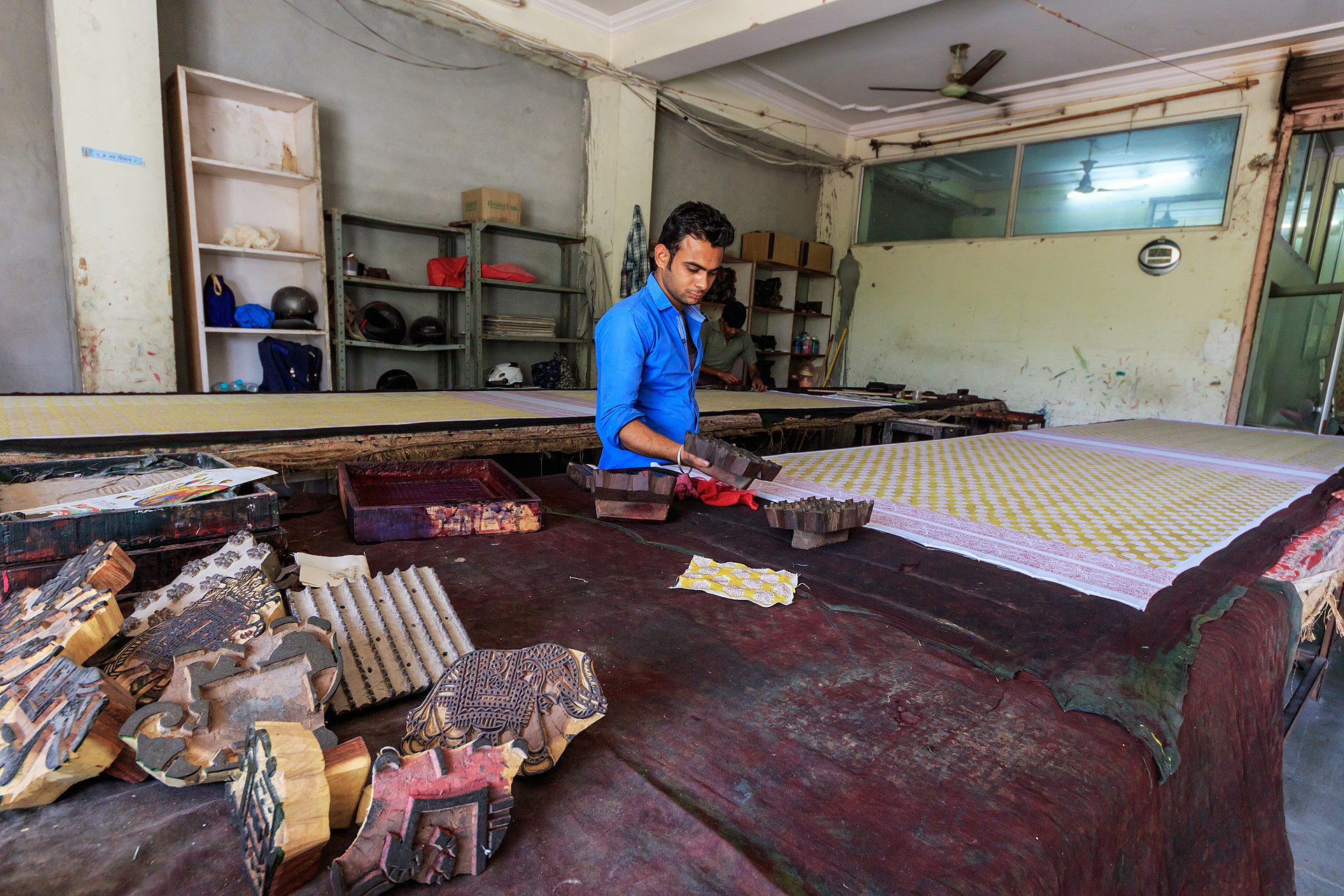
Rajasthani Textile & Block Printing
Sanganer, Jaipur, 302029, India
Jaipur is the centre of India's block-printing tradition — a textile craft that has been practised in the surrounding villages (Sanganer and Bagru) for over 500 years, producing the hand-printed fabrics that have been exported from Rajasthan to the world since the Mughal era.
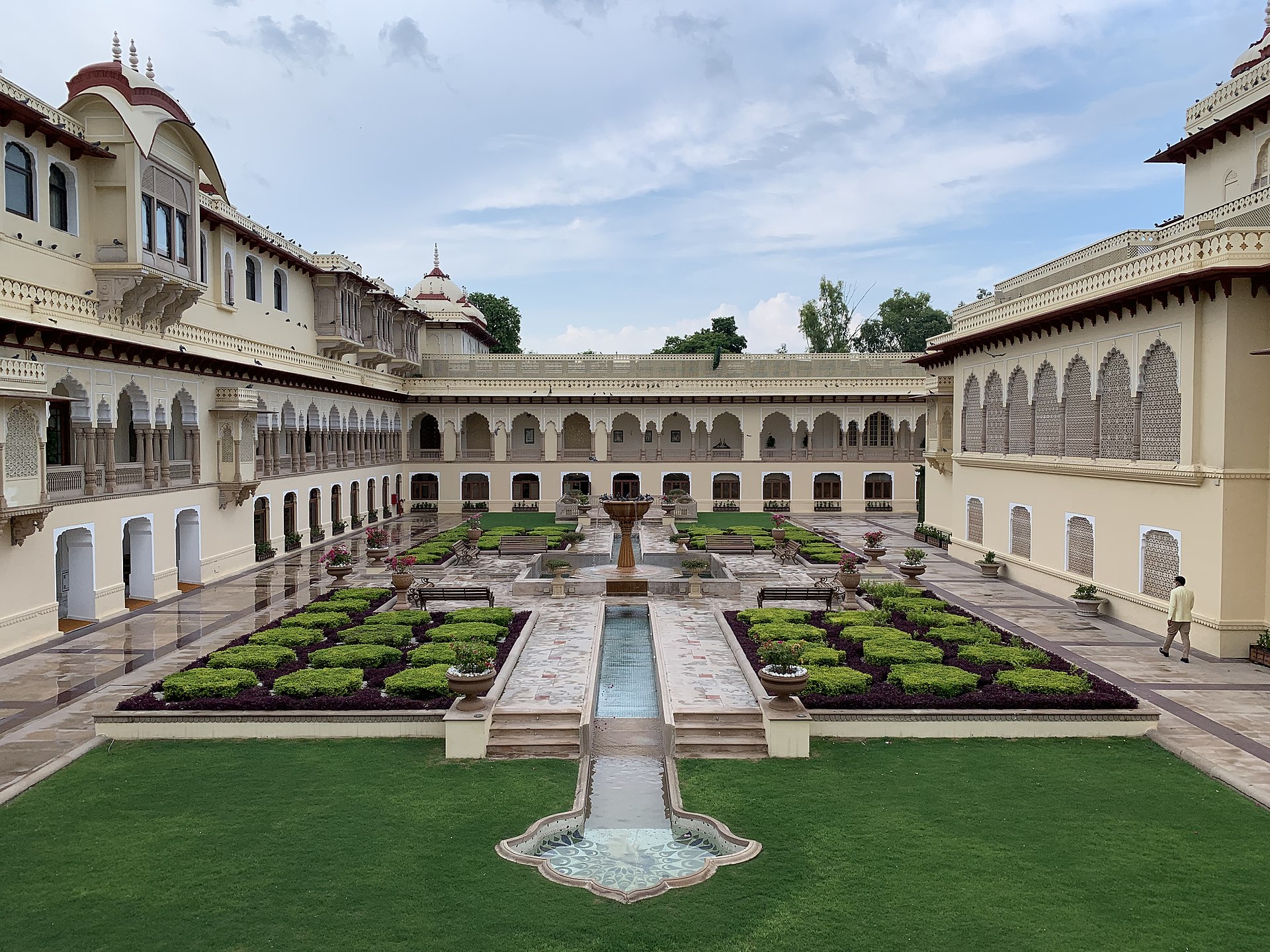
Rambagh Palace Hotel
Bhawani Singh Road, Rajasthan Polo Club, Jaipur, 302005, India
The Rambagh Palace is one of India's most famous luxury hotels — a 47-acre palace complex that was built in 1835 as a garden house for the royal wet nurse, expanded in 1887 into a hunting lodge for Maharaja Sawai Madho Singh, and converted in 1931 into the palace home of Maharaja Sawai Man Singh II and his wife Maharani Gayatri Devi (one of the most glamorous royal couples of 20th-century India).
Sisodia Rani Garden
Agra Road, New Khandelwal Nagar, Jaipur, 302031, India
The Sisodia Rani Garden is a Mughal-style pleasure garden 8 kilometres east of Jaipur built in 1728 by Maharaja Sawai Jai Singh II for his Sisodia Rajput queen — a love monument in the form of a multi-terraced garden with fountains, pavilions, and murals depicting scenes from the Radha-Krishna legend that was meant to console the queen who was homesick for her natal Udaipur.
Tripolia Bazaar
Tripolia Bazaar, Pink City, Jaipur
Tripolia Bazaar is one of the four original planned markets of Jaipur — a broad street running east from the City Palace's Tripolia Gate (which gives the bazaar its name, Tripolia meaning 'three gates') that was laid out in 1727 as part of Maharaja Jai Singh II's revolutionary grid plan for his new capital.
Explore culture in Jaipur
GPS-guided narration at every landmark. Tap a spot on the map, hear the story. Every fact verified.