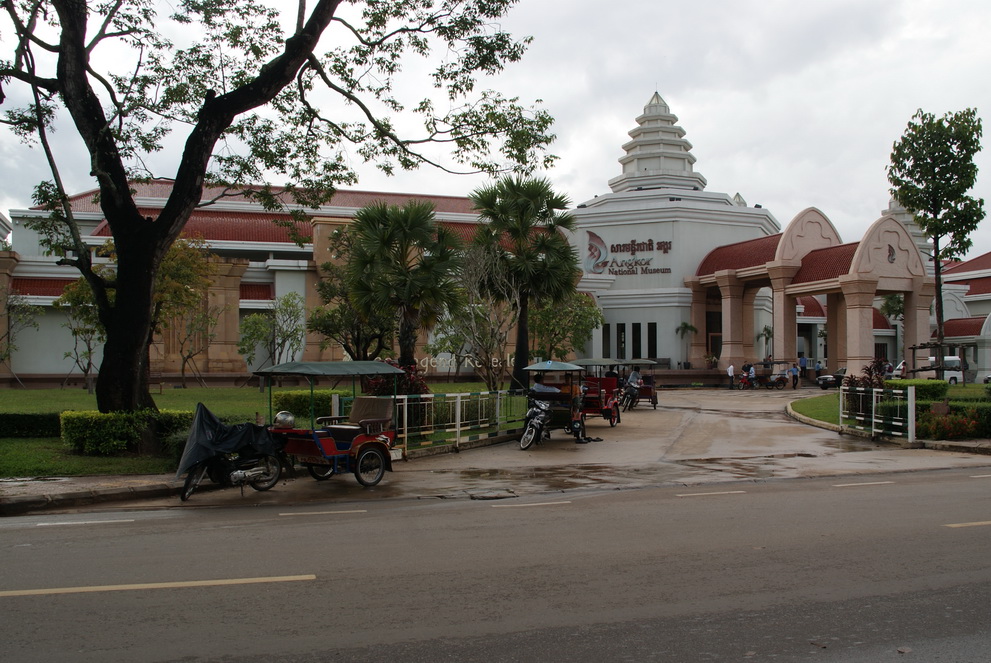
Angkor National Museum
Nokor Thum, Siem Reap, Cambodia
The Angkor National Museum is the essential first stop before visiting the temples — a modern, air-conditioned museum in Siem Reap town that provides the historical, religious, and artistic context that makes the temple complex comprehensible.
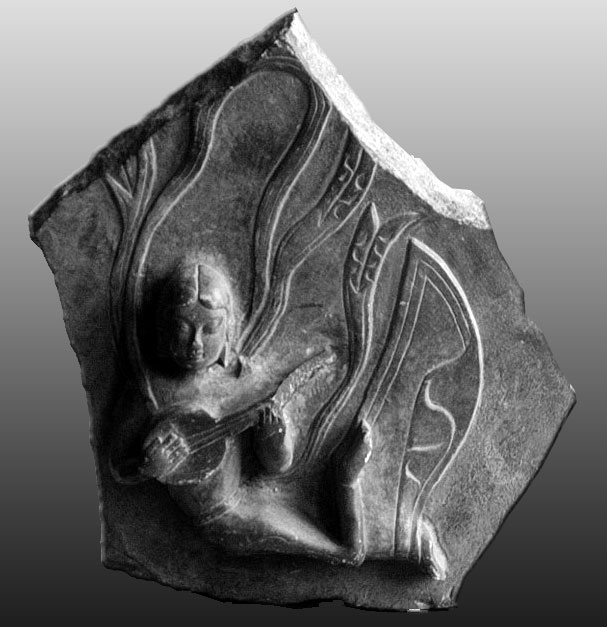
Apsara Dance Performance
National Road 63, Siem Reab, Siem Reap, Cambodia
Apsara dance is Cambodia's classical dance tradition — an 1,000-year-old courtly art form depicting the celestial dancers (apsaras) carved into the walls of Angkor Wat and Bayon, performed by teenage girls who train from age 6 at the Royal University of Fine Arts in Phnom Penh or the Apsara Angkor School.
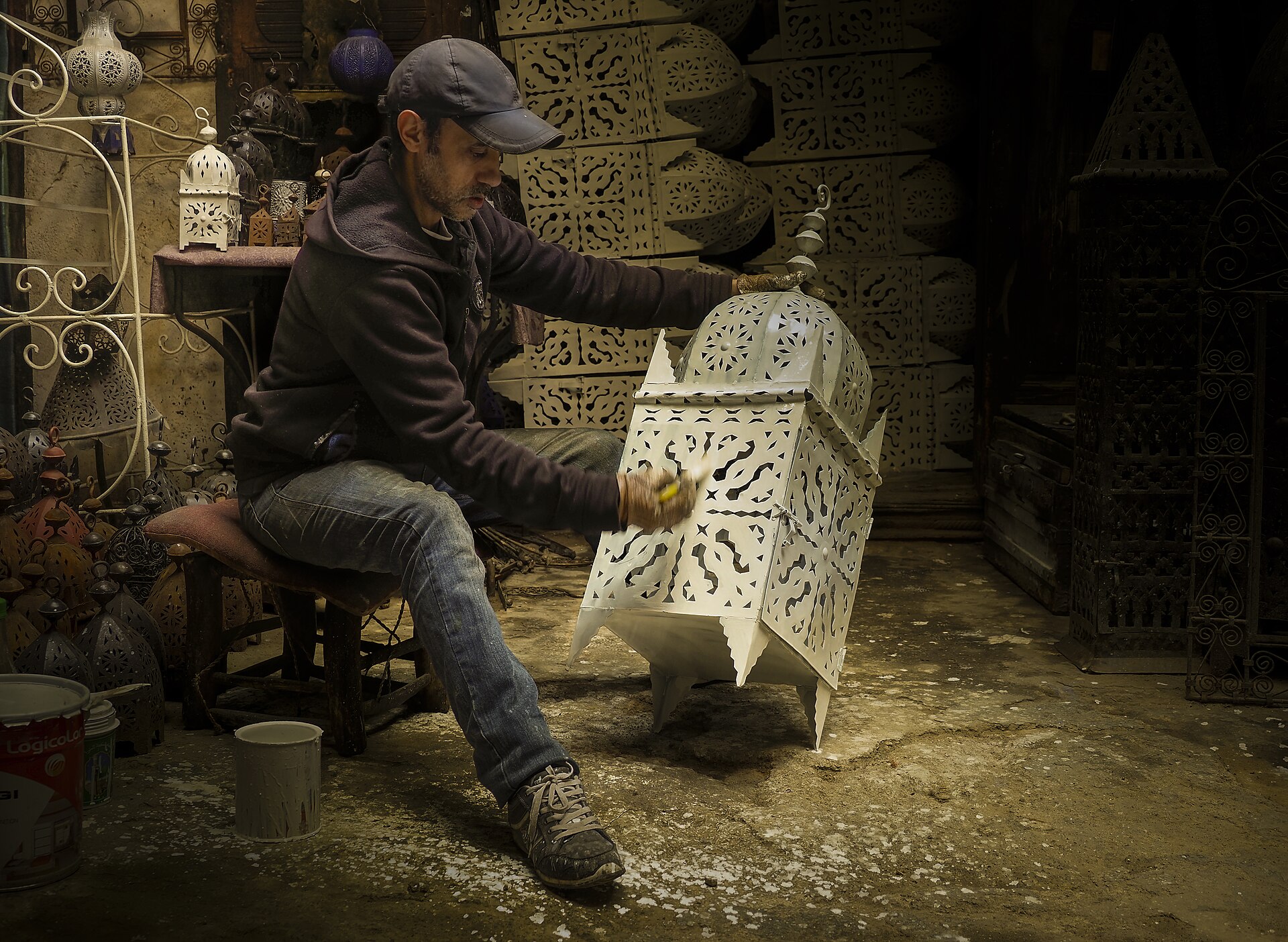
Artisans Angkor
Stung Thmey Street, Svay Dankum, Siem Reap, Cambodia
Artisans Angkor is Cambodia's flagship craft school and social enterprise — founded in 1992 by the French NGO Chantiers-Écoles de Formation Professionnelle to revive traditional Khmer crafts (stone carving, wood carving, silk weaving, lacquer, silver work, and gilded silk painting) after the Khmer Rouge had killed most of the country's master craftspeople.
Cambodian Food & Cooking Classes
Various locations, Siem Reap
Cambodian cuisine is Southeast Asia's least-known great food tradition — a flavour palette that sits between Thai and Vietnamese cooking, using fish sauce, galangal, lemongrass, and the prahok (fermented fish paste) that is the foundation of Khmer cooking.
Kampong Phluk Floating Village
Kampong Phluk, Tonle Sap
Kampong Phluk is the largest stilted village on Tonle Sap Lake — a community of about 800 Khmer families who live in wooden houses raised on 6-8 metre stilts along the lake's northern edge, which adapt to the dramatic annual flooding that can raise the water level by over 10 metres during the monsoon season (June-November).
Landmine Museum
Angkor District, Siem Reap Province
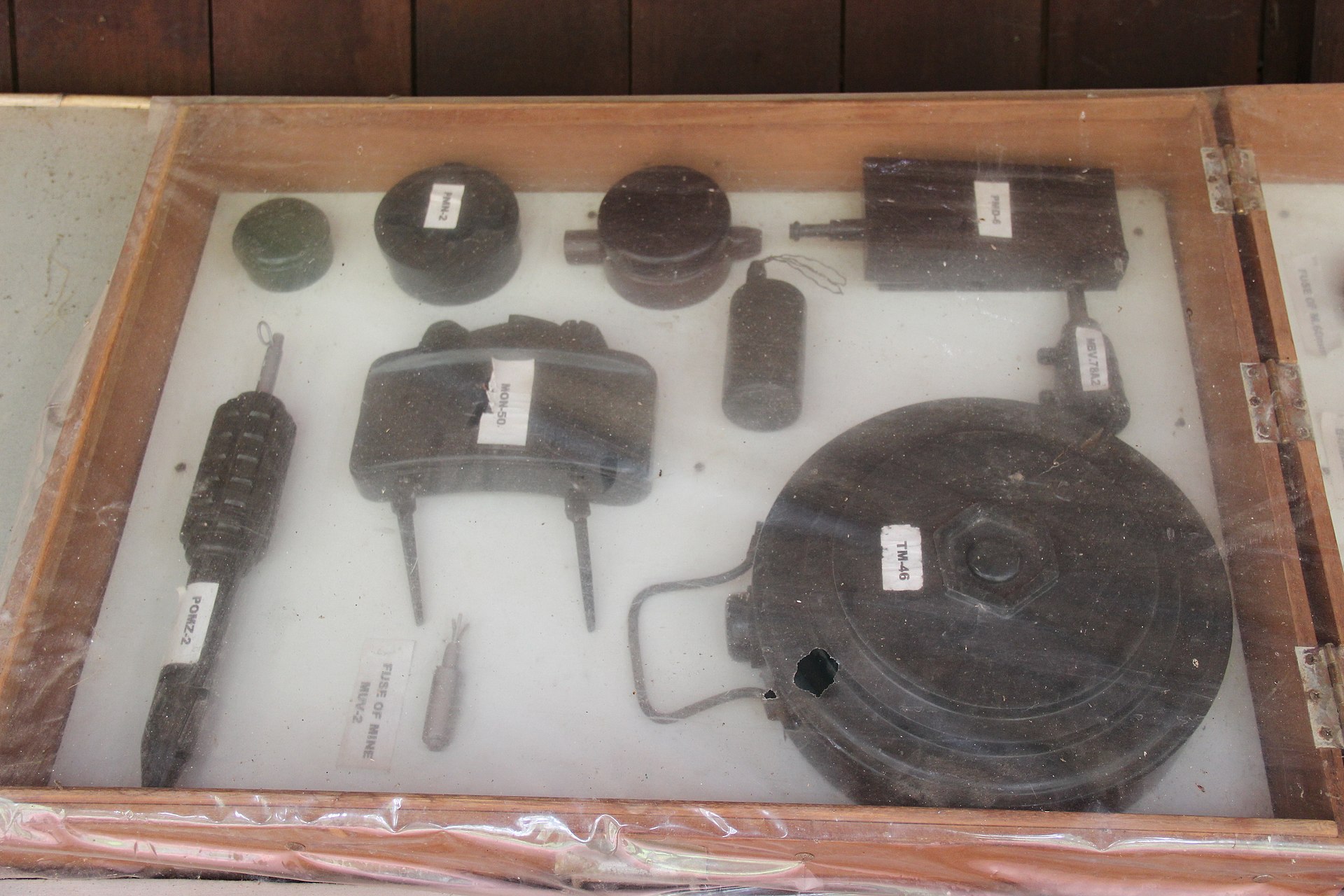
The Cambodia Landmine Museum is the most powerful museum in Siem Reap — a small institution founded by Aki Ra, a former child soldier who was forced to lay landmines as a boy and has spent his adult life removing them by hand.
Made in Cambodia Market
Achar Sva Street, Siem Reap
The Made in Cambodia Market is a curated handicraft market in the Shinta Mani hotel complex near the Old Market featuring only authentic, locally made Cambodian crafts — silk scarves from Artisans Angkor, stone and wood carvings by Cambodian sculptors, Khmer silver jewellery, and the handmade paper, ceramics, and textiles that are emerging as contemporary Cambodian design.
Phare Cambodian Circus
B41, Ung Oeun Street, Svay Dankum, Siem Reap, Cambodia
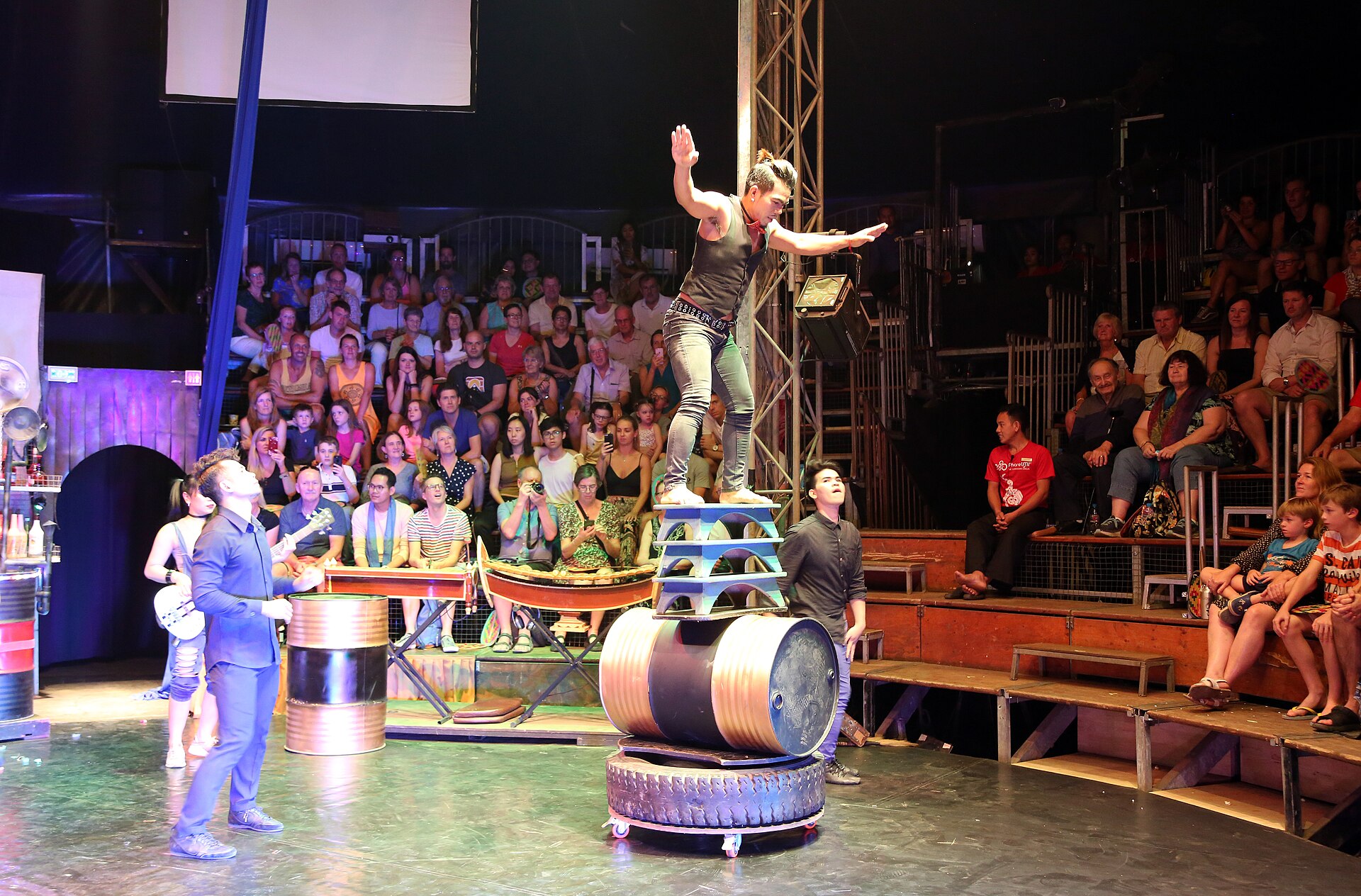
Phare, the Cambodian Circus, is the most acclaimed performing arts company in Cambodia — a circus-theatre troupe that combines acrobatics, music, dance, and storytelling to tell Cambodian stories, including the traumatic history of the Khmer Rouge era that the country is still processing.
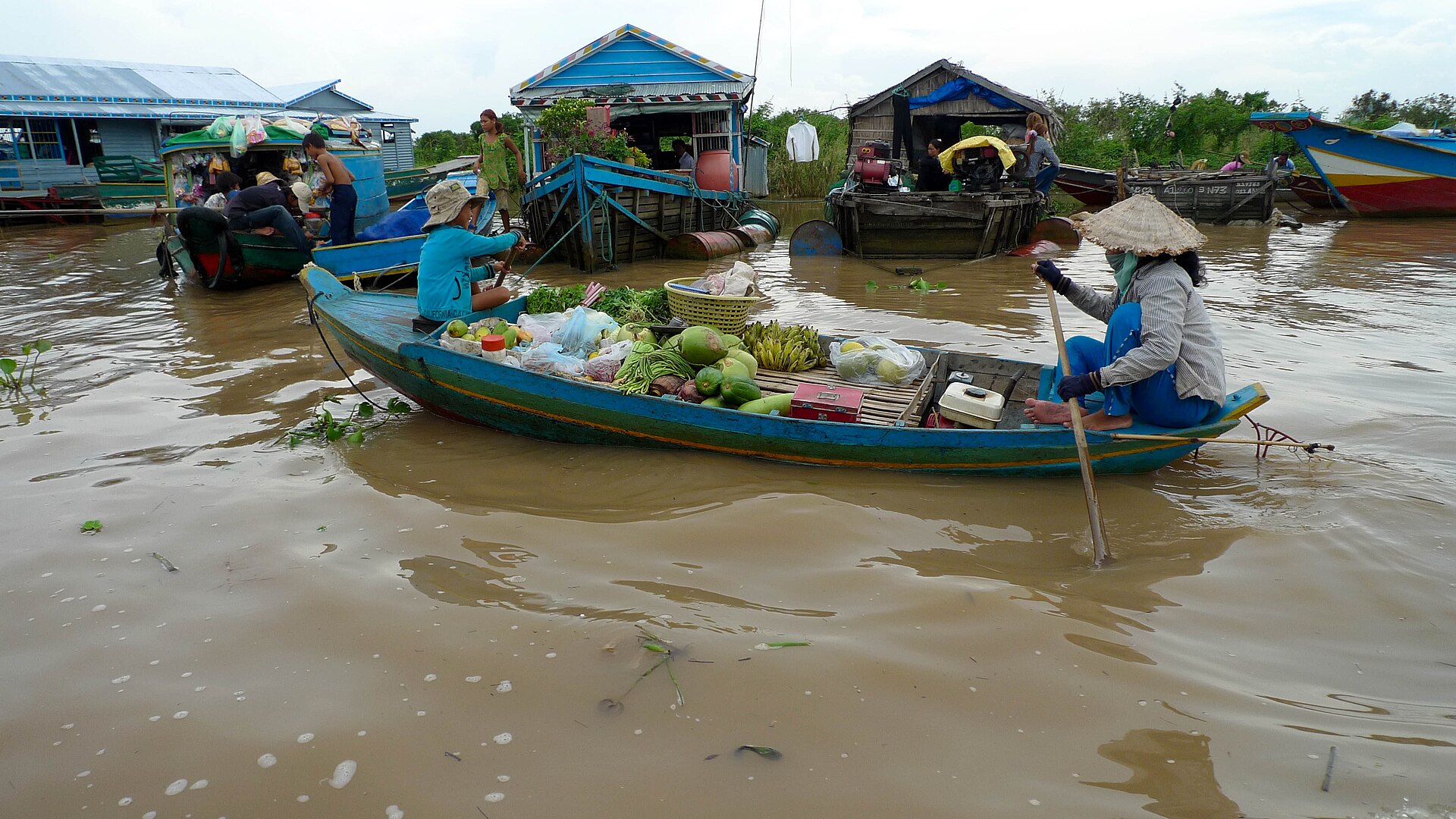
Tonle Sap Lake & Floating Villages
Tonle Sap Lake, Siem Reap Province
Tonle Sap is the largest freshwater lake in Southeast Asia — a body of water that expands from 2,500 square kilometres in the dry season to over 16,000 square kilometres during the monsoon (when the Mekong River's flood reverses the flow of the Tonle Sap River, quadrupling the lake's size).
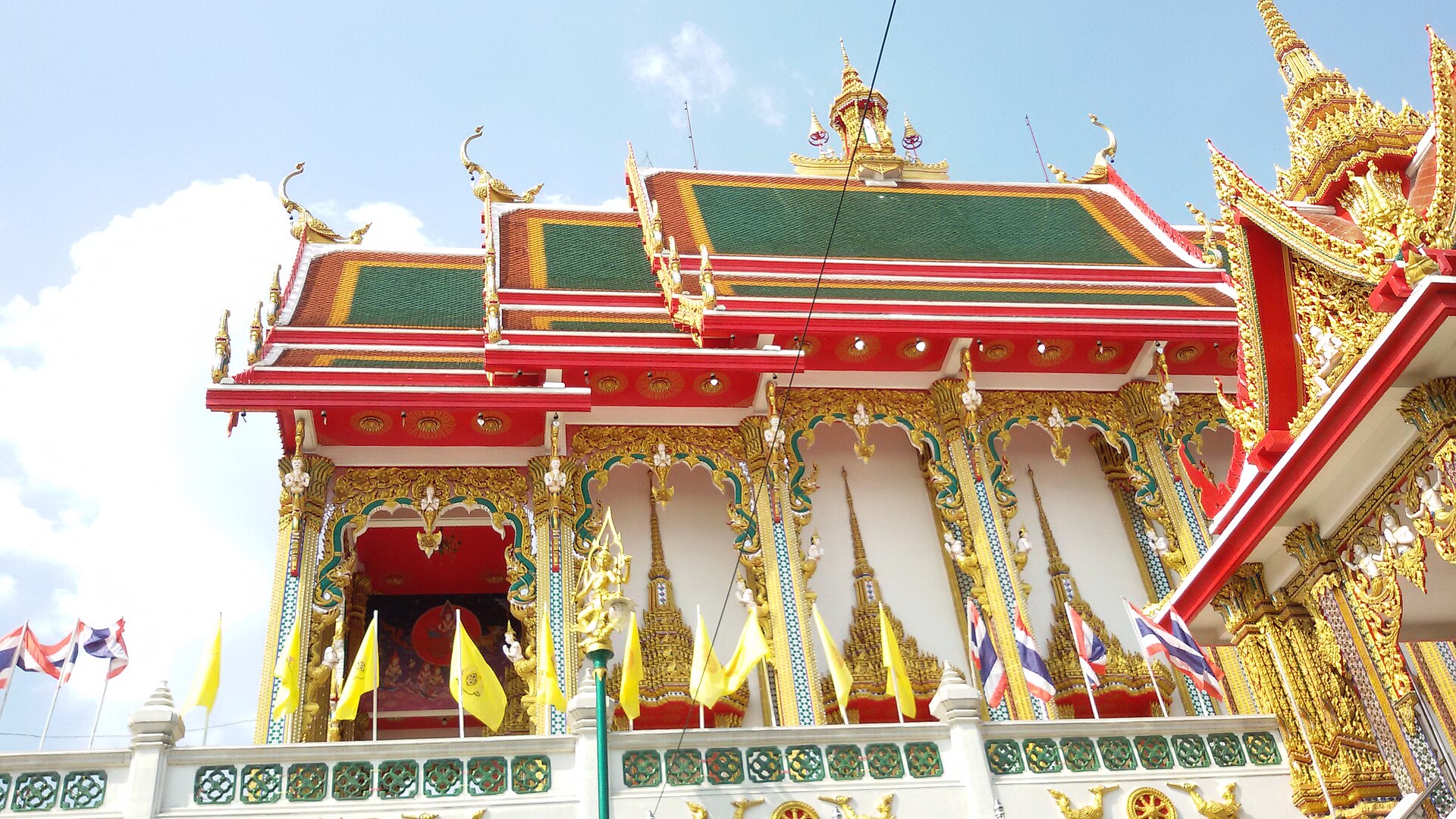
Wat Bo
Street 23, Siem Reap
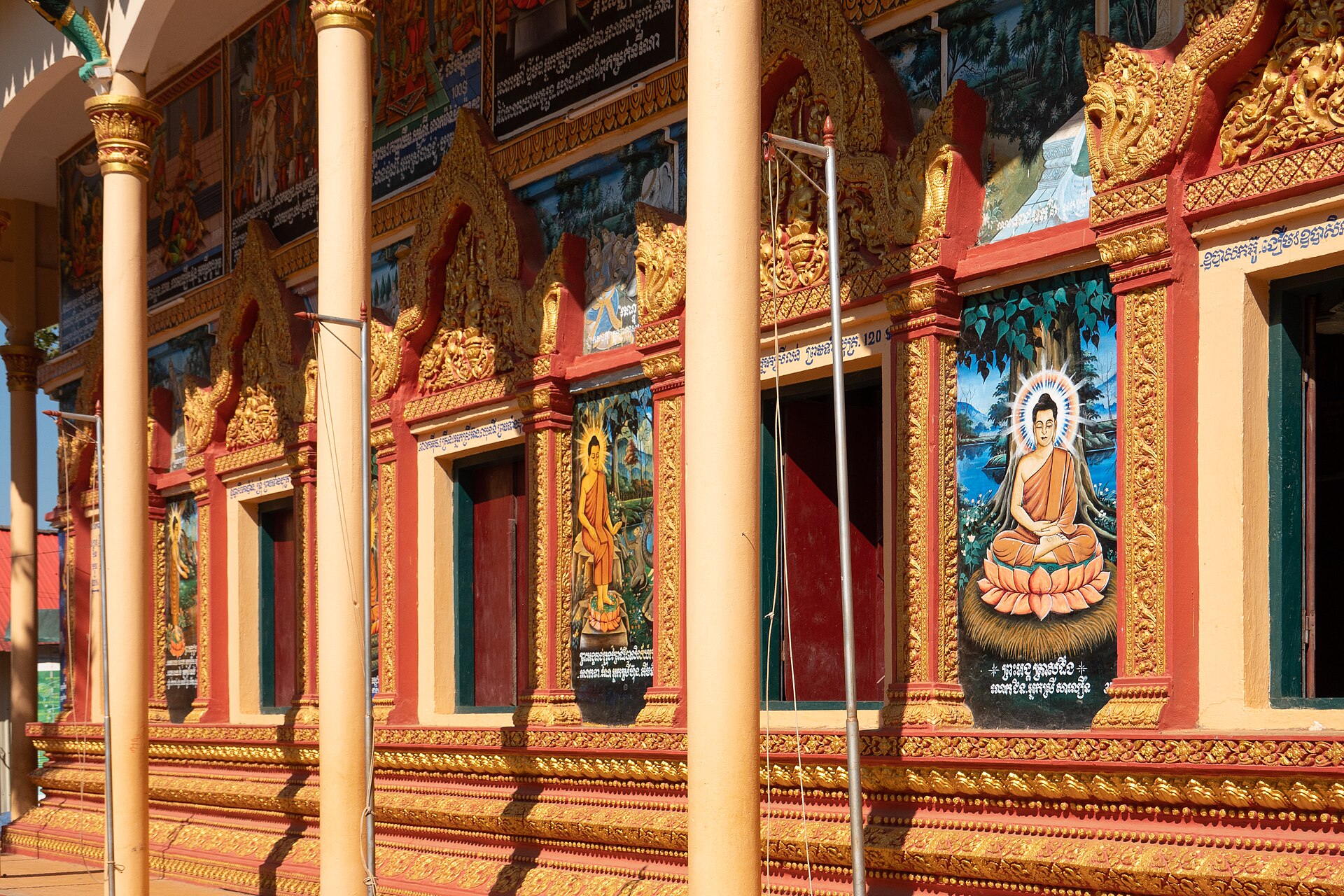
Wat Bo is a working Buddhist pagoda in the centre of Siem Reap that is one of the oldest temples in the city — founded in the 18th century and containing a main vihara (prayer hall) whose interior walls are covered with 19th-century murals depicting the Reamker (the Khmer version of the Ramayana).
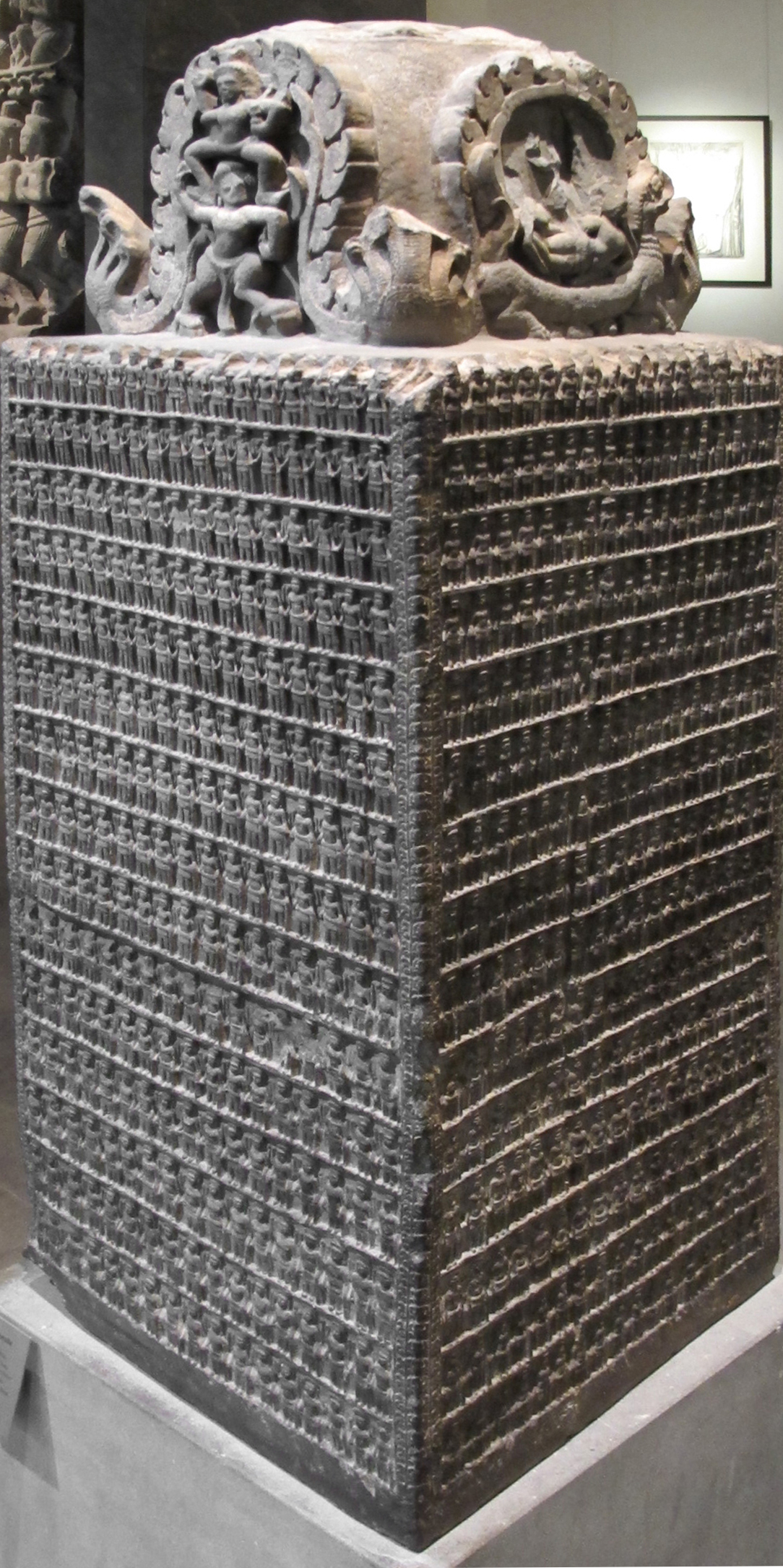
Wat Thmei (Killing Fields Memorial)
Charles de Gaulle Boulevard, Siem Reap
Wat Thmei is a Buddhist pagoda on the road to Angkor Wat that houses Siem Reap's main Khmer Rouge memorial — a glass-walled stupa containing the skulls and bones of about 500 victims of the 1975-79 genocide, many of whom were killed on the pagoda grounds.
Explore culture in Siem Reap
GPS-guided narration at every landmark. Tap a spot on the map, hear the story. Every fact verified.