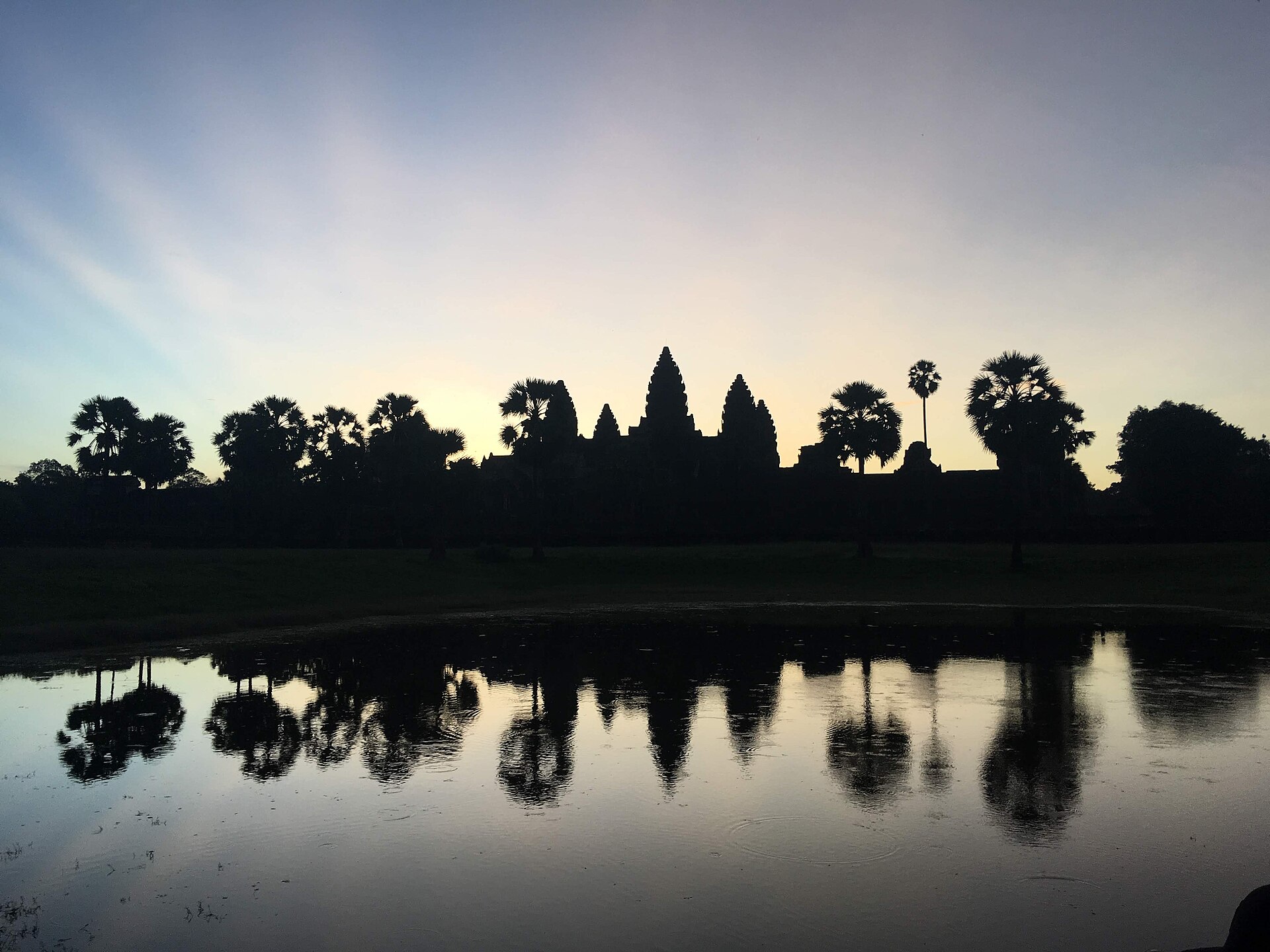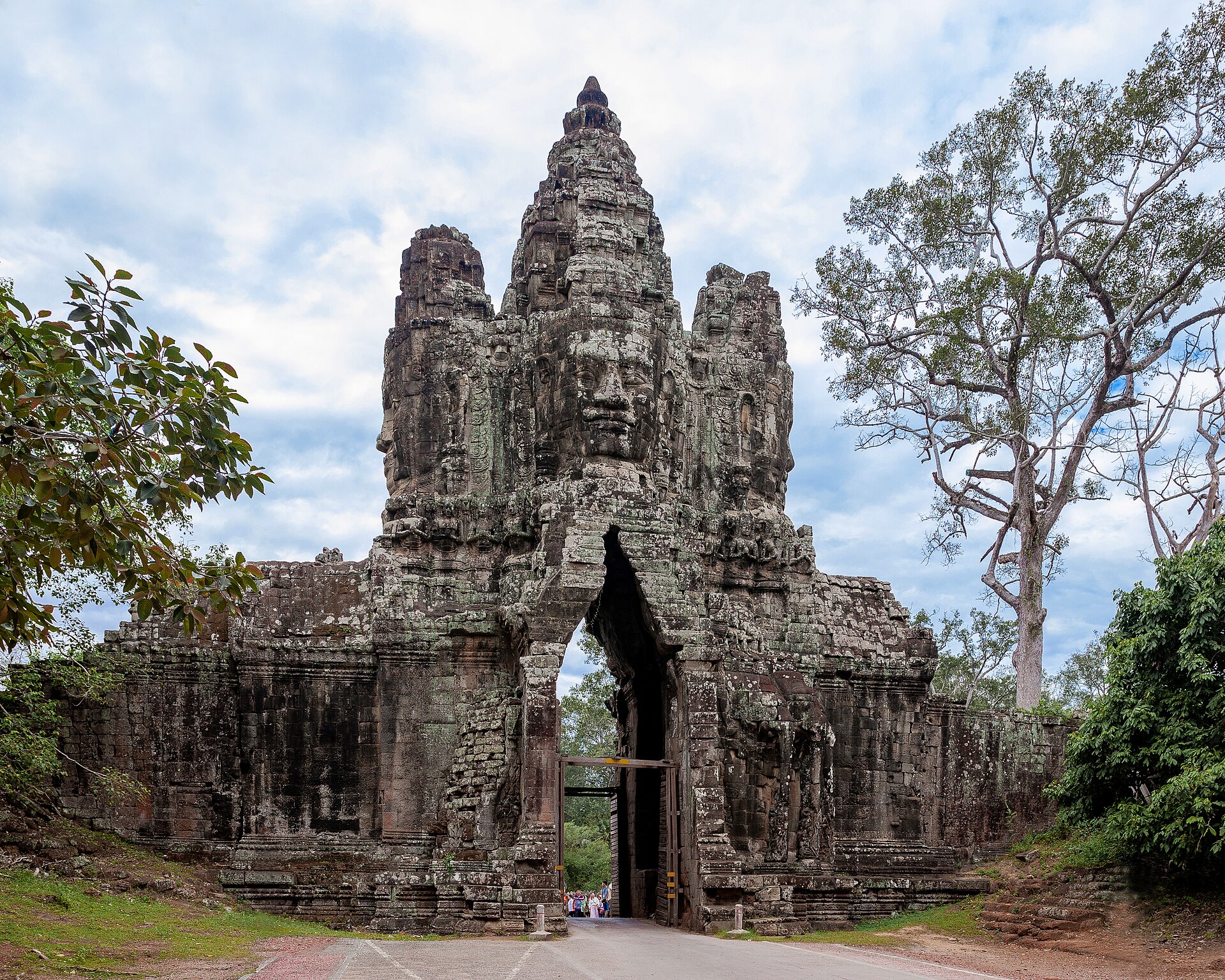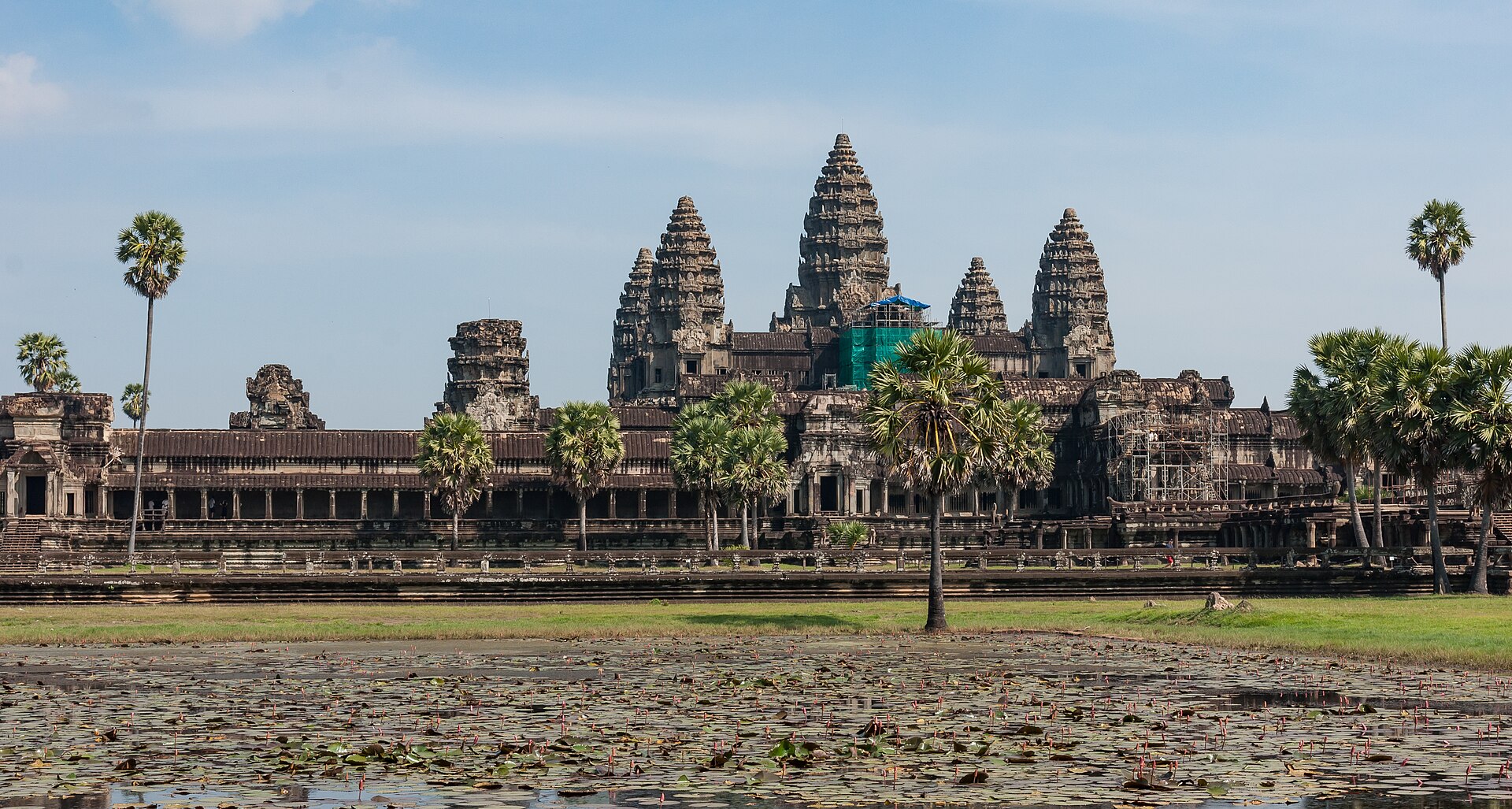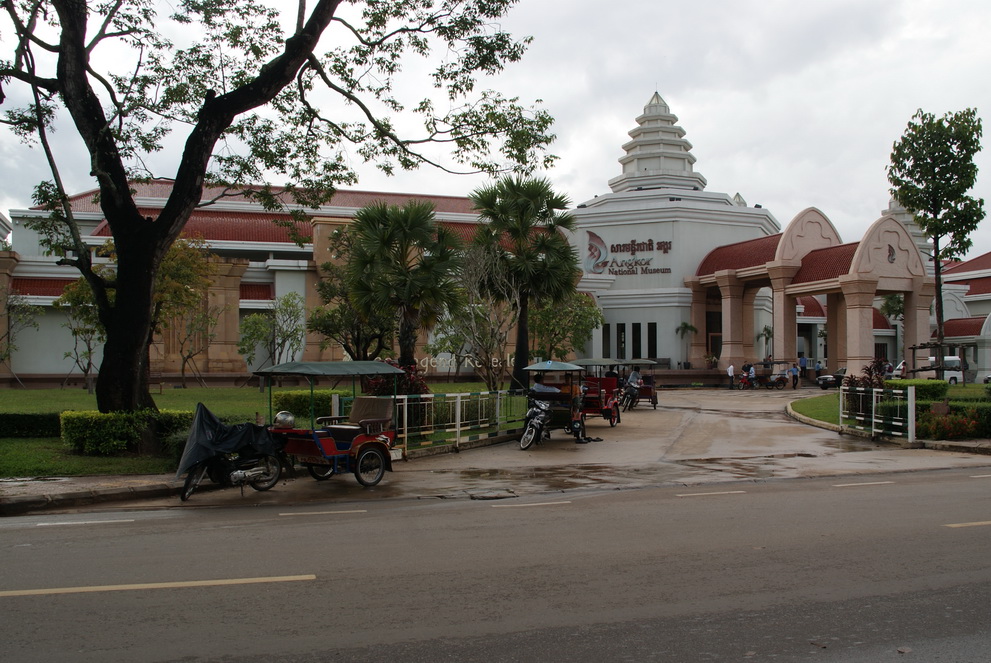
The Angkor National Museum is the essential first stop before visiting the temples — a modern, air-conditioned museum in Siem Reap town that provides the historical, religious, and artistic context that makes the temple complex comprehensible. Without understanding the Hindu and Buddhist cosmology that the temples express, the difference between Angkor Wat (Hindu, 12th century, Suryavarman II) and Bayon (Buddhist, late 12th century, Jayavarman VII) is invisible — the museum makes these distinctions clear.
The collection includes over 1,000 Khmer sculptures, bronzes, ceramics, and artifacts spanning the 6th to 13th centuries, displayed in eight galleries that trace the rise and fall of the Khmer Empire. The Gallery of a Thousand Buddhas — a room of stone and bronze Buddha images in every size and style — demonstrates the evolution of Khmer Buddhist sculpture across centuries. The Angkor Wat gallery uses multimedia and models to explain the temple's astronomical alignments, engineering, and the bas-relief narratives that are impossible to follow without preparation.
The museum is privately operated (ticket prices are higher than state-run Cambodian museums) and uses modern museum technology (multimedia, interactive displays, climate control) that provides a Western-standard museum experience. The audioguide is excellent and provides the narrative thread that connects the different periods and temples.
Verified Facts
The museum contains over 1,000 Khmer artifacts
Eight galleries trace the Khmer Empire from the 6th to 13th centuries
The museum is located in Siem Reap town, not at the temple complex
An audioguide provides contextual narrative for the collection
Get walking directions
Nokor Thum, Siem Reap, Cambodia