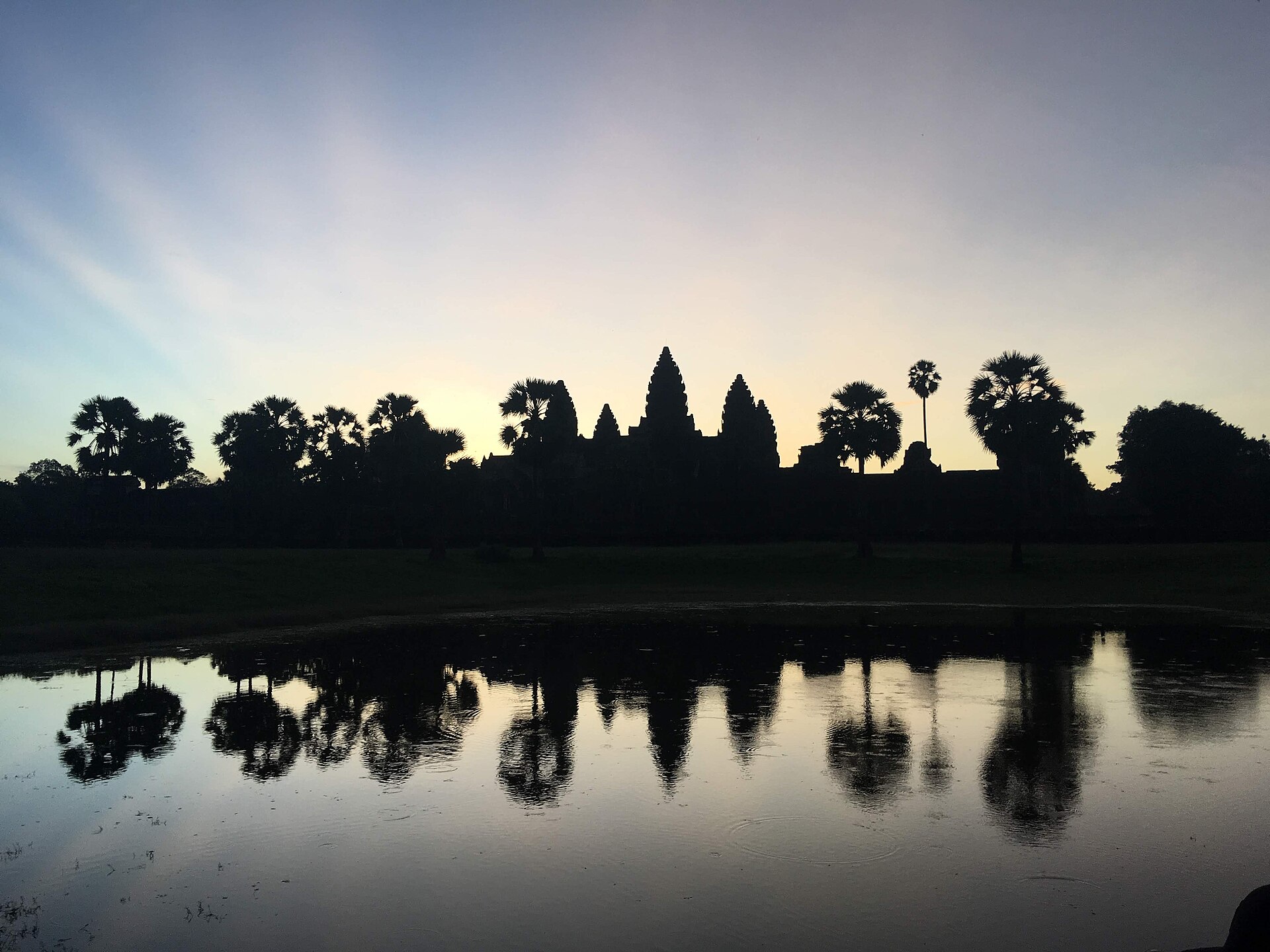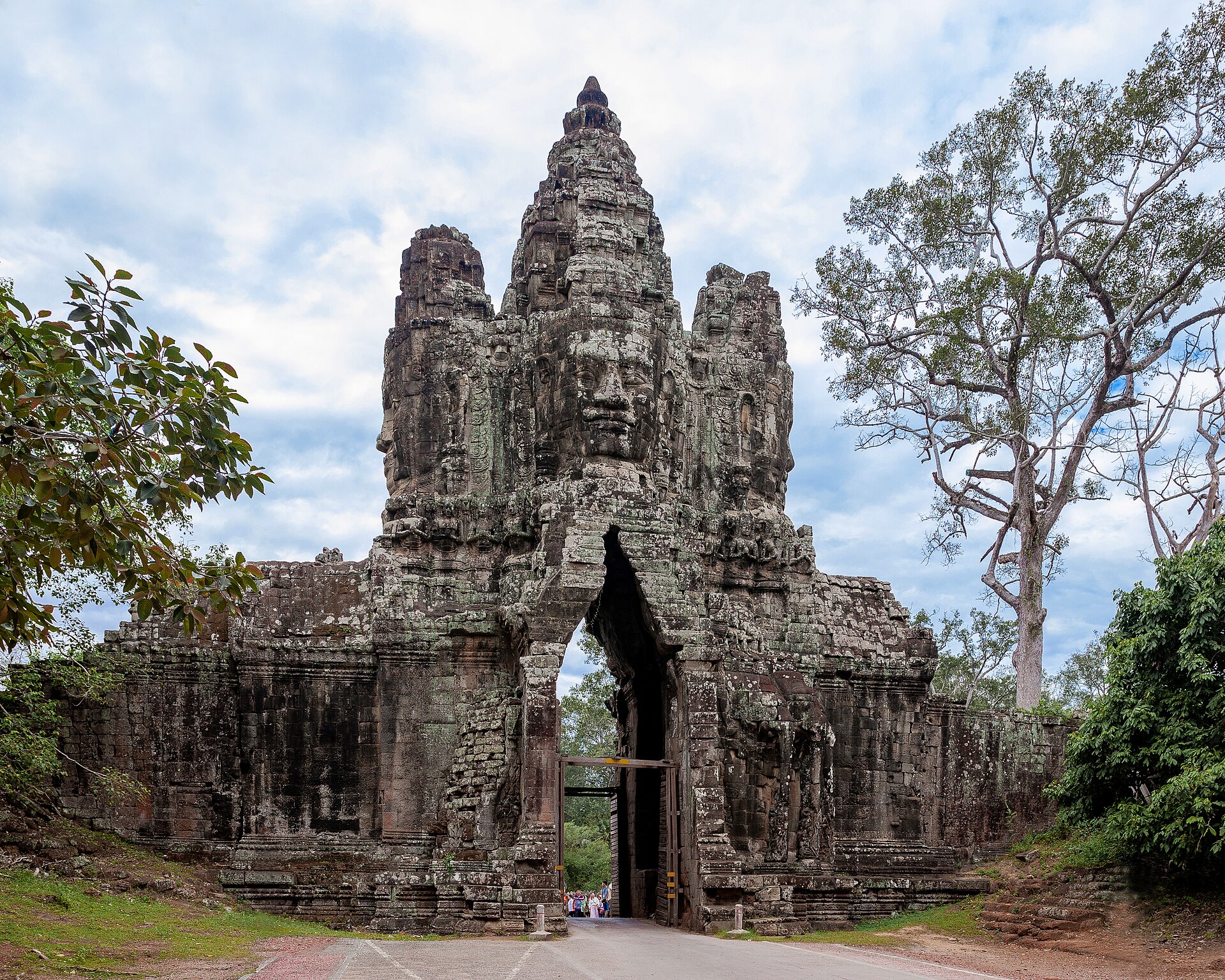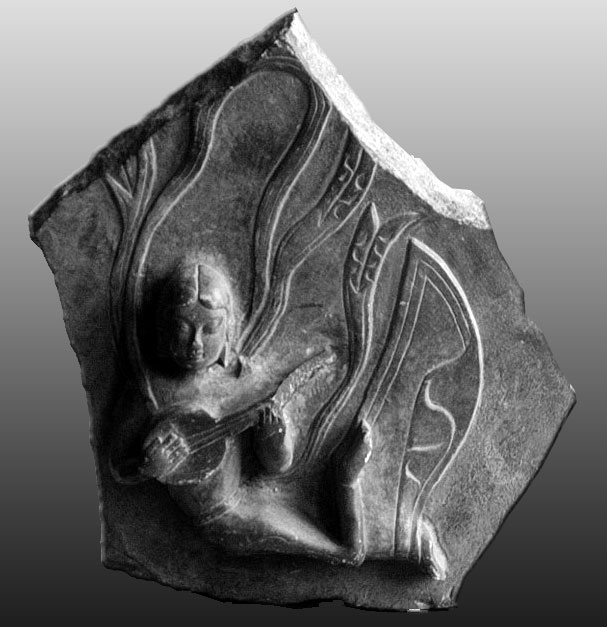
Apsara dance is Cambodia's classical dance tradition — an 1,000-year-old courtly art form depicting the celestial dancers (apsaras) carved into the walls of Angkor Wat and Bayon, performed by teenage girls who train from age 6 at the Royal University of Fine Arts in Phnom Penh or the Apsara Angkor School. The dance form nearly died during the Khmer Rouge years (1975-79) when 90% of classical performers were killed; its survival is owed to a handful of elderly masters who rebuilt the tradition from scratch after 1979.
Performances in Siem Reap are held nightly at several venues — the most authentic is the Apsara Theatre (a purpose-built venue with temple-style architecture), while the more spectacular are the dinner-and-show productions at hotels like Raffles Grand d'Angkor and Angkor Village. Expect a 90-minute programme featuring the classical Apsara dance, coconut dance, and fishing dance — all derived from temple bas-reliefs.
Verified Facts
Apsara dance is a 1,000-year-old classical tradition
90% of classical dancers were killed during the Khmer Rouge
Performers begin training from age 6
The form was revived after 1979 by elderly surviving masters
Get walking directions
National Road 63, Siem Reab, Siem Reap, Cambodia