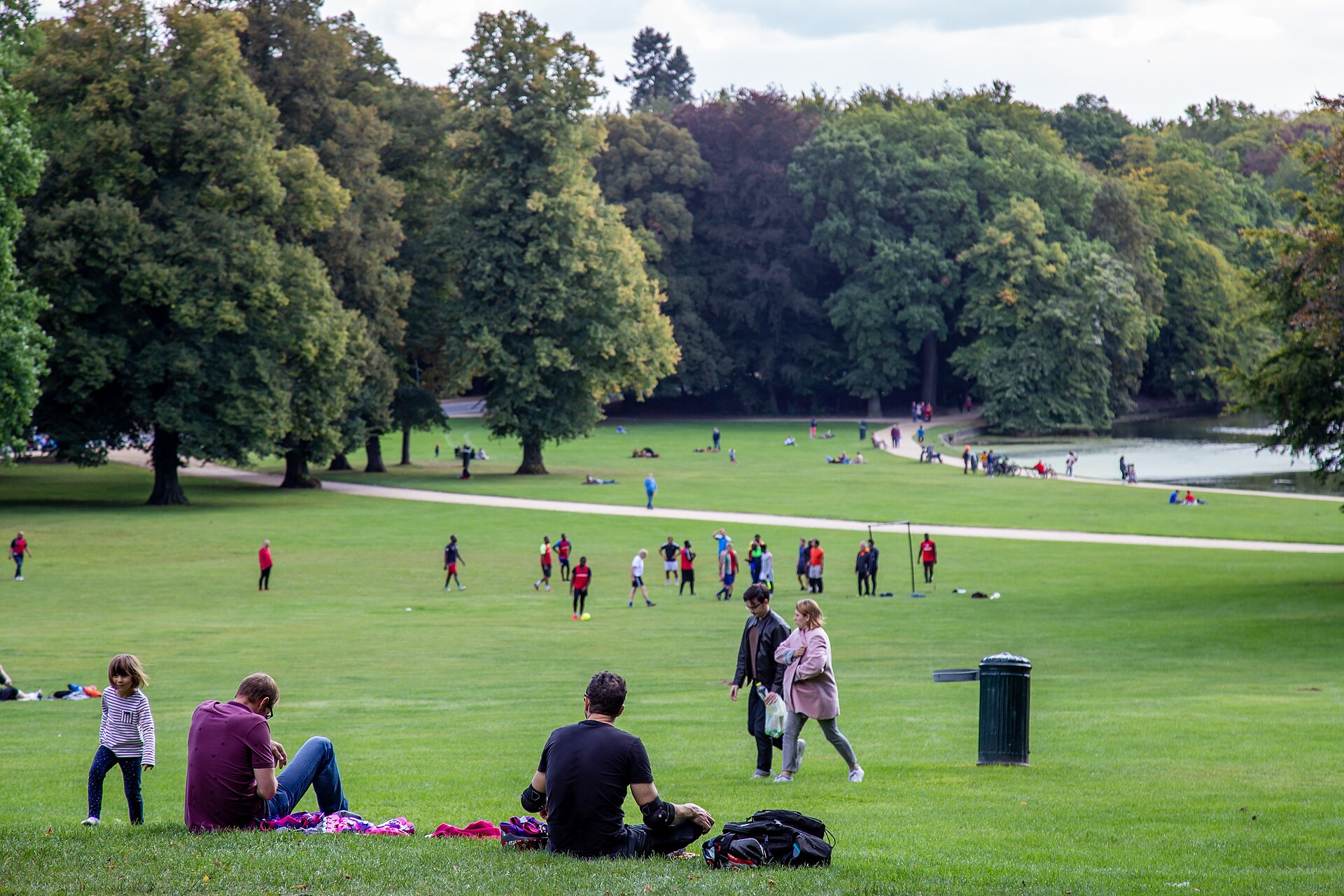
Bois de la Cambre
Louise, Brussels, Belgium
The Bois de la Cambre is Brussels' largest park — a 124-hectare English landscape garden at the southern end of Avenue Louise that provides the green space that the dense, built-up city centre desperately needs.
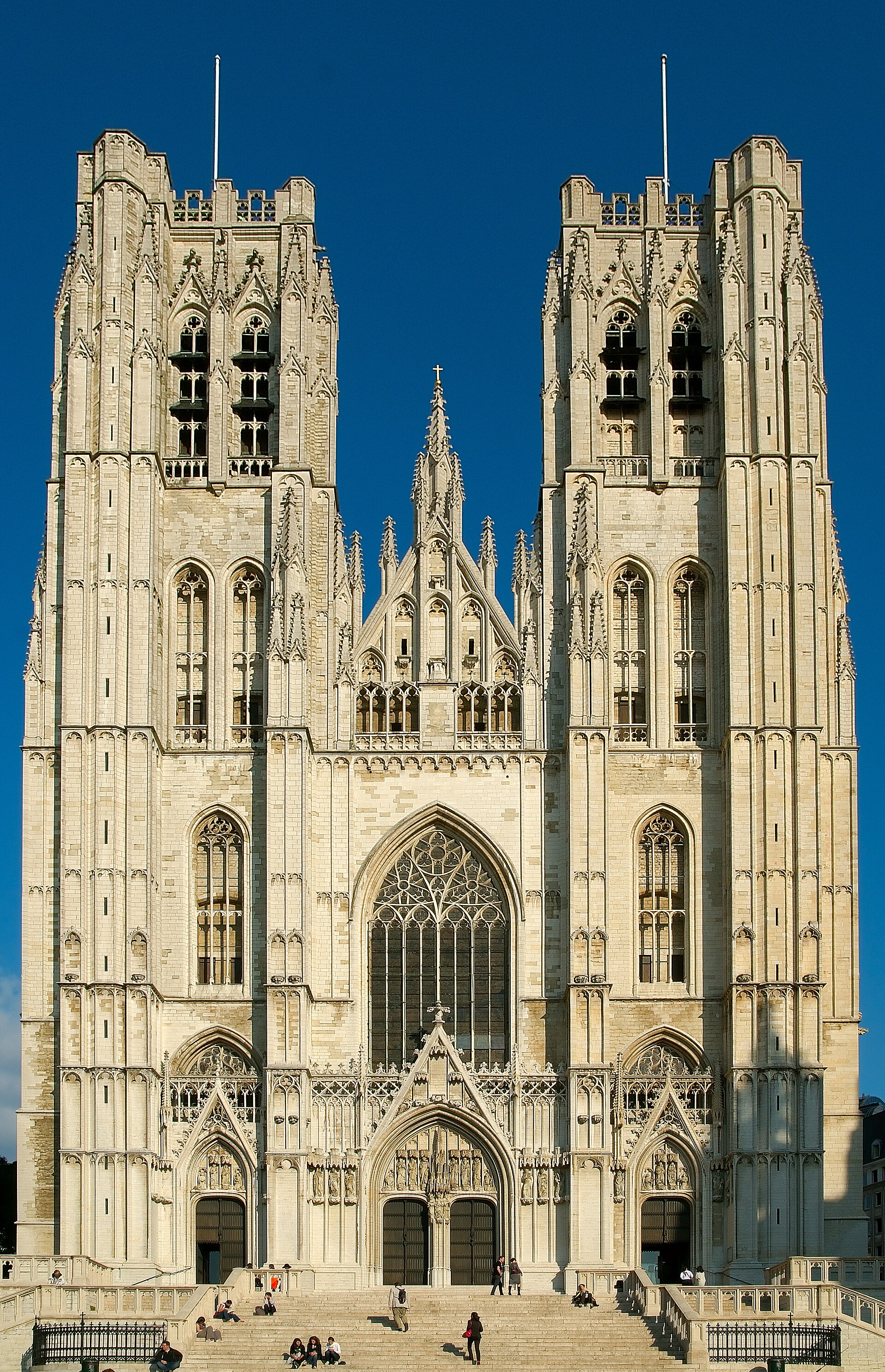
Cathédrale des Saints-Michel-et-Gudule
Place Sainte-Gudule, 1000 Brussels
Brussels' cathedral is a Gothic masterpiece that took 300 years to build (1226-1519) and sits on the hill between the upper and lower town like a stone mediator between the royal quarter above and the commercial city below.
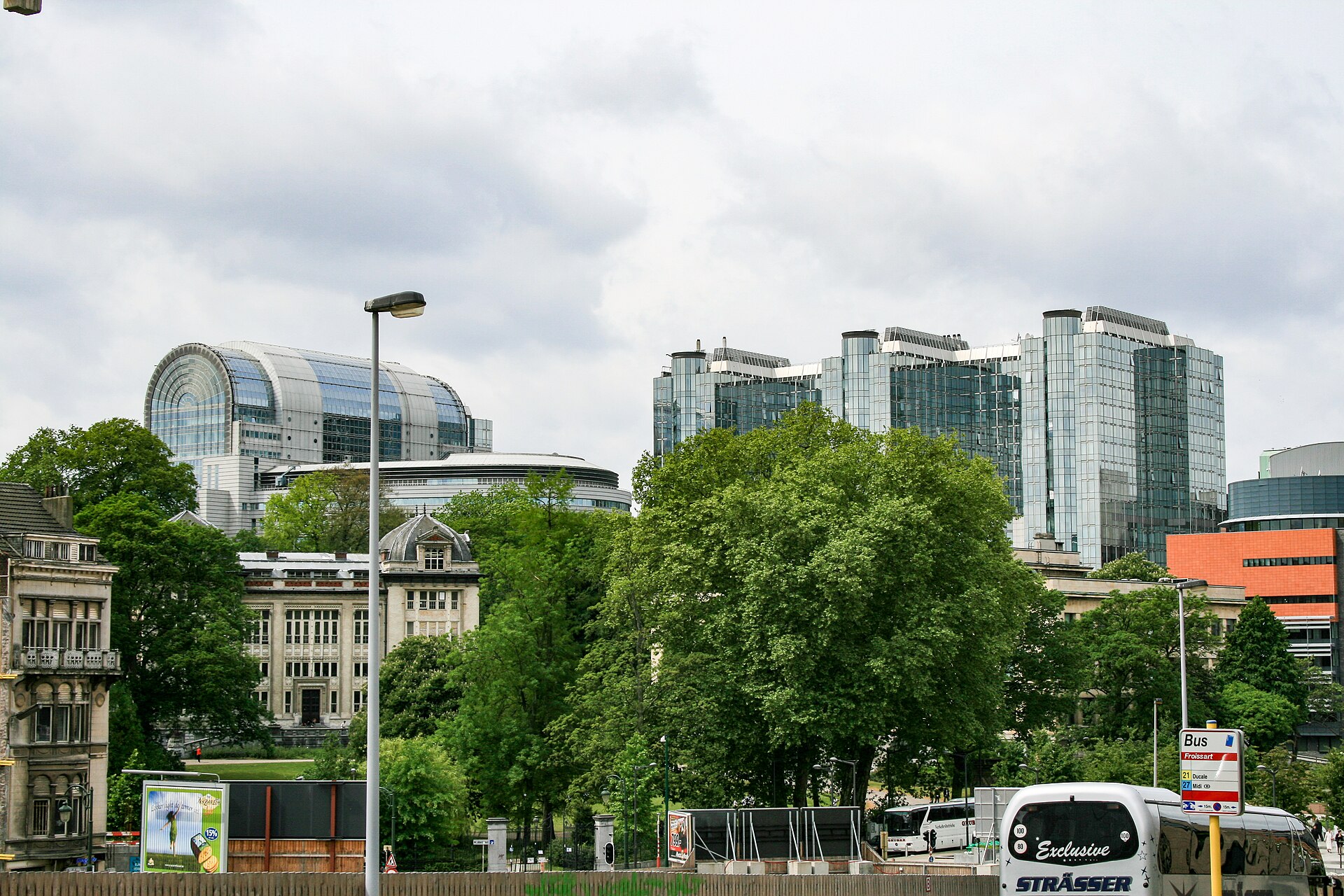
European Quarter
Rue de la Loi, Quartier Nord-Est, Brussels, 1040, Belgium
The European Quarter is where the European Union lives — a district of glass-and-steel institutional buildings east of the city centre that houses the European Commission, the European Council, the European Parliament, and the bureaucratic machinery that governs 450 million people.
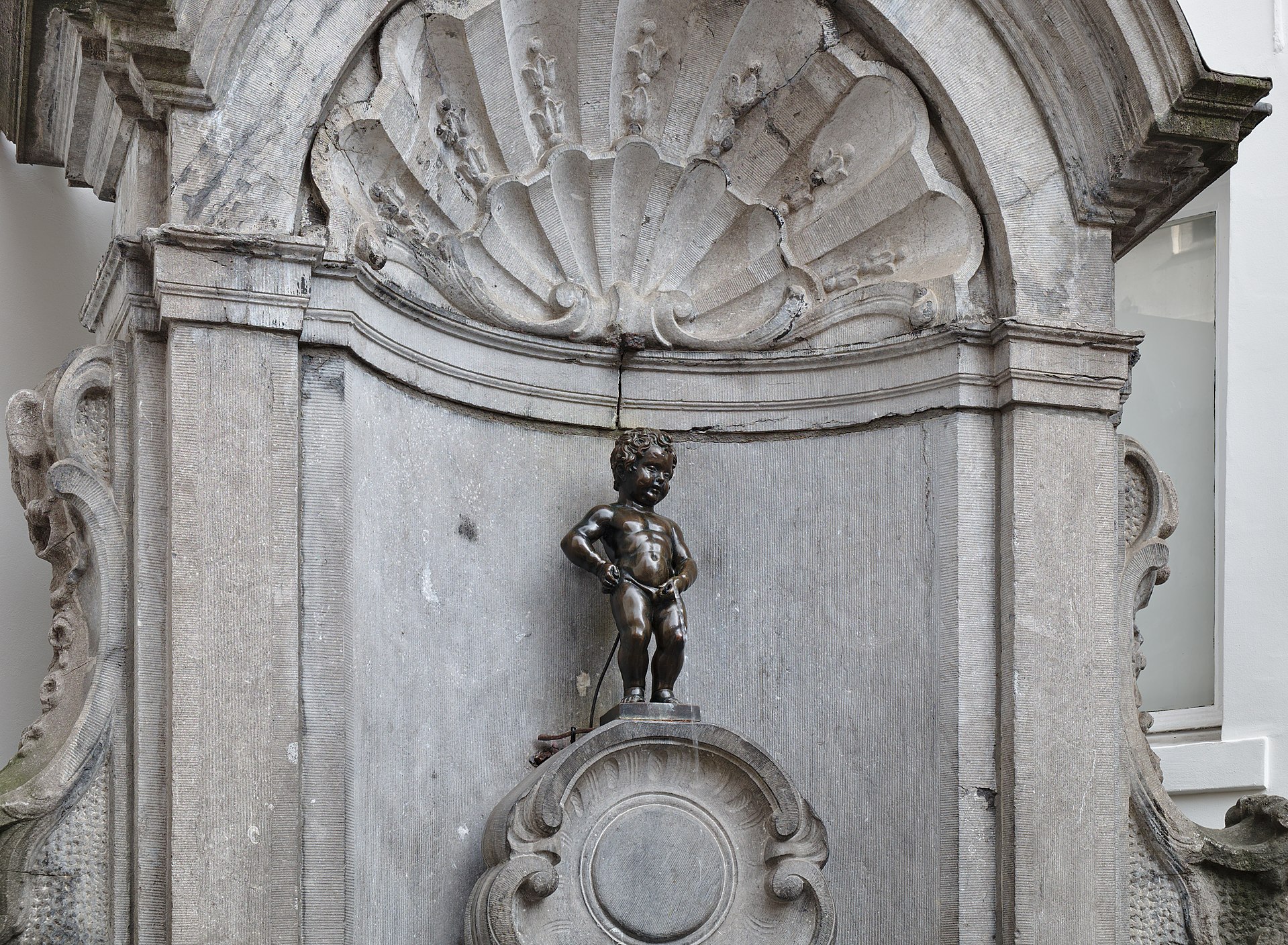
Manneken Pis
Rue de l'Étuve 46, 1000 Brussels
Manneken Pis is a 61-centimetre bronze statue of a small boy urinating into a fountain — and it is the most famous landmark in Belgium, which tells you something about Belgian humour, Belgian expectations, and the remarkable power of a good story to turn a tiny sculpture into a national symbol.
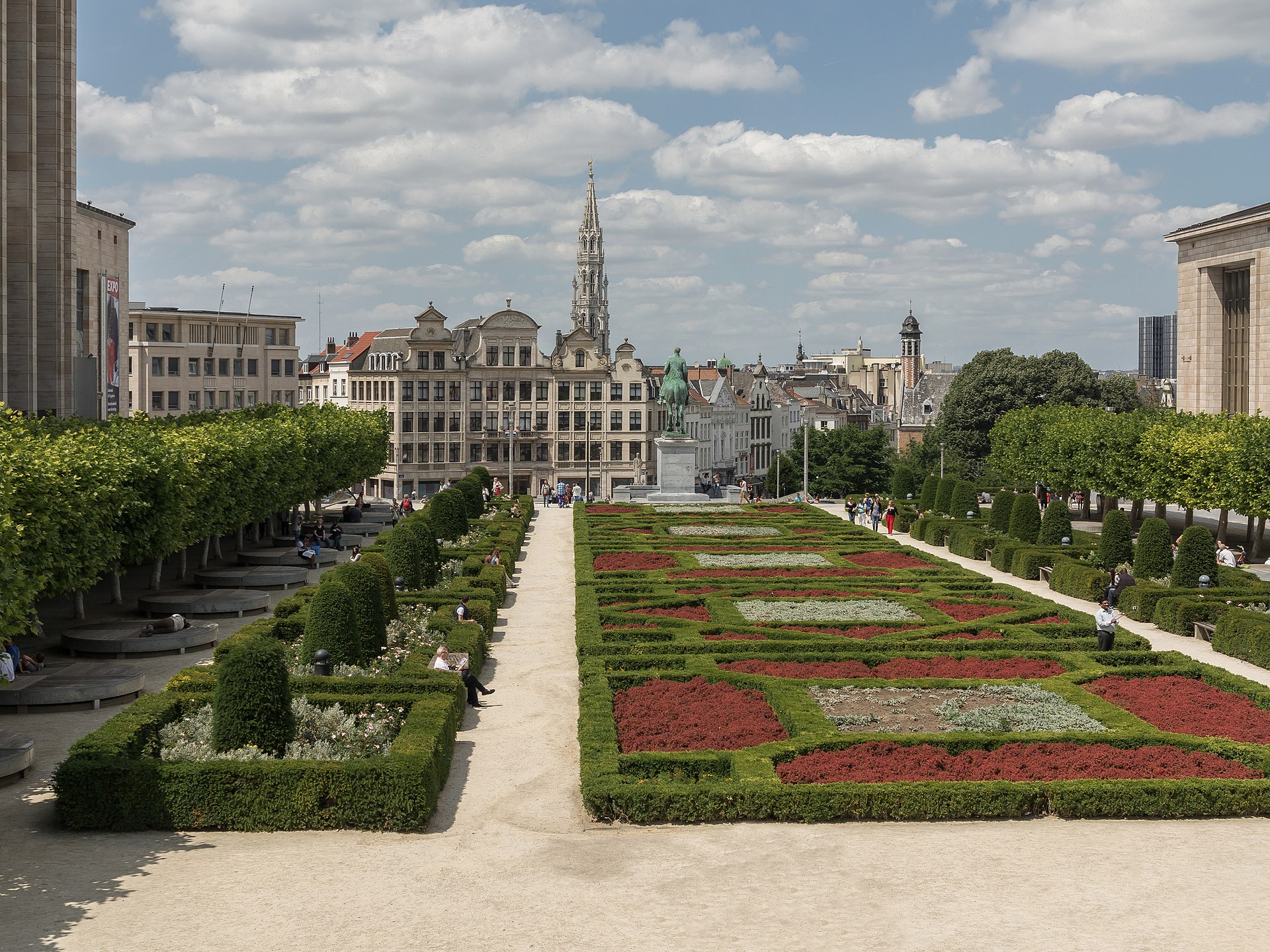
Mont des Arts
Mont des Arts, 1000 Brussels
Mont des Arts is the terraced garden that connects Brussels' upper and lower towns — a formal slope of clipped hedges, fountains, and a clock tower that provides the best view of the city's most famous silhouette: the Town Hall spire rising above the Grand-Place rooftops, with the towers of the cathedral beyond.
Explore free in Brussels
GPS-guided narration at every landmark. Tap a spot on the map, hear the story. Every fact verified.