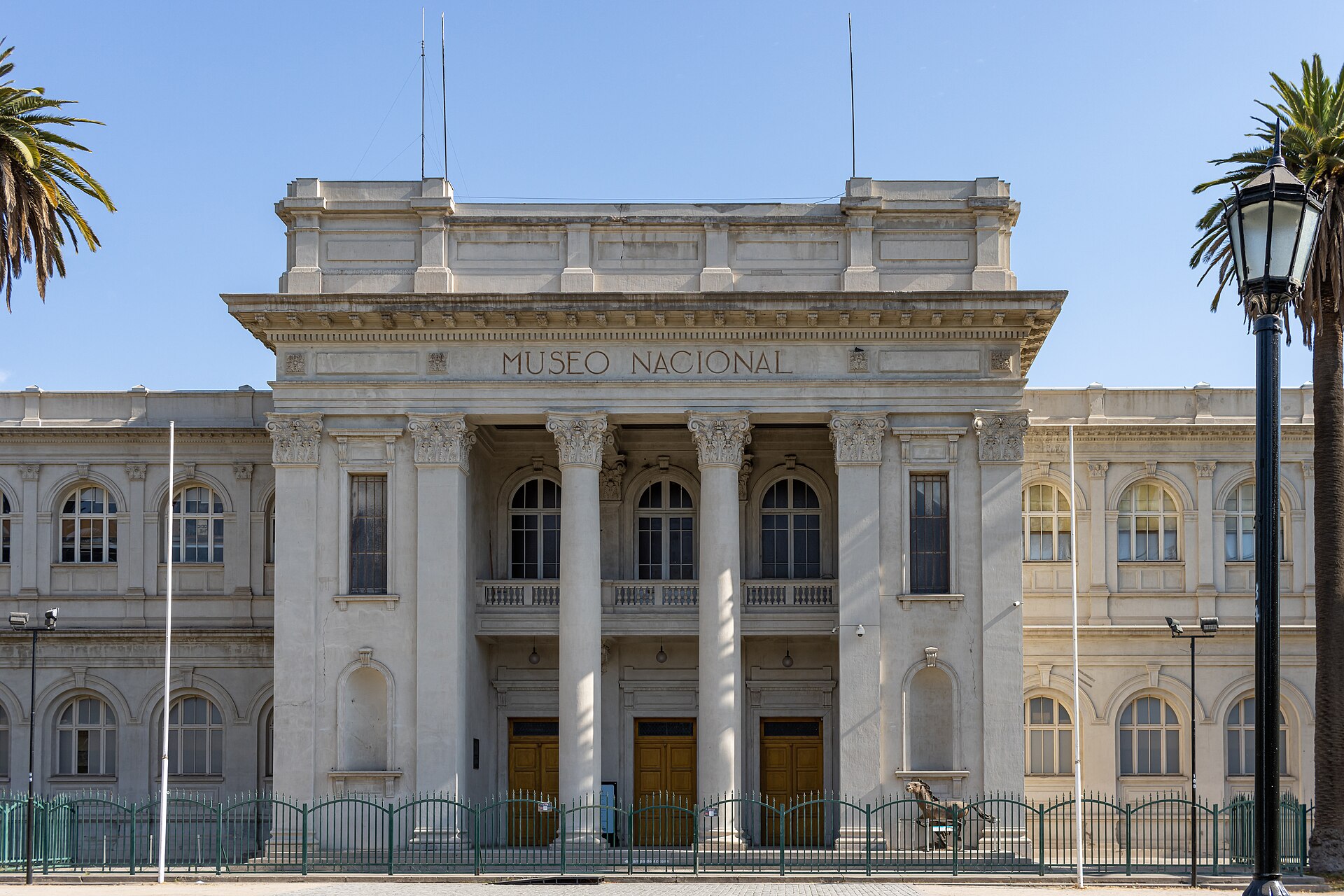
Chapultepec Castle (Museo Nacional de Historia)
s/n Av. Reforma, Bosque de Chapultepec I Sección, Ciudad de México, 11860, México
Chapultepec Castle is the only royal castle in the Americas — built in 1785 as a viceregal summer house on a hilltop that Aztec emperors had used as a retreat, later serving as a military academy, a presidential residence (Emperor Maximilian and his wife Carlota furnished it in European style during their brief, tragic reign), and since 1944 the National Museum of History.
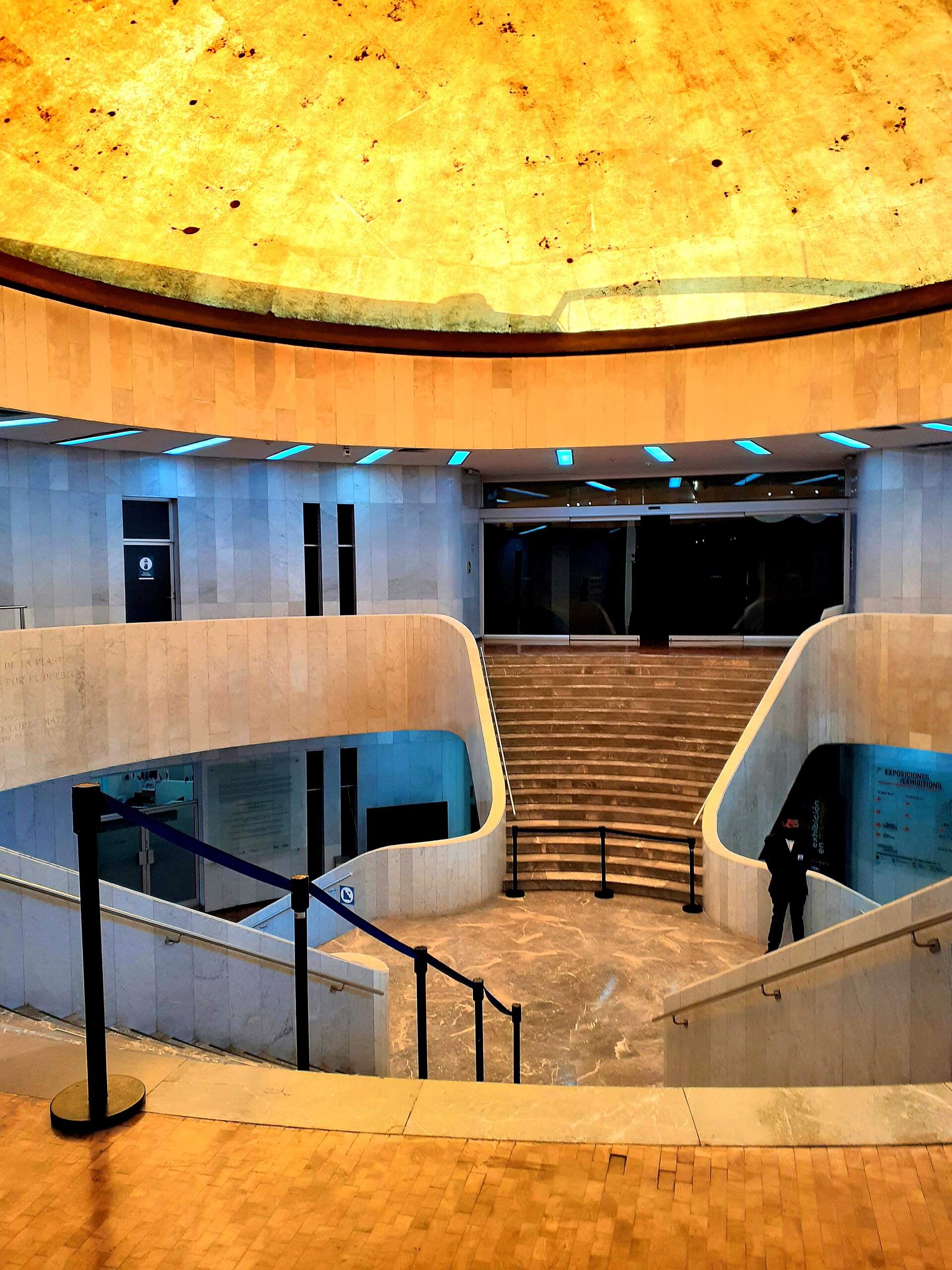
Museo de Arte Moderno
Paseo de La Reforma, Lomas de Chapultepec, Miguel Hidalgo, 11000, Mexico
The Museum of Modern Art sits in Chapultepec Park and houses the most important collection of 20th-century Mexican art — including Frida Kahlo's 'The Two Fridas,' one of the most recognisable paintings in Latin American art, and significant works by Rivera, Orozco, Siqueiros, Tamayo, and the generation of artists who made Mexico one of the most important centres of 20th-century art.
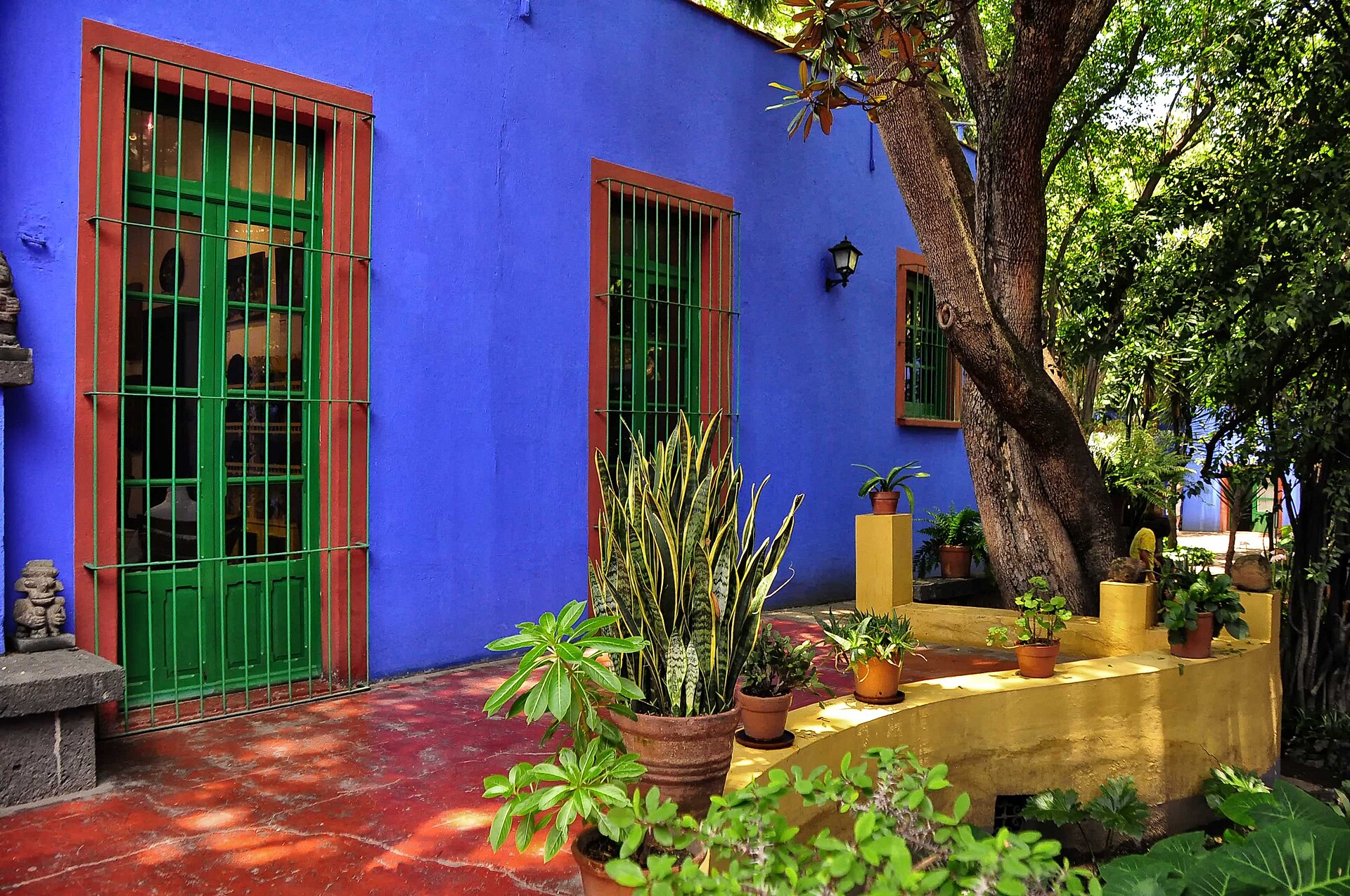
Museo Frida Kahlo (Casa Azul)
Londres 247, Del Carmen, Coyoacán, Mexico City
The Casa Azul (Blue House) is where Frida Kahlo was born, lived, painted, suffered, and died — a cobalt-blue colonial house in Coyoacán that has been preserved as a museum since 1958 and has become the most visited museum in Mexico City.
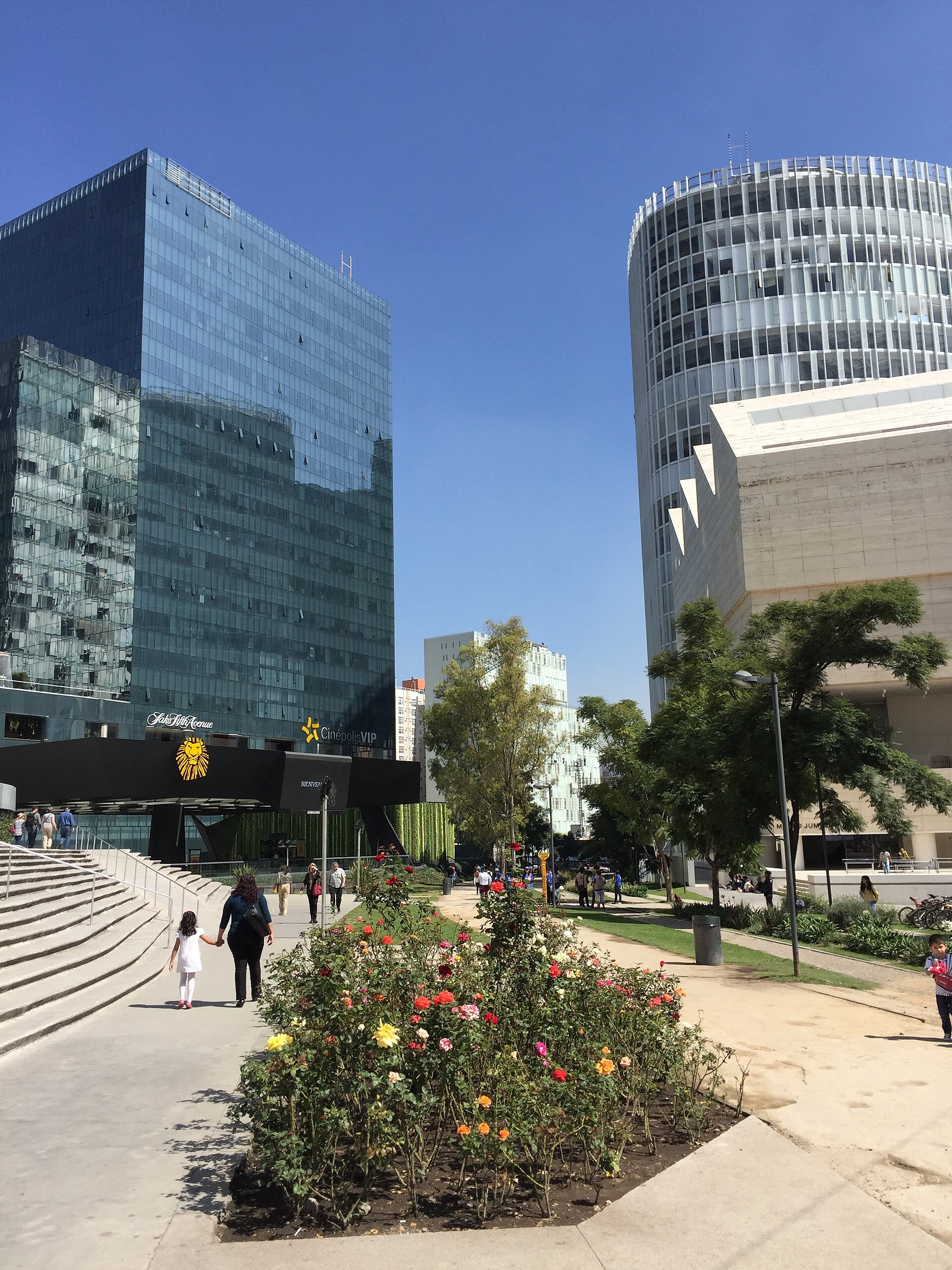
Museo Jumex
Blvd. Miguel de Cervantes Saavedra 303, Polanco, Mexico City
Museo Jumex is Mexico's most important contemporary art museum — a sawtooth-roofed building designed by British architect David Chipperfield that sits next to the Museo Soumaya in Polanco and houses the collection of Eugenio López Alonso, heir to the Jumex juice fortune and Latin America's most significant contemporary art collector.
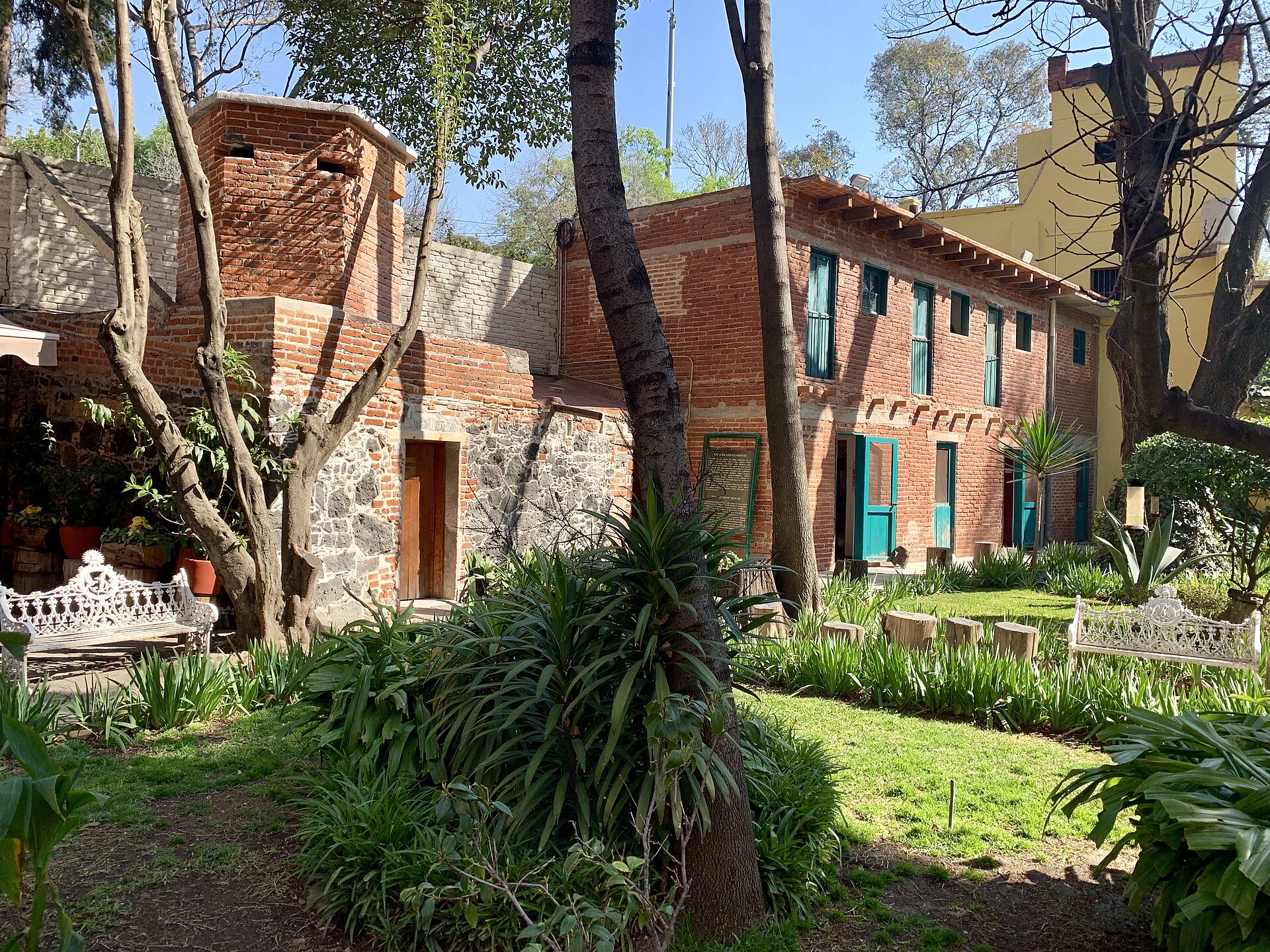
Museo Leon Trotsky
410 Circuito interior Río Churubusco, Del Carmen, Coyoacán, 04100, Mexico
The Leon Trotsky Museum is the house where the exiled Russian revolutionary lived his final years and was assassinated on August 20, 1940 — killed by Ramón Mercader, a Spanish NKVD agent who embedded an ice axe in Trotsky's skull while he was reading at his desk.
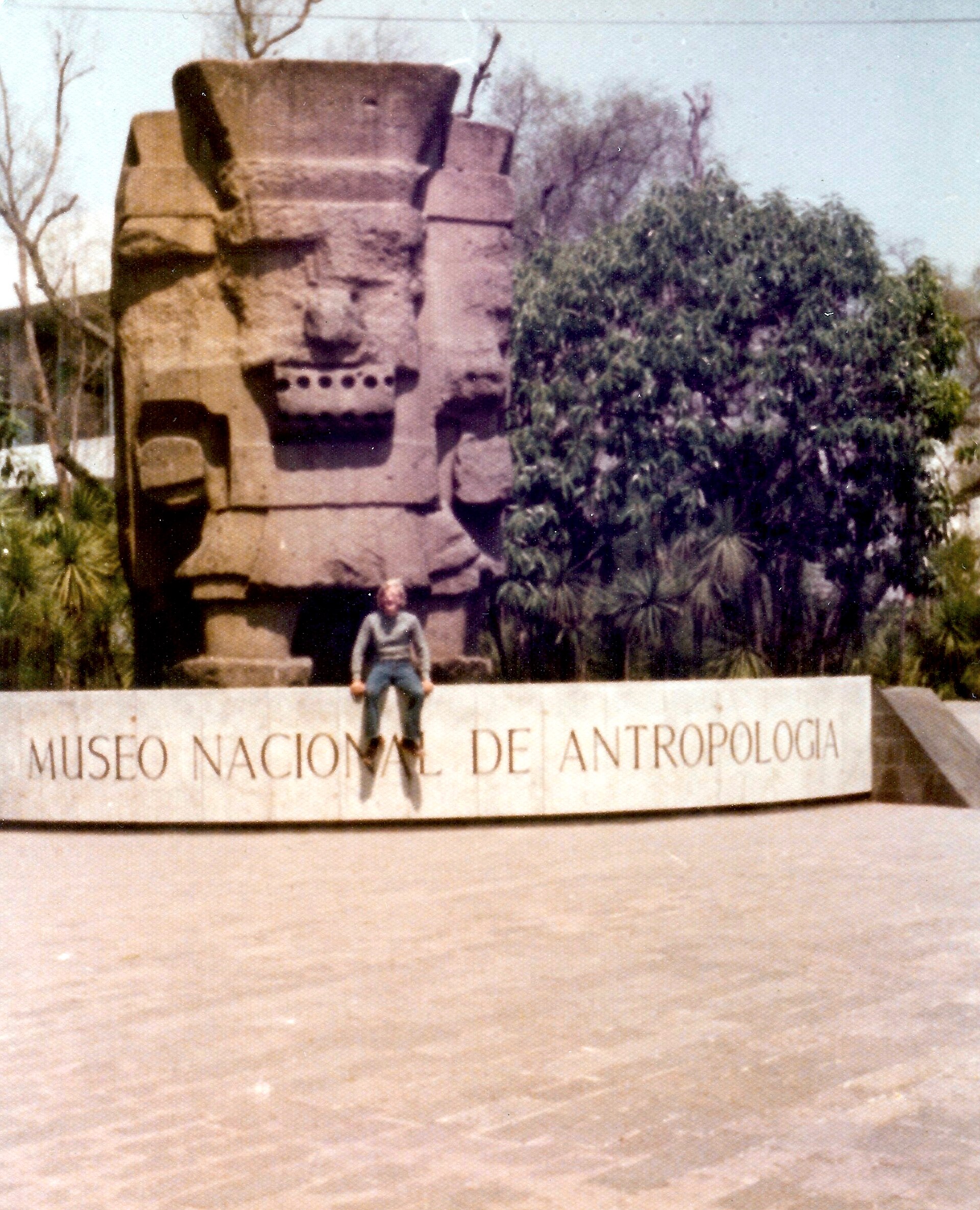
Museo Nacional de Antropología
Avenida Explanada, Lomas de Chapultepec, Miguel Hidalgo, 11000, Mexico
The National Museum of Anthropology is the most important museum in Latin America and one of the finest archaeological museums in the world — a modernist masterpiece designed by Pedro Ramírez Vázquez in 1964 that houses the material culture of Mexico's pre-Hispanic civilisations in a building that is itself a work of art.
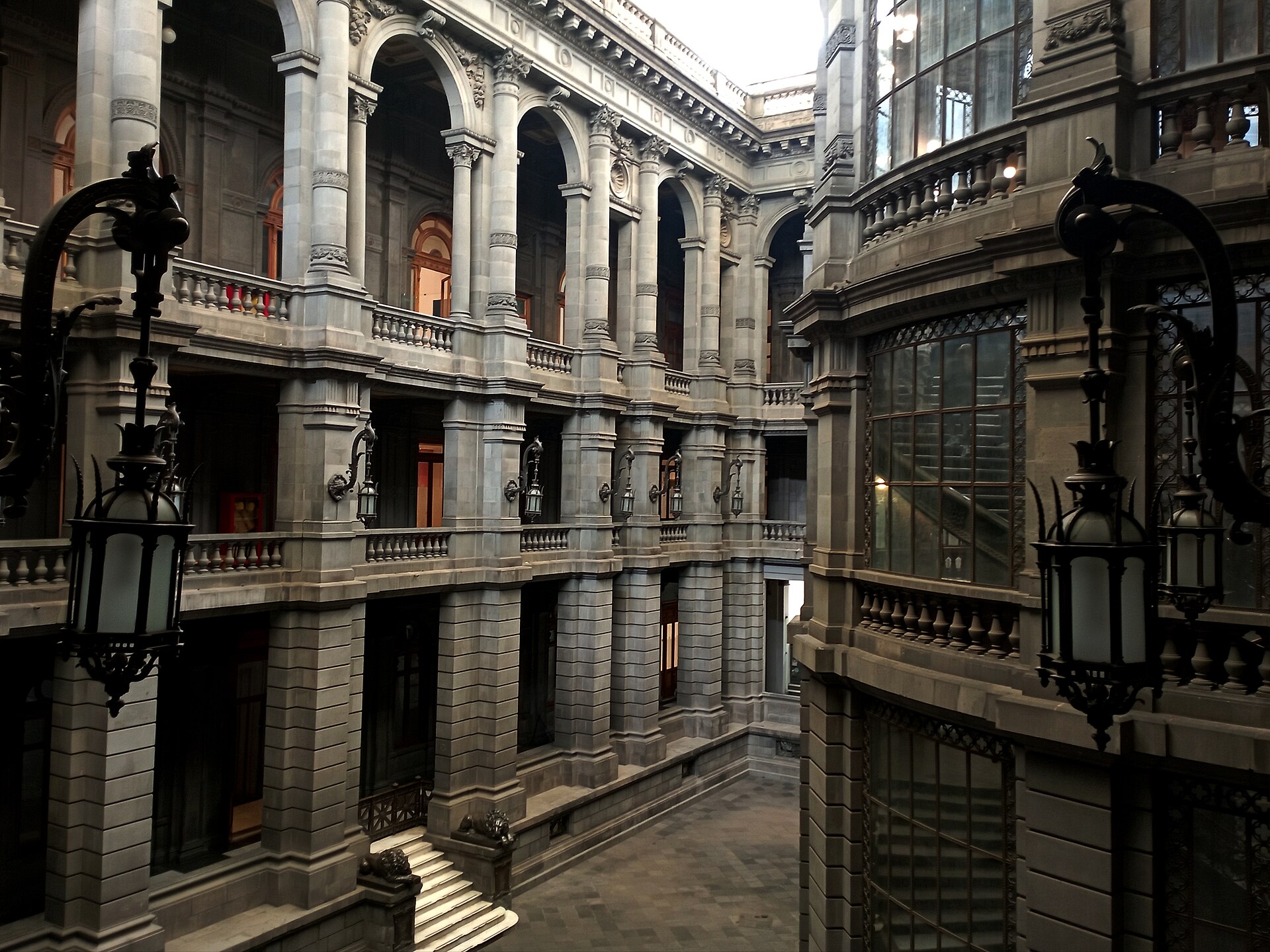
Museo Nacional de Arte (MUNAL)
Tacuba 8, Centro Histórico, Mexico City
MUNAL (Museo Nacional de Arte) is Mexico's national art museum — housed in a sumptuous neoclassical building designed by Italian architect Silvio Contri and completed in 1911, with a collection spanning 500 years of Mexican art from the colonial period to the mid-20th century.
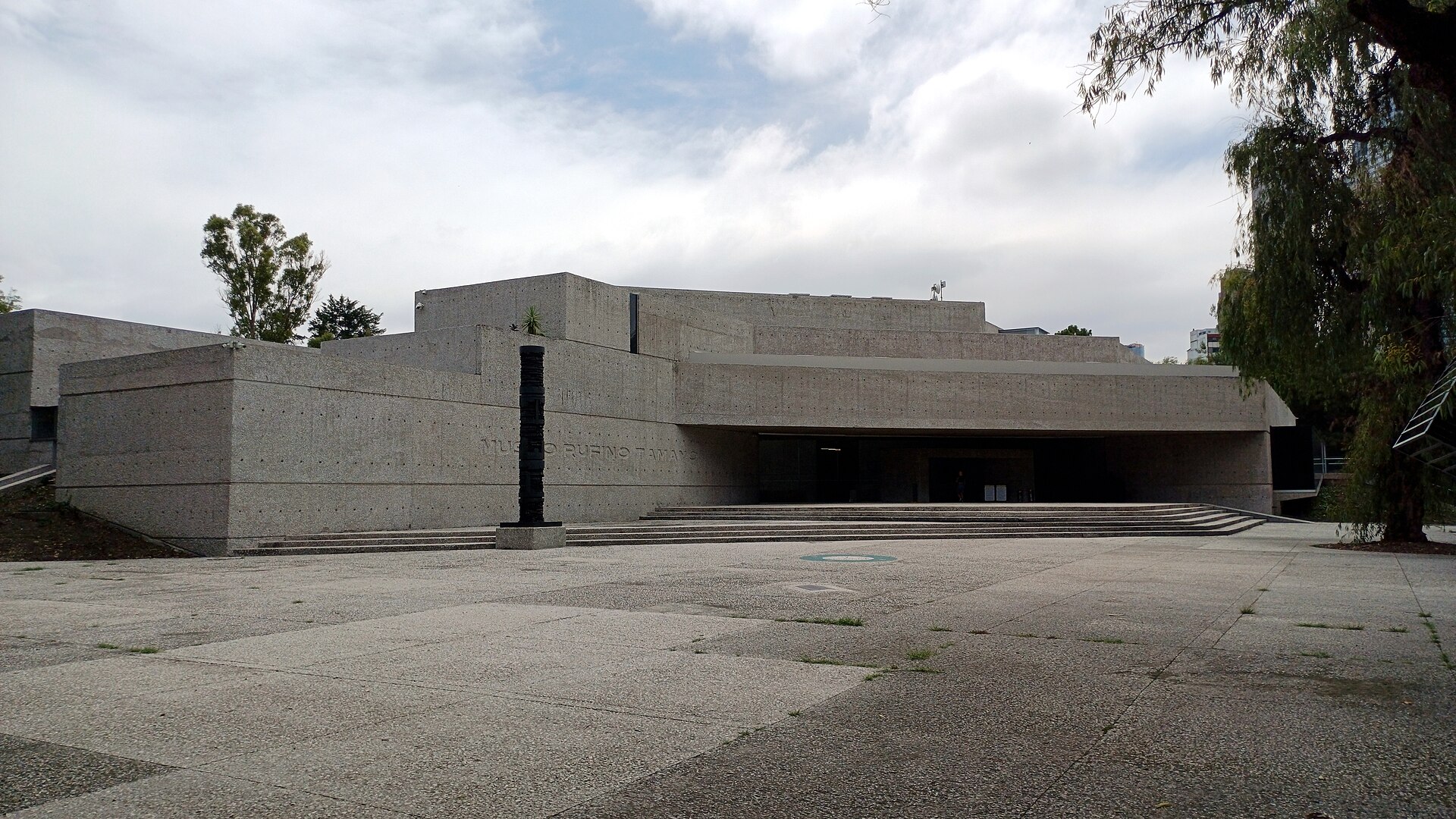
Museo Rufino Tamayo
51 Paseo de La Reforma, Bosque de Chapultepec I, Miguel Hidalgo, 11580, Mexico
The Rufino Tamayo Museum is one of the finest contemporary art museums in Latin America — a brutalist concrete building set among the trees of Chapultepec Park that houses the personal collection of Oaxacan painter Rufino Tamayo alongside rotating exhibitions of international contemporary art.
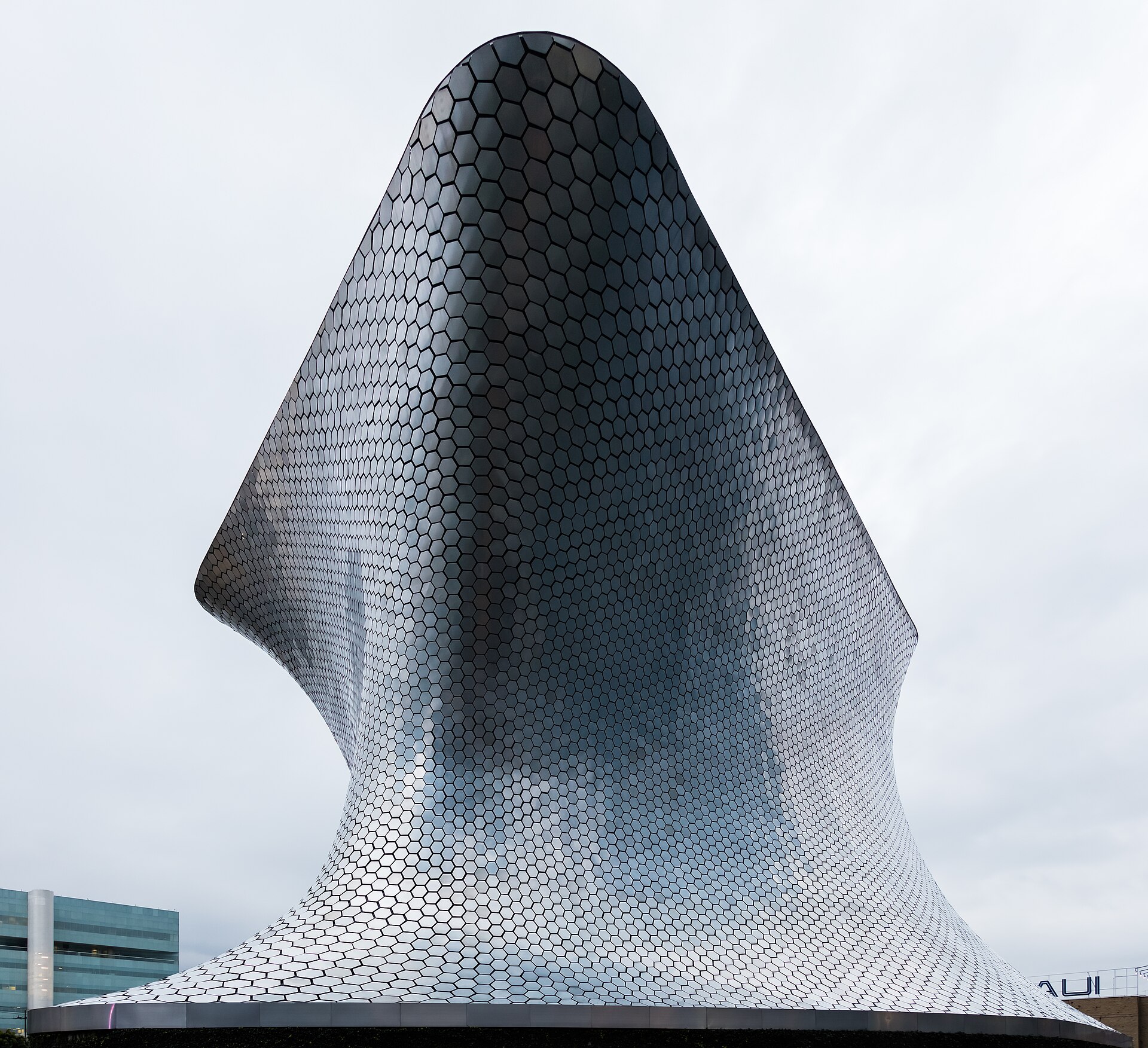
Museo Soumaya
303 Boulevard Miguel Cervantes Saavedra, Granada, Miguel Hidalgo, 11520, Mexico
The Museo Soumaya is Carlos Slim's gift to Mexico City — a 46-metre-tall museum shaped like a warped silver anvil, covered in 16,000 hexagonal aluminium tiles, and housing the billionaire's private art collection of over 66,000 works.
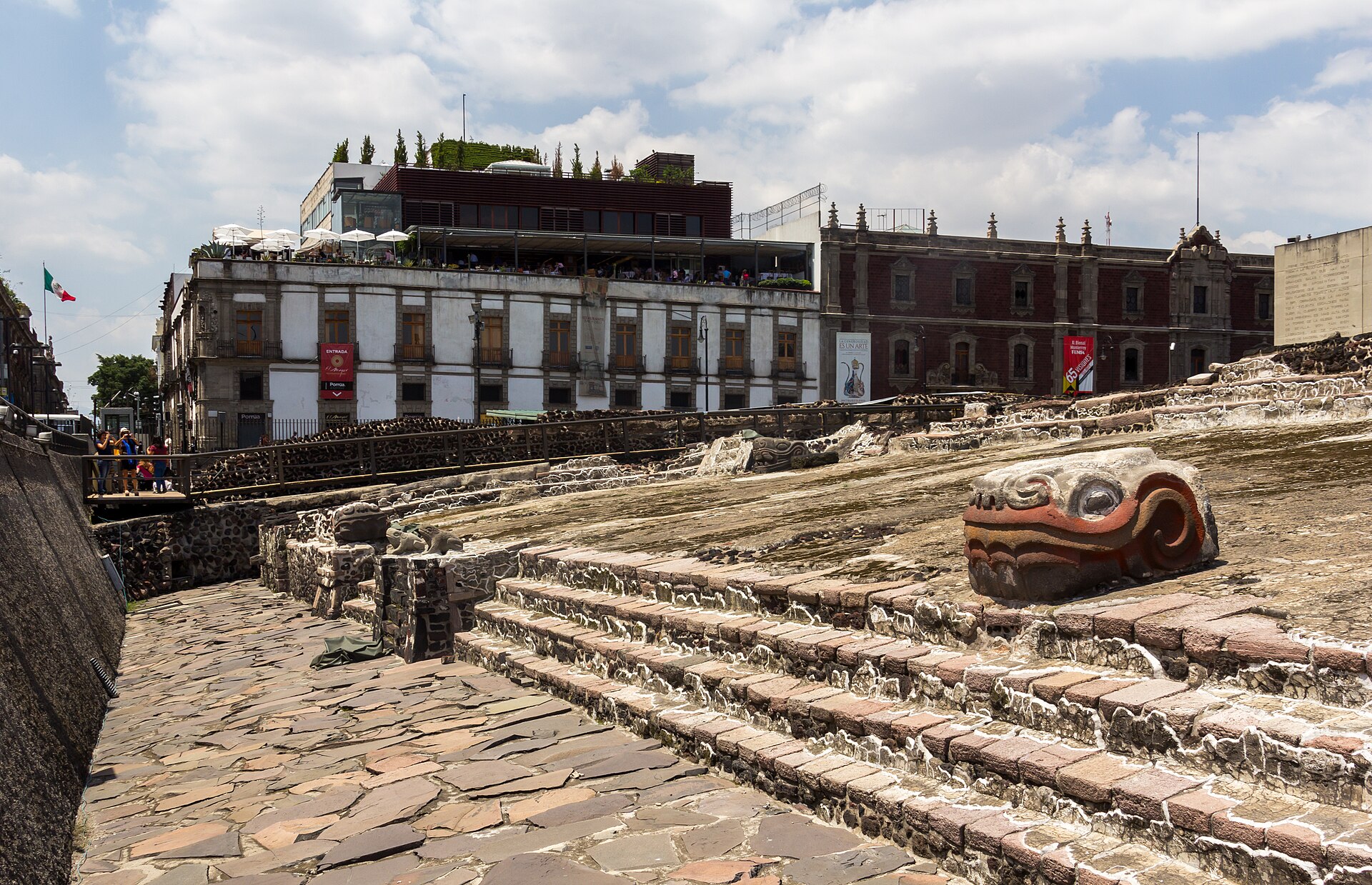
Templo Mayor
Seminario 8, Centro Histórico, Mexico City
Templo Mayor is the excavated remains of the main temple of the Aztec capital Tenochtitlan — the pyramid that stood at the centre of the empire and was the site of human sacrifices, astronomical observations, and the political ceremonies that held the Aztec world together.
Explore museum in Mexico City
GPS-guided narration at every landmark. Tap a spot on the map, hear the story. Every fact verified.