Museo Nacional de Antropología
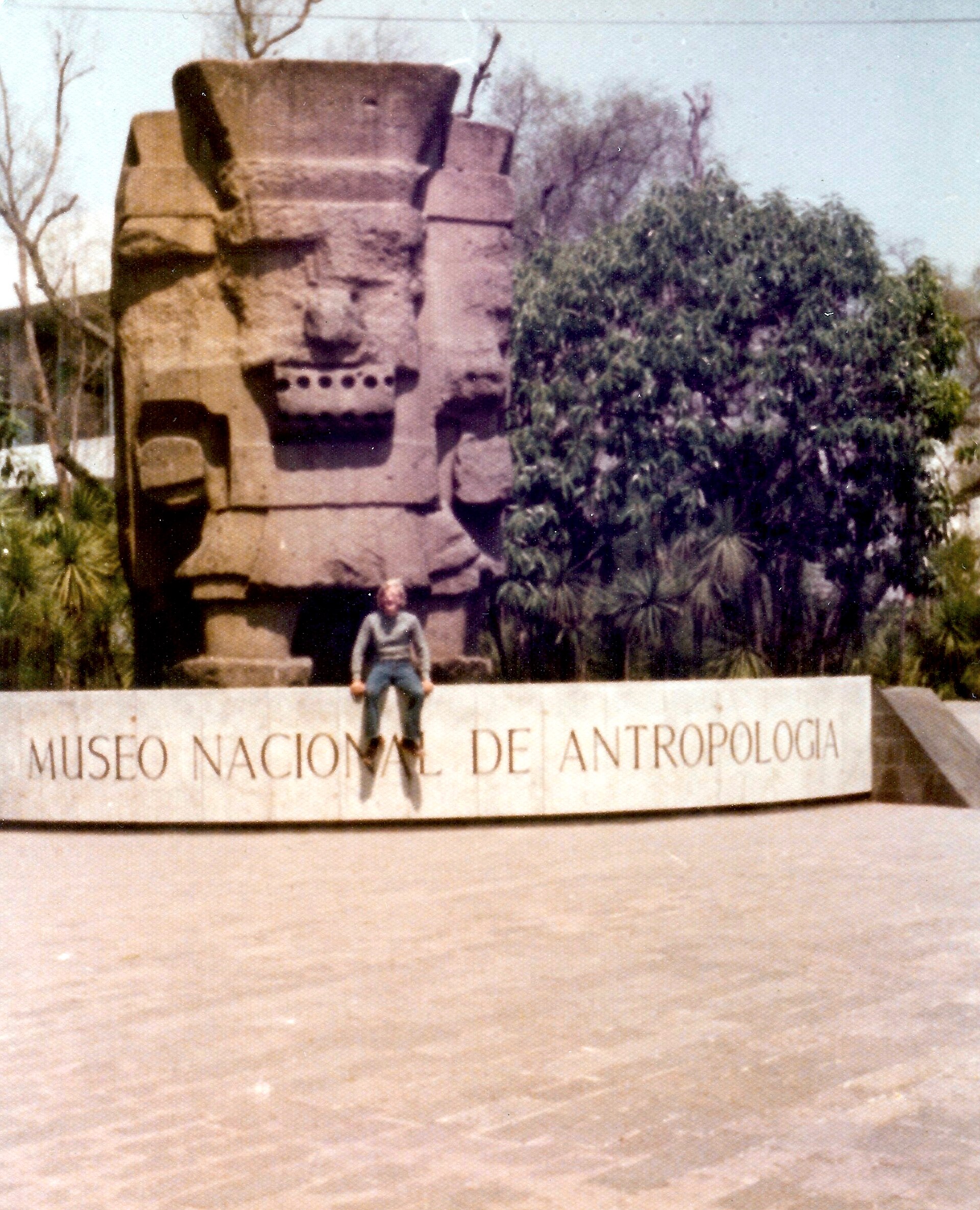
The National Museum of Anthropology is the most important museum in Latin America and one of the finest archaeological museums in the world — a modernist masterpiece designed by Pedro Ramírez Vázquez in 1964 that houses the material culture of Mexico's pre-Hispanic civilisations in a building that is itself a work of art. The central courtyard, sheltered by a single concrete column supporting an enormous aluminium umbrella that cascades water on all sides, is one of the most dramatic architectural spaces in any museum anywhere.
The Aztec Hall is the museum's centrepiece — home to the Sun Stone (often miscalled the Aztec Calendar), a 24-ton basalt disc carved in the 15th century that has become the single most recognisable symbol of pre-Hispanic Mexico. The stone is displayed at the back of the hall, and the approach — through galleries of Aztec sculpture, ceramics, and architectural models — builds to the reveal with cinematic pacing. The Maya Hall, the Oaxaca Hall (Zapotec and Mixtec), and the Teotihuacán Hall each contain collections that would anchor a major museum in any other country.
The museum is large enough to overwhelm — 23 exhibition halls covering every major pre-Hispanic culture from the Olmec to the Aztec, plus ethnographic galleries on the upper floor showing indigenous cultures that survive today. The practical advice is to choose two or three halls rather than attempting everything. The Aztec and Maya halls are essential. The Teotihuacán hall is extraordinary. Everything else is a bonus. Budget three hours minimum, and arrive when the museum opens to beat the school groups.
Verified Facts
The museum was designed by Pedro Ramírez Vázquez and opened in 1964
The Sun Stone weighs approximately 24 tons
The museum contains 23 exhibition halls
The central courtyard features a single concrete column supporting a large umbrella canopy
Get walking directions
Avenida Explanada, Lomas de Chapultepec, Miguel Hidalgo, 11000, Mexico