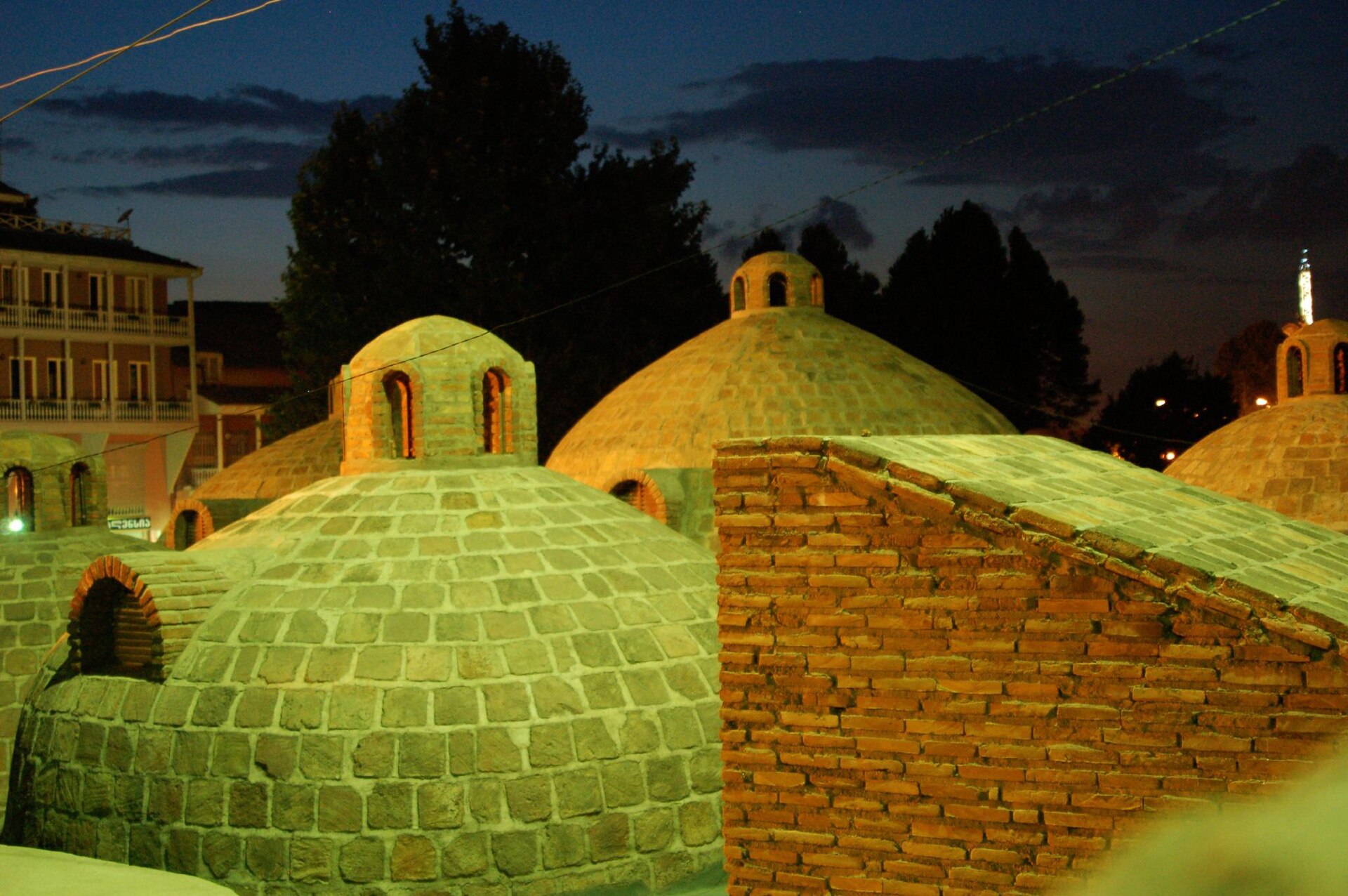
The hammam is the quintessential Moroccan bathing ritual — a communal steam bath that has been a cornerstone of social and hygienic life in Marrakech since the city was founded. The traditional hammam consists of three rooms of progressively increasing heat (cold, warm, hot), where bathers wash using black soap (savon noir, made from olive oil and eucalyptus), are scrubbed with a rough exfoliating glove (kessa), and emerge feeling simultaneously raw and reborn.
Marrakech has hundreds of hammams ranging from neighbourhood establishments (basic, cheap, and authentic, where you bring your own soap and bucket) to luxury spa hammams (Le Bain Bleu, Hammam de la Rose, Heritage Spa) that add essential oils, massage, and the kind of service that turns a bath into a three-hour pampering session. The neighbourhood hammams cost a few dirhams and provide the genuine communal experience — men and women bathe at separate times, conversation echoes off the tiled walls, and the ritual of being scrubbed clean by a complete stranger becomes strangely intimate and entirely normal.
The hammam tradition predates Islam in North Africa (the Romans built bathhouses across their African provinces), but the Islamic emphasis on ritual cleanliness made the hammam a religious as well as social institution. Every mosque in Marrakech historically had an associated hammam, and the architectural relationship between the two — shared water systems, adjacent locations, complementary functions — reflects the integration of spiritual and physical cleanliness in Moroccan culture.
Verified Facts
The traditional hammam has three rooms of increasing heat
Black soap (savon noir) is made from olive oil and eucalyptus
The kessa is a rough exfoliating glove used in the scrub
Every mosque traditionally had an associated hammam
Get walking directions
Marrakesh, Morocco